A Veteran Bartender Shares 5 Drinks You May Want to Skip
After years of working behind the bar – from dive bars to upscale cocktail lounges – a seasoned bartender sees every kind of drink order imaginable. Some requests are a joy to make. Others, not so much. Beyond the labor or the annoyance factor, there are drinks that genuinely give pause from a health and ingredient standpoint. These are the five that come up most often when bartenders talk candidly about what they’d quietly steer a friend away from.
1. The Long Island Iced Tea
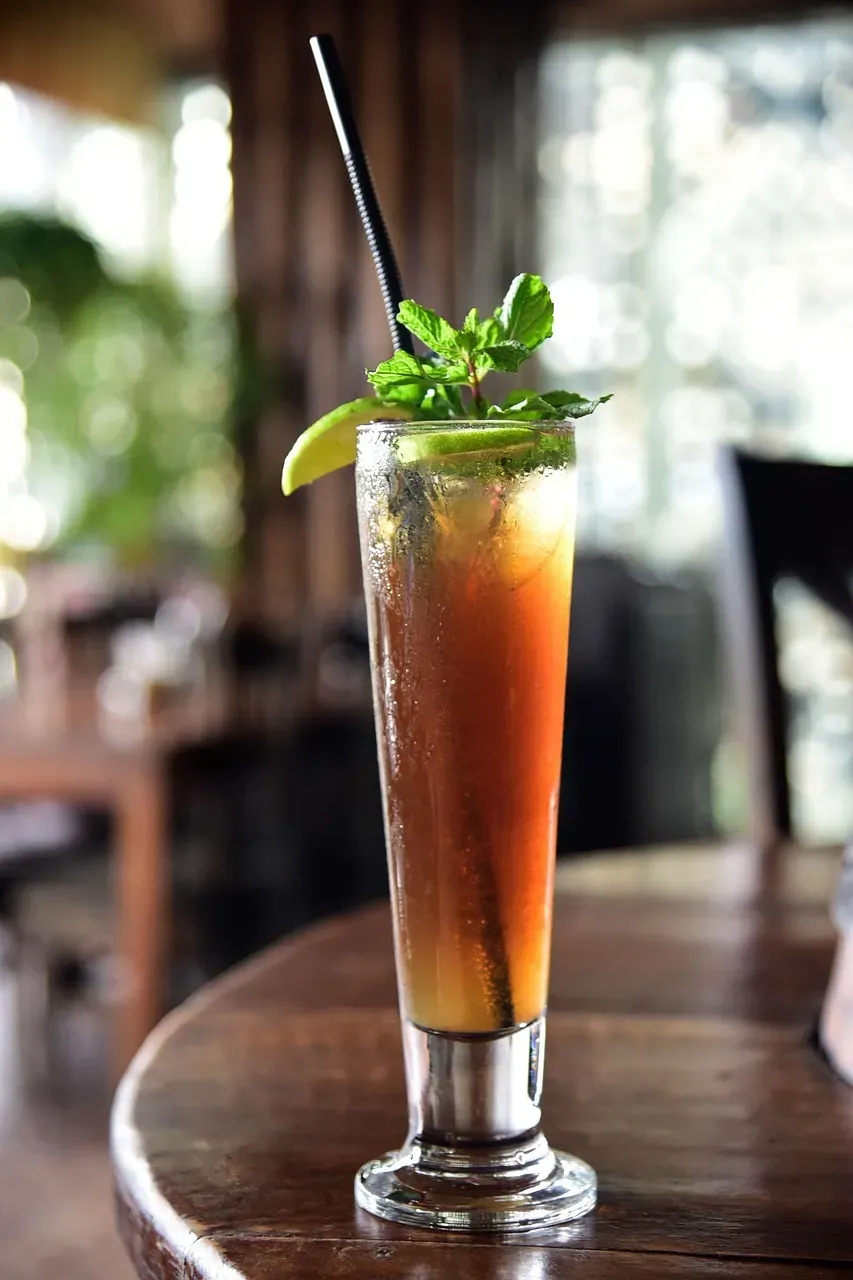
Despite its name, the Long Island Iced Tea contains no tea at all. It combines vodka, gin, tequila, rum, triple sec, lemon juice, simple syrup, and cola to create a drink that only resembles iced tea in color. A standard version contains approximately 22 grams of pure alcohol, coming from five different spirits, making it one of the most alcohol-dense cocktails you can order. That’s a staggering amount hidden inside something that looks and tastes deceptively light.
The drink has a much higher alcohol concentration – approximately 22 percent – than most highball drinks, due to the relatively small amount of mixer used. The high alcohol content, often containing up to five different types of liquor, can contribute to overconsumption and lead to dehydration, impaired judgment, and increased calorie intake. Additionally, the sugary mixers can contribute to spikes in blood sugar levels. Consuming a Long Island Iced Tea in excess can lead to several health risks, including an increased risk of alcohol poisoning, liver damage, dehydration, and weight gain due to the high caloric content.
2. The Piña Colada
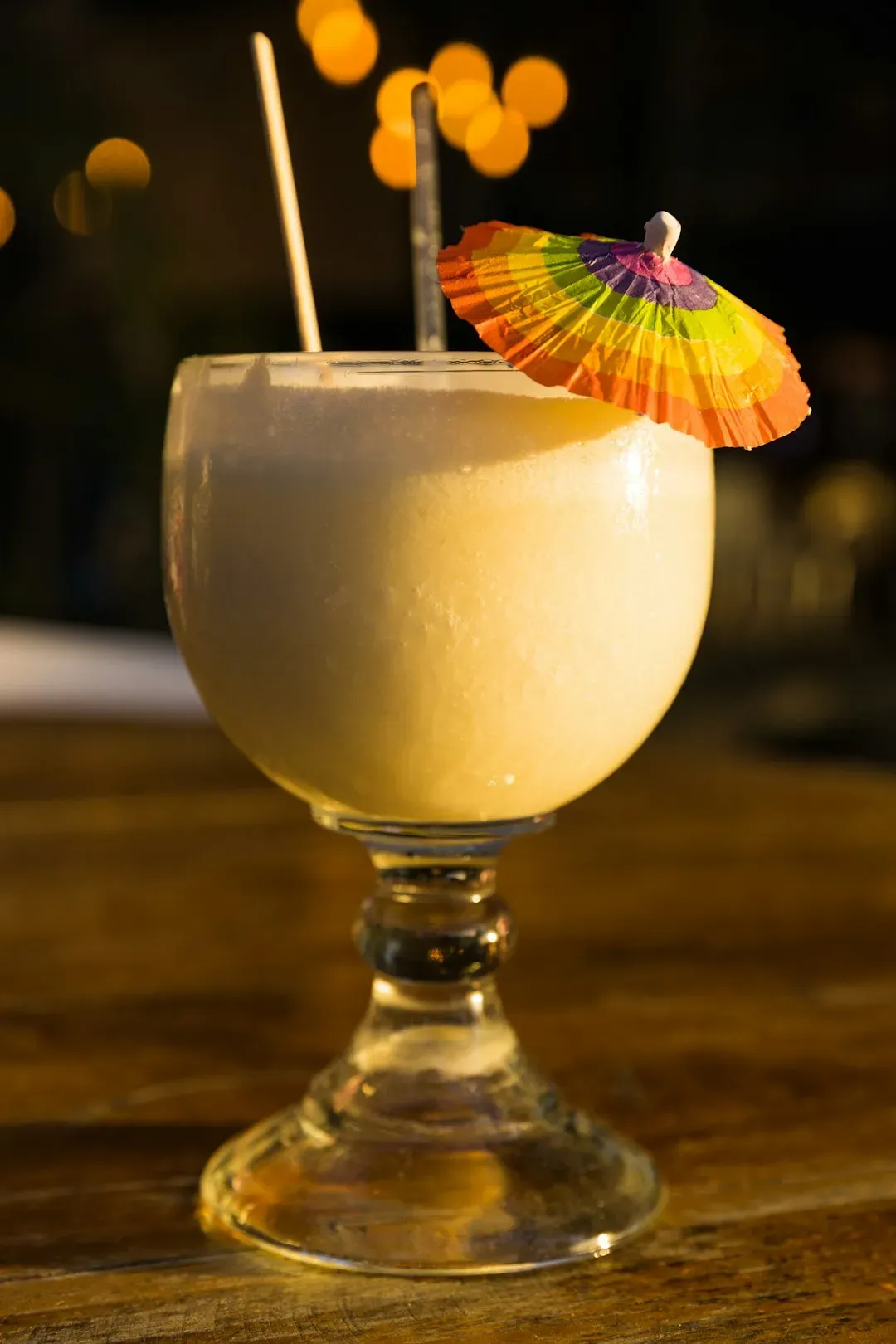
Piña coladas are popular tropical cocktails made with rum, coconut cream, and pineapple juice. An 8-ounce piña colada can contain as much as 40 grams of sugar, most of it coming from the coconut cream and pineapple juice. That figure is close to the upper limit of what the U.S. Dietary Guidelines recommends for an entire day’s worth of added sugar. It’s essentially dessert in a glass, regardless of how refreshing it feels on a hot afternoon.
With cream, pineapple juice, and rum, this drink clocks in at around 645 calories, making it one of the worst offenders – equivalent to eating roughly 10 KFC hot chicken wings. Piña coladas rank among the highest-carb cocktails available, coming in at around 654 calories and 85 grams of carbohydrates per 12-ounce serving. That’s a number that surprises most people ordering one at a beach bar without giving it a second thought.
3. The Frozen Margarita (From a Mix)
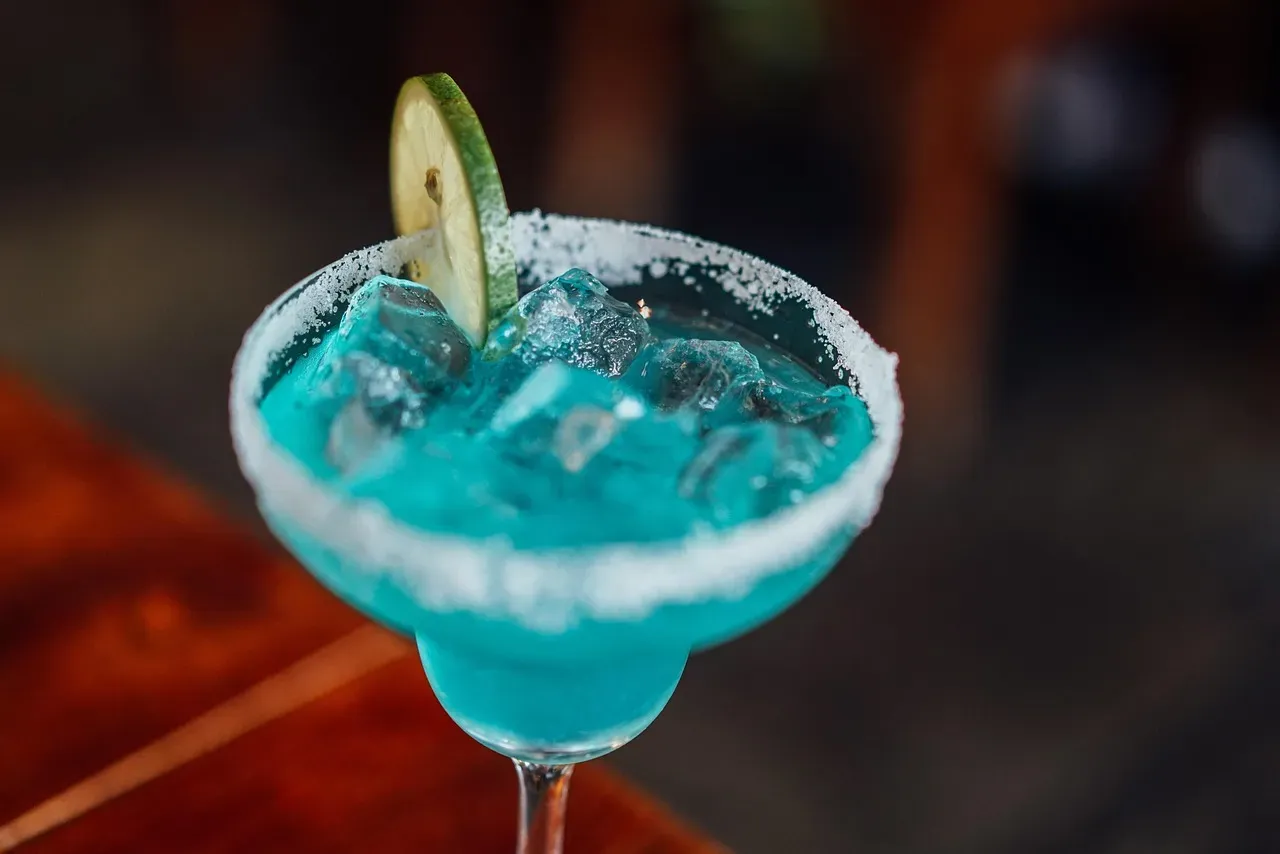
On paper, a traditional margarita made with tequila, lime, triple sec, and a dash of simple syrup isn’t actually all that unhealthy. Unfortunately, the popularity of this cocktail can make it anything but healthy – especially if you’re working with a frozen option or using a store-bought mix. Most commercial sweet and sour mixes contain high fructose corn syrup and artificial flavors, and experienced bartenders will try to steer customers away from drinks that use these kinds of artificial mixers when they can.
Frozen margaritas are high in sugar and calories, which can contribute to weight gain and elevated blood sugar levels if consumed excessively. Additionally, they contain alcohol, which should be consumed responsibly to avoid negative effects on liver health and hydration. Frozen versions often contain more sugar due to pre-made mixes, whereas regular margaritas made from scratch may allow much better control over sugar and calorie content. The difference between a fresh margarita made with real lime juice and a machine-dispensed frozen version loaded with syrup is genuinely significant.
4. The White Russian
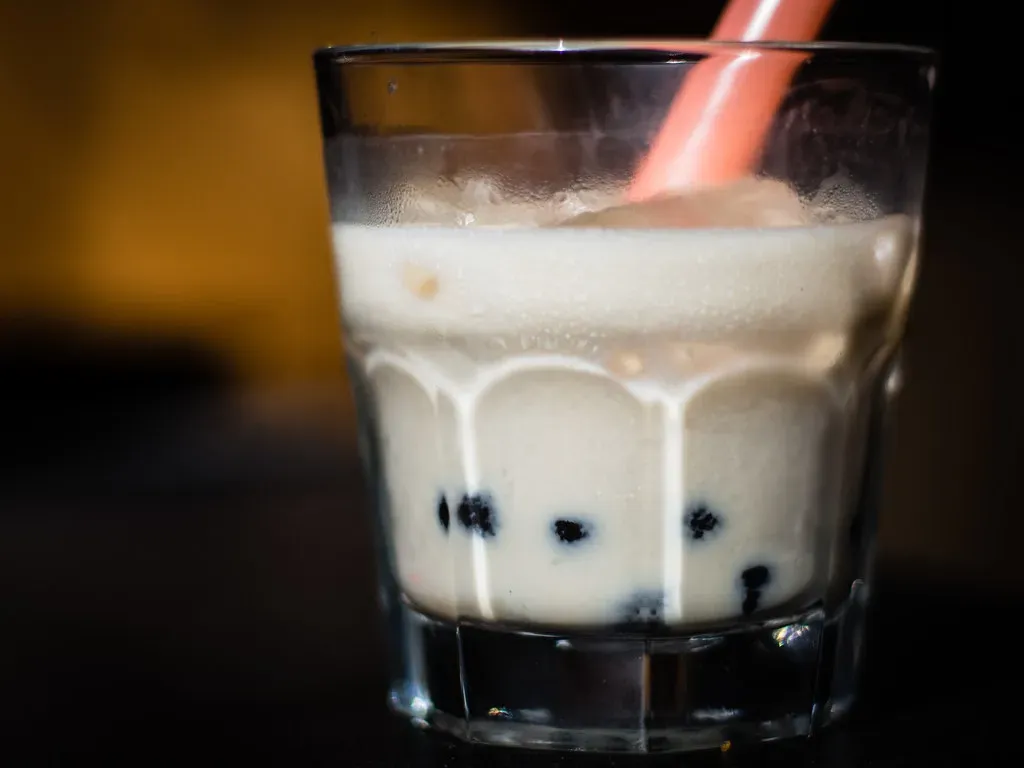
A White Russian is a creamy, rich drink made with vodka, coffee liqueur, and heavy cream or milk. With 21.5 grams of sugar per 8-ounce drink, a White Russian is more like a dessert than a cocktail. Most of the sugar comes from the coffee liqueur, which can contain between 11 and 16 grams per ounce, depending on its alcohol proof. It’s the kind of drink that many people order without any awareness of just how much they’re consuming in one sitting.
Made with vodka, coffee liqueur, and cream, this cocktail packs in a solid 425 calories per drink – the equivalent of having a McDonald’s Double Cheeseburger. Excessive sugar consumption has been linked to fatty liver disease, and combined with alcohol, this effect can be even more pronounced. Drinking beverages with high sugar content, like sweet wines, flavored spirits, or pre-mixed cocktails, may increase the strain on your liver over time. The combination of heavy cream and a sugar-dense liqueur makes this one of the less obvious calorie traps at the bar.
5. The Frozen Strawberry Daiquiri
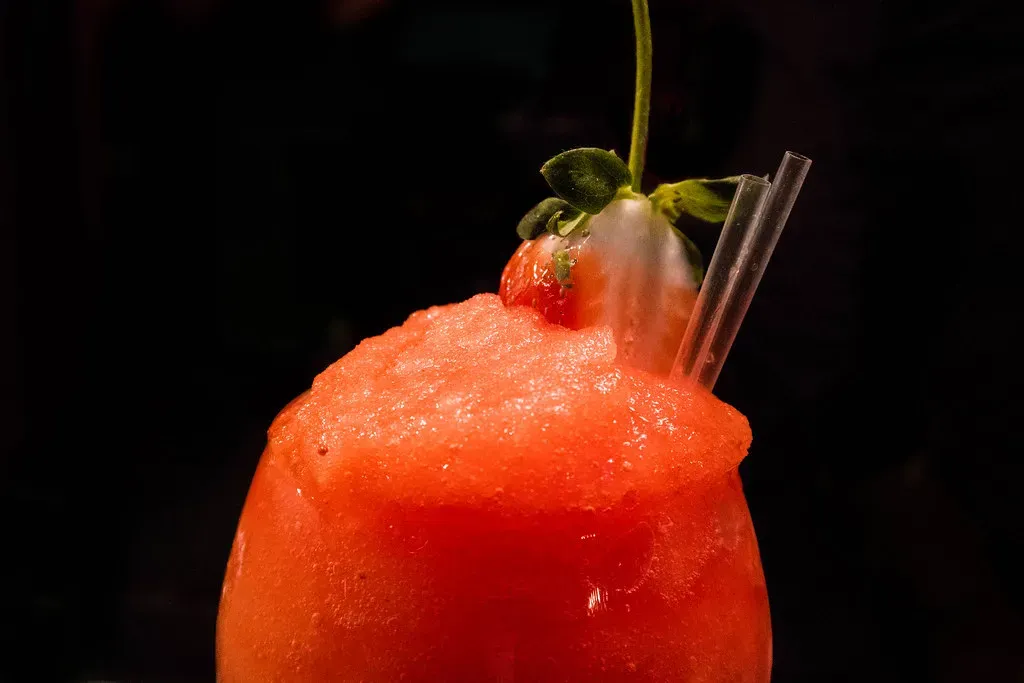
Strawberry daiquiris are a fun variation of the classic daiquiri, blending rum, fresh lime juice, and strawberries. Although the exact sugar content varies depending on the ingredients, most contain at least 30 grams of sugar. Daiquiris can be high in sugar from the sweetened strawberry purees or syrups used for flavoring. Strawberry daiquiri mixes can be a significant source of sugar on their own, with some containing 34 grams per 4-ounce serving. That’s before any additional rum or flavoring is added to the glass.
These drinks usually come in huge glasses and are blended with flavored sugar syrups. Depending on the size, you can expect them to contain around 500 to 600 calories – roughly equal to two slices of a large pepperoni pizza. Many popular cocktails contain significant amounts of added sugars, with some reaching 30 to 40 grams per serving, which is 60 to 80 percent of the recommended daily sugar limit. Studies published in Circulation have shown that increased consumption of sweetened beverages correlated with an increased mortality rate in the long term. That’s a sobering data point for anyone who orders these regularly.