If Your Grandma Cooked in the ’70s, You’ll Likely Recognize These 5 Dishes
Think about your grandmother’s kitchen in the 1970s for just a moment. The smell of simmering casseroles filled the air, while colorful Jell-O salads jiggled proudly in the refrigerator. That decade was truly something special in American home cooking, blending convenience with comfort in ways that still make us nostalgic today.
The 1970s were a pivotal decade for American cuisine, blending tradition with innovation. As we recreate these dishes, we’re not just indulging in nostalgia; we’re preserving a piece of culinary history. Let’s dive into the dishes that made grandma’s table unforgettable during those groovy years.
Tuna Noodle Casserole: The Ultimate Comfort Food
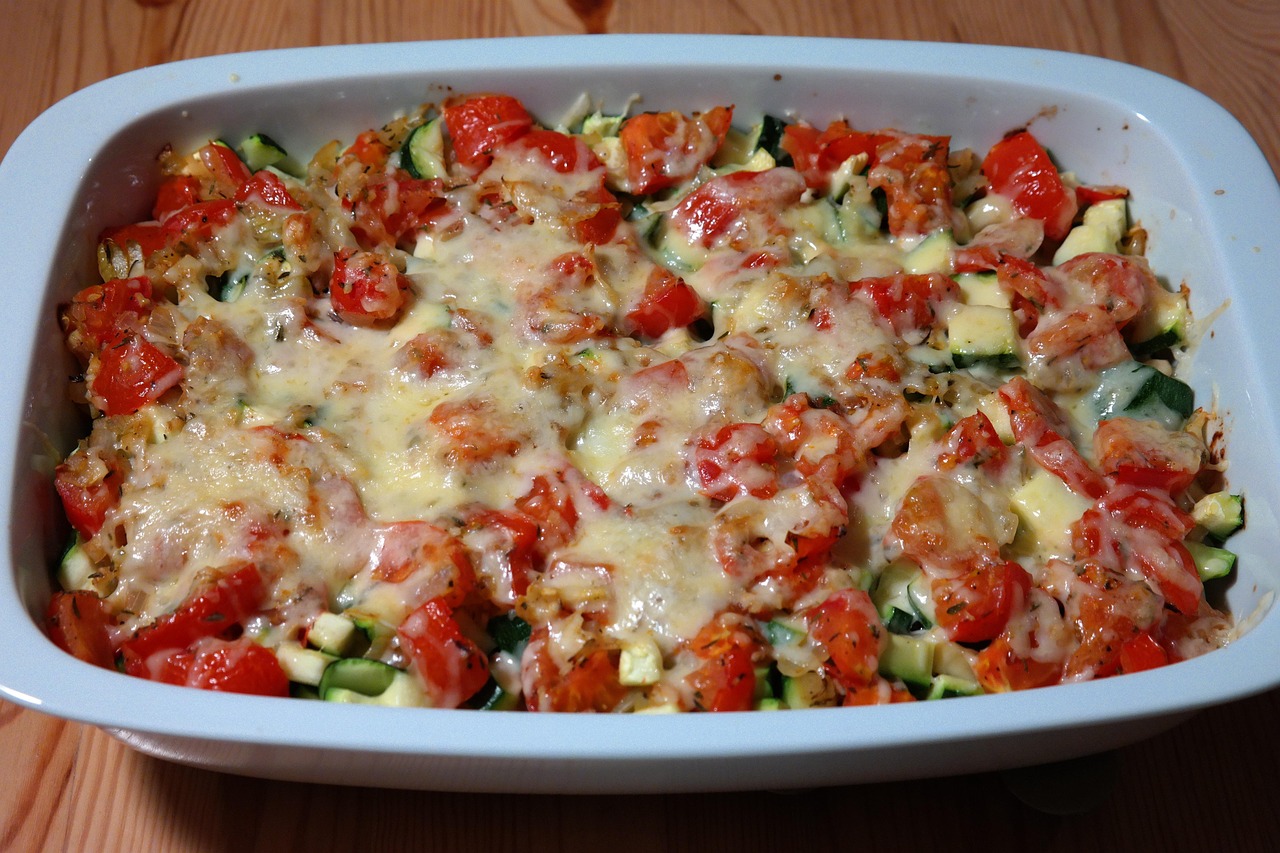
While Campbell’s helped popularize tuna casserole recipes, the first printed recipe for tuna noodle casserole appeared in 1930. However, it reached its peak popularity during the 1970s when busy families needed quick, affordable meals. The 1950s was the heyday for this casserole but it is still made quite a bit today. Tuna became increasingly popular in American households during this period, with casseroles being among the most common preparations.
Think casseroles – those all-in-one dishes that could be thrown together and left to bake while you went about other tasks. Tuna noodle casserole was a staple, with its creamy, cheesy sauce and chunks of tuna melding with noodles. It was affordable, filling, and could be customized with whatever ingredients you had on hand. Grandmas everywhere topped theirs with crushed potato chips or buttered breadcrumbs for that essential crunch factor.
The beauty of this dish lay in its simplicity and adaptability. Back in the day, tuna noodle casserole or tuna delight was very popular, especially during Lent. But, Grandma’s casserole is pretty much the ultimate comfort food.
Jell-O Salads: Jiggly Masterpieces of Color
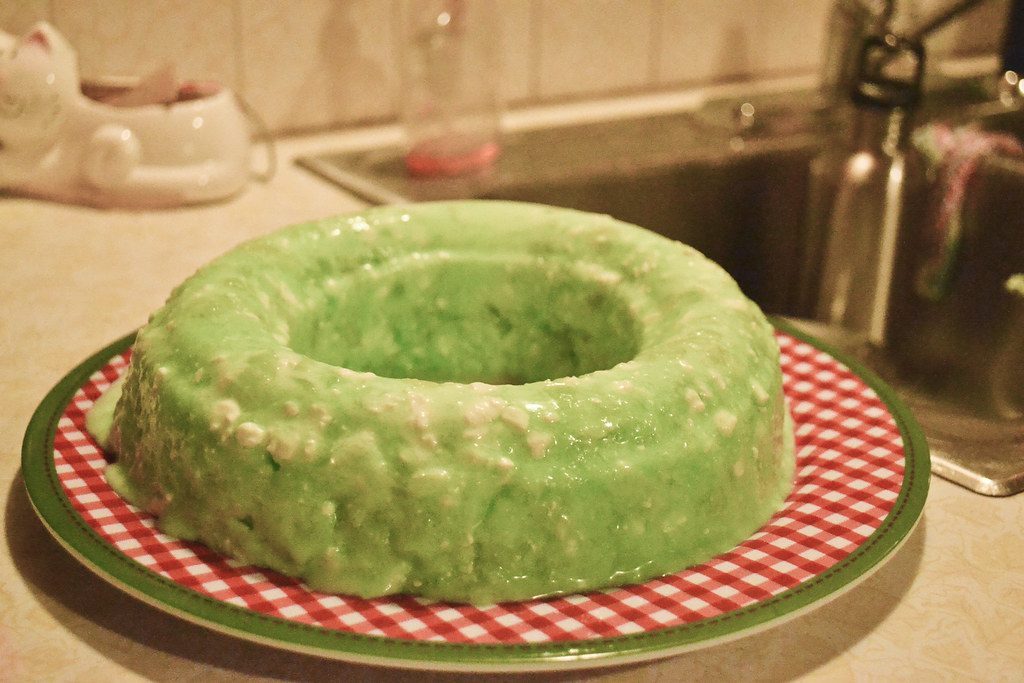
Nothing screams 1970s quite like a vibrant Jell-O salad wobbling on the dinner table. In the 1960s, things got even crazier and these salads became so popular that Jell-O introduced various vegetable flavors including celery, Italian salad and seasoned tomato (discontinued by the mid-1970s when their popularity declined). These weren’t just desserts; they were edible art forms that showcased grandma’s creativity.
Cool Whip for her cranberry fluff; and of course Jell-O for her many gelatin molds and salads that would grace every holiday table. These dishes have become traditions in my family. They’re not recipes by Pillsbury or Jell-O; they’re grandma’s. The typical Jell-O salad might contain lime gelatin, cottage cheese, crushed pineapple, and mayonnaise, creating a dish that straddled the line between side dish and dessert.
Jello salad fell out of fashion starting in the mid-1960s and continuing through the 1970s. The rise of Julia Child and the popularization of French cooking in the United States made the jello salad appear less elegant, and dieting trends eventually turned against sugary food like Jell-O. Still, for many families, these colorful creations remained holiday essentials that brought both visual appeal and nostalgia to the table.
Beef Stroganoff: Sophisticated Comfort
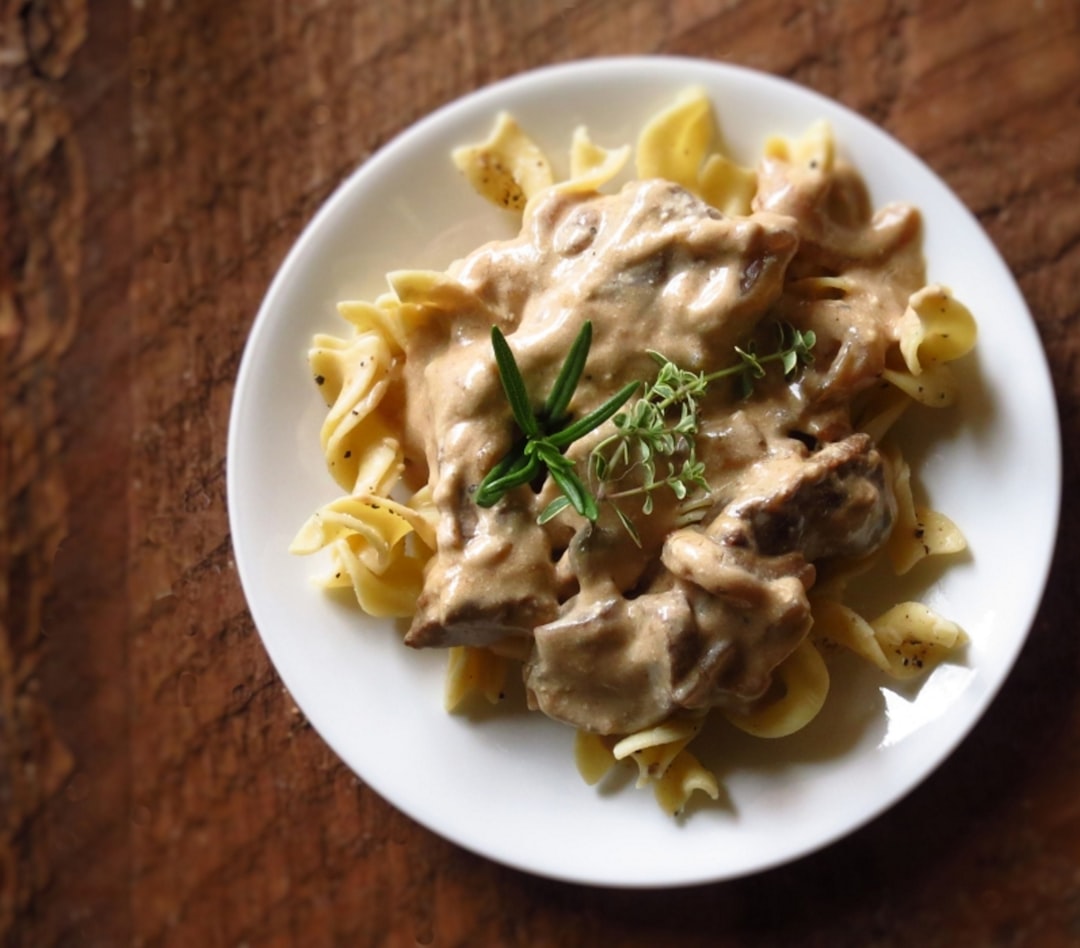
Fondue parties became a social staple, and dishes like Beef Stroganoff and Chicken à la King captured the spirit of the times. This rich, creamy dish represented the height of 1970s sophistication, combining tender beef strips with a luxurious sour cream sauce served over egg noodles. Grandmas loved it because it felt fancy enough for company yet simple enough for weeknight dinners.
The dish perfectly embodied the era’s love affair with cream-based sauces and hearty one-pot meals. Revive the rich and creamy flavors of the 1970s with this classic Beef Stroganoff recipe, a nostalgic trip down memory lane. Many grandmothers had their own secret touches, whether it was a splash of wine, extra mushrooms, or a particular brand of sour cream that made their version stand out.
What made this dish special wasn’t just the taste but the presentation. Served over a bed of wide egg noodles with fresh parsley sprinkled on top, it looked restaurant-worthy while being surprisingly economical for feeding a family.
Meatloaf with Ketchup Glaze: The Family Cornerstone
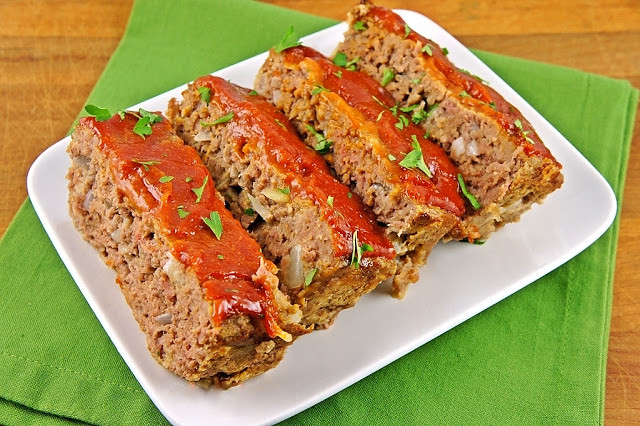
This dish, made from ground beef mixed with breadcrumbs, eggs, and seasoning, was a staple in many households. It was a great way to feed a family on a budget, and leftovers could be used for sandwiches the next day. The 1970s meatloaf often came with a ketchup or brown sugar glaze on top, adding a bit of sweetness to balance the savory flavors.
Every grandmother had her own meatloaf recipe, passed down through generations with small modifications along the way. Some added oats instead of breadcrumbs, others mixed in onion soup mix for extra flavor. The common thread was that sweet, tangy glaze that caramelized beautifully in the oven, creating a glossy coating that made the humble meatloaf look like a masterpiece.
This wasn’t just dinner; it was a lesson in stretching ingredients and making the most of what you had. Meat loaf with mashed potatoes in one of them. The other is this old-fashioned tuna casserole. Paired with mashed potatoes and green beans, it represented the complete American dinner that satisfied both body and soul.
Sloppy Joes: Messy Perfection
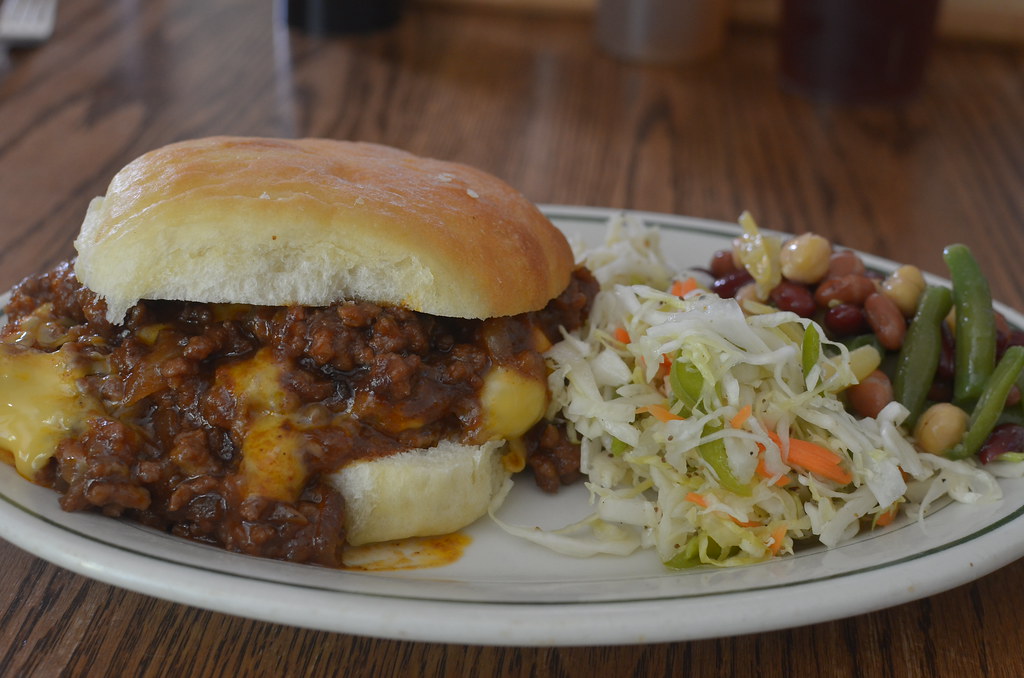
One such dish was the popular Sloppy Joe. Made from ground beef cooked with a tangy tomato-based sauce and served on hamburger buns, it was a messy but satisfying meal that kids and adults alike enjoyed. This wasn’t fine dining, but it was pure comfort food that brought families together around the dinner table.
Grandmothers loved Sloppy Joes because they were incredibly forgiving to make. In addition to these new flavors, the decade also embraced simple, no-fuss recipes that could please a crowd. You could brown some ground beef, add a can of tomato sauce, throw in some seasonings, and dinner was ready in under thirty minutes. The sweet-tangy sauce was irresistible to children, making it a go-to meal for picky eaters.
What made these sandwiches special was their unpretentious nature. They were supposed to be messy, eaten with both hands while the sauce dripped down your fingers. It was food that encouraged laughter and connection, perfect for a decade that valued family time and simple pleasures.
These five dishes tell the story of 1970s home cooking: practical, comforting, and designed to bring families together. Jell-O salads and aspic are making a comeback in American kitchens, evolving from medieval meat preservation to mid-century status symbols and now trendy dishes. Whether your grandmother made all of these or just a few, they represent a time when cooking was about more than just feeding people – it was about creating memories that would last for generations.