9 Vintage Cooking Tools That Outperform Modern Gadgets
When you walk through most modern kitchens, you’ll likely find an array of electric appliances, plastic gadgets, and high-tech cooking aids. Yet some of the most effective cooking tools have remained virtually unchanged for centuries. These vintage implements didn’t just survive the test of time by accident – they earned their place through superior performance that modern alternatives struggle to match.
Cast Iron Mortar and Pestle Crushes Electric Grinders
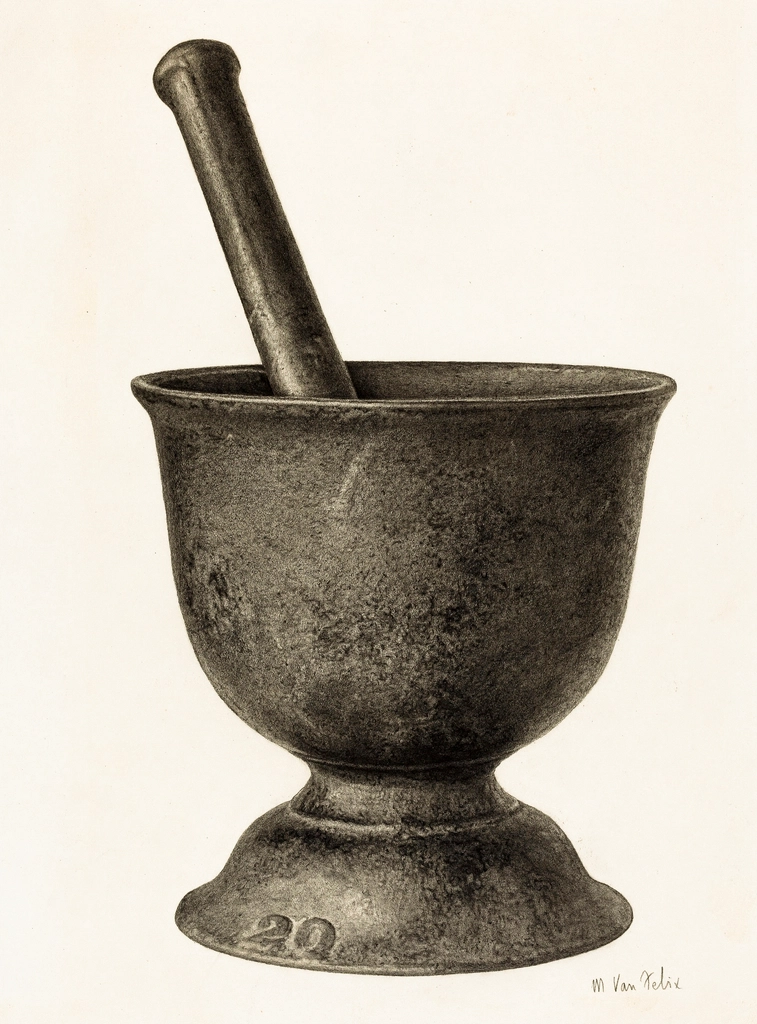
The mortar and pestle stands as one of humanity’s oldest cooking tools, dating back thousands of years to ancient civilizations. Humans have been using grinding tools that are precursors to modern mortar and pestles for literally tens of thousands of years. This tool has stood the test of time because it’s one of the most versatile in the kitchen. Unlike electric spice grinders that slice ingredients with sharp blades, the mortar and pestle grinds rather than slices, and that difference changes the texture and releases oils in ways that a blade doesn’t. When you pound spices in a mortar, you crush cell walls, releasing essential oils and aromatics.
Professional chefs consistently choose this ancient tool over modern alternatives for good reason. An electric blender or food processor works, but isn’t ideal: it shreds the ingredients into super-fine pieces, chopping but not necessarily blending. In contrast, a pestle pulverizes, forcing the ingredients to release oils and marry flavors, without so much as a drop of water needed. Unlike lightweight alternatives that bounce around your counter and struggle with tough ingredients, our professional-grade cast iron set makes quick work of even the hardest spices and herbs.
Traditional Cast Iron Skillet Outperforms Nonstick Coatings
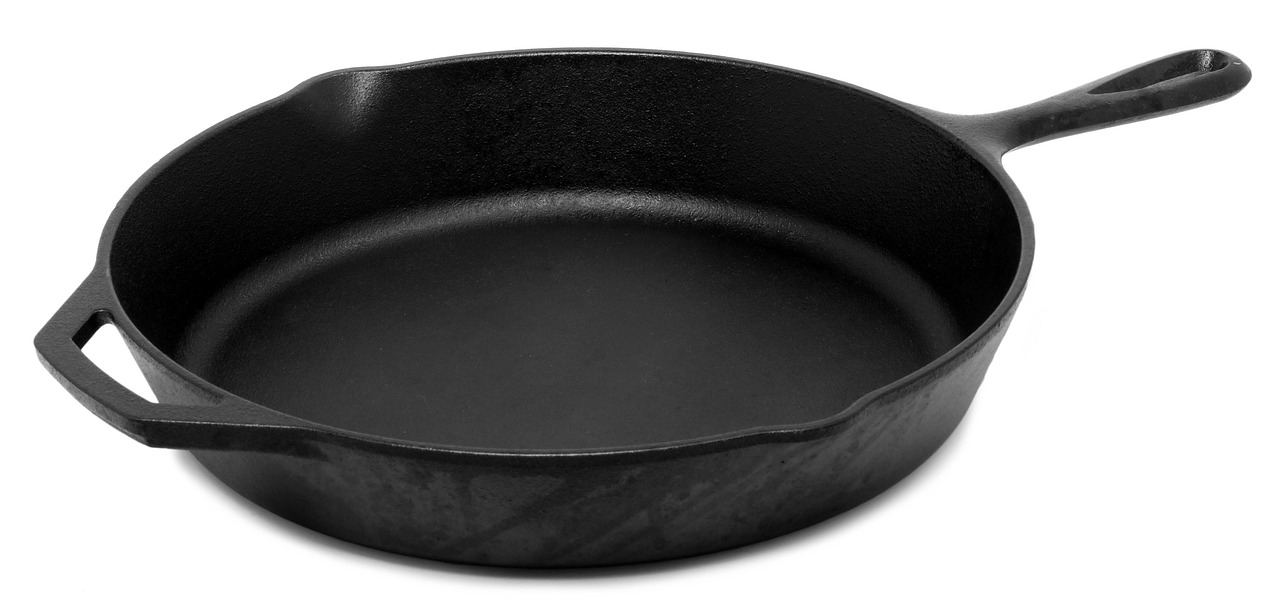
Cast iron is the kitchen classic that still outperforms many modern pans. Nonstick pans are convenient, but when it comes to heat performance, durability, and flavor development, nothing quite matches a seasoned cast iron skillet. The secret lies in its exceptional heat retention and distribution properties. It holds heat well, so when you sear a steak or brown a pork chop, you get a deeper, more even crust and a flavorful fond that lifts pan sauces.
Modern nonstick surfaces simply cannot replicate the flavor development that cast iron provides. That’s a texture and taste a nonstick surface can’t produce. Furthermore, cast iron is also incredibly versatile. It’s oven-safe, so you can start on the stove and finish under high heat in the oven without worrying about warped bases or damaged coatings. Well-cared-for cast iron develops a natural nonstick patina that improves with time and use, no synthetic coating required.
Wooden Spoons Beat Plastic and Silicone Utensils
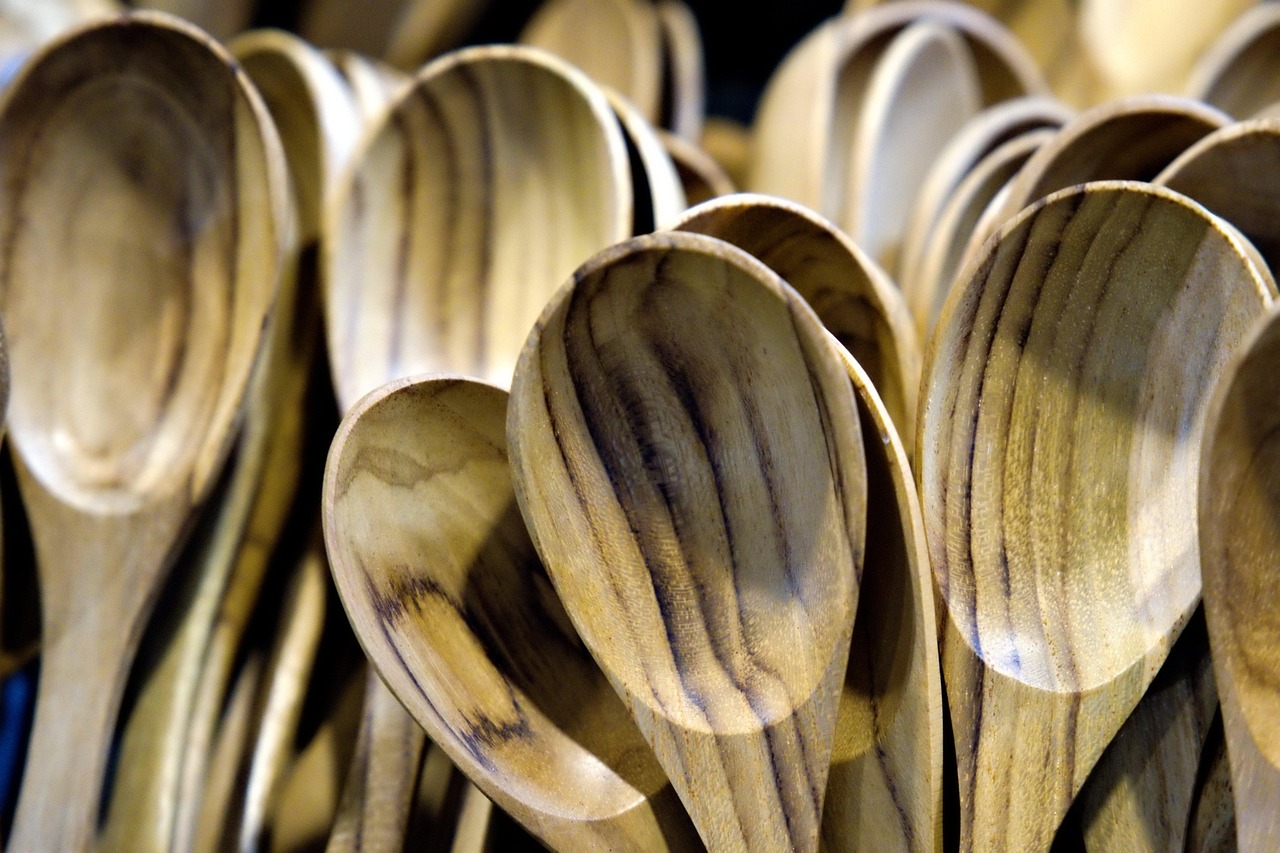
The resurgence of wooden cooking utensils reflects a growing understanding of their superior qualities. The return to craftsmanship is reflected in renewed interest in traditional kitchen tools. This revival isn’t merely nostalgic – it’s based on practical advantages that modern materials cannot match.
If you’re looking to make some nontoxic swaps in your kitchen, you can’t go wrong with wooden spoons and spatulas. These tools are classic, durable and, dare we say, beautiful, adding warmth and style to any countertop. Unlike plastic utensils that can leach chemicals or silicone that may retain odors, wooden spoons remain completely neutral. They’re better for the planet too, nontoxic and antimicrobial, and can withstand some serious heat (since they don’t conduct it). So that’s just part of the reason we’re pro-wooden utensils…they’re also PFAS-free.
Box Grater Dominates Food Processors for Versatility
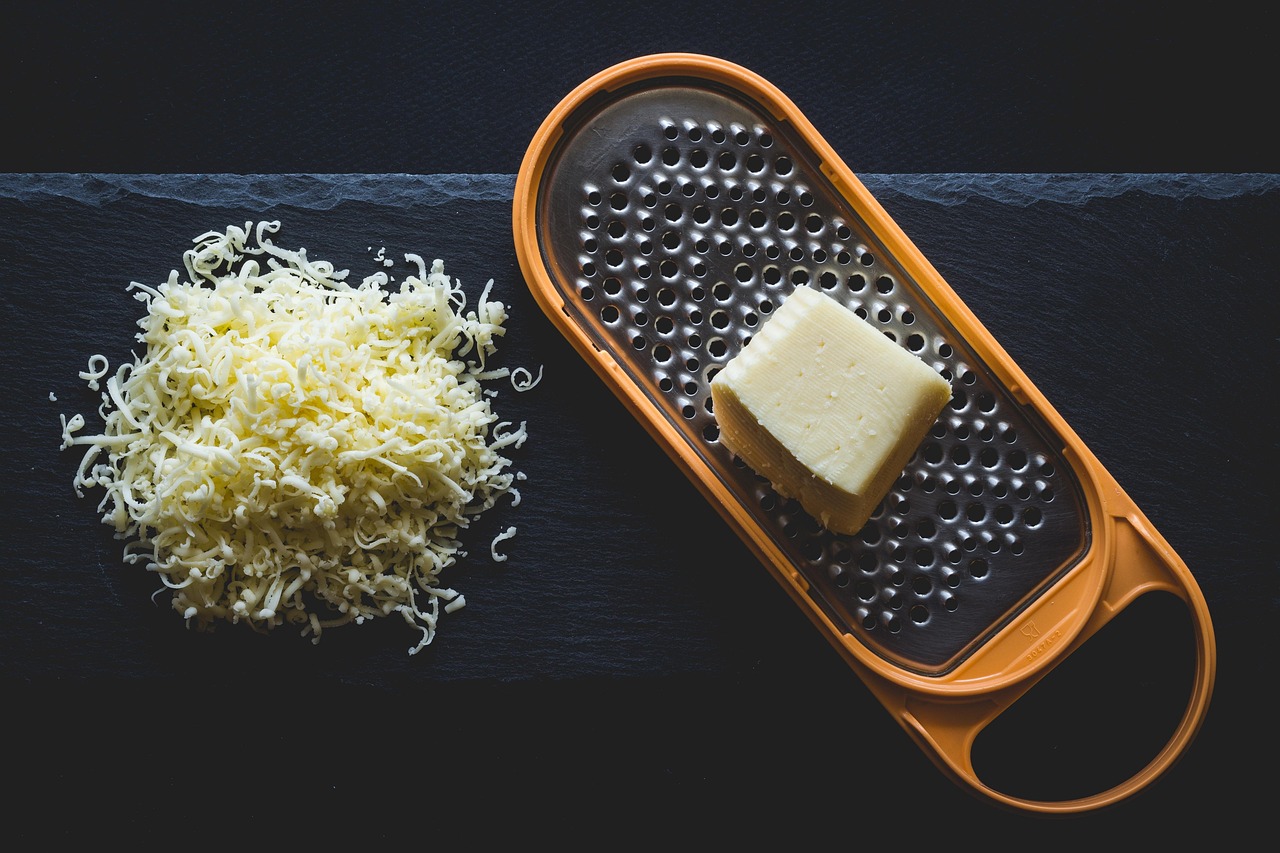
While food processors promise convenience, the humble box grater delivers superior control and practicality for everyday tasks. The box grater is compact, super simple, and somehow indispensable for tasks where a food processor’s convenience doesn’t compensate for the hassle. This simple tool excels in situations where precision matters more than speed.
But the box grater wins in several practical, everyday ways: It’s smaller to store, easier to clean, cheaper to replace, and gives you tactile control you can’t get from a food processor. When you need to grate just a small amount of cheese or zest a single lemon, pulling out a massive food processor becomes counterproductive. The box grater offers immediate access without the setup, cleanup, or counter space requirements of electric alternatives.
Traditional Bread Box Preserves Freshness Better
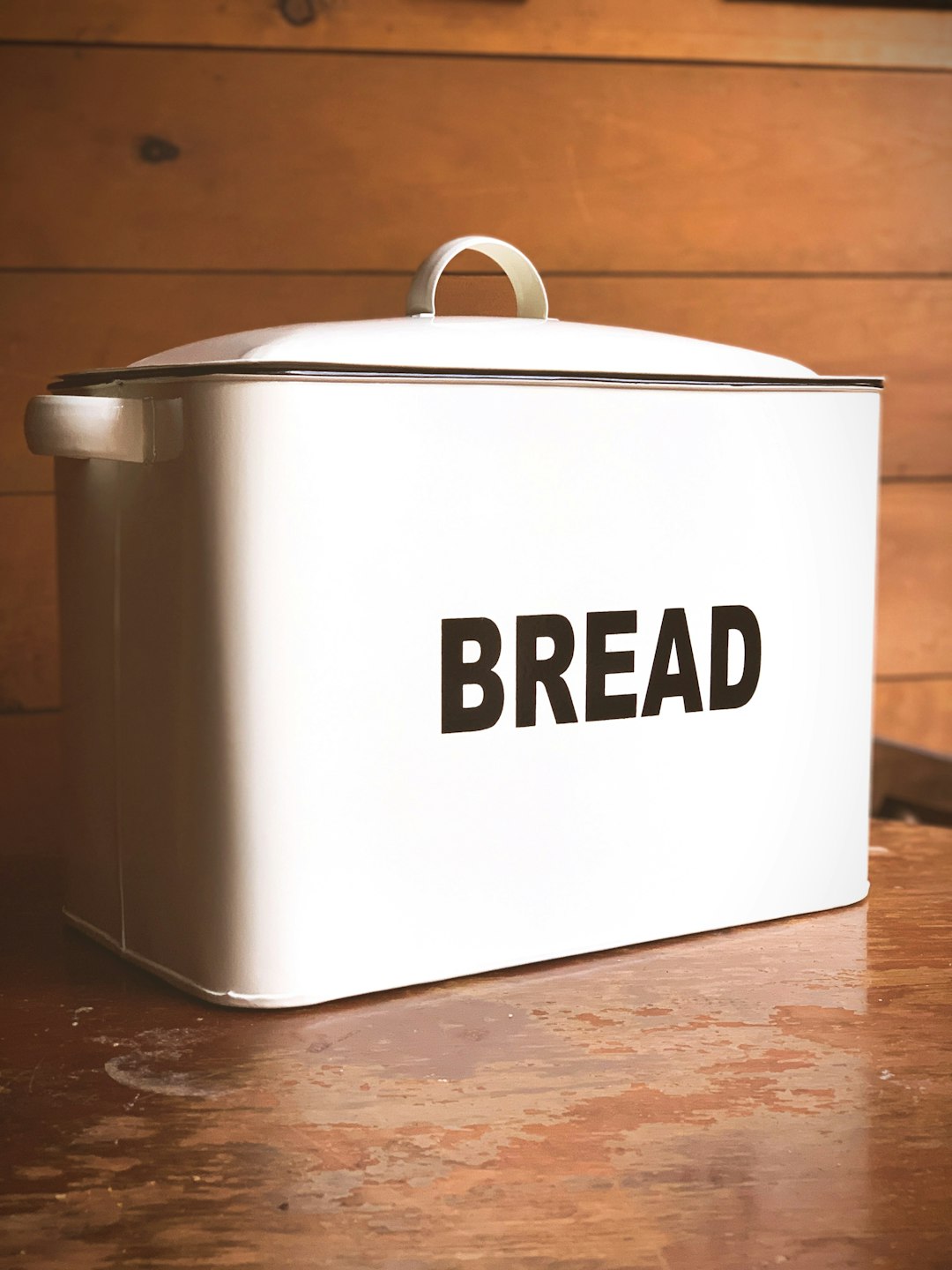
Before plastic bags and modern storage solutions dominated kitchens, bread boxes were standard equipment for good reason. Luckily, these old-school bread bins are seeing a resurgence, especially with people who like to pick up fresh loaves from local bakeries or farmers markets. If you’re someone who adores baking your own bread or experimenting with artisanal buns from pricier sources, a bread box is a must-have addition to your kitchen or pantry, be it a classic wooden design or high-end stainless steel model.
The science behind bread storage reveals why this vintage solution works so well. Especially handy in the muggier months, these nifty containers not only keep bread from going stale, but they also keep moisture out in humid environments, preventing bread from molding. As a result, many a bread lover has found this to be a kitchen necessity that is here to stay. Modern plastic storage often traps too much moisture, leading to soggy crusts and faster spoilage.
Hand-Crank Egg Beater Whips Electric Mixers
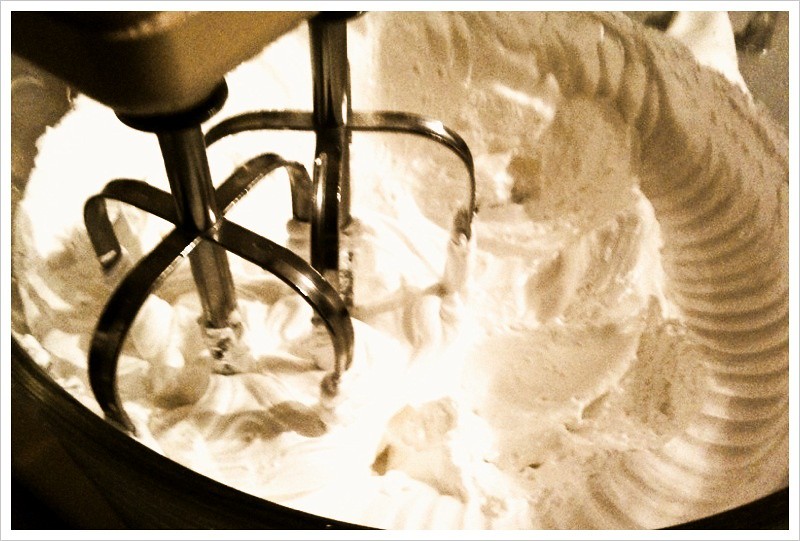
Before the all-purpose stand mixer graced our kitchens, hand-crank mixers were a staple for folks to blend ingredients and beat egg whites. These mechanical marvels provided precise control that electric mixers often lack. The ability to adjust speed incrementally and stop instantly prevents overbeating, a common problem with powerful electric models.
Professional pastry chefs often prefer hand-cranked beaters for delicate tasks like whipping cream or incorporating air into batters. The gradual, controlled motion creates better texture without the risk of sudden over-mixing that electric beaters can cause. For small quantities or when you need absolute control over the mixing process, these vintage tools remain unmatched.
Copper Cookware Conducts Heat Superior to Modern Materials
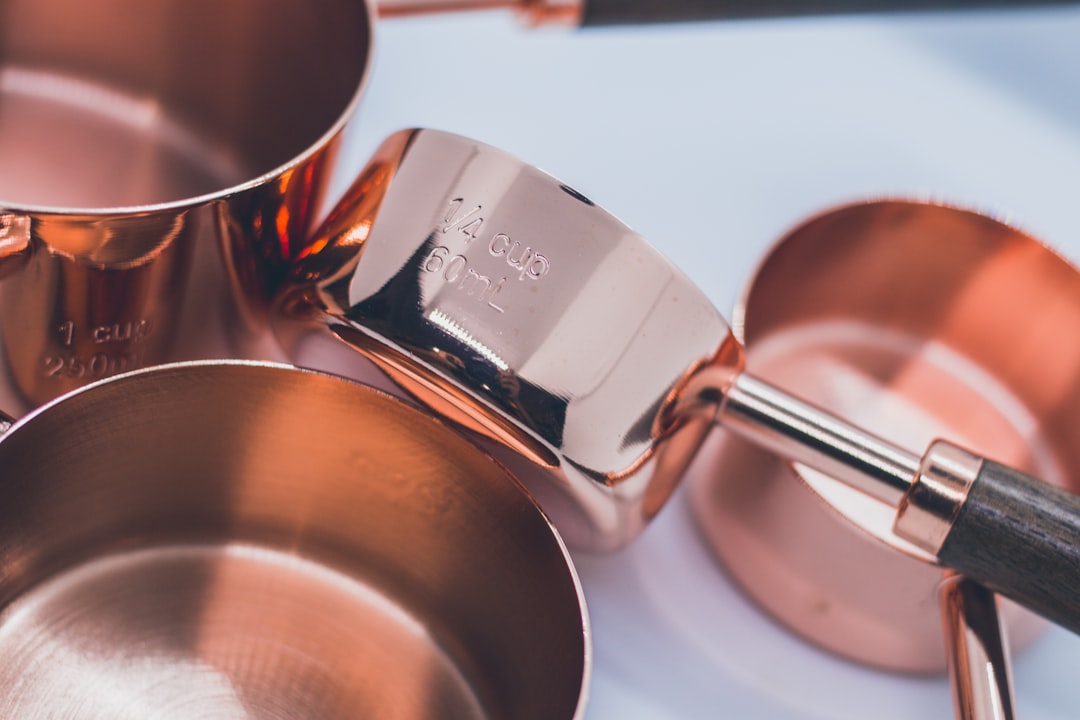
Professional kitchens have long treasured copper cookware for its unparalleled heat conductivity. In fact, many vintage utensils are made of high-quality materials that are no longer used in modern utensils, such as copper and cast iron. This superior thermal performance allows for precise temperature control that modern materials struggle to achieve.
Copper’s responsiveness to temperature changes makes it ideal for delicate sauces and precise cooking techniques. When you adjust the heat source, copper pans respond almost instantly, giving chefs the control they need for complex preparations. Modern stainless steel and aluminum cookware simply cannot match copper’s thermal sensitivity, making vintage copper pots and pans highly sought after by serious cooks.
Classic French Press Outbrews Electric Coffee Makers
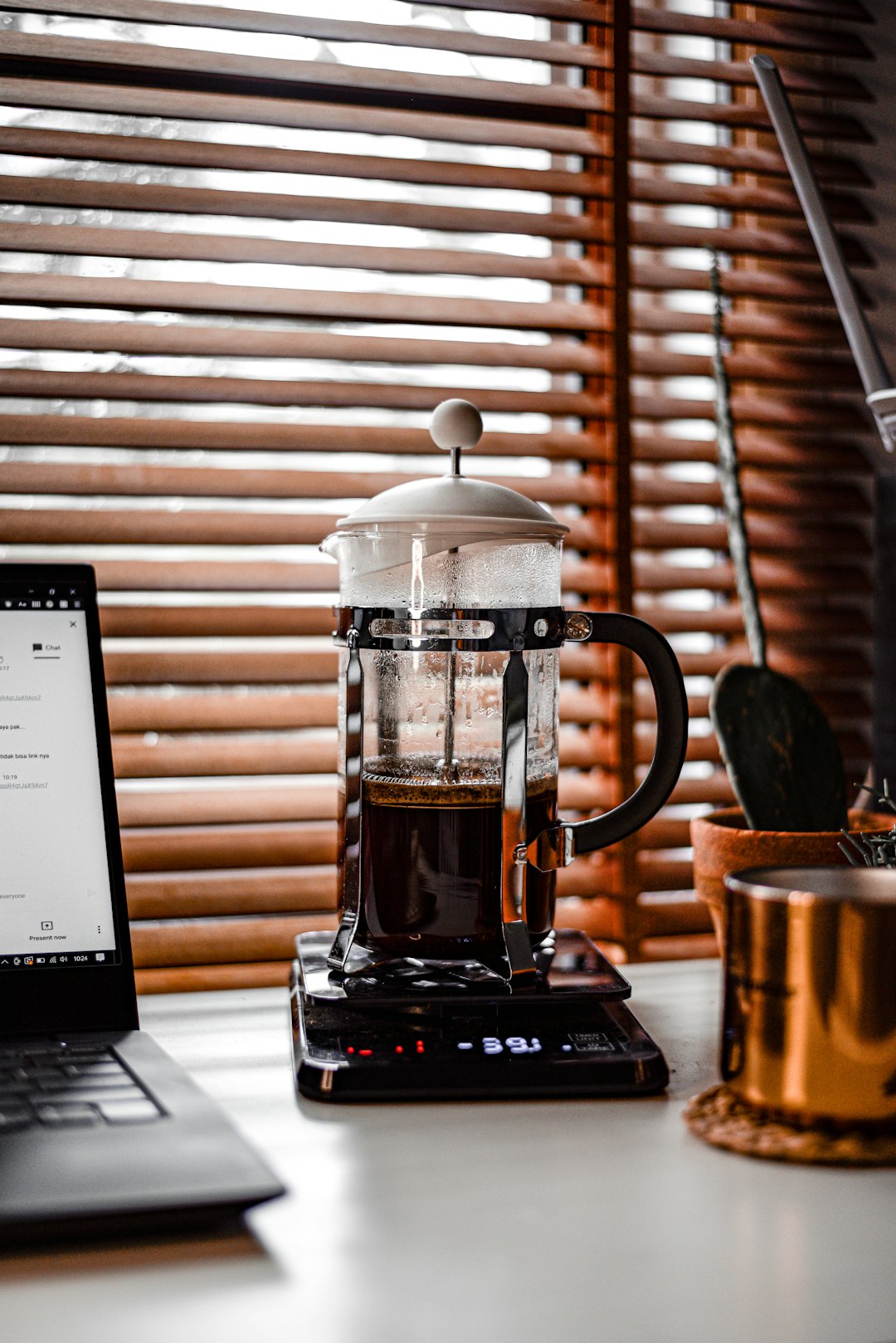
The French press represents one of the purest coffee brewing methods, largely unchanged since its development in the mid-1800s. This simple mechanism allows full extraction of coffee oils and flavors that paper filters in electric machines trap and remove. The result is a richer, more full-bodied cup that electric drip makers cannot replicate.
Unlike complex electric coffee makers with their heating elements and timing mechanisms, the French press offers complete control over brewing variables. You control water temperature, steeping time, and agitation, allowing for customization that automated systems cannot provide. Professional baristas and coffee enthusiasts consistently choose this method for its ability to produce cafe-quality results without electricity or complicated machinery.
Traditional Rolling Pin Flattens Modern Alternatives
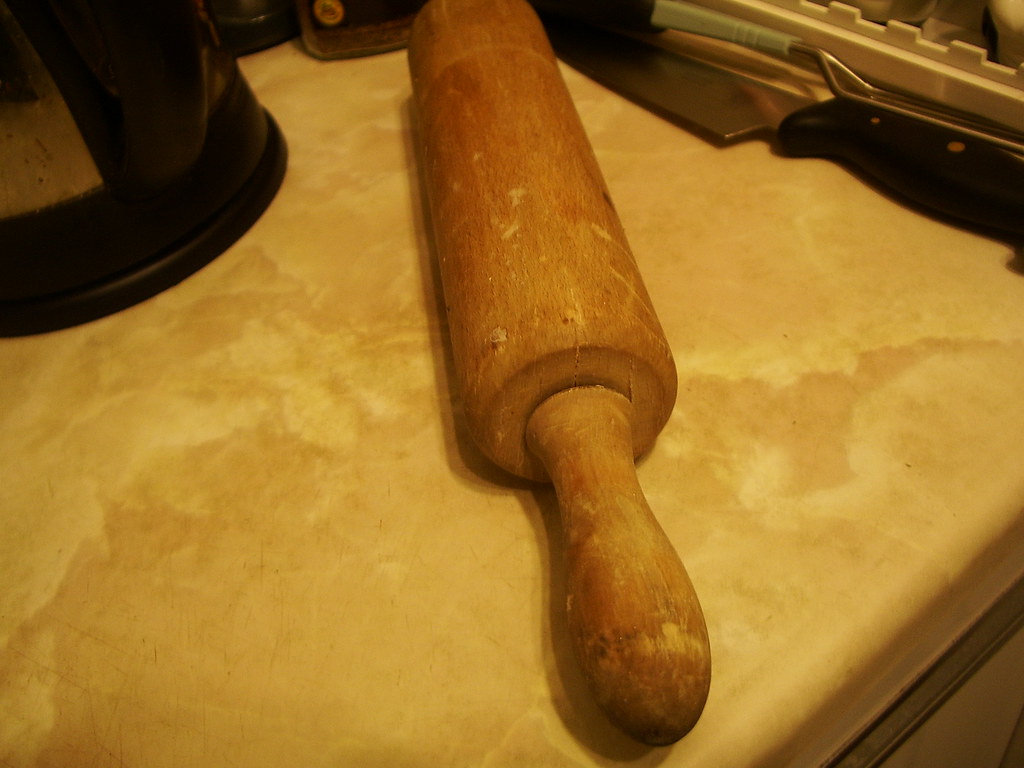
The classic wooden rolling pin remains the gold standard for pastry work, despite numerous modern alternatives with bells and whistles. The renewed appreciation for traditional craftsmanship has led to increased interest in this simple yet effective tool. Professional bakers consistently choose traditional wooden pins over adjustable or silicone versions.
The weight distribution and natural grip of wood provide superior control when rolling dough. Unlike modern versions with adjustable rings or non-stick surfaces, traditional wooden pins develop a natural patina that actually improves performance over time. The slight texture that develops helps grip dough without sticking, while the weight provides the pressure needed for even rolling without excessive force from the baker.
The revival of vintage cooking tools reflects more than just nostalgia – it represents a return to proven methods that work. These time-tested implements survived centuries of innovation not by accident, but because they genuinely outperform their modern counterparts in key areas. From the superior flavor extraction of mortar and pestles to the unmatched heat control of copper cookware, vintage tools offer advantages that modern technology has yet to replicate.
What’s your experience with vintage versus modern cooking tools? Have you discovered any old-fashioned implements that work better than their high-tech replacements?