13 Takeout Meals That Often Cost Less Than Cooking Them Yourself
Let’s be real, conventional wisdom has always told us that home cooking saves money. For years, we’ve all heard the same advice: skip the drive-thru, avoid delivery, and fire up your own stove if you want to keep more cash in your wallet. Yet here’s the thing that might surprise you. Recent USDA data shows that the cost of food at home rose 1.2% in 2024, while the cost of food away from home rose 4.1%. On the surface, that suggests eating out costs more, right? Actually, the answer isn’t always that simple.
Certain takeout meals can actually be cheaper than making them yourself when you factor in ingredient costs, the small portions you’d need to buy, and the time required. I think that’s worth exploring, especially when you’re juggling a busy schedule or feeding just yourself or two people. Some dishes require specialty ingredients that spoil quickly or come in large quantities you won’t use up. Others need expensive equipment or hours of labor that just aren’t practical for a weeknight dinner.
1. Rotisserie Chicken
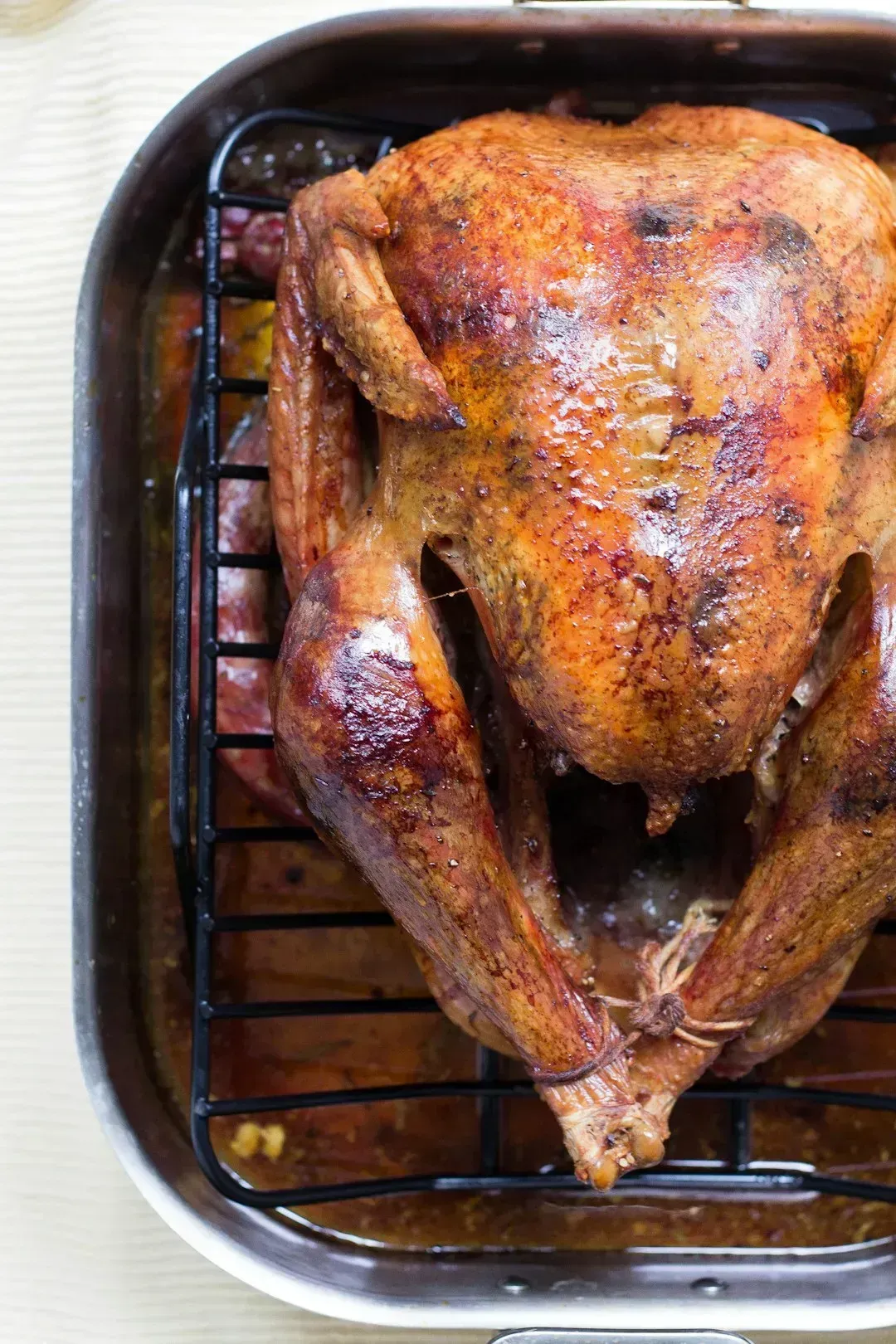
In most grocery stores, the average whole, raw chicken is actually more expensive than its spit-roasted equivalent. That might sound backwards, considering someone else did all the work of seasoning, roasting, and packaging it for you. At Ralphs, an uncooked chicken runs $9.87, but a rotisserie chicken is $6.99; at Gelson’s, you’ll pay $8.99 for a cooked chicken or $12.67 for the raw version.
The secret behind this pricing? Grocery stores often use the unsold raw chickens that are about to expire for rotisserie chickens. They make less profit than they would on fresh birds, but way more than if they tossed them out. For many companies, including Costco, which loses up to $30 to $40 million a year on the birds, rotisserie chickens are what is known as a “loss leader”. Stores expect to lose money on them but gain when you fill your cart with other items. The birds are already cooked perfectly, require zero prep work, and offer multiple meals worth of meat for less than the raw equivalent.
2. Pizza from Value Chains
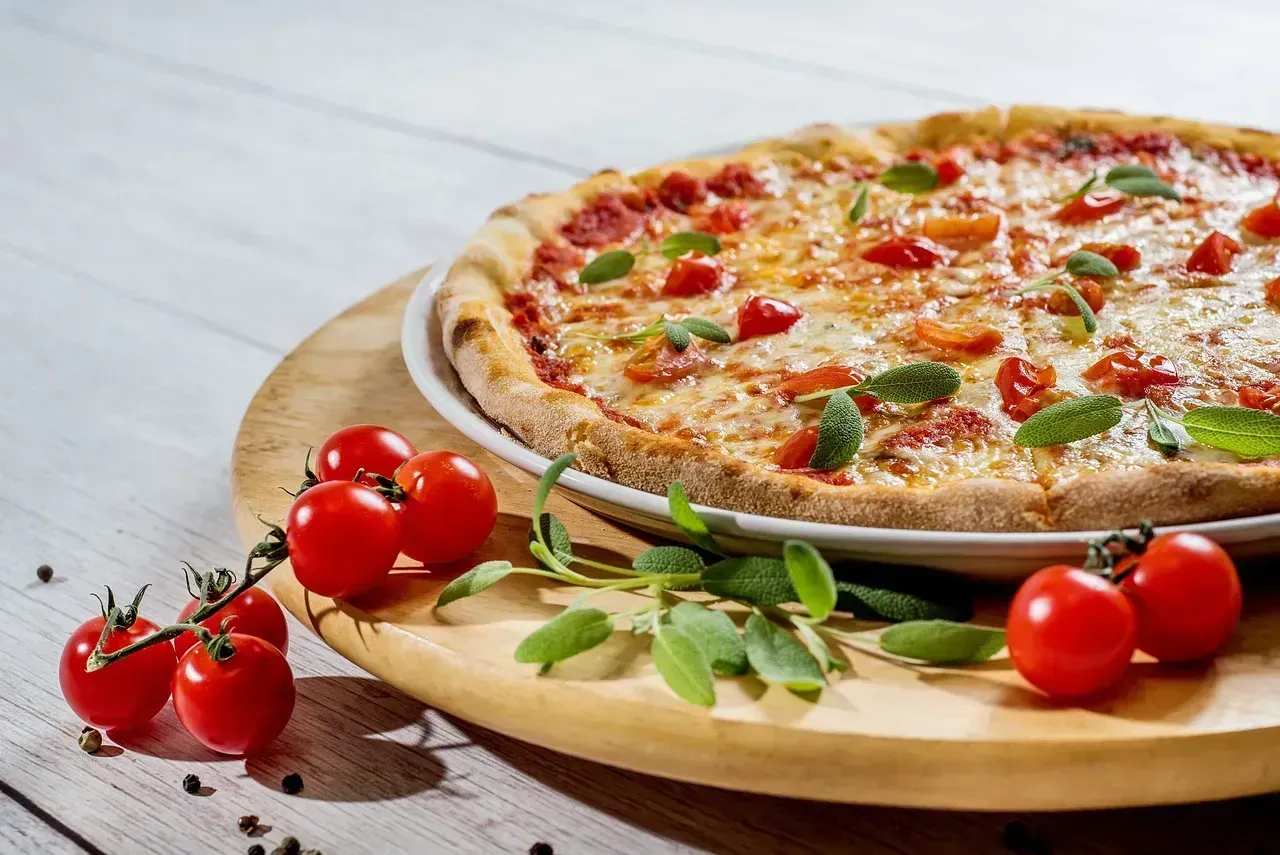
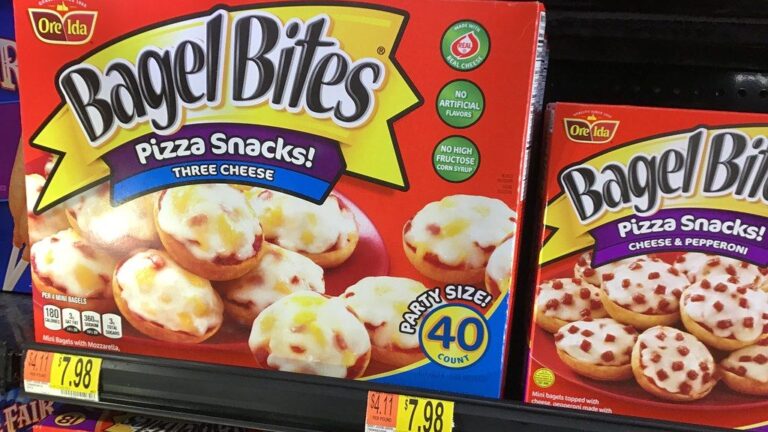
Making pizza at home sounds like a money-saving idea until you start adding up the costs. You need flour, yeast, olive oil, tomatoes, cheese, and toppings. Most of these come in quantities far exceeding what a single pizza requires. About 55% of respondents saved money just by switching to frozen pizza from the grocery store versus pizza from a restaurant.
The economics shift even further when you consider takeout pizza from value-focused chains. McDonald’s announced its McValue platform that launched on January 7, 2025, while Taco Bell announced new value boxes starting January 16, 2025, that cost $5, $7, and $9. These value deals have spread across the industry. Many pizza chains offer large pizzas for under ten dollars with online coupons. When you’re feeding a family or even just yourself for a couple meals, that pre-made pie beats the cost of buying all those ingredients separately, especially considering the time and energy spent making dough from scratch.
3. Fast Food Breakfast Sandwiches
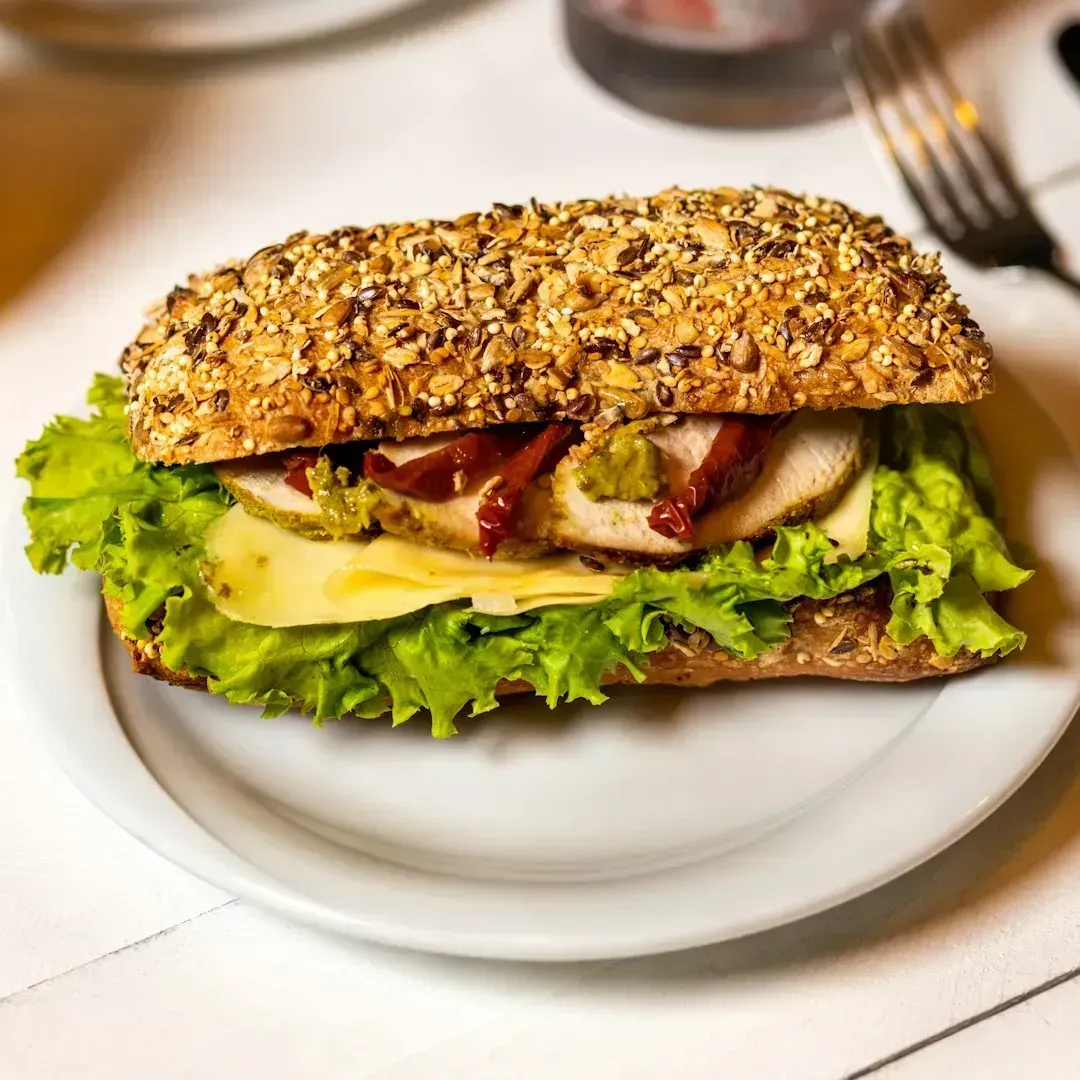
Breakfast sandwiches seem simple enough to replicate at home, yet the math doesn’t always work in your favor. You need eggs, English muffins, cheese, and some form of breakfast meat like sausage or bacon. The problem is portion control. English muffins come in packs of six. Cheese slices in packs of eight or more. Bacon and sausage in quantities you won’t finish before they spoil if you’re cooking for one.
Taco Bell’s value menu still boasts plenty of under-$2 options, including the Cheesy Bean and Rice Burrito and Spicy Potato Soft Taco, both $1.19 in many locations. Many fast food chains offer breakfast sandwiches in the two-to-four-dollar range. When a single sandwich from the drive-thru costs less than buying a half-dozen muffins alone, the takeout option wins. Sure, you could argue that buying in bulk saves money over multiple meals, but only if you actually eat all those ingredients before they go bad.
4. Single-Serving Chinese Takeout Lunch Specials
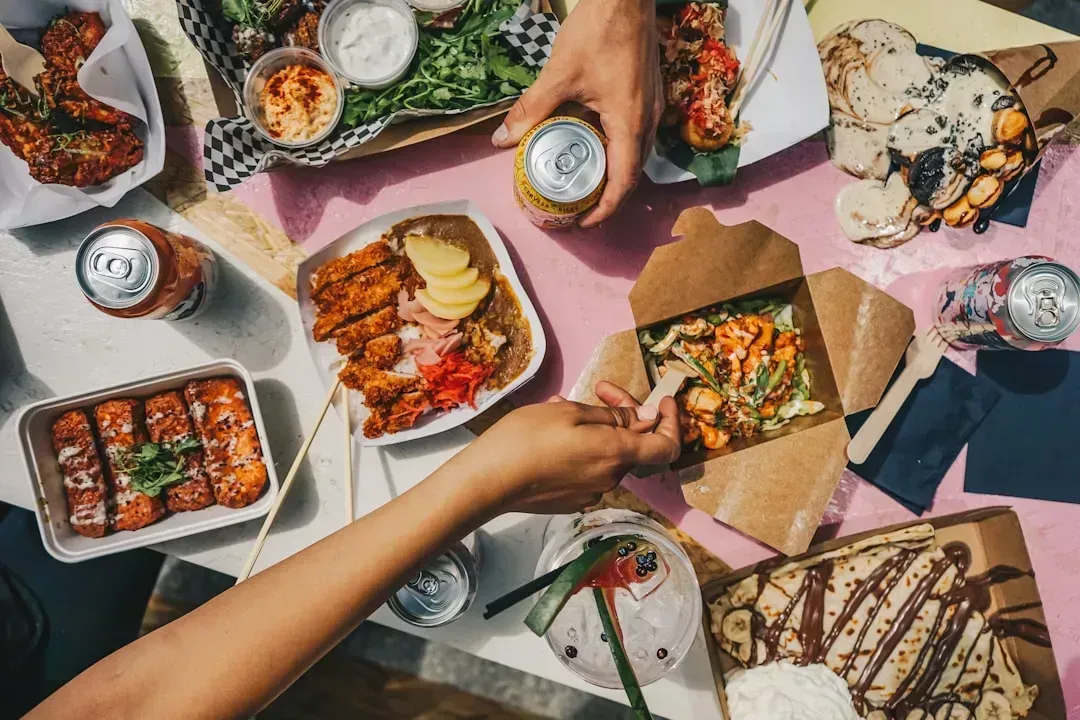
According to research by US Foods, Americans dine out 3 times per month on average; they order delivery even more frequently – an average of 4.5 times per month. Chinese restaurants have perfected the lunch special model, often offering an entree with rice and sometimes an egg roll or soup for under eight dollars. Making fried rice, an egg roll, and a main dish like orange chicken at home requires soy sauce, sesame oil, rice wine, cornstarch, eggs, specialty sauces, and various proteins and vegetables.
Most of these ingredients come in bottles or packages you’ll use once and then watch collect dust in your pantry. The wonton wrappers will dry out. The bottle of oyster sauce will sit in your fridge for months. Meanwhile, that lunch special arrives hot, ready to eat, and costs less than buying just three or four of the required specialty ingredients. The restaurant benefits from buying in bulk and cooking dozens of orders at once, passing those savings along to customers through lunch deals.
5. Dollar Menu Burgers
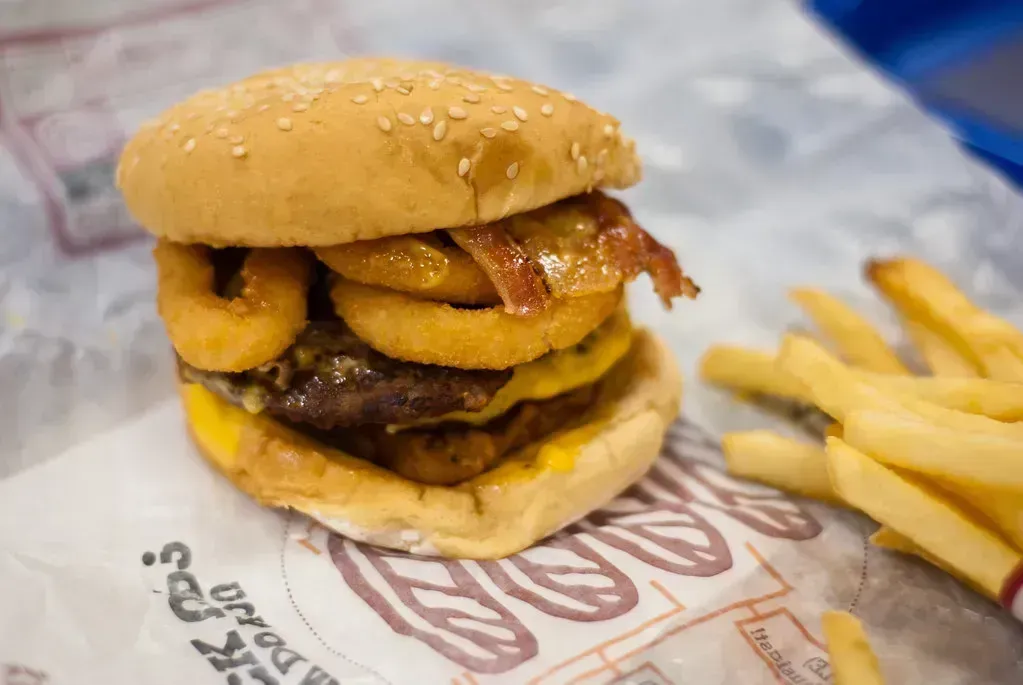
Here’s where the numbers get interesting. The high cost of groceries and the surge in value menu items (such as $1 fast food burgers) support the notion that dining-out and cooking-in prices are converging. You certainly can’t make a burger at home for $1. Even if you buy the cheapest ground beef, you’re looking at several dollars per pound. Add a bun, condiments, lettuce, tomato, and cheese, and you’ve exceeded the dollar mark before you’ve even turned on the stove.
From 2014 to 2024, average menu prices have risen between 39% and 100%, with McDonald’s menu prices having doubled (100% increase) since 2014. Despite these increases, value menu items still exist as loss leaders. Fast food chains can afford these rock-bottom prices because they purchase ingredients in massive quantities and benefit from economies of scale that home cooks can’t match. When you’re making one or two burgers at home, you’re paying retail prices for everything. The math simply doesn’t work in your favor.
6. Soft Tacos from Fast Food Chains
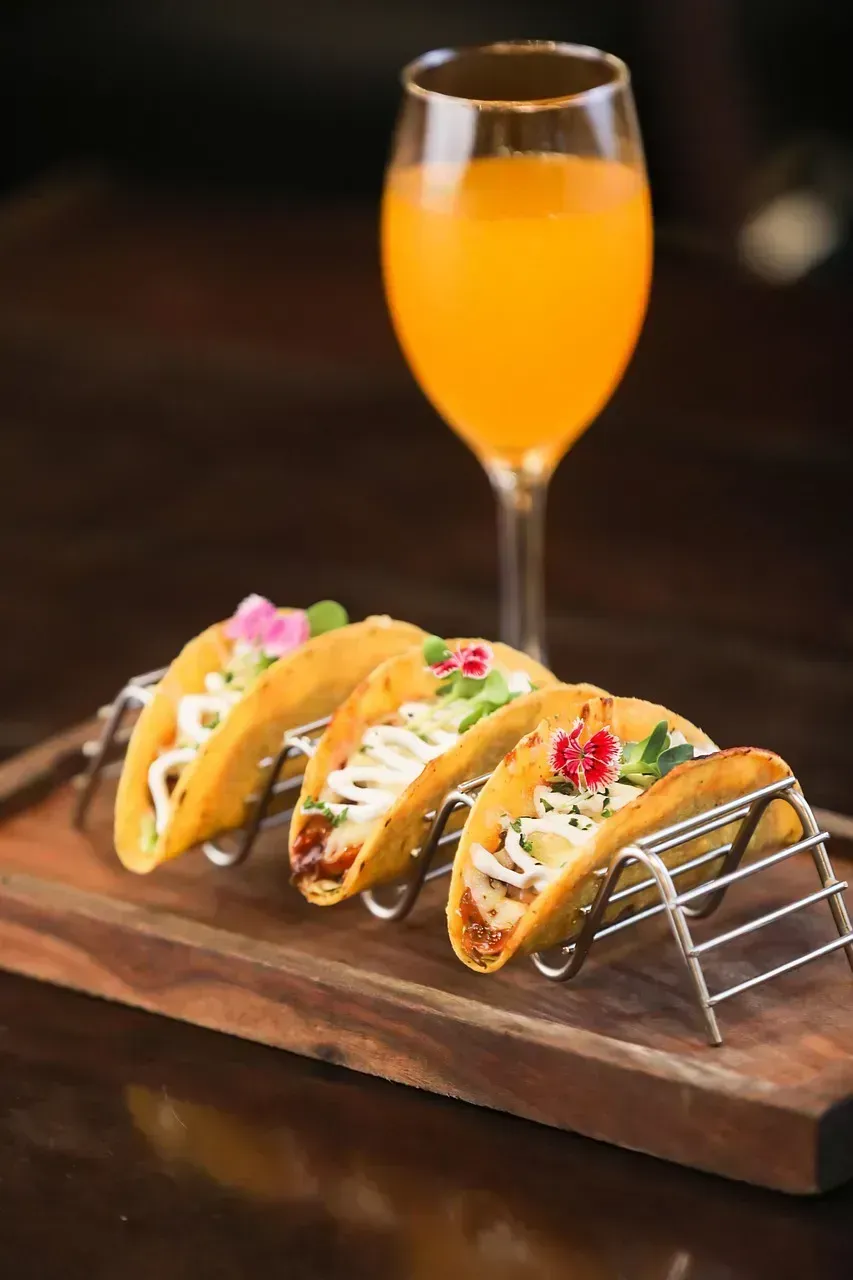
Tacos seem like they should be cheap to make at home. Ground beef, shells, lettuce, cheese, salsa. Simple, right? Yet when you price it out for a single meal or two, the economics fall apart. Former staples of the McDonald’s dollar menu, the McChicken and McDouble, now cost around $3 on average. Taco Bell’s Beefy 5-layer Burrito and Chalupa Supreme are also twice as expensive as a decade ago.
Nevertheless, many taco chains still offer individual tacos for around a dollar or slightly more. Making tacos at home means buying a package of twelve shells (you need two), a pound of meat (you need maybe a quarter), a head of lettuce (you need a handful), shredded cheese (you need a sprinkle), and salsa (you need two tablespoons). Everything goes bad before you use it up, unless you’re committed to eating tacos for a week straight. The fast food version eliminates waste and often costs less per taco than the per-serving cost of homemade versions.
7. Coffee Shop Drip Coffee
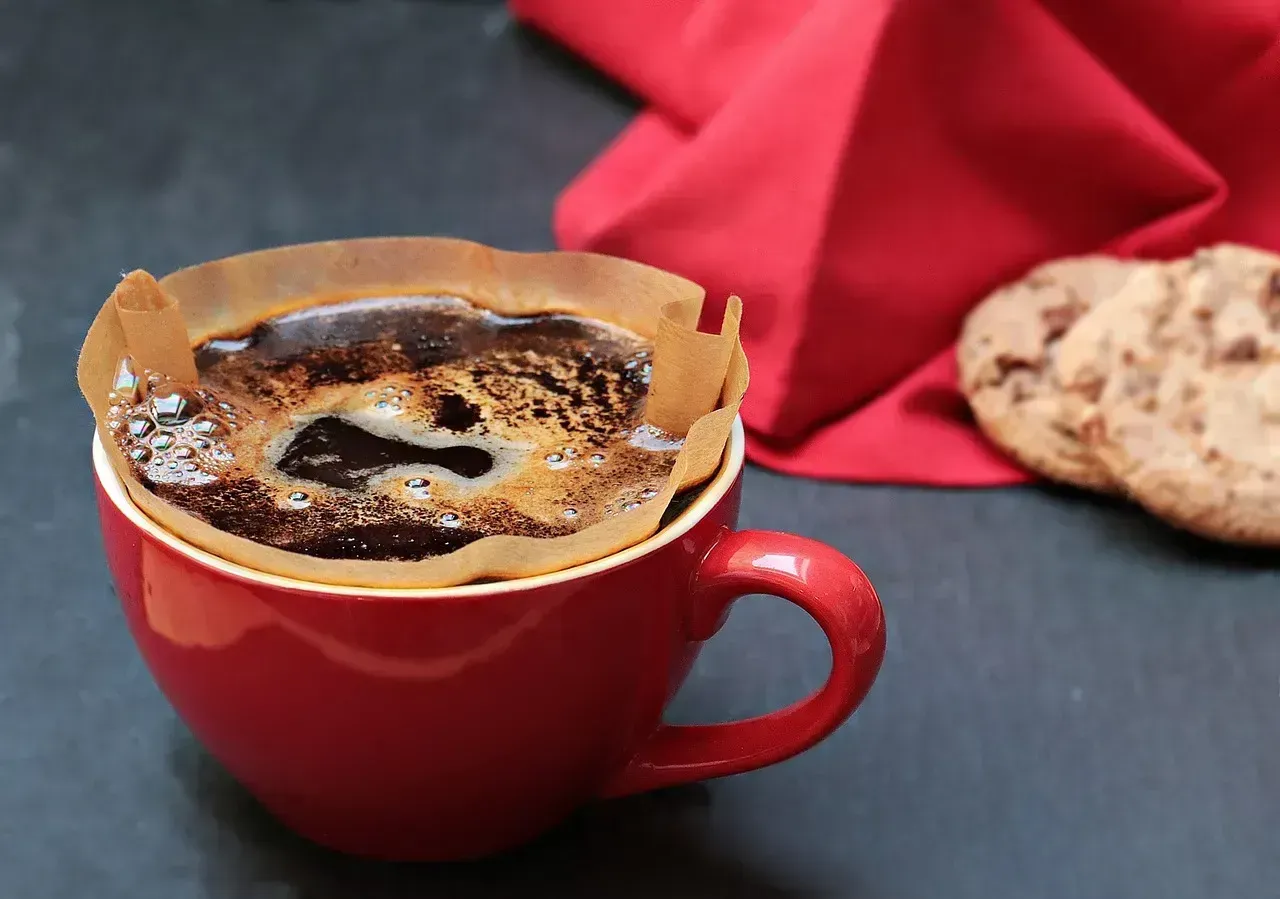
This one might be controversial, but hear me out. Some beloved Starbucks menu items have kept pace with inflation, such as their Chai Tea Latte (+30%) and their Mocha Frappuccino (+32%). Costs for certain items such as a Caffè Latte (+22%) and Caramel Macchiato (+17%) have actually risen slower than inflation. Specialty drinks aside, a simple cup of drip coffee from a coffee shop costs roughly two to three dollars.
Making coffee at home requires buying a coffee maker (if you don’t already own one), filters, and coffee beans or grounds. The startup cost alone can be substantial. If you’re only drinking one cup of coffee every few days rather than being a daily drinker, that bag of coffee beans will go stale long before you finish it. The per-cup cost might technically be lower at home for heavy coffee drinkers, but for occasional consumers, grabbing a single cup beats buying equipment and supplies that go unused.
8. Soup from Restaurant or Deli
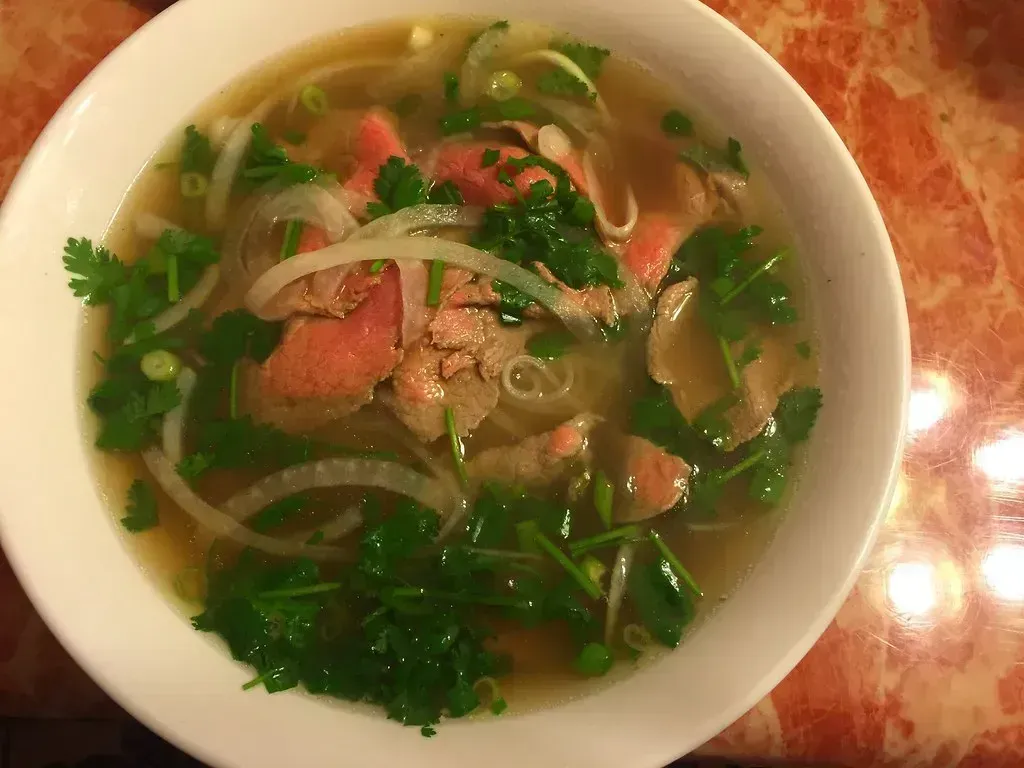
Americans save around $12 by opting to cook and eat at home, with the average home meal costing $4.23 versus over $16 per meal at an inexpensive restaurant. That general rule breaks down with soup, though. A bowl of soup from a deli or restaurant often costs three to five dollars. Making soup at home requires stock or broth, vegetables, protein, seasonings, and hours of simmering time.
The ingredients for homemade soup typically feed six to eight people. If you’re cooking for one or two, you’re either eating the same soup for a week or throwing half of it away. Restaurants and delis prepare soup in enormous batches, spreading the cost across dozens of servings. They also use up vegetable scraps and meat trimmings that would otherwise go to waste, keeping their costs low. When you just want a single serving of soup, buying it already made often costs less than the ingredients for a homemade pot.
9. French Fries
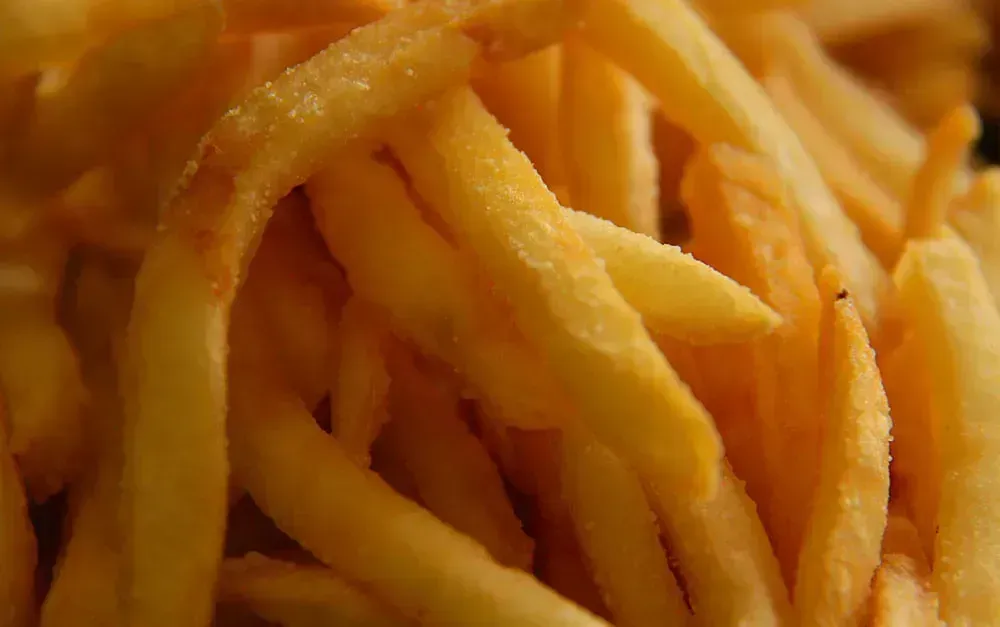
At Wendy’s, a small Frosty will set you back twice as much compared to ten years ago. Despite inflation hitting many menu items, french fries remain surprisingly affordable at fast food restaurants. A small order typically costs two dollars or less. Making fries at home requires buying potatoes, oil for frying, and either a deep fryer or a large amount of oil for a pot.
If you’re using a pot, you’ll burn through oil quickly, and that oil can’t really be reused for cooking other foods because it retains the potato flavor. Deep fryers are expensive and take up valuable kitchen space. The potatoes themselves are cheap, but you need several to make even a small serving of fries. Factor in the electricity or gas to heat the oil to the right temperature, plus the cleanup time, and that two-dollar order from the drive-thru looks like a bargain.
10. Egg Rolls or Spring Rolls
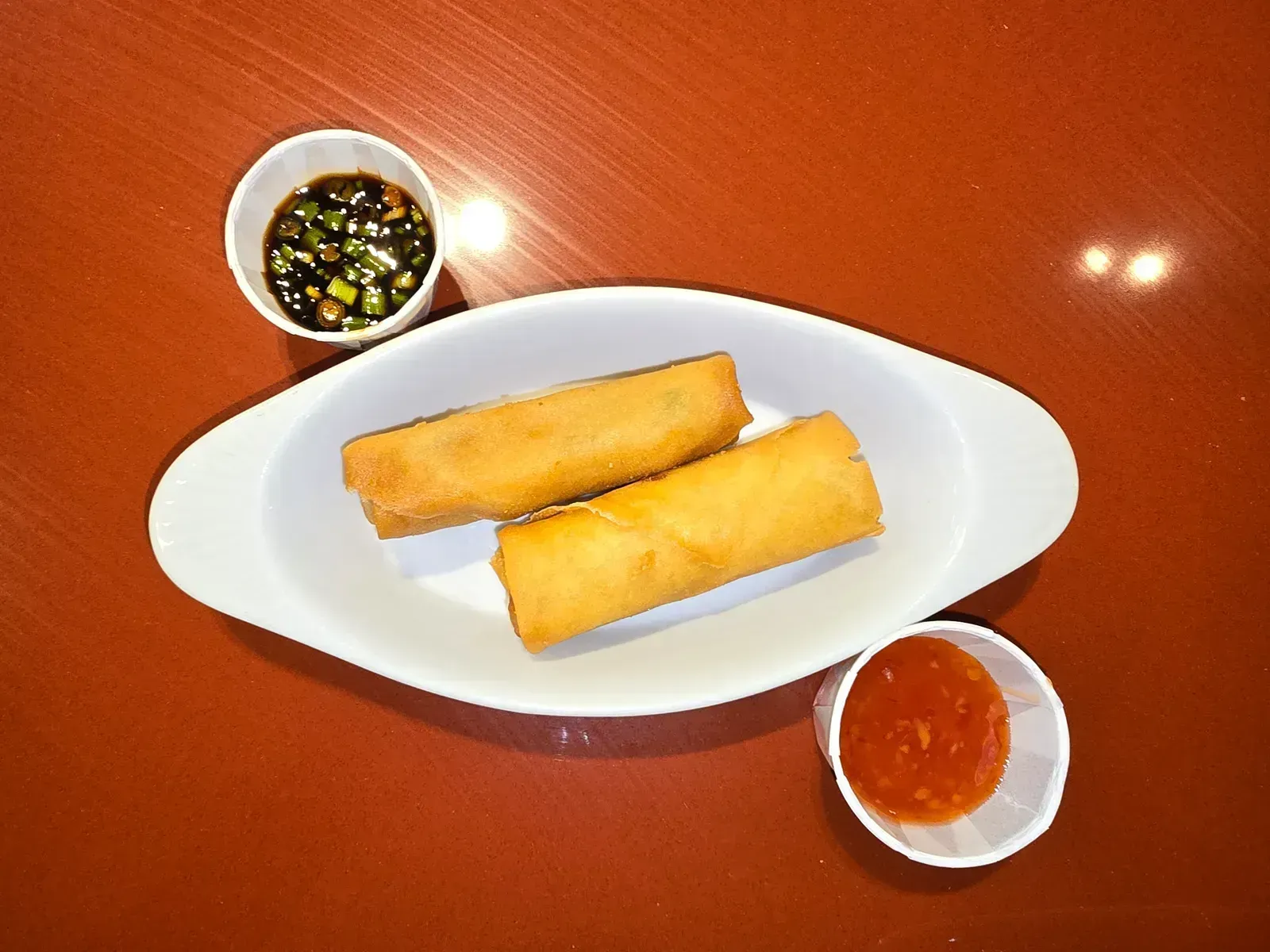
Egg rolls and spring rolls appear deceptively simple. Just some vegetables and maybe meat wrapped in a thin shell and fried. Making them at home tells a different story. You need wonton or spring roll wrappers, which come in large packages that dry out quickly. You need cabbage, carrots, bean sprouts, and other fillings. You need oil for deep frying.
Chinese restaurants sell egg rolls individually for typically one to three dollars each. They’re making hundreds daily, so their ingredient costs per roll are minimal. At home, you’re buying full-sized packages of every ingredient to make maybe six to eight rolls. The wrappers alone cost several dollars, and you’ll never use the whole package before they go stale. The oil required for frying adds more cost. By the time you’re done, you’ve spent fifteen to twenty dollars to make something you could have bought for five.
11. Diner Breakfast Plates
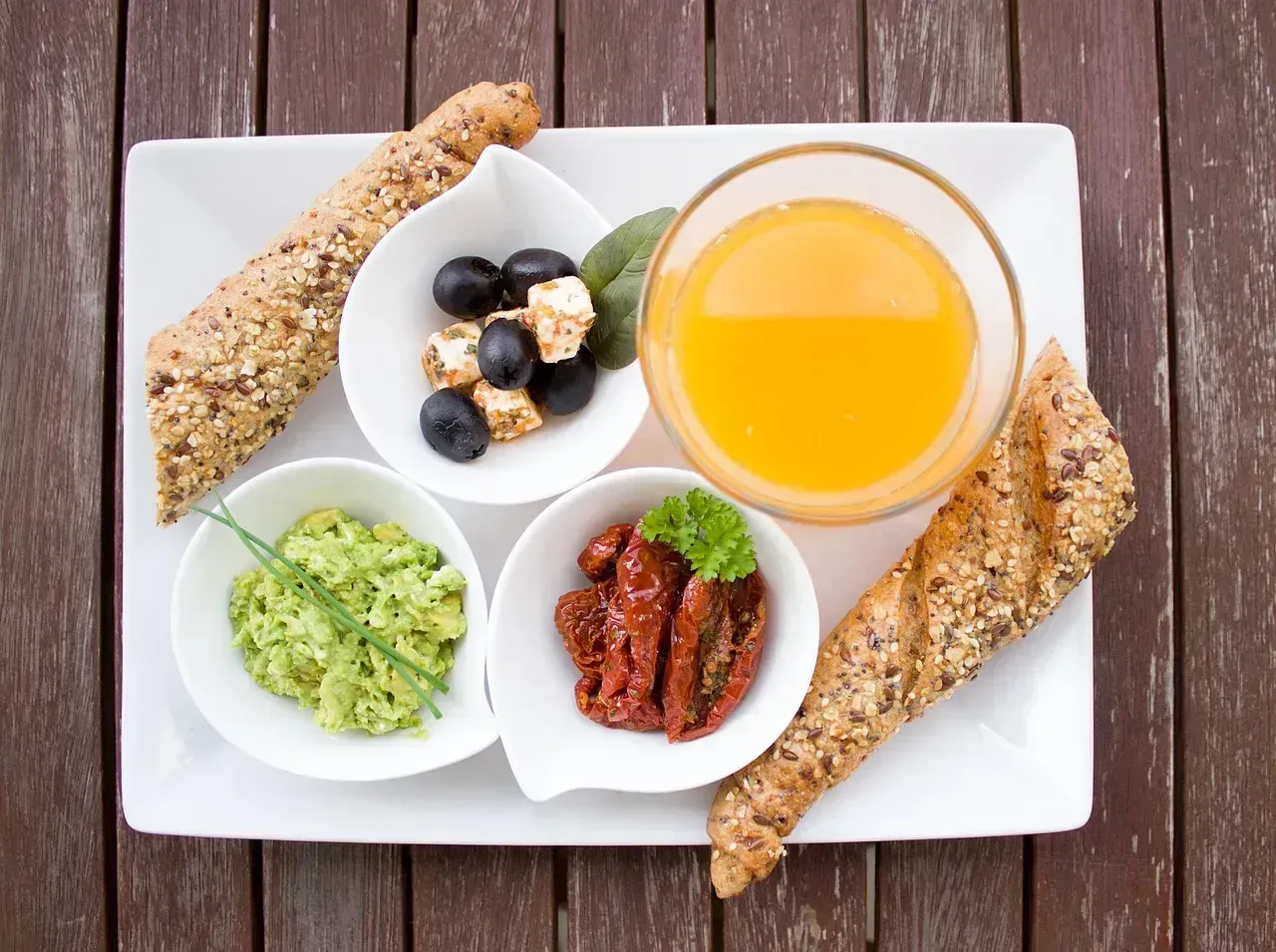
On average, Americans are deciding to order takeout or delivery 4.5 times a month, compared to eating at a restaurant an average of 3 times a month. Classic diner breakfasts with eggs, toast, bacon, and hash browns seem easy to replicate, yet the costs add up surprisingly fast. Diners often offer these complete breakfasts for six to nine dollars, especially during morning specials.
At home, you need to buy eggs, bread, bacon, potatoes for hash browns, butter, cooking oil, and condiments. Even buying the smallest quantities available puts you well over ten dollars, and that’s before factoring in your time spent cooking and cleaning. Diners prepare hundreds of breakfast plates daily, buying ingredients in bulk and achieving efficiencies a home cook never could. Their per-plate cost is dramatically lower than yours would be, especially for a single serving.
12. Fried Chicken Pieces
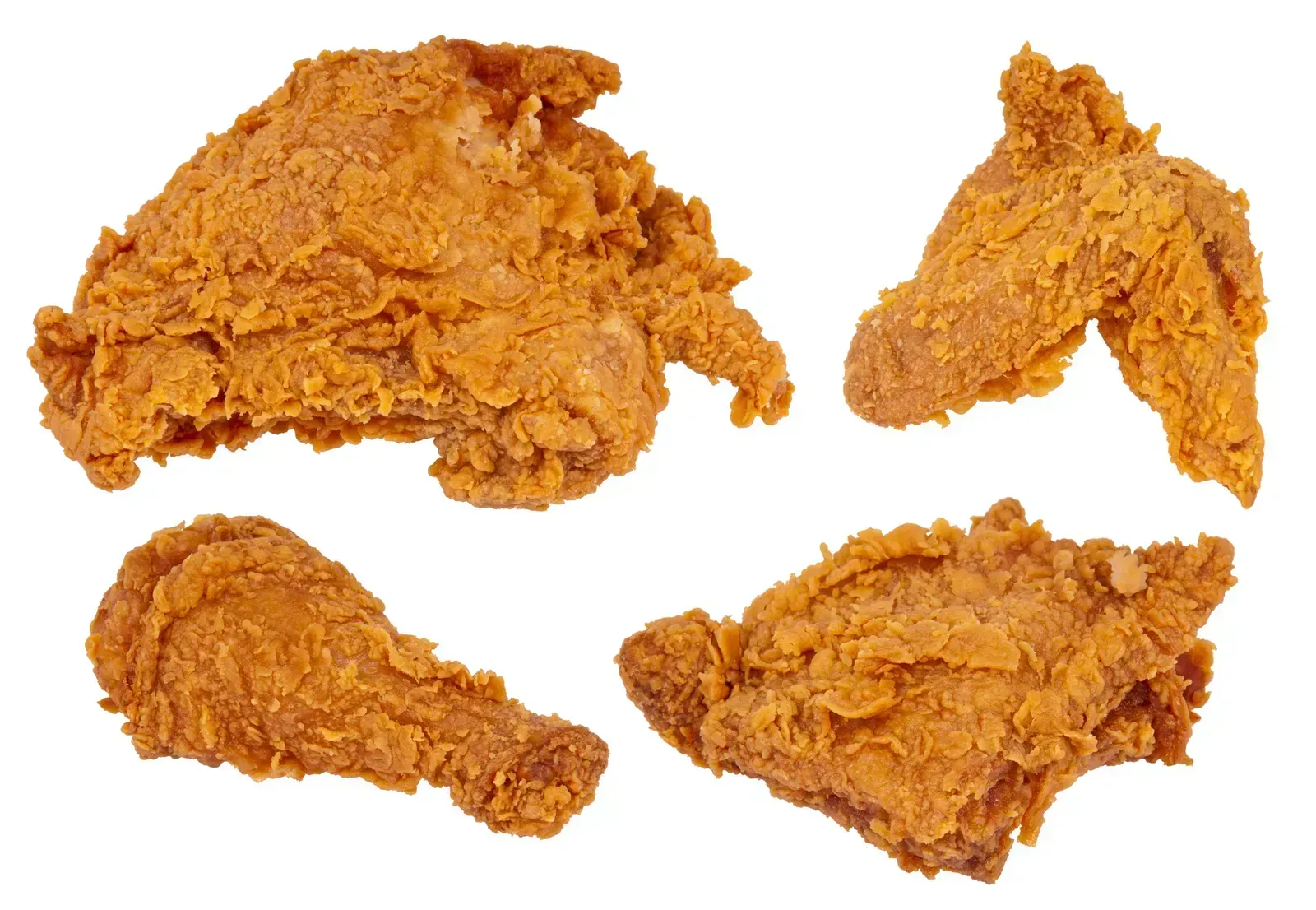
According to CNET, a 4-piece Chicken Dinner from Popeyes went up in price by 97% in the last decade. Even with that increase, fried chicken from takeout chains remains competitive with homemade versions. Making fried chicken requires buying raw chicken pieces, flour, buttermilk, eggs, and various spices for a coating. You need enough oil to at least partially submerge the pieces.
A bucket or even just a few pieces from a chicken chain costs roughly the same as buying the raw chicken alone, before you’ve purchased any other ingredients or oil. The cooking process is messy, time-consuming, and requires monitoring temperature carefully to avoid undercooking. Chains like Popeyes or KFC have perfected their process and buy chicken in massive quantities at wholesale prices. They achieve a per-piece cost that’s hard for home cooks to match, especially when you consider the hassle and cleanup involved.
13. Frozen Burritos from Convenience Stores
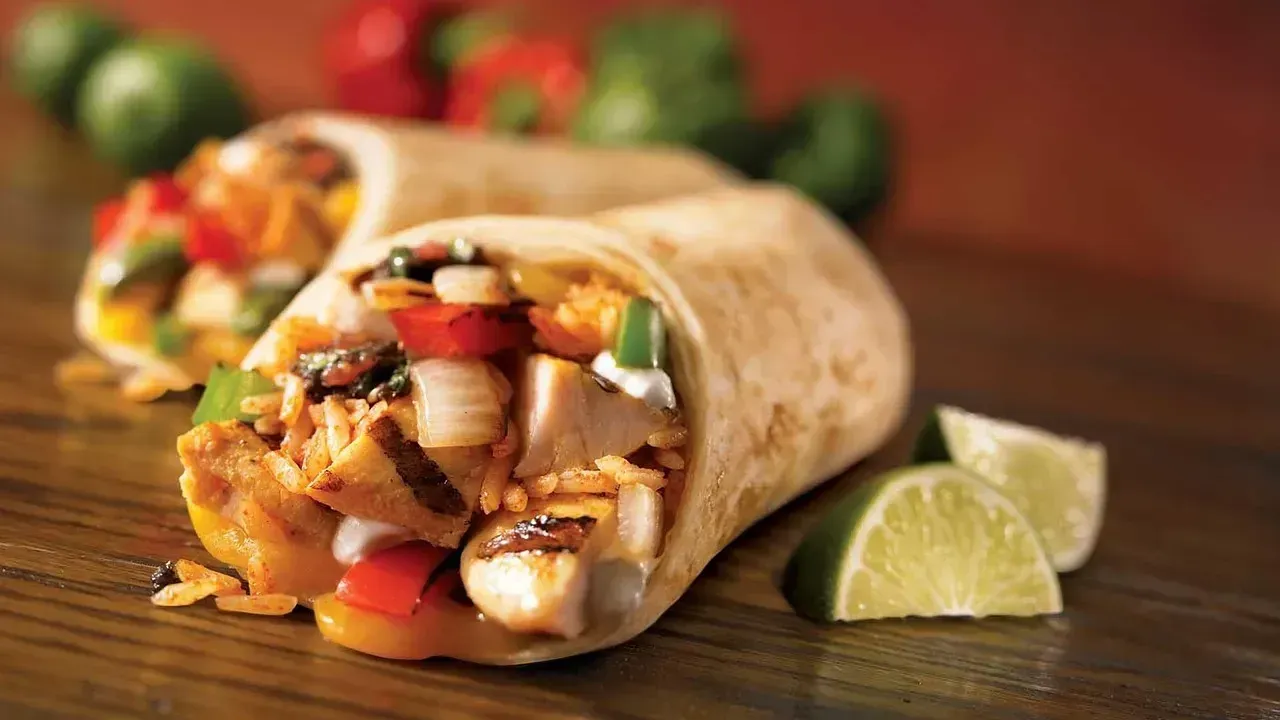
This one’s a bit different because it’s not restaurant takeout, but it fits the same principle. In Q3 of 2024, 55% of U.S. adults reported they’re spending less on eating out, up from 52% earlier in the year. Convenience stores sell large frozen burritos for typically one to three dollars. These contain beans, rice, cheese, meat, and salsa wrapped in a flour tortilla.
Making a burrito at home requires buying tortillas, canned or dried beans, rice, cheese, meat, and salsa. A package of tortillas alone costs several dollars and contains eight to ten tortillas. By the time you’ve bought everything needed to make even two or three burritos, you’ve spent more than a week’s worth of frozen convenience store burritos would cost. Yes, homemade tastes better and you control the ingredients, but purely from a cost perspective, that frozen burrito is hard to beat.