The Rise and Fall of the “Automat”: Why the First Fast-Food Model Disappeared
Picture this: you walk into an elegant dining room with marble floors, Art Deco fixtures, and gleaming chrome walls. There are no waiters, no menus, no awkward conversations. Instead, you face a wall of glass compartments filled with ready-to-eat meals. Drop a nickel in the slot, turn a knob, and retrieve your dinner – a perfectly plated sandwich, a slice of coconut cream pie, or a cup of the best coffee in town. This wasn’t science fiction. It was the automat, America’s first fast-food revolution.
Honestly, it sounds almost futuristic even now. Yet these coin-operated dining wonders thrived for decades before vanishing almost completely by the early 1990s. What caused their meteoric rise – and their sudden fall?
The Birth of a Revolution in Berlin and Philadelphia
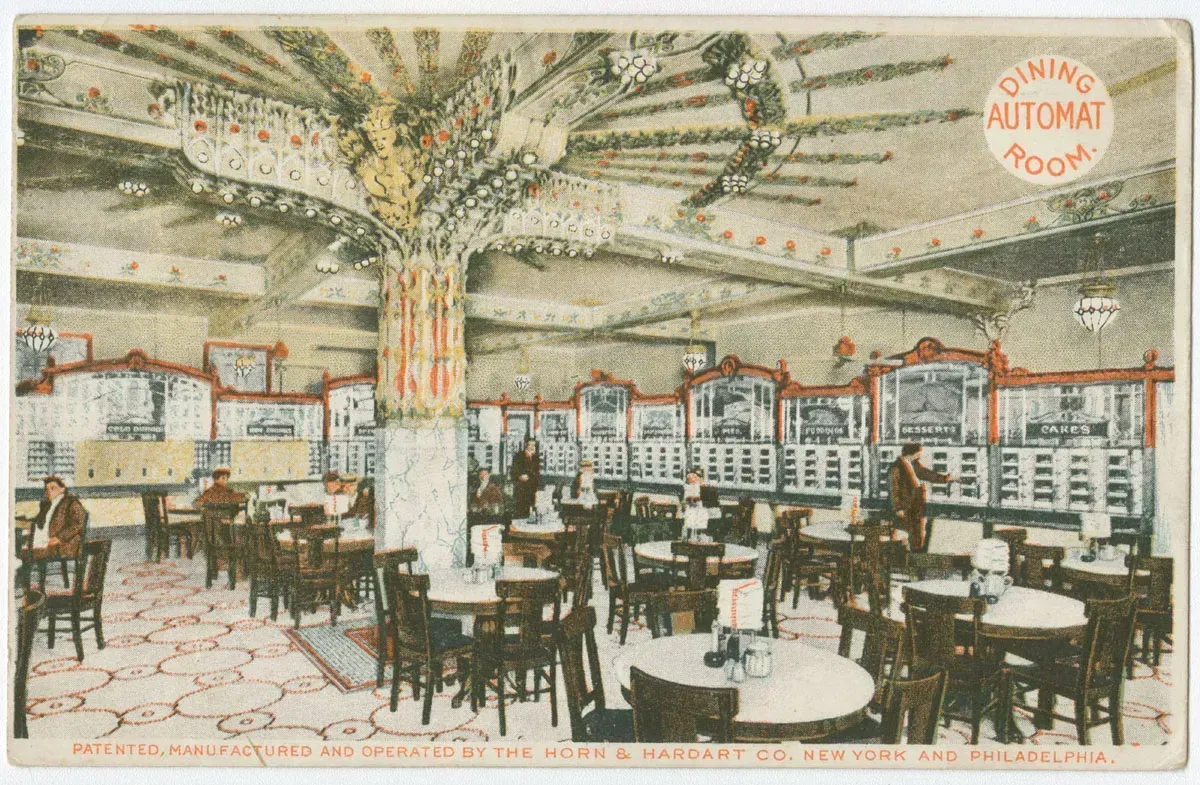
The world’s first automat, Quisisana, opened in Berlin, Germany in 1895. It arrived during a time when industrialization was transforming every aspect of daily life. The concept was straightforward: insert coins, retrieve food, no human interaction required. It felt modern, efficient, hygienic.
Inspired by the success and decor of this new form of food service that eliminated wait staffs but still served high quality fresh food, Horn persuaded his partner Frank Hardart to open the first automat in the U.S., which made its debut on June 9, 1902, at 818 Chestnut Street in Philadelphia. Joseph Horn and Frank Hardart had already been running a successful luncheonette since 1888, known for its New Orleans-style drip coffee. The automat took that success and amplified it dramatically.
Within a decade, they expanded to New York City. On July 2, 1912, Horn and Hardart opened their first automat location in Times Square in New York City. New Yorkers, already accustomed to fast-paced life, embraced the concept immediately.
The Golden Age: When Automats Ruled American Cities
By the 1950s, Horn and Hardart operated around 88 locations across Philadelphia, New York, and Baltimore. During its heydey, over 800,000 people ate at Horn and Hardart Automats each day, making it the world’s largest restaurant chain. Think about that for a moment. Over 800,000 daily customers at a time when fast food as we know it didn’t exist yet.
The appeal was multifaceted and democratic. With no waiters to tip and prices for most dishes at five or 10 cents, the Automats held economic appeal for working-class and frugal diners. And unlike the elitist dining rooms that had dominated the American culinary scene, the Automats were simple and democratic. Factory workers sat next to Wall Street bankers. Secretaries shared tables with celebrities like Irving Berlin and Audrey Hepburn.
In their heyday, Automats sold over 90 million cups of their fresh-brewed coffee each year. The coffee, brewed fresh every twenty minutes and served from ornate dolphin-head spouts, became legendary. For decades, you could get a cup for just a nickel – until inflation forced the price to double in 1950.
The Cracks Begin to Show: Changing Times and Competition
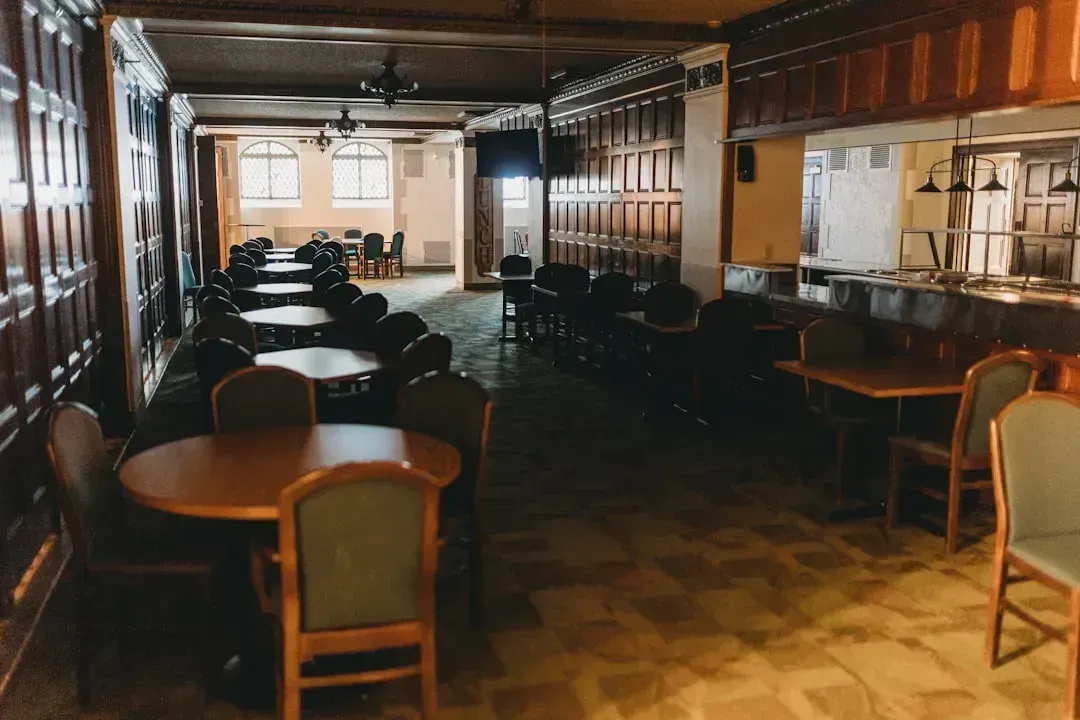
Something interesting happened after World War II. Americans started moving to the suburbs in droves. During the 1950s, more and more Americans moved out to the suburbs, and the automats became almost empty during dinner time. The urban centers that had sustained the automats were hollowing out.
However, the rise of fast-food chains during the 1950s and 1960s posed tough competition for automats. The increasing demand for quicker dining options, such as portable hamburger meals from franchises like McDonald’s and Burger King, led to a decline in automat popularity. Here’s the thing: automats were fast, but they required you to sit down and eat with real china and silverware. McDonald’s and Burger King offered something different – grab-and-go convenience.
Although fast-food franchises adopted many parts of the Horn and Hardart business model like affordable prices and low labor costs, automats had a fatal flaw in their design since they served meals that required you to sit down to eat them. The irony is hard to miss. Automats essentially invented fast food, then got outpaced by the very industry they inspired.
Inflation, Coins, and the Death of a Nickel Economy
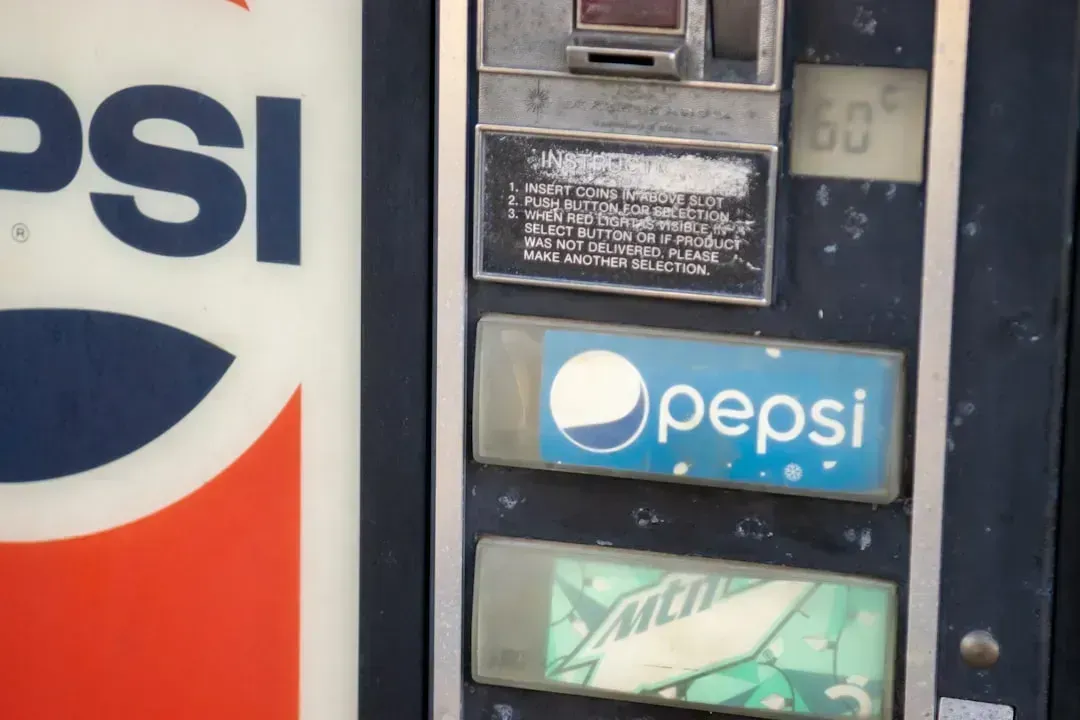
With inflation pushing the price of items higher and higher, the coin-operated machines were no longer efficient or practical. Quality declined, and the fast food chains spawned by the Automats began to eat their lunch. This might sound like a small detail, but it was devastating. The entire system was built around nickels and dimes.
Another contributing factor to their demise was inflation, which caused an increase in food prices and made the use of coins inconvenient in a time before bill acceptors were common on vending equipment. Imagine trying to buy a meal that cost several dollars – in nickels. Customers grew frustrated. The elegant efficiency that once defined the automat became clunky and outdated.
The lack of a succession plan, changing demographics, the rapid rise of fast food chains, and poor strategic decisions from the early 1960s on were too much to overcome and the last restaurant was closed in 1991. Horn and Hardart tried to pivot, converting many locations into Burger Kings. It didn’t save them. The last Horn and Hardart automat in New York City closed in 1991, marking the end of an era for the classic automat experience.
The Unexpected Comeback: Modern Automats in a Contactless World

Fast forward to 2020. The 2020 pandemic inspired a new wave of automat revival attempts, aimed at adapting to the social distancing guidelines and the desire for contactless dining. Suddenly, the very concept that seemed like a relic felt relevant again. Touchless service? Check. Minimal human interaction? Check. Fresh food behind glass? Perfect for a pandemic.
Joe Scutellaro and Bob Baydale opened Automat Kitchen, which specialized in fresh food, in Jersey City’s Newport Centre in early 2021; however, it closed after one year of operation because of low foot traffic due to the 2020 pandemic. Some ventures struggled. Yet another automat chain, the Brooklyn Dumpling Shop, opened in the East Village in 2021; they opened a chain in Philadelphia, Pennsylvania, in December 2023. Brooklyn Dumpling Shop is expanding nationally, proving the concept still has legs – albeit with smartphones replacing nickels.
According to findings highlighted in the latest Digital Payments Tracker® Series report by PYMNTS Intelligence titled “Unattended: The Payments Technology Shifting the Future of Commerce,” 84% of U.S. consumers seem open to self-service options, though more than three-quarters (77%) of restaurant consumers say staff friendliness is the most important feature a restaurant needs to provide. There’s the tension. People like convenience, but they also crave human connection. Will modern automats find the balance, or will they repeat history?
The automat rose because it met the needs of its time: speed, affordability, and a touch of modernity. It fell because it couldn’t evolve fast enough when the world changed around it. Now, as we stand in 2025 with automation everywhere and contactless dining normalized, maybe the automat’s moment has finally come again. Or maybe it’ll teach us the same lesson twice: innovation alone isn’t enough if you can’t adapt to what people really want. What do you think – would you eat from a modern automat, or does something important get lost when machines replace people entirely?