8 Most Expensive Countries for Groceries – and 2 of the Cheapest, Data Shows
The global grocery landscape reveals shocking disparities that might make you rethink your next international vacation. While families in some countries spend hundreds of dollars on basic food items, others manage to feed themselves on mere pennies. Recent data from Numbeo and commodity research platforms paint a startling picture of how geography, economics, and local policies shape the simple act of putting food on the table.
Switzerland Dominates the Global Grocery Index
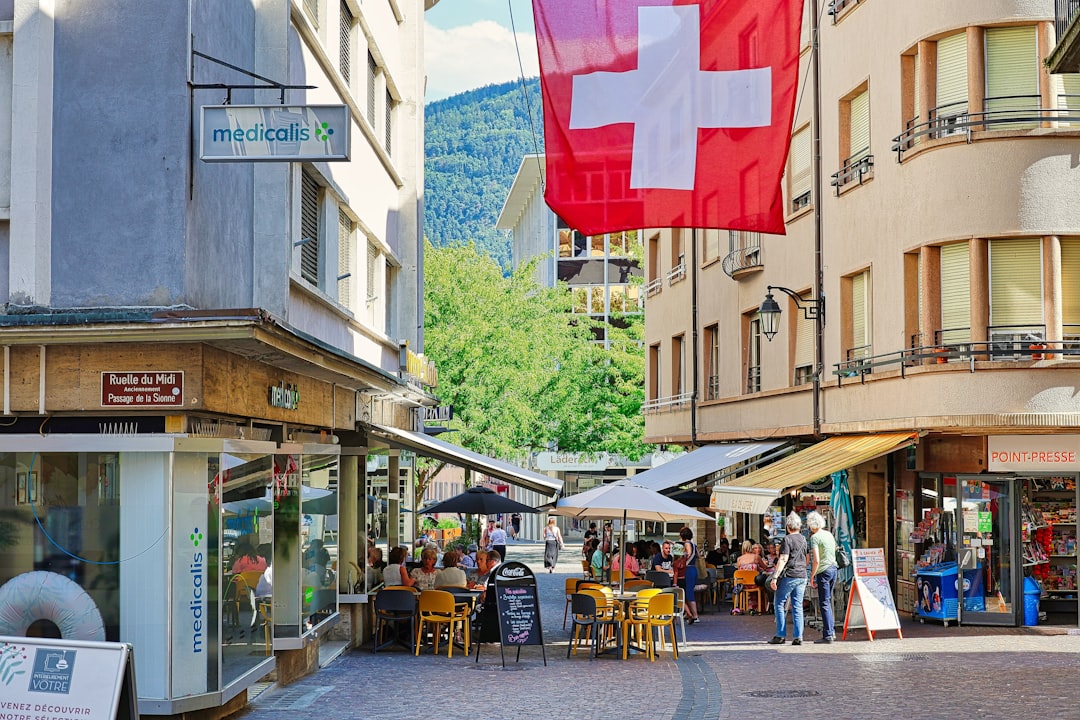
Switzerland consistently ranks among the most expensive countries for groceries according to global indices, making it the most expensive country for food shopping worldwide. A basic 12-ounce bottle of water costs an average of $3.63 at Swiss restaurants, compared to just $1.56 in the United States. The Alpine nation’s high wages and strong currency contribute to these eye-watering prices, though residents generally earn enough to offset the steep costs. Even staples like eggs, beef, bread, and cheese command premium prices in Switzerland.
Iceland’s Arctic Price Premium Chills Shoppers
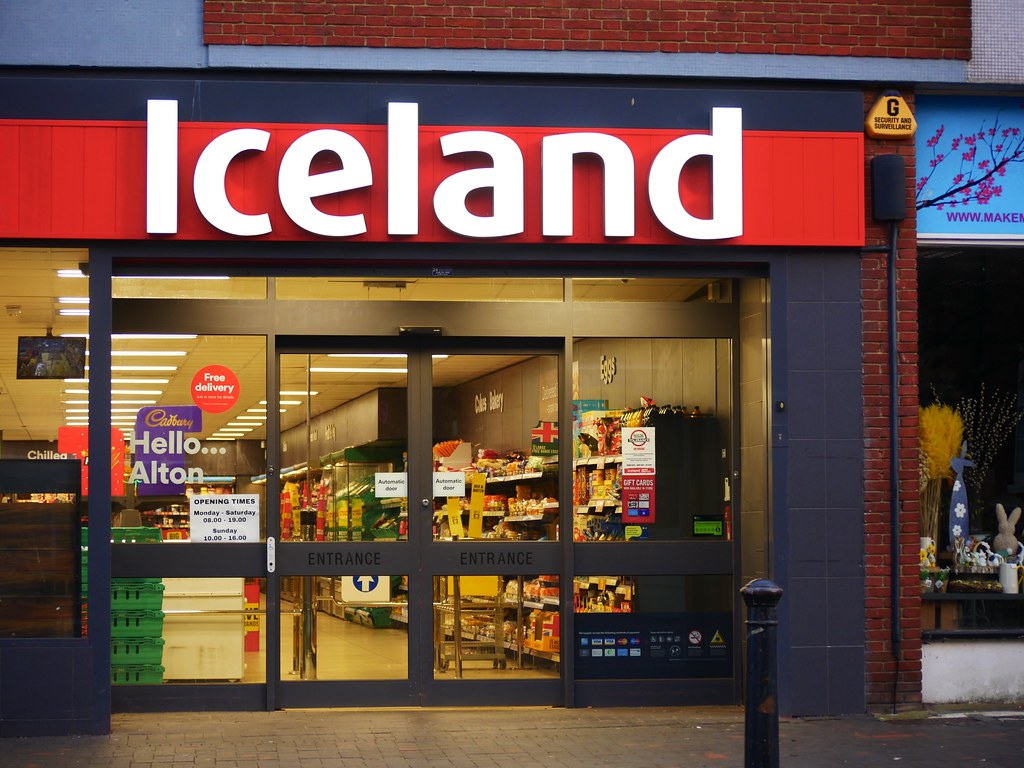
Iceland consistently ranks among the most expensive countries for groceries globally. The average cost of a meal for two people reaches $105.25 in Iceland, representing one of the steepest dining costs anywhere on Earth. Food inflation in Iceland increased by 5.70 percent in April 2025 compared to the previous year, adding further pressure to already strained household budgets. The island nation’s remote location and harsh climate force heavy reliance on imports, driving prices through the roof.
US Virgin Islands Delivers Island-Sized Bills
The US Virgin Islands is frequently cited as one of the most expensive places for groceries globally. This Caribbean paradise proves that tropical locations can cost a fortune when it comes to basic necessities. Limited land for agriculture and expensive shipping costs from the mainland United States create a perfect storm of high prices. Tourists and residents alike face the reality that paradise comes with a premium price tag at the grocery store.
Bahamas Makes Basic Shopping a Luxury Experience
The Bahamas secures its position as the fourth most expensive country for groceries with an index score of 79.1 in 2025. Previous years showed even higher scores, with the country reaching 80.5 in 2024 and 81.6 in mid-2024. The island chain’s dependence on imported goods and tourism-driven economy inflates food costs significantly. Even basic Caribbean staples carry hefty price tags that would shock visitors accustomed to mainland pricing.
Singapore’s Strategic Location Comes with Strategic Pricing
Singapore maintains its position among the world’s most expensive grocery markets with an index score of 70.8 in 2025. Food inflation in Singapore peaked at 8.1% in February 2023 but has since fallen to 1%, though supermarket trips remain considerably more expensive than pre-pandemic levels. The city-state’s limited agricultural land and high population density create intense competition for food resources, driving prices upward despite government efforts to control inflation.
Barbados Proves Caribbean Costs Run Deep
Barbados rounds out the expensive grocery destinations with an index score of 78.1 in 2025. The island nation has consistently ranked among the top ten most expensive countries, with scores of 78.6 in 2024 and 80.8 in mid-2024. Like other Caribbean nations, Barbados faces the dual challenge of limited local production and expensive import costs. The tourism-focused economy also drives up local prices as vendors cater to visitors with deeper pockets.
Norway’s Nordic Price Reality Bites Hard
Norway maintains its reputation for expensive groceries with an index score of 71.9 in 2025. The Nordic countries, including Norway, show both cultural and geographic significance in expensive dining patterns. Denmark’s food prices are similar to Norway and Sweden, creating a regional pattern of high food costs. Norway’s oil wealth and high wages create an economy where premium prices become the norm rather than the exception.
Denmark Delivers Scandinavian Sticker Shock
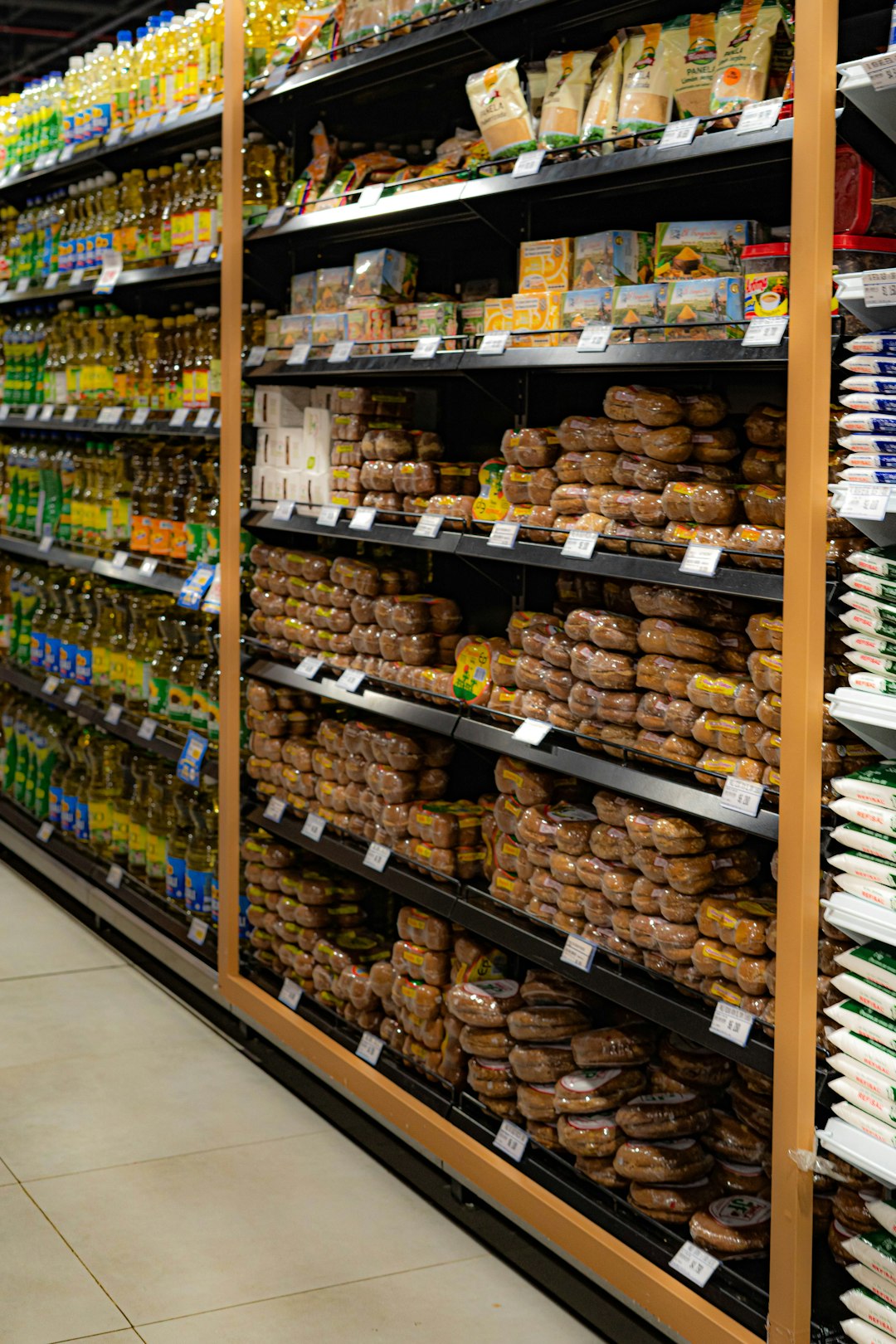
Denmark holds a grocery index score of 65.0 in 2024, though specific 2025 data shows it continuing this expensive trend. Visitors often find Denmark’s prices deceptive, as everything looks cheaper compared to Sweden and Norway, but actually isn’t. Copenhagen ranks among the most expensive cities globally for three-course meals, with restaurant costs reflecting the broader pattern of expensive food throughout the country.
Pakistan Offers World’s Most Affordable Grocery Paradise
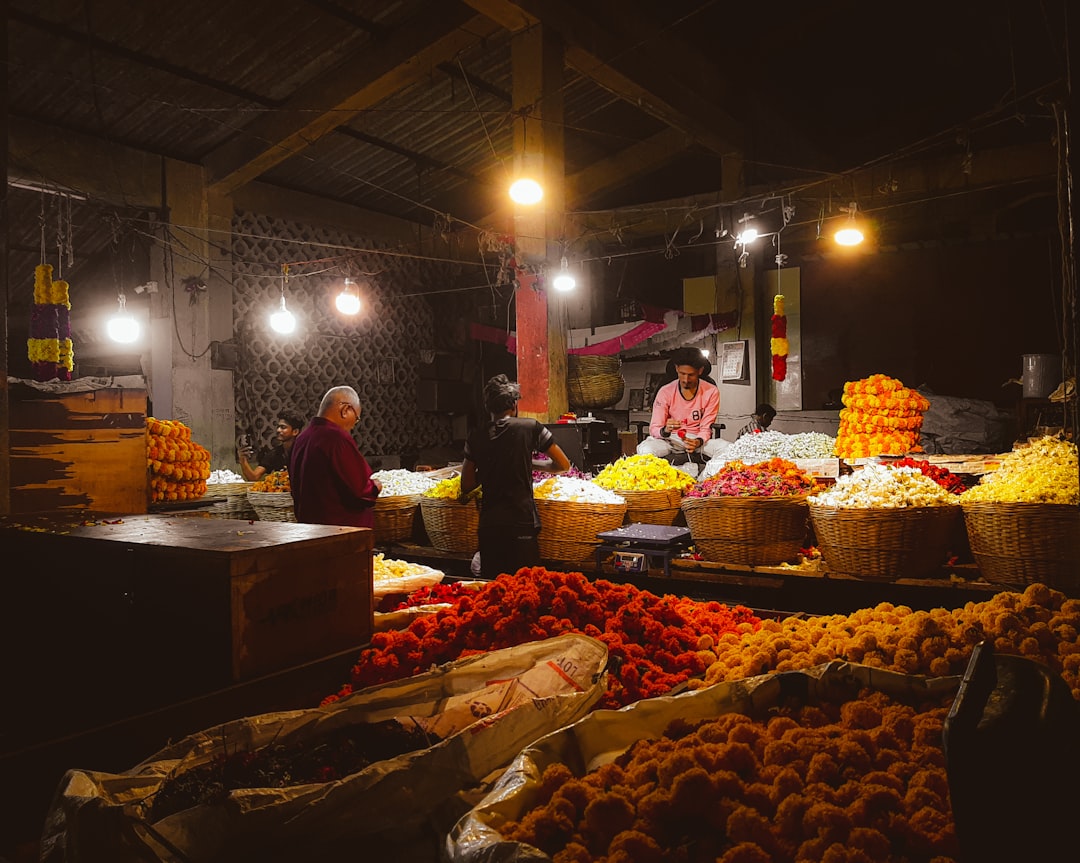
Pakistan is frequently cited as having among the cheapest food prices globally according to various indices. Only Afghanistan ranks below Pakistan at position 139 on the global grocery affordability scale. India and Pakistan both offer meals for two people under $11, making them incredibly affordable destinations for food shopping. Pakistan ranks among the world’s top 10 food producing countries, helping keep domestic prices remarkably low.
Bangladesh Claims the Title of World’s Cheapest Food Haven
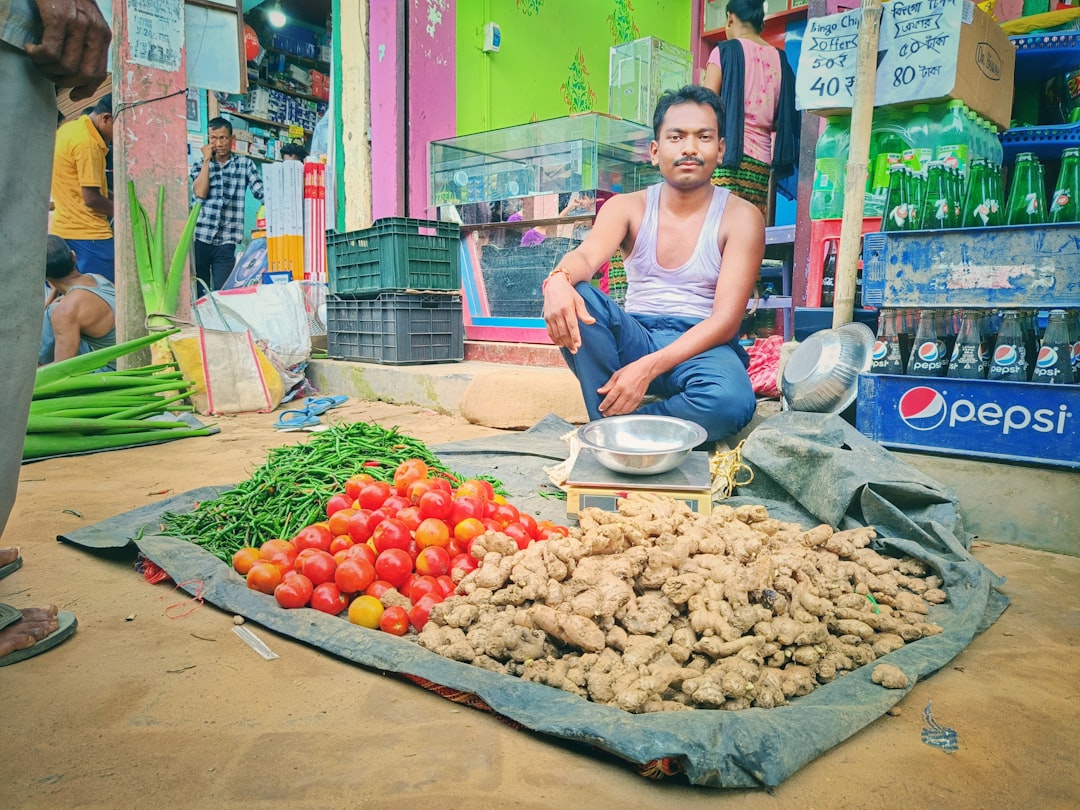
Bangladesh is often cited as offering some of the cheapest meal prices globally, with very low costs for basic meals. The country provides the world’s cheapest bottled water at merely 18 cents per bottle. The top nine most inexpensive meals globally are all found in Indian cities, ranging from $7.92 to $13.21, showing how South Asian countries dominate the affordable food landscape. These countries prove that nutritious, filling meals don’t have to break the bank when local production meets reasonable economic conditions.
The stark contrast between Switzerland’s $3.63 water bottles and Bangladesh’s 18-cent alternatives shows just how dramatically geography shapes our grocery bills. While wealthy nations grapple with premium pricing, developing countries offer food security at fraction of the cost. What do you think drives these massive price differences between countries?