12 Marinades That Transform Everyday Proteins
There’s something almost magical about a good marinade. You drop a humble chicken breast or an ordinary pork chop into a bowl of liquid and aromatics, walk away for a few hours, and come back to something that tastes completely different. Deeper. More interesting. Like it was cooked somewhere with better weather and a wood-fired grill.
The truth is, most home cooks are barely scratching the surface of what marinades can do. We reach for the same bottle from the supermarket shelf and never stop to wonder what’s actually possible. These 12 marinades will make you rethink everything you thought you knew about weeknight . Let’s dive in.
1. The Classic Mediterranean Lemon, Olive Oil, and Herb Marinade
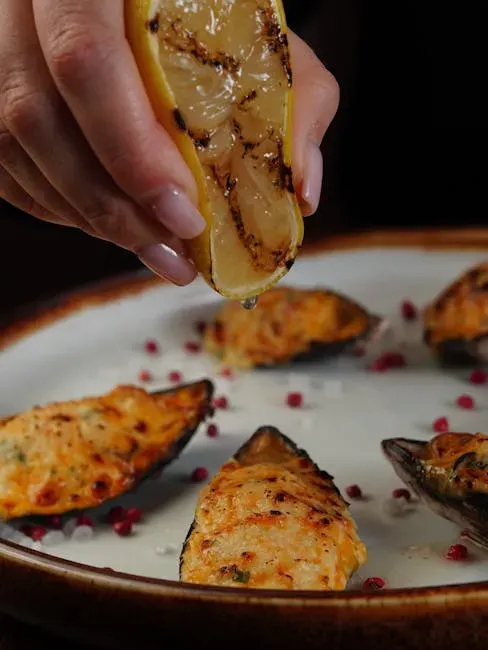
This is the one that started it all for many home cooks, and honestly it still holds up beautifully in 2026. A typical Mediterranean marinade combines olive oil, lemon juice, garlic, and herbs into a mixture that is refreshingly simple yet wildly effective. The lemon does the heavy lifting on flavor while the olive oil locks in moisture during cooking.
Acidic ingredients like lemon juice work by denaturing , essentially unravelling the tightly coiled protein structures in the muscle. Think of it like loosening a tightly wound spring. Thinner cuts like chicken breasts or fish fillets need only 30 minutes to 2 hours in this kind of marinade before they’re ready to go.
2. The Korean Bulgogi Marinade for Beef and Chicken
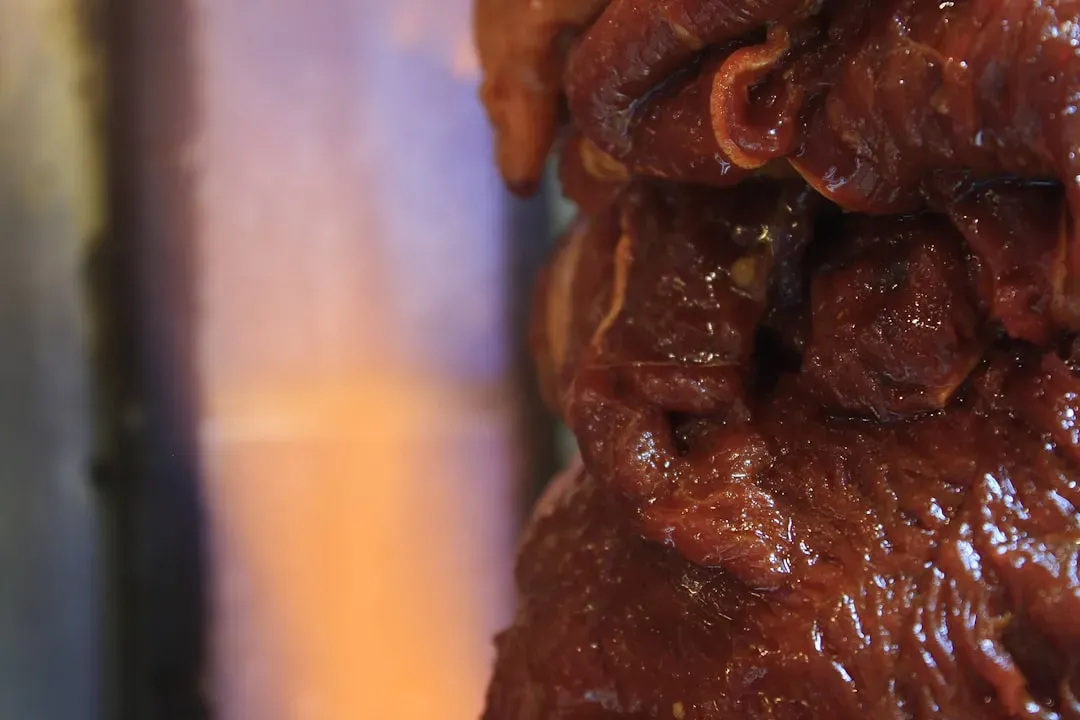
Few marinades are as crave-worthy as a proper Korean bulgogi blend. Asian pear serves a dual purpose: it provides fruity sweetness and its acidity acts as a natural tenderizer for beef and other . That combination of sweet, salty, and slightly smoky flavors is what makes bulgogi so addictive. It’s no wonder Korean BBQ has taken over restaurant menus worldwide.
The sugars caramelize over high heat when seared, broiled, or grilled, adding a fantastic char to just about anything. Traditional Korean bulgogi marinades use pear juice and the technique falls under the category of enzymatic marinades, which means the enzymes from the fruit continue tenderizing even during the early stages of cooking. Use it on thinly sliced ribeye or chicken thighs for the best results.
3. The Miso-Ginger Marinade for Salmon
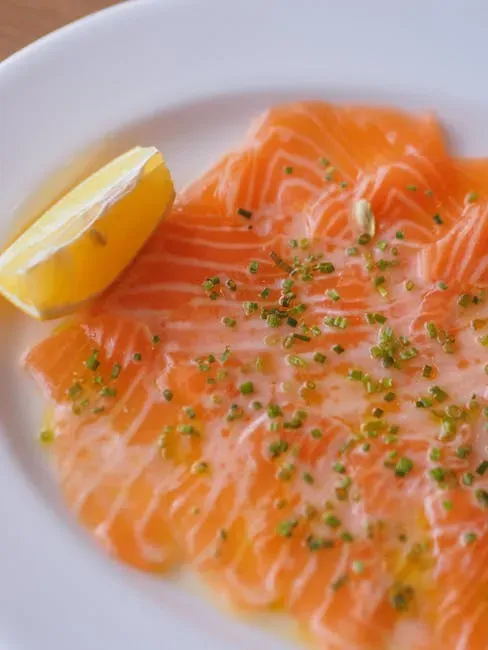
If you’ve never marinated fish in miso, you are genuinely missing out. Miso salmon is marinated in a sweet and savory miso sauce and broiled until the outside is beautifully crisp and the inside is perfectly moist. The fermented depth of white miso paste is one of those flavors that makes people ask, “what is that?” in the best possible way.
The marinade uses a base of soy sauce and miso paste, with ginger and garlic as aromatics, a dash of nuttiness courtesy of sesame oil, and just a hint of spice. Fish and seafood need minimal marinating time, typically 15 to 30 minutes, so this is a genuinely fast weeknight option. It pairs brilliantly with salmon but works just as well on firm white fish like cod or sea bass.
4. The Buttermilk Marinade for Fried or Grilled Chicken
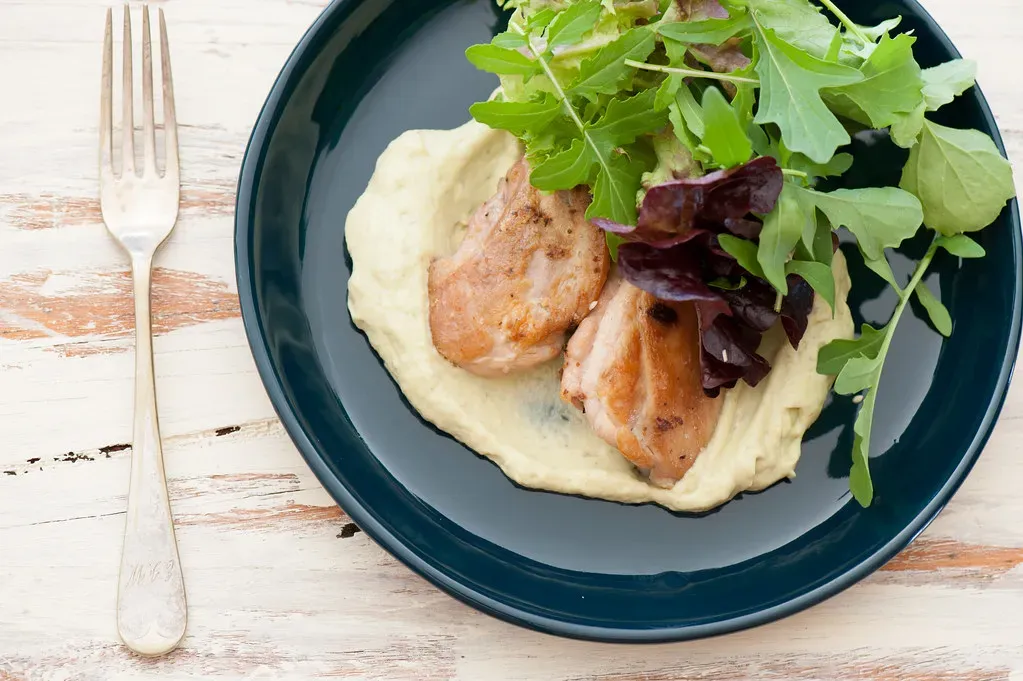
Buttermilk marinating has been a go-to technique for chicken for generations, and there’s solid science behind the tradition. The key lies in the lactic acid content. Unlike harsh acidic marinades made from vinegar or citrus juices, lactic acid works more gently to break down in meat without making it mushy or tough. It’s a softer, kinder acid. Perfect for chicken.
The fats and enzymes in dairy also help to retain moisture during cooking, creating a more succulent texture. Buttermilk’s natural creaminess coats the meat, making it a great base for breading or cooking at lower temperatures. If you’ve ever wondered why restaurant fried chicken tastes so much juicier than homemade, the answer is almost always a long buttermilk soak. Try at least four hours, overnight if you can manage it.
5. The Garlic and Soy Teriyaki Marinade
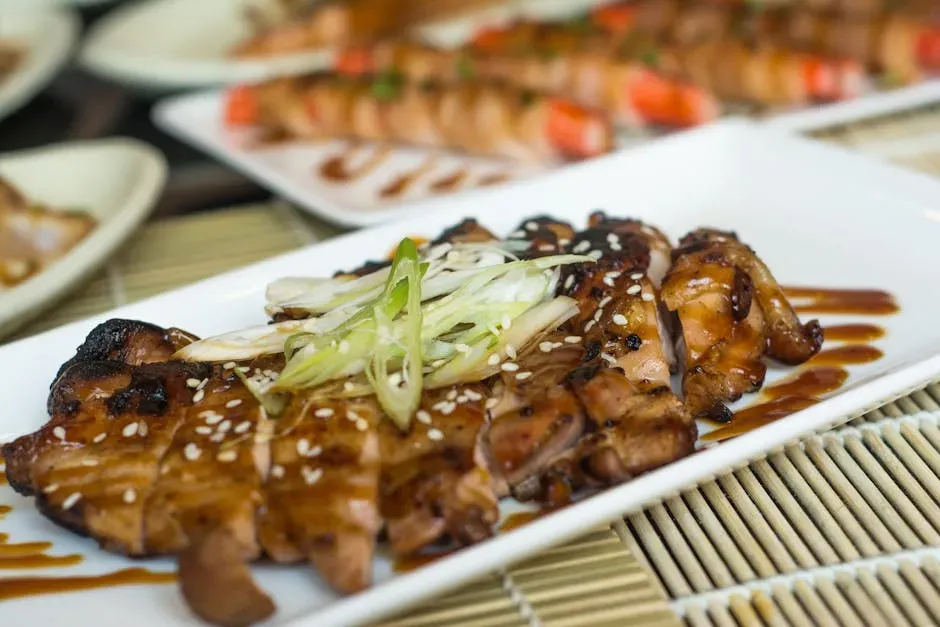
Teriyaki is one of those marinades that works on absolutely everything. This Asian-inspired marinade blends soy, ginger, garlic, and sesame, sweetened with a little brown sugar, and the result is a deeply savory glaze with just enough sweetness to balance it. It’s the kind of marinade that makes a boring chicken breast taste like takeout from a great restaurant.
Soy sauce tenderizes meat by breaking down myosin, a tough protein found in meat, just like in a good brine. It works great with almost any protein including chicken wings, pork tenderloin, and fish, and it’s especially effective on tough or lean cuts of meat like flank steak or chicken breasts. The brown sugar caramelizes on the grill into those gorgeous sticky, slightly charred edges that everyone fights over.
6. The Yogurt-Based Marinade for Chicken Thighs
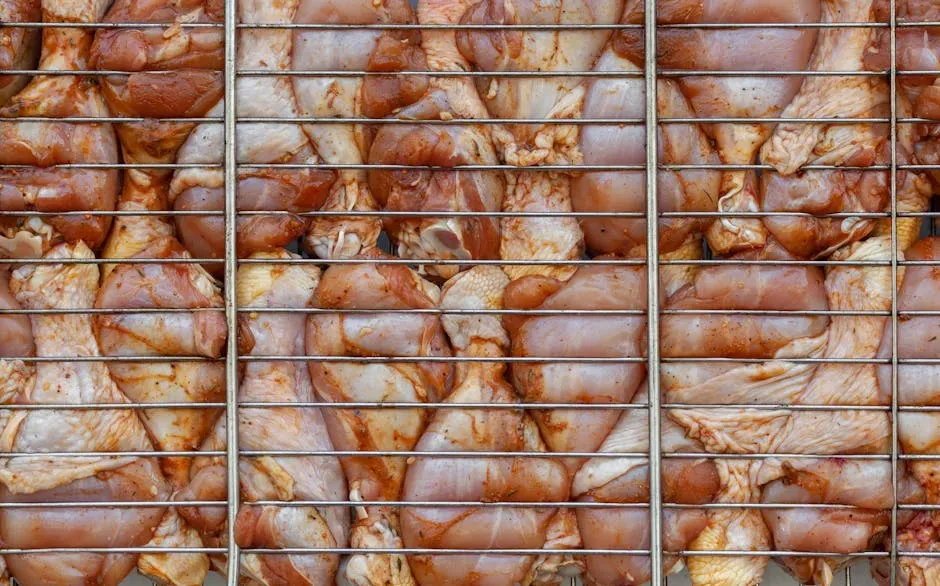
Yogurt marinades are the unsung heroes of the marinade world. I think they’re dramatically underused outside of Indian and Middle Eastern cooking, and that’s honestly a shame. Commonly used in Mediterranean and Indian cooking, yogurt is a highly effective marinade. The probiotics and enzymes in yogurt break down slowly, creating an evenly tender texture.
Yogurt-marinated chicken tastes tender all the way through, not just on the outside, because research from food scientists shows that protease enzymes can penetrate up to half an inch into meat tissue over twenty-four hours at refrigerator temperatures, beating any acid-only marinade. Yogurt’s thickness also allows it to cling to the surface of the meat, holding onto spices and herbs more effectively. A simple blend of yogurt, garlic, cumin, and a squeeze of lemon is all you need.
7. The Red Wine and Rosemary Marinade for Beef and Lamb
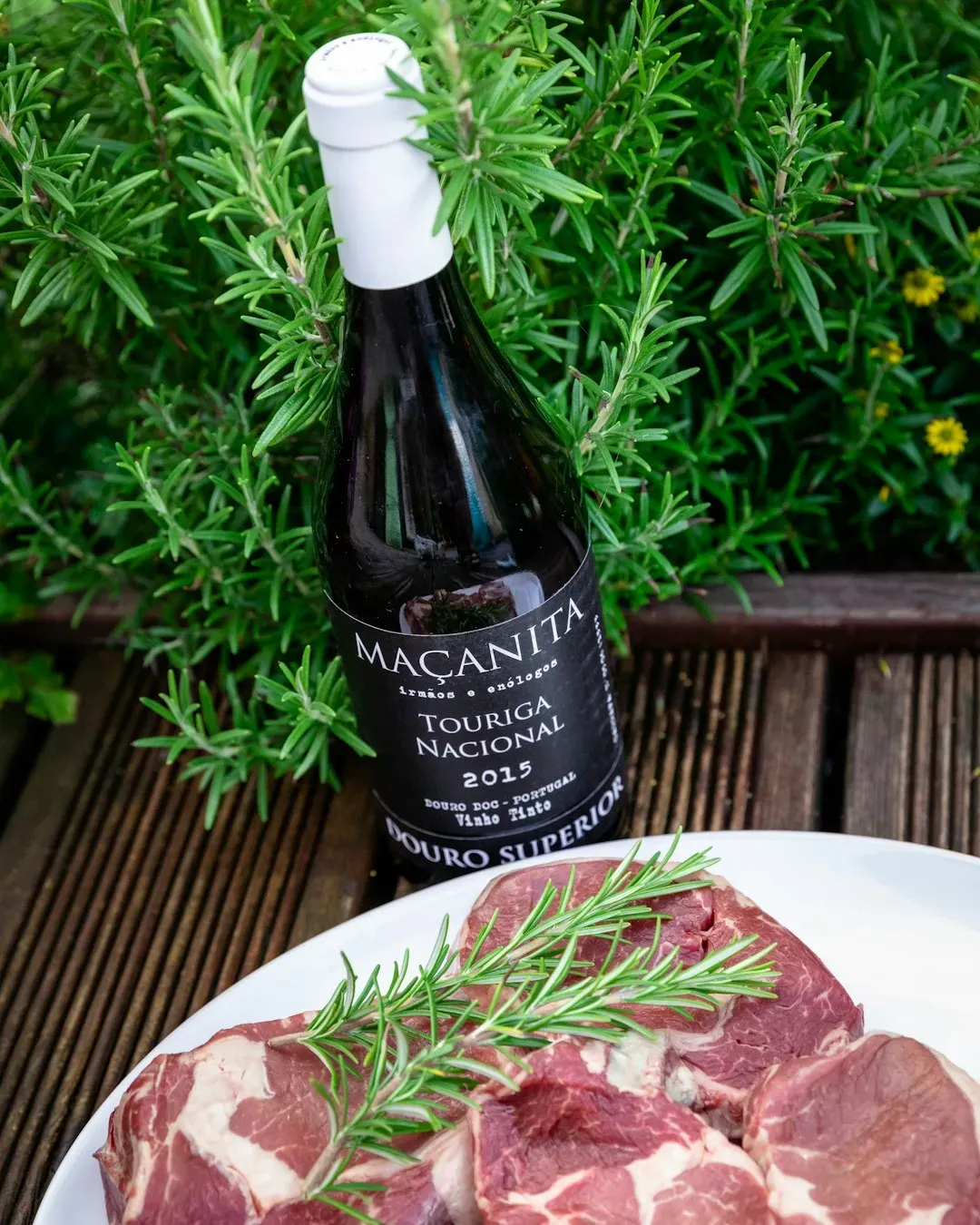
Red wine marinades have an almost old-world romanticism to them, and they genuinely deliver on the promise. A red wine marinade adds beautiful tenderness to meat and when you are making kebabs or lamb steaks it really ensures that the final texture is soft and not chewy. The tannins in red wine interact with surface and create a subtle, earthy depth of flavor that pairs magnificently with both beef and lamb.
Marinating wild boar and deer meat for several days in dry red wine and then cooking reduces hardness and springiness while increasing tenderness and juiciness. For everyday cuts, though, a couple of hours is plenty. It really is the acidity in the wine that helps tenderize the steak, so whatever variety of red wine you prefer will work just fine. Throw in some fresh rosemary, smashed garlic, and black pepper, and you’re in business.
8. The Chimichurri Marinade for Steak and Pork
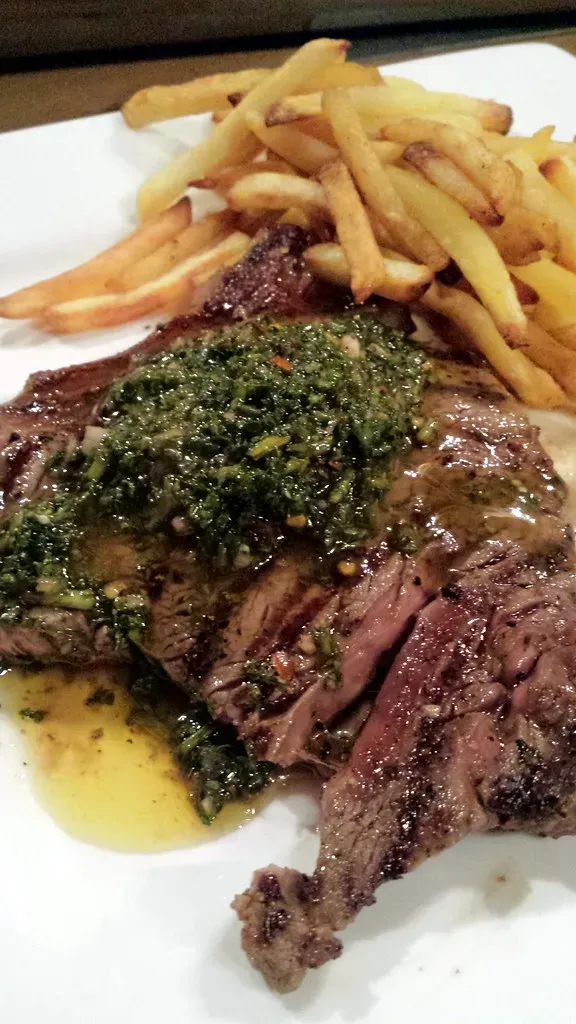
Originating in Argentina and Uruguay, chimichurri is a fresh, no-cook herb condiment that’s often brushed, spooned, or basted over meats as they cook, especially steak and chicken. It also doubles as one of the most vibrant and punchy marinades available, delivering a blast of herby brightness that cuts right through richly flavored . This is the marinade for people who find other marinades too sweet or too heavy.
Made with fresh parsley, garlic, oregano, red wine vinegar, olive oil, and red chili flakes, chimichurri is best enjoyed at room temperature. Marinate steak, chicken, shrimp, or pork for 30 minutes to 4 hours, then use extra sauce for serving. The red wine vinegar provides just enough acidity to do some tenderizing work on the surface, while the herbs create a flavor profile that’s completely irreplaceable. It’s truly one of the simplest things to make and one of the most impressive to serve.
9. The Pineapple and Soy Marinade for Pork
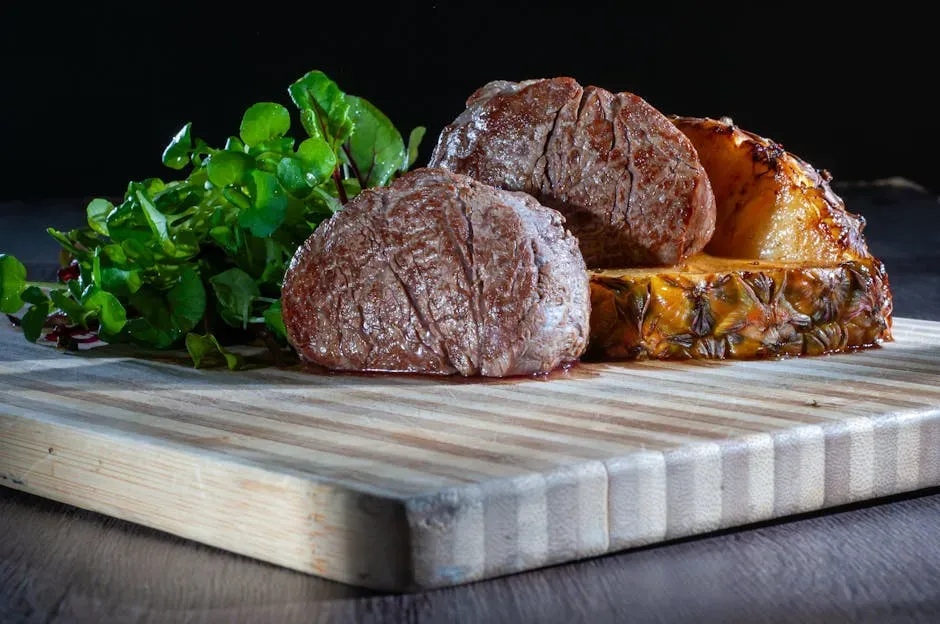
Pineapple and pork is one of those classic flavor combinations that has stood the test of time, and there’s a really satisfying scientific reason why it works so well. Bromelain from pineapples is an enzyme that breaks down tough muscle fibers and connective tissues. Combined with the salty depth of soy sauce, it creates a marinade that is sweet, savory, and genuinely transformative on a pork chop or pork shoulder.
Marinating a tough cut of meat in pineapple juice for a few hours can significantly improve its tenderness, but it’s important not to marinate for too long, as these enzymes can turn the meat mushy. Two to four hours is the sweet spot. Pork marinates best for 2 to 8 hours overall, and cuts like pork chops and tenderloins absorb flavors efficiently within this range. Add a splash of rice vinegar and a pinch of chili flakes to round out the flavors.
10. The Bourbon and Brown Sugar Marinade for Pork Chops
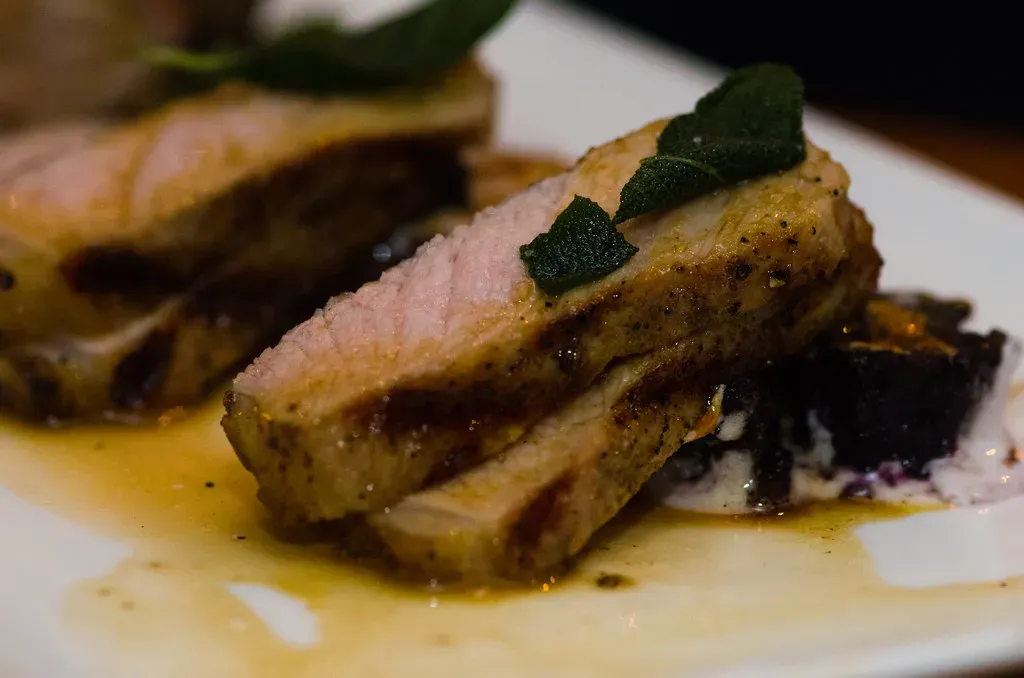
Here’s the thing about bourbon marinades: they sound indulgent, and they absolutely are. The reduced bourbon combined with brown sugar and Worcestershire sauce provides a sweet, savory, and oaky flavor that perfectly complements pork’s natural flavor. The alcohol in the bourbon acts as a solvent, helping to carry fat-soluble flavor compounds deep into the meat’s surface.
Consumers consistently prefer meats marinated with alcohol-based marinades rather than unmarinated ones, and volatile terpenes result in better evaluations of aroma and taste. The brown sugar caramelizes beautifully on a hot grill, creating dark, sticky edges that look like you spent hours preparing them. The marinade comes together in about five minutes. Use it on thick-cut pork chops or pork tenderloin for genuinely spectacular results.
11. The Maple Syrup and Balsamic Marinade for Chicken and Shrimp
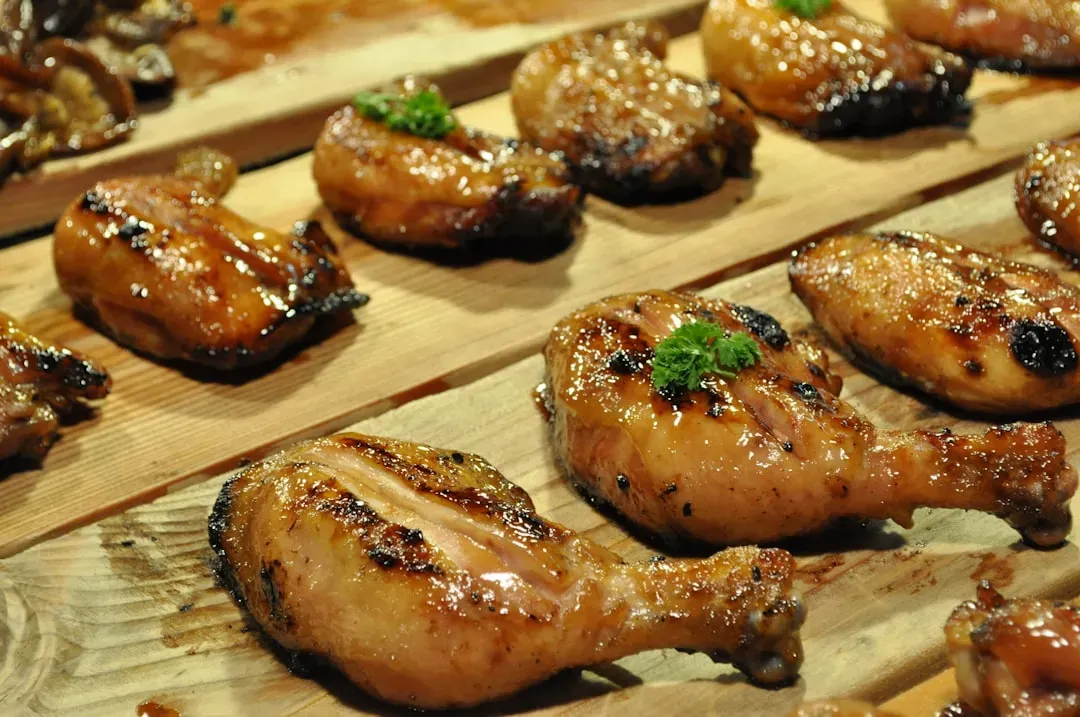
This one might raise an eyebrow the first time you read it, but trust the combination. Maple syrup and balsamic vinegar balance out into a rich and caramelly marinade, and the pure maple syrup caramelizes beautifully on a hot grill for crispy char. It’s the kind of flavor contrast that makes a simple chicken breast taste like something from a high-end bistro menu.
Research showed that the total content of harmful heterocyclic amines decreased in samples marinated in balsamic and apple vinegar, meaning balsamic-based marinades are not just delicious but actually have a mild food safety benefit when grilling. That’s a genuinely pleasant surprise. A ratio of roughly two parts maple syrup to one part balsamic, with a little Dijon mustard and fresh thyme, is all you need. Works beautifully on shrimp too, just keep it to 20 minutes.
12. The Harissa and Olive Oil Marinade for Lamb and Chicken
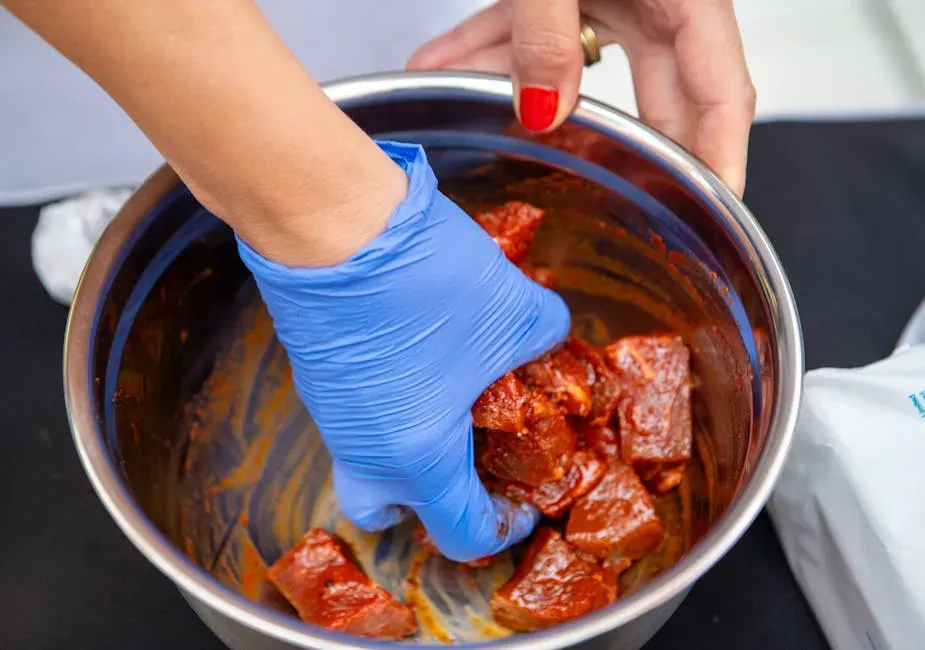
Harissa, the North African chili paste made from roasted red peppers, caraway, and coriander, is one of the most underused marinade bases in the average home kitchen. It brings a complex, smoky heat that is completely different from hot sauce or chili powder. Rubbed onto lamb chops or chicken thighs with a generous pour of olive oil, it creates a crust during cooking that is nothing short of spectacular.
Various essential oils and plant compounds in spice-based marinades are gaining popularity and can improve the shelf life and quality of meat, with thyme-based compounds in particular showing strong antimicrobial effects on poultry. The acidic nature of many marinades creates a lower pH environment that can inhibit the growth of certain pathogenic microorganisms, and natural marinades containing organic acids and phenolic compounds from plant ingredients help extend shelf life by suppressing microbial activity. Mix harissa paste with olive oil, a squeeze of lemon, and a little honey for balance, then marinate your protein for at least two hours before a high-heat cook.
The beautiful thing about all of these marinades is how democratic they are. You don’t need expensive equipment or a professional kitchen to pull them off. A bowl, a bag, a refrigerator, and a bit of patience are all that separate you from a genuinely exciting meal. Marinades are the unsung heroes of grilling and cooking, transforming ordinary cuts into extraordinary dishes, and they add incredible flavor without requiring much time or extra effort. Start with the ones that excite you most and work your way through the list.
Which of these 12 marinades will you try first? Tell us in the comments below!