10 Leftovers You May Want to Avoid Storing, Freezing, or Reheating
Most of us have been there. You cook a big meal, feel proud of yourself, wrap up the leftovers, and stash them in the fridge or freezer thinking you’re being smart and frugal. Honestly, most of the time that’s perfectly fine. But there are some foods where that habit quietly sets up a situation that is anything but fine, and the scary part is that it often looks and smells perfectly okay.
Food safety experts have been sounding the alarm on a handful of common leftovers that carry real risks when they’re stored improperly, frozen carelessly, or reheated without a second thought. Some of these might genuinely surprise you. Let’s get into it.
1. Cooked Rice
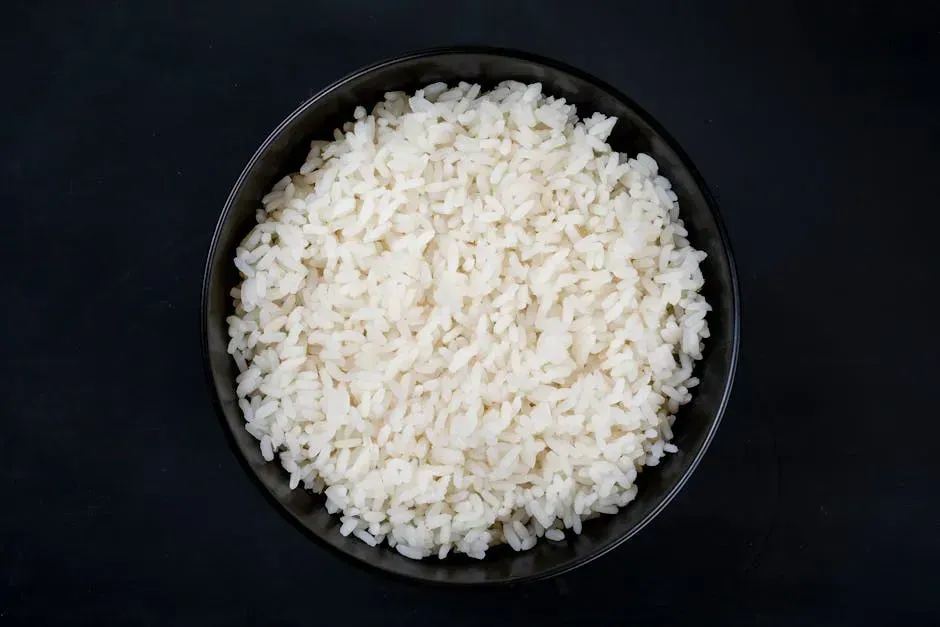
Reheating rice can be dangerous if not done correctly, because it can harbor Bacillus cereus, a bacteria that can cause food poisoning. When cooked rice is left at room temperature for too long, these bacteria can multiply, leading to toxins that simply are not destroyed by heat. That’s the really unsettling part. You can microwave that rice until it’s piping hot and those toxins will still be there, waiting.
The spores of Bacillus cereus are heat-resistant and, when they multiply due to improper temperature control, can cause diarrhea, vomiting, fever, nausea, stomach pain, and cramps. It’s best to eat rice immediately after cooking, or cool it quickly and store it in the fridge for no more than a day. Think of cooked rice like a ticking clock, not a forever food.
2. Cooked Chicken
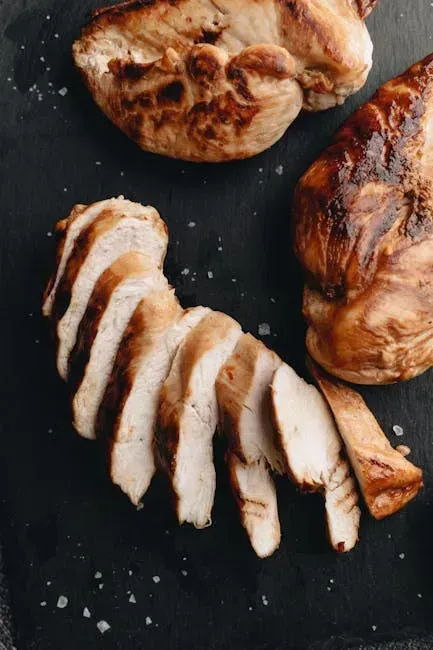
Each time chicken is reheated, its temperature rises and falls, creating an ideal environment for bacteria like Salmonella and Campylobacter to multiply, which can survive the cooking process and lead to food poisoning. This is especially risky if you’re relying on a microwave, which notoriously heats unevenly.
If chicken hasn’t been stored at the proper temperature immediately after cooking, harmful bacteria produce toxins that remain dangerous even after the chicken is thoroughly reheated. The poison they leave behind doesn’t just disappear with heat. If you do reheat chicken, it’s crucial to ensure it reaches an internal temperature of 165°F to eliminate any remaining bacteria. Better yet, use cold leftover chicken in salads or wraps instead.
3. Cooked Potatoes

When potatoes are cooked and then left at room temperature, they create the perfect breeding ground for Clostridium botulinum, the same bacteria that causes botulism. I know it sounds dramatic for something as humble as a baked potato, but this is a genuine, documented risk. A botulism outbreak in 1997 affecting 17 people was traced back to potatoes stored at room temperature for two weeks.
Cooking potatoes in aluminum foil creates an oxygen-free environment where this dangerous bacteria thrives. Most families wrap their baked potatoes in foil and leave them on the counter to cool, unknowingly creating the perfect breeding ground for one of the most deadly toxins known to mankind. Popping that contaminated potato in the microwave won’t kill the bacteria, so play it safe by cooking them on a baking sheet instead of wrapped in foil, and refrigerating leftover potatoes as soon as possible.
4. Cooked Spinach and Other Leafy Greens
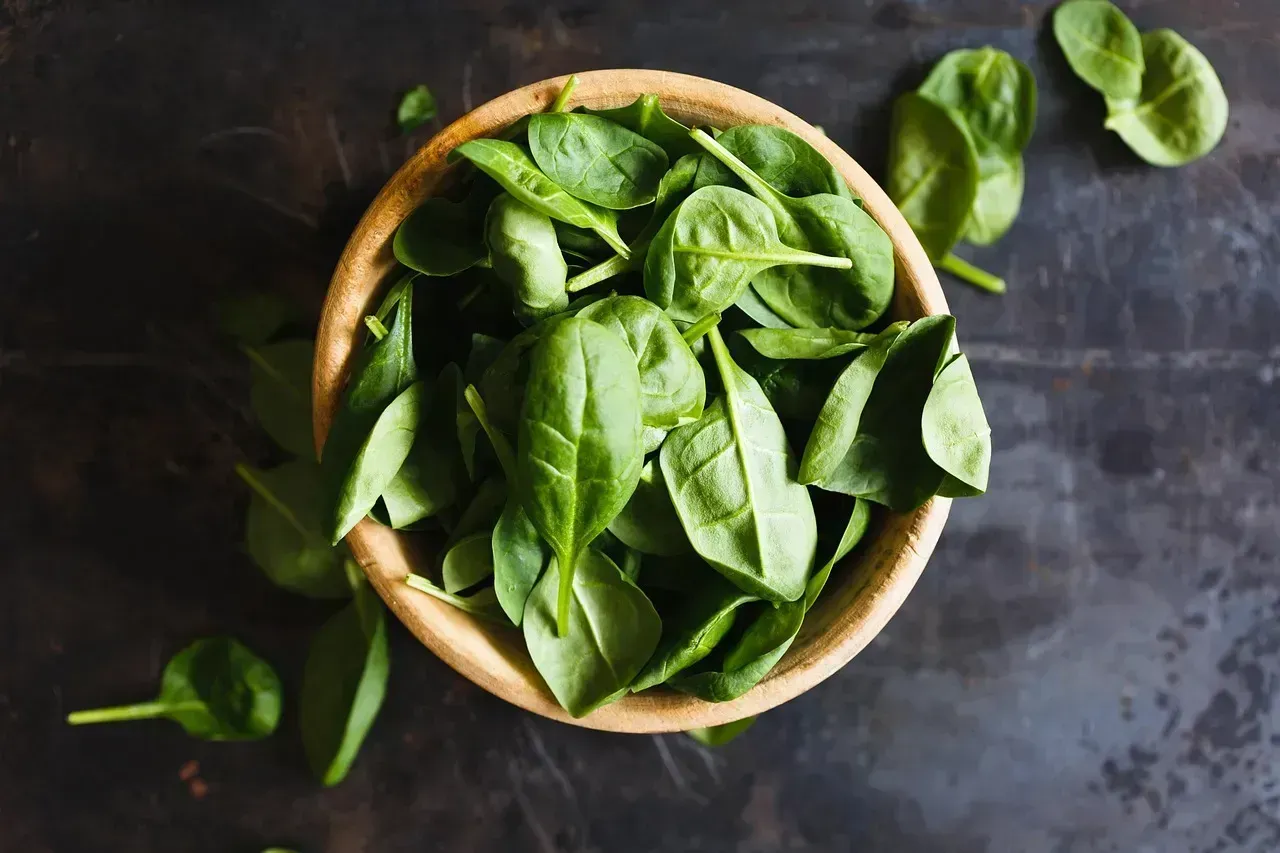
Spinach is packed with nutrients, but it also contains nitrates that can become dangerous when reheated. When exposed to heat a second time, these nitrates can convert into nitrites and then into nitrosamines, compounds that have been linked to cancer. That is a lot of transformation happening in what most people assume is a completely harmless vegetable.
Leafy greens like spinach, kale, celery, and beetroot are rich in nitrates, which can convert into nitrites and then potentially harmful nitrosamines when reheated. Spinach also contains oxalic acid, which can crystallize and become toxic when reheated. High levels of this substance can increase the risk of kidney stones affecting your urinary system. Your best bet here is simply to eat it cold or fresh the second time around.
5. Cooked Mushrooms
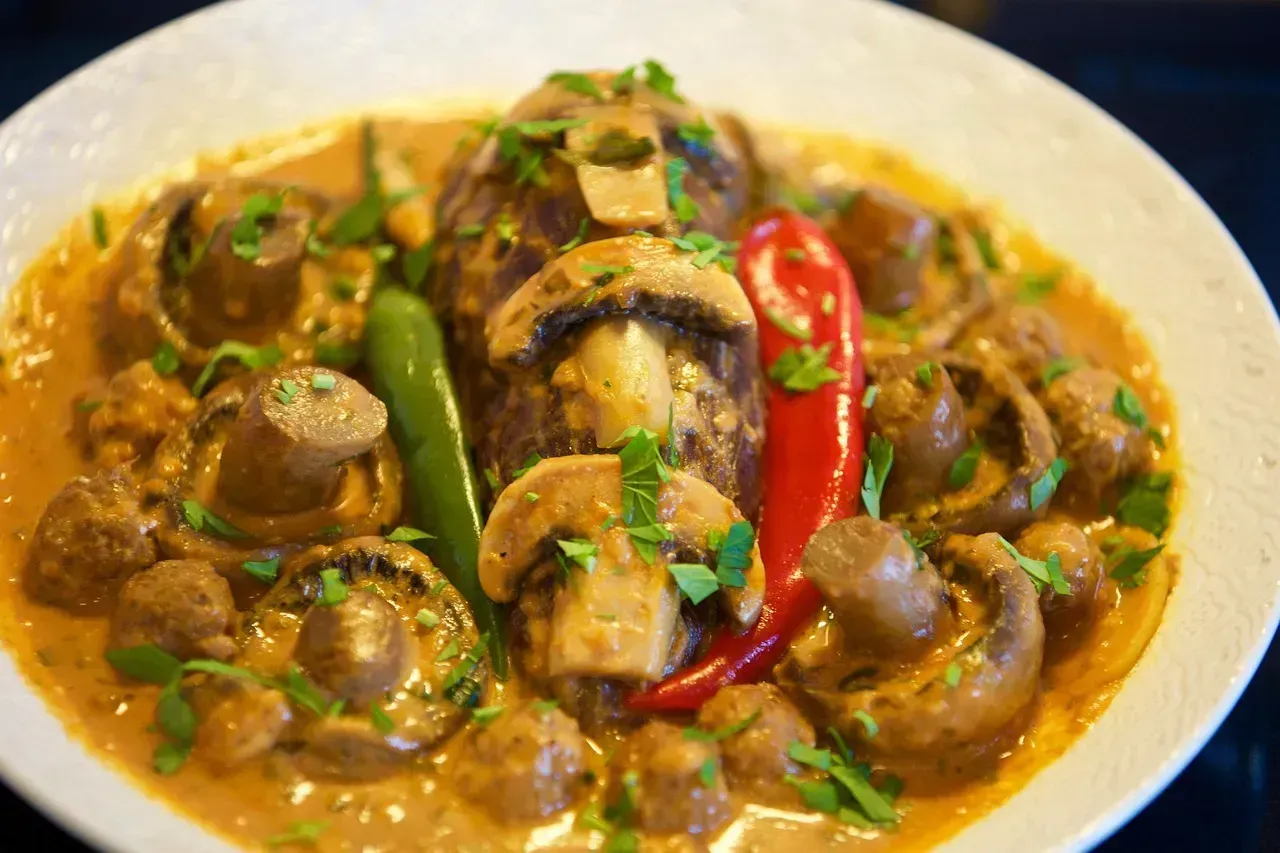
Mushrooms are nutritious and flavorful, but they degrade quickly after cooking. When reheated, mushrooms undergo chemical changes that can cause digestive discomfort or worsen the breakdown of proteins and nutrients. It’s a shame, because reheated mushroom dishes are genuinely tempting, but the science here is not on your side.
The protein changes that occur in mushrooms during reheating are particularly concerning because they can’t be reversed, and no amount of additional heating will make them safe again. According to the European Food Information Council, if cooked mushrooms are kept in the fridge for no longer than 24 hours, they can safely be reheated, with a recommended temperature of 158 degrees Fahrenheit. That’s a tight window. When in doubt, just enjoy them fresh.
6. Cooked Eggs
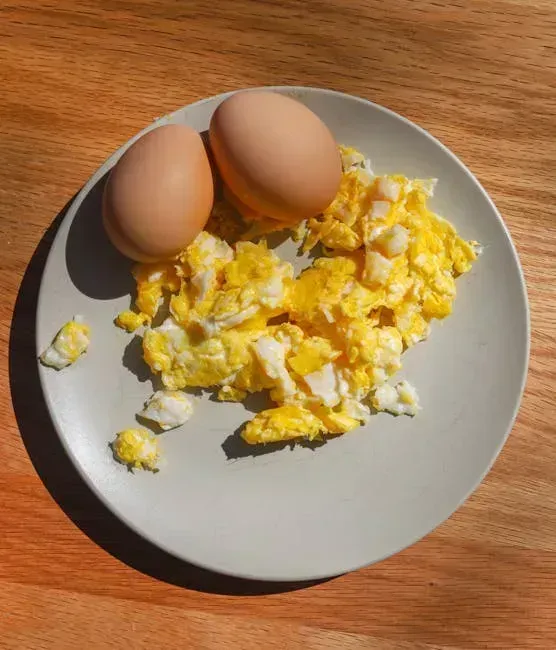
Eggs provide the perfect medium for Staphylococcus aureus bacteria, which produce heat-resistant toxins even after thorough cooking. The proteins in eggs also undergo chemical changes during storage and reheating, which can create compounds that trigger digestive distress in sensitive individuals. Think scrambled eggs, quiche, or egg casseroles – all of these can become problematic.
Eggs, scrambled, boiled, or fried, change chemically when reheated. These changes can lead to digestive upset and even produce unpleasant odors from sulfur compounds. The proteins in eggs become harder to digest after a second heating, and the risk of foodborne illness increases if they are not stored correctly. Honestly, fresh eggs take two minutes to make. It’s rarely worth the gamble.
7. Cooked Fish and Shellfish
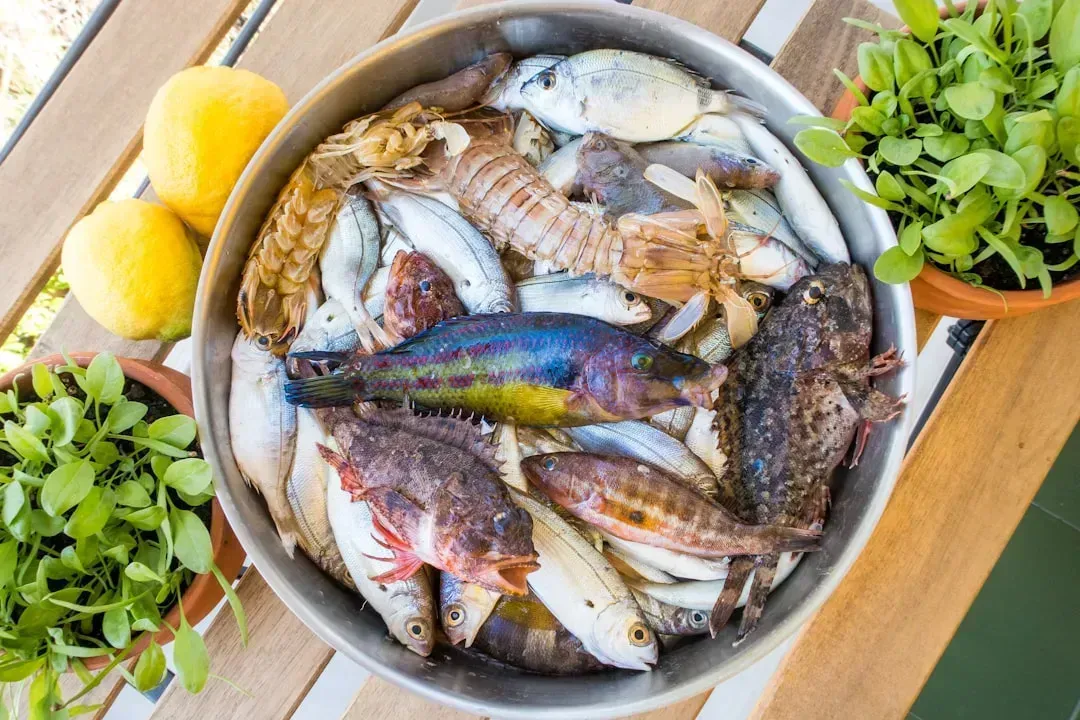
When fish is stored at the wrong temperature, there is a high risk of contamination from the toxin histamine, which is produced by bacteria in fish. Normal cooking temperatures do not destroy histamine, which can cause nausea, swelling of the tongue and face, wheezing, and other symptoms. Shellfish is just as tricky, if not more so.
Seafood such as fish and shellfish contains delicate proteins and may accumulate histamine during improper storage. This histamine is not always destroyed by reheating and can cause allergy-type symptoms such as nausea, flushing, or heart palpitations. The strictest advice is to reheat fish only once to avoid the possibility of bacteria growth that results in food poisoning. Fresh is best, full stop.
8. Stuffed Meats
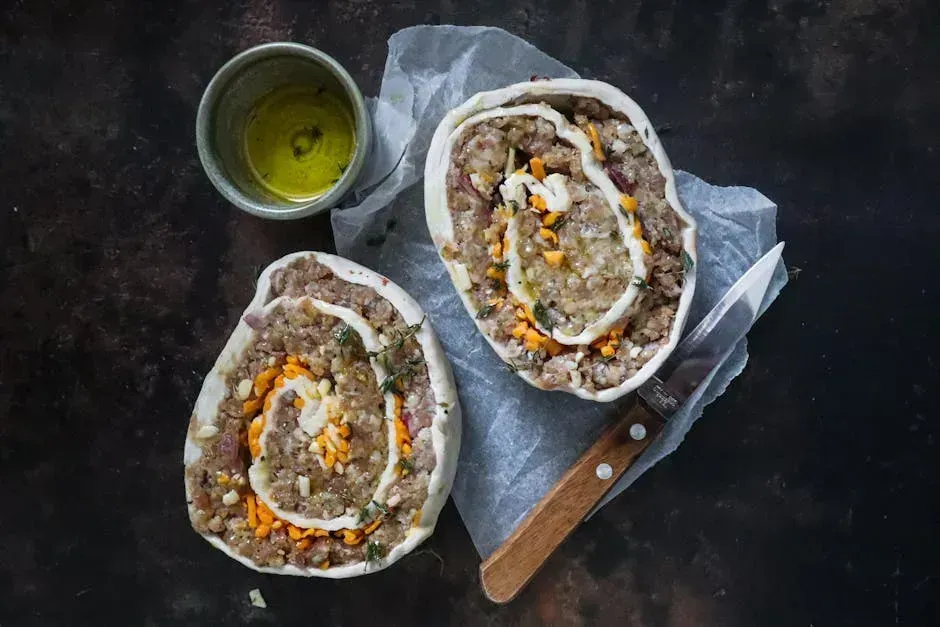
Meats like lamb, pork, and chicken that have been stuffed with dressing last just one day in the fridge, so it can be tempting to throw them in the freezer. The stuffing can grow bacteria during the cooling process and infect your meal once reheated, putting you at risk for foodborne illness. This is one of those situations where the problem isn’t the meat itself but what’s inside it.
The combination of dense meat and moist stuffing creates a situation where the interior simply doesn’t cool as quickly as the outside. A big pot of food, for example, will take a long time to cool, inviting bacteria to multiply and increasing the danger of foodborne illness. The same logic applies here at the center of a stuffed roast. If you’re going to store stuffed meats, remove the stuffing first and store it separately.
9. Cream-Based Pasta Dishes
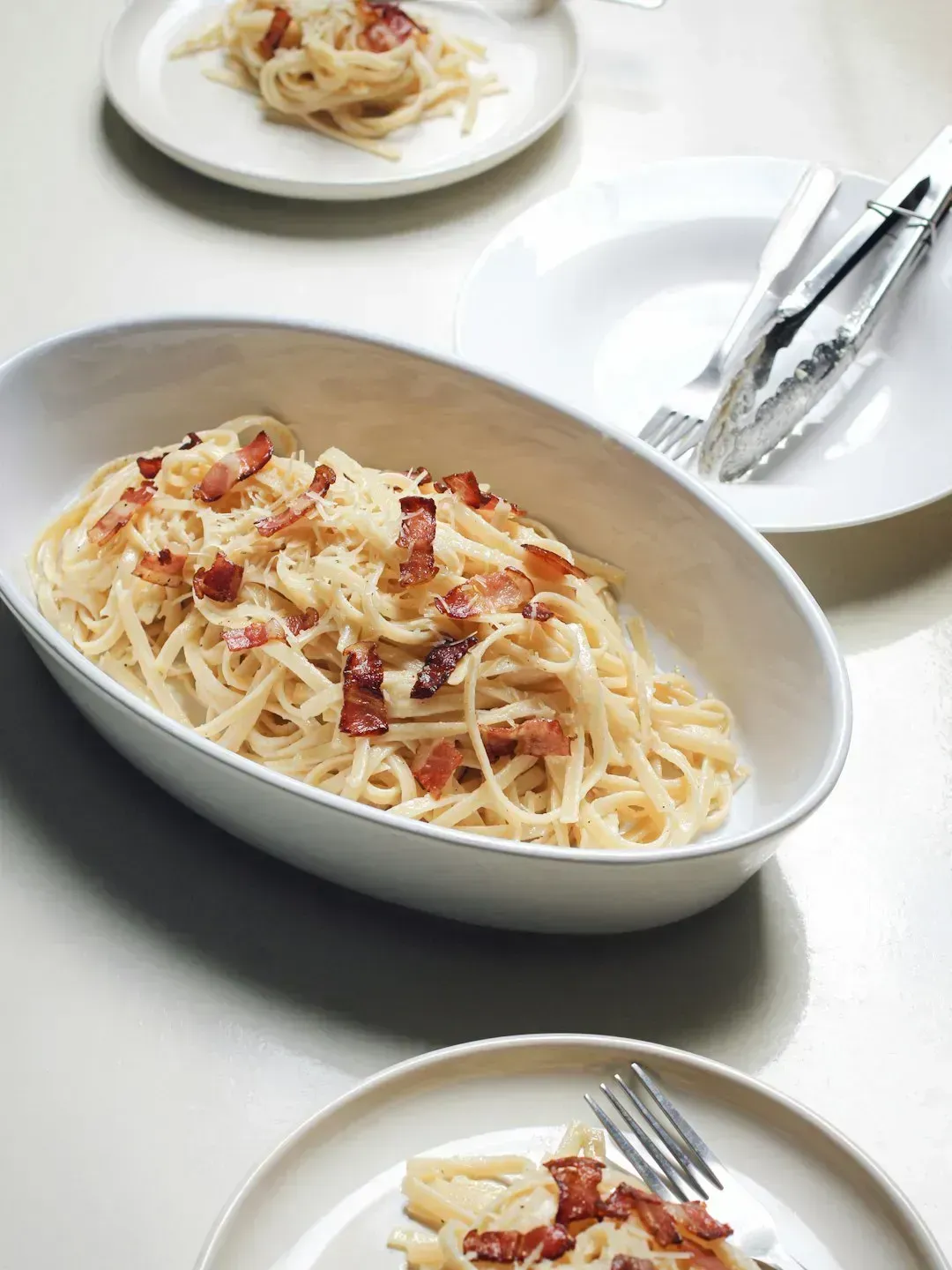
Cream-based pasta dishes can separate and become oily when reheated, losing their creamy texture. Additionally, dairy in the sauce can spoil quickly and become a breeding ground for bacteria. For the best taste and safety, it’s advisable to eat these dishes fresh rather than reheating them. The texture alone will tell you something has gone wrong before the bacteria even become a conversation.
It’s a bit like trying to bring back a broken emulsion in a salad dressing. Once those fat and water molecules have separated, the dish is just not the same. Bacteria can multiply rapidly if left at room temperature or in the “Danger Zone” between 40°F and 140°F. Cream sauces sit squarely in that zone risk if not chilled immediately after serving, and reheating them a day later compounds the problem significantly.
10. Fried Foods
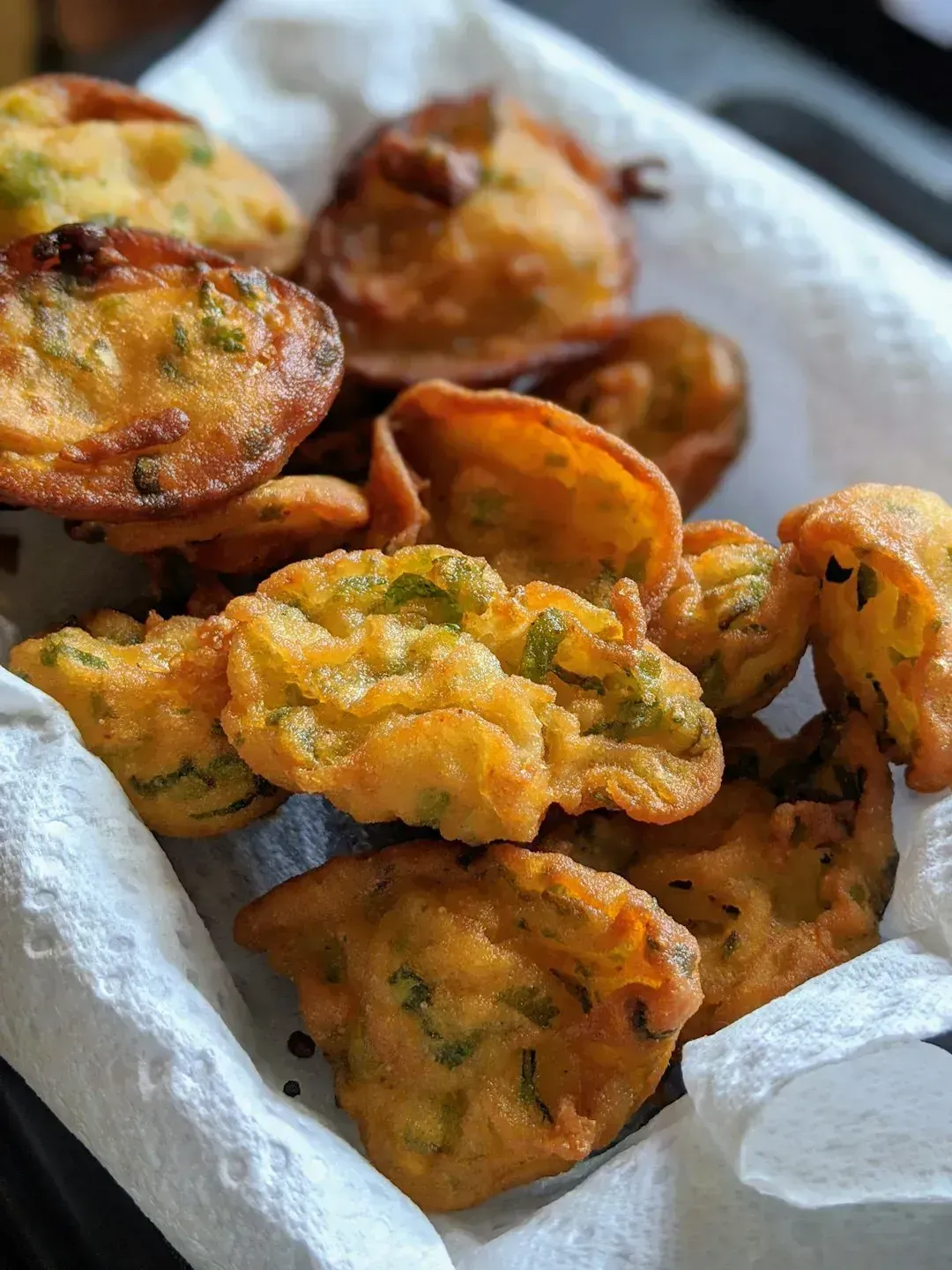
Foods cooked with oil, such as fried foods, can become rancid when reheated, leading to the production of harmful free radicals. These free radicals can be damaging to your health, increasing the risk of inflammation and other issues. Let’s be real, reheated fried food doesn’t even taste good, so you’re taking on risk for almost no reward.
If you make something like mozzarella sticks at home and then pop them in the freezer, they’ll be soggy when you reheat them, even if you refry. The batter absorbs moisture and the original crispy structure just can’t be recovered. Oils heated above the point of 375 degrees F can produce a toxin that can increase bad cholesterol and increase the risk of heart disease. Fresh fried food is a treat. Reheated fried food is both a disappointment and a health question mark.
The common thread running through all ten of these is simple: temperature control matters enormously, timing matters, and some foods just have a biochemistry that works against you the second time around. Never taste food to determine its safety. You can’t see or taste harmful bacteria. That’s the rule that should stick. When in doubt, throw it out. Your stomach will thank you.
So next time you’re wrapping up the remnants of dinner, take a moment to think about what’s actually in that container. Some leftovers are true gifts. Others are better left behind. What surprises you most from this list?