10 Backyard Projects to Reconsider Before Starting
There’s something almost contagious about a warm spring weekend. You walk outside, squint at your backyard, and suddenly a Pinterest board materializes in your head. A pergola here, a pool there, maybe a whole outdoor kitchen against the fence. Before you know it, you’re at the hardware store loading up a cart with ambition and zero plan.
Here’s the thing, though. A surprising number of backyard projects end up costing far more than expected, require permits homeowners never knew existed, or simply fail to deliver the dream that inspired them in the first place. This doesn’t mean you shouldn’t improve your outdoor space. It means some projects deserve a long, honest look before a single shovel hits the ground. Let’s dive in.
1. Installing an In-Ground Swimming Pool
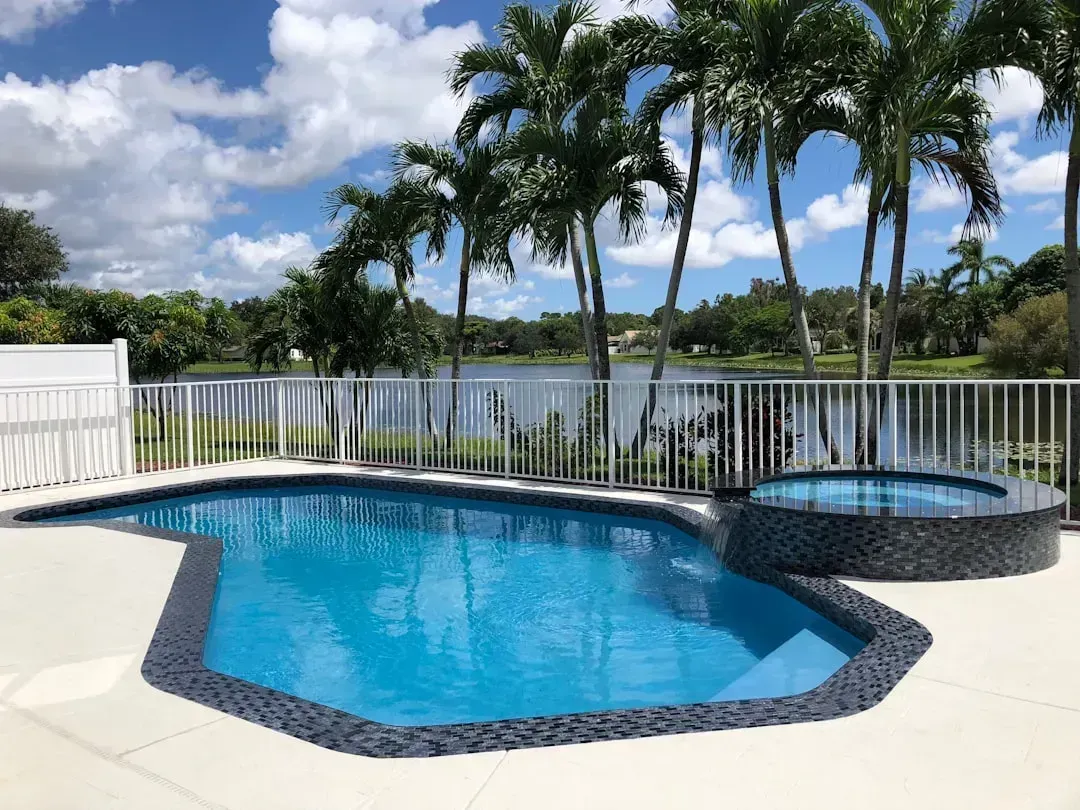
Few backyard upgrades feel more aspirational than a gleaming in-ground pool. But the upfront cost alone is enough to make your eyes water. In 2024, the average starting cost for a completed in-ground pool project hovered around $120,000, with that figure varying based on shape, size, materials, labor, and added features like lighting or heating systems. That’s just to build it.
Then come the years of ongoing costs that most homeowners seriously underestimate. Pool maintenance averages roughly $3,000 to $5,000 per year, covering chemicals, equipment repairs, cleaning services, and utilities. On top of that, the average swimming pool costs between $65 and $100 per month just for electricity, and most homeowners see a 30 to 50 percent increase in their electric bills every season. If you’re planning to sell soon, depending on the climate, prospective buyers might not want to spend the time and money it takes to keep a pool clean and safe, which could translate into fewer views and offers.
2. Building a Large Pergola Without Checking Permit Rules
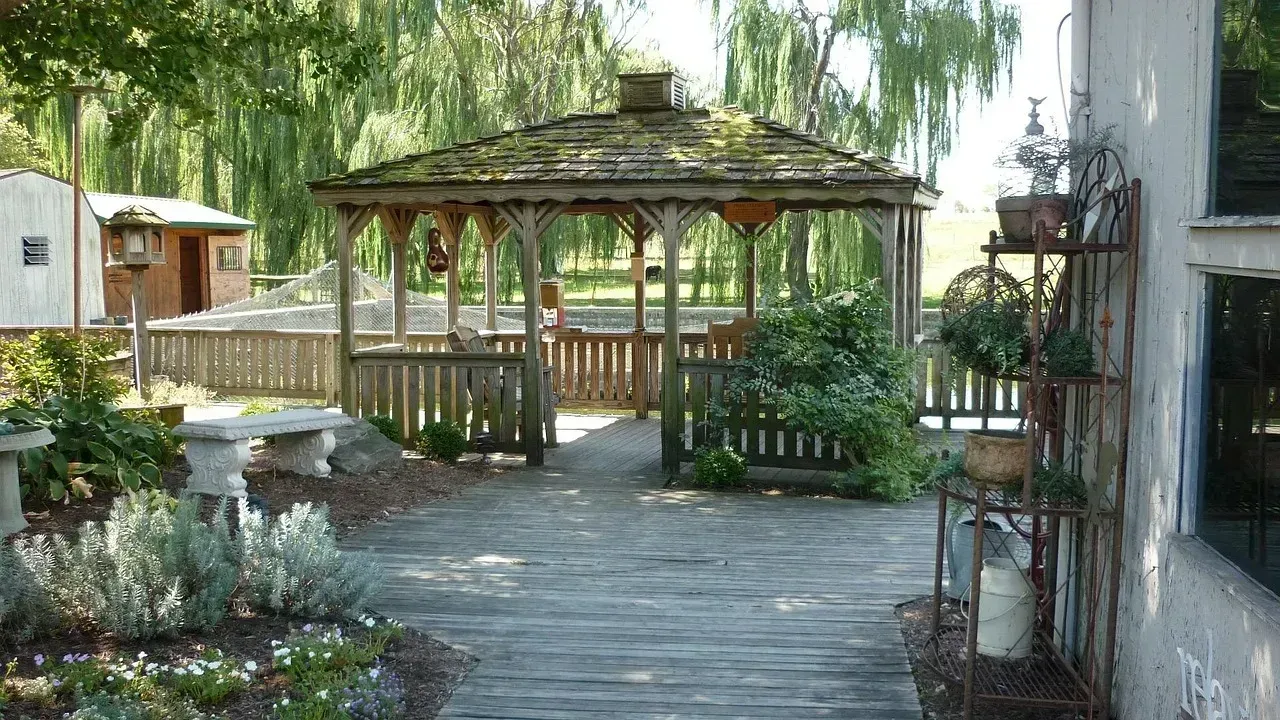
Pergolas look gorgeous in every backyard inspiration photo, but the regulatory reality behind them is messier than the clean cedar beams suggest. Building a pergola without a permit exposes you to a range of legal, financial, safety, and resale risks, with consequences varying by jurisdiction and whether the structure violates building codes, zoning, setback, or other local requirements. Many homeowners are shocked to discover this applies even in their quiet suburban neighborhood.
The worst part? Getting caught after the fact can cost more than doing it right the first time. One real-world case involved a homeowner who built a wall-mounted pergola without a permit, only to have the city require sealed engineering for ledger connections, larger posts, deeper footings, and a setback from the pool. The retrofit costs exceeded the cost of the original materials. Unpermitted structures commonly trigger lender and title scrutiny during sale or refinance, with buyers and underwriters potentially requiring removal or retrofit as a condition of financing.
3. Adding a Fire Pit Directly to a Wooden Deck
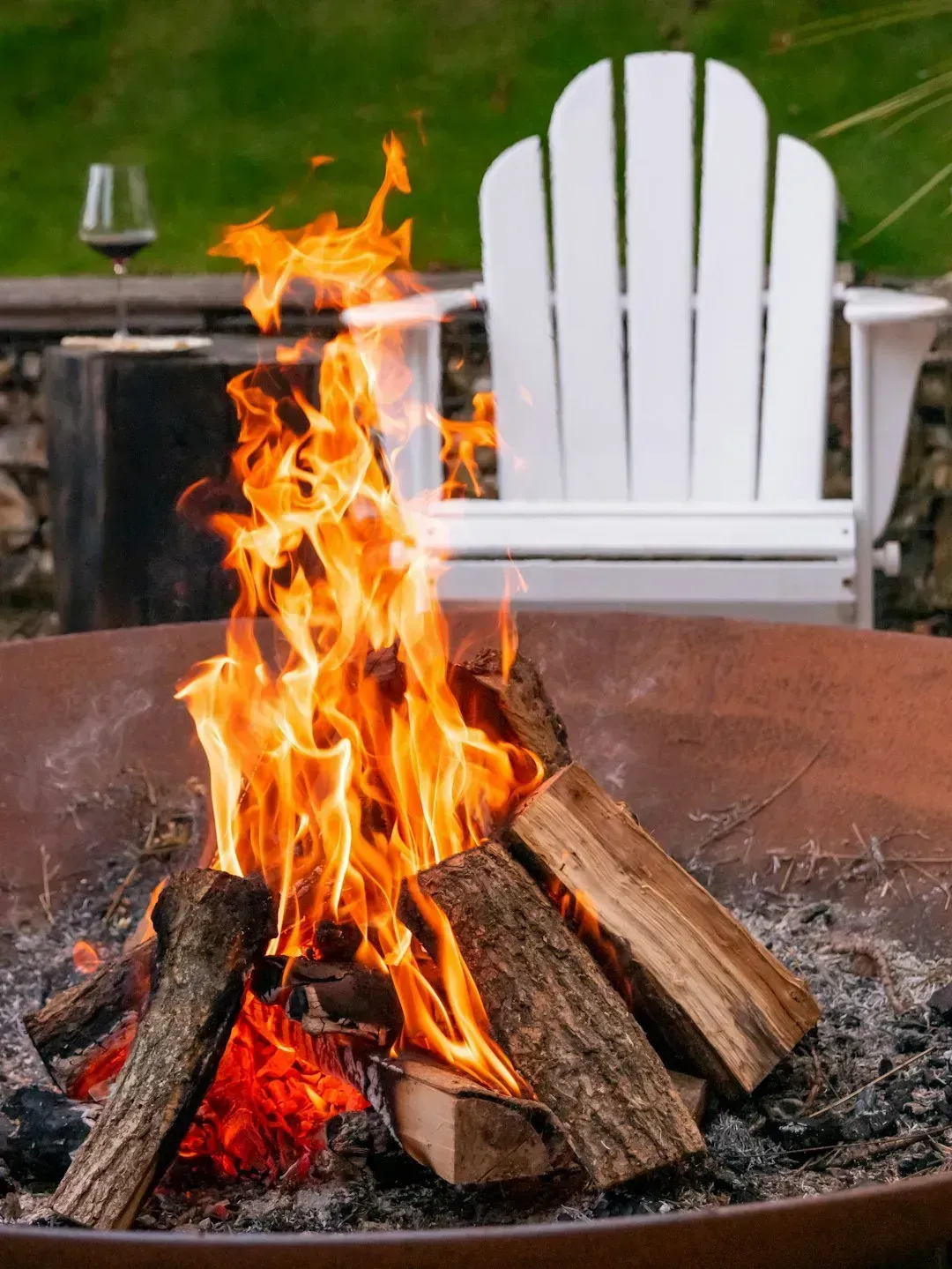
I get it. Few backyard scenes are more inviting than an evening fire with friends gathered around. But placing a fire pit on a wooden deck without serious preparation is one of the most commonly regretted DIY decisions homeowners make. Never place a fire pit directly on a wooden or composite deck. Potential expensive issues range from full fire damage and the destruction or weakening of the supporting structure, to cosmetic damage from scorching.
Many areas have laws requiring 25 feet between a fire pit and your house, shed, vehicle, deck, or other combustible materials. Even insurance companies get involved. Before installing a fire pit on your deck, it is important to check with your homeowner’s insurance company, as some policies do not allow open fires in outdoor spaces, including decks. The cozy evening vibe simply isn’t worth the risk of burning down a structure you spent tens of thousands of dollars building.
4. Constructing a Wood Deck Without Calculating Real ROI
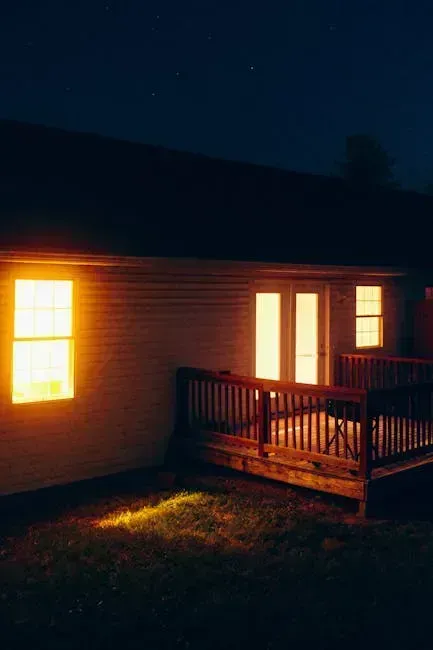
Decks are one of the most popular backyard additions, and honestly, they do add usable living space. But the financial logic behind building one deserves a second look, especially if you’re thinking of it as an investment. A wood deck costs about $17,600, but this home improvement does not add equivalent value overall, adding only about $14,600 at the time of sale. You’re spending more than you’ll get back.
Composite decks have an even lower return, with a recovery of roughly half of what you’ll spend, according to the Cost vs. Value report. That doesn’t make a deck a bad idea if you plan to enjoy it for years. Still, if you’re doing it primarily because you think it’ll boost your home’s resale price significantly, the math won’t work out the way you hope. Think of it more like buying a comfortable piece of furniture than making a financial investment.
5. Installing a Shed Without Checking Local Zoning
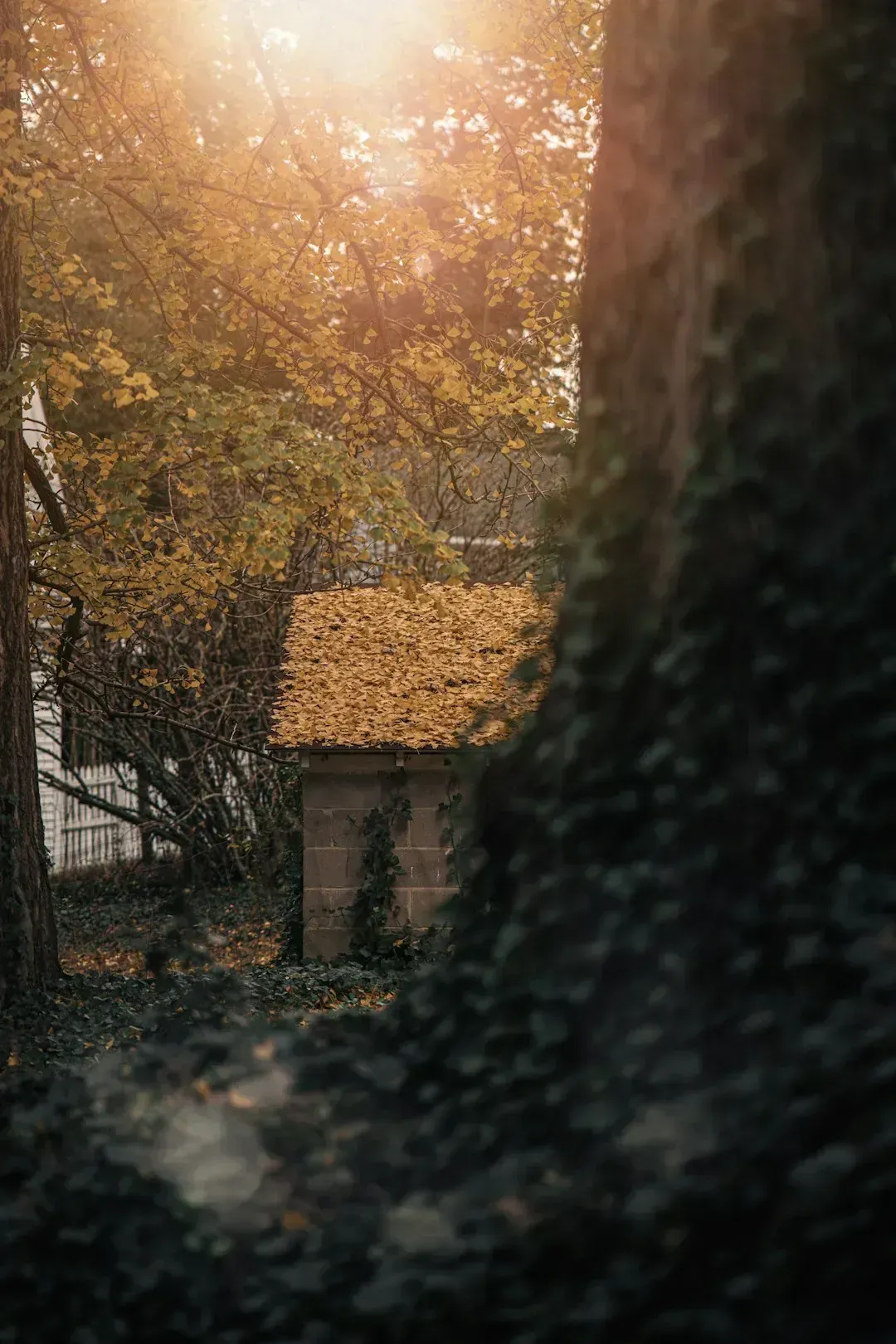
A backyard shed seems like the most straightforward project imaginable. Buy it, assemble it, store your tools. Simple, right? Not always. Zoning laws in many municipalities restrict how close a structure can sit to property lines, how tall it can be, and even what it can look like. Zoning laws limit the number of structures on a property and their distance from each other and the property lines, and you must check if your unit will adhere to these local regulations.
Building permits aren’t fun but they’re necessary. The same goes for using quality materials and ensuring your foundation is solid. If you skimp on essential items to save money, it could end up costing you more in the long run. There’s also the HOA dimension that trips up a staggering number of homeowners. Many homeowner’s associations have specific approval processes for exterior improvements and construction, and HOAs have their own rules regarding design, colors, and materials of structures.
6. Creating an Elaborate Outdoor Kitchen
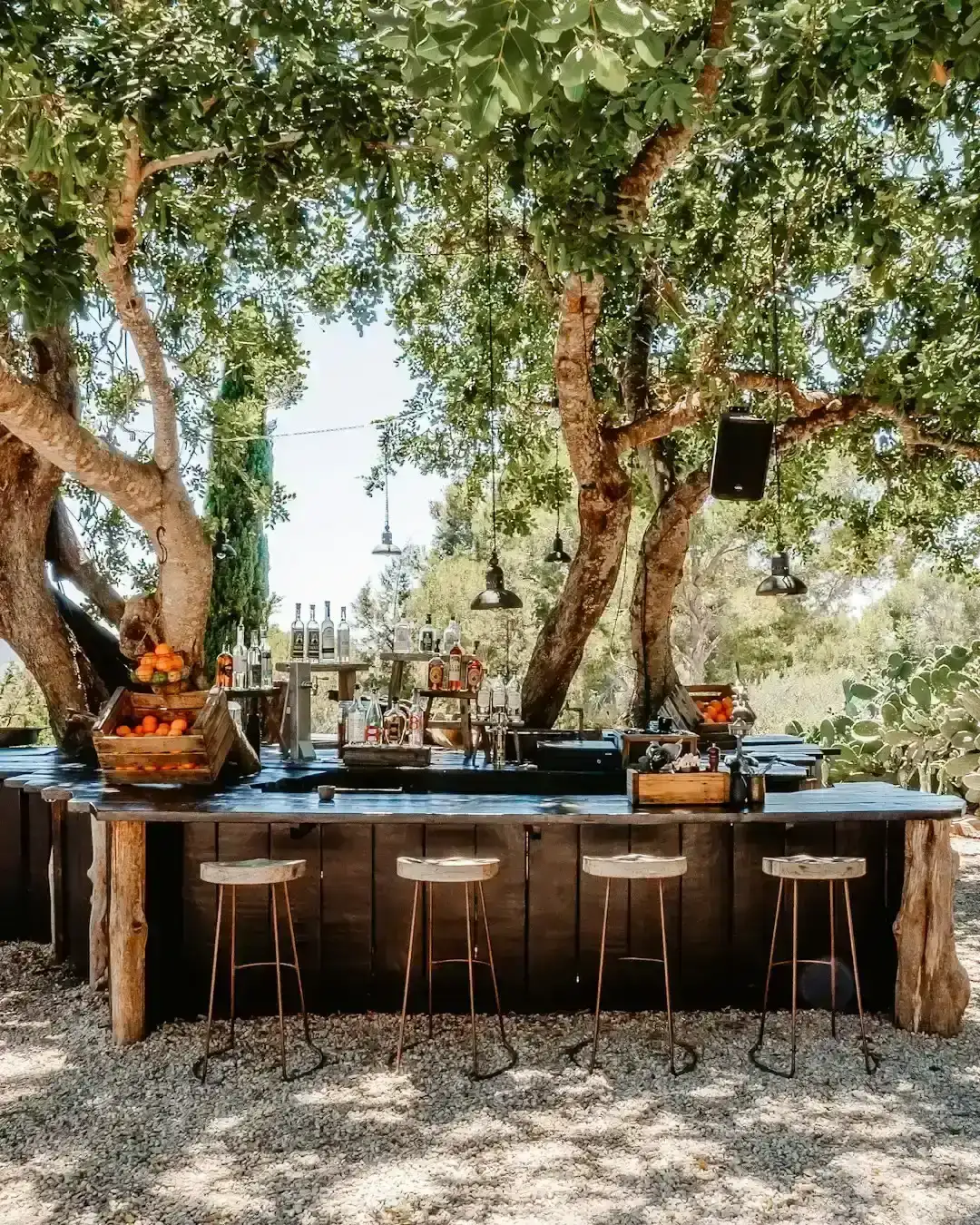
Outdoor kitchens are the status symbol of backyard renovations right now. Stainless appliances, built-in grills, countertops that cost as much as a used car. They look incredible in photos. In practice, though, the real costs and complications can sneak up fast. Plumbing, gas lines, electrical work, and weatherproofing add thousands of dollars beyond the countertop and appliance budget most homeowners mentally budget for.
Most people who decide to go the DIY route want to save money, but when a project goes wrong it’s usually costlier because you spent money on something that didn’t go as planned. If you have to tear down your work without having any use for it, all that money goes into the dumpster. The same is true if you have to pay a professional to correct your mistake, and that’s even worse because now you’re paying almost twice as much. Honestly, an outdoor kitchen is one of those projects where the gap between DIY ambition and professional execution is especially dangerous.
7. Planting Trees Too Close to the House or Property Lines
Trees feel like one of the least risky backyard projects you could take on. You’re planting something natural. What could go wrong? Quite a lot, actually. Not allowing enough space for plants will create a lot of future work if you have to transplant perennials and shrubs to new locations, and plants that grow too big for their space can shade out neighboring plants. With trees specifically, the problem is far more serious.
Roots from trees planted too close to your house can crack foundations, invade sewer lines, and buckle driveways. A tree that looks perfectly charming at six feet can become a genuine structural threat at thirty. A plant that thrives in clay soil will always struggle in sandy soil, and gardening will be easier, cheaper, and more satisfying if you buy the right plants for your garden from the outset. Before planting anything taller than a shrub, know the mature height and root spread of the species. That small upfront step prevents enormous headaches later.
8. Building a Patio Without Proper Drainage Planning
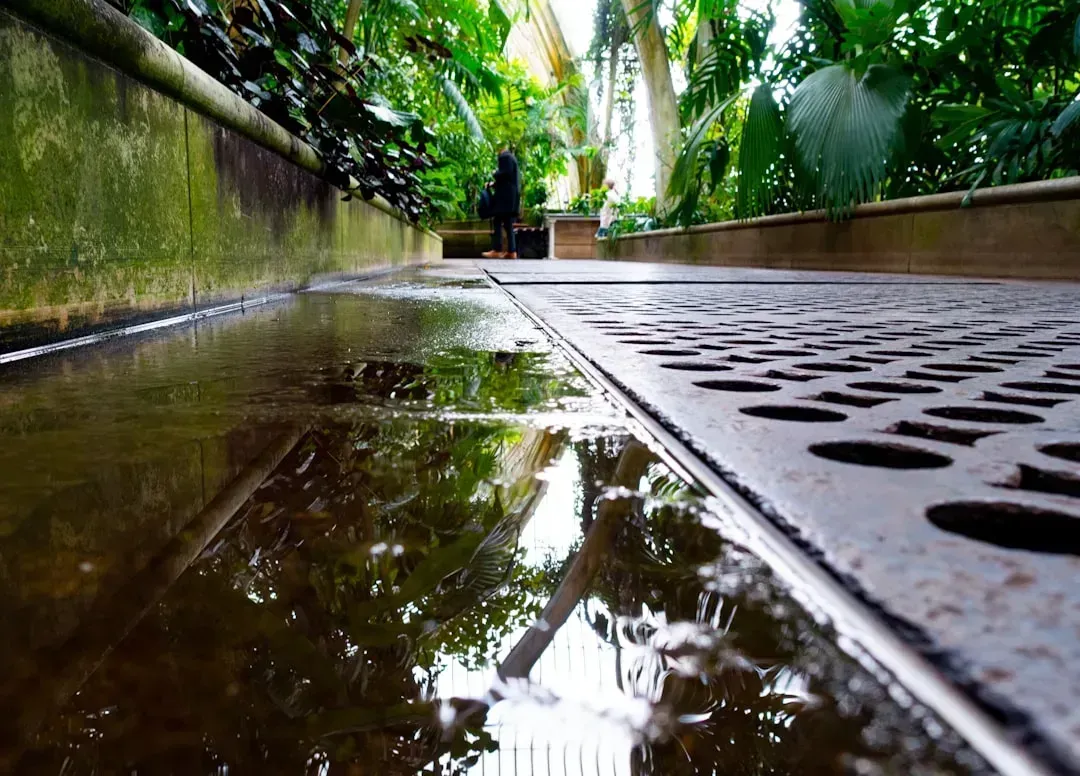
Patios are the backyard project that looks the most foolproof. Level some ground, lay some pavers, done. Yet improper drainage is probably the single most common reason patios fail within a few years. Water that has nowhere to go pools against your home’s foundation or turns the patio into a slippery skating rink every time it rains. A poorly laid patio will need to be torn up and installed again. That’s expensive and demoralizing.
The seating placement problem compounds things further. Many homeowners place seating areas in spots that get full afternoon sun exposure with no shade relief. It seems great in spring, but by July it’s a backyard broil. Good drainage and shade planning are not glamorous considerations, but they determine whether your patio actually gets used or becomes an expensive concrete slab you avoid. Think of it like buying shoes. Comfort matters more than looks after the first hour.
9. Extensive DIY Landscaping Without a Real Plan

Spending a weekend buying plants at a garden center is one of life’s small pleasures. But impulse landscaping is a genuine money pit. The problem is that once you get home, those impulse buys often have no real place to go. Plants get crammed into spaces that don’t suit them, then die within a season, costing you the purchase price and the time of replanting something else.
Let’s be real, extensive landscaping almost never delivers the home value boost that homeowners expect either. Big-ticket items such as extensive landscaping undertaken for the sole reason of adding value might not bring the return you hope for. A thoughtful, modest approach almost always outperforms ambitious sprawling garden projects. Experienced landscape designers can create a multi-layered approach that lets you build up your backyard in stages, enjoying your home now and adding features like a covered patio or custom fireplace down the road.
10. DIY Electrical Work for Outdoor Lighting or Power
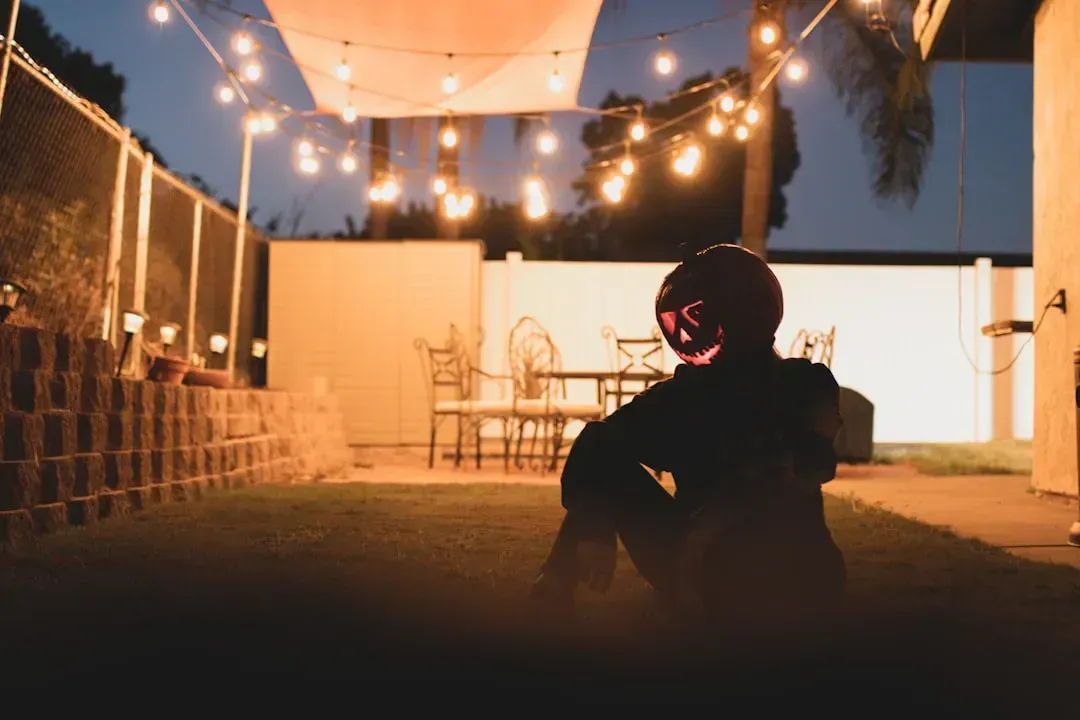
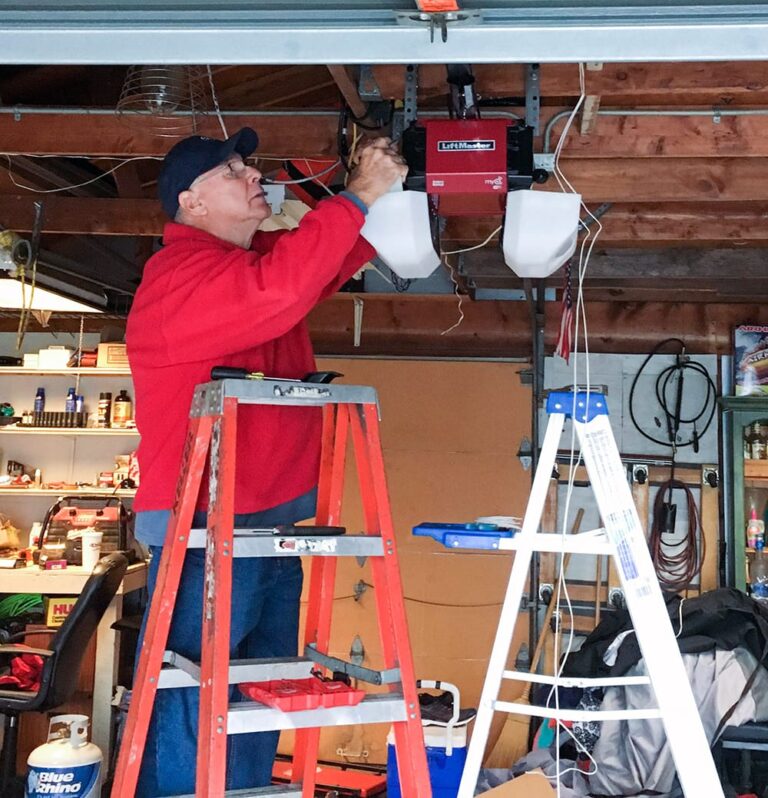
String lights and outlet posts have made backyard electrical projects look beginner-friendly. They are not. Outdoor electrical work involves specific weatherproofing requirements, ground-fault interrupter outlets, burial-depth rules for wiring, and in most jurisdictions, a permit. Get any of this wrong and you’re creating a genuine fire and electrocution hazard that no amount of attractive Edison bulbs can justify.
Some homeowners choose to hardwire electricity from their pergola to the breaker of the house for a more stable power supply. This offers a permanent, more powerful solution for illuminating outdoor structures. You must hire an electrician for hardwiring electricity, who will obtain the permit, follow building codes and regulations, and install the wiring for a safe and reliable system. If your patio cover or outdoor structure is damaged in a storm or causes injury, your homeowner’s insurance may deny the claim, as many policies exclude coverage for structures that were not permitted or inspected as required by local law. That’s a painful lesson no homeowner should have to learn the hard way.
None of these projects are inherently bad ideas. A pool can be a decade of summer joy. A pergola can become the heart of your outdoor life. The difference between a project that delivers and one that becomes a nightmare usually comes down to a few hours of research done before the first tool leaves the garage. Check your permits. Know your true costs. Plan for drainage, shade, and spacing. The backyard of your dreams is absolutely achievable. Just make sure you’re building it on solid ground, literally and financially.
What’s the backyard project you’ve been reconsidering? Drop your thoughts in the comments below.