Global Study Explains How Trade Shapes What the World Eats
Food travels farther than ever before in human history. Your morning coffee might come from Ethiopia, your rice from Thailand, and your wheat from Ukraine. Recent global studies reveal just how profoundly international trade has reshaped what billions of people eat every day. This transformation affects everything from local diets to global food security, creating both opportunities and vulnerabilities that stretch across continents.
The scale of this change is staggering. We’re witnessing the most interconnected food system in human history, yet this connectivity brings risks that researchers are only beginning to understand fully.
The Explosive Growth of Global Food Trade
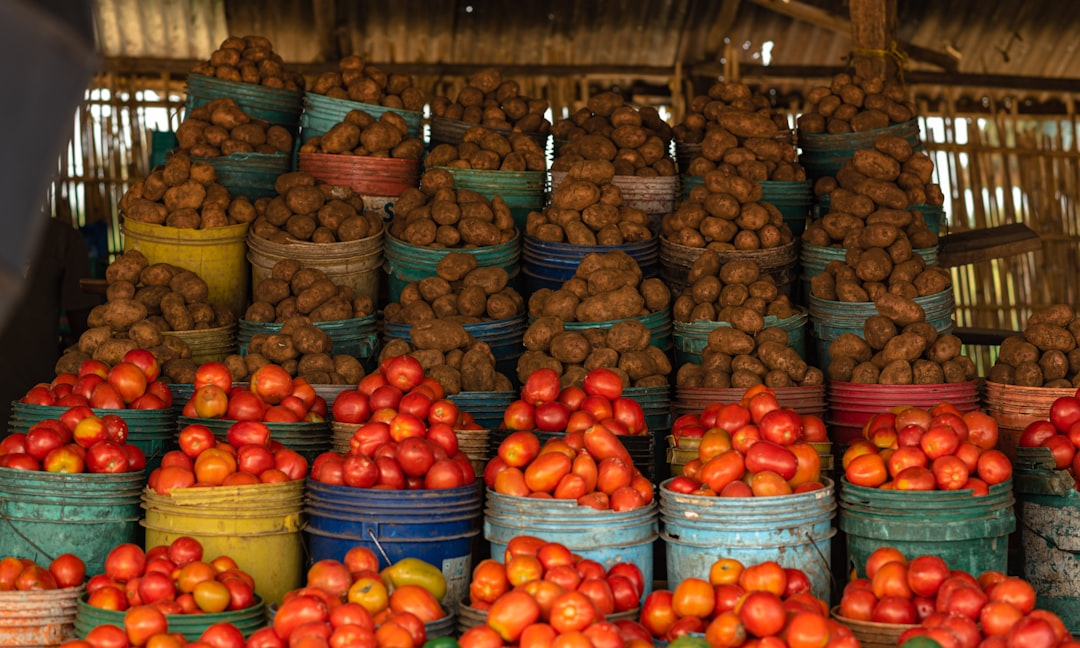
Food and agricultural trade grew significantly, from USD 400 billion in 2000 to USD 1.9 trillion in 2022, with food trade comprising about 85 percent of the total. This nearly fivefold increase represents more than just numbers on a spreadsheet. The monetary value of global agricultural exports in 2023 was 1.7 times higher in nominal terms than in 2010, while the share of agriculture in total merchandise trade value increased from 7 percent in 2010 to 8 percent in 2023.
This growth reflects changing eating patterns worldwide. Countries that once relied heavily on locally grown staples now import diverse foods from multiple continents. The transformation has been particularly dramatic in developing nations, where urbanization and rising incomes have created demand for foods that simply cannot be produced locally year-round.
How Trade Redistributes Nutrition Across Borders
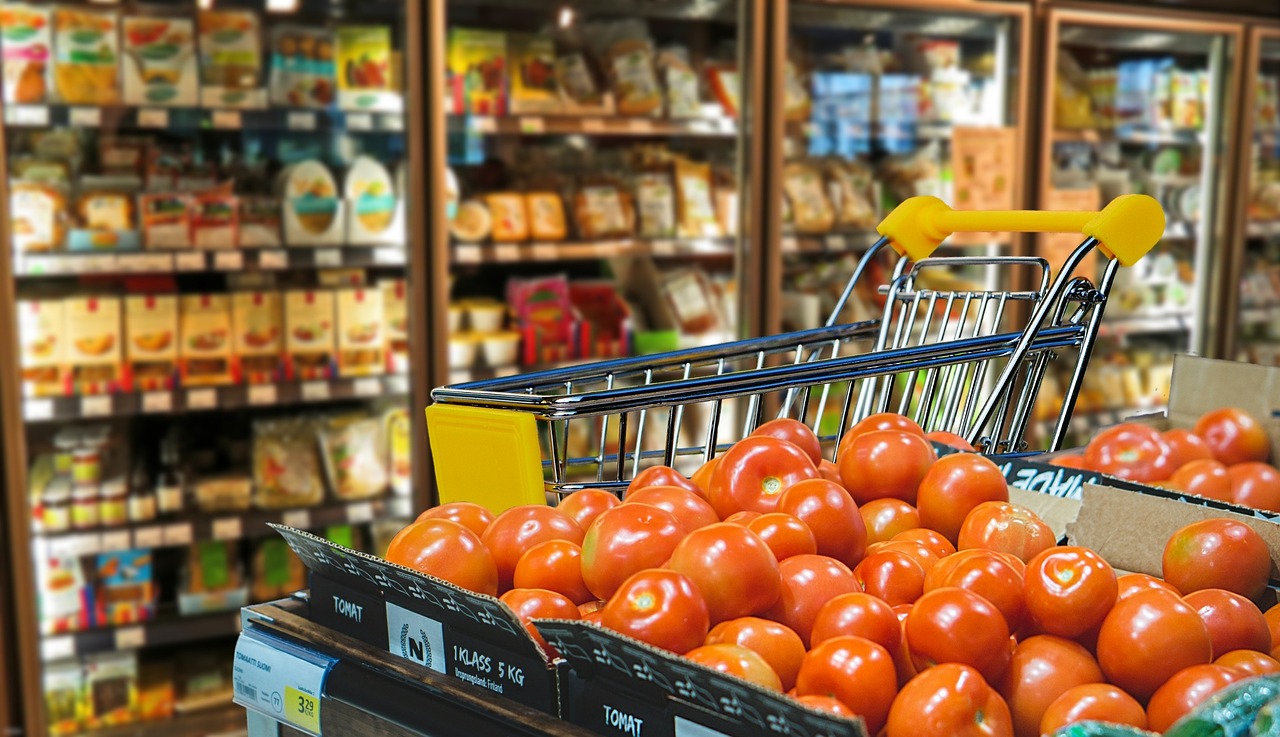
In line with the nutrition transition in low- and middle-income countries, the share of calories from staple food imports declined from more than 53 percent in 2000 to around 44 percent in 2021. This shift signals something profound happening in global eating patterns. People in developing countries are increasingly consuming a more diverse range of foods rather than relying on basic grains alone.
The data reveals fascinating nutritional flows. Net imports of calories rose to almost 90 kcal/capita/day by the end of the second decade, while net imports of proteins increased from around 3.5 g/capita/day in 2001 to 10 g/capita/day in 2020. Meanwhile, many low- and middle-income countries have actually become net exporters of fats, showing how global trade creates complex nutritional exchanges.
Well-functioning international agricultural commodity markets remain important for global food security as 20% of calories are traded, with approximately 20% of all calories crossing borders before being consumed.
The Double-Edged Impact on Human Health
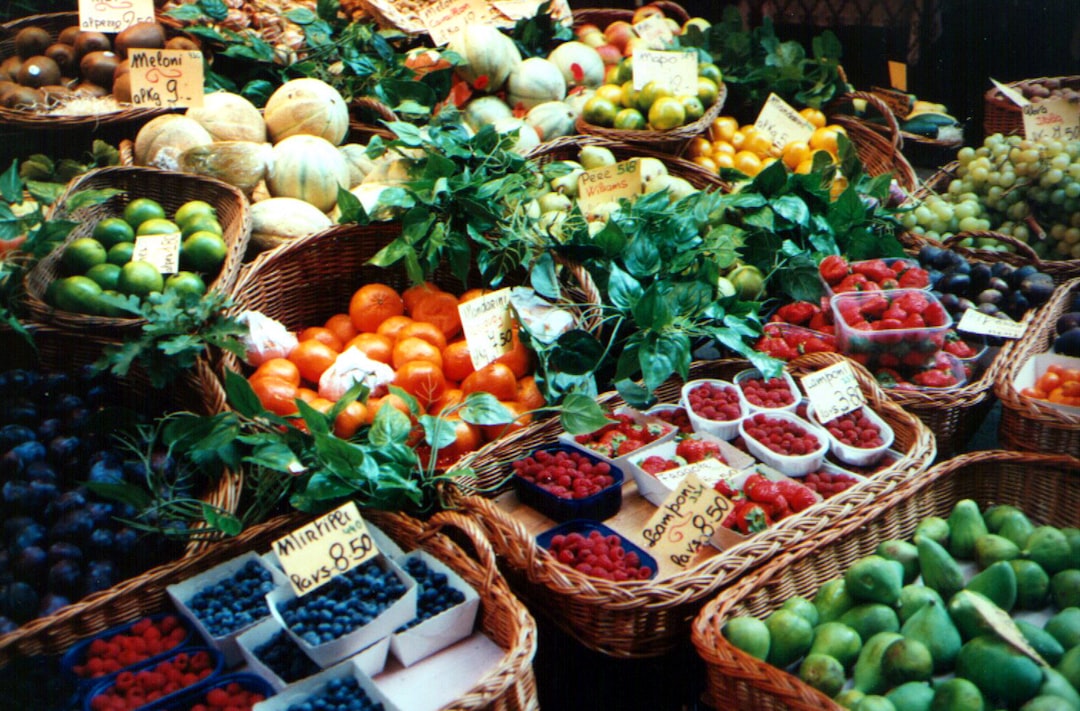
Trade’s effect on what people eat creates winners and losers in terms of public health. In a 2023 study in Nature Food, Springmann and colleagues found the global food trade has a positive impact overall, with imports of fruits, vegetables, legumes, and nuts reducing annual mortality by 1.4 million globally. This represents lives saved through better nutrition access.
However, the same system also creates problems. The trade in red meat – which has been linked to diabetes, cancers, and cardiovascular disease – increases global mortality by about 150,000, the researchers estimated. The ease of moving processed foods across borders has contributed to rising obesity rates in many countries.
Trade can also affect eating habits by transferring foods and flavours between countries, with increased availability of imported foods shifting consumer preferences and tastes towards them, sustaining their consumption. German reunification provides a striking example of how trade can reshape diets almost overnight.
Regional Trading Patterns Reveal Global Power Shifts
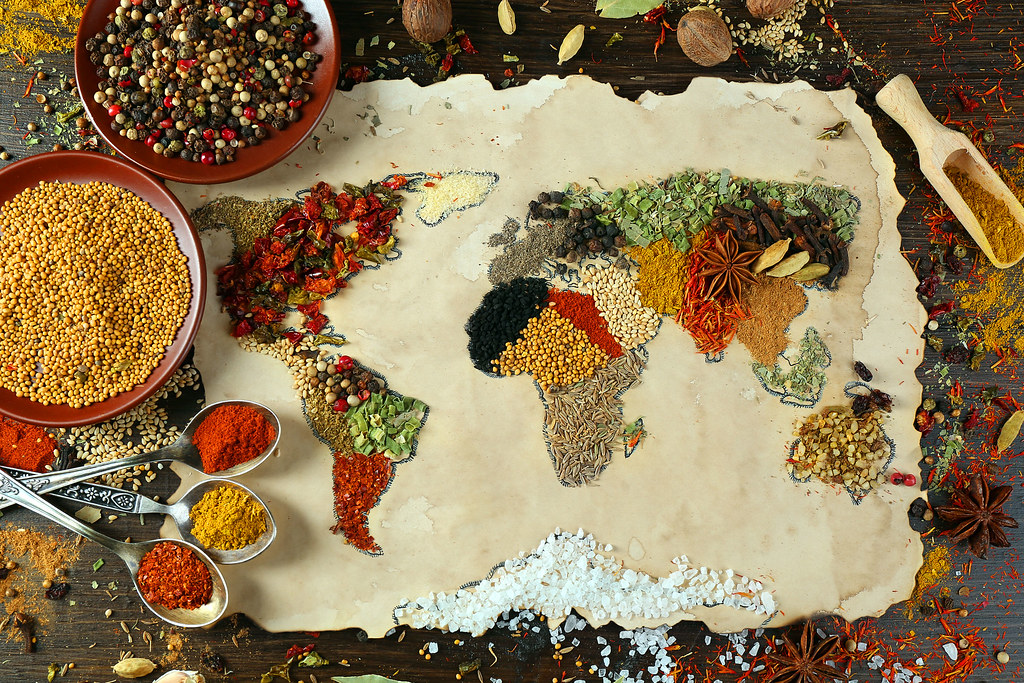
The Americas is the largest net food exporter, and Asia is the largest net food importer, while Europe reportedly became a net food exporter around 2013, and Oceania reclaimed its status as the second-largest net exporter in 2023. These patterns reflect deeper changes in global economic power and agricultural capacity.
Emerging economies are reshaping global food flows in unprecedented ways. India is expected to overtake China as the leading player in global agricultural markets, while the role of China in driving global food and agricultural consumption is waning as India and Southeast Asian countries expand their global consumption share.
The shift represents a fundamental rebalancing of global food power away from traditional Western dominance. Countries that were once primarily recipients of food aid are becoming major players in determining what the world eats.
Climate Change Creates New Vulnerabilities
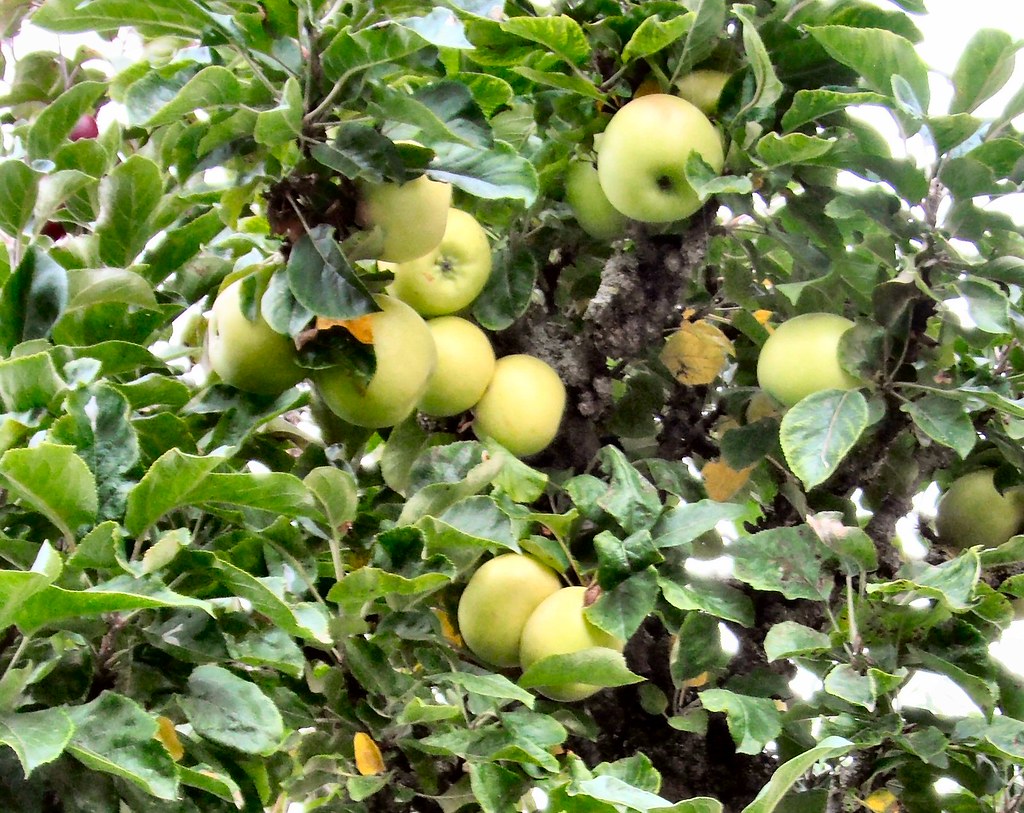
The global food trade system can handle small disturbances, but large disasters could cause major disruptions. Recent years have provided sobering examples of this vulnerability in action. The U.S. Southwest and Texas alone reported over $11 billion in crop losses, severely impacting cotton, forage, and wheat.
Rice is a water-intensive crop, and an earlier-than-usual El Niño in the 2023 season was forecast to reduce rice production across Asia, where 90% of the world’s rice is grown and consumed, with Thailand expressing concerns about drought conditions in 2024.
Climate impacts ripple through the global system in ways researchers are still mapping. The risk of national food supply disruptions is linked to both domestic production and food imports, but assessments of climate change risks for food systems typically focus on impacts on domestic production, ignoring climate impacts in supplying regions.
Geopolitical Tensions Reshape Food Flows
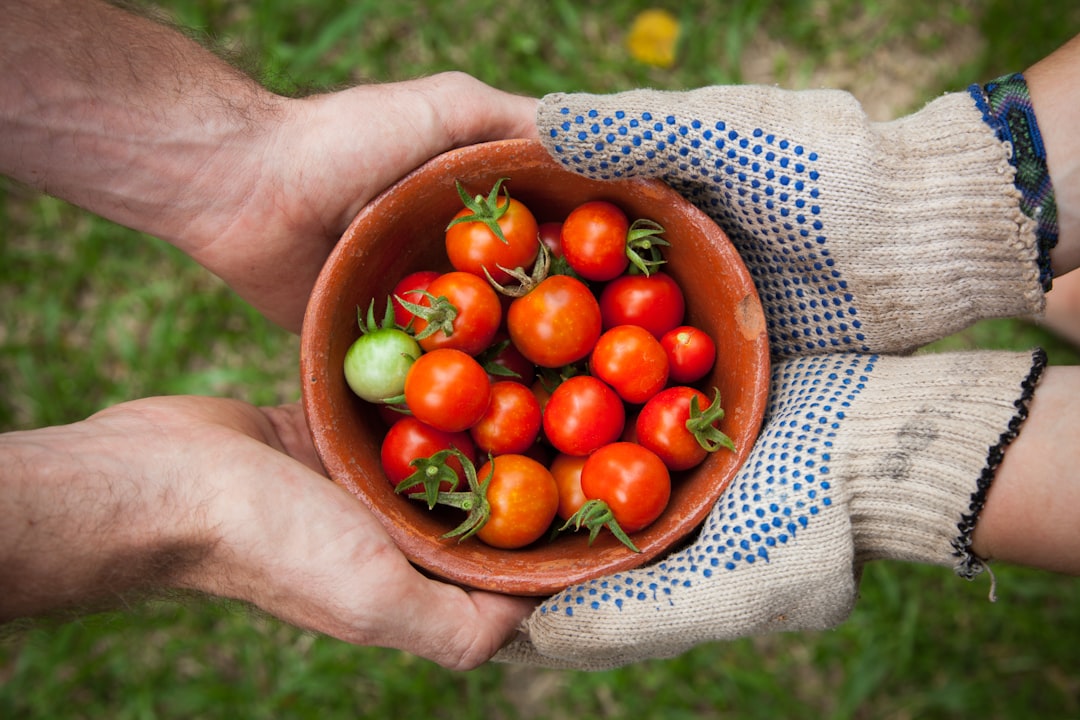
The war in Ukraine demonstrated how quickly geopolitical events can disrupt global eating patterns. The war disrupted Russian and Ukrainian production and exports, causing global prices to rise and creating food security challenges, with some 25 countries, especially from Africa, reliant on Russian and Ukraine for at least 50% of their wheat imports.
Export and import bans were enacted on the world’s largest food and related commodities suppliers including Russia and Ukraine, leading to inflation of food prices and increased vulnerabilities of countries over-depending on global market commodities, though initiatives like the Black Sea Grain Initiative were introduced to mitigate this crisis.
Countries responded by diversifying their import sources and exploring alternatives. Some countries explored alternatives such as sticky rice in Laos or cassava in Uganda, while others resorted to food protectionism through temporary bans on exports of cereals.
The Growing Dominance of Processed Foods
Food now represents about 8% of total merchandise trade globally, compared to 6% in 2000, with trade helping improve access to food as 783 million people faced hunger worldwide in 2022. Yet this expansion includes concerning trends in what types of foods cross borders.
The rise of processed food trade reflects changing global dietary patterns. For developed economies in Asia, processed foods have consistently made up 40% or less of total food imports, while processed foods have consistently exceeded 45% of total food imports for developing economies in Oceania, including many vulnerable small island developing states.
This pattern suggests that some of the world’s most vulnerable populations are becoming increasingly dependent on processed food imports, potentially undermining both food security and nutritional quality.
Trade Networks Reveal Hidden Dependencies
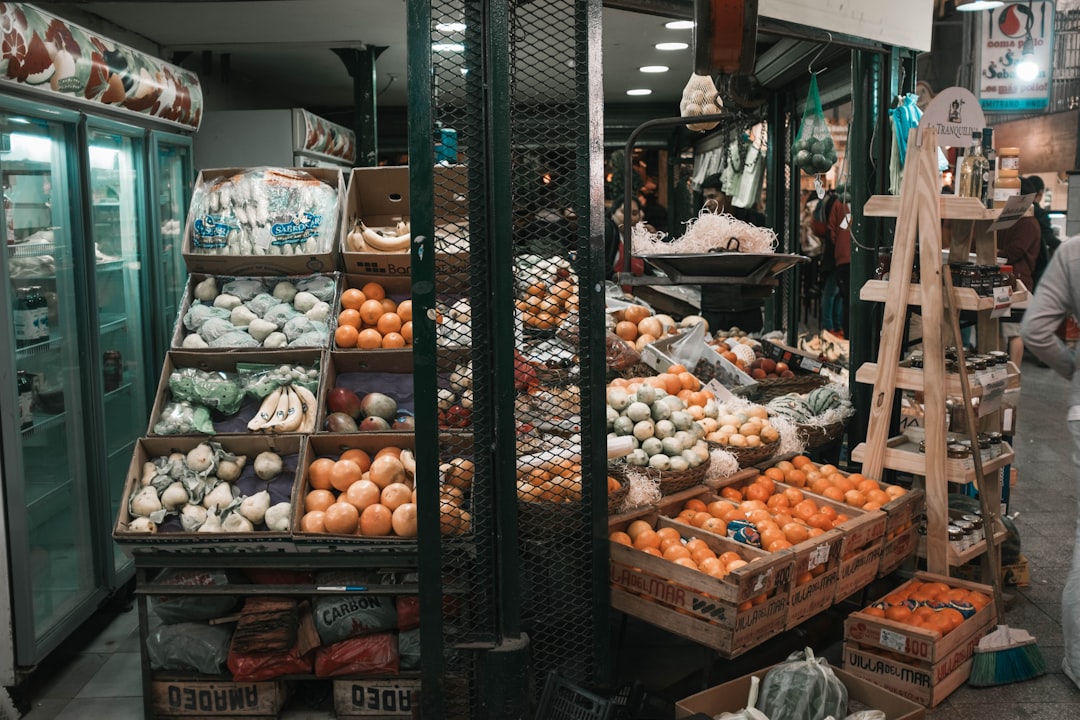
Food trade relations have increased and global food trade networks are increasingly complex, efficient, and tighter, with global food trade communities becoming more stable and the trade network evolving from “unipolar” to “multipolar,” while core exporting countries have been stable and concentrated, and core importing countries are relatively dispersed.
This evolution creates both resilience and vulnerability. The increasingly complex food trade network improves food availability and nutritional diversity; however, the food trade system, led by several large countries, has increased the vulnerability of some countries’ food systems and brings about unsafe factors, such as global natural disasters and political instability.
Higher dependence on import is associated with stronger vulnerability to transmission of shocks originated abroad. Countries that have achieved food security through trade find themselves exposed to disruptions they cannot control.
Infrastructure Chokepoints Threaten Global Supply
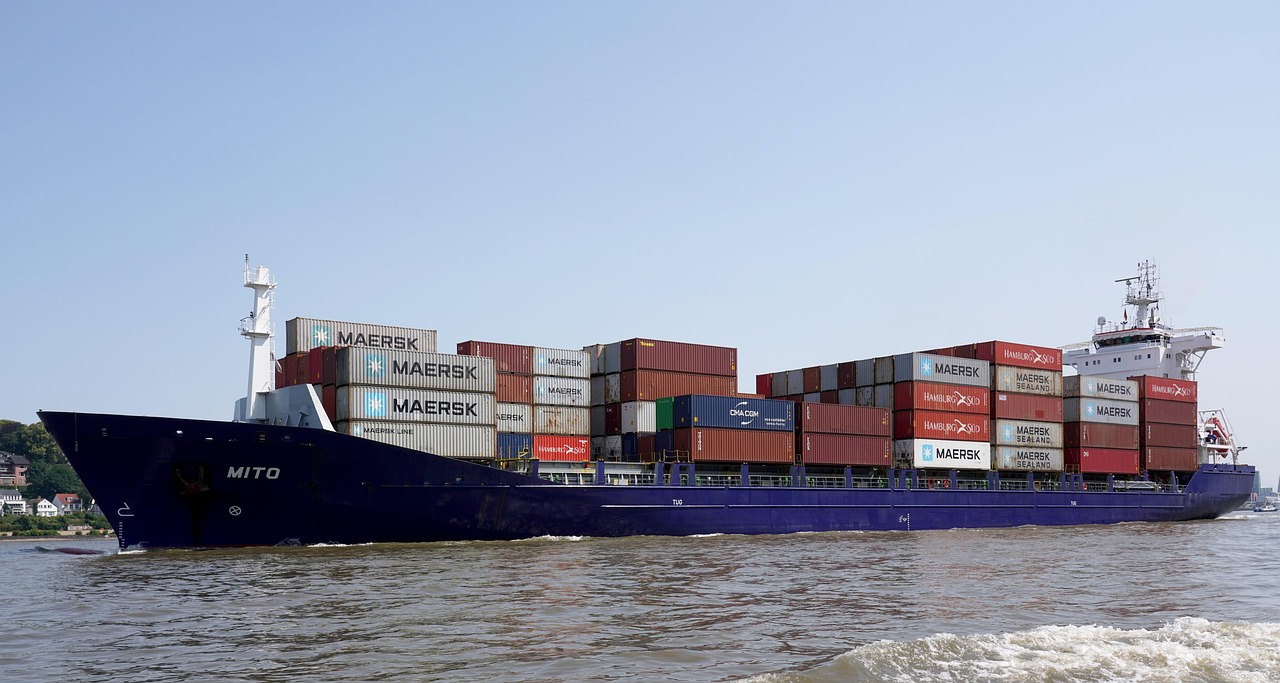
The reliance on extended supply lines means that a drought in one continent or a conflict blocking a key maritime route can have immediate, cascading effects on food prices and availability worldwide, with Red Sea and Panama Canal disruptions serving as stark reminders of how vital trade arteries can become choke points.
These vulnerabilities have become more apparent in recent years. Shipping delays and increased costs ripple through the entire food system, affecting everything from grain shipments to fresh produce. The concentration of trade through relatively few shipping routes creates systemic risks that individual countries struggle to address alone.
The interconnectedness that enables global food diversity also creates pathways for rapid transmission of supply shocks across continents.
Future Outlook: Adapting to New Realities
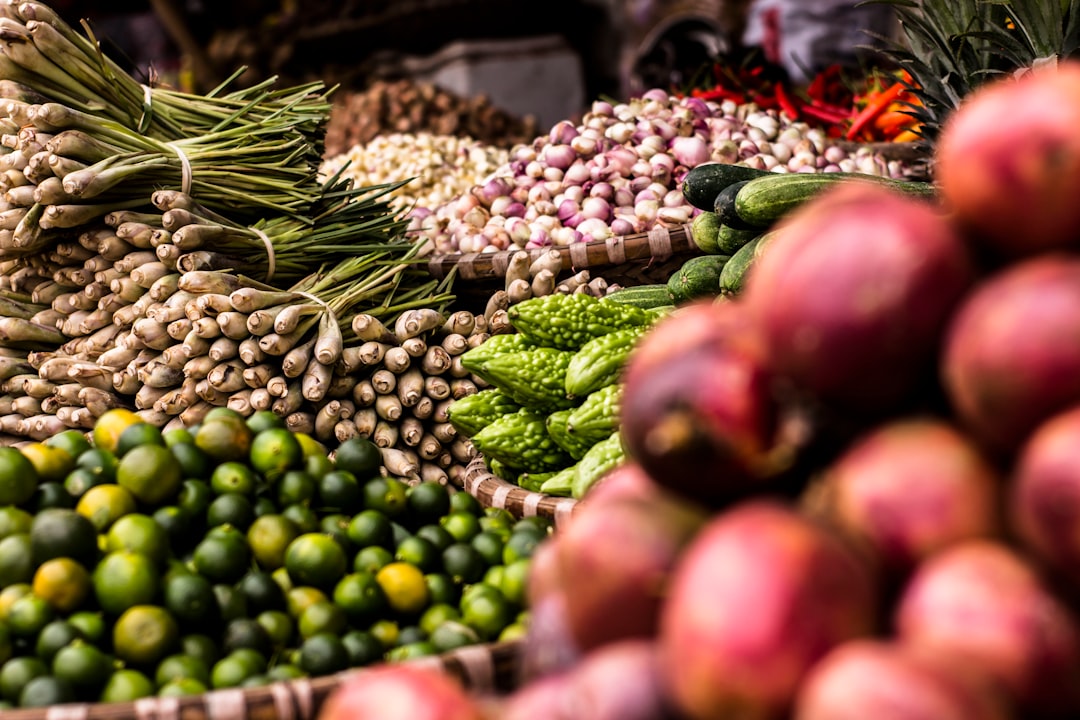
According to projections, an estimated 13.5 percent of the population of 83 countries is expected to be food insecure in 2025, though food security is projected to improve significantly by 2035, with 332.9 million people (6.5 percent) projected to be food insecure, driven by projected per capita GDP growth and relatively lower international commodity prices.
Researchers emphasize the need for adaptive strategies. Adaptive management, powered by real-time sensing and AI-driven predictive analytics, will be a necessity, guiding investments in climate-resilient crops, early warning systems, and robust post-harvest infrastructure to protect harvests and build comprehensive resilience.
The future of global food trade will likely involve more regionalized supply chains alongside continued globalization. Countries are increasingly balancing the benefits of global market access with the need for strategic food security reserves and diversified supply sources.
What started as a story about expanding food choices has evolved into a complex narrative about global interdependence, vulnerability, and adaptation. The way continues to evolve, creating both unprecedented opportunities for nutrition security and new challenges that require coordinated global responses. Did you expect that our daily meals would be so deeply connected to geopolitical events thousands of miles away?