5 World Dictators with Secret Phobias, Historians Share
Adolf Hitler’s Paralyzing Fear of Dentists
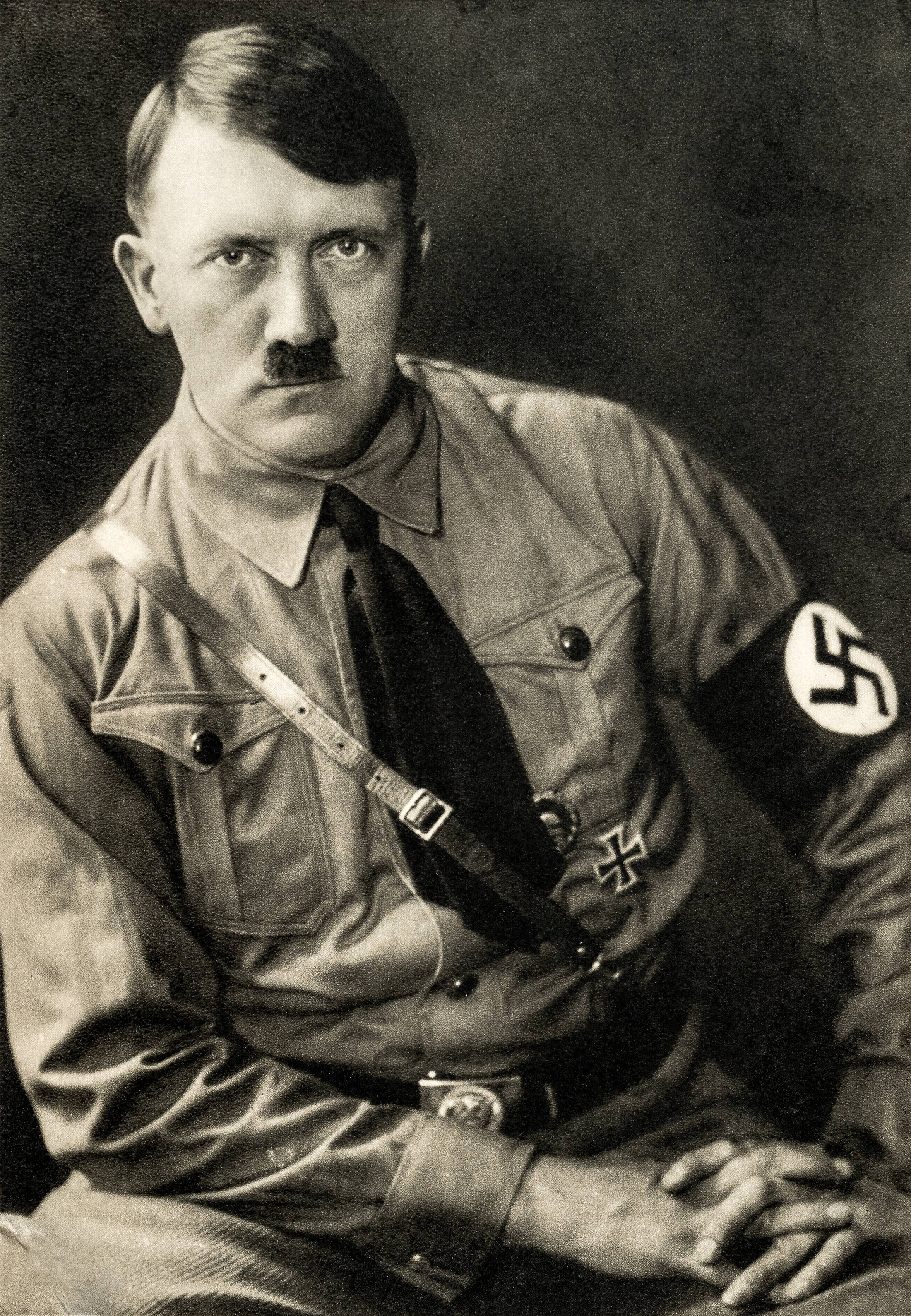
Hitler suffered from “terribly bad breath, abscesses and gum disease” but would only agree to see his dentist if he was in acute pain such was his fear. This revelation came from his personal dentist, SS-Brigadeführer Dr. Hugo Blaschke, who was captured and interrogated by Soviet forces after World War II.
SS-Brigadeführer Dr. Hugo Blaschke worked as Hitler’s dentist for nearly 20 years, and documents were found that had been spirited out by Jewish dentist Fedor Bruck during the war. The evidence shows Hitler’s dental phobia was so severe that he needed eight separate trips to the dentist for one root canal treatment alone, and in 1944, he needed to have 10 fillings put in.
This fear had real consequences for his health and potentially his decision-making. Hitler was known to be squeamish about teeth, once complaining to Benito Mussolini about a trying meeting with Spanish dictator General Franco: “I would rather have two or three teeth out than go through that again!”
Joseph Stalin’s Obsession with Defacing Nude Art
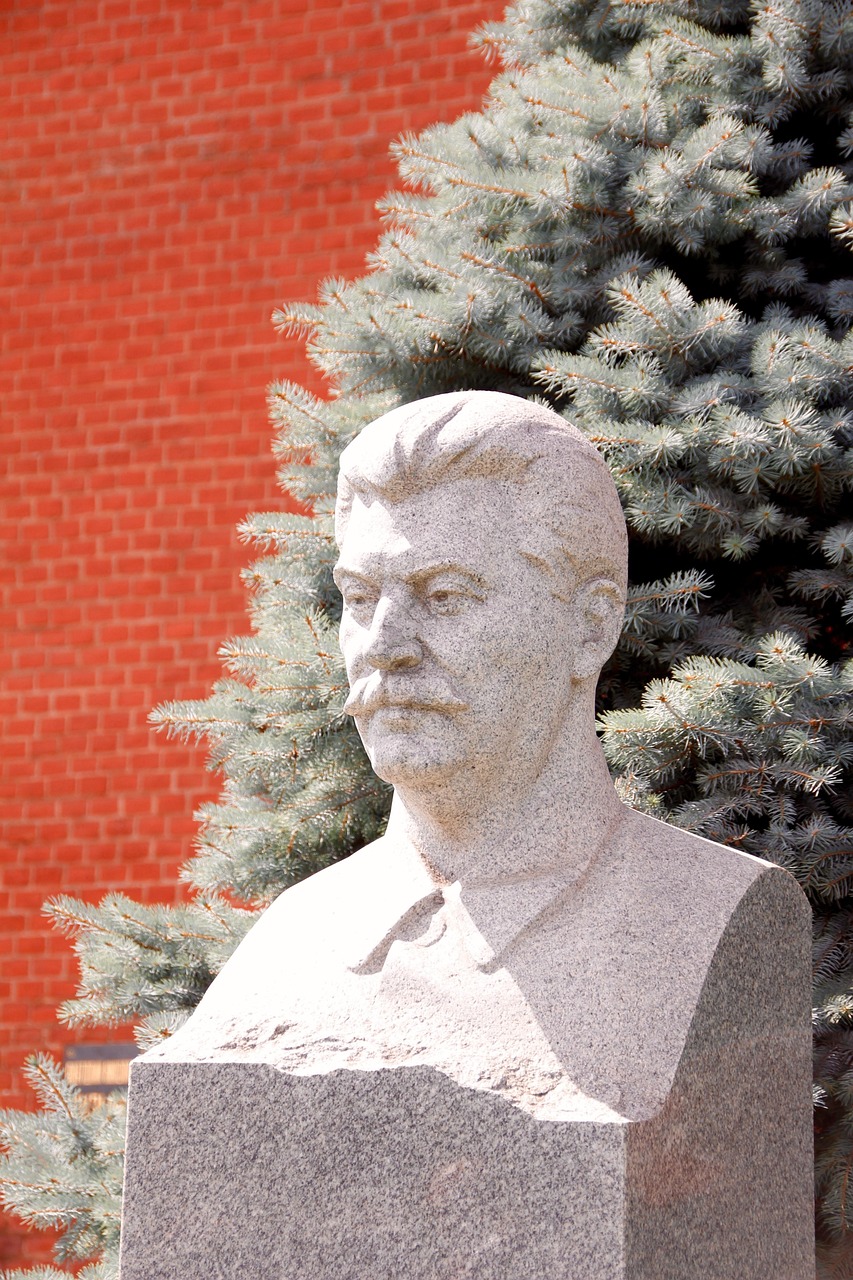
Former leader of Soviet Russia Joseph Stalin is said to have a love of nude drawings – but it’s not what you think! He was less interested in drawing or collecting art, and more interested in defacing the works of others. This bizarre habit was discovered when a collection of drawings featuring comments and autographs by Stalin went on display in Moscow in 2009.
Stalin’s comments ranged from simple doodles to veiled shots at enemies he’d already purged, such as one comment written on the leg of a nude man that read “Ginger b*stard Radek, if he had not p*ssed against the wind, if he had not been angry, he would still be alive.” It’s almost certain that “Radek” was Karl Radek, a compatriot of Stalin who had fallen out with the dictator, and been killed in prison.
Others were admonitions that the drawing subject touched themselves too much, needed underpants, or was too thin. A few were singled out for praise, with one being called a “Soviet David.”
Fidel Castro’s Ice Cream Addiction
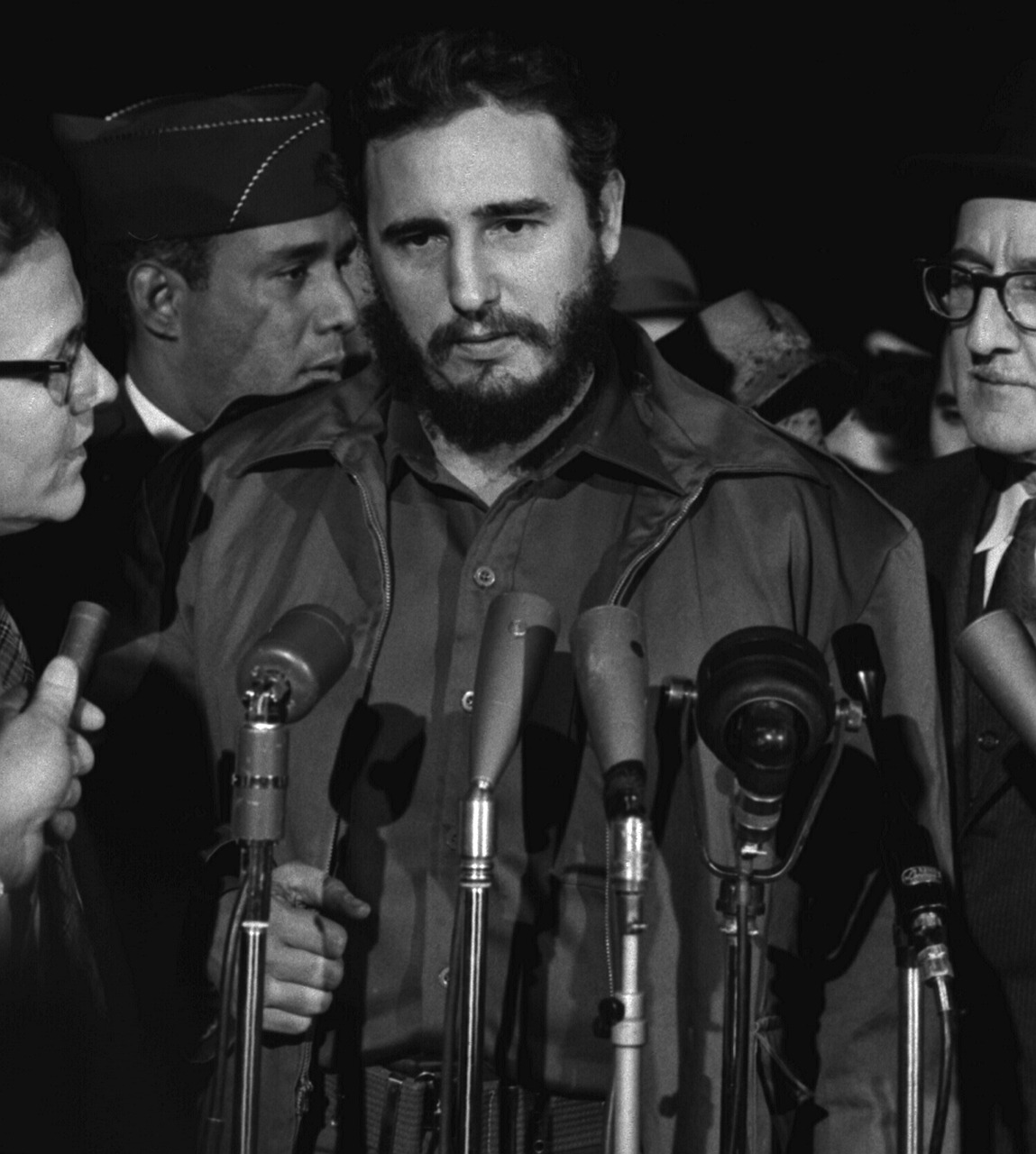
The late Cuban leader was obsessed with dairy products; mostly milk and ice cream. So much so that the CIA even plotted to poison El Presidente’s regular chocolate milkshake. This obsession wasn’t just a casual preference but dominated his dietary habits and even influenced Cuban policy.
Castro was so obsessed with Howard Johnson’s ice cream that he asked his Canadian ambassador to ship him 28 containers (one of each flavor). He went on to import cows and tried to build a successful dairy industry in Cuba, but his efforts eventually failed. Biographers tell stories of El Presidente eating dozens of scoops of ice cream in one sitting.
The obsession had political implications too. The closest the CIA ever got to assassinating the Cuban dictator was poisoning one of his milkshakes, showing how well-known his weakness was among intelligence agencies.
Muammar Gaddafi’s Creepy Infatuation with Condoleezza Rice

Muammar Gaddafi, the former military dictator of Libya, had a strange fascination with US Secretary of State Condoleezza Rice that went a bit too far. According to Rice, she found Gaddafi’s obsession with her “weird and a bit creepy”. This wasn’t a simple diplomatic admiration but bordered on stalking behavior.
Gaddafi kept a fully updated picture book of her, and referred to her as his “darling Black African woman.” When she visited him in Tripoli, he showered her with approximately $200,000 worth of gifts that included a lute, a massive ring, an autographed copy of his book, and a locket with his picture inside. He commissioned a Libyan composer to write a song about her, called “Black Flower in the White House.”
The creepy infatuation was confirmed when a group of rebels found a homemade scrapbook in Gaddafi’s abandoned quarters, complete with photos and newspaper clippings of Rice after his regime fell in 2011.
Nicolae Ceaușescu’s Terror of Poisoned Clothing
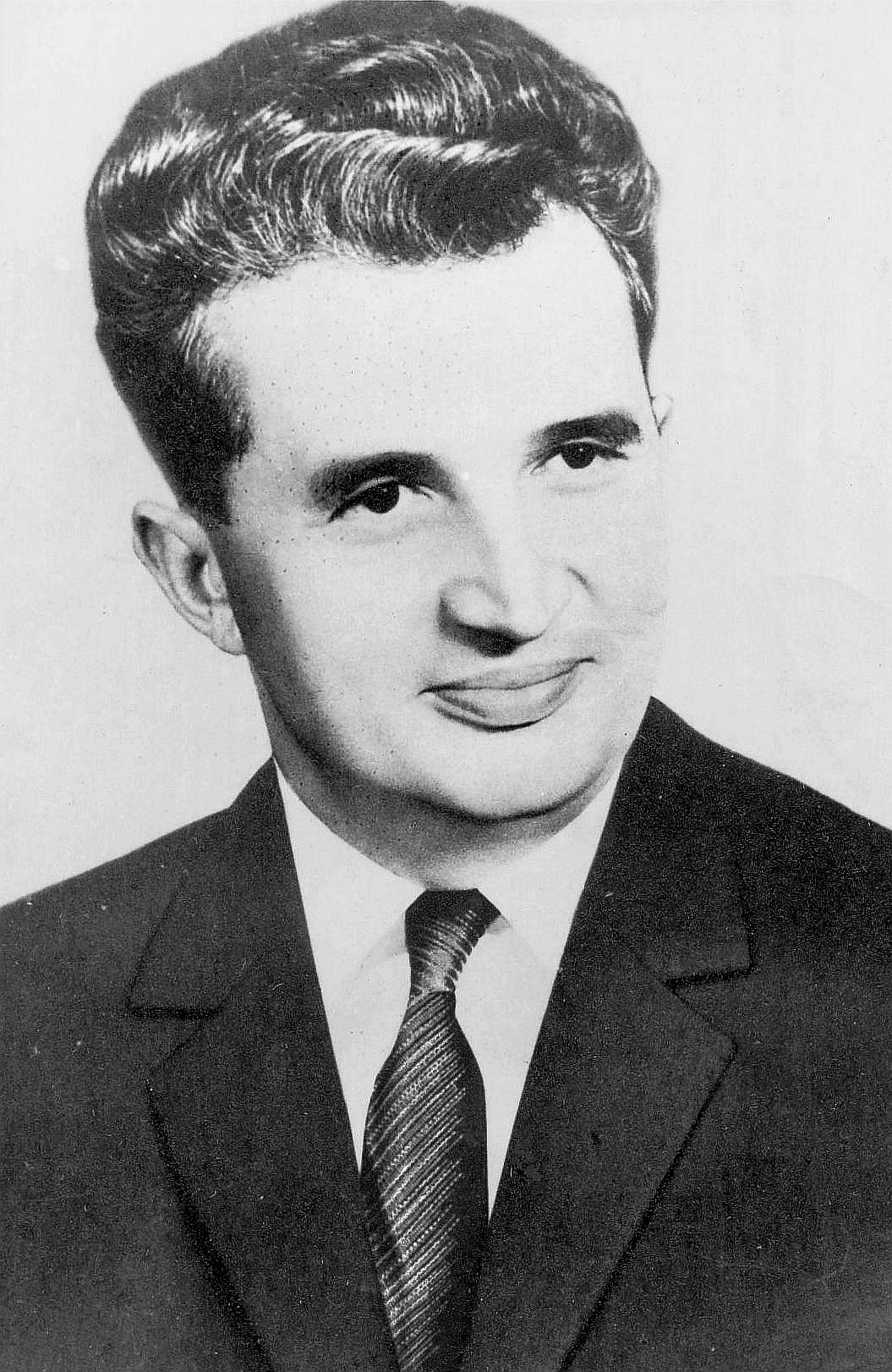
The Romanian dictator was obsessed with someone attempting to kill him. Most specifically, that someone would try to assassinate him by poisoning his clothes! This paranoia reached extraordinary levels of precaution that consumed enormous resources and manpower.
He had a stockpile of suits in a locked depository and went as far as hiring an engineer to scan his clothes for any hazards. Nicolae Ceaușescu would wear a different suit each day, which would then be burned. This ritualistic behavior meant that perfectly good clothing was destroyed daily simply to satisfy his phobia.
The fear wasn’t entirely irrational given the political climate, but the extreme measures revealed a man living in constant terror despite his outward projection of absolute control. This paranoia ultimately didn’t save him, as he was executed during the Romanian Revolution in 1989.
Conclusion
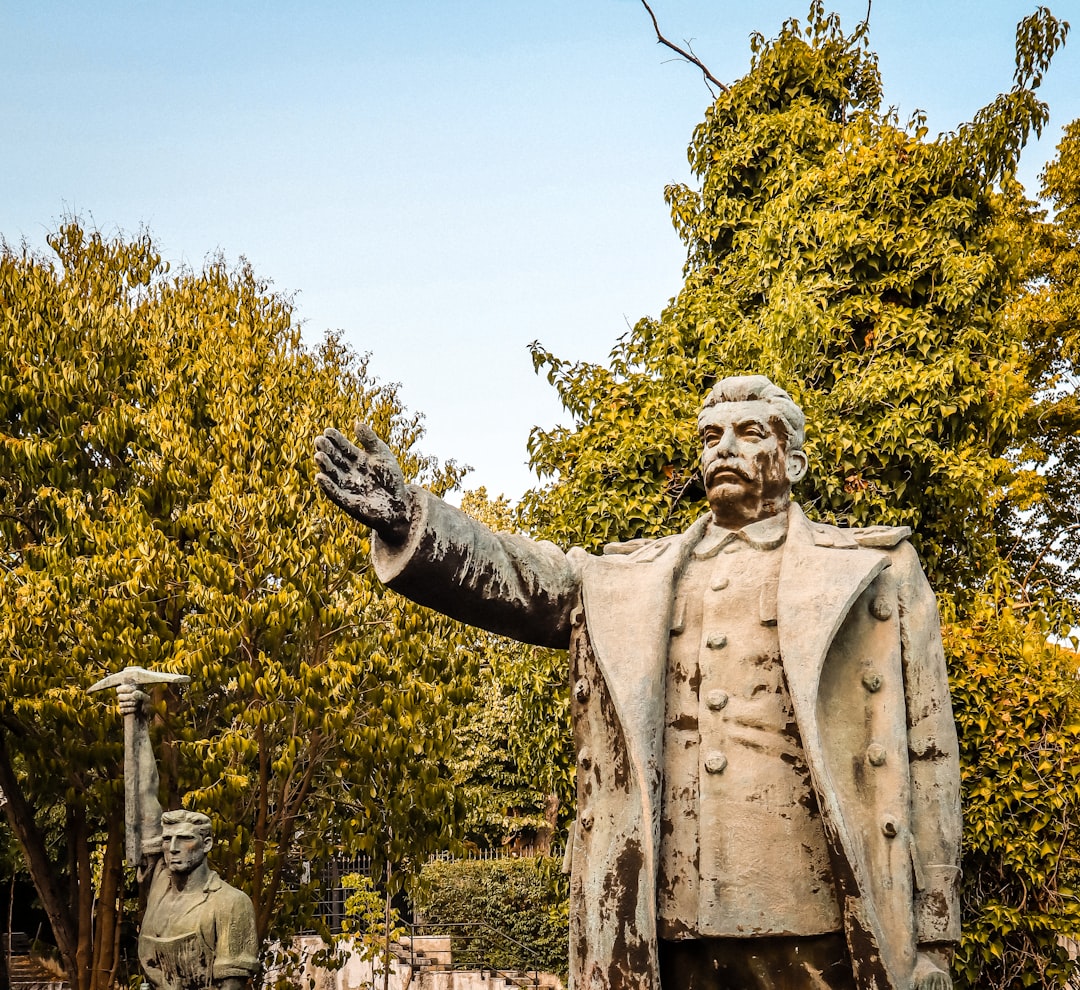
These revelations remind us that even history’s most powerful dictators were deeply flawed human beings whose personal demons often shaped their public actions. Dictators wield total control and the power of life and death, yet they are prone to anxiety, paranoia, and feelings of defensiveness and inadequacy.
Understanding these psychological vulnerabilities helps historians explain some of the seemingly irrational decisions that shaped world history. The next time you read about a dictator’s reign of terror, remember that behind the facade of invincibility often lurked someone afraid of something as simple as a dentist’s chair or a bowl of ice cream.
What other secrets do you think historians might uncover about these larger-than-life figures? Tell us in the comments.