Which Nations Spend the Most of Their Income on Food, Report Finds
Recent global data reveals striking differences in how much countries spend on food relative to their total household income. Generally speaking, the more developed a country is, the smaller the percentage of household income it spends on food. This fundamental economic principle, known as Engel’s Law, shows up dramatically across different regions and income levels worldwide. Consumers in low-income countries spend a greater proportion of their budgets on food than those in higher income countries. As incomes rise with economic development and urbanization, the share of income spent on food tends to fall while discretionary spending on household goods, education, medical services, and recreation tends to increase.
Nigeria Leads Global Food Spending
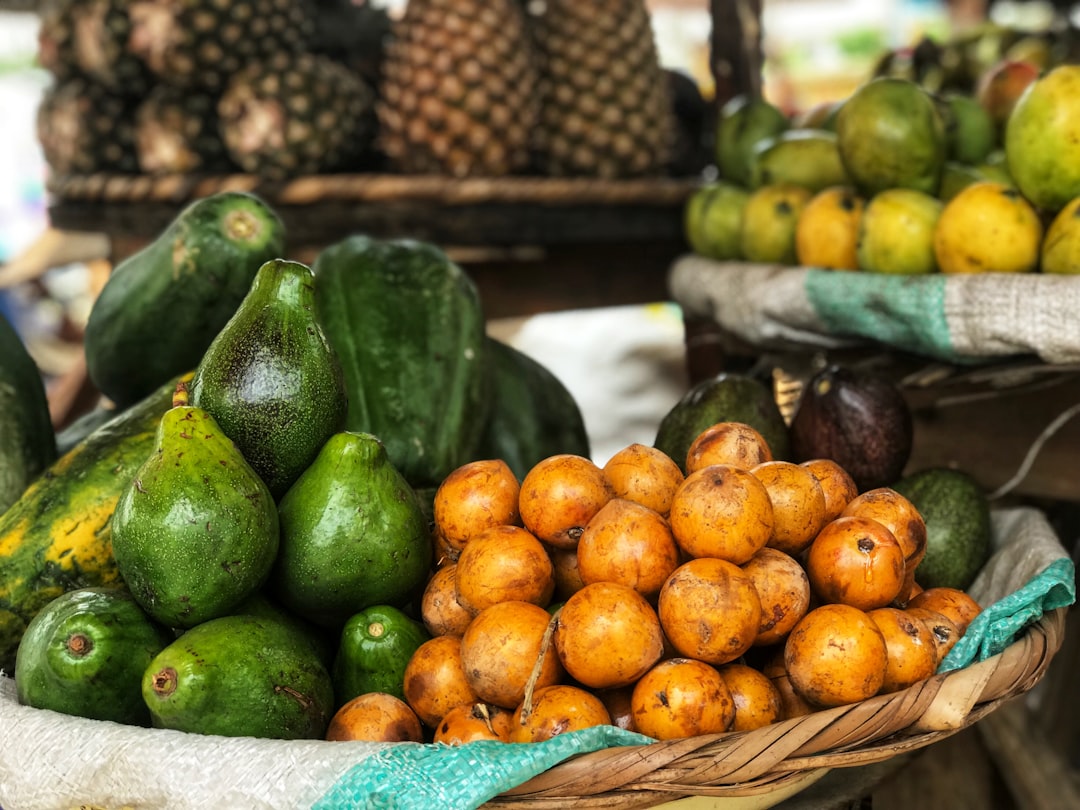
As of 2023, Nigerians spend about 59% of their income on food. People living in Nigeria spend more money on food than any other country in the world. Food takes up an astonishing 58.9% of Nigerians’ incomes. Several factors contribute to this extraordinarily high percentage, including heavy reliance on imported food products and poor infrastructure that increases delivery costs.
This is due to the rising cost of food inflation. Nigeria’s annual inflation rate rose to 29.90% in January from 28.92% in December 2023, according to the National Bureau of Statistics – even the World Economic Forum has stated that Nigerians spend the most money on food. The combination of high inflation and limited local food production creates a perfect storm for elevated food costs.
Myanmar’s Economic Crisis Drives Food Costs
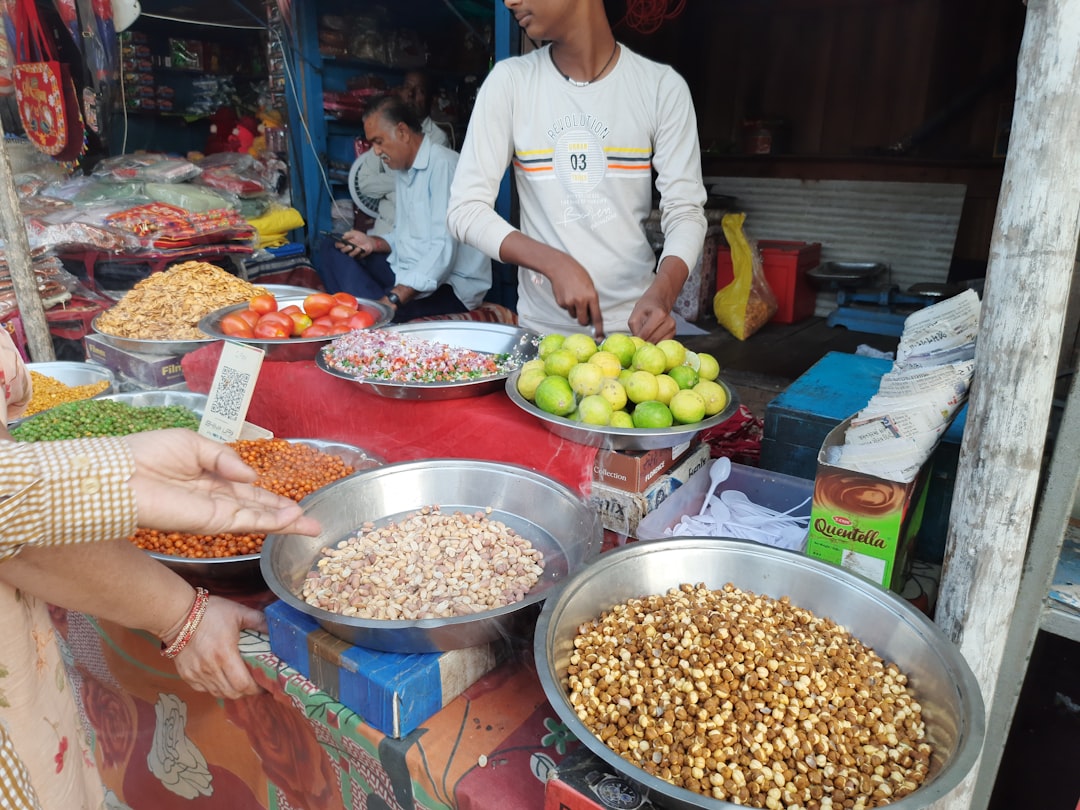
Myanmar is a Southeast Asian country with more than 100 ethnic groups, bordering India, Bangladesh, China, Laos, and Thailand. The food inflation in Myanmar is also pretty high – 56.6%. The country’s recent political instability has severely impacted its economy and food security. Under the military-led State Administration Council (SAC), Myanmar’s economy has sharply declined, becoming the weakest in Southeast Asia. In fiscal year 2024-25, real GDP is projected to contract by 1%, continuing a prolonged downturn following an 18% collapse post-coup.
In Myanmar, the average cost of the basic food basket in August 2024 rose by 5 percent from July and by 64 percent from 2023. A decrease in cultivated areas and production, rising agricultural input and transport costs, and conflict-related market disruptions are driving these trends. This dramatic price increase reflects the broader economic instability affecting the nation.
Kenya’s Food Security Challenges
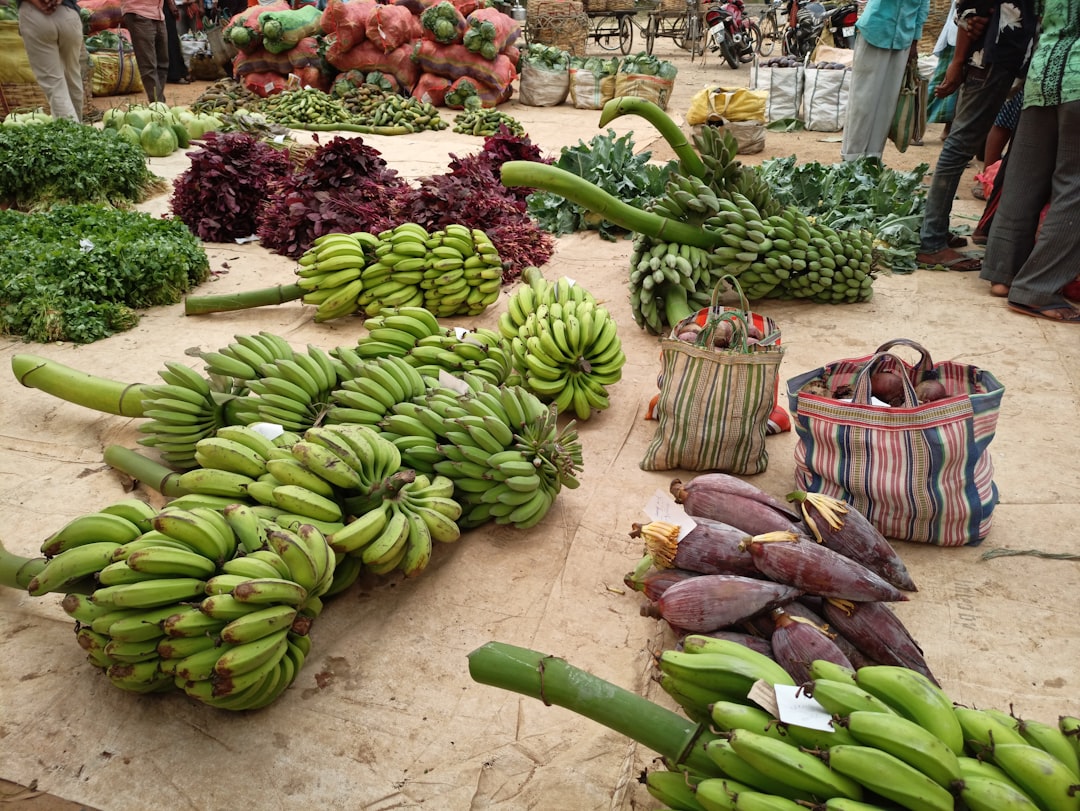
Kenya was closer to Nigeria when it came to expensive food resources, but they have been displaced by Myanmar and are now the third country that spends the most on food. Kenyan citizens spend approximately 52-56% of their income on food, making it one of the highest food expenditure shares globally.
Most of the country’s food menu consists of thick porridges based on corn (maize) and other grains, accompanied by lesser amounts of meat, dairy, and vegetables. Food costs in Kenya are so high include increased taxes, poor crop yield, and a lack of food security. These structural challenges contribute to the country’s elevated food spending patterns.
Bangladesh Faces Rising Food Prices
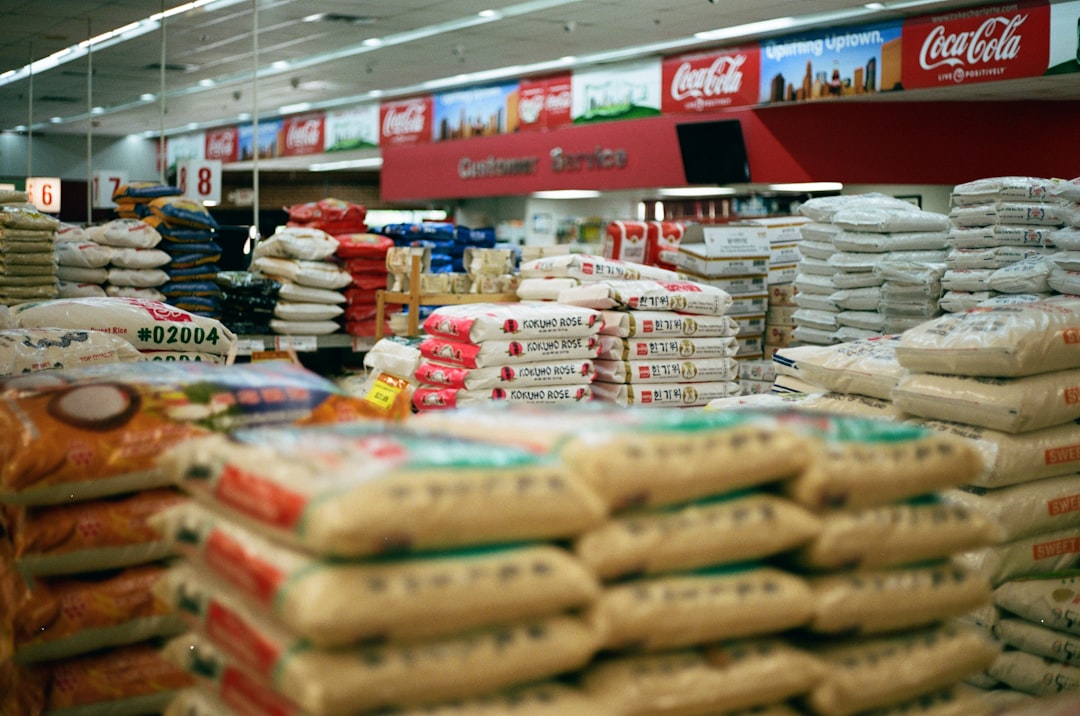
Bangladesh is a country in South Asia. According to various reports, food prices are quite high in this country. In Nigeria, Kenya, Burma, and Bangladesh, more than 50 percent of consumer spending went toward food. The nation struggles with food security issues that force households to allocate significant portions of their budgets to basic nutrition needs.
High inflation, coupled with repeated climatic shocks as well as reduced income opportunities are putting high pressures on the poorest households and driving acute food insecurity in the analysed population. One fifth of the analysed districts were prone to natural shocks in 2023, while the majority had previously been classified between Moderate-to-Severe levels of chronic food insecurity. These environmental and economic pressures continue to drive up food costs for Bangladeshi families.
Central Asian Food Expenditure Patterns
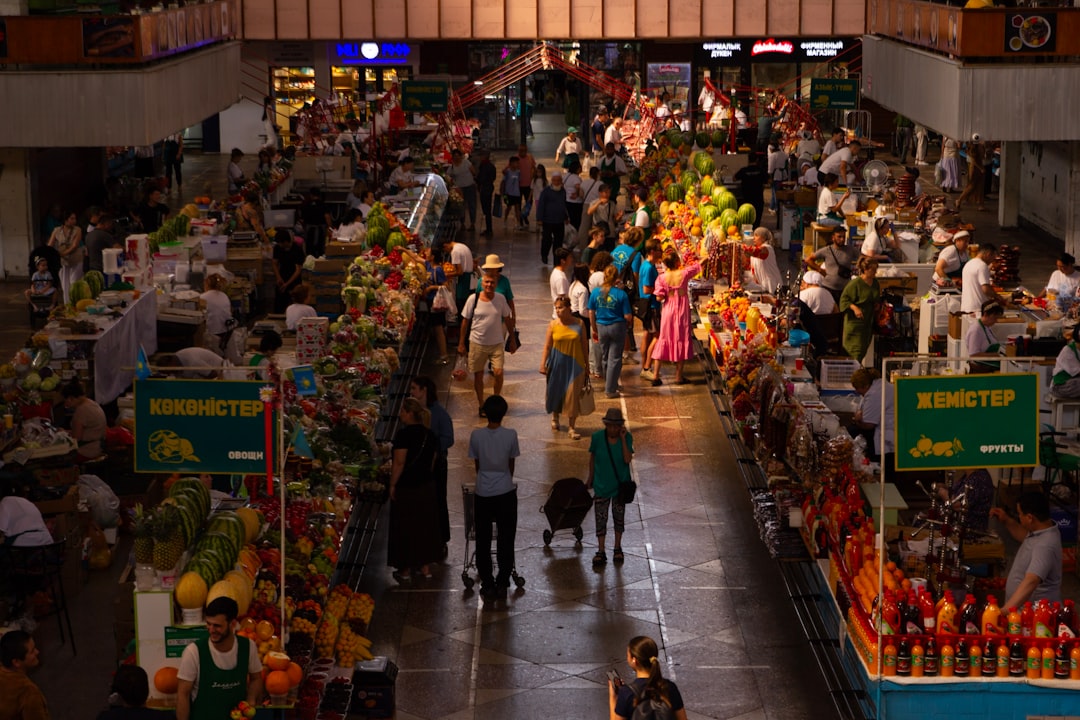
The largest landlocked country in the world, Kazakhstan, a former USSR member, is found in Central Asia. Consumers in Kazakhstan spend just under half of their take-home income on food, at 42.8%. Four are in Asia: Kazakhstan 43.0%; Philippines 41.9%; Pakistan 40.9%; and Azerbaijan 40.1%. These nations demonstrate how geographic and economic factors influence food spending patterns across different regions.
The average yearly income in Kazakhstan is around 3,000 USD. Despite its significant natural resource wealth, many households still dedicate substantial portions of their income to meeting basic food needs, reflecting broader economic distribution challenges.
African Nations’ Food Spending Burden
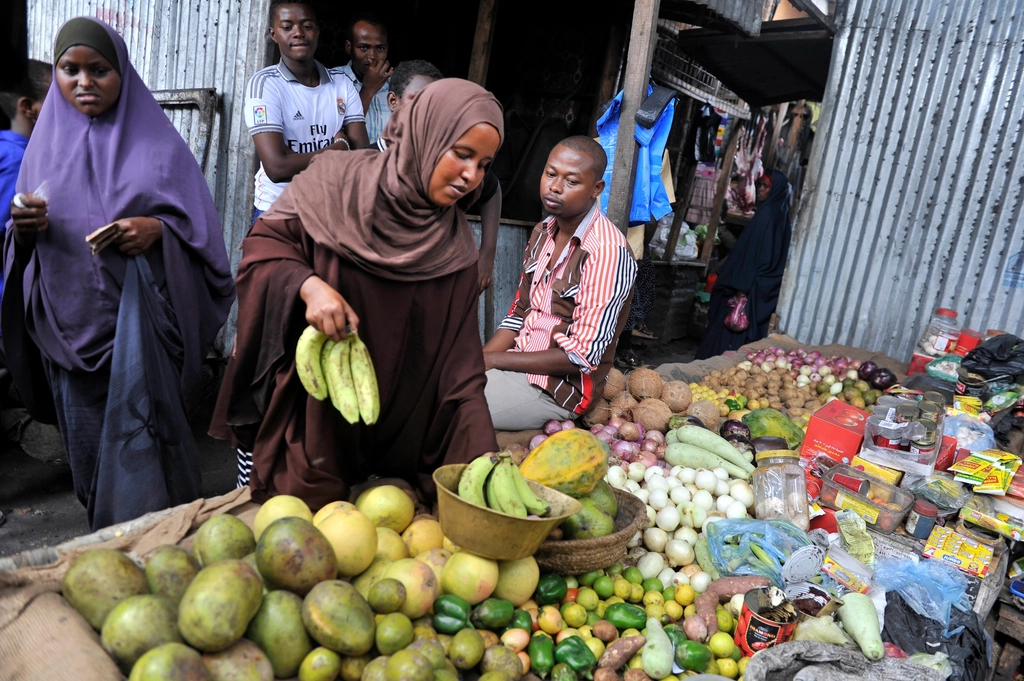
Cameroon is a country found in Central Africa. Unfortunately, food costs in Cameroon are very high, with the average Cameroonian spending nearly 45.5% of their income on food. Four of them are in Africa: Nigeria 56.4%; Kenya 46.7%; Cameroon 45.6%; and Algeria 42.5%. This pattern reflects widespread food security challenges across the continent.
In fact, Cameroon’s biggest city, Douala, was recently ranked as the most expensive city in Africa. High urban food costs contribute significantly to the overall food expenditure burden faced by Cameroonian households throughout the country.
Latin American Food Expenditure Variations
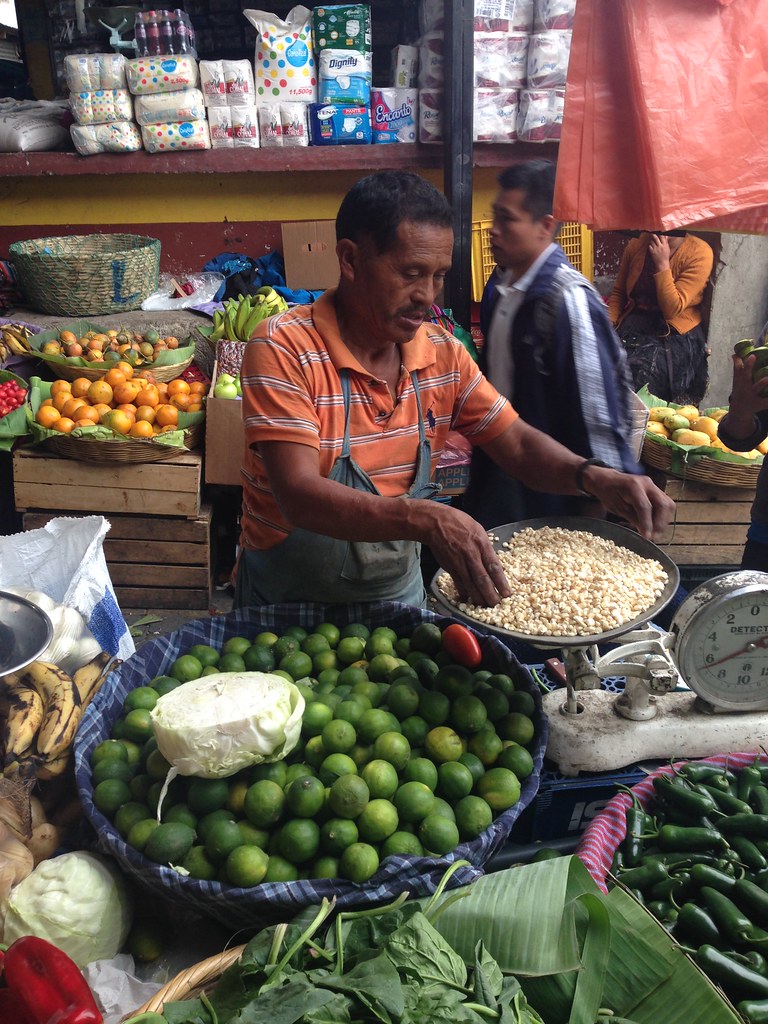
Guatemala is the only South American country to appear in the list and spends 40.6% of its household income on food. In the Latin American countries of Costa Rica, Honduras, and Guatemala, spending on food accounted for more than 30 percent of total consumer spending. These Central American nations face unique challenges that keep food costs elevated relative to household incomes.
This contrasts with higher income economies in Latin America, including Argentina, Colombia, and Mexico, where an average of about 22.5 percent of budgets was spent on food. The stark difference illustrates how economic development within the same region can dramatically affect household food spending patterns.
Wealthy Nations’ Minimal Food Costs
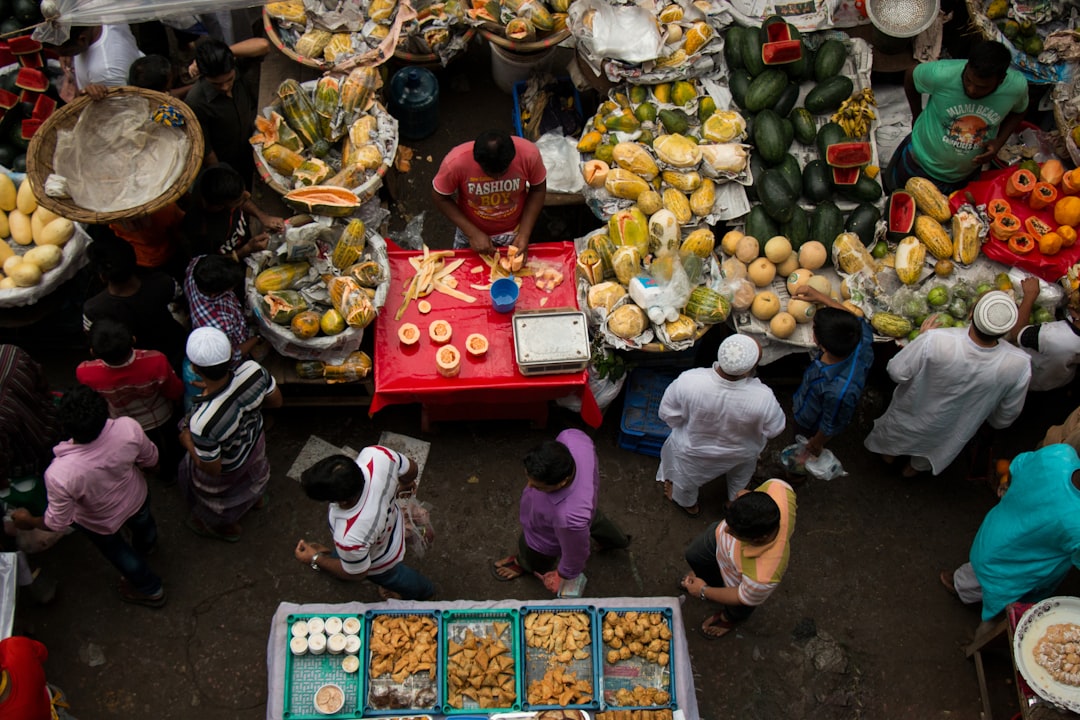
Americans spend approximately 10-12% of their household income on food, according to USDA data. The US ranks among the lowest globally, Singapore spends the second lowest amount at 6.7%. According to the U.S. Department of Agriculture Economic Research Service, Americans spend approximately 10-12% of their disposable income on food. This Southeast Asian country spends the least money on food, according to research conducted by e-commerce company Picordi in 2023. They stated that Singaporeans spend only 8.4% of their monthly income on food.
There are only eight countries in the world that spend less than 10% of their household income on food. Four of these are in Europe: the UK is third at 8.2%, followed by Switzerland at 8.7%; Ireland spends 9.6% and Austria 9.9%. These developed nations benefit from higher incomes and more efficient food distribution systems.
European Food Spending Efficiency
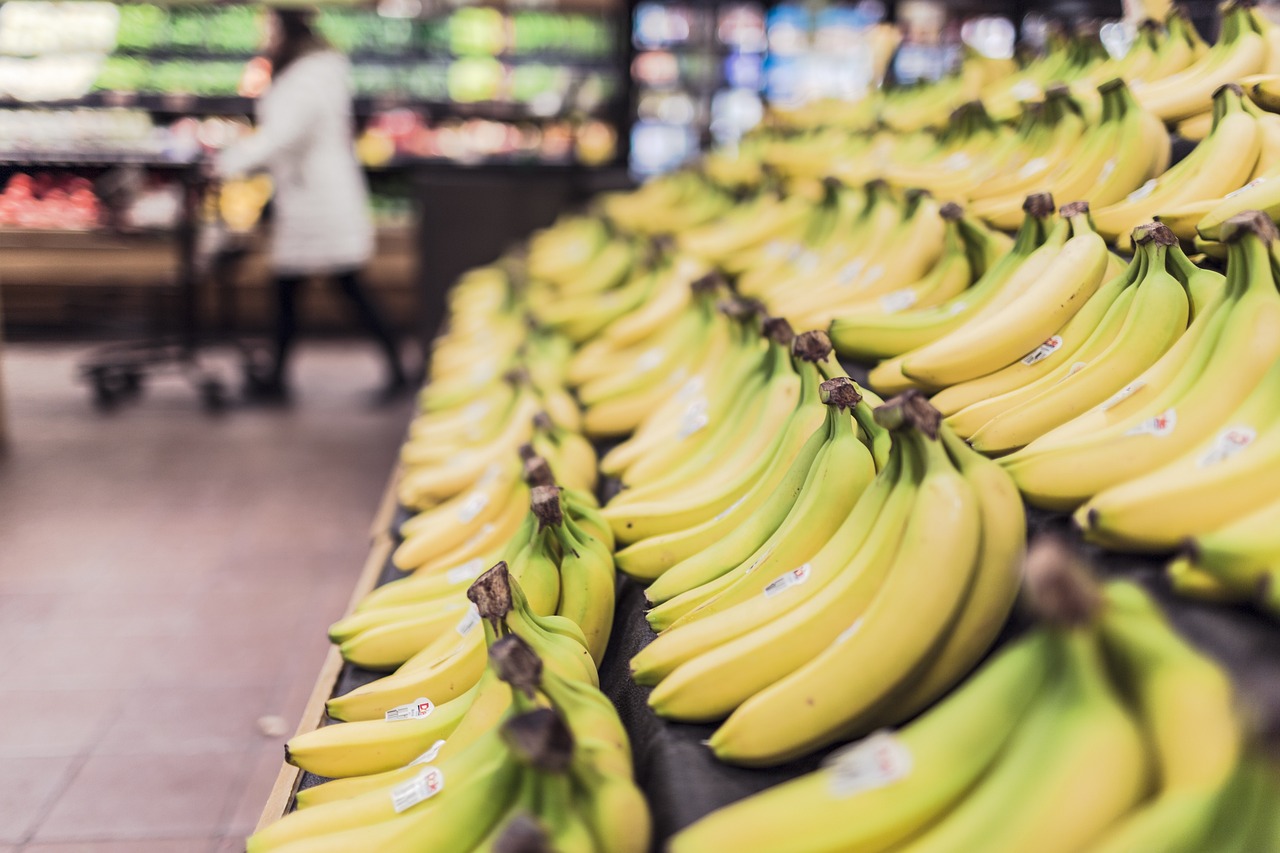
Despite the rising costs of living in the United Kingdom, food is relatively cheap. According to reports, people who live in the UK only spend 8.7% of their income on food. According to the World Economic Forum, Ireland is one of the cheapest countries to eat, with residents and citizens spending only 9.6% of their income on food. European nations generally maintain efficient food systems that keep costs manageable for consumers.
The Swiss also spend less money on food than most countries. Picordi reports that 9.9% of their income is spent on food. Switzerland’s high income levels and efficient distribution networks help maintain relatively low food expenditure shares despite the country’s generally high cost of living.
Global Food Security Trends
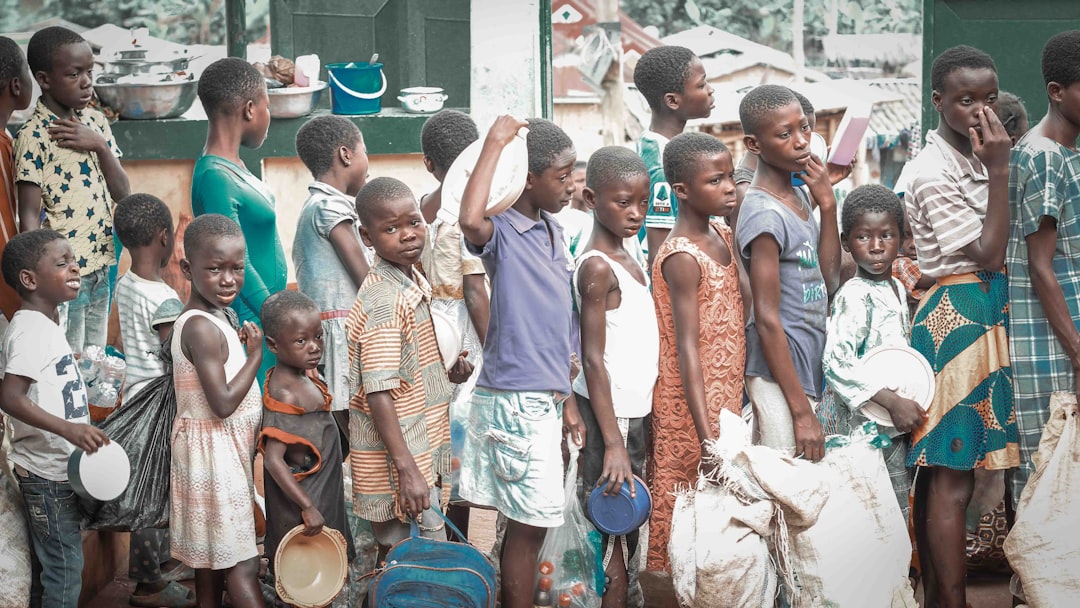
Food insecurity is an ongoing challenge to millions of people around the world, particularly in lower income countries where consumers spend more of their income on food. Since 2020, a series of events has affected both income and prices. Even so, 824.6 million people – 19.0 percent – were estimated to lack access to sufficient food needed for a healthy and active lifestyle in 2024.
As a result, 313.0 million fewer people in the world’s most vulnerable countries were projected to be food insecure in 2024, a 27.5-percent decrease from the 2023 estimate. This decrease in food insecurity is associated with projected growth in per capita incomes and lower prices for wheat, corn, and vegetable oils. Despite ongoing challenges, some global food security indicators show improvement as economic conditions stabilize.
The data reveals a clear pattern: nations with the highest food expenditure shares face complex challenges including economic instability, poor infrastructure, climate impacts, and limited agricultural productivity. Meanwhile, developed countries benefit from higher incomes and efficient food systems that keep food costs manageable relative to household budgets.