Study Reveals Where People Spend the Longest Time Dining
Ever wondered why your French friends take forever at dinner while your American colleagues wolf down lunch in minutes? Recent studies paint a fascinating picture of how cultural differences shape our dining habits around the world. From leisurely Mediterranean meals to rushed North American bites, the way we approach food reveals deeper truths about our societies and values.
France Takes the Crown for Longest Dining Times

The French spend an average of 2 hours and 13 minutes per day on food and drink, according to OECD data that ranks France first among all member countries. In stark contrast, Americans came in last place, spending just one hour and two minutes each day eating and drinking. This means the French spend more than twice as long at the table compared to their American counterparts. Many French shops and workplaces close during lunchtime, typically between 12pm and 2pm, while French schoolchildren also have a two-hour break.
Greece and Italy Follow Close Behind
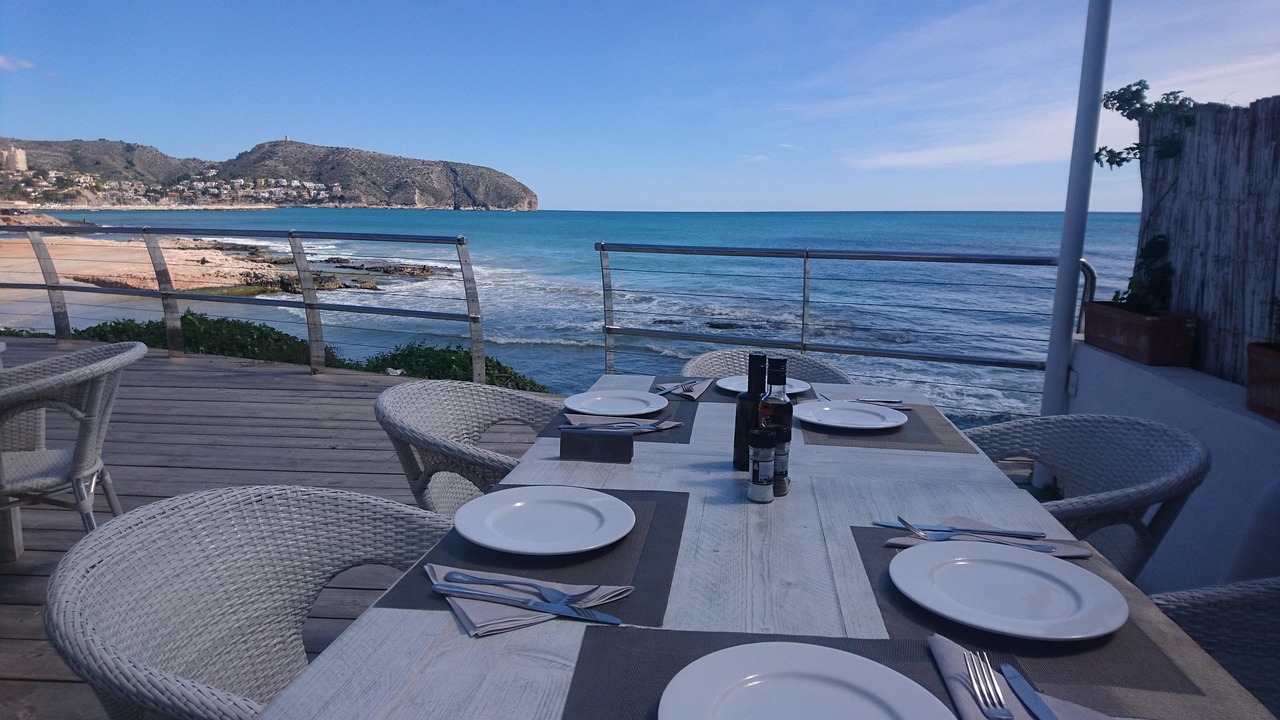
The Greeks come in second in this ranking with 131 minutes per day, followed closely by the Italians with 2 hours and 7 minutes on average. France, Greece and Italy were countries where individuals had the highest per day averages, with people spending more than two hours of their day eating and drinking. People in France, Greece, Italy and Spain report spending more time eating than people in most other European countries. This Mediterranean approach to dining reflects deep cultural values around food as social bonding and pleasure rather than mere sustenance.
Spain Prioritizes Late Evening Meals
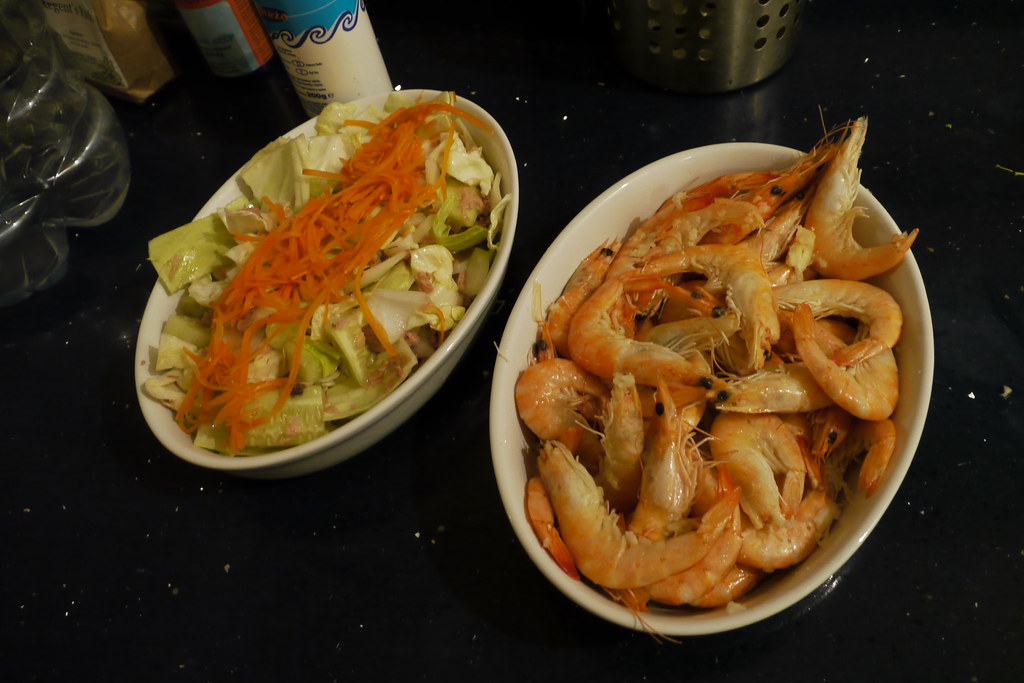
The Spaniards spend one minute less than Italians, averaging just over 2 hours per day on food and drink. While many European countries have their evening meal around 6 or 7 p.m., Spaniards usually sit down for dinner around 9 p.m. or later. The siesta, a customary midday break, plays a significant role in shaping Spaniards’ dining habits. In fact, mealtime is considered one of the most important moments of the day in Spain.
Denmark Surprises as Northern European Exception
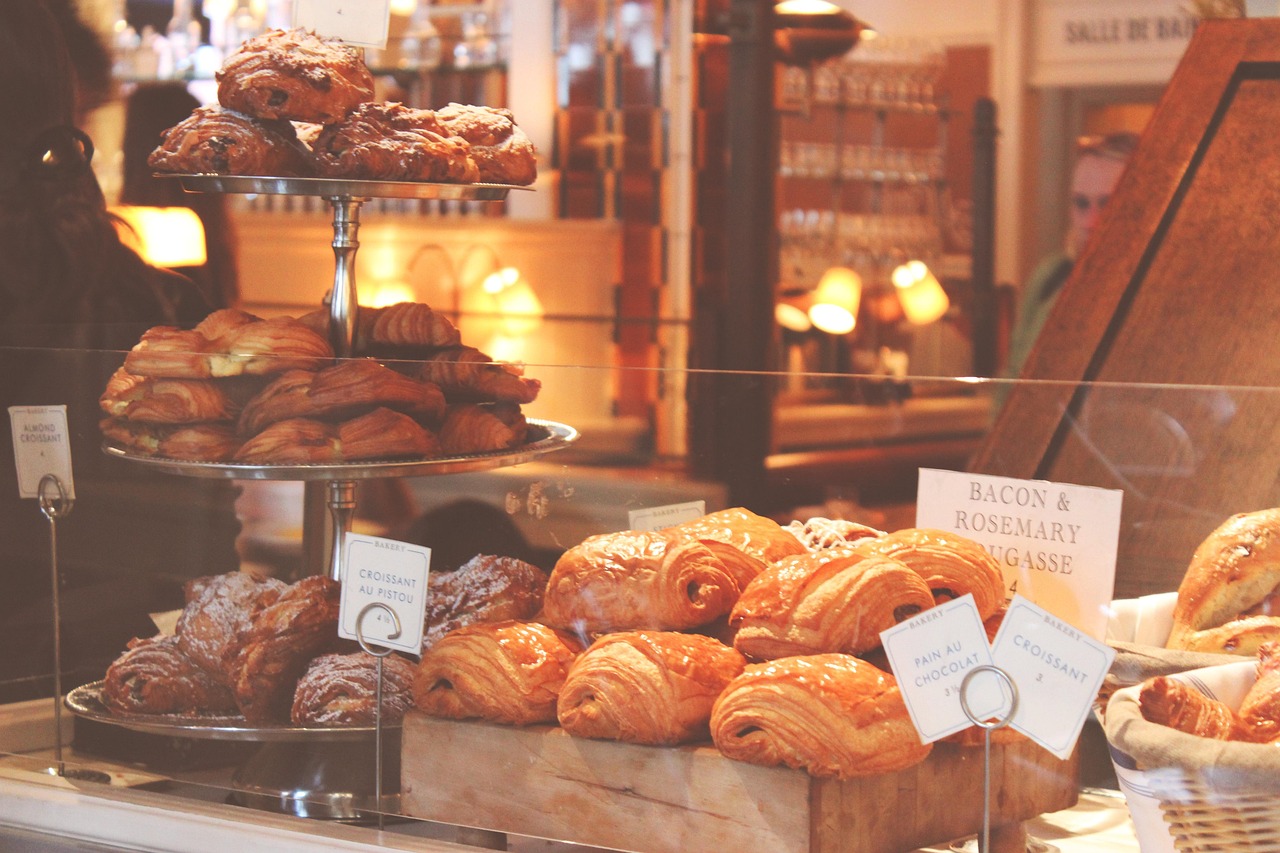
In fifth place in this ranking is Denmark: the Danes also take their time eating, almost two and a half hours per day (119 minutes). They thus beat even a southern European country, Portugal, where the average amount of time spent on food and drink is slightly under two hours (112 minutes). This finding challenges assumptions that only Mediterranean cultures prioritize leisurely dining. The Danish approach suggests that hygge culture extends beyond cozy home environments to include unhurried meal experiences.
South Korea Leads Asian Dining Duration
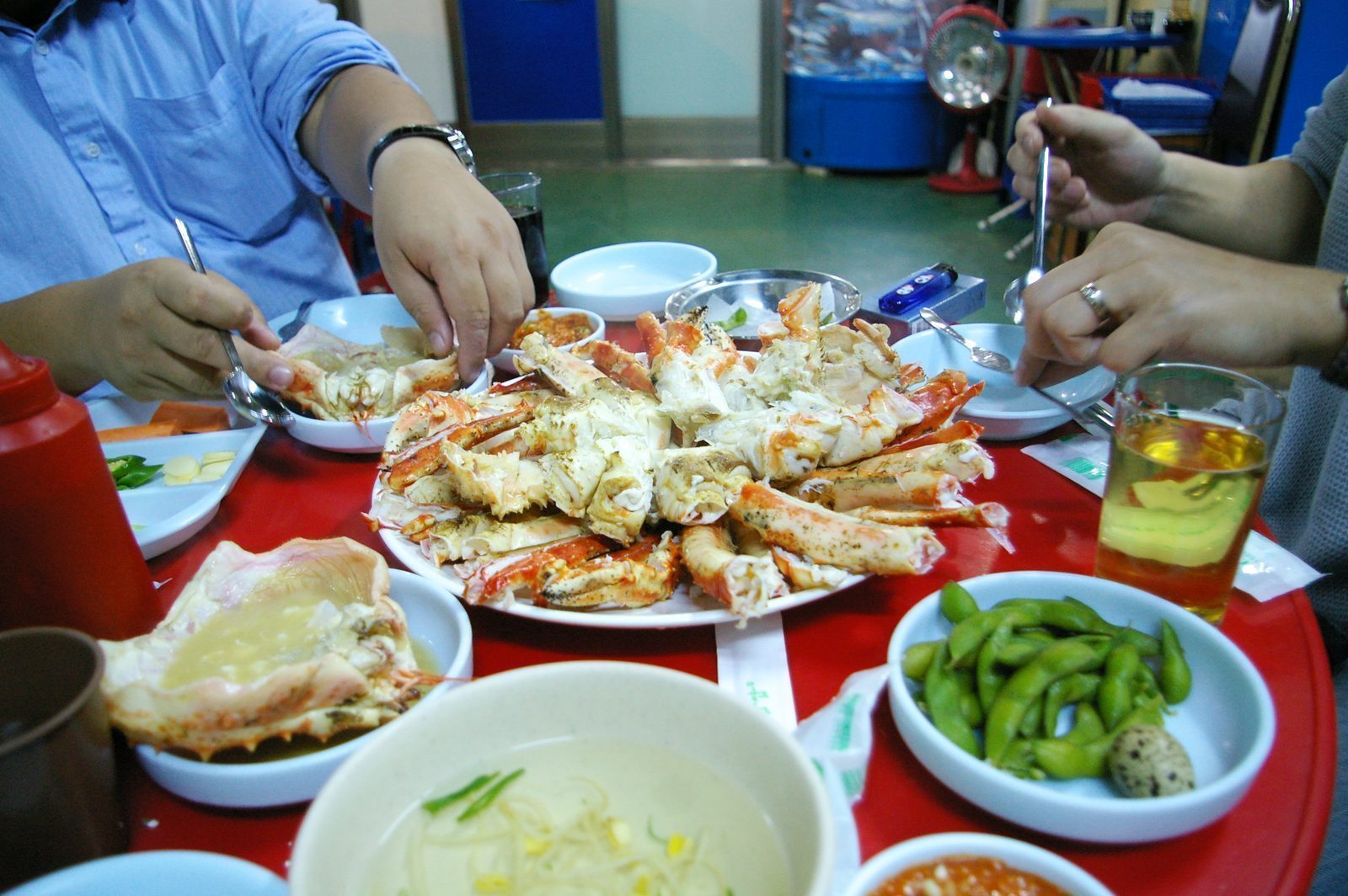
Far from Europe, the other OECD country whose inhabitants spend more than 100 minutes of their time each day eating and drinking is South Korea (105 minutes), while those in China average about 5 minutes less. This reflects traditional Korean dining customs where meals involve multiple shared dishes and extended family time. Korean restaurant culture often emphasizes the social aspects of eating, with conversations flowing naturally around banchan (side dishes) and communal grilling experiences.
Americans Rush Through Meals at Record Speed
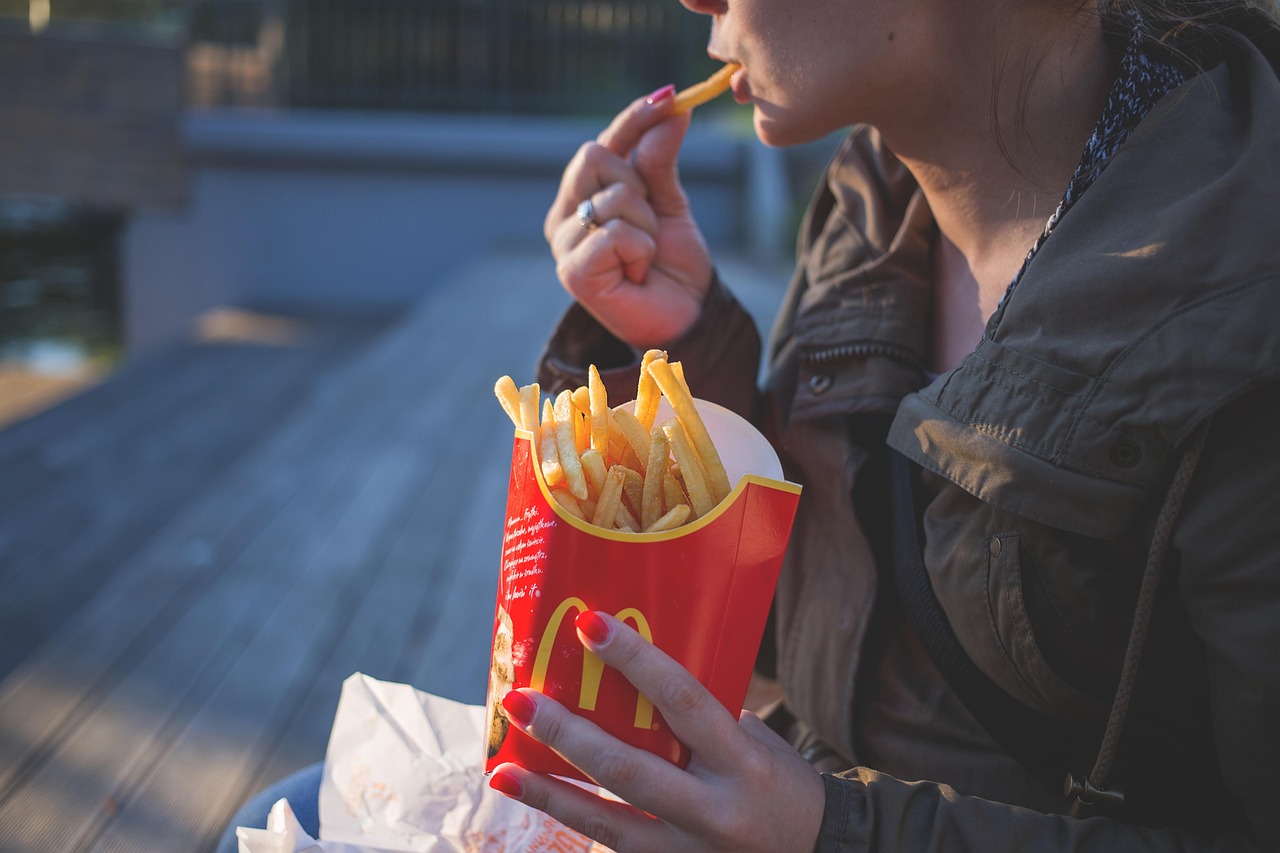
The quickest ones are the inhabitants of the United States, who spend barely over an hour (62 minutes), while in North America Canadians spend an hour and five minutes eating and drinking per day. This might be linked to the very high paced work culture the USA has. The average person spent 1.24 hours – or 74.4 minutes – per day eating and drinking, breaking down to 1.18 hours (70.8 minutes) on nonholiday weekdays and 1.36 hours (81.6 minutes) on weekends and holidays.
Netherlands Joins the Fast Eating Club

Their northern neighbours, the Canadians, also rush through their meals with a daily average of just 1 hour and five minutes, while the Dutch are the third quickest eaters, spending just 66 minutes per day on meals. The Dutch efficiency extends beyond business meetings and transportation systems to their dining habits. This approach aligns with Protestant work ethics that view extended meal times as potentially wasteful or indulgent.
Germans Balance Efficiency with Food Culture
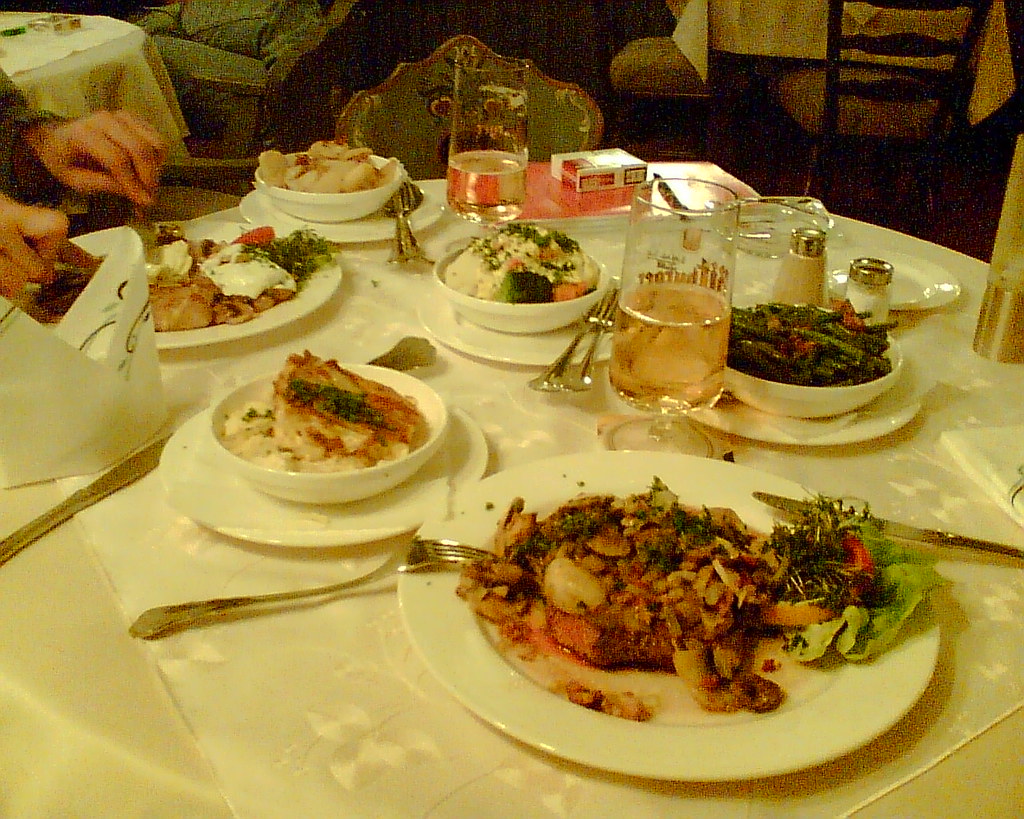
The average in the 28 OECD countries is 95 minutes per day, which is also the amount of time that the Germans spend eating and drinking. Germans prefer an earlier timeline, usually falling between 5 and 7 p.m., putting Germany on the list of early diners. Lunch and dinner timings may interchange due to personal routine, but having only one substantial hot dish per day is a practice that definitely sets the country apart, and Germans also opt for lighter fare.
Post-Pandemic Changes in European Dining Patterns
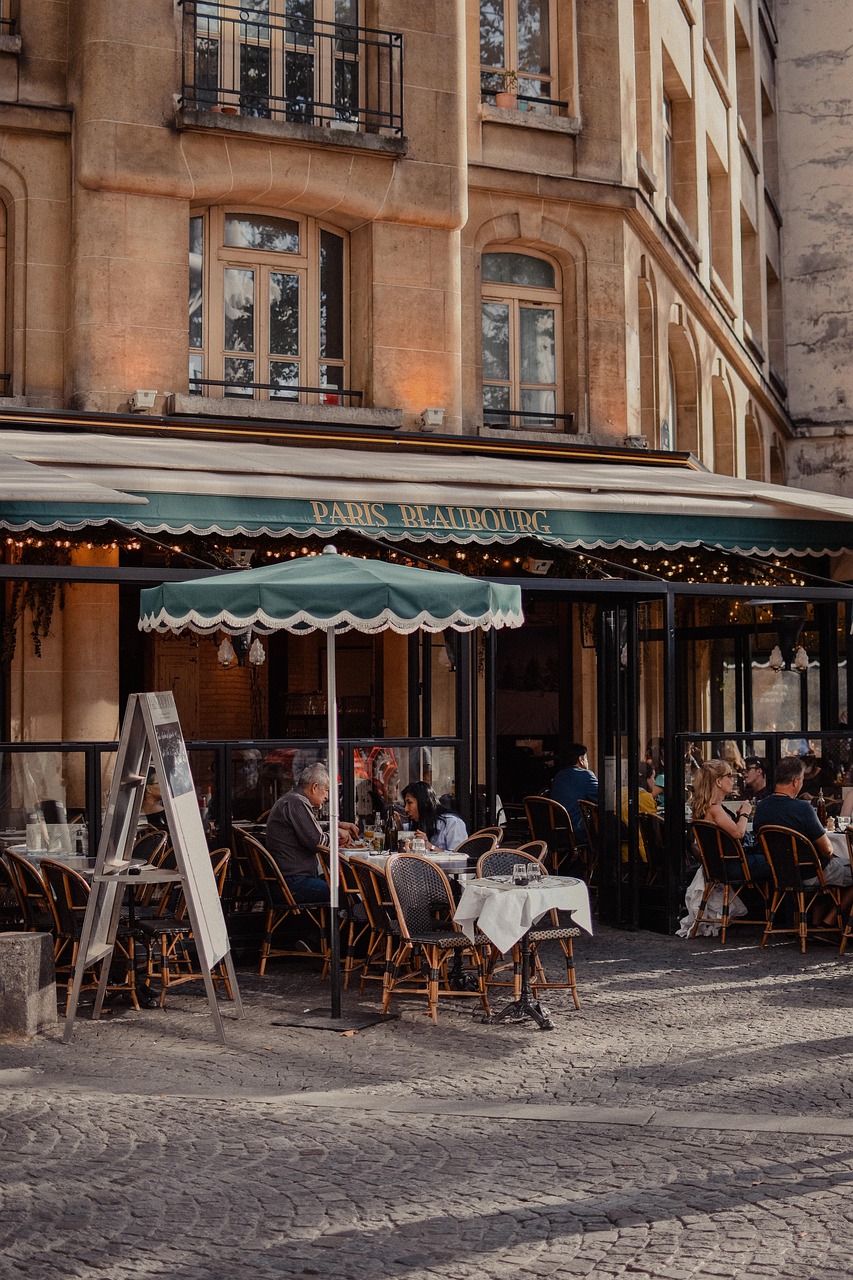
People across most European countries are dining out earlier than they did before the 2020 pandemic, according to new research from the Mastercard Economics Institute, with the most significant shifts seen in Austria (18 minutes earlier), Portugal (16 minutes), and Ireland (15 minutes). On average, Europeans are dining 10 minutes earlier than before. Dining earlier has several health benefits, including better digestion, reduced cardiovascular risks, and improved blood glucose levels.
American Dining Habits Show Surprising Trends
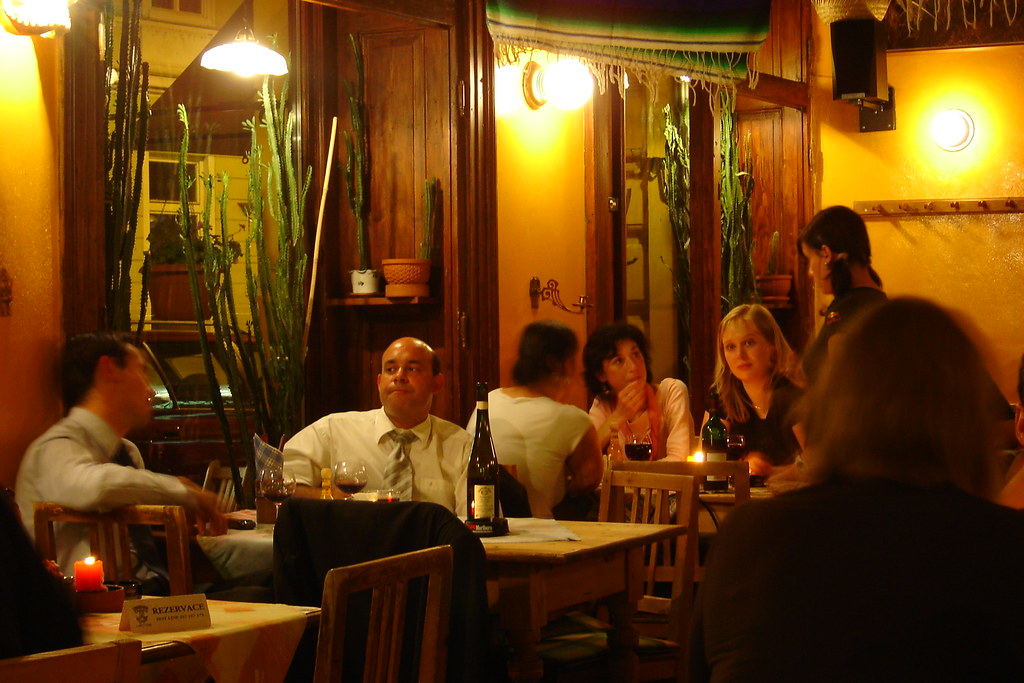
In fact, 42% of consumers say they dine out at least once a week, up from 39% last year. In 2024, U.S. consumers reported spending an average of $186-194 per person per month on dining out, a significant rise from about $166 per month in 2023. This year, diners reported spending an average of $51-55 when dining out at a restaurant – up from around $48 in 2023, with Millennials and Gen X leading the way as the biggest spenders. Americans are willing to wait up to 26 minutes for a table without a reservation.
The data reveals profound cultural differences in how societies approach one of humanity’s most basic needs. While some cultures have maintained traditional rhythms that honor food as a social and sensory experience, others have adapted to modern demands for efficiency and speed. These patterns reflect broader values about work-life balance, social connection, and the role of pleasure in daily life. What does your own dining pace say about the culture around you?