7 Classic American Breakfast Staples Fading From Diner Menus, Reports Indicate
Diner culture has been the heartbeat of American breakfast for decades. Those laminated menus, chrome stools, and the comforting sizzle from the griddle used to promise something reliable. Yet things are shifting beneath those Formica tabletops, and not everyone’s noticing.
Recent reports from New Jersey, widely considered the diner capital of the world, suggest that American diners are struggling as costs rise and tastes change. The traditional 24-hour diner model faces challenges with labor costs and safety concerns, while younger diners increasingly choose trendy brunch spots over fluorescent-lit booths. Some of your favorite morning staples are quietly disappearing, replaced by plant-based bowls and global fusion creations. Let’s be honest, when was the last time you saw certain classics holding their ground?
Traditional Pancakes and Muffins Losing Ground to Savory Options
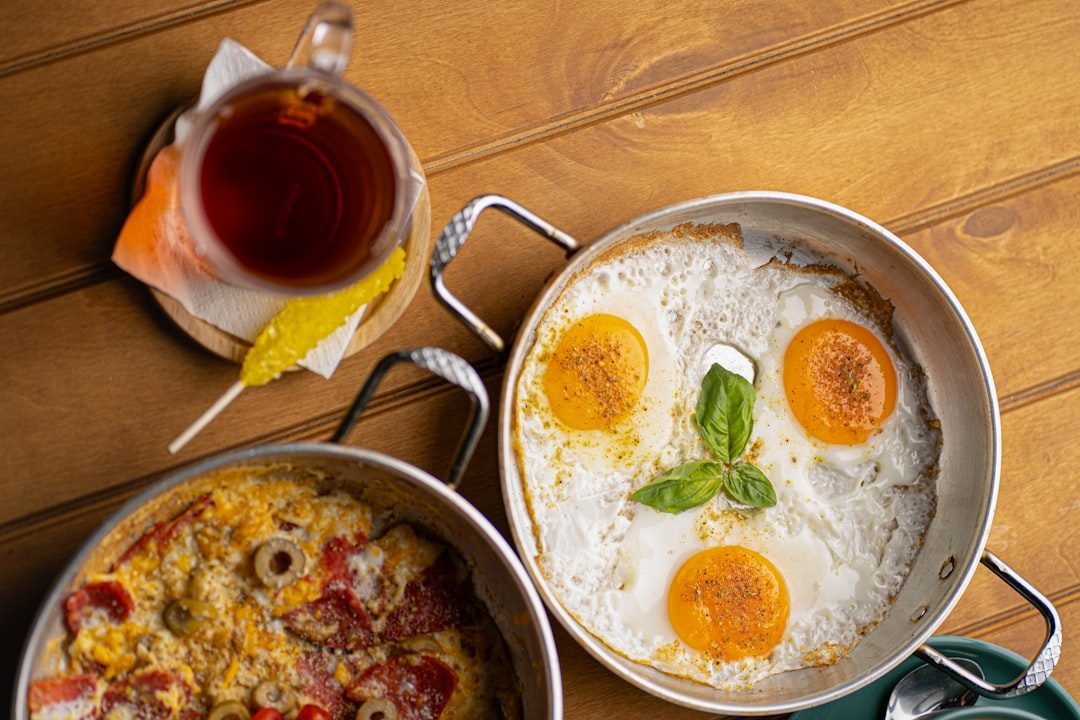
The fluffy stacks that once ruled breakfast menus are facing serious competition. Savory breakfast options are becoming more popular as diners seek alternatives to sugar-laden morning meals, with traditional breakfast foods like pancakes and muffins being swapped out for hearty, savory dishes such as shakshuka, breakfast flatbreads with toppings like spinach and feta, or savory oatmeal bowls. It’s hard to say for sure, but this shift seems driven by growing awareness about sugar intake and the desire for meals that provide sustained energy without the inevitable crash.
Adventurous eaters, foodies, and those looking to reduce their sugar intake are embracing savory breakfasts, which appeal to health-conscious diners aware of the negative effects of too much sugar in their diets. The demand isn’t just a passing fad either. The demand for savory breakfast options is likely to continue growing, especially as more consumers become aware of the need to limit sugar intake.
Ham Steak With Pineapple Nearly Extinct
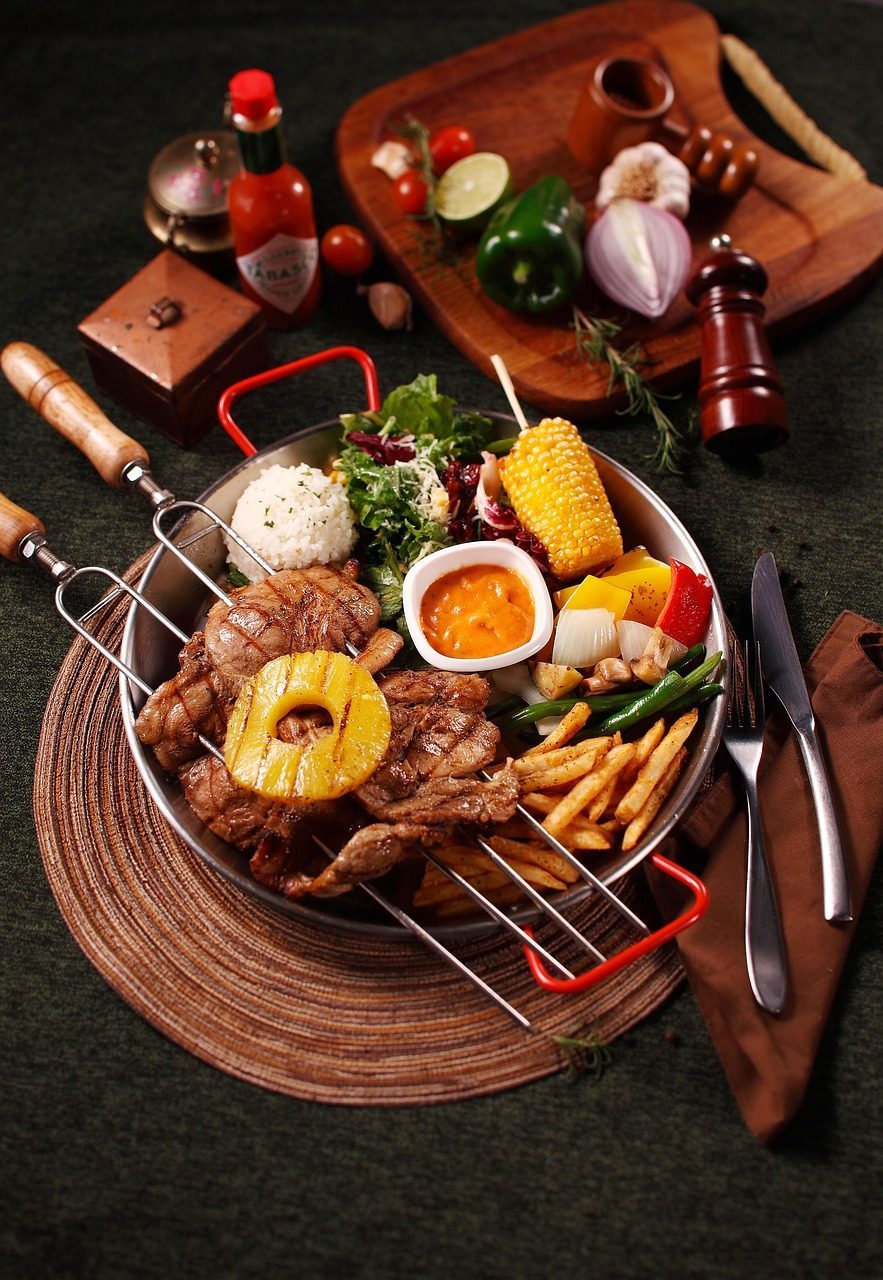
Remember when ham steak with a pineapple ring was considered a hearty breakfast centerpiece? That nostalgic pairing has all but vanished. In the 1950s, ham steak, often topped with pineapple, made frequent appearances on diner menus as an option for heartier appetites. While ham still shows up in various forms on modern diner menus – chopped up in omelets and salads, thinly sliced in sandwiches, and fried up in modest slices with breakfast eggs – ham steaks, which are bigger, thicker slices of ham, have fallen out of favor.
The decline makes sense when you think about changing food preferences and portion expectations. Ham steaks were a practical option for busy diners, as they came pre-cooked, meaning all a prep cook had to do was heat one up on a grill. Today’s breakfast landscape favors speed and customization over these pre-portioned proteins.
Classic Omelets Facing Pressure From Build-Your-Own Bowls
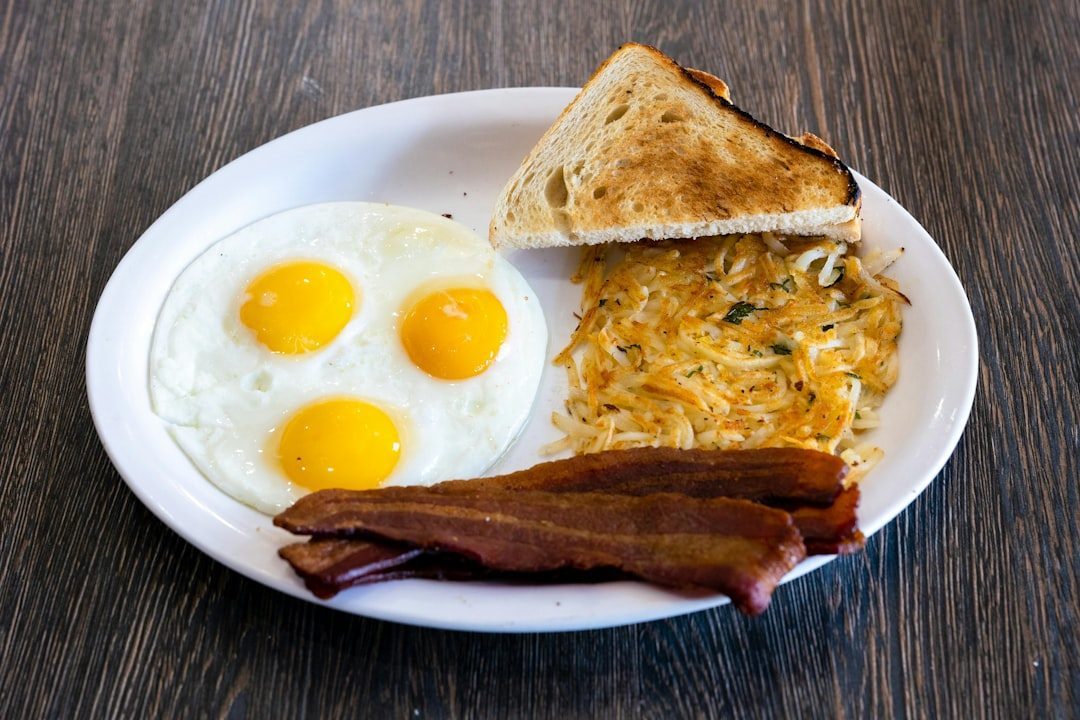
The traditional three-egg omelet folded perfectly over fillings is becoming less common in some establishments. Here’s the thing: omelets haven’t disappeared entirely, but they’re competing with newer, more Instagram-friendly formats. While maintaining classic diner fare is important, restaurants are incorporating current food trends like plant-based options, locally sourced ingredients, global fusion, and customizable bowls with various bases, proteins, and toppings.
Eggs, French toast, breakfast sandwiches, omelets, and pancakes are reportedly among the most frequently seen items on menus. So omelets are still around, yet their preparation style is changing. Many customers say they’d order breakfast items at any time if they were offered, which means diners want flexibility more than tradition.
Toast and Simple Breakfast Sides Getting Gourmet Makeovers
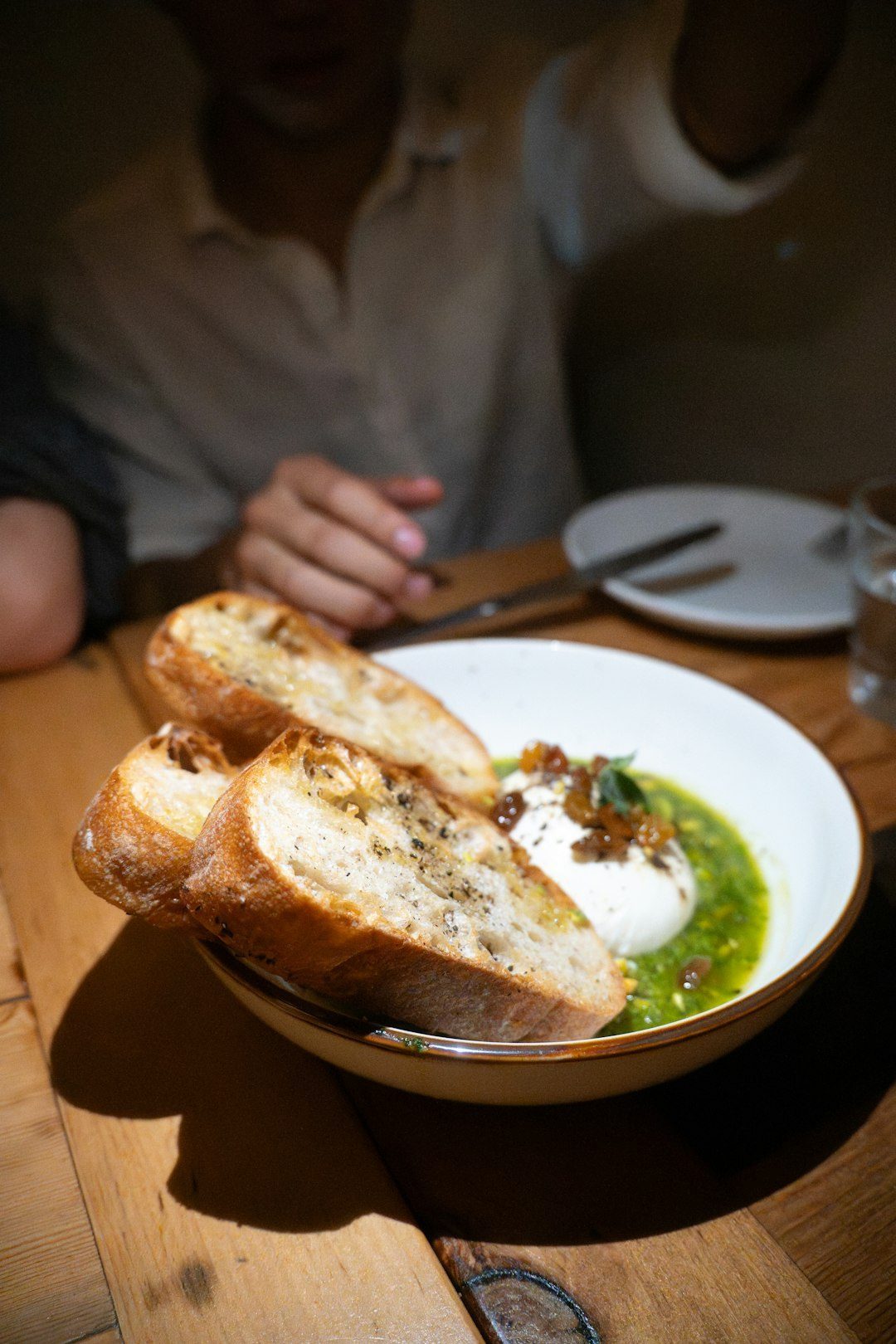
Plain buttered toast is being outshined by artisanal creations that cost considerably more. Toast has undergone a gourmet transformation – what was once a simple slice of bread with butter or jam now features high-quality, artisanal toppings like avocado, heirloom tomatoes, whipped ricotta, or smoked salmon. Instagram-savvy consumers, health-conscious eaters, and those looking for a quick but satisfying breakfast are embracing gourmet toast, which is particularly popular among urban Millennials who appreciate the combination of convenience, nutrition, and aesthetic appeal.
The shift reflects broader changes in what people expect from breakfast. Simple is out. Curated experiences are in. There’s been a proliferation of spots featuring $20 French toast and retro decor, which raises questions about what truly constitutes an authentic diner anymore.
Bacon, Sausage, and Traditional Breakfast Meats Under Siege

Traditional pork breakfast meats are still hanging on, but plant-based alternatives are eating into their dominance. The plant-based movement has officially entered the breakfast scene, with restaurants offering vegan and vegetarian-friendly morning meals including tofu scrambles, oat milk pancakes, plant-based sausages, and avocado toast. Millennials, Gen Z, and health-conscious consumers are the biggest drivers of the plant-based trend.
Even meat lovers notice the shift when scanning diner menus. Bacon used to reign as the go-to breakfast protein, but honey ham is growing rapidly, with many consumers saying they’d be interested in trying it for breakfast. It’s not just about ethics anymore – health benefits play a major role. Many diners choose plant-based options for health benefits, as these meals tend to be lower in saturated fat and higher in fiber and nutrients.
Milk Toast and Retro Comfort Foods Completely Vanished
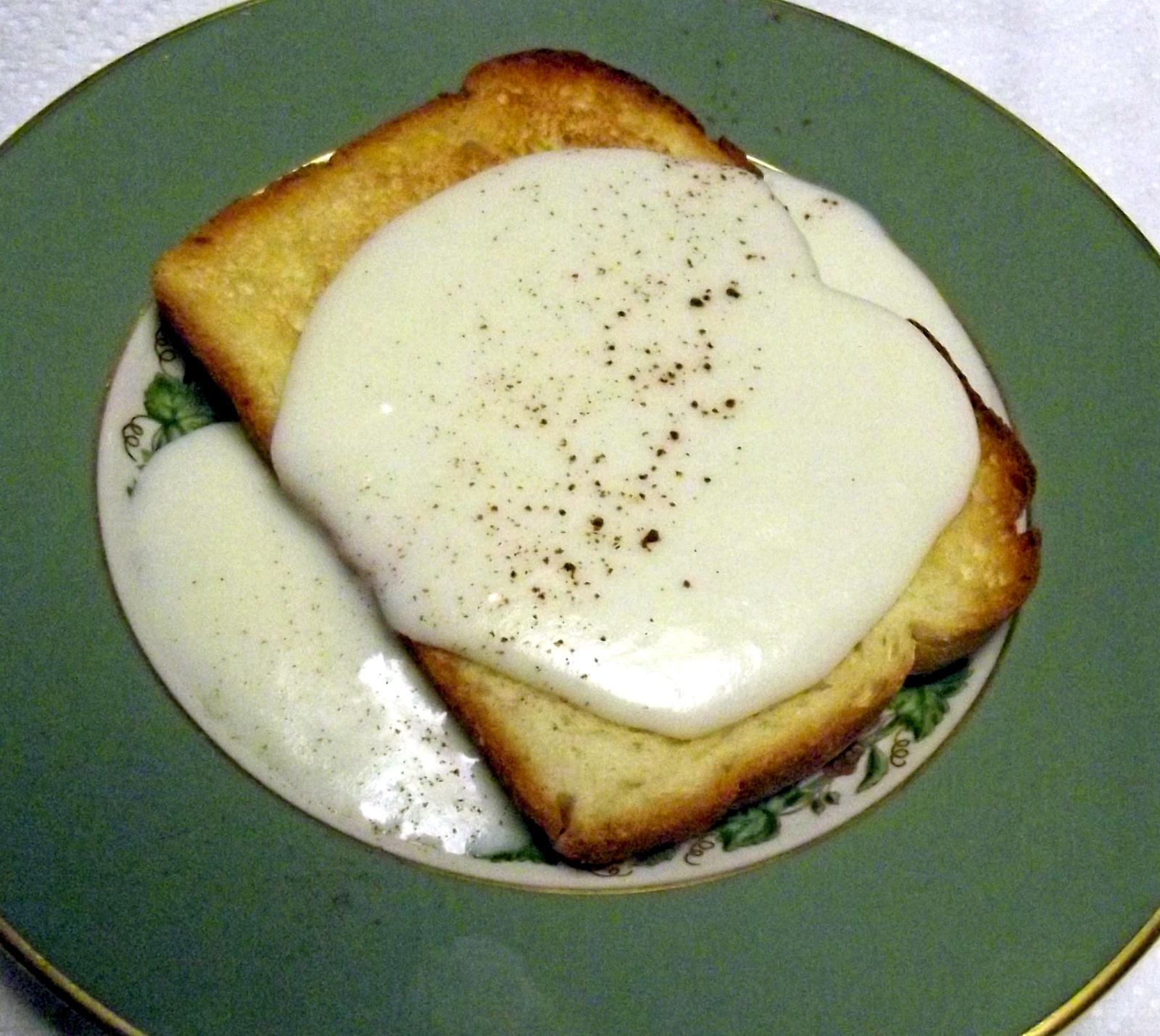
Some items have simply disappeared without much fanfare. Options like Jello salads, liverwurst, and milk toast would look totally out of place on any modern diner menu. Milk toast – warm milk poured over buttered toast – once served as comfort food for upset stomachs and elderly customers. Now it’s virtually unheard of.
Chicken à la King, which is just chicken and mushrooms in a white sauce usually served over toast, enjoyed popularity in the 1950s and 1960s when it appeared on household dining tables and restaurant and diner menus all over the country. These simpler preparations have been replaced by dishes that sound more sophisticated, even if they’re not necessarily more complex to prepare. Taste preferences evolve, and what felt comforting to one generation can seem bland to the next.
Traditional Coffee Giving Way to Craft Beverage Programs
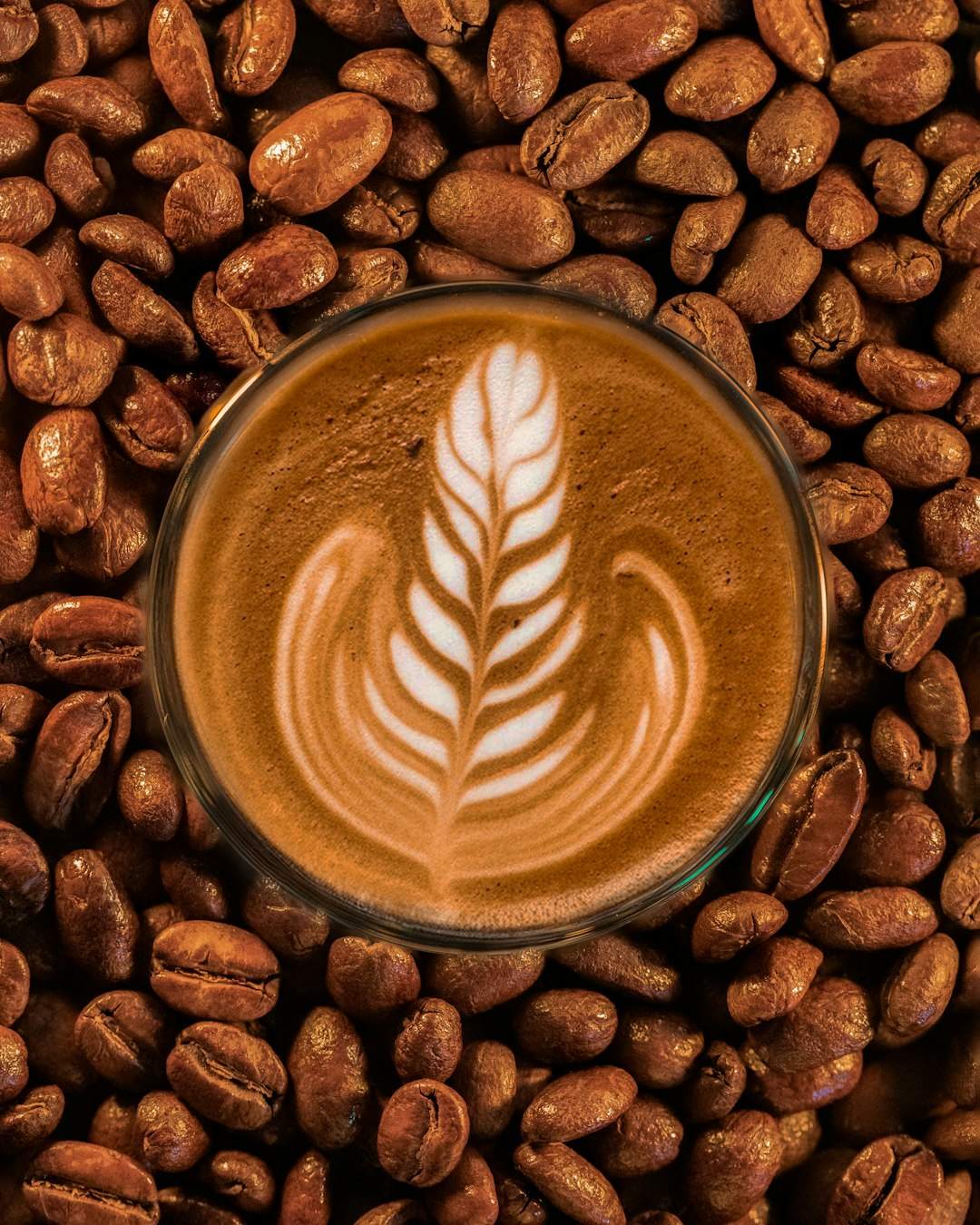
That bottomless cup of diner coffee served in thick ceramic mugs? It’s not the star it used to be. Coffee culture has exploded, with a new emphasis on artisanal brews and meticulously crafted coffee drinks designed to complement breakfast dishes, especially drawing younger consumers. Nitro cold brews, oat milk lattes, and even coffee-infused cocktails are becoming mainstays.
Cold brew and tea are also gaining traction, with tea gaining on traditional coffee in popularity across numerous states, suggesting a shift in beverage preferences that could impact breakfast menus nationwide. The simple drip coffee model can’t compete with specialty roasters and elaborate preparation methods. Specialty coffee roasters partner with restaurants to provide rare and unique beans, elevating the standard cup of joe into a gourmet experience.
These changes reflect broader transformations in American dining culture. Demand for breakfast restaurants and diners has increased, as with revenue reportedly growing to $14.6 billion over recent years. The industry isn’t dying – it’s evolving, sometimes leaving beloved classics behind in the process. What once felt timeless now risks becoming obsolete, replaced by options that better fit contemporary priorities around health, customization, and social media appeal. Did you expect that your favorite childhood breakfast would become a relic so quickly?