6 Canned Foods You Should Always Have on Hand – Plus 4 You Can Skip
Every well-stocked kitchen needs a few reliable pantry staples, but not all canned goods deserve a spot on your shelves. Some are nutritional powerhouses that deliver convenience without compromise. Others? They’re loaded with sodium, added sugar, or questionable ingredients that do more harm than good.
Here’s the thing. Smart shoppers know that choosing the right canned foods can save time, stretch budgets, and still support a healthy lifestyle. So what makes it to the essential list, and what should you leave behind? Let’s dig into the canned goods that truly earn their keep plus the ones you’re better off skipping.
1. Beans: The Protein-Packed Workhorse
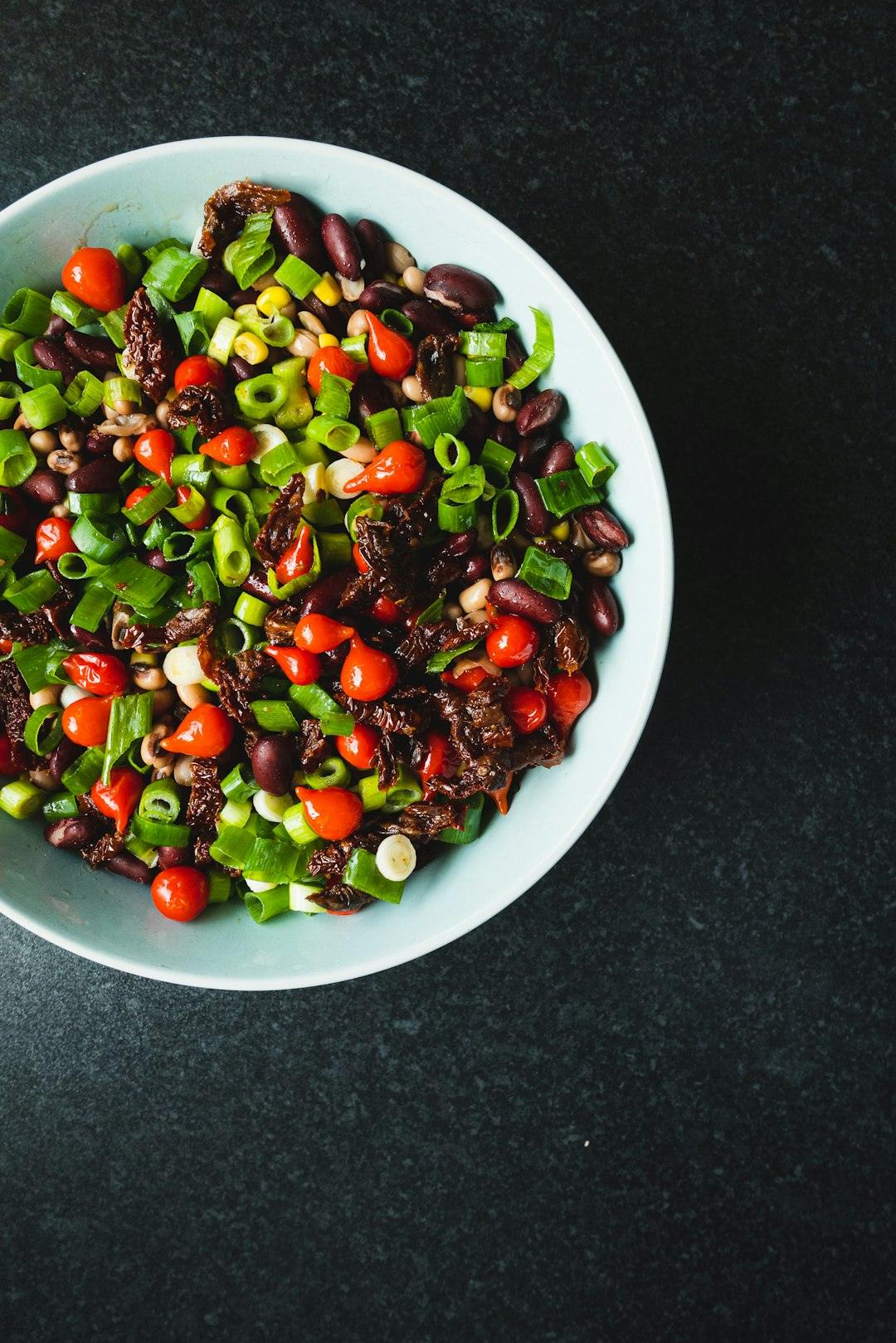
Beans – including black, cranberry, Great Northern, dark red kidney, light red kidney, white kidney, navy, pink, pinto, and small red – are good sources of protein, excellent sources of fiber, and naturally fat-free, sodium-free, and cholesterol-free. Think about it. You get plant-based protein, filling fiber, and essential nutrients in one simple can. Research demonstrates that eating beans (including canned and/or dry packaged kidney beans, black beans, and/or pinto beans) and chickpeas is associated with greater intake of shortfall nutrients and significantly higher diet quality scores, as well as improved weight-related outcomes including lower body mass index, body weight, and improved waist circumference.
Draining canned beans reduced sodium content by 36%, while draining and rinsing resulted in an average reduction of 41%. So even if you grab a regular can instead of the no-salt-added version, a quick rinse goes a long way. Honestly, beans are one of the easiest ways to bulk up soups, salads, tacos, or grain bowls without spending hours in the kitchen.
2. Canned Tomatoes: Your Sauce Secret Weapon
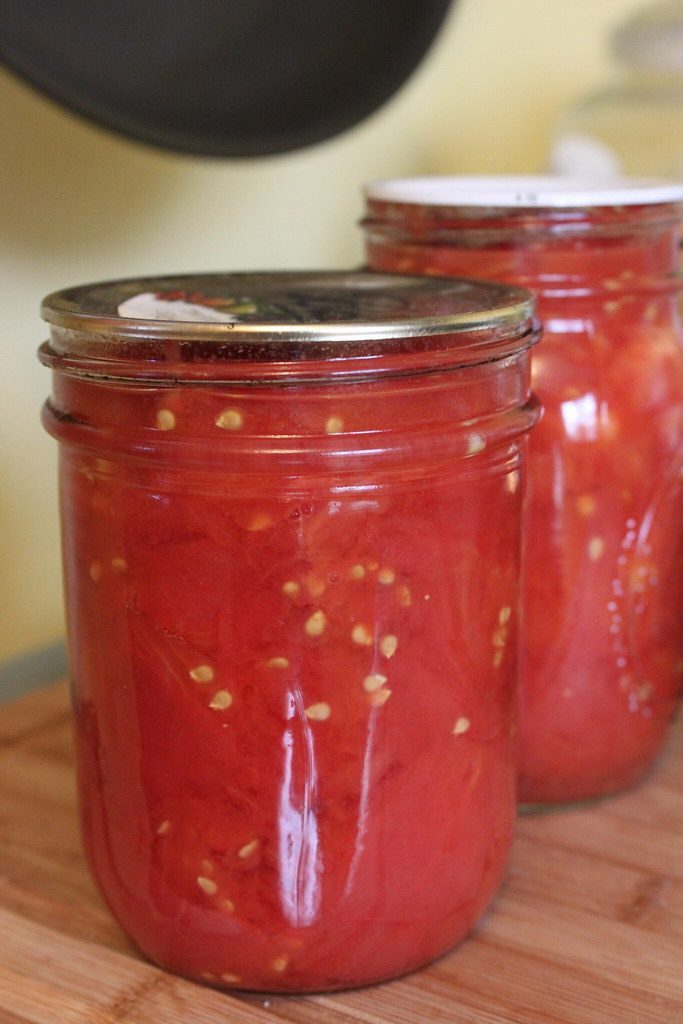
Canned tomatoes give a vibrant flavor and essential nutrients like lycopene, an antioxidant powerhouse. What surprises many people is that canned tomatoes can actually be more nutritious than fresh ones in certain ways. The heating process that may harm some vitamins can actually increase the antioxidant content, with canning increasing the amount of lycopene in tomatoes. Lycopene contents of fresh, sun-dried and canned tomatoes were found to be 1.74, 5.51 and 3.55 mg per hundred grams, respectively.
Let’s be real. Who has time to blanch and peel fresh tomatoes every time you need pasta sauce? The USA Canned Tomato Industry stopped using BPA years ago, which addresses one of the biggest concerns people had about canned tomatoes. Whether you go for diced, crushed, whole, or sauce, these ruby-red staples deliver every time.
3. Salmon and Sardines: Omega-3 Champions
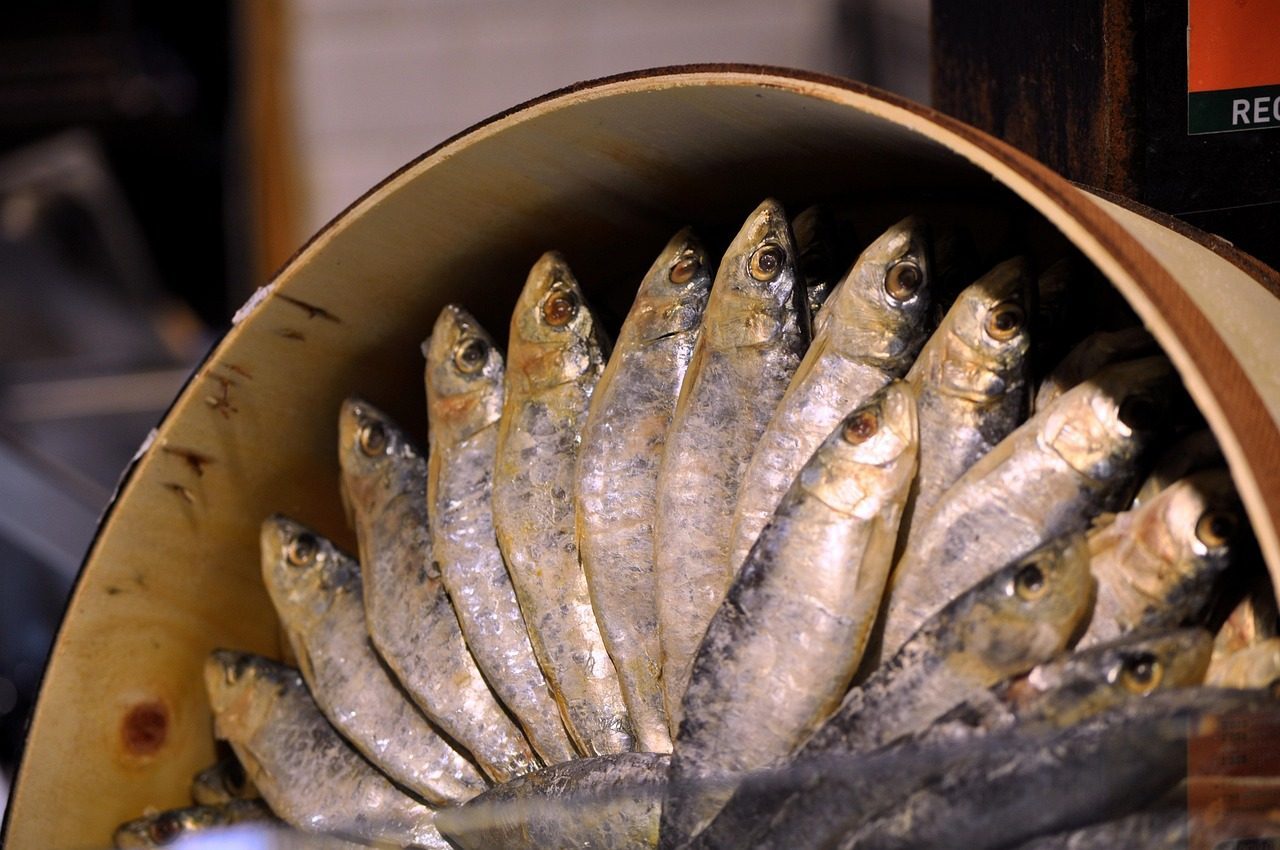
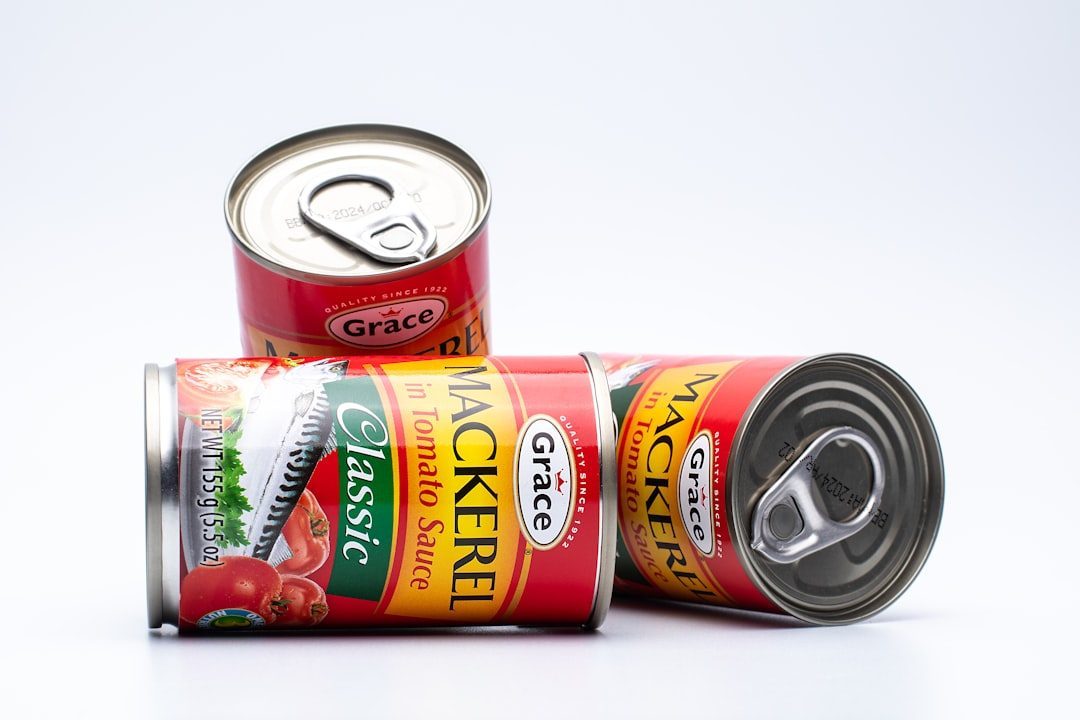
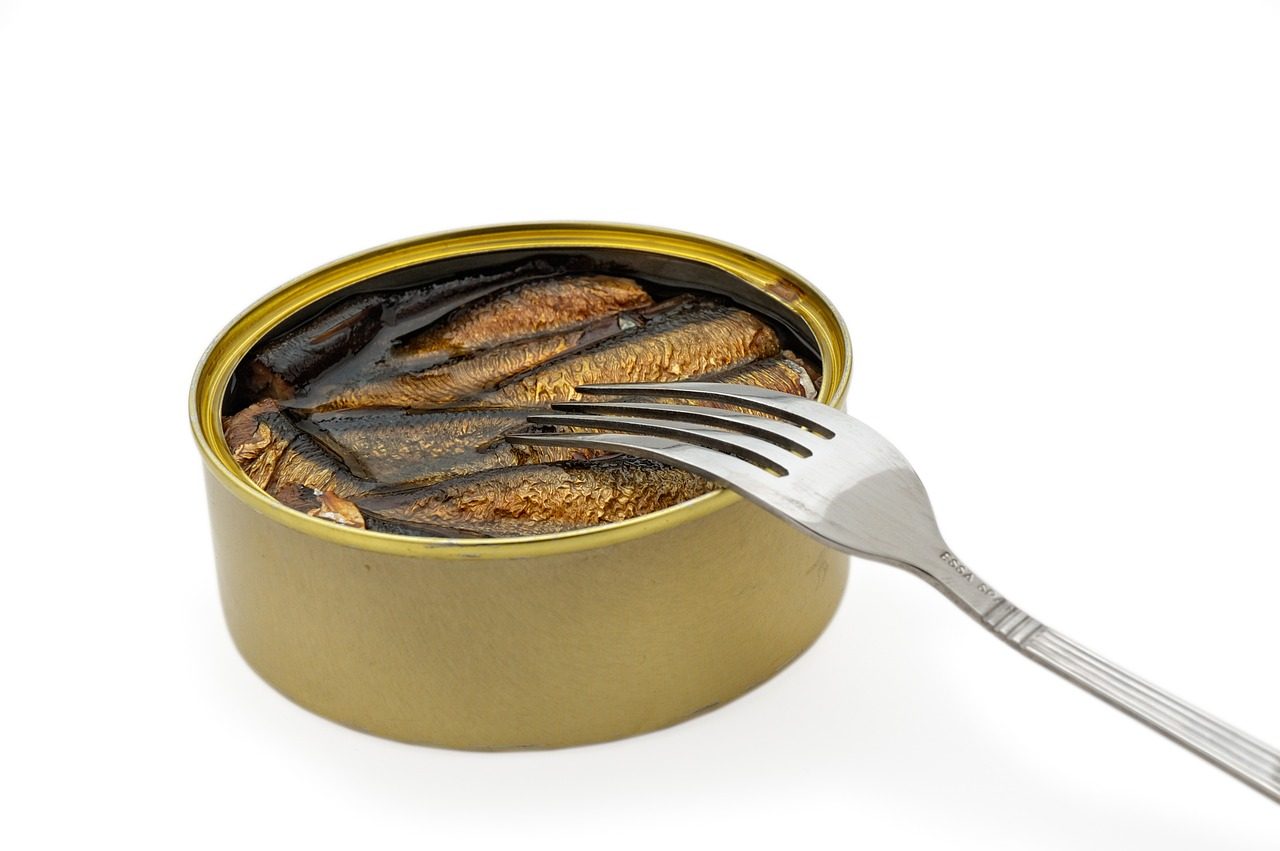
Canned fish gets overlooked, but it shouldn’t be. Some varieties of canned fish are a great source of calcium because the canning process softens the bones, making them edible, and fish canned with oil can ensure a greater amount of omega-3 is preserved in the fish. Canned salmon and sardines deliver healthy fats, high-quality protein, and convenience in one small package. These fish are also lower on the food chain, which means they accumulate less mercury than larger species.
Think of them as your budget-friendly alternative to fresh seafood. You can toss them into salads, mix them with avocado for a quick spread, or even eat them straight from the can if you’re in a pinch. The versatility alone makes them worth keeping around. Plus, Canned salmon (mostly sockeye or pink from Alaska) is low in contaminants and high in heart-healthy omega-3s, and is sustainably caught in Alaska, making it an all-around smart pick.
4. Canned Corn: Sunshine in a Can
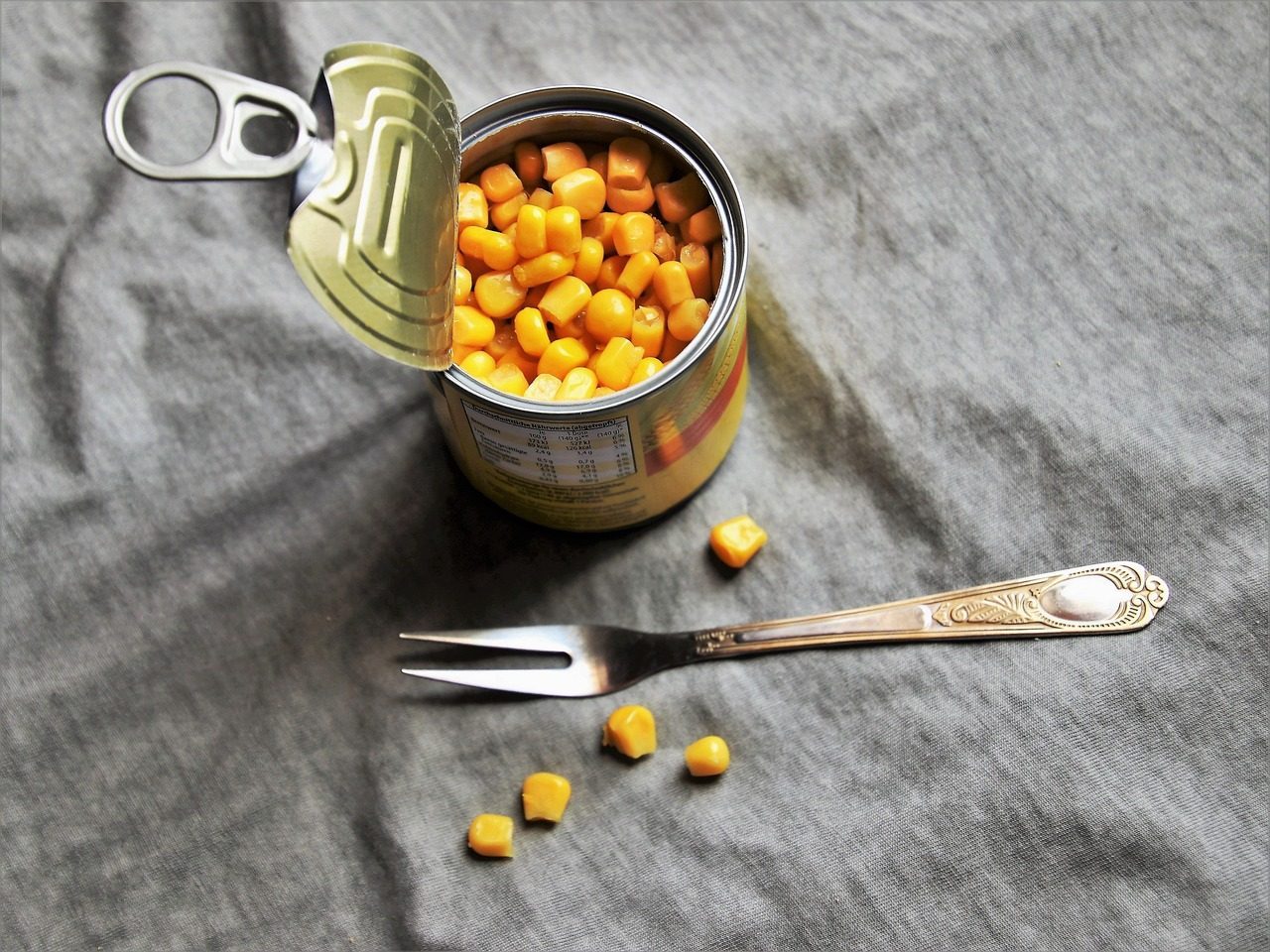
Canned corn adds a touch of sunshine and sweetness to any dish, and while it’s a familiar addition to salads and potato salad, canned corn’s potential goes far beyond those summer staples. It works in frittatas, chowders, grain bowls, and even as a quick side dish when you’re short on time. The mild flavor and bright color make it kid-friendly, which doesn’t hurt either.
From a nutritional standpoint, corn provides fiber, potassium, and a decent calorie count for a vegetable. Corn is a must in every emergency pantry as this vegetable is great in many meals or by itself and is always worth stocking long-term. Just drain and rinse before using to cut down on sodium, and you’re good to go.
5. Coconut Milk: The Dairy-Free Game Changer
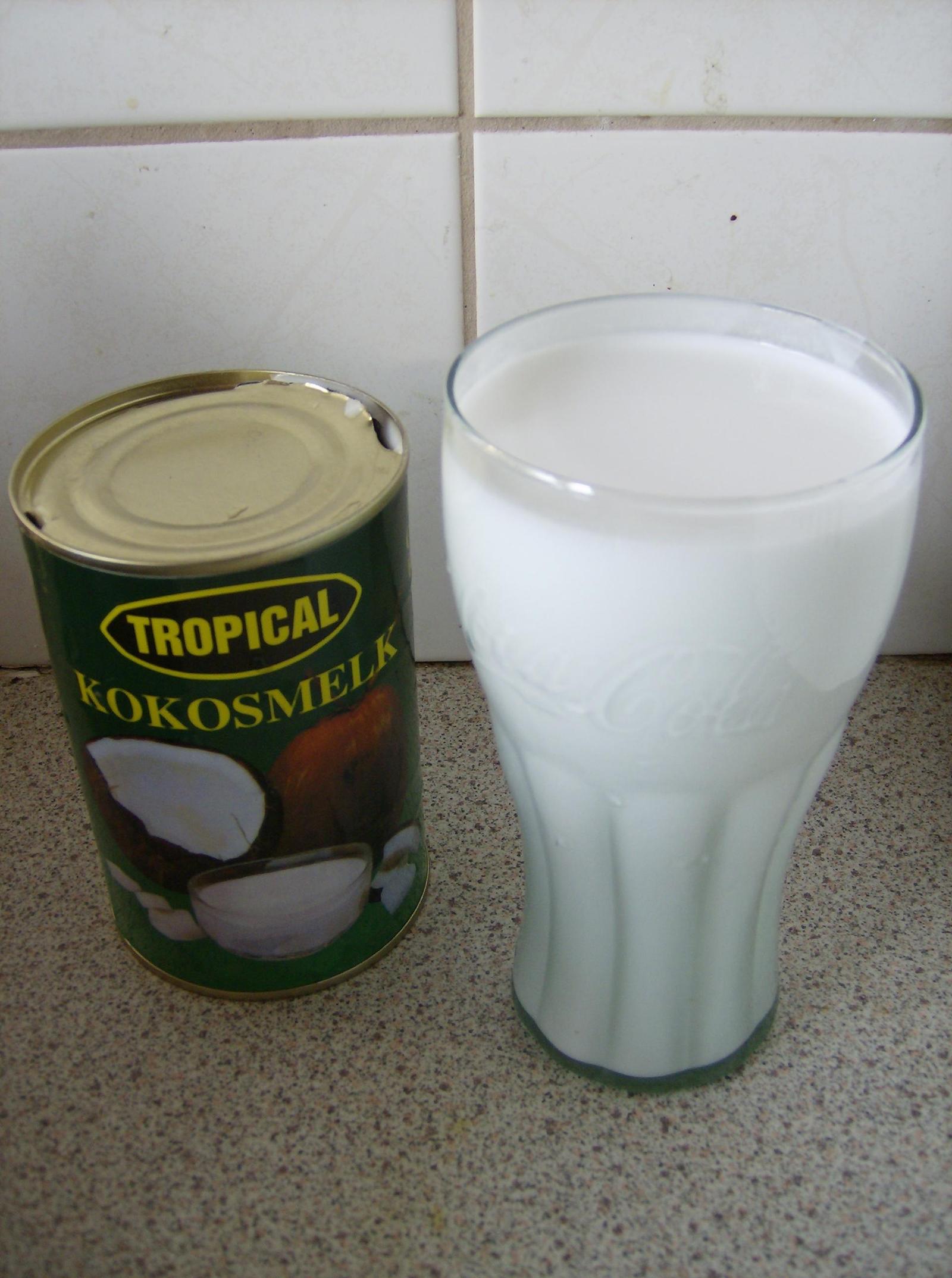
Creamy coconut milk opens doors to Thai curries, Indian dishes, and tropical desserts that taste like vacation in a bowl, with full-fat versions creating the richest, most authentic flavors. It’s also a lifesaver if you’re avoiding dairy or just want to add richness to soups, smoothies, or even coffee. Canned coconut milk has a long shelf life, making it perfect for an emergency pantry as it can last for months or even years, making it a reliable source of non-perishable dairy alternatives.
You might not reach for it daily, but when you need it, nothing else quite compares. It brings depth and creaminess without the need for heavy cream or butter. I know it sounds crazy, but one can of coconut milk can transform a simple vegetable stew into something that feels restaurant-quality.
6. Chickpeas: The Protein Multitasker
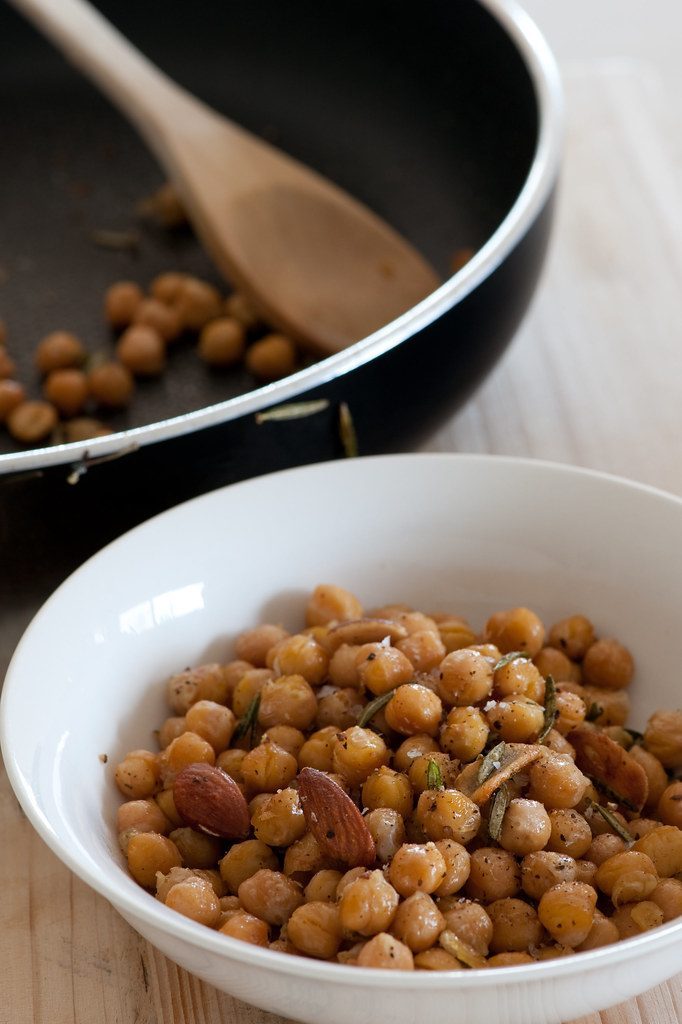
Versatile chickpeas transform into hummus, add protein to salads, or become crispy roasted snacks with just a few seasonings. They’re one of the most flexible legumes out there. You can blend them into a creamy dip, toss them into grain bowls, or roast them with spices for a crunchy snack. Research demonstrates that eating chickpeas is associated with greater intake of shortfall nutrients and significantly higher diet quality scores in both younger and older adults, with results showing significant increases in several shortfall nutrients including dietary fiber, potassium, magnesium, iron, folate, and choline.
Like other beans, chickpeas deliver plant-based protein and fiber without breaking the bank. They’re filling, nutritious, and endlessly adaptable to whatever cuisine you’re craving. Whether you’re making falafel, curry, or just need to bulk up a salad, chickpeas have your back.
Skip This: Canned Pasta and Spaghetti
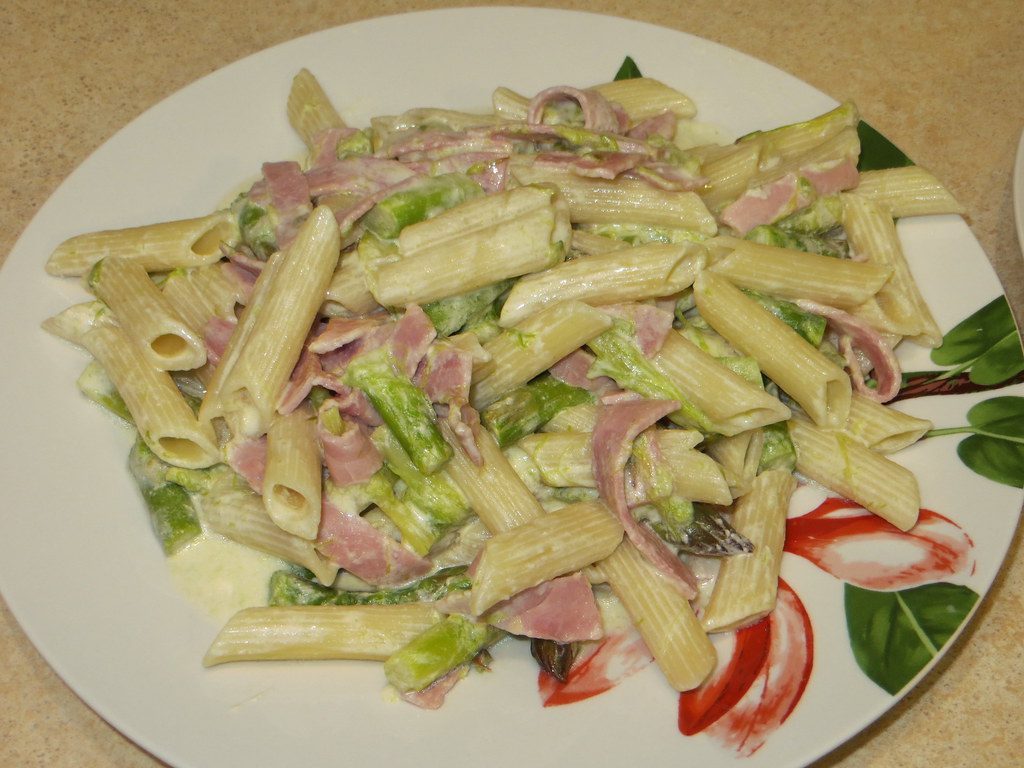
Pre-cooked pasta in sauce is one of the unhealthiest canned foods, as the reason they have that addictive flavour is due to high levels of sugar and salt. For example, a can of Heinz Alphaghetti contains 1,490 mg of sodium and 18 g of sugar, which is 65 per cent and 18 per cent of your recommended daily intake, respectively. That’s a lot for what’s essentially a single serving.
Honestly, making your own pasta with jarred sauce or even canned tomatoes takes barely more time and gives you way more control over ingredients. These products are often marketed toward kids, but they set up terrible eating habits. Products like SpaghettiOs list over 40 ingredients and additives, and contain processed ingredients such as high fructose corn syrup, refined flour, and enzyme-modified cheddar cheese. Skip the can and boil some noodles instead.
Skip This: Canned Soups High in Sodium
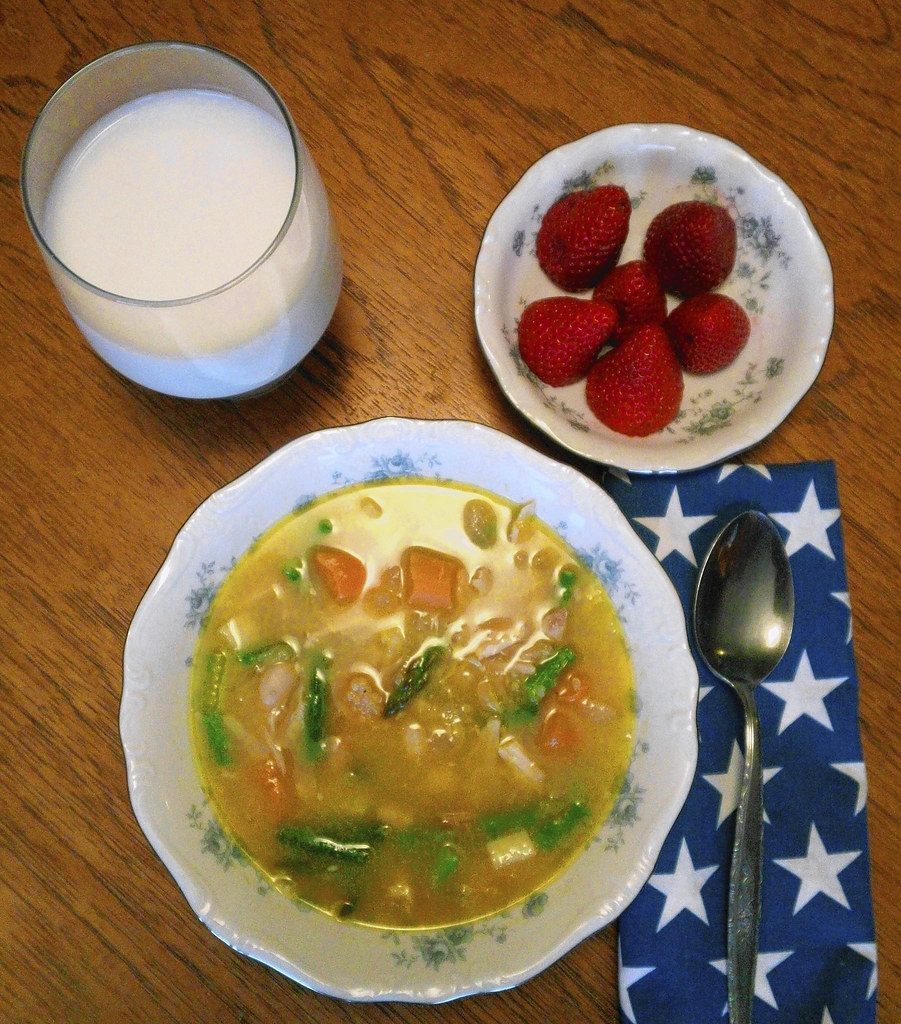
Many canned soups contain way too much salt, with a study by the Canadian Institutes of Health Research finding that condensed and ready-to-serve soups have some of the highest sodium levels in the Canadian packaged food industry, and soup is one of the biggest contributors of sodium to Canadian diets, along with canned and pickled vegetables. Sure, soup in a can is convenient. I get it. There are days when heating up a can of soup sounds perfect. The problem is most brands load them with sodium to boost flavor and shelf life.
If you do buy canned soup, look for lower-sodium versions or brands that list whole ingredients you recognize. Canned soups can be a convenient and accessible way to eat nutritionally balanced meals, with most soup companies making lower-sodium options. Better yet, make a big batch of homemade soup on the weekend and freeze individual portions. You’ll get all the convenience without the sodium overload.
Skip This: Canned Fruit in Heavy Syrup
Canned fruit packaged in syrup should be skipped due to its high sugar content, with canned fruit in light syrup having around 21 per cent of your daily recommended sugar intake, and anything higher than 15 per cent considered a lot when it comes to sugar. The fruit itself isn’t the problem. It’s all that added sugar sitting in the can with it. The canning process can impact nutrients otherwise present in fresh fruit, with the amount of water-soluble vitamin C and most vitamin B in fruits reduced when canned.
Look for fruit canned in water or natural juice instead. You’ll still get the convenience and longer shelf life without drowning your snack in syrup. When purchasing canned fruit, pick varieties that are canned in water, 100% juice or in its own juices, as many varieties of fruit come packed in light or heavy syrup, which translates to added sugars. Fresh or frozen fruit is often a better bet when it’s available and affordable.
Skip This: Canned Meats Like Spam and Corned Beef
Canned meats such as spam, corned beef and meatballs are highly processed and contain a lot of saturated fat and salt. Meals in a tin like pasta, soups or pies are usually ultra-processed foods with many ingredients not usually used in home cooking, and are often high in sugar, salt and saturated fat, with eating too many ultra-processed foods linked to a higher risk of heart and circulatory diseases. These products might have nostalgia value or seem convenient, but nutritionally they’re not doing you any favors.
Canned chicken or tuna offers protein without quite so much processing and added junk. If you want shelf-stable meat, those are better choices. It’s hard to say for sure, but most nutrition experts agree that relying on highly processed canned meats regularly isn’t the best strategy for long-term health.
Stocking your pantry with the right canned foods means you’re never more than a few minutes away from a decent meal. Beans, tomatoes, sustainable fish, corn, coconut milk, and chickpeas all deliver nutrition, versatility, and convenience. Skip the sodium bombs, sugar-soaked fruit, overly processed pastas, and questionable mystery meats, and you’ll set yourself up for healthier eating without sacrificing ease. What’s your go-to canned staple? Have you ditched any favorites after checking the label?