Restaurant Servers Spot These 10 Traits as Soon as You Take Your Seat
Restaurant servers are sizing you up from the second you walk through the door, figuring out what kind of dining guest you’ll be. Servers can read people’s behaviors instantly, telling if you’re in a bad mood or in a rush just by understanding body language and quickly developing rapport. Here’s what they notice right away about you.
Your Body Language Tells the Whole Story

Crossed arms signal you’re not happy, and servers try to be upbeat to change those feelings. Your posture and facial expressions tell servers volumes about your mood and expectations, with crossed arms and minimal eye contact often signaling an already frustrated diner. Think about it. Before you’ve even said a word, your body’s already communicating. Fidgeting means impatience, and servers make sure to get you what you need before you even know it.
How You Treat Your Dining Companions
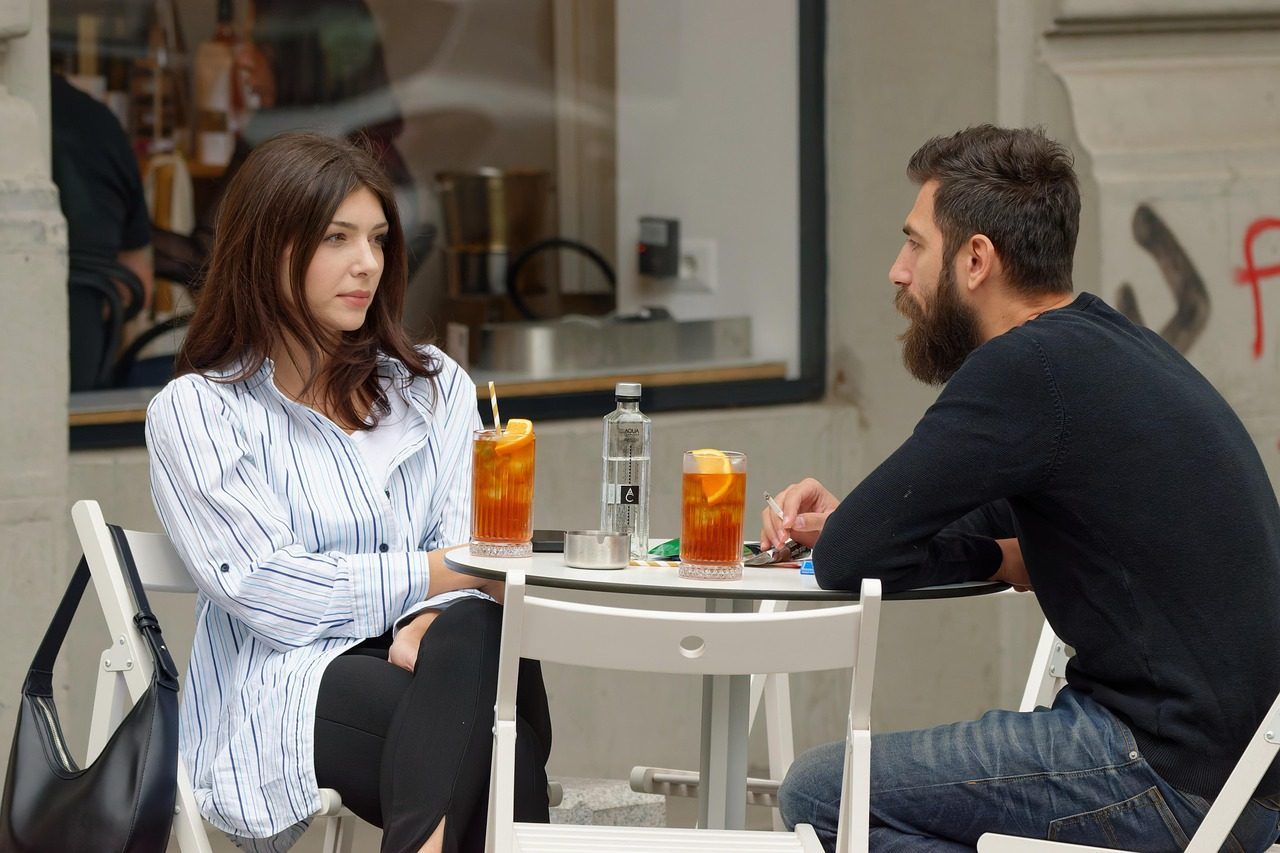
How you treat others at your table is very telling, because if someone is dismissive of their spouse, date or kids, servers don’t have much hope they’ll be treated better. It’s honestly one of the most revealing behaviors. Servers watch how families manage their children, how business groups organize seating and how couples interact, and when guests show dismissive behavior toward companions, servers note this as a potential indicator of how they might treat staff, while groups that cooperate and show consideration typically extend the same courtesy to their server.
Whether You Make Eye Contact
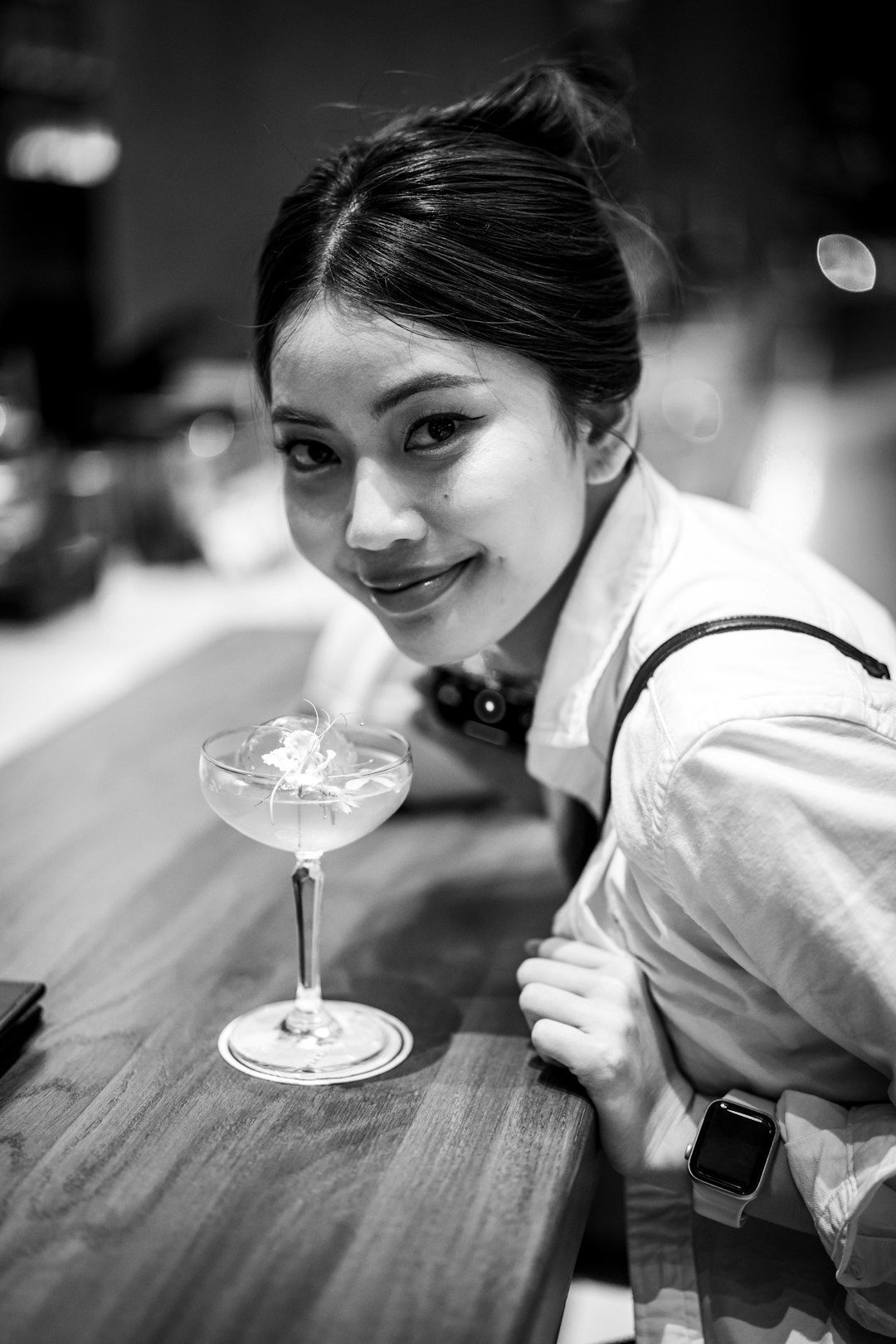
Servers notice if guests make eye contact or continue conversations without pausing, as these behaviors help them gauge how much interaction each table prefers throughout their meal. Simple eye contact can change everything. The first exchange between server and guest sets the tone for the entire meal, so servers pay close attention to how guests respond when they introduce themselves, noticing whether a guest who immediately starts ordering without acknowledging the greeting requires different handling than one who engages in friendly conversation, and servers notice if guests make eye contact or continue conversations without pausing.
Your Sense of Urgency
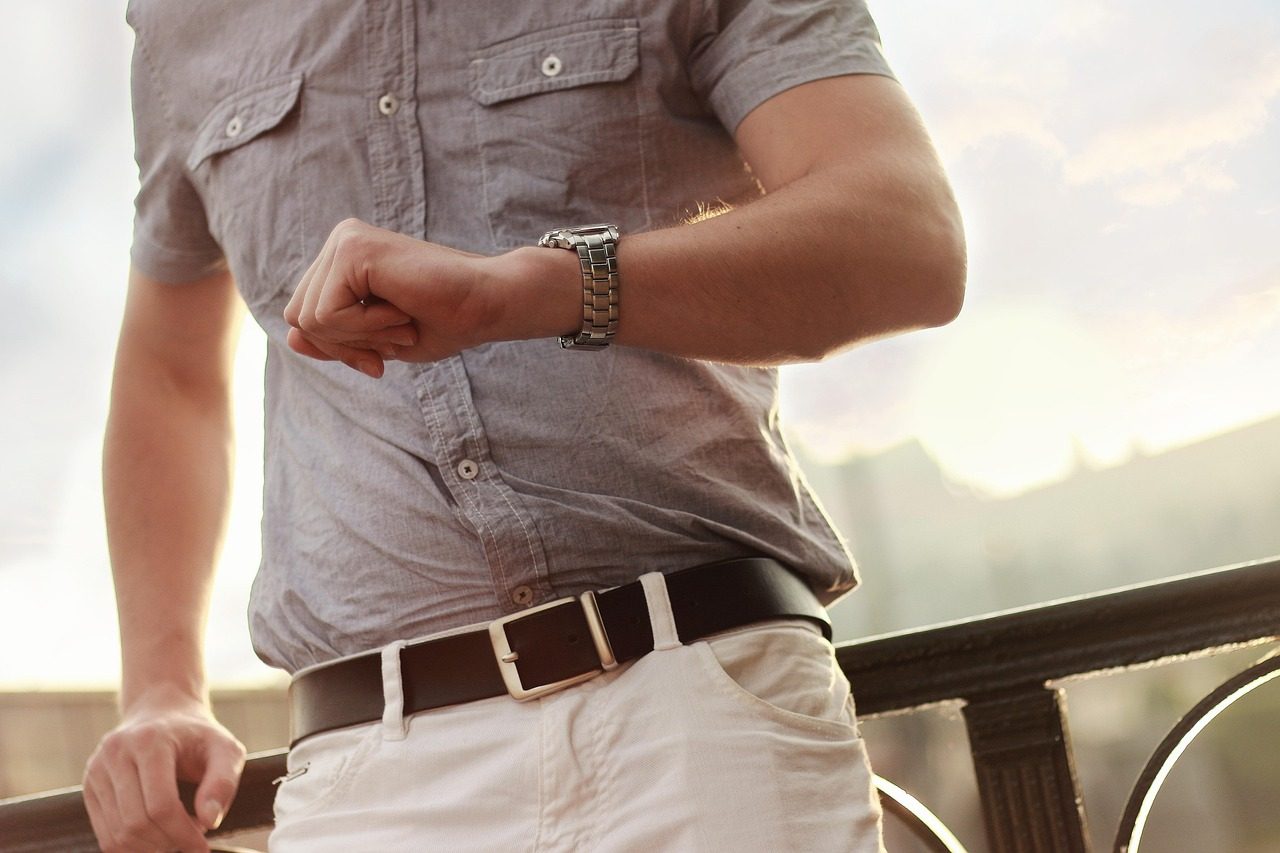
Constantly looking at their watch signals guests are in a hurry. If you’re dressed up and eating early, you most likely have another event planned after dinner and require faster wait service. Servers can tell within seconds if you’re on a tight schedule. During peak dining hours, servers notice guests often underestimate the time needed for their meals, and those who arrive at seven fifteen for an eight o’clock schedule frequently expect their food to take precedence over other orders. Let’s be real, that creates pressure on everyone.
The Type of Occasion You’re Celebrating
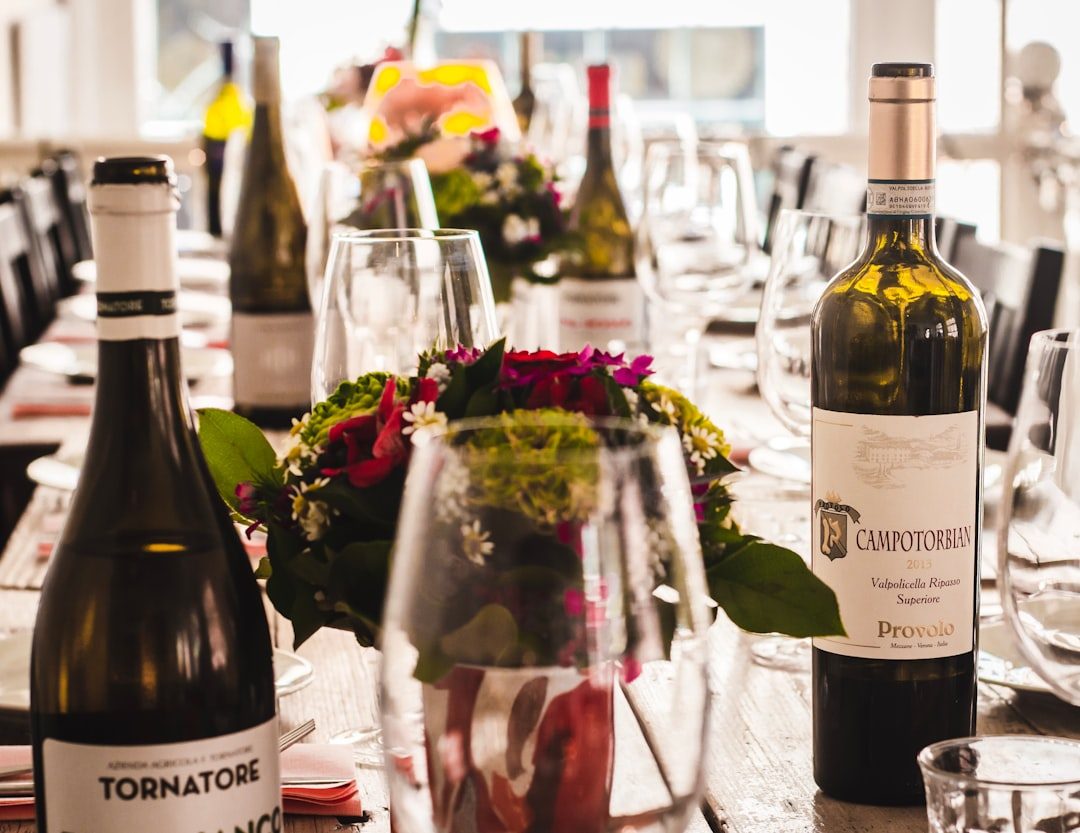
Servers quickly figure out why you’re there. By talking to guests, servers fish out whether it’s friends or a date to find out why they’re there, and if there are kids at the table, they try to determine how well-behaved they are because this helps gauge how much attention each table will need, how to space out orders, how much time cleanup will take, and what the overall bill may look like. A couple seems very in love and this is a good time for the upsell to offer a decadent dessert.
Your Menu Reading Patterns
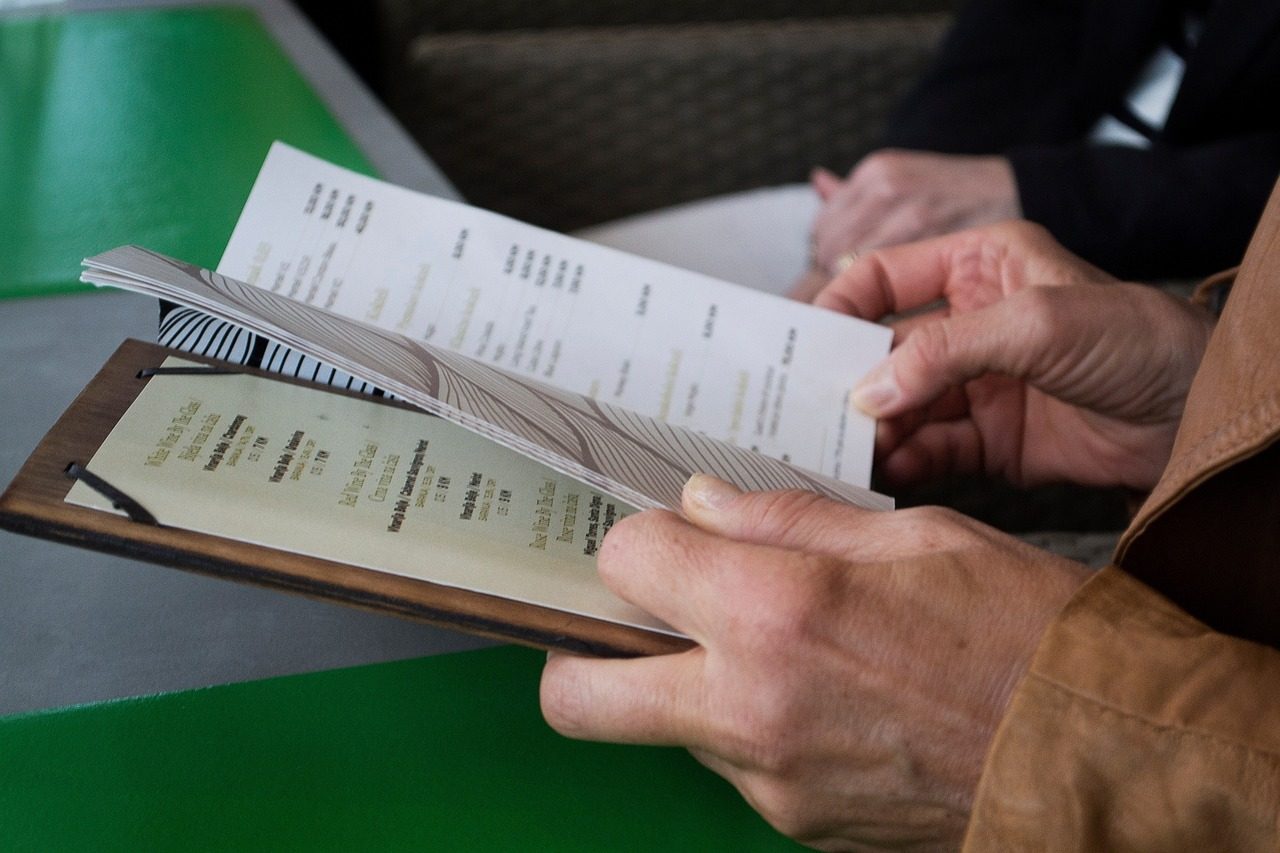
Menu reading patterns show fascinating things about dining guests, as regular guests read menus quite differently from first-timers, and some guests ask servers to explain every dish in detail, taking up precious time during busy hours. Servers specifically watch how guests interact with menus, noting those who quickly scan options might be in a hurry while others who carefully review each item usually prefer a more leisurely pace. I know it sounds crazy, but servers are actually analyzing how you flip through pages.
Your Politeness From the Start
Servers notice that guests who use their names and say please and thank you consistently give more genuine compliments, and regular customers build reputations through their communication styles. The host is the first team member guests encounter when entering a restaurant and is largely responsible for creating their first impression, as studies indicate that roughly two fifths of a person’s first impression is established by tone of voice and the vast majority of a person’s overall judgment is determined by non-verbal communication. That first interaction really matters.
If You’re a Regular or First-Timer
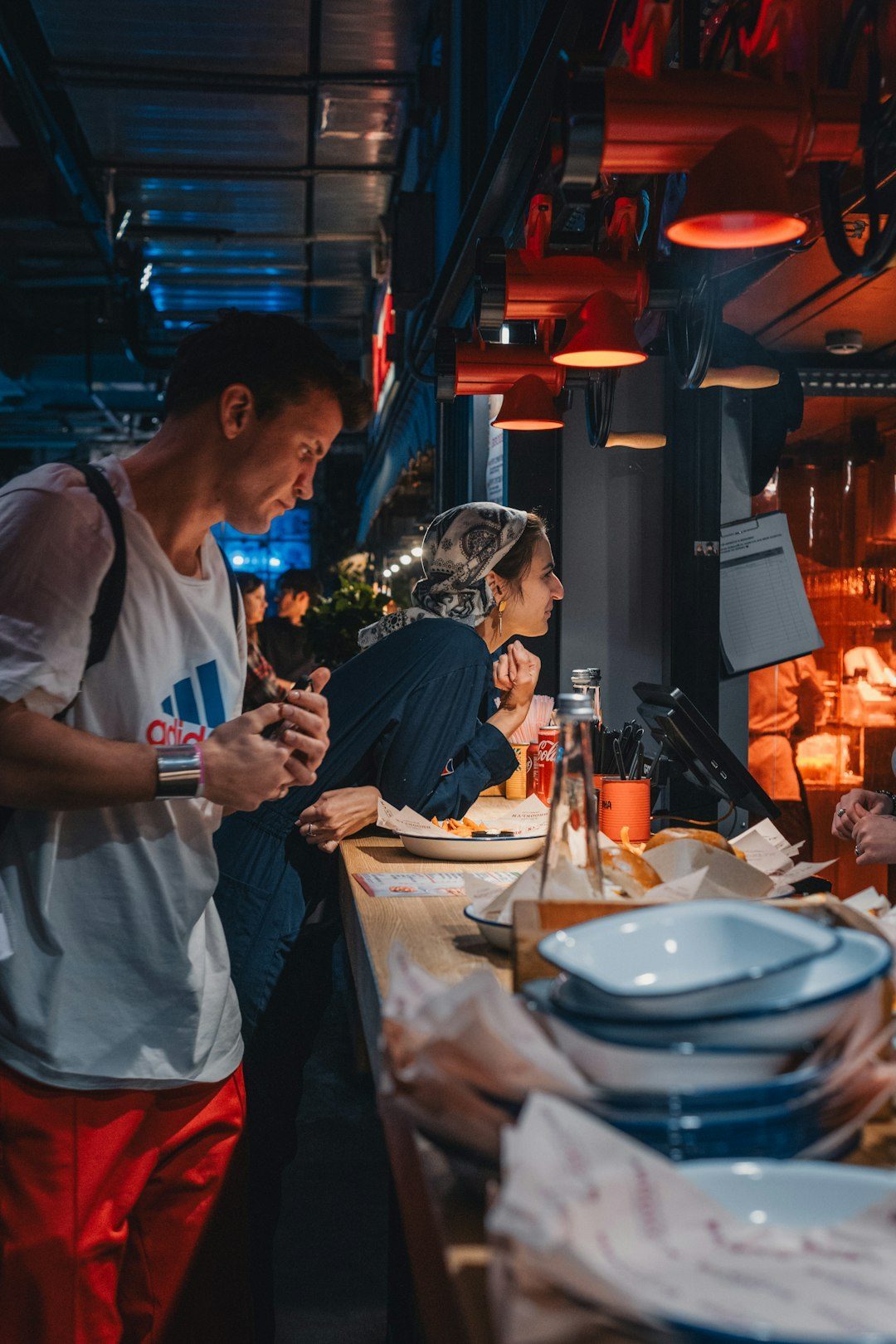
Regular diners typically show more awareness of rush hour dynamics, arriving early, placing orders promptly and understanding the natural flow of service during busy periods. Servers can instantly spot the difference. Regular customers build reputations through their communication styles, with some seeming gruff yet leaving generous tips and kind words, showing servers that external behavior doesn’t always match internal appreciation, and these experiences teach staff not to judge guests on first impressions.
Your Phone Behavior
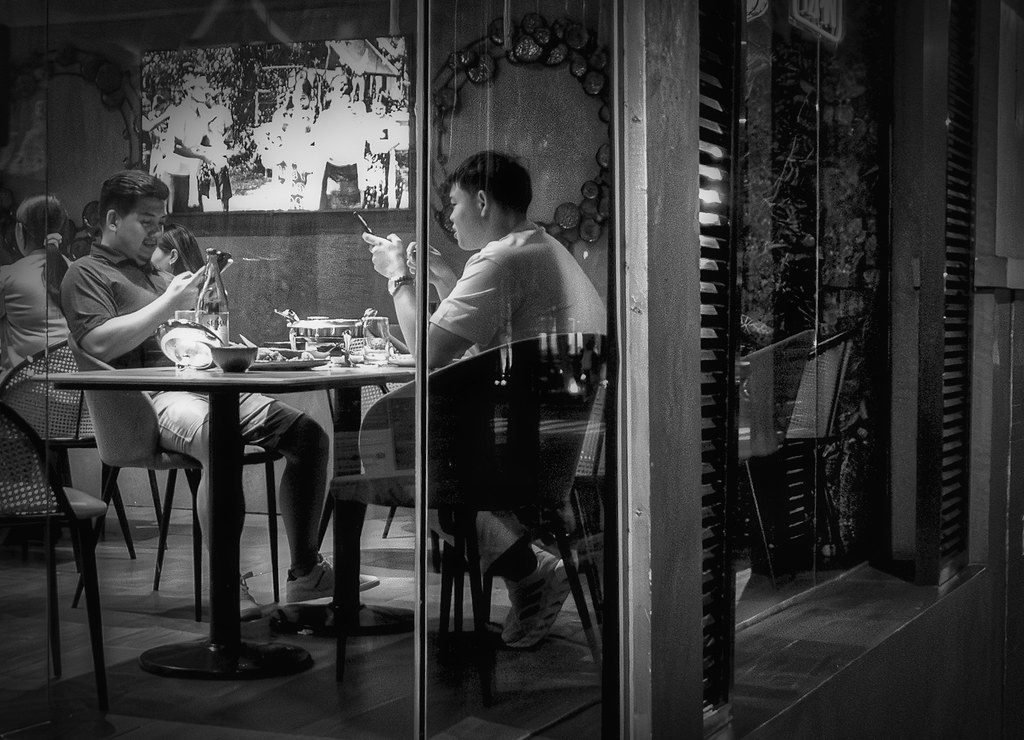
If a diner is working on a laptop at the table, the waiter probably won’t offer a long explanation of the cocktail menu or appetizers that are typically shared. Servers adjust their approach based on your digital distractions. When you’re glued to your screen during the entire greeting, they know you’re not fully present. Listen to your customers’ body language, as it offers a wealth of information, and fidgeting means they’re impatient so servers make sure to get them what they need before they even know it.
Your Tipping Potential
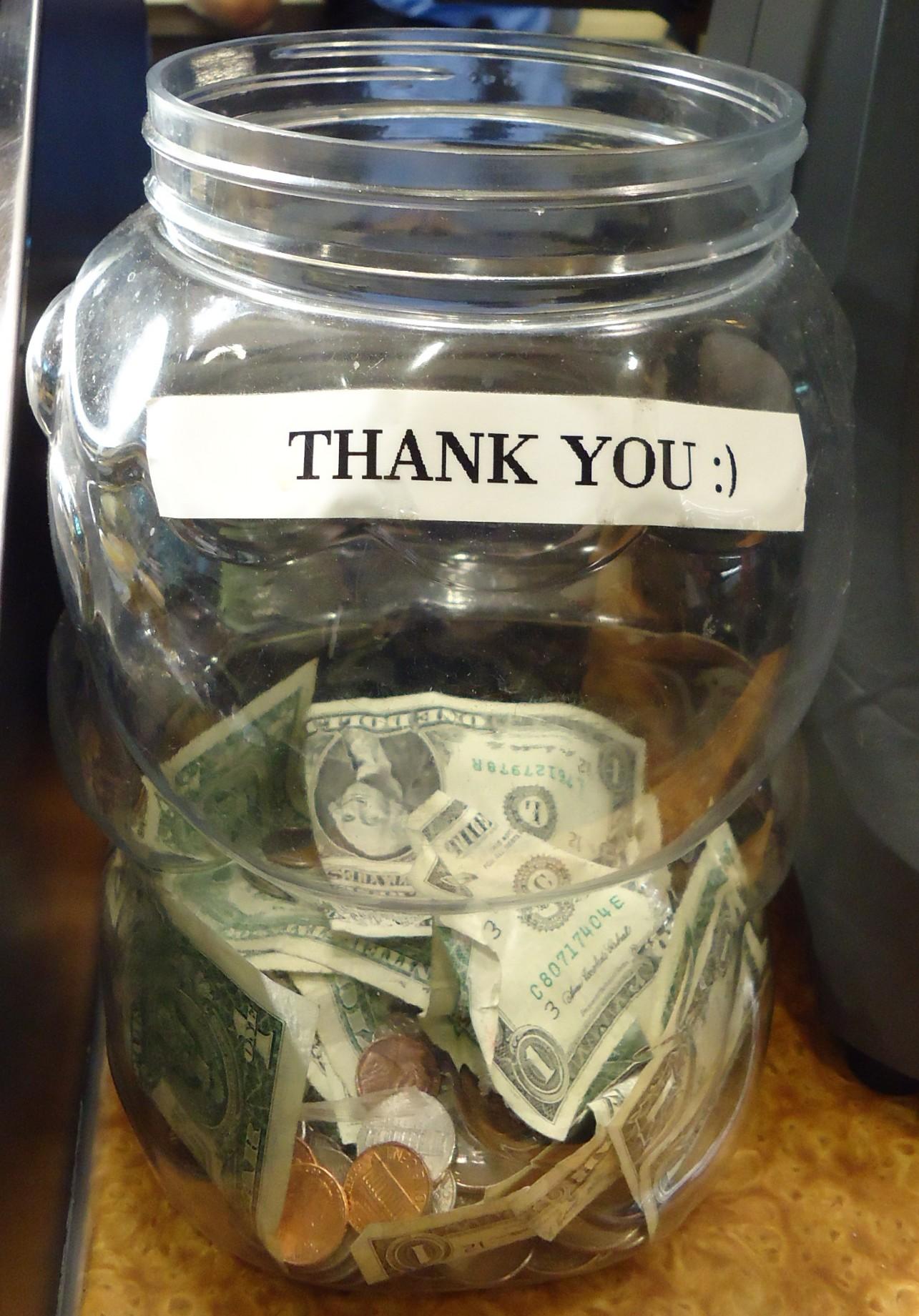
Here’s the thing servers won’t always admit. Chatty patrons are probably ready to party and will be offered more drinks and dessert. Full-service restaurant tips averaged roughly nineteen percent in early two thousand twenty four, essentially flat from the previous quarter. Servers are reading signals that might predict generosity. If you act moody at a restaurant you might end up getting better service because waiters say they are more careful and pay attention to detail when they serve a table that has patrons already in a bad mood.
Servers develop these observational skills through years of experience reading tables. These professionals observe cues from initial body language to payment habits, adjusting their service accordingly, and by mastering the art of reading guests, servers can anticipate needs and manage diverse situations effectively. Next time you dine out, remember that servers are professionals trained to pick up on subtle cues you might not even realize you’re giving off. What you think is private behavior is actually painting a vivid picture for your server about exactly how your meal will unfold.