Former KFC Employees Share What Really Happens to Leftover Chicken
The major global restaurant chain operates under strict policies designed to protect consumers from food safety risks. Yet beneath the corporate facade, former employees reveal troubling practices that contradict official protocols. These revelations expose a gap between what KFC promises and what actually happens in some franchise locations across the globe.
Hold Time Violations: The Ticking Clock Nobody Watches
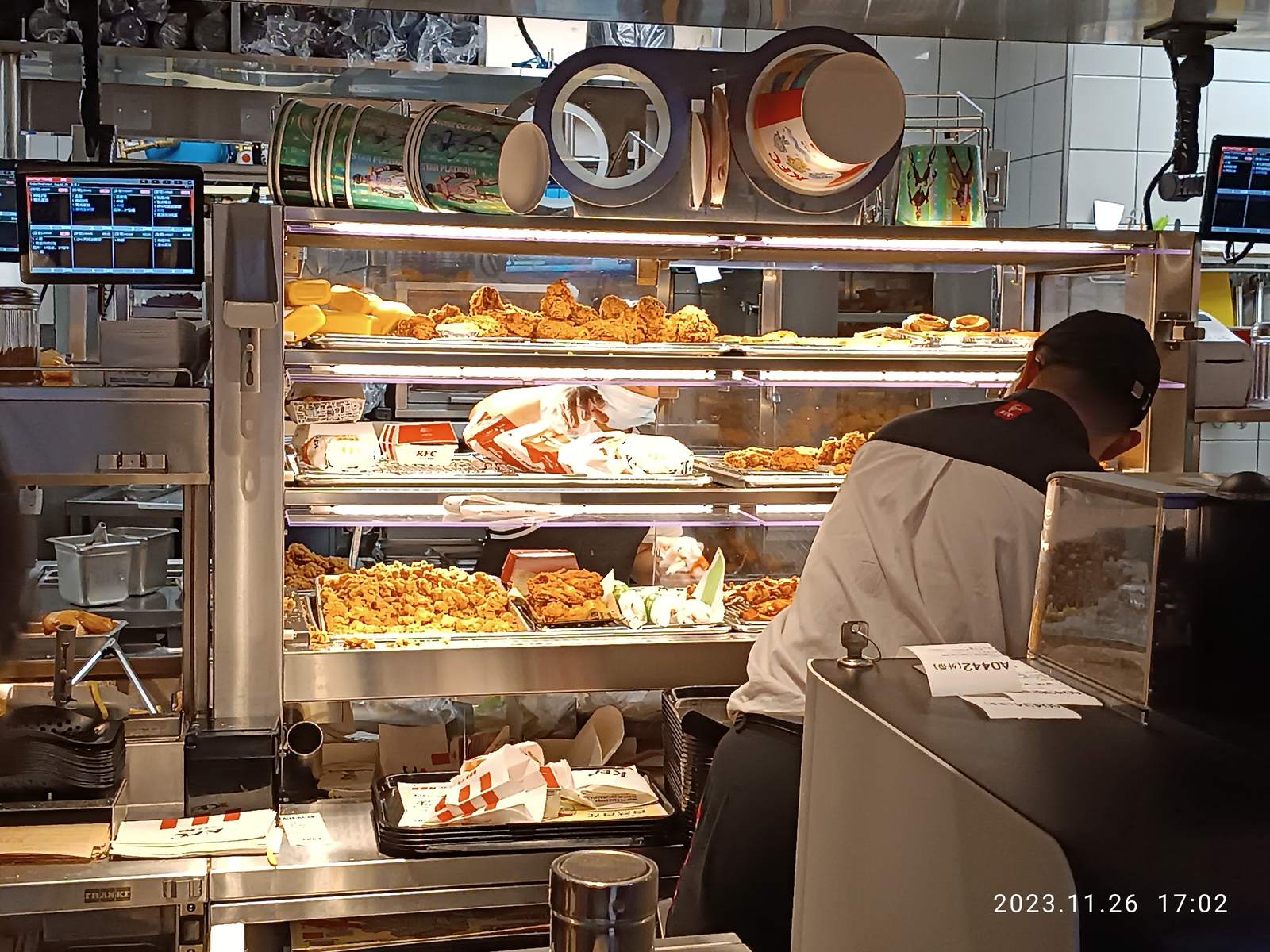
Once chicken is cooked, it’s placed in a heated holding cabinet with a timer typically ranging from 60 to 90 minutes depending on the product. Once that timer expires, the chicken is no longer considered at peak quality for serving. At the end of the night, all remaining cooked chicken in the holding cabinets must be thrown away, and it is never saved to be reheated or repurposed the next day. However, former staff reveal these rules aren’t always followed strictly.
The disturbing footage shows workers systematically preparing to reuse food that should have been discarded according to company policy. If your chicken is lukewarm, it could be a sign it has been sitting past its hold time.
The Danish Scandal That Shocked Europe
Each of the 11 Danish branches of American fast food chain KFC are to close on a temporary basis after broadcaster DR exposed bad food hygiene practices at the restaurants. Former employees described how expiry dates on chicken used in the restaurants were extended. DR spoke to some former employees who said they forged expiration date stickers for chicken and made new stickers for chicken that has not been used before the expiration date.
The Danish Veterinary and Food Administration’s inspection unit visited each of the 11 KFC restaurants across the country in early June, with every restaurant given either a “neutral” or an “unhappy” smiley rating on the agency’s scale for hygiene standards. None of the KFCs in Denmark received the top rating, which is a “happy” smiley.
Moldy Revelations From Behind the Counter
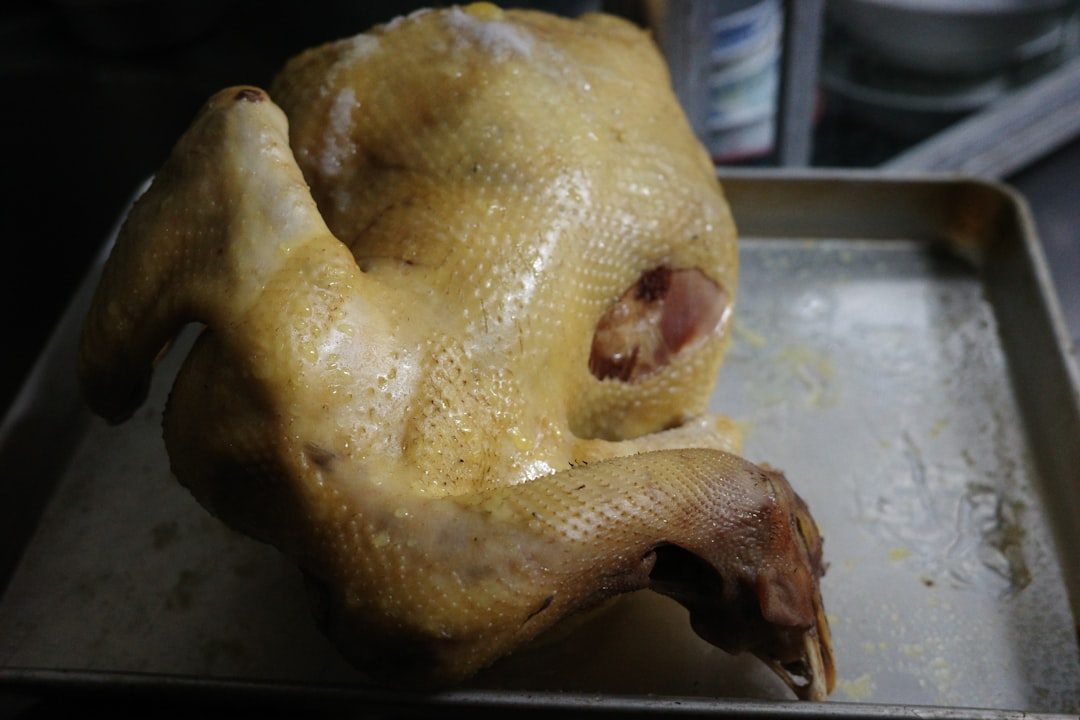
KFC employees claimed that their location resold chicken covered in mildew and mold. An inspection report from KFC Odense noted signs of mould-like growth, dust accumulation and cobwebs, with the fridge used for storing chicken being unclean, with marinade or food residues on surfaces and trays. Consuming food contaminated with mold and bacteria can cause severe health complications, particularly for vulnerable populations including children, elderly individuals, and those with compromised immune systems.
Temperature violations were equally concerning across multiple locations. Inspectors at the Amager branch in Copenhagen found bags of chicken placed next to the dishwashing area, with temperatures variously measured at 13.1°C, 13.7°C and 14.9°C while the ambient temperature was 24.2°C.
Eastern European Extension Methods
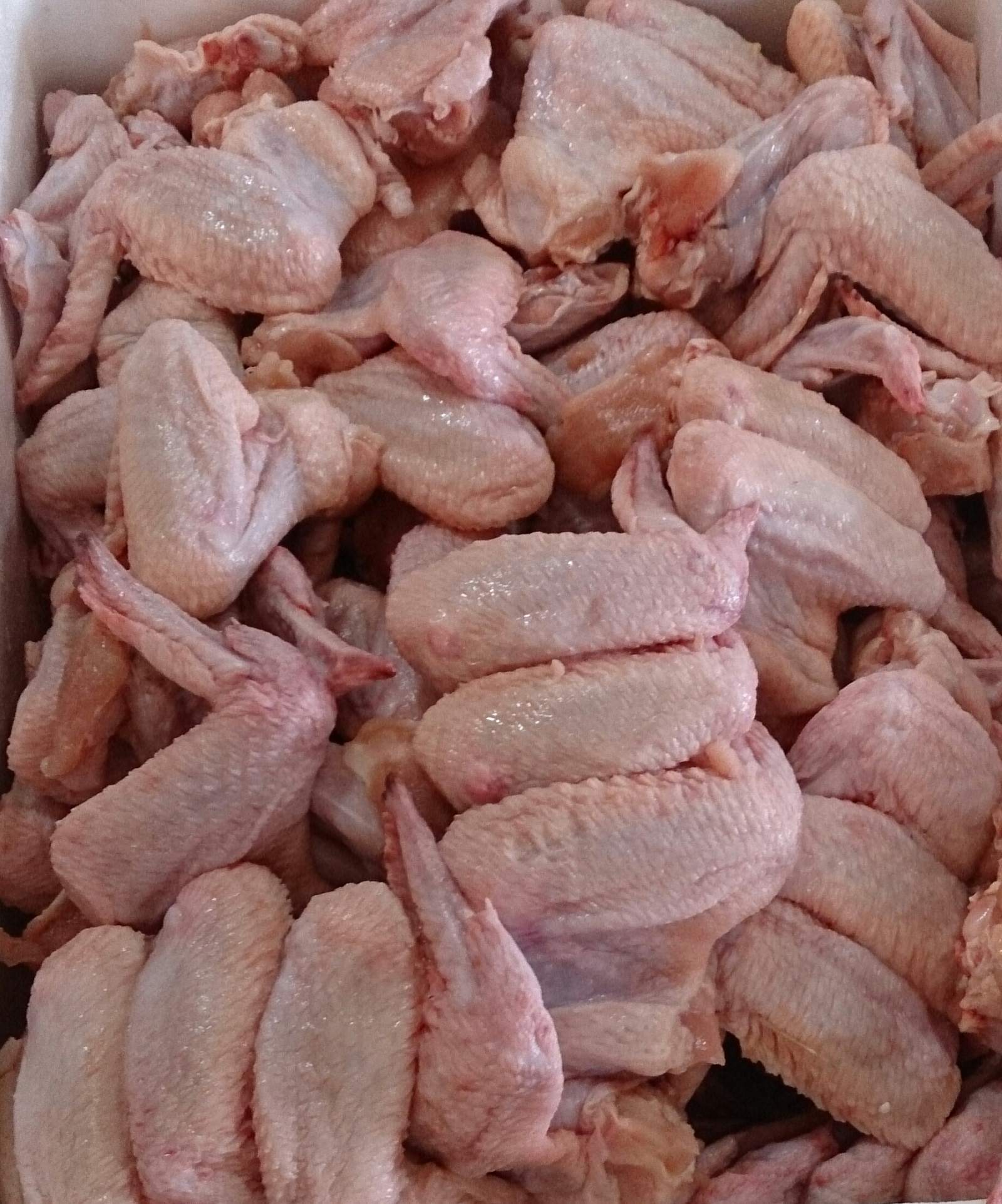
The problem extends beyond Denmark’s borders. Cover the label and the meat stays “fresh” longer – this is allegedly the method used by KFC (Kentucky Fried Chicken) branches in the Czech Republic. An internal employee chat and subsequent inspections by local veterinary authorities revealed that the “extension” method was also used there – that is, new labels with altered expiry dates were printed when meat was not used in time.
The fast-food chain has repeatedly been in the news since Czech journalist Jan Tuna reported issues with falsified expiry dates and the handling of meat that already smelled spoiled, with staff in a KFC branch in Prague-Dejvice thawing chicken in standing water. According to the State Food and Agriculture Inspection Authority (SZPI), this practice significantly increases the risk of bacterial contamination.
Side Dishes Get the Same Treatment

The video shows a batch of green beans had been sitting in the old, unclean water for three to four days, according to one employee, with the macaroni and cheese undergoing the same process as the green beans – contents placed in containers and then placed in a freezer instead of being thrown out, with the leftover green beans and macaroni-and-cheese containers later reused in future sales. These practices directly violate food safety standards designed to prevent bacterial growth.
Side dishes often receive less attention from management than the signature chicken, creating opportunities for shortcuts. The freezing and reheating cycle breaks the cold chain, allowing harmful bacteria to multiply in temperature danger zones.
What Corporate Says Versus Reality
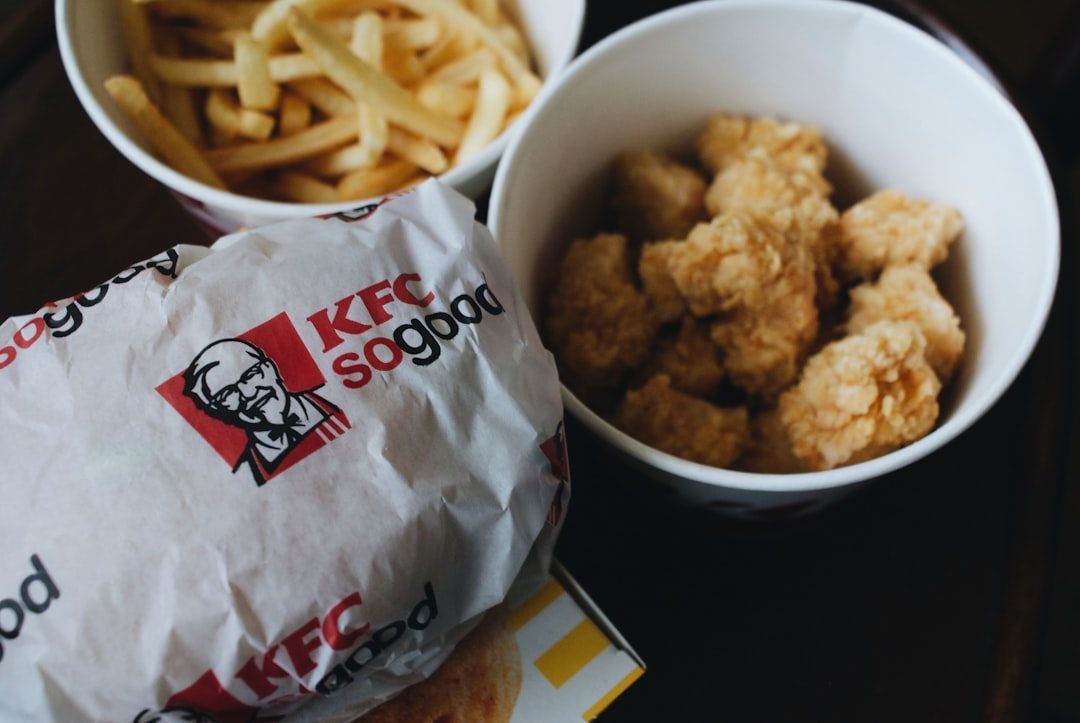
So, back to our original question: Does KFC use expired meat in 2025? The answer, based on their policies, operational systems, and legal obligations, is a firm no. The entire KFC model is designed to prevent this, using strict hold times that discard chicken long before it could be considered expired. Yet documented evidence suggests significant gaps between policy and practice, while isolated failures at the franchise level have occurred and are unacceptable.
The brand’s survival depends on maintaining customer trust, and a systemic failure on something as basic as food expiration is a risk no global chain can afford to take. The gap between corporate policy and franchise execution remains a persistent challenge that technology alone cannot solve. The Centers for Disease Control and Prevention estimates 48 million people get sick, 128,000 are hospitalized, and 3,000 die from foodborne diseases each year in the United States.
The revelations from former employees continue surfacing across multiple countries, suggesting these issues may be more widespread than corporate admits. While KFC maintains its stance on food safety protocols, the documented evidence from Denmark, Czech Republic, and other locations paints a different picture of what happens when nobody’s watching the timer.