Classic Diner Favorites That Have Become Increasingly Rare
Diner culture has always been a cornerstone of American dining, offering comfort food and late-night solace for generations. Yet the comforting familiarity of greasy spoons across America masks a quiet revolution happening on their menus. While you can still count on finding burgers, pancakes, and eggs Benedict at most establishments, many dishes that once defined the diner experience have mysteriously vanished from today’s laminated menus.
The menus have thinned out, and many classic diner foods got the boot and were swapped out for safer bets like burgers and pancakes. So let’s get started on this nostalgic journey through America’s disappearing diner classics.
Liver and Onions – The Iron-Rich Dish That Lost Its Appeal
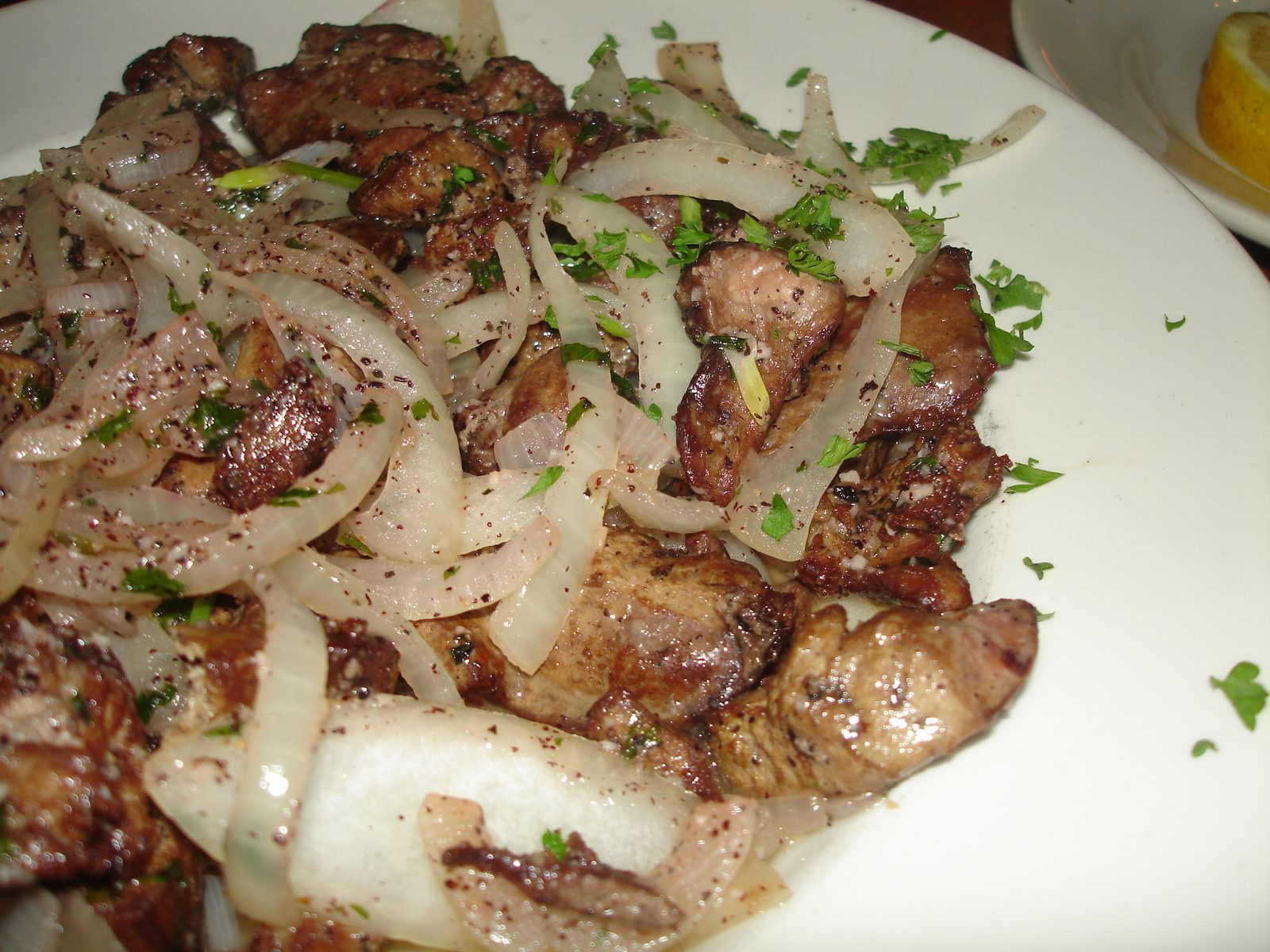
For decades, liver and onions were as standard on a diner menu as meatloaf or fried chicken. It seems a bit excessive from today’s point of view, but for years it was ubiquitous because it cooked quickly on a flat top, was affordable, and was packed with iron at a time when people cared less about flavor and more about “staying strong.” In America, it reached the height of its popularity during and shortly after World War II when the U.S. government launched a campaign to bring organ meats to the American dinner table so more popular cuts of pork and beef could be shipped to soldiers overseas.
From the 1970s onwards, liver started to fall out of favor, in part because people just didn’t see the need to eat it anymore. The war years were over, and there were simply far tastier meats available. Today, rather than diner kitchens, most of America’s liver is eaten by dogs and cats. The decline became so pronounced that even dedicated liver enthusiasts now find themselves calling restaurants ahead to confirm availability.
Jell-O Salads – When Gelatin Ruled the Salad Bar
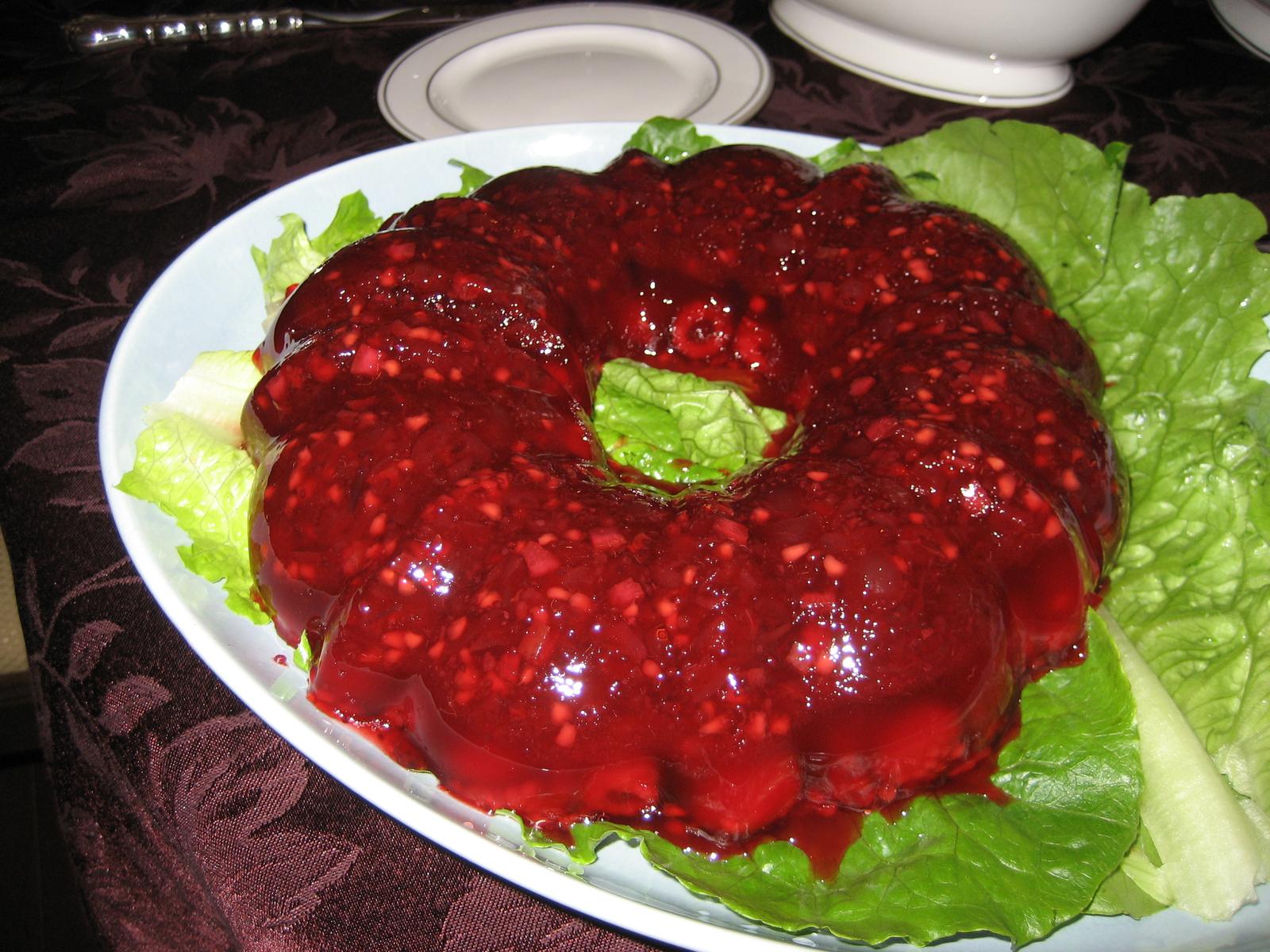
Jell-O salads aren’t as common today, but in the early 20th century, they were all the rage. Made with instant gelatin, they were simple, cheap, and relatively mess-free. They were particularly popular during the Depression years, because housewives needed to make foods stretch further, and Jell-O was a great way of doing that. One menu from the 1930s lists a jellied Waldorf salad for $0.15 cents, which in today’s money, would be just under $3.
These wobbly creations weren’t just home cooking experiments. Most importantly, diners embraced the Jell-O trend thanks to the low-cost ingredients and ease of preparation. Some classic diners offered combinations and flavors such as lime Jell-O with cottage cheese and pineapple, savory “Perfection Salad” with olives and celery, and the infamous Watergate Salad as specials. After Jell-O was patented by Pearle Wait in 1897 in LeRoy, New York, making it easy to create gelatin-based foods, the dessert gained widespread popularity in the early 1900s. The jello salad became popular in the 1950s but declined in popularity in the 1960s and 70s.
Tuna Casserole – The Queen of Weeknight Dinners
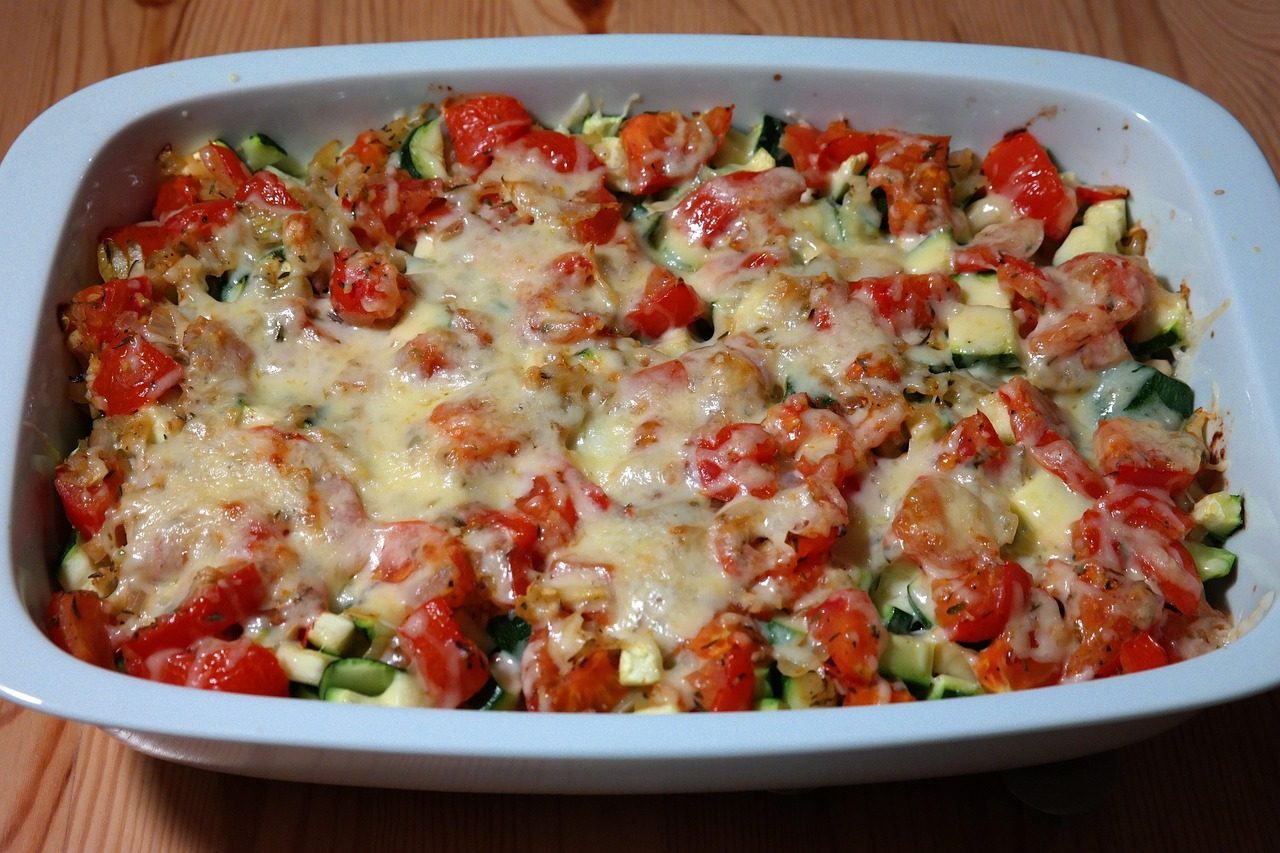
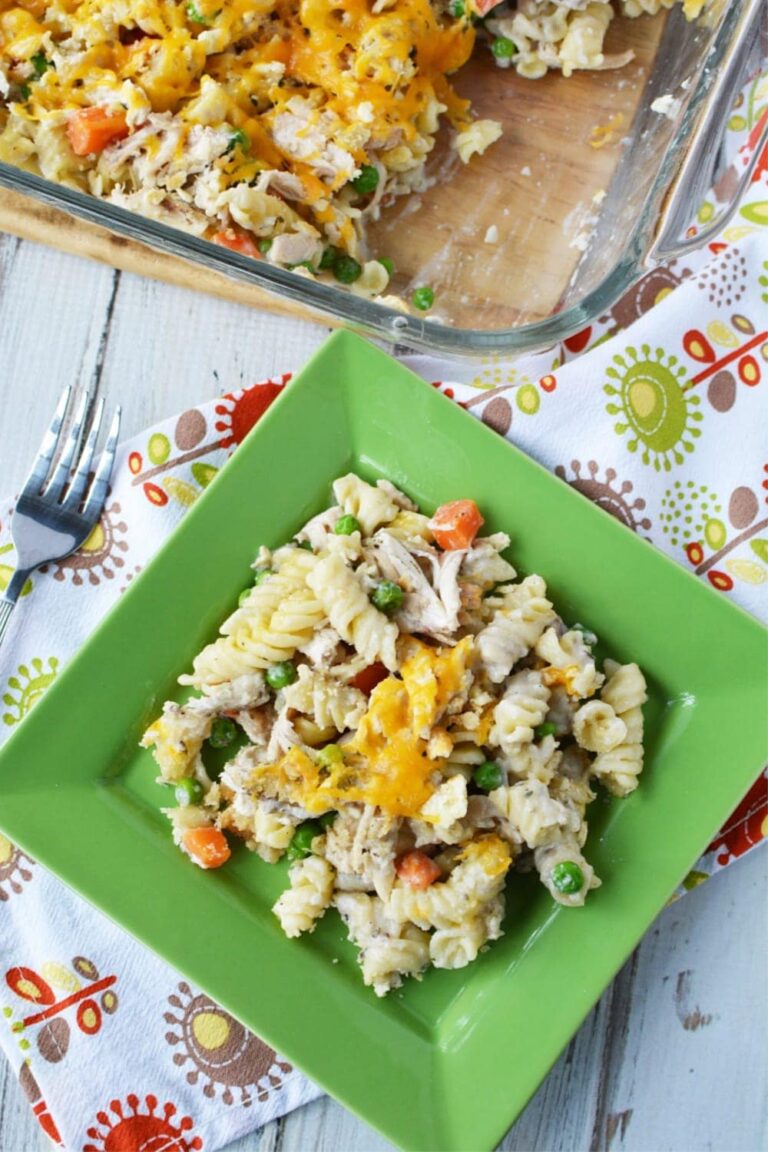
At one time, the tuna casserole was the queen of quick weeknight dinners. Creamy and savory, topped with fried onions or potato chips to give it a crunch, it was the essence of a cozy meal. It first made an appearance in Sunset magazine back in 1930, and by the 1950s, it was riding the popularity charts. Tuna casserole became a perfect fit for a post-war America discovering its penchant for convenience foods and electric appliances.
Plenty of diners and lunch counters offered it as a rotating special or a budget-friendly “blue plate” meal (and some old-school spots still do). It fit neatly into the homestyle cooking diners specialized in: travelers could order the same kind of dinner they enjoyed at home. However, by the ’80s and ’90s, its appeal had begun to dull. Environmental issues like overfishing and sustainability, worries over high mercury content in tuna, and a growing awareness of the ill effects of high-sodium diets all contributed to its waning popularity as words like “organic”, “fresh”, and “health foods” became the new standard. Tuna casserole hasn’t gone extinct as yet, but its rare sighting at dinner tables makes it an endangered species.
Sardine Sandwiches – When Tiny Fish Were Big Business
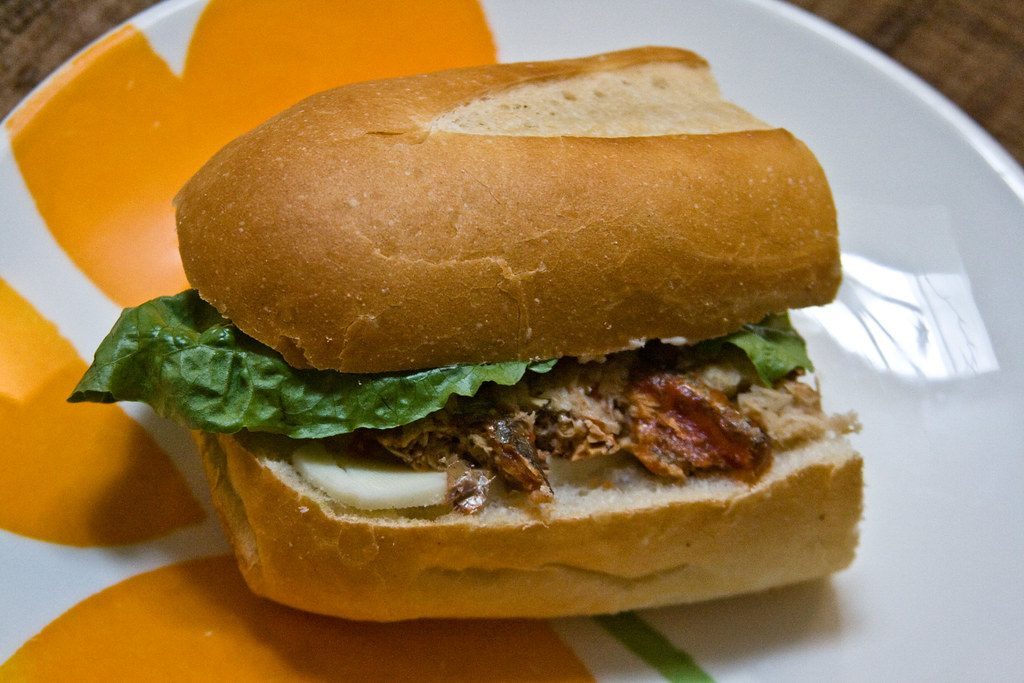
A few decades ago, sardine sandwiches were all the rage. In fact, in the 1930s and 1940s, demand for sardines was massive. Even during the Depression, tens of thousands people worked in California’s sardine industry. During this time, many eateries, including diners, had sardine sandwiches on the menu. Diners made quick work of them by pairing them with bread, a smear of mustard, a few onions or lettuce leaves, and calling it a day. It was protein on the go, nothing fancy, but it worked as a decent meal when you were in the mood for something fishy.
But in the 1950s, as commercial tuna fleets boomed, sardines fell to the wayside. Tuna was less fishy tasting, thus more appealing to more people, and at the time, cheaper than sardines. The decline became so complete that most Americans today associate sardines more with European cuisine than classic American dining.
Liverwurst Sandwiches – The Processed Meat That Lost Its Following
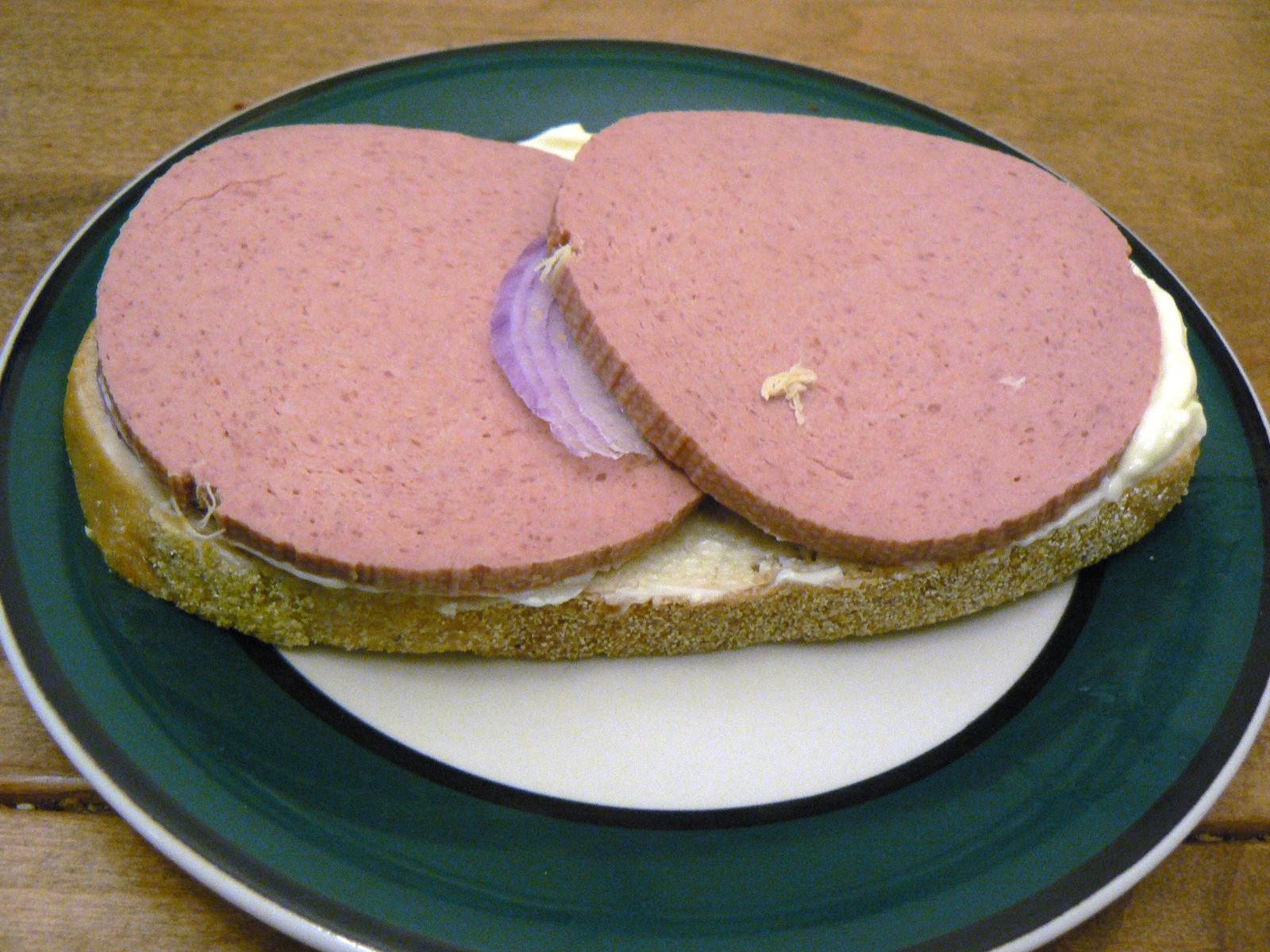
Much like liver and onions, you’re unlikely to frequently come across liverwurst sandwiches on the menus today. The meat, which is, as you may have guessed, a German sausage made with liver, was popular in the 20th century, largely because it was cheap. This spreadable delicacy appeared on countless diner menus alongside other sandwich options, offering an affordable protein source for budget-conscious diners.
It hasn’t stood the test of time, though. In 2024, Boar’s Head, one of the biggest U.S. suppliers of deli meats like liverwurst, ended its production of the processed meat entirely after a major Listeria outbreak at one of its plants. The food safety issues that plagued processed meats in recent years have effectively sealed the fate of this once-popular sandwich filling.
Wheatcakes – The Forgotten Pancake Alternative

Every diner had wheatcakes once. They were heavier than pancakes, made with whole wheat flour and sometimes a hit of molasses, and they stuck with you long after breakfast. People ordered them with bacon or eggs on the side. It was the working man’s breakfast, but comedy genius Charlie Chaplin name-dropped them as a favorite in a New York Times interview.
These substantial breakfast cakes provided the hearty sustenance that manual laborers needed to fuel their day. Today, most pancakes are made with all-purpose white flour and buttermilk, but back in the early-to-mid 20th century, they were sometimes listed as wheatcakes, for the simple reason that they were usually made with whole wheat flour and sometimes molasses. The shift toward lighter, fluffier breakfast options gradually pushed these dense, nutritious pancakes off modern menus.
Creamed Chipped Beef – The Military Meal That Marched Into Diners
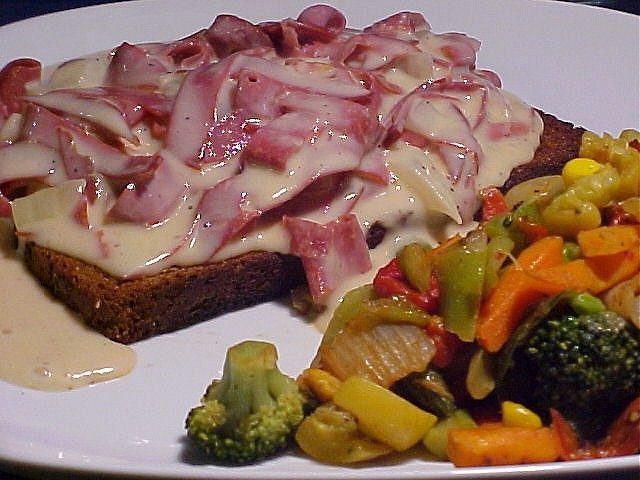
There was a time when you could walk into a diner-style restaurant chain, like IHOP or Cracker Barrel, and find creamed chipped beef on the menu. But those days are behind us, as both chains have discontinued the diner classic. However, you can still find the dish served in a few diners across the country. Creamed chipped beef is particularly popular with veterans, because it has been served in the army for decades (the earliest written recipe is likely in the 1910 “Manual for Army Cooks”).
Few foods connect America’s military mess halls to its diners like this one. Creamed Chipped Beef on Toast consists of thin slices of dried beef in a creamy white sauce, ladled over toast. Despite its humble origins and devoted following among older generations, this hearty dish has largely disappeared from mainstream diner menus as tastes shifted toward less processed options.
Croquettes – The Depression-Era Meat Recyclers
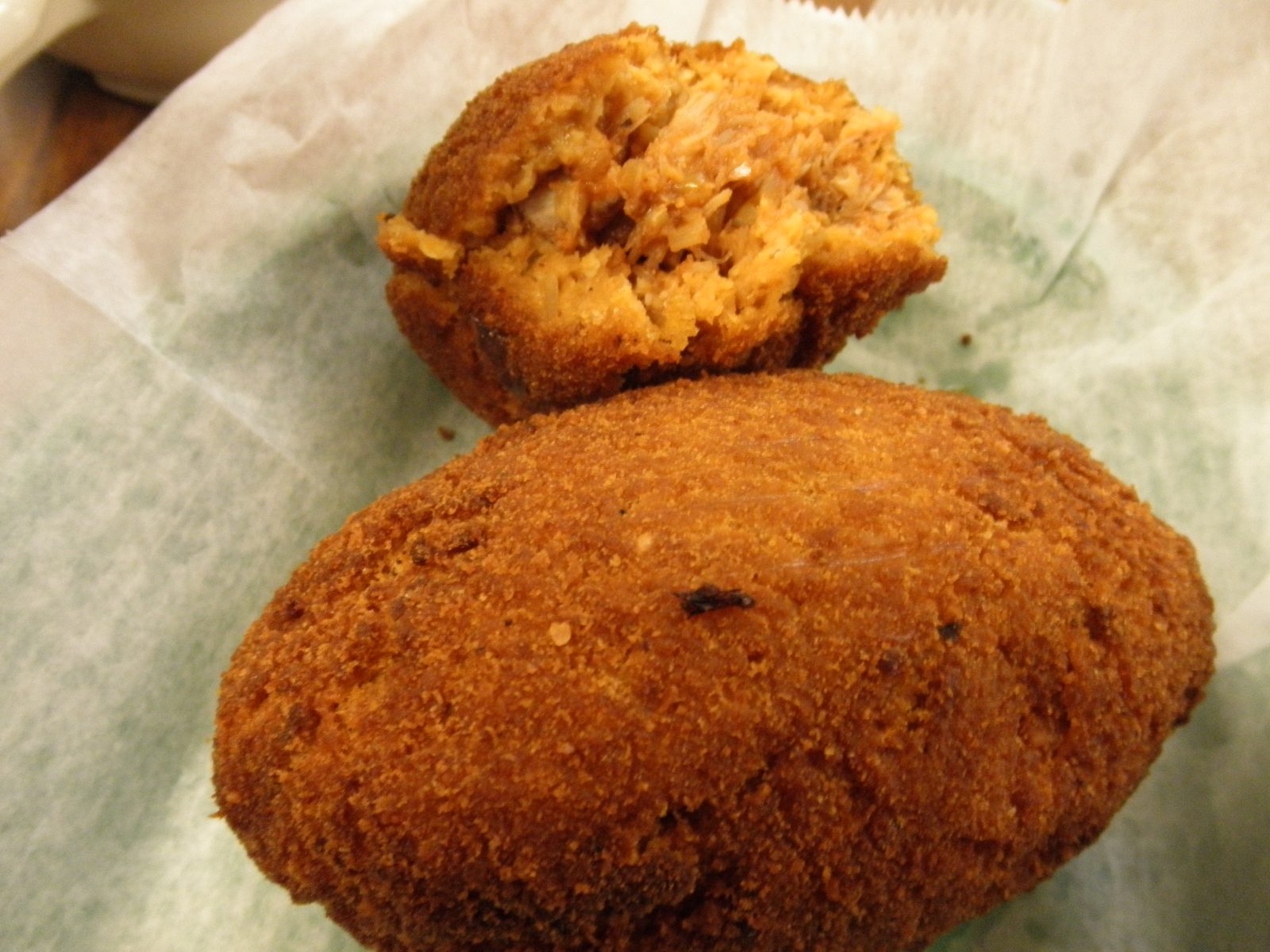
If you ever recall ordering croquettes, you know these were the great recyclers of the diner world. Diner cooks would shred turkey, mix it with a starchy binder, roll it into small cylinders, bread it, and fry it until golden brown. They were introduced on diner menus during the Depression and remained relevant during wartime years when stretching meat was a necessity. They were hearty and inexpensive, but chicken fingers eventually surpassed croquettes and pushed them off the menu.
These ingenious creations allowed diners to transform leftover meats into appealing new dishes, embodying the resourcefulness that characterized Depression-era cooking. The rise of fast food and the preference for simpler, more recognizable menu items gradually made these labor-intensive preparations obsolete in most establishments.
Salisbury Steak – From Health Food to Frozen Dinner
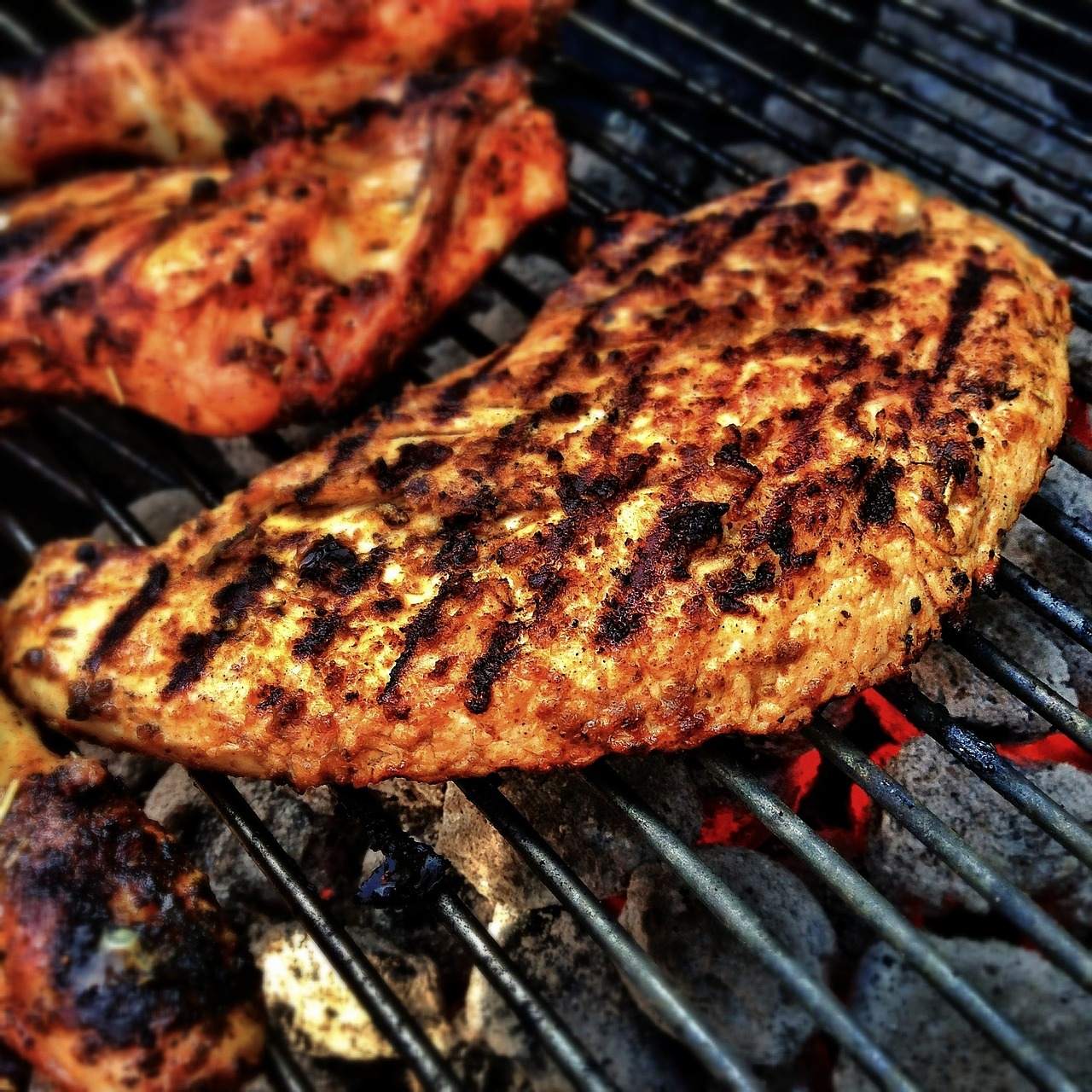
Salisbury steak was once a standard on diner menus, usually served with brown gravy, mashed potatoes, and vegetables. It dates back to the late 1800s, when Dr. James Salisbury promoted ground beef as a remedy and introduced the dish to combat digestive illnesses among Civil War troops. Salisbury steak is one of those dishes that had a meteoric rise and fall in popular culture. Once an easy-to-make and widely available dish that would have been shocking to leave off a menu, it has since become a frozen ready-made meal offering in the frozen foods section. You would be hard-pressed to find a modern diner that offers this meal.
The transformation of Salisbury steak from diner staple to frozen food symbolizes broader changes in American dining. What once represented hearty, made-from-scratch comfort food became associated with convenience meals, ultimately losing its place on restaurant menus.
Ham Steaks with Pineapple – The Tiki-Era Diner Special
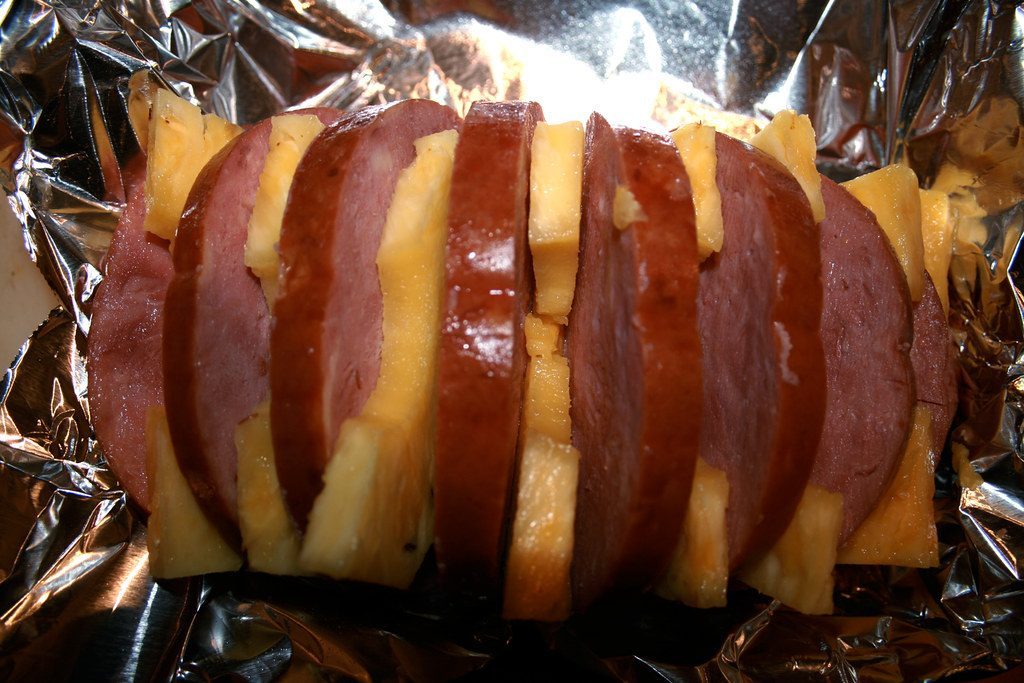
In some households, glazed ham with pineapple is still the centerpiece of every Easter dinner. But in the 1950’s, ham steak, often topped with pineapple, made frequent appearances on diner menus as an option for heartier appetites. Back in the day, they were a practical option for busy diners. They came pre-cooked, meaning all a prep cook had to do was heat one up on a grill. If a diner wanted to go the extra mile, it would top its ham with a slice of pineapple, a pairing that dates back to early 20th century and was enthusiastically promoted by the Hawaiian Pineapple Company (later to become Dole).
The contrast between the salty ham and sweet, tangy pineapple was always tasty, but reached peak popularity with the tiki craze of the 1950s. Today, you’re more likely to find ham and pineapple together at a pizzeria than a diner – and more likely to start a fight if you order it. The decline of this dish mirrors changing attitudes toward processed meats and the fading of mid-century food trends.
The disappearance of these classic diner favorites reflects broader shifts in American food culture, from changing health consciousness to evolving taste preferences and food safety concerns. At a time when food delivery apps dominate smartphones and ghost kitchens operate behind unmarked doors, the familiar glow of chain restaurant signs is dimming across America’s highways and strip malls. The restaurant scene of 2024 and 2025 reveals a story not just of changing tastes, but of financial reckonings long postponed.
What strikes me most about these vanished dishes is how they tell the story of American resilience and adaptability. They represent times when diners made the most of available ingredients, when nutrition trumped flavor, and when comfort came from simple, honest cooking. Did you expect so many classics to have quietly slipped away?