11 Hidden Restaurant Secrets Chefs Finally Admit
The restaurant industry has always been shrouded in mystery, with professional kitchens operating like closely guarded secrets behind swinging doors. What really happens back there where your food comes to life? After years of silence, chefs are finally pulling back the curtain on practices that might surprise you.
From shocking statistics about food waste to the truth about those perfectly plated dishes, the revelations coming from kitchen veterans paint a picture that’s both fascinating and sometimes unsettling. Industry sources suggest that employee theft contributes significantly to inventory shrinkage, and 75% of restaurants struggle to maintain profitability due to poor food cost management. Let’s dive into the secrets that chefs are finally ready to share with the world.
Your Food Was Made Hours (or Days) Ago
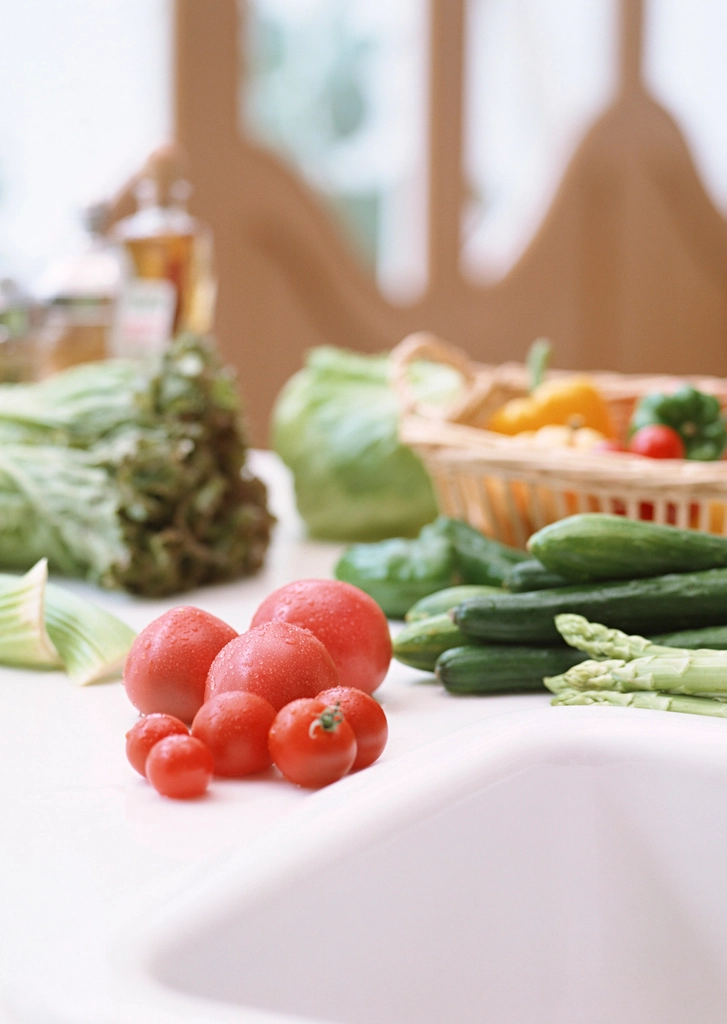
Most dishes are prepped in advance and reheated to order to get your food to you as quickly as possible. Preparing food in advance actually gives the flavors a chance to mingle, making it even better. That perfectly seasoned pasta sauce or tender braised meat didn’t magically appear when you ordered it.
Professional kitchens rely heavily on mise en place, a French term meaning “everything in its place.” It’s the best way to stay calm in a professional kitchen, with professional cooks spending hours chopping up meats, vegetables and herbs so they’re ready to add to the pan when they need them. Your Tuesday night dinner might have been prepped on Monday morning, carefully stored and reheated when you place your order.
This practice isn’t about cutting corners – it’s about efficiency and consistency. The alternative would be waiting an hour for each dish while chefs prepare everything from scratch. Still, it’s a reality that might surprise diners who imagine their meal being lovingly crafted from start to finish in real time.
Restaurants Use Way More Salt and Butter Than You Think
Your home-cooked meal has a hard time rivaling the restaurant’s version because their chefs use way more salt and butter than you do at home. These ingredients might not be healthy, but they’re definitely flavor enhancers. That incredible taste you can’t replicate at home isn’t magic – it’s generous amounts of fat and sodium.
If you wait until the end to add salt, your food will taste salty instead of seasoned. Instead, chefs salt as they go, creating a set of nuanced layers of flavor that will make food stand out. Professional kitchens understand that salt isn’t just a seasoning; it’s a fundamental building block of flavor development.
The butter situation might shock you even more. That silky pasta sauce or perfectly caramelized vegetables probably contain amounts of butter that would make your home scale weep. It’s the difference between cooking for flavor versus cooking for health, and restaurants clearly prioritize the former.
Most Cooks Touch Your Food With Bare Hands
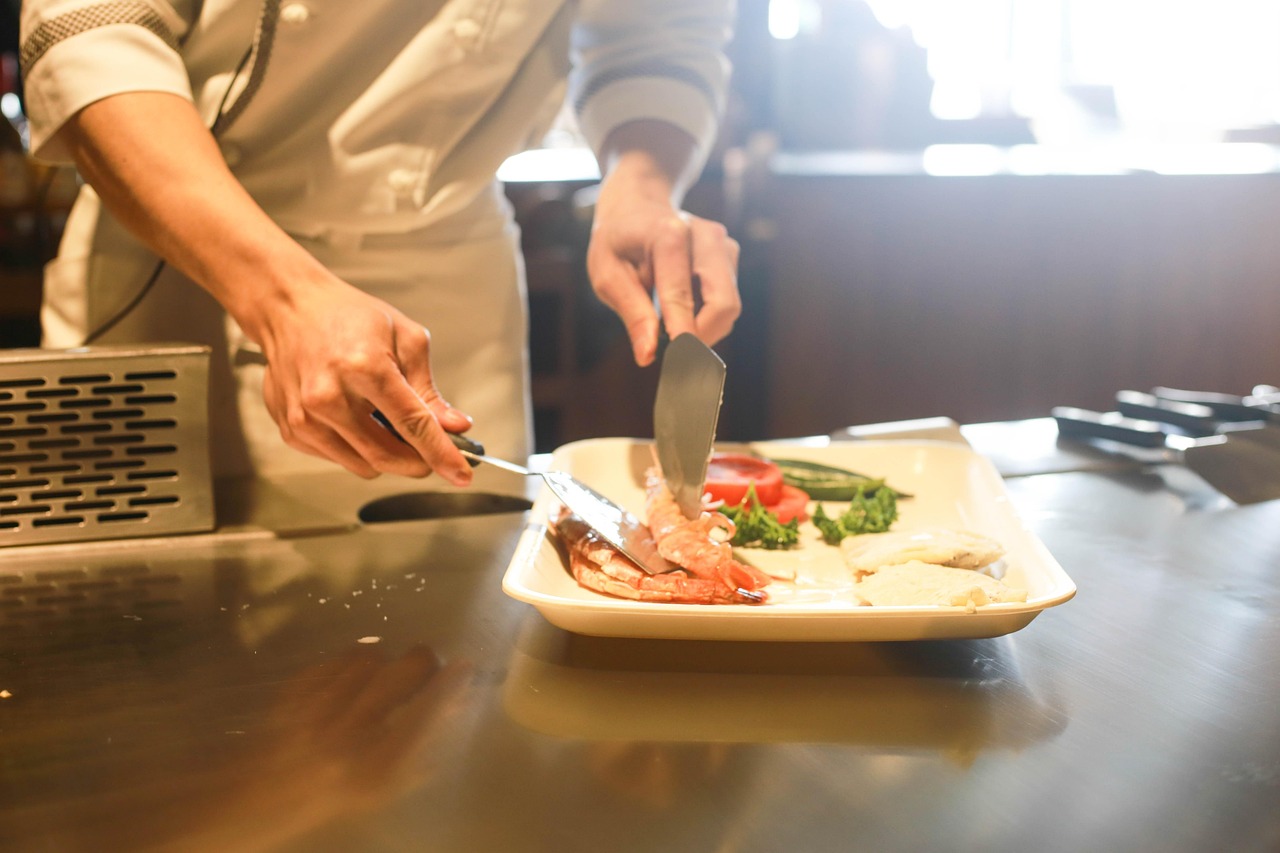
Some states require the use of gloves, but most allow line cooks to touch ready-to-eat foods with their bare hands. Most cooks are compulsive hand-washers though. If you’re someone who assumes every dish is handled with gloves, prepare for a reality check.
The glove situation isn’t necessarily about poor hygiene standards. Many professional chefs argue that bare hands provide better dexterity and sensitivity when plating delicate items or checking temperatures. However, this means the cleanliness of your food depends entirely on individual habits and restaurant culture.
Servers rarely to never wash their hands between bussing dirty dishes and serving fresh food – especially not for 20-30 seconds in warm, soapy water. Servers would work an entire shift without properly washing their hands once. The front-of-house staff handling your plates might be even less diligent about hand hygiene than the kitchen crew.
There’s Always One Menu Item Everyone Dreads Making
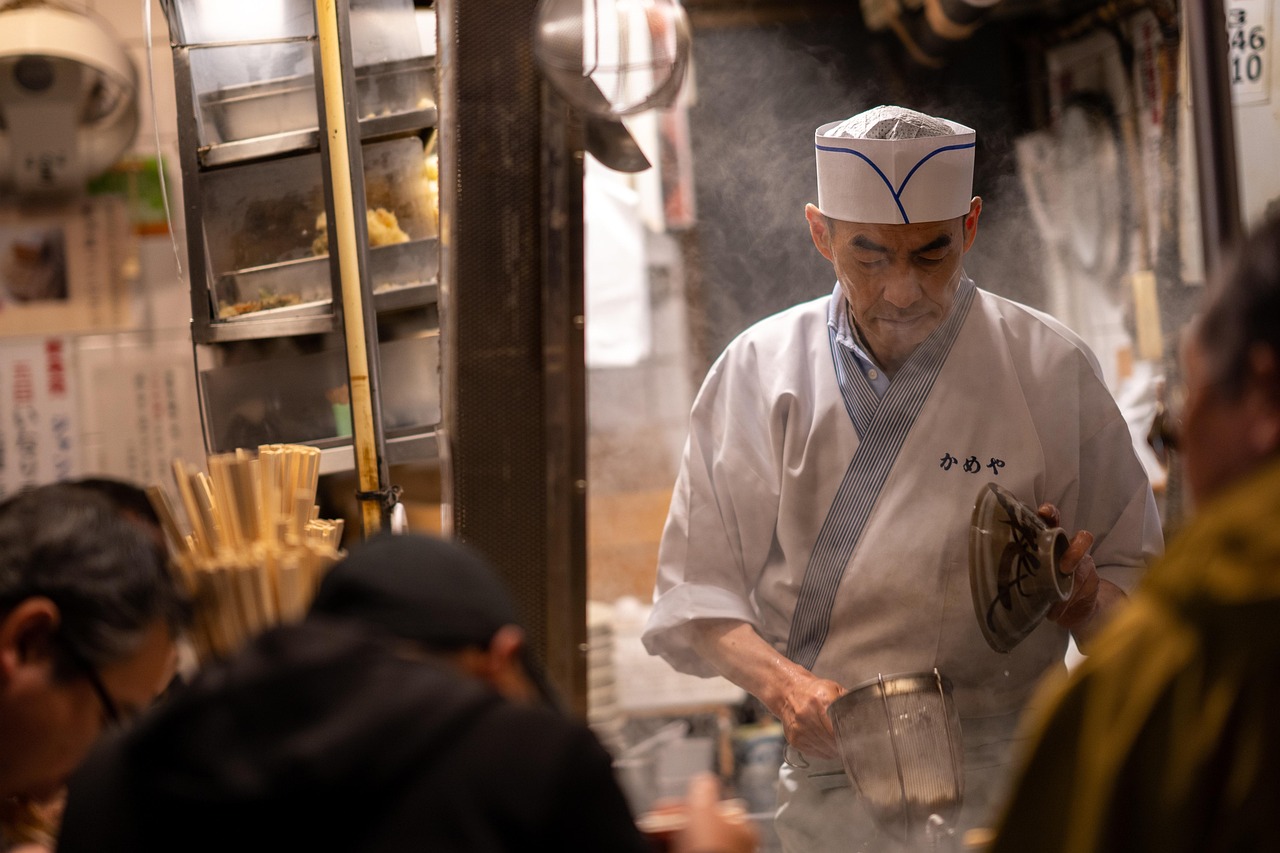
Even when chefs were designing their own menus, there was always one dish that was super difficult or time-consuming to put together. You’ll always work hard to make it great, but you sort of groan to yourself when you see it on the ticket. Every restaurant has that one complex dish that makes the entire kitchen staff collectively sigh.
These nightmare dishes usually involve multiple components, precise timing, or labor-intensive techniques that slow down the entire line. Maybe it’s a dish with seventeen different garnishes, or something that requires last-minute preparation while everything else is getting cold. The irony? These are often signature items that customers love most.
Kitchen staff will still execute these dishes professionally, but understand that your elaborate “chef’s special” might be silently cursing your server’s name when the order comes through during the dinner rush. The more complicated your order, the more likely it is to test everyone’s patience.
Your Table and Menu Are Dirtier Than You Imagine
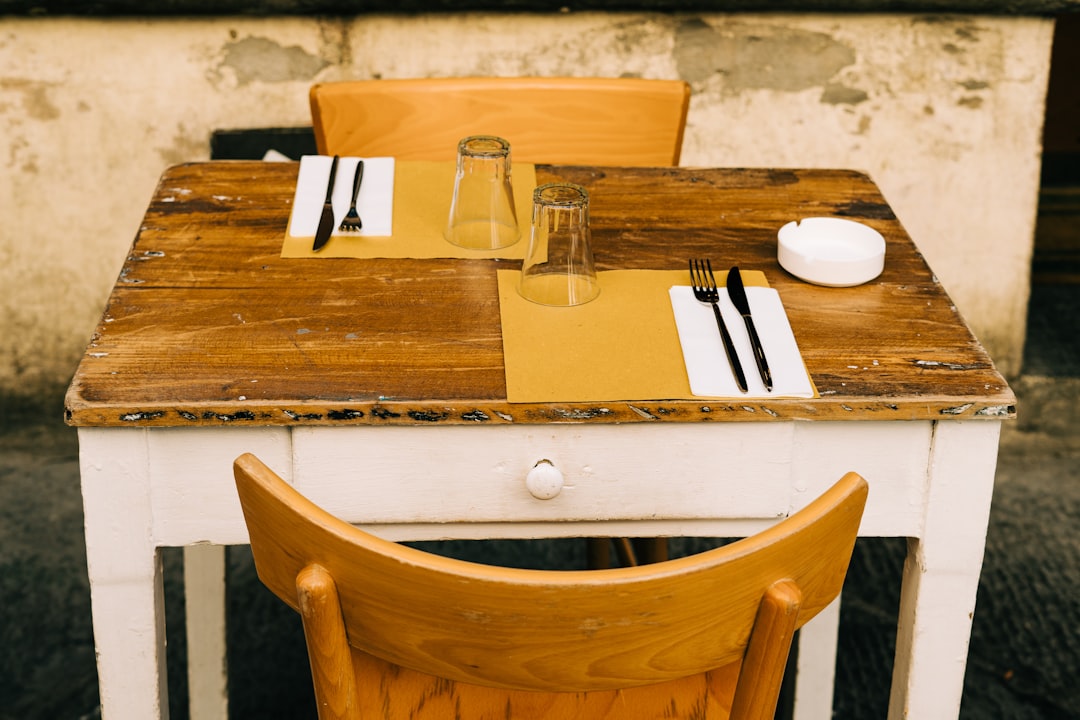
Tables are wiped down after each group of guests with a rag that has been sitting in a bucket of water that was warm and sterilized at 10 am. It’s now 8 pm – that water has been cold, gross, and filled with bits of germy food for hours. That clean-looking table surface is an illusion created by busy servers and questionable cleaning protocols.
That menu you are holding hasn’t been disinfected since it was printed – for some restaurants, that means years. Give those petri dishes back to the waiter and then go wash your hands. Think of menus as communal objects that have been handled by thousands of people without ever seeing soap and water.
The ketchup in the bottom of the bottle has been there for a while. Those condiment bottles on your table are often topped off rather than replaced, meaning the sauce at the bottom could be ancient. Consider this next time you’re shaking that bottle vigorously.
Kitchen Fires Are More Common Than You’d Expect
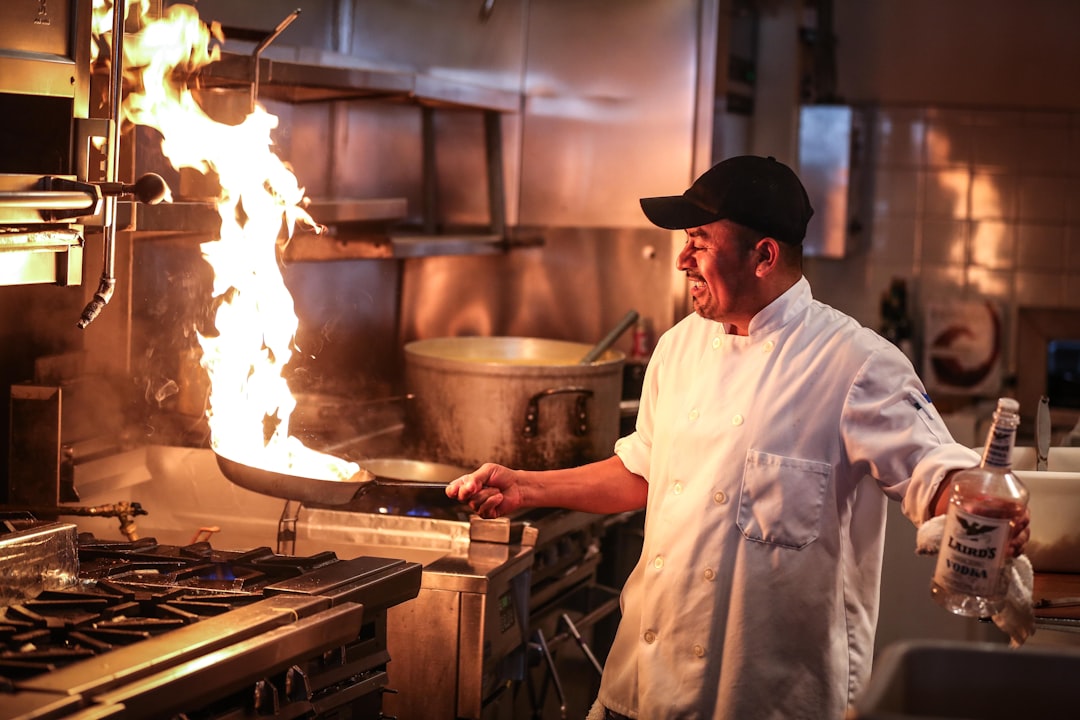
Part of the reason your food tastes so good is because restaurant cooks use screaming-hot pans. From time to time, a pan gets a little too hot and catches on fire! Covering it with salt is the best way to extinguish it quickly. Those intense flavors come with intense heat, and sometimes that heat gets out of control.
Professional kitchens operate at temperatures that would terrify most home cooks. Multiple burners running at maximum heat, ovens cranked to their limits, and pans that glow red-hot are all standard operating procedures. With this level of intensity, small fires become occupational hazards rather than emergencies.
Experienced kitchen staff treat these flare-ups as routine inconveniences rather than disasters. They know exactly how to extinguish them quickly and continue service without missing a beat. Still, it’s a reminder that your dining experience involves controlled chaos happening just feet away from your table.
Inventory Theft Is a Massive Problem
On average, bars lose 10 to 20% of their inventory each month due to overpouring, theft, or spoilage. Employee theft represents a major portion of inventory shrinkage. The restaurant industry faces internal theft rates that would bankrupt most other businesses.
This isn’t just about servers pocketing cash tips or taking home leftover bread. Staff members routinely walk out with expensive ingredients, bottles of alcohol, and even equipment. The casual nature of restaurant work environments makes it easy for dishonest employees to gradually accumulate valuable items without detection.
The cost of goods sold typically runs 30 to 35% of revenue, and most restaurants aim for a gross margin of 65 to 70%. Efficient labor and inventory management are essential to staying on target. With margins already razor-thin, internal theft can literally determine whether a restaurant survives or closes its doors.
Hidden Ingredients Are Everywhere
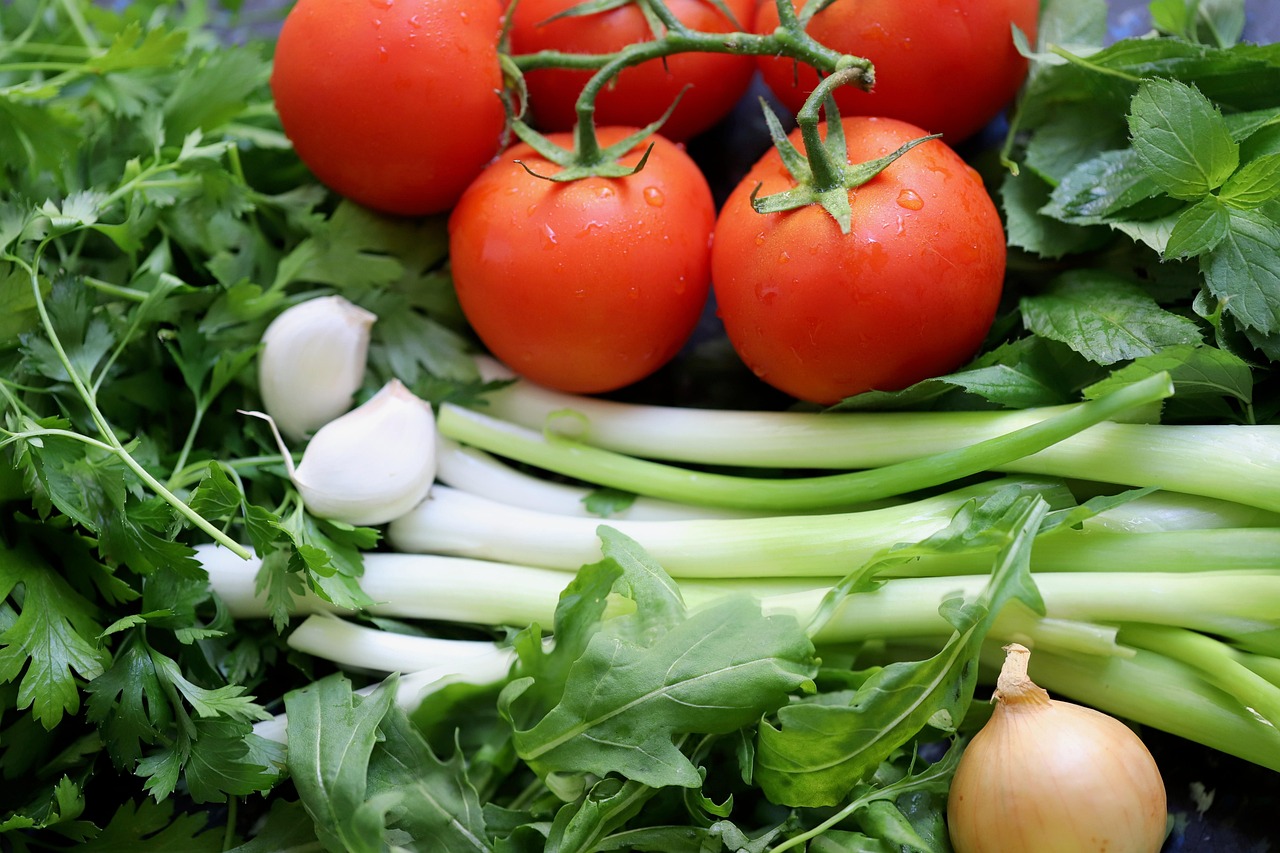
You might not like the taste of pungent onions or overpowering garlic, but they’re probably in all the sauces, dressings and marinades – even if you can’t see them. Since a lot of these foods are prepped in advance, it’s very hard to accommodate people with allergies. That “simple” dish probably contains ingredients you never suspected.
Restaurants use aromatic vegetables like onions, garlic, and celery as flavor bases in virtually everything, even dishes where you’d never taste them directly. Your tomato sauce contains onions, your salad dressing has garlic, and your “plain” grilled chicken was probably marinated in something complex.
This practice creates serious challenges for diners with food sensitivities or allergies. Cross-contamination becomes nearly inevitable when the same flavor bases appear in multiple dishes, and staff may not even realize how many different items contain problematic ingredients.
The Economics Are Absolutely Brutal
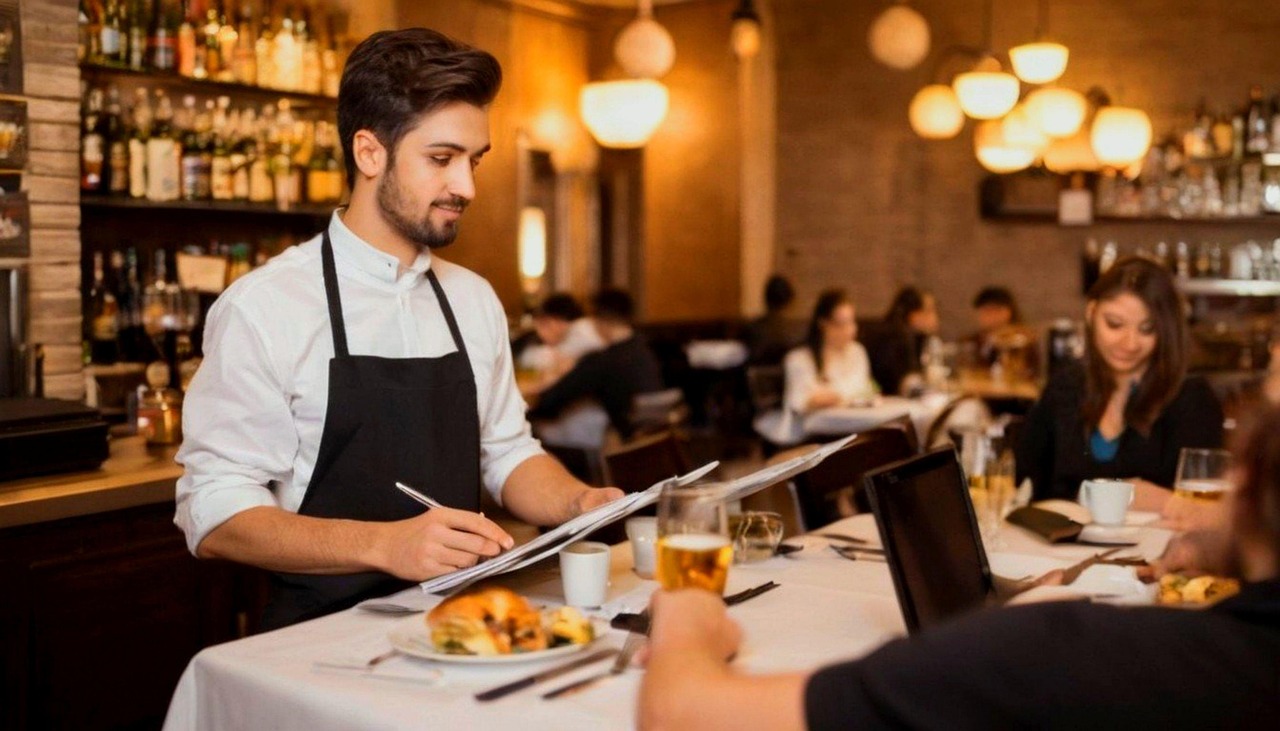
Quick-service restaurants tend to report net profit margins between 4% and 6%, while full-service establishments often average between 2% and 4%. Full-service restaurants typically report profit margins in the single digits. Running a restaurant means operating on margins so thin that a few bad weeks can spell disaster.
98% of restaurant operators cite higher labor costs and 97% identify higher food costs as critical issues. Nearly every restaurant owner is juggling rising expenses while trying to keep menu prices reasonable enough to maintain customer loyalty.
Many restaurants increased wages, with the median hourly rate for servers reaching $14.92 in mid-2024. Yet despite these efforts, 78% of restaurants still carry pandemic-era debt, and 81% of workers cite better pay as the main reason they would consider switching jobs. The industry remains caught between paying living wages and maintaining profitability, with most operations struggling to balance both demands.
Technology Is Changing Everything Behind the Scenes

A growing number of operators are planning to adopt automation and robotics for food preparation. 67% of restaurateurs are incorporating IoT technology into their kitchens, including smart ovens, fridges and dishwashers. The restaurant kitchens of today look dramatically different from just five years ago.
Approximately 70% of consumers prefer self-service kiosks, mainly due to speed and customization options. Restaurants have seen an average reduction in order errors by 35% after installing kiosks, with self-service kiosks being widely adopted across QSRs and increasingly in full-service chains. The human interaction you might expect when dining out is increasingly being replaced by screens and automation.
Smart refrigeration systems now monitor food temperatures automatically, inventory management software tracks every ingredient down to the ounce, and some restaurants use AI to predict busy periods and adjust staffing accordingly. This technological revolution is reshaping how restaurants operate, though customers might never see most of these changes.
Food Waste Happens on an Industrial Scale
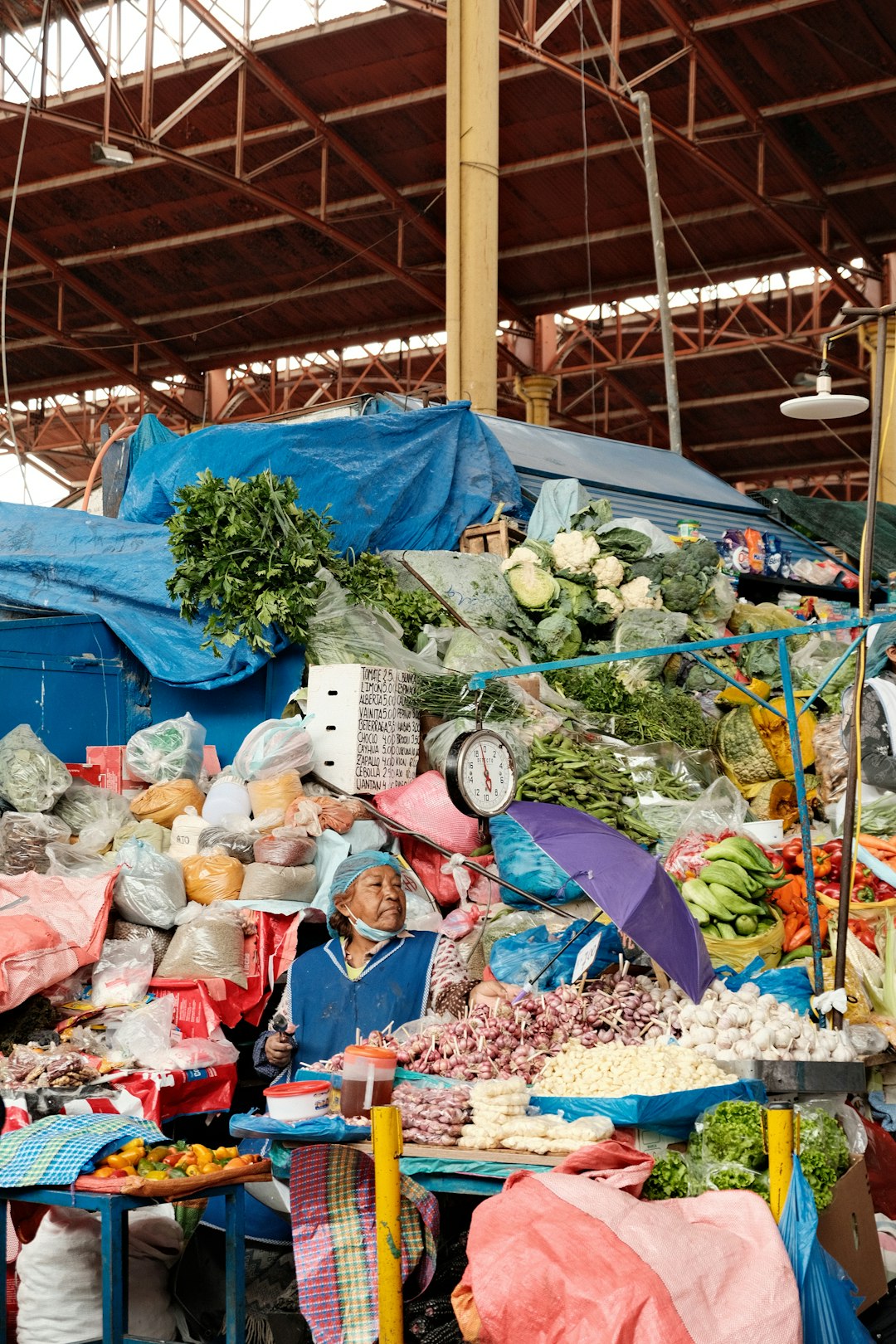
91% of consumers say they actively prefer businesses working to reduce food waste. On the operations side, 42% of restaurants are using software solutions to track and minimize waste. Despite growing awareness, the amount of perfectly good food that gets thrown away daily would shock most diners.
Approximately 4 million tons of food waste in the U.S. occurs because of misunderstandings about “sell by” dates. Restaurants often discard items that are still safe to eat simply because they’ve reached arbitrary dates rather than actual spoilage points.
The waste extends beyond just expired ingredients. Prep cooks trim enormous amounts of vegetables that could be used for stocks or staff meals, overprepared items get tossed at closing time, and returned dishes often go straight into the garbage regardless of whether they were actually consumed. Many high-profile chefs have become champions of reducing food waste, using their platforms to inspire positive change in the restaurant industry, with initiatives like Dan Barber’s WastED pop-up event showcasing ingredients that are typically wasted.