Experts Warn: 9 States May Face Severe Water Shortages Sooner Than Expected
Water is something most Americans take entirely for granted. Turn the tap, drink. Flush the toilet, forget about it. Yet right now, in early 2026, the warning signs are stacking up in ways that are genuinely hard to ignore. Scientists, government agencies, and water policy researchers are raising alarms with increasing urgency – and the picture they are painting is unsettling.
In 2024, forty-eight US states faced drought conditions. That number alone should stop you in your tracks. This is not a regional Southwest problem anymore. As of February 24, 2026, more than 42 percent of the United States and Puerto Rico and more than half of the Lower 48 states are in drought. Nine states, in particular, are drawing the most urgent attention from researchers and water managers. Let’s dive in.
1. Arizona: A State on the Edge of Its Own Lifeline
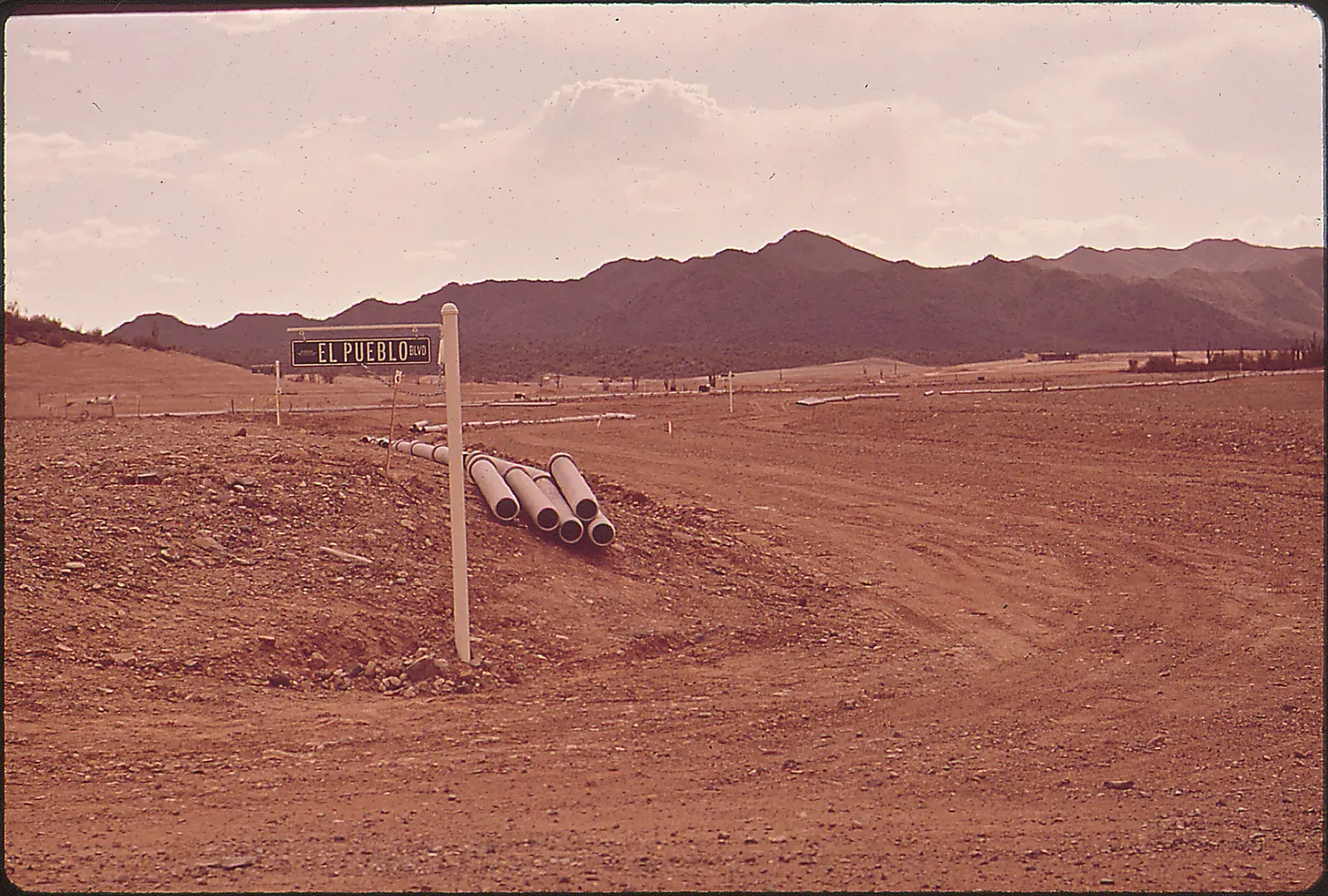
Honestly, Arizona’s water situation is one of the most alarming in the entire country. The state is essentially fighting a battle on two fronts – a shrinking Colorado River and rapidly depleting underground aquifers. Two decades of extreme drought have led to big water declines, with the country’s two largest reservoirs, Lake Powell and Lake Mead, going from 90% capacity in 2000 to about 30% capacity in 2025 due to the river’s declining flow.
The Colorado River Basin is in a Tier 1 shortage for 2025, representing a 512,000 acre-foot reduction to Arizona’s Colorado River water supply, constituting roughly 30 percent of the Central Arizona Project’s normal supply. Think of the CAP as the giant straw that delivers Colorado River water to Phoenix and Tucson – and that straw is delivering less and less each year.
Arizona’s water reserves face mounting pressure after one of the driest winters on record and an unusually weak monsoon season, with reservoir levels across the state falling well below last year’s levels. The shortage could force Arizona to rely heavily on groundwater supplies – a prospect that underscores the state’s vulnerability to extended dry periods. Over the past century, the Colorado River’s flow has declined by about 20 percent. With rising temperatures and declining Rocky Mountain snowpack, scientists have predicted flow reductions of up to 30 percent by mid-century.
2. California: Drought, Fires, and a Crumbling Safety Net
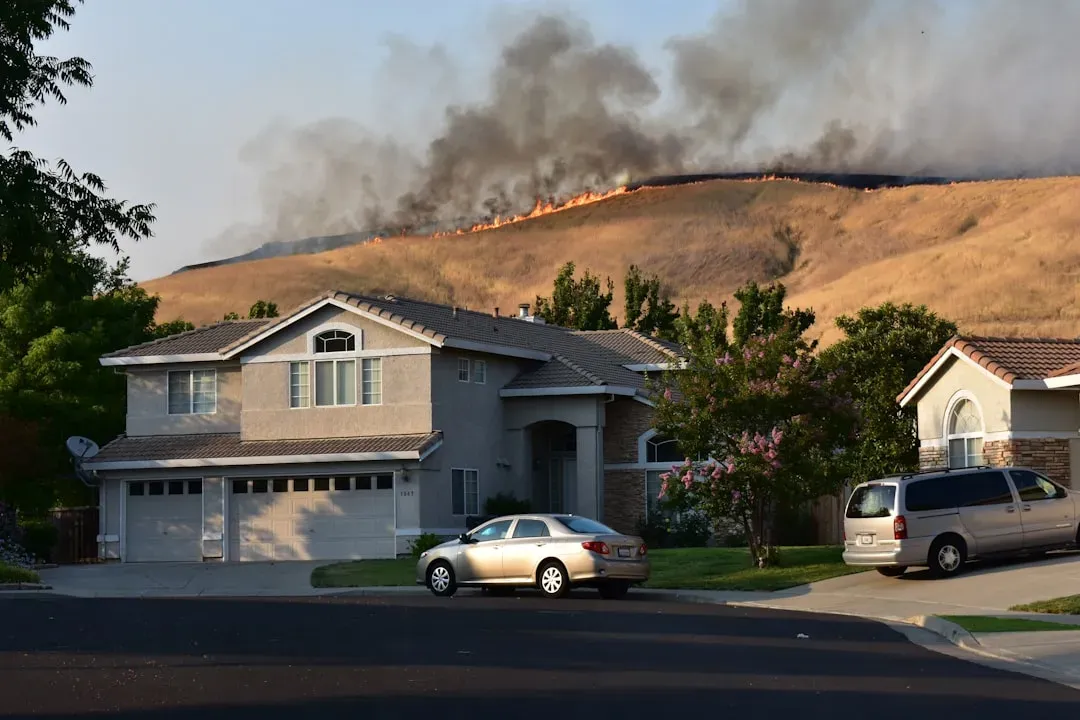
California’s water story is layered and complicated. The state got some badly needed rainfall in late 2025, but do not mistake a wet November for long-term security. Southern California is in Moderate to Extreme Drought, with impacts to agriculture and public health and increased fire risk.
Los Angeles’ reliance on imported water and an aging distribution system became more apparent after the 2025 Palisades fire revealed gaps in emergency water-flow capacity. The city of around 3.88 million people relies heavily on water imported from hundreds of miles away and water from the Colorado River, which is running dry from overextraction and climate change.
Up to 3 million acres of farmland, 67,000 agricultural jobs, and $39.5 billion from the economy could be lost if the state doesn’t invest in water storage and other strategies, according to a University of California, Davis study. That is not just a water crisis – it is an economic time bomb. Reports also show California is running out of groundwater as basins remain seriously depleted, accounting for approximately 41 percent of the state’s water supply.
3. Nevada: Lake Mead’s Slow Disappearing Act
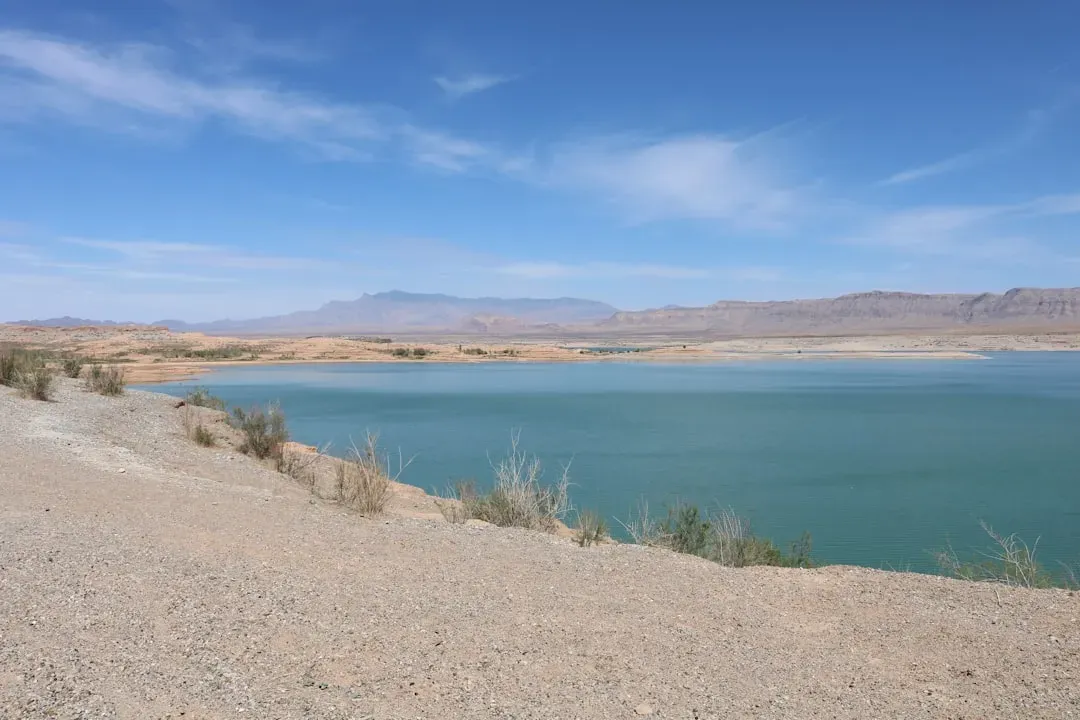
Las Vegas is a city that should not exist in the middle of a desert, and the numbers are starting to reflect that reality. While Nevada’s drought has lessened recently, snowfall and runoff into the Colorado Basin have been well below average since 2000, resulting in significant water declines at major system reservoirs like Lake Mead.
The U.S. Bureau of Reclamation’s 2025 August 24-month study forecasted a Lake Mead elevation between 1,050 feet and 1,075 feet for January 1, 2026. A Tier 1 shortage remains in effect through 2026 for Lower Basin operations. Despite this, Nevada has been working hard to manage the problem. Southern Nevada reduced its per capita water use by 55 percent between 2002 and 2024, even as the population increased by approximately 829,000 residents during that time.
Conservation achievements like that deserve genuine credit. Still, the structural problem – too many people depending on a river system that has simply less water than it used to – cannot be solved by shorter showers alone. Nevada’s water reduction agreements under existing guidelines are set to expire at the end of 2026, and stakeholders are currently negotiating rules for post-2026 Colorado River operations.
4. Texas: A Perfect Storm of Drought, Infrastructure, and International Disputes
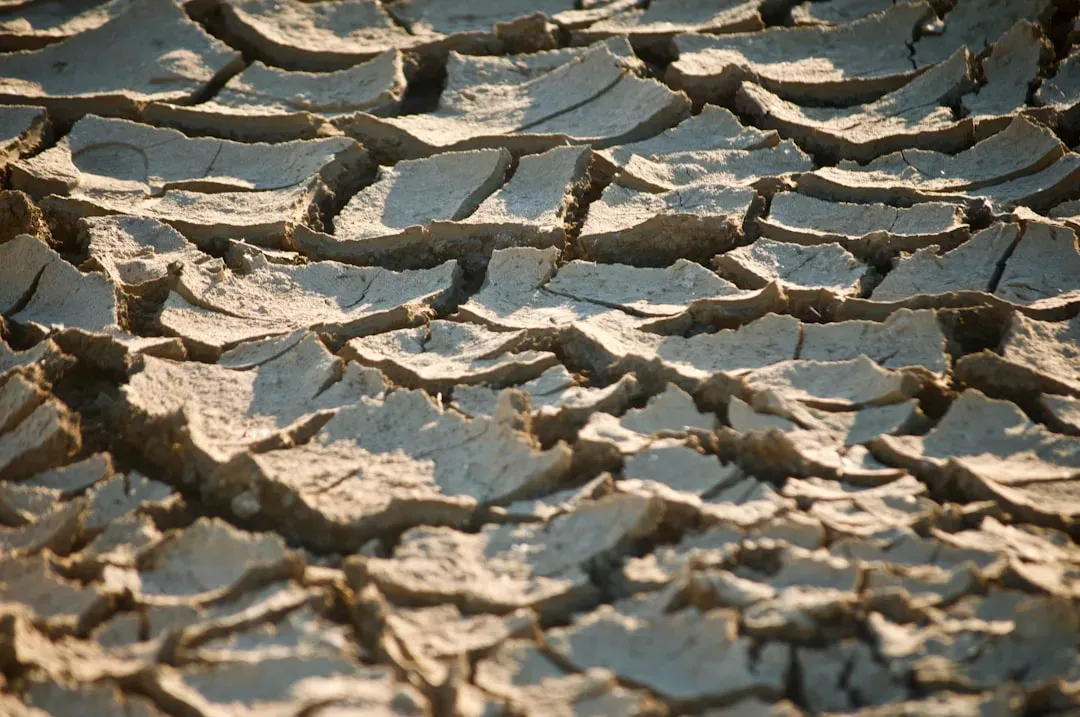
Texas is being hit from every direction at once. The water shortage in Texas is due to a combination of factors, including drought, extreme heat, wildfires, and climate change. These factors have exposed Texas’ weakening infrastructure and caused low water supply in some areas. For example, Lake Travis – the largest reservoir supplying Austin – was only 38 percent full in January 2024, down from 80 percent full in January 2022.
The Edwards Aquifer, a critical groundwater supply for about 2.5 million people in Texas, twice fell to historic lows in 2025. The first dip occurred in May 2025, when a key monitoring well fell below the threshold that triggers Stage 5 water restrictions. This occurred as springs recharging the aquifer fell to a 10-day average of 53 cubic feet per second – some 250 cubic feet per second below the historic average.
Late October 2025 saw the end of the most recent five-year water delivery cycle from Mexico to Texas according to the 1944 treaty. As expected, Mexico did not deliver the 1.75 million acre-feet it is required to within that five-year span, only sending just over half of that. Texas water and produce experts warn that the pattern of late or non-existent Mexican water deliveries is not sustainable for the state. They worry more crops, including the Texas citrus industry, will go the way of its sugar industry.
5. Utah: 100 Percent Under Drought Conditions
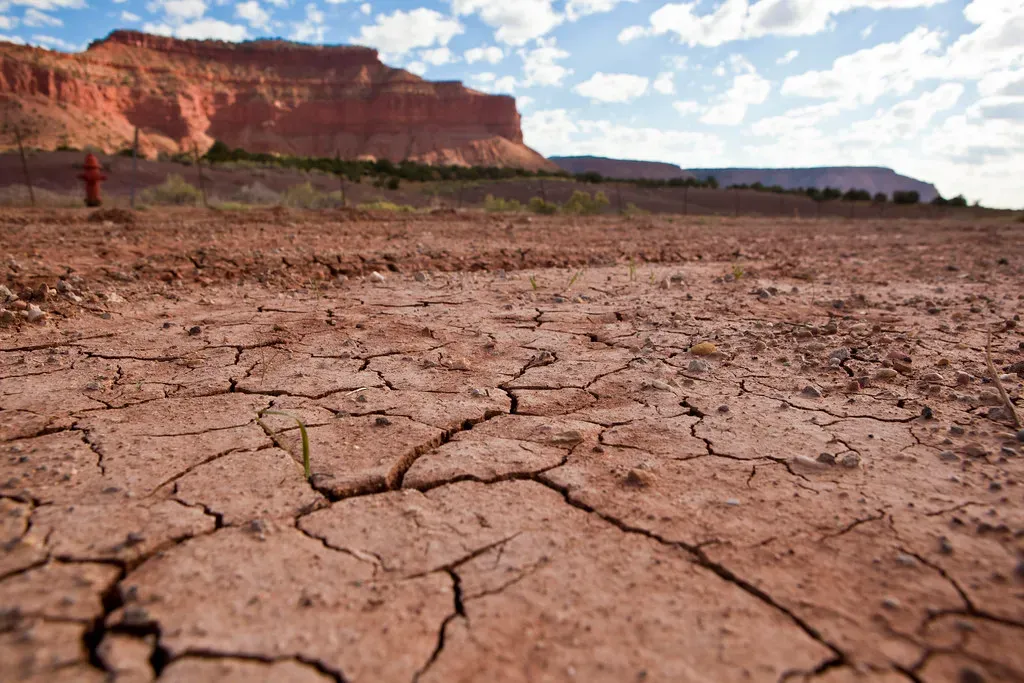
Utah’s situation has moved from troubling to alarming with remarkable speed. One hundred percent of the state of Utah is now officially under drought conditions, while last year the state was only 25 percent dry. The dramatic increase of dry areas in Utah has forced seventeen of its twenty-nine counties to declare states of emergency.
Utah’s reservoir levels have been showing a drastic decline. Since June 1, 2025, the state drew down its reservoirs at more than double the normal rate – due to increased demand, lower-than-normal spring runoff, and an extremely dry summer. This is not a situation anyone expected to deteriorate this quickly. It is the kind of statistic that feels surreal until you actually sit with it.
Over Water Year 2025, drought conditions persisted or intensified across western portions of Colorado, Wyoming, and New Mexico, as well as statewide across Arizona and Utah. Many other reservoirs remained below average, including Lake Mead, Lake Powell, and Elephant Butte Reservoir. Storage at Elephant Butte Reservoir in the Rio Grande Basin sat at just 11 percent of average as of November 18, 2025.
6. New Mexico: When the Rio Grande Runs Dry
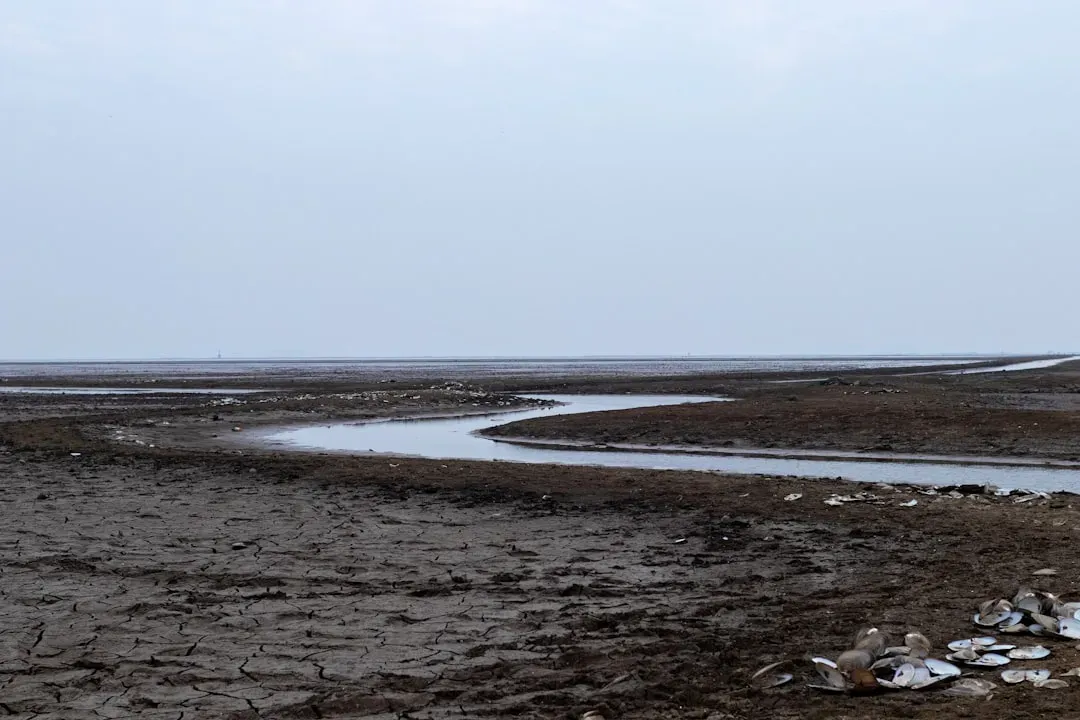
New Mexico is a state where water scarcity is not just a seasonal headline – it is a lived reality for millions of residents. Drought has blanketed most of New Mexico, with extreme conditions in the northern and southeastern parts of the state. An unusually light snowpack has contributed to the dry conditions currently affecting millions of residents.
Many counties in Colorado recently sustained severe to extreme drought conditions, with the Palmer Drought Index showing roughly two-thirds of the Rio Grande Basin facing moderate to extreme drought by the end of June 2024. As one of the longest rivers in North America, the Rio Grande supplies freshwater to seven U.S. and Mexican states. With the drought, more dry river sections, water shortages, wetland loss, reduced riparian vegetation, and extinct or absent native fish populations have all been observed.
Think of the Rio Grande as a kind of water bank account shared across states and nations. Right now, that account keeps getting overdrawn. One hundred percent of the Colorado River Basin is in drought, including large areas of Extreme or Exceptional Drought in the Upper Basin, where most of the water supply comes from. New Mexico sits squarely inside this growing crisis zone.
7. Florida: The Sunshine State’s Hidden Water Emergency
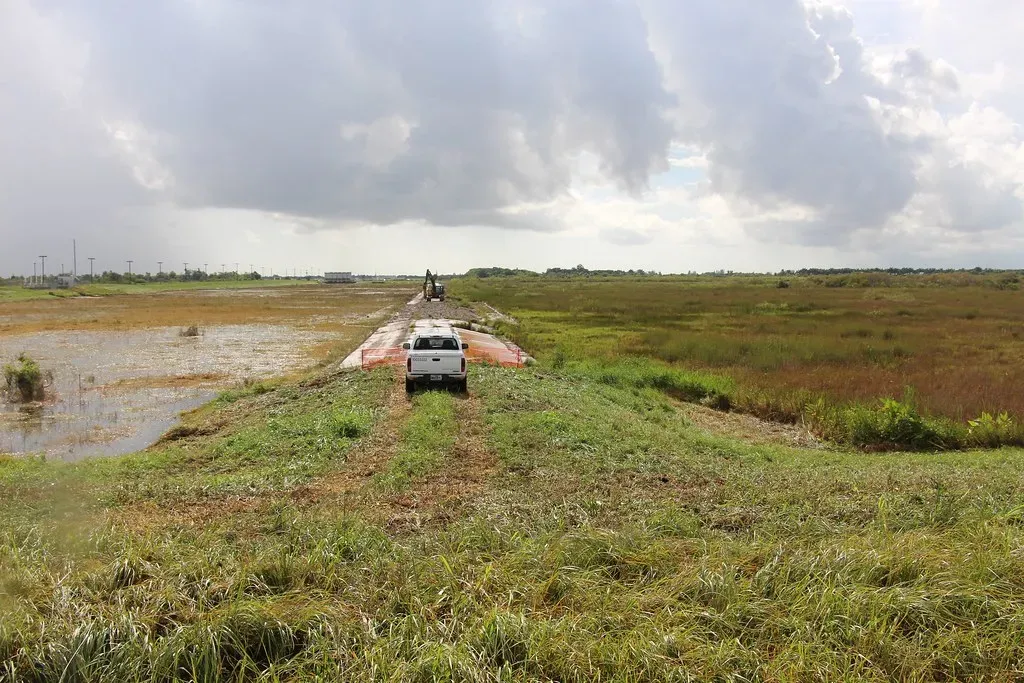
Most people associate Florida with water everywhere – beaches, swamps, rivers. Here’s the thing: that doesn’t mean the state has enough drinking water. Florida is experiencing shortages of fresh water because of rising populations and overexploitation of groundwater, which accounts for roughly 90 percent of Florida’s drinking water.
According to a Florida Office of Economic and Demographic Research report, Florida could experience a water supply shortage as early as 2025, and it is expected to increase in severity through 2040. The state’s continued rapid economic and population growth underscores the need for a consistent, comprehensive and coordinated statewide strategy for funding water projects.
By the year 2045, the region including Orange, Osceola, Seminole, Polk and southern Lake counties will likely face a groundwater shortfall of an estimated 96 million gallons of water a day, according to regional water planning projections. Twenty years from now, the region’s population is expected to be 40 percent larger than it is today. Along with that population boom, water regulators anticipate a corresponding 41 percent spike in water demand. Florida is building for a future it may not have the water to sustain.
8. Washington State: Drought Declared Three Years Running
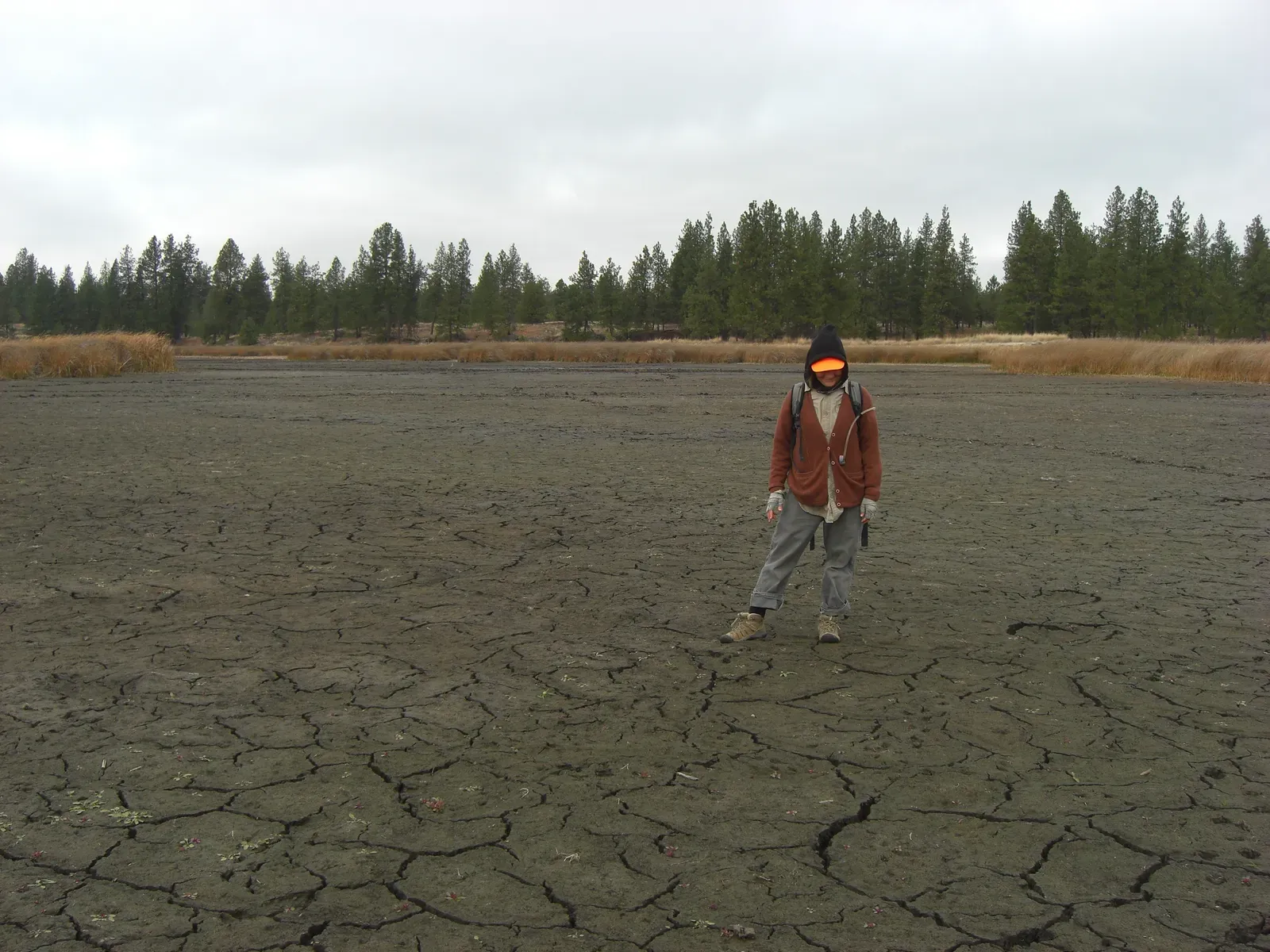
Washington State gets less attention in water shortage discussions than Arizona or California, but it absolutely deserves a spot on this list. Washington state issued a drought declaration for an unprecedented third year in a row. That is the kind of streak that catches the attention of serious water scientists.
Water storage in Washington’s five reservoirs in the Yakima River Basin has dropped sharply, bringing levels, at times, to some of the lowest measured since record-keeping started in 1971. The Yakima River Basin is the agricultural backbone of the state. Lower water means less irrigation, and less irrigation means less food. The ripple effects from a failure here touch grocery store shelves across the country.
Nearly every major river basin in the West experienced a November among the top five warmest on record heading into winter 2025-2026. On December 7, 2025, snow cover across the West was the lowest amount for that date in the satellite record since 2001. For Washington, snowpack is everything – it is the natural reservoir that feeds rivers through the summer. Less snow means a very stressful warm season ahead.
9. Virginia: Infrastructure Failures Expose a Deeper Crisis
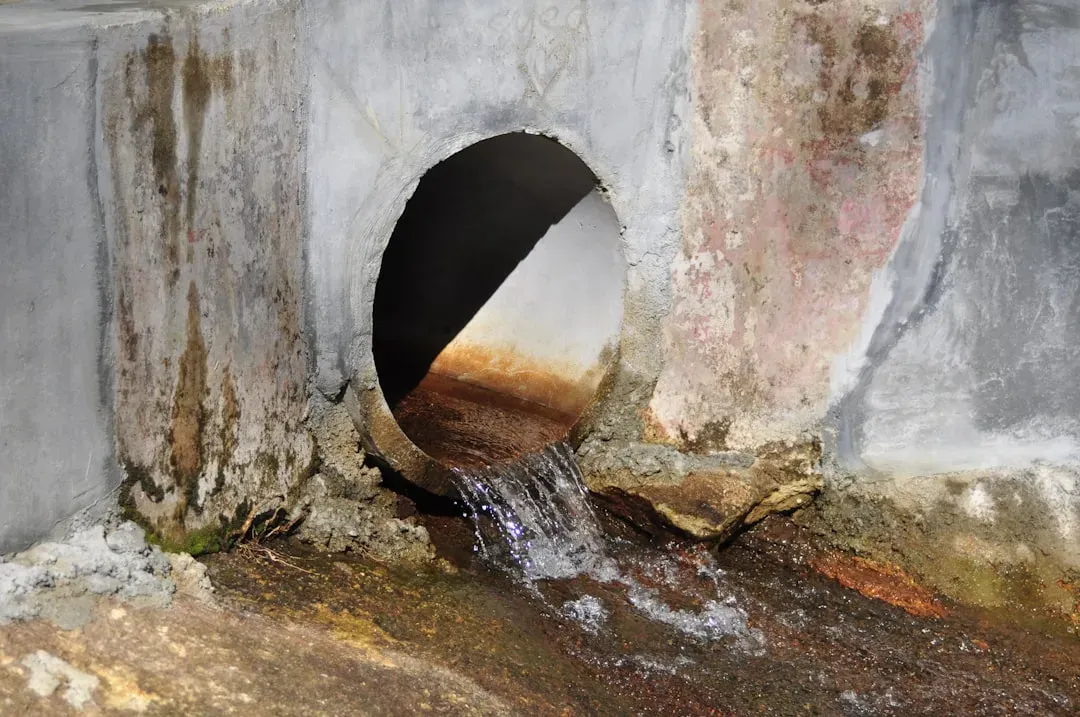
Virginia’s water problems are different in character from those of the drought-stricken West, but they are no less serious. The crisis here is largely one of crumbling infrastructure – and it nearly became catastrophic in 2025. In January 2025, Richmond experienced a major disruption when a power failure knocked out its water treatment plant, triggering a boil-water advisory for several days that left the city’s 230,000 residents, as well as adjacent counties of Hanover and Henrico, without drinkable tap water.
A second boil-water advisory in May 2025 underscored Richmond’s need for long-term infrastructure upgrades after backup systems and filtration equipment failed earlier in the year. Two serious failures in one year. That is not a coincidence – it is a pattern. In Virginia, large data centers use as much as five million gallons of water a day, according to a May 2024 report. Tech companies are consuming massive amounts of groundwater in areas that are already facing water shortages due to rising temperatures.
The tech industry’s thirst for water is a story that barely gets told, but it is very real in Virginia. Data centers need enormous amounts of water to cool their servers. Meanwhile, aging pipes and single-feed power systems are leaving ordinary residents vulnerable to outages that leave them without safe water for days at a time. That is a system under serious stress – and one that has already shown it can break.
The Bigger Picture: A Nation Running Low
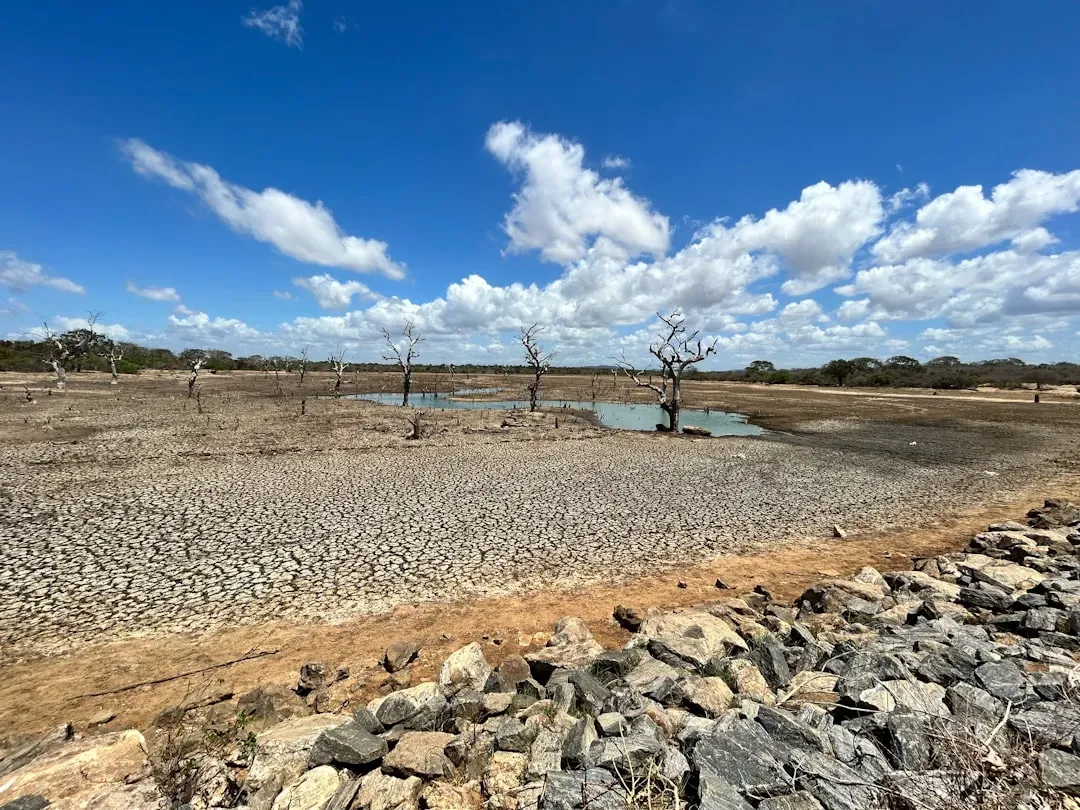
Zoom out from any single state and the national picture is genuinely sobering. According to a January 2025 article in Grist, roughly 53 percent of the nation’s aquifers are drying up as global water systems confront warming. Aquifers are not like reservoirs you can refill with a good rainstorm. They take decades, sometimes centuries, to recharge. Once they are gone – or too depleted to pump from – they are effectively gone on any human timeline.
Drought has shrunk the Colorado River, and it is not a temporary crisis – it is described by researchers as “a permanent new condition” in which there is simply less water than before. Water levels in Lake Powell could fall low enough to stop hydropower generation at the reservoir by December 2026. The Colorado River Basin lost about 27.8 million acre-feet of groundwater between 2002 and 2024 – roughly equal to the entire storage capacity of Lake Mead. That is a staggering number. Imagine draining the country’s largest reservoir underground, invisibly, over two decades.
A 2023 New York Times analysis reported that nearly half of water wells have shown a significant decline in water levels since 1980, with about 40 percent reaching record-low levels in the past decade. At the current rate of consumption, the U.S. may experience severe water shortages in the decades ahead. The time to act was years ago. The next best time is right now. What would you have guessed it would take to get the country’s attention – and is it already too late to avoid the worst?