Inspectors Warn: 5 Electrical Add-Ons That Are Illegal – Yet People Keep Installing
You know what sends a home inspector’s blood pressure through the roof? Opening up a panel or peeking behind a wall only to discover someone’s creative interpretation of electrical wiring. The temptation to save a few hundred bucks on electrical work can be powerful, especially when YouTube tutorials make everything look deceptively simple, yet electrical inspectors across the country are pulling their hair out over the same violations again and again. Many homeowners try to modernize or improve their electrical systems without realizing that some common DIY practices violate the National Electrical Code and local regulations, creating fire hazards and voiding insurance coverage.
Home electrical fires account for an estimated 51,000 fires each year, nearly than 500 deaths, more than 1,400 injuries, and $1.3 billion in property damage. Here’s the thing that should terrify anyone who’s dabbling in electrical work without professional help: many states require licensed electricians for all but the simplest repairs, and installing new circuits, relocating wiring, or modifying panels without proper certification violates state and local regulations, with insurance companies potentially denying claims if illegal electrical work is found after a fire or accident. Let’s be real, the consequences go way beyond a failed inspection.
Permanent Extension Cords Hiding in Walls
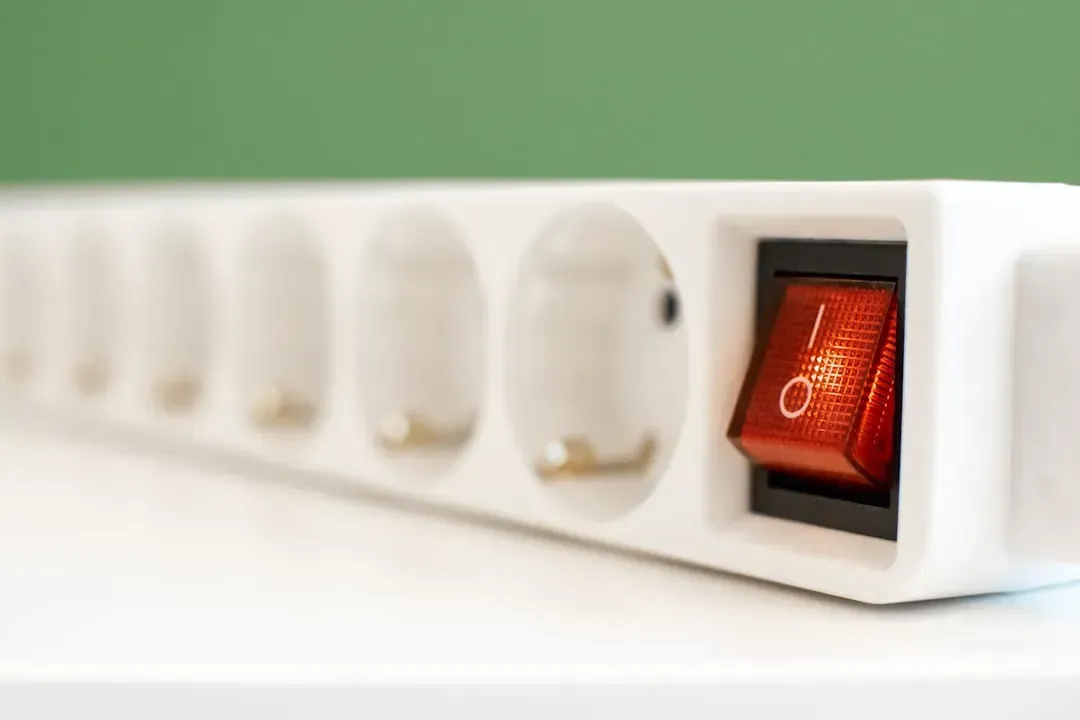
Many homeowners rely on extension cords for convenience, but they are not designed to replace fixed wiring, and over time, cords can fray, overheat, or cause electrical fires, with the U.S. Consumer Product Safety Commission reporting extension cords are involved in more than 3,000 home fires annually. I know it sounds crazy, but people actually run these cords through walls, under carpets, and behind baseboards thinking they’ve found a cheap solution to their outlet shortage problem.
The National Electrical Code is crystal clear: extension cords cannot substitute for permanent wiring, and they definitely can’t be concealed in walls, ceilings, or floors. The insulation on these temporary cords breaks down under stress and constant power draw. Extension cords are designed for temporary use and lack the insulation and load capacity needed for long-term power delivery, with fire investigators repeatedly linking permanent extension-cord setups to overheating and house fires, as U.S. codes require fixed wiring to be installed in approved conduit, raceways, or walls.
Oversized Circuit Breakers That “Fix” Tripping Problems
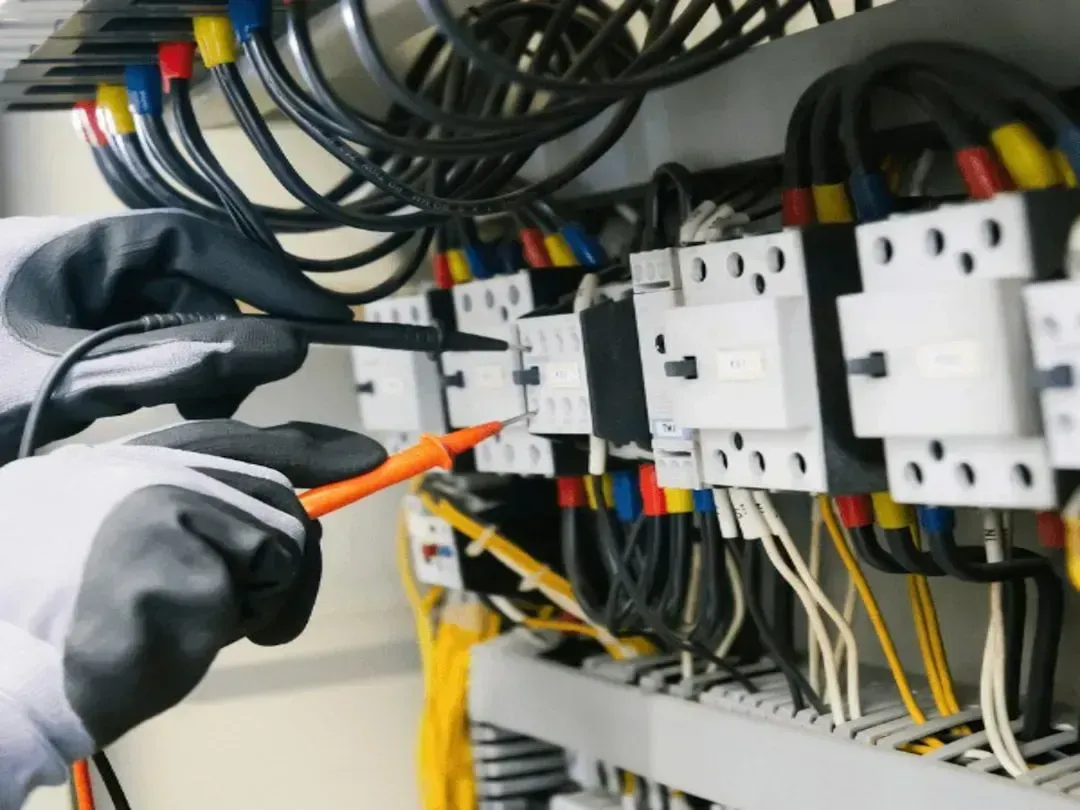
Replacing a 15-amp breaker with a 20- or 30-amp breaker to “stop tripping” is illegal and extremely dangerous, allowing wiring to carry more current than it was designed for and dramatically increasing fire risk, with licensed electricians considering this one of the most hazardous DIY mistakes seen in U.S. homes. This one makes inspectors see red because it’s such a fundamental misunderstanding of how electrical safety works.
A breaker is matched to load capacity and wire size, with larger breakers allowing more and more current to flow through before they trip, catch on fire or blow out your home’s electricity system. Think of the breaker as the safety guard for your wiring, not an annoying limitation. When that breaker keeps tripping, it’s screaming at you that the circuit can’t handle what you’re asking it to do. DIYers aggravated by a constantly tripping fuse or breaker often may hastily replace the offending breaker with a larger capacity breaker, which in addition to being extremely dangerous, is also illegal and in direct violation of electrical codes.
Hidden Wire Splices Without Junction Boxes
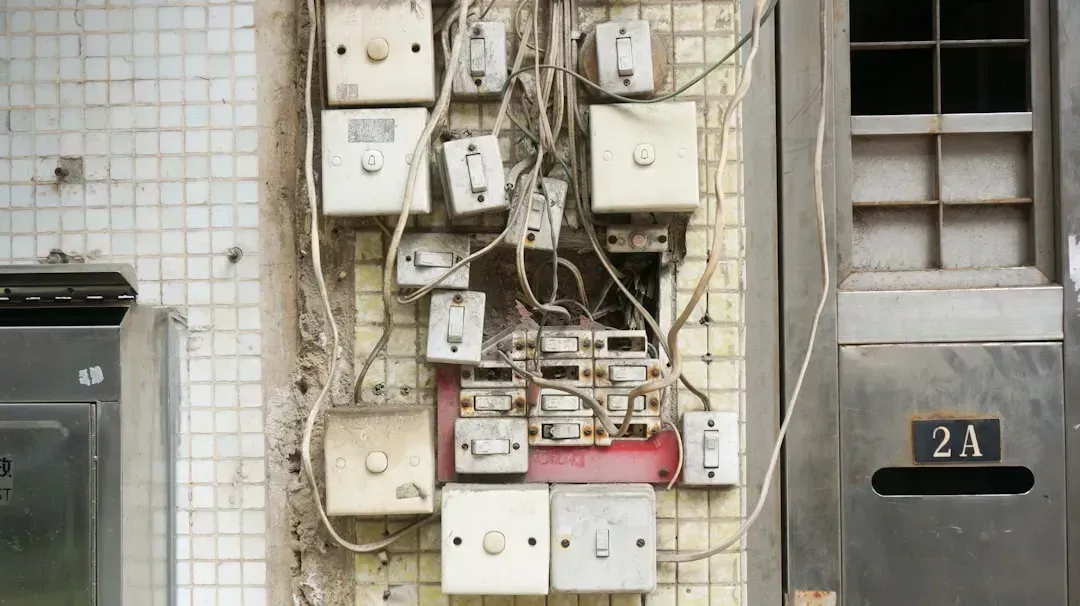
Twisting wires together in a wall cavity and covering them with tape is strictly prohibited, as U.S. electrical code requires all splices to be enclosed in approved boxes to reduce the risk of arcing, short circuits, and overheating. Honestly, I think this one happens more often than inspectors ever discover because it’s literally buried in the walls.
A widely shared list highlights “Wire Splices Hidden” in walls as a prime example, noting that when you bury a splice behind drywall instead of using an accessible junction box, you are not just breaking a rule, you are making it nearly impossible to inspect or repair that connection safely later. According to the NFPA, exposed or buried connections are a top cause of electrical fires in older homes, with every splice or wire connection required to be housed inside a visible, covered box for safety inspections and maintenance, as the NEC strictly prohibits any wiring enclosure that is inaccessible because it makes future repairs hazardous and prevents proper heat dissipation from active circuits. That heat buildup becomes a disaster waiting to happen.
Unpermitted Circuit Additions to Electrical Panels
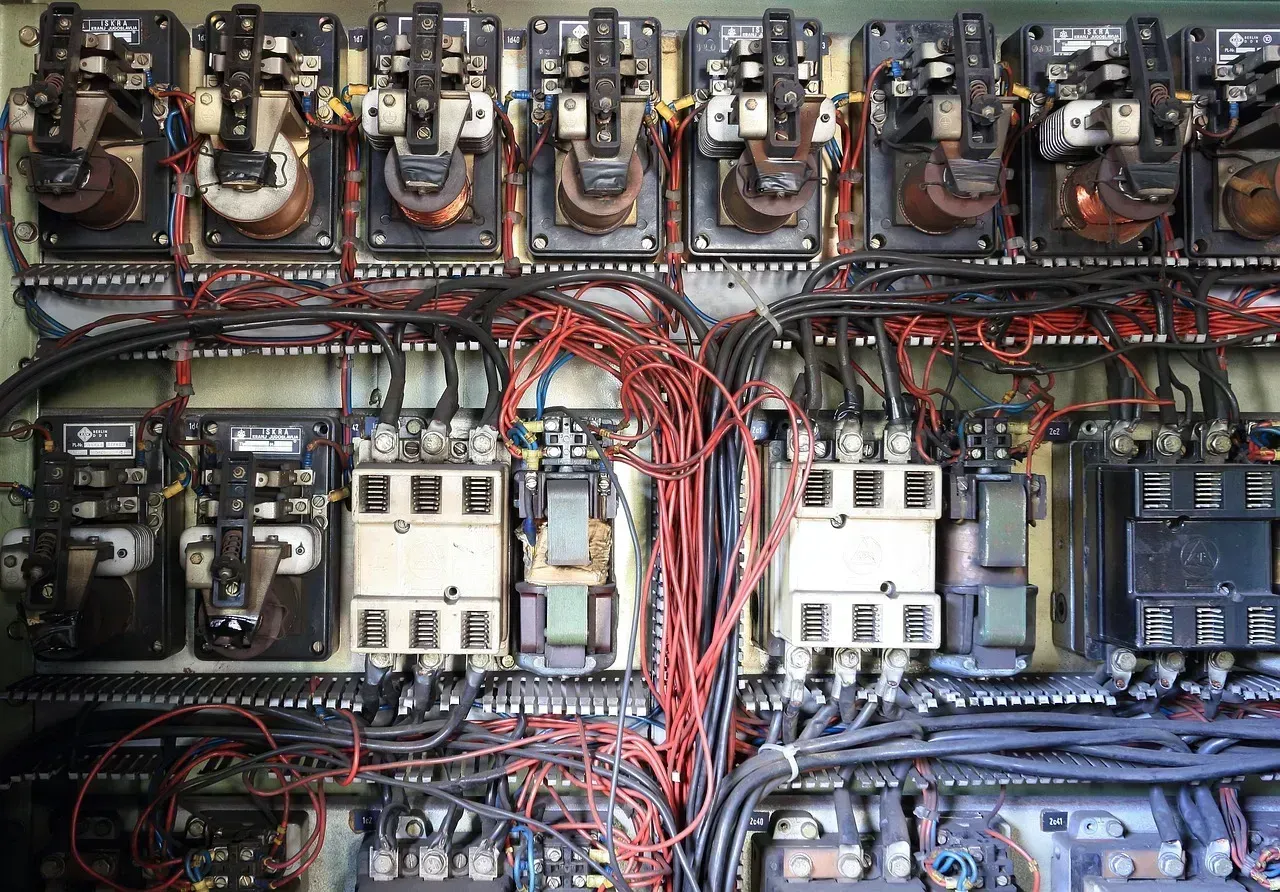
Electrical panels must be evaluated for available capacity before adding circuits, with unpermitted additions often overloading panels creating unsafe heat buildup and violating local codes, as home inspectors frequently flag these illegal upgrades when homes are sold. It’s hard to say for sure, but this violation probably causes more real estate deals to stall than any other electrical issue.
Inspectors also see a steady stream of unapproved devices added to panels or circuits that were never designed to handle them, including plug‑in heaters on already loaded bedroom circuits, DIY car‑charging setups using standard receptacles, or under‑cabinet lighting powered by daisy‑chained extension cords, with each of these “extras” seeming minor in isolation, but together they can push wiring beyond its rated capacity and defeat built‑in protections. The panel might have empty slots, which tricks homeowners into thinking they can just pop in another breaker without consequences. What they don’t realize is the main service might already be maxed out.
Missing or Incorrectly Placed GFCI Protection
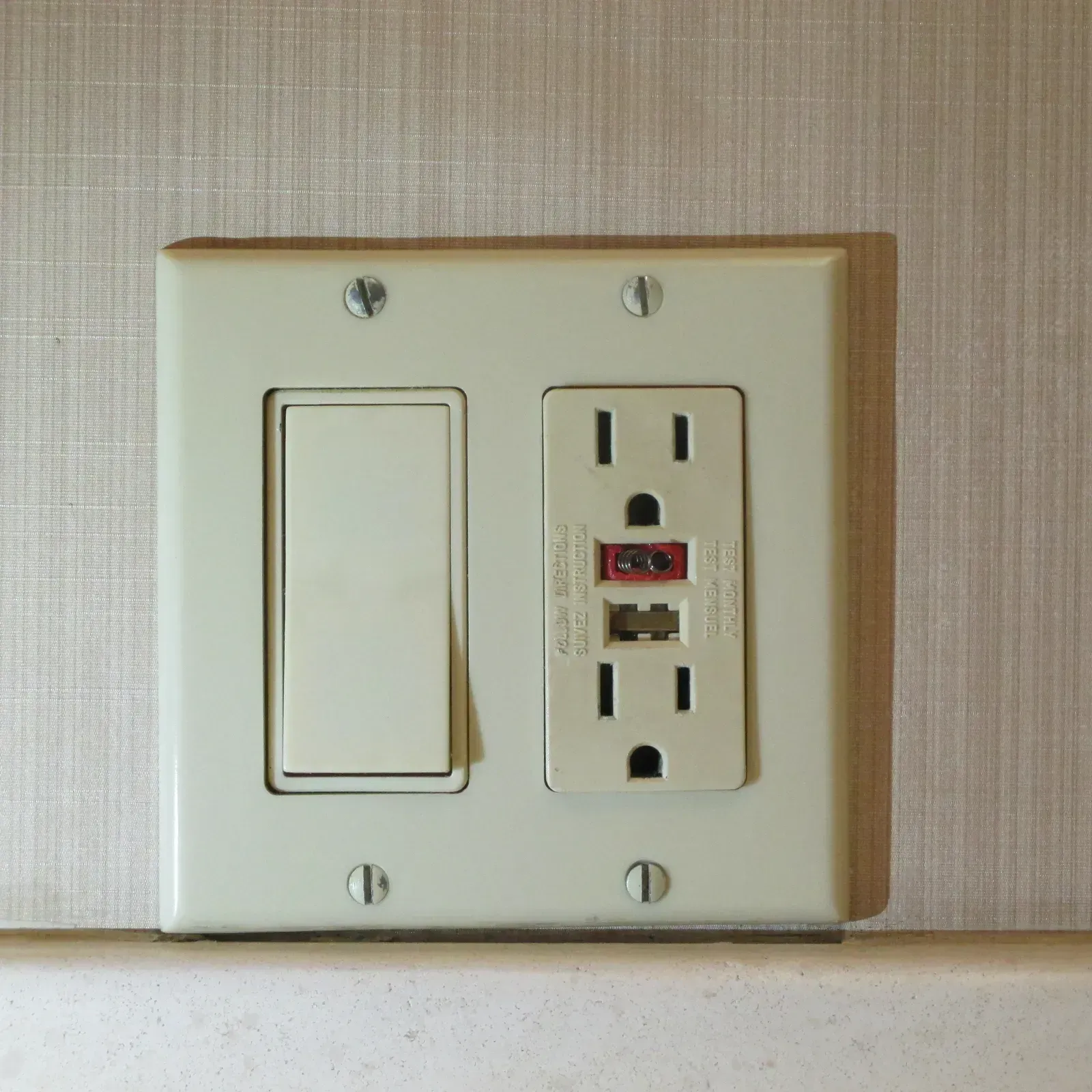
GFCIs are mandatory wherever water and electricity might meet according to the National Electrical Code, with these outlets cutting power instantly when a fault is detected to reduce the risk of electrocution, yet homeowners who skip installation or still use standard outlets in these zones are violating safety laws, as the Electrical Safety Foundation International emphasizes that GFCIs have saved countless lives since their introduction in the 1970s while many older homes remain out of compliance today.
This one’s especially frustrating for inspectors because the fix is straightforward and relatively cheap. Kitchens, bathrooms, garages, and outdoor areas require GFCI outlets to prevent shock hazards, as these outlets cut power instantly when a fault is detected, thereby reducing the risk of electrocution, with the National Electrical Code stating GFCIs are mandatory wherever water and electricity might meet while homeowners who skip installation or still use standard outlets in these zones are violating safety laws. Even when GFCIs are installed, improper placement can make them ineffective, as some homeowners hide them behind appliances or cabinets where resetting them becomes nearly impossible, with the National Electrical Code requiring GFCIs to remain easily accessible for manual testing and resetting.
The bottom line? Many states require licensed electricians for all but the simplest repairs, and installing new circuits, relocating wiring, or modifying panels without proper certification violates state and local regulations, with homeowners trying to modernize or improve their electrical systems without realizing that some common DIY practices violate the National Electrical Code and local regulations, creating fire hazards and voiding insurance coverage. What looks like a Saturday afternoon project can turn into a nightmare during resale or, far worse, when something catches fire. Did you know your insurance might refuse to cover damage from unpermitted electrical work? That’s a gamble nobody should take.