The Retirement “Avoid” List: 12 Places Seniors Say Aren’t Worth the Money or Stress
Retirement is supposed to be your reward. Decades of hard work, savings, and planning all funneling into one golden chapter of life. Yet, for a surprising number of seniors, the dream destination they carefully chose turned out to be anything but golden.
A record 4.2 million Americans turned 65 in 2025, entering retirement age at a time of rising costs, economic uncertainty, and mounting healthcare pressures. That’s more pressure than ever to get the location decision right. The wrong move – literally – can drain savings fast, add stress, and make you question everything.
So before you pack those boxes and chase that postcard-perfect retirement dream, take a hard look at the places that real seniors are increasingly calling out. Some of them will genuinely surprise you. Let’s dive in.
1. Louisiana: Beautiful State, Brutal Finances
Louisiana often looks like a tempting deal on paper. The food is legendary, the culture is vivid, and home prices are genuinely low. The typical home price in Louisiana is only around $209,589, which is nearly half the national average. Sounds fantastic, right?
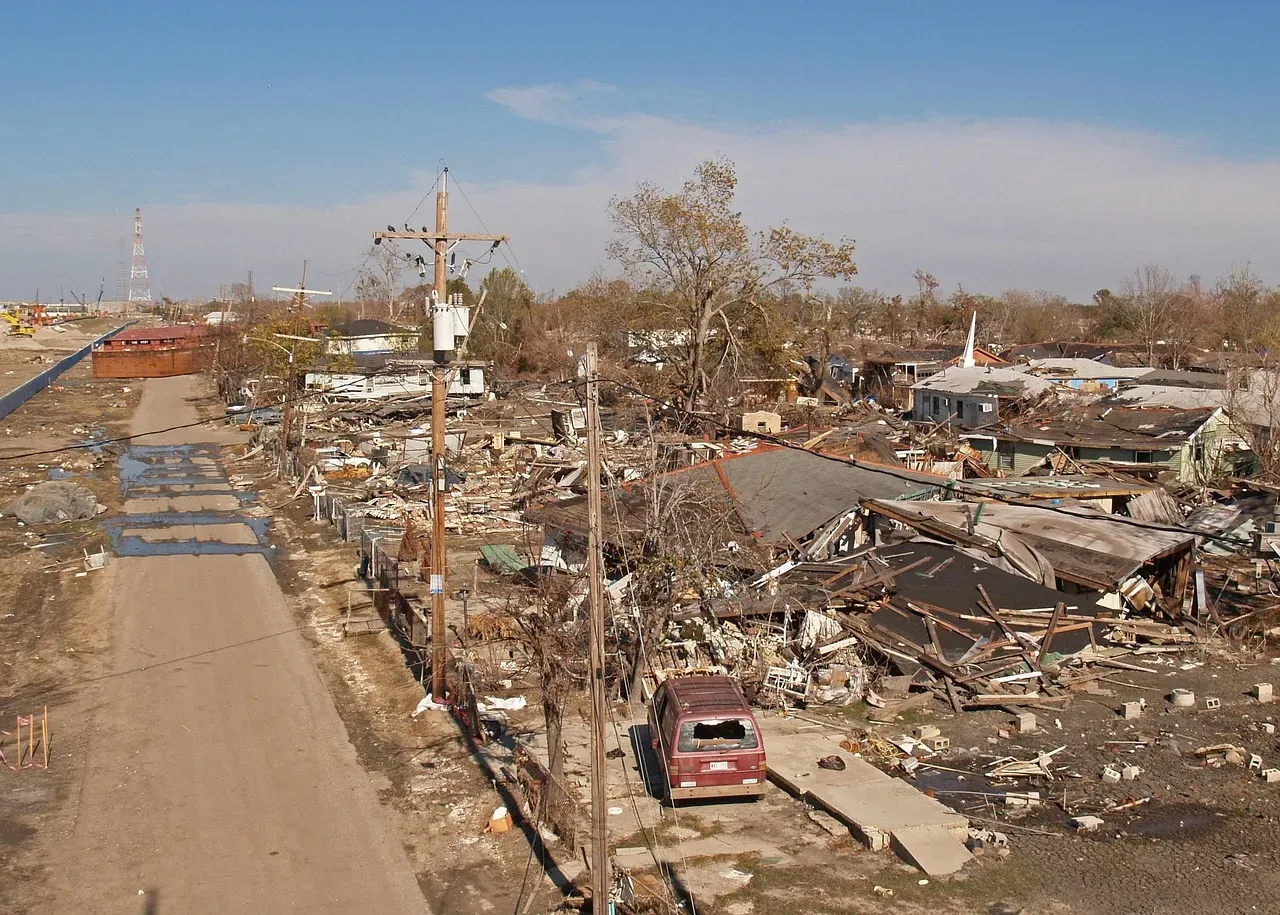
Here’s the thing, though. One single weather event can undo years of financial stability. Because of hurricanes and severe weather that have caused more than $115 billion of damage since 2020, Louisiana is expected to see the biggest hike in home insurance premiums, with a projected $2,974 increase in 2025, according to Consumer Affairs. That kind of surprise bill is brutal on a fixed income.
Car insurance in Louisiana averages just over $3,953 per year, which sits about 45% above the national average. The affordability illusion crumbles quickly when you start adding these costs together. Bankrate’s 2025 retirement study placed Louisiana at the very bottom of their national rankings, while several traditional retirement havens like Florida and Texas also ranked in the bottom ten.
2. New Jersey: Tax Nightmare by the Shore
New Jersey has its charms. Miles of coastline, excellent access to healthcare, good cultural offerings. Honestly, it sounds wonderful until you check the numbers. New Jersey is considered the worst state to retire by Seniorly’s 2025 analysis, driven by its high cost of living and income tax rate of 10.75% for top earners.
Though Social Security income isn’t taxed at the state level in New Jersey, the state has the highest property tax in the country at an effective rate over 2%, according to the Tax Foundation. Homeowners in the state pay a median of $9,345 in annual property taxes, meaning even retirees who’ve paid off their mortgages may still be on the hook for hefty housing costs.
The Garden State also has the sixth-highest cost of living of all states. That’s a lot of financial pain for a retirement that was supposed to be relaxing. It’s a bit like ordering a simple pasta dish and getting a bill fit for a five-course tasting menu.
3. Hawaii: Paradise With a Punishing Price Tag

Almost everyone has Hawaii on their dream retirement list. The beaches, the sunsets, the warmth – it’s undeniably gorgeous. But gorgeous doesn’t pay the bills. Hawaii ranked dead last among all 50 states for retirement in 2025 according to Retirement Living, receiving an overall score of just 33.9 out of 100 points. That’s a shocking number.
On the positive side, Social Security is not taxed in Hawaii. However, 401(k) and IRA distributions are fully taxable. For most retirees, that’s where the bulk of income comes from – so that “positive” fades fast. Limited public transportation options add another layer of complexity, and even if you have a car, gas prices are typically sky-high.
Massachusetts is the second-most expensive state, only behind Hawaii, which contributed heavily to poor overall retirement rankings. The isolation factor is also real. Many seniors quietly discover what locals call “island fever” after a few years of being surrounded by ocean on all sides with no easy escape.
4. California: The Golden State That Drains Golden Savings

California is probably the most complicated entry on this list because the appeal is very real. Warm weather, world-class culture, stunning landscapes. I get it. It’s no shock to anyone that California is one of the most expensive places to retire, and in the Motley Fool’s study, it ranked 49th out of 50 states, the second-worst state to retire in overall.
High taxes, lofty housing costs, and high sales taxes make California a financially challenging place to live for retirees. In fact, roughly one in ten seniors is living in poverty in California. That’s a figure that should genuinely give anyone pause. Safety is also a concern, with California’s crime rate running 31% higher than the national average and an astounding majority of violent crimes going unsolved.
California has some of the most expensive housing in the United States, with homes averaging two and a half times the cost of the national average. That means your retirement savings will disappear faster here than almost anywhere else. Combine that with wildfire risks and escalating utility costs and the picture becomes even grimmer.
5. New York State: High Taxes, Higher Stress

New York is electric. World-class arts, cuisine, culture. But retirement here is a different story entirely. New York places near the bottom of retirement rankings with the worst economic strength, where 14.3% of seniors live in poverty and nearly one in five seniors works past retirement age. That last number is the one that should sting.
According to the 2024 NYS Elder Economic Security Index, 573,000 New Yorkers 65 and older find it very or somewhat difficult to pay for ordinary household expenses, 229,000 elderly New Yorkers are falling behind on rent or mortgage expenses, and over 800,000 of New York’s elderly report food insecurity. Those are staggering real-world numbers, not abstract statistics.
Costs are especially high in New York City, Long Island, and the mid-Hudson region. Critically, average Social Security benefits only cover about 61% of the Elder Index cost of living in New York, leaving roughly $14,804 per year to be covered by other sources. New York City consistently ranks among the most expensive places to live in the United States, and residents encounter some of the highest state and local taxes in the country, coupled with outrageous housing costs.
6. Kentucky: Bottom of the Barrel for Healthcare
Let’s be real. Kentucky has its appeal. Horse racing, bourbon culture, Southern warmth, and a cost of living that’s actually pretty reasonable. The cost of living in Kentucky is about 19% lower than the U.S. average. For budget-conscious retirees, that sounds appealing. Yet one critical factor overrides nearly everything else.
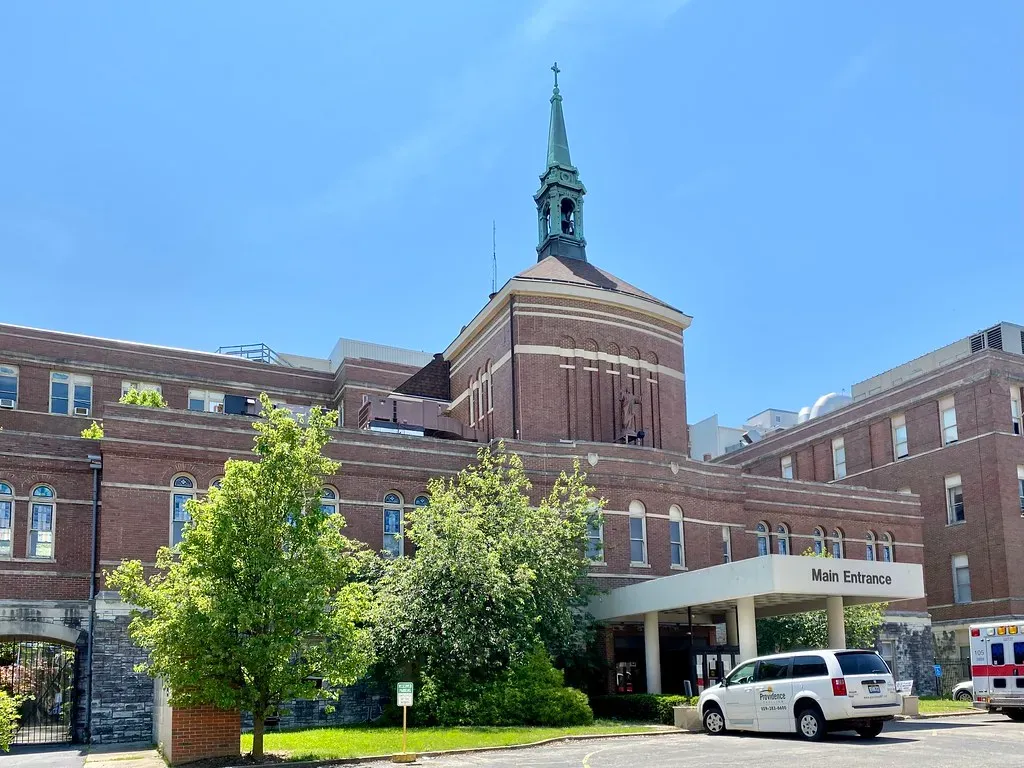
Kentucky consistently ranks at the bottom nationally for healthcare access, outcomes, and overall senior well-being. While still below the national average, home prices and property taxes have been climbing rapidly in many areas. The state is also prone to various natural disasters, including floods and tornadoes.
Of the ten worst states to retire, Kentucky holds the unfortunate distinction of being ranked number one. That, combined with humidity and other quality-of-life issues, landed it at the bottom in both 2024 and 2025. Healthcare quality in retirement isn’t a luxury – it’s a necessity. When that pillar collapses, the affordability advantage becomes much less relevant.
7. Mississippi: Low Cost, High Risk
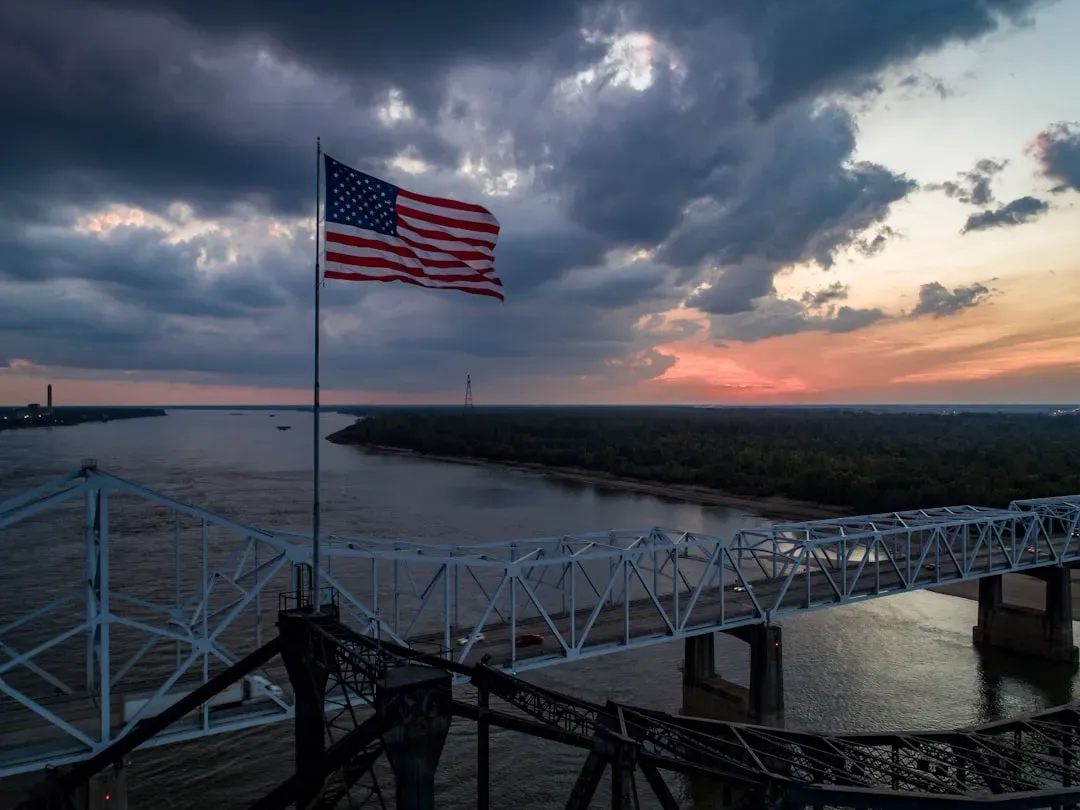
Mississippi is one of the most affordable states in the country. There is no argument there. In 2024, the cost of living in Mississippi was 22% lower than the U.S. average, and the average home comes in at around $187,882. For seniors on a tight budget, that initial appeal is completely understandable.
Crime is high in many areas of the state and quality healthcare is harder to come by than in most other states. Mississippi is also prone to natural disasters such as hurricanes and tornadoes, which can lead to higher insurance costs, property damage, and the need to find temporary housing.
Mississippi received poor scores on healthcare metrics in Seniorly’s 2025 analysis, including the number of doctors available, Medicaid spending on long-term care, and the overall health of Medicare beneficiaries. Think of it like buying a budget car that looks fine on the lot but starts costing you heavily once the repairs begin. The savings upfront don’t always tell the full story.
8. Alaska: Remote, Expensive, and Isolating

Alaska is breathtaking. Genuinely one of the most dramatic landscapes on earth. But retirement there? It’s a very tough sell for the vast majority of seniors. Having a cold climate with long and dark winter days, Alaska ranks as the worst climate in the country for retirees, and the state is generally quite rural with a crime rate per capita nearly double the national average.
Alaska features some of the most expensive nursing home costs in the United States, making planning in advance for the costs and burdens of aging an essential part of retirement planning. That’s not a minor footnote – it’s a central reality of aging in this state. According to a LTC News survey of long-term care costs, the average monthly cost of in-home care in Alaska is approximately $5,753, while the base cost for assisted living averages $6,427 per month.
Aging is an undeniable reality in Alaska, where harsh winters and limited care options can make long-term care even more challenging. Without proper planning, the financial and caregiving burden will likely fall on family members, straining their time, emotions, and resources. It’s hard to say for sure how many seniors fully appreciate that reality before making the move.
9. Florida: The Retirement Myth That’s Cracking

Florida is probably the most over-sold retirement destination in America. For decades, the brand was unbeatable: sunshine, no state income tax, beaches everywhere. The reality is that skyrocketing home prices and insurance costs are making Florida an increasingly unaffordable state for retirees. Homeowners, especially those in coastal areas, are facing rising insurance premiums, with some policies costing over $6,000 per year.
FEMA’s 2024 flood-map update expanded flood risk substantially, with South Florida alone adding approximately 138,800 structures to high-risk zones. That’s not a small adjustment – it’s a massive shift in financial exposure for existing homeowners. Florida doesn’t have personal income tax, but combined state and local taxes are higher than many snowbird states, and wind and flood insurance have become not only expensive but also difficult to even obtain.
Florida received the worst healthcare ranking in the entire country according to Seniorly’s analysis, though its relatively lower cost of living and large senior population help keep it out of the absolute bottom of overall rankings. The sunshine is still real. The problems are just becoming very real too. Going to Florida for retirement without researching insurance and healthcare thoroughly is like skipping the fine print on a mortgage.
10. New Mexico: Crime Concerns and Sparse Medical Care
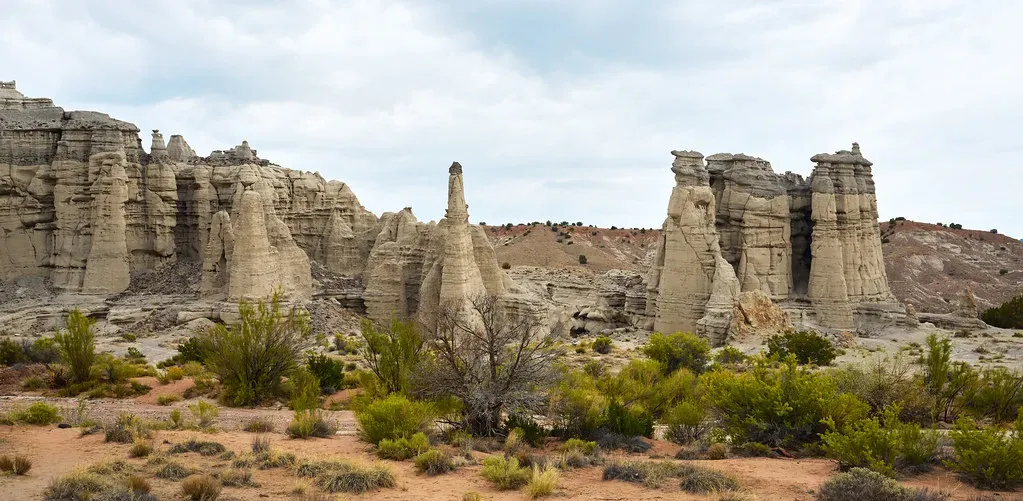
New Mexico has a lot going for it visually. Stunning desert scenery, rich Indigenous culture, warm dry weather for most of the year. Many retirees are drawn to Santa Fe or Albuquerque for their art scenes and laid-back atmosphere. While New Mexico is rich in culture and boasts beautiful landscapes, it has been estimated that 30% of New Mexico’s rural roads are in poor condition. That alone could be a serious issue for aging drivers.
According to FBI data, New Mexico has one of the highest rates of violent crime against older adults in the nation. On average, violent crimes against seniors in the state occur at a rate of 212.2 per 100,000 individuals. That is a number that deserves very serious attention before relocating.
Crime is over 3% higher than the national average, and medical facilities are sparse, especially in rural areas. That means many seniors may need to travel long distances to access specialized care – a significant disadvantage as health needs increase with age. For a retiree expecting easy access to specialists and hospitals, New Mexico can be genuinely surprising in the worst possible way.
11. Texas: Growth Without the Senior Infrastructure

Texas is booming. No state income tax, enormous job markets, and a culture of independence that many people love. But the retirement picture is more complicated. Eight of the 10 worst states for retirees, according to Bankrate’s 2025 study, are in the Sun Belt – and Texas is among them. That’s a reality that surprises many people who associate Texas with economic freedom.
Texas also has significant room for improvement when it comes to retiree healthcare. The United Health Foundation ranked it 38th for senior health in its 2024 Senior Report, noting that the state has slightly higher rates of seniors living in poverty and struggling with food insecurity than the country as a whole.
Texas received poor scores on healthcare metrics including the number of available doctors, Medicaid spending on long-term care, and the health outcomes of Medicare beneficiaries. Texas is a fantastic state for many things. Retirement, however, especially for seniors who need reliable healthcare infrastructure, remains a work in progress at best.
12. West Virginia: Affordable But Struggling
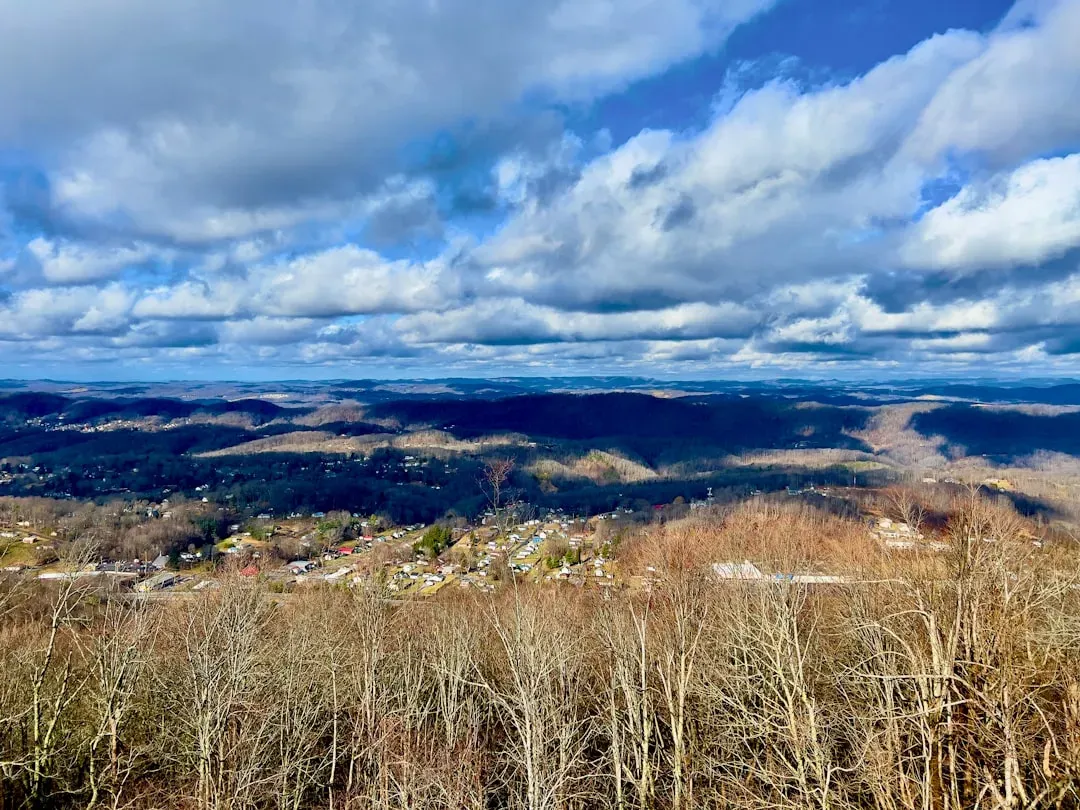
West Virginia is genuinely one of the most affordable places in America to retire. West Virginia is one of the most affordable states to retire in the country, and seniors need just $303,199 to retire there – the lowest in the nation. That figure sounds remarkable. The trouble lies beyond the price tag.
While West Virginia has experienced a decrease in crime, some areas of the state maintain a dangerous reputation for violent crime. The population also tends to be less healthy, which is evidenced by poor patient outcomes in healthcare. The state ranks fourth-worst for poverty.
These weaknesses in healthcare and economic strength make West Virginia an unappealing retirement destination for most seniors who factor quality of life into their decision. Affordability is genuinely important, nobody is arguing otherwise. But retirement isn’t only about how cheaply you can live – it’s about how well you can live. West Virginia, despite its natural beauty and rock-bottom costs, still has a long road ahead before it can realistically be called retirement-ready.