The Grocery Illusion: 4 “Healthy” Snacks That Have More Sugar Than a Glazed Donut
You grab a granola bar between meetings. You add dried cranberries to your salad. You reach for that brightly labeled protein bar after your workout or pick up a colorful yogurt cup for breakfast. These all seem like responsible, health-conscious choices. Yet many of these seemingly wholesome snacks contain more sugar than the dessert most people feel guilty about eating.
A Krispy Kreme glazed donut contains 10 grams of sugar, which might sound like a lot. However, walk down the health food aisle and you’ll find products marketed as nutritious alternatives that double or even triple that amount. Food companies have become masters at packaging and positioning these products as smart choices while loading them with sweeteners that undermine their health claims. The disconnect between marketing and reality has created what can only be called a grocery store illusion, where products bearing labels like “high protein,” “heart healthy,” or “natural ingredients” hide sugar contents that would shock most consumers.
Granola Bars: Candy Bars in Disguise
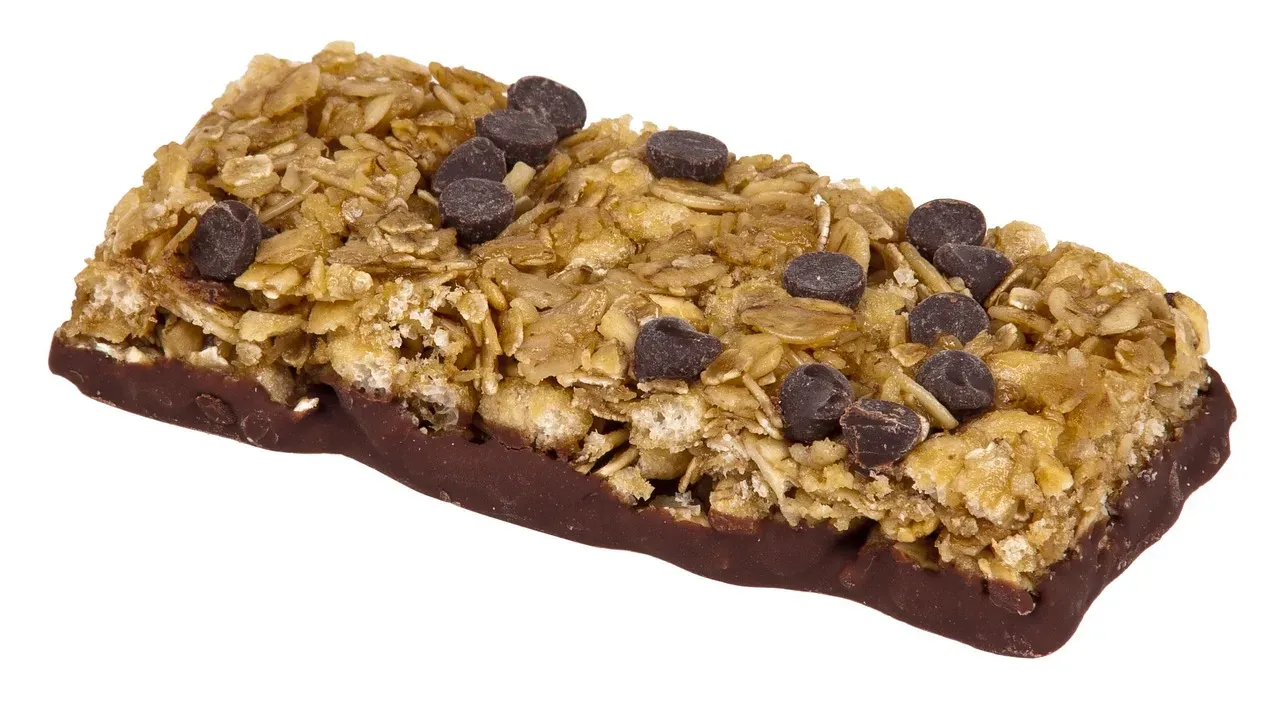
According to a New York Times survey, around 70% of Americans deem granola bars as “healthy,” but you need to check the nutrition facts to make sure that the bar isn’t loaded up on sugar. For instance, Kellogg’s Special K bar has around 15 grams of sugar, which is more than a Dunkin’ donut. That innocent-looking bar you toss into your bag for a midday snack contains half again as much sugar as that glazed donut you avoided at breakfast.
The deception runs deeper than most people realize. Despite their health halo, many granola bars are full of added sugar, coated in chocolate and dressed up with a little protein powder, making them nothing more than a glorified candy bar. Some bars have been found with as much as 25 grams of added sugar. Research conducted in 2024 and 2025 continues to expose this pattern. Despite their reputation as a healthy snack, many granola bars contain high levels of added sugars, deterring health-conscious consumers. As awareness grows about the negative health impacts of excessive sugar consumption, consumers become more cautious about their snack choices. A 2016 New York Times article highlighted that many popular granola bars contained as much sugar as candy bars, and recent investigations show little has changed.
Flavored Yogurt: Breakfast Dessert

That pretty parfait cup with its colorful layers looks like the perfect Instagram-worthy breakfast. The reality is far less photogenic. Store-bought parfaits can contain 35 grams of sugar, which is more than three times what you’d find in that glazed donut. Even individual flavored yogurt containers without the fancy toppings can be sugar bombs in disguise.
Flavored products contained nearly twice the average total sugar content of unflavored products, with substantial variability: mean total sugar was 9.1 grams per 100 milliliters and 11.5 grams per 100 grams for flavored milks and yogurts, respectively, according to a cross-sectional study published in 2019 that examined products across three countries. Although plain yogurt contains naturally occurring sugar in the form of lactose, flavored varieties can be a huge source of added sugar. Despite the “health halo” associated with yogurt, some brands pack more added sugar than a scoop of ice cream. The fruit typically sits in syrup, the yogurt itself is sweetened, and those crunchy granola toppings are often held together with sugar and corn syrup. Recent industry trends show manufacturers are responding to consumer pressure, with multiple brands launching reduced-sugar options in 2024 and 2025, but many traditional flavored yogurts remain loaded with sweeteners.
Protein Bars: The Fitness Aisle’s Hidden Truth

Protein bars have exploded into a multibillion-dollar industry, with flavors ranging from Birthday Cake to Maple Glazed Donut. The irony of that last flavor name shouldn’t be lost on anyone. Some protein bars contain 20 grams of sugar, nearly twice as much as a donut, with certain varieties containing 4 grams more sugar than a donut and more than twice the fat found in a Mars bar. These products position themselves as workout fuel or meal replacements, yet their nutritional profiles often resemble candy bars more than health food.
Research conducted in 2025 found troubling patterns in the protein bar market. Less than half (48%) of the bars included in the analysis are high in fiber, and only 28% are low in total sugar. A WellnessPulse analysis of 50 best-selling protein bars sold by popular retailer chains across the U.S. found that only 66% contain enough of the nutrient to be considered ‘high protein’. Many bars sold today contain large amounts of ultra-processed ingredients, artificial sweeteners and added sugars. Options in the protein bar aisle at the grocery store keep growing, but some protein bars masquerade as “healthy,” despite containing the calories of a candy bar. The chocolate coating, caramel drizzle, and cookie dough chunks that make these bars taste like treats are precisely what transforms them from functional nutrition into desserts dressed in athletic wear.
Dried Cranberries: Nature’s Candy Gone Wrong

Fresh cranberries are so tart they make your face pucker, which is why manufacturers drown them in sweeteners before packaging. The result is shocking. Ocean Spray dried cranberries contain as much cane sugar as seven donuts. Seven. That handful you sprinkle on your salad or stir into your oatmeal thinking it’s a healthy choice contains exponentially more sugar than the breakfast pastry you skipped.
The problem extends beyond just cranberries to the entire dried fruit category. Manufacturers sometimes add even more sugar to dried fruits to enhance their flavor. You can check whether sugar was added to a particular product by checking the ingredients list and looking at the “added sugars” line on the Nutrition Facts Label. While the dehydration process naturally concentrates the sugars already present in fruit, many commercial dried fruit products go several steps further by coating the fruit in additional sweeteners. Not only does dried fruit naturally have more sugar than regular fruit, Ocean Spray went an extra step to add even more sugar to its dried cranberries, making them basically pieces of candy. That little handful you’re adding to trail mix or using as a salad topping delivers a sugar punch that rivals or exceeds traditional desserts.
The grocery store shelves are filled with products that leverage health claims to mask their true nutritional profiles. Labels proclaiming “high protein,” “whole grain,” “heart healthy,” or “natural ingredients” create a false sense of security that leads consumers to overlook what actually matters: the ingredient list and nutrition facts panel. These four categories represent just the tip of the iceberg in a broader pattern of misleading food marketing that has normalized consuming dessert-level amounts of sugar under the guise of healthy eating. The solution isn’t to feel guilty about occasionally enjoying an actual donut, but rather to read labels carefully and recognize that many products marketed as wholesome alternatives contain comparable or greater amounts of sugar than the treats we openly acknowledge as indulgences.