“Blacklisted” Houses: 8 Features That Can Make a Home Nearly Impossible to Sell
Selling a home today isn’t what it used to be. What worked five years ago might leave you sitting on the market for months in 2026. Real estate has become brutally selective, and certain features can transform a property from a quick sale into a stubborn listing that lingers and languishes.
Let’s be real here. Some homes carry features so problematic they effectively earn a spot on buyers’ mental blacklist before the second showing even happens. The thing is, many sellers don’t realize their property has these deal killers until offers fail to materialize. Maybe you’ve got one of these issues lurking in your house right now.
Condominiums on Fannie Mae’s Mortgage Blacklist
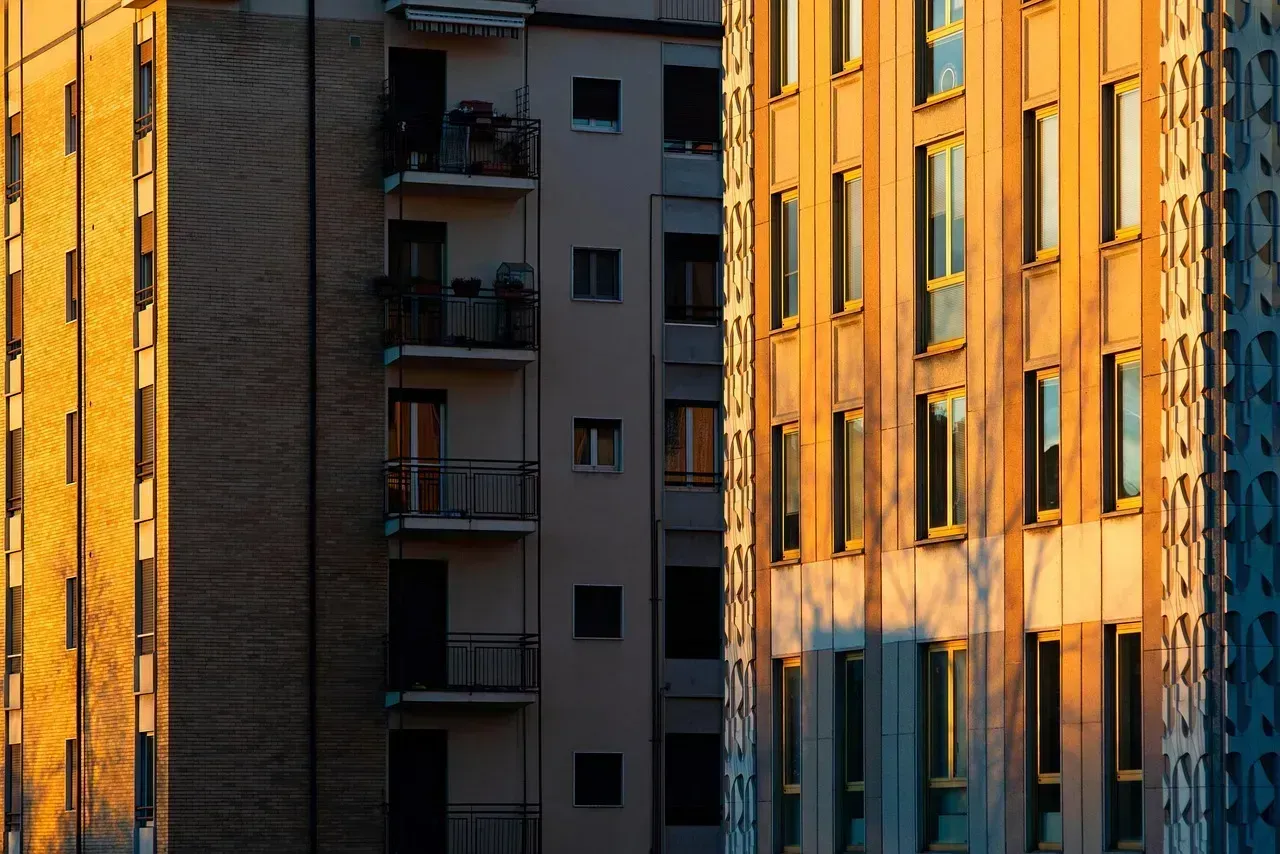
Recent data shows over 5,000 condominium developments now fail to meet Fannie Mae’s lending standards, creating what industry insiders call a mortgage blacklist that’s paralyzing condo sales across America. This list exploded after the 2021 Surfside collapse in Florida, jumping from just a few hundred properties to over five thousand.
What makes this particularly brutal is how it traps owners. If your condo appears on this list, it becomes significantly harder for prospective buyers to get a mortgage, making it nearly impossible to sell. Florida leads with roughly 1,400 blacklisted condo developments, followed by California, Colorado, Hawaii and Texas. The reason? Many condo associations are forced to accept insurance policies with exclusions or higher deductibles that make their properties ineligible for Fannie Mae-backed loans.
Proximity to Cell Towers and Power Lines

Think that cell tower down the street doesn’t matter? Think again. Research shows homes within 0.72 km of a cell tower decreased in value by an average of 2.65 percent, and if the cell tower was visible from the property, values dropped an average of 9.78 percent. That’s a massive hit to your equity just because of something on your neighbor’s property.
New research published in International Journal of Housing Markets and Analysis found a significant impact of proximity to cell phone tower base stations on residential property sale prices. The closer you are, the worse the damage. Honestly, many buyers won’t even consider homes near these structures anymore. Over ninety percent of home buyers express decreased interest in residential properties near cell towers and aren’t willing to pay market rates for such locations.
Popcorn Ceilings Throughout the Property
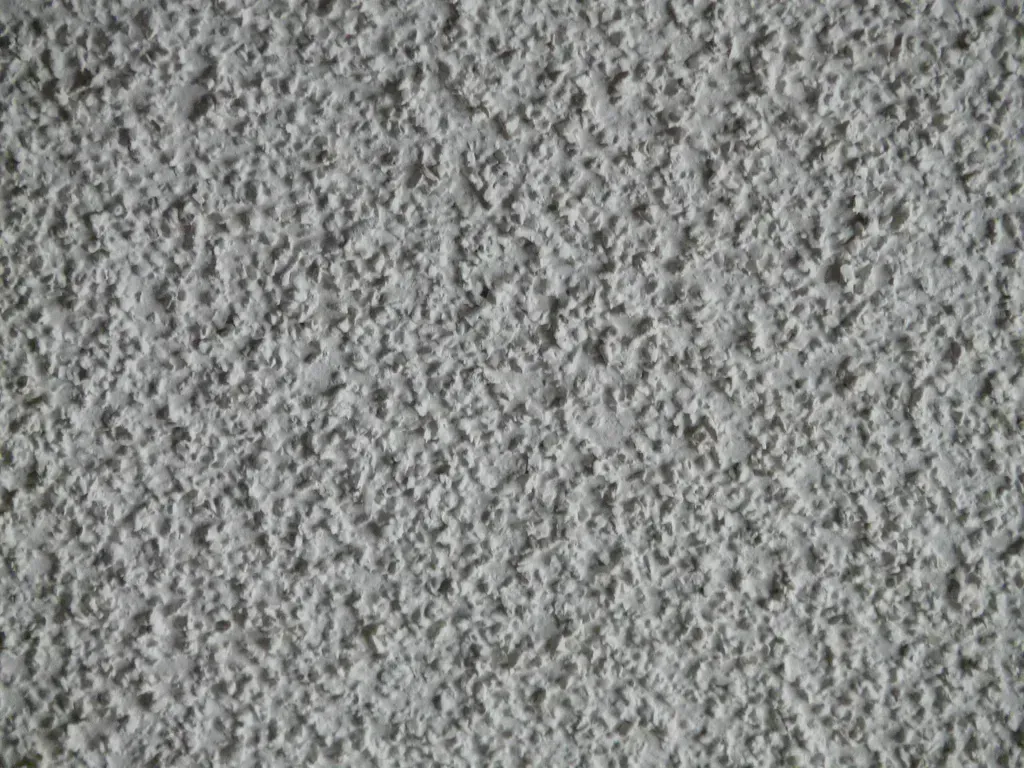
Those bumpy acoustic ceilings that seemed so practical in the seventies? They’re killing your sale prospects today. A significant forty percent of buyers will not make an offer if a home has a popcorn ceiling. That’s nearly half your potential buyers walking away before negotiations even begin.
Real estate agents report that homes with these textured ceilings typically sell for three to five percent less than comparable properties with smooth ceilings. The problem goes beyond aesthetics. Before the 1970s, asbestos was a common ingredient in the textured material, and asbestos exposure can lead to serious health risks including lung cancer and mesothelioma, making professional asbestos testing crucial before attempting removal. Most buyers see popcorn ceilings and immediately start calculating removal costs.
Swimming Pools in the Wrong Markets

Swimming pools present a fascinating paradox in real estate. They can add value or absolutely torpedo your sale depending entirely on location. Pools have significant maintenance needs and may be a buyer dealbreaker, and they also represent safety issues. Families with young children often cross pool homes off their list immediately.
A swimming pool can actually make your home harder to sell, as many buyers consider it a liability rather than a luxury. The math rarely works out either. If a pool typically increases a home’s value by seven percent, homes with pools sell on average for an additional thirty thousand dollars, yet the average pool costs sixty-five thousand dollars to build. You’re looking at a financial loss in most markets outside Florida and Arizona.
Dated Colored Bathroom Fixtures
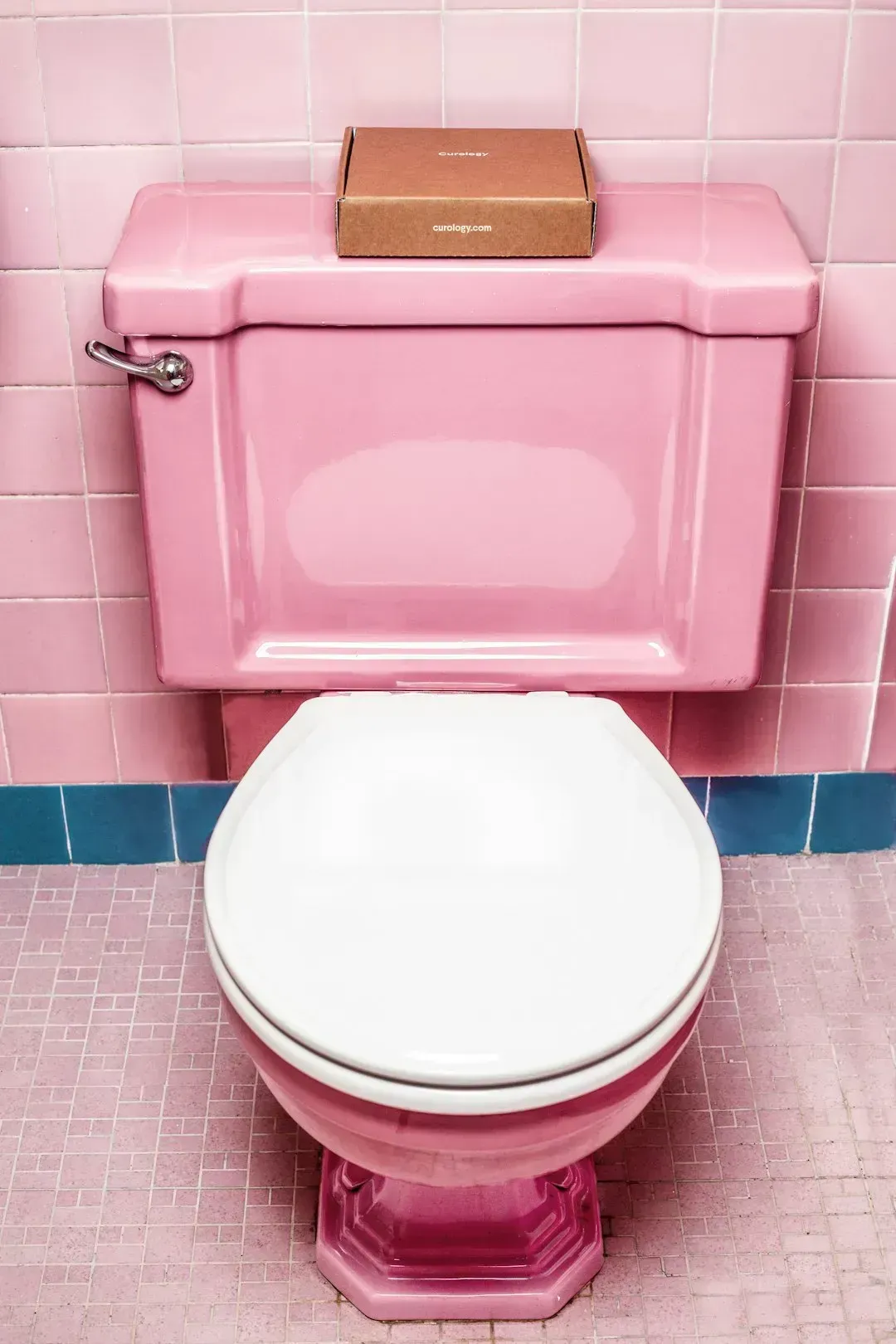
Those pastel pink toilets and mint green sinks from the mid-twentieth century aren’t charming anymore. The pastel pink, mint green, and baby blue toilets and sinks of the mid-twentieth century had their moment, but that moment is long gone, and while a retro look can sometimes be charming, a bathroom full of colored porcelain often just looks old and hard to decorate around.
Here’s the thing about colored fixtures: they force every design decision in that bathroom. Buyers walk in and immediately see a renovation project rather than a move-in ready space. I think it’s the psychological impact that matters most. These fixtures scream that the entire house might be frozen in time, even if other rooms have been updated. Replacing them isn’t cheap either, which factors into buyer calculations before they even make an offer.
Carpeted Bathrooms
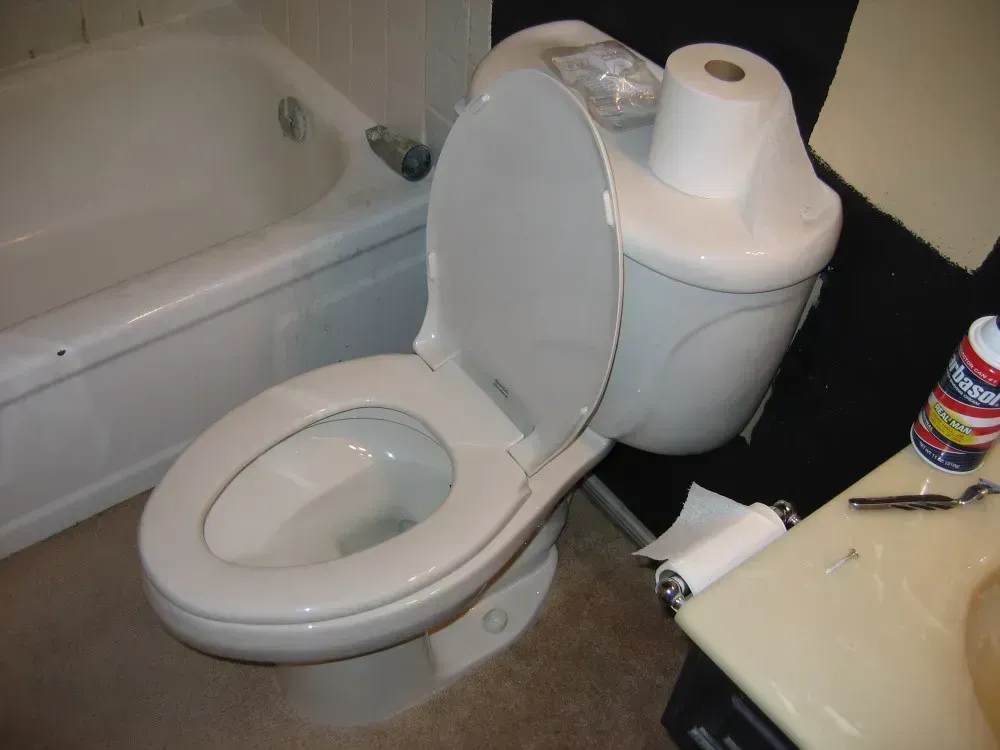
Carpeted bathrooms represent one of those features that genuinely baffles modern buyers. Carpeted bathrooms are now considered unhygienic because they trap moisture and can contribute to mold and bacterial growth, with home inspectors routinely noting them as a sanitation risk, while modern buyers prefer tile or sealed flooring materials that meet current moisture-resistance standards.
Carpet in bathrooms once seemed cozy and comfortable, but today it often raises immediate red flags for buyers who likely think about trapped moisture, lingering odors, and basic hygiene the moment they see carpet near a shower or toilet, with realtors saying buyers worry about mold, mildew, and long-term damage even when the carpet appears clean and well kept. This feature sends buyers running faster than almost any other single element. The cost to replace isn’t prohibitive, yet leaving it in place suggests either neglect or seriously questionable judgment.
Overly Trendy Design Choices
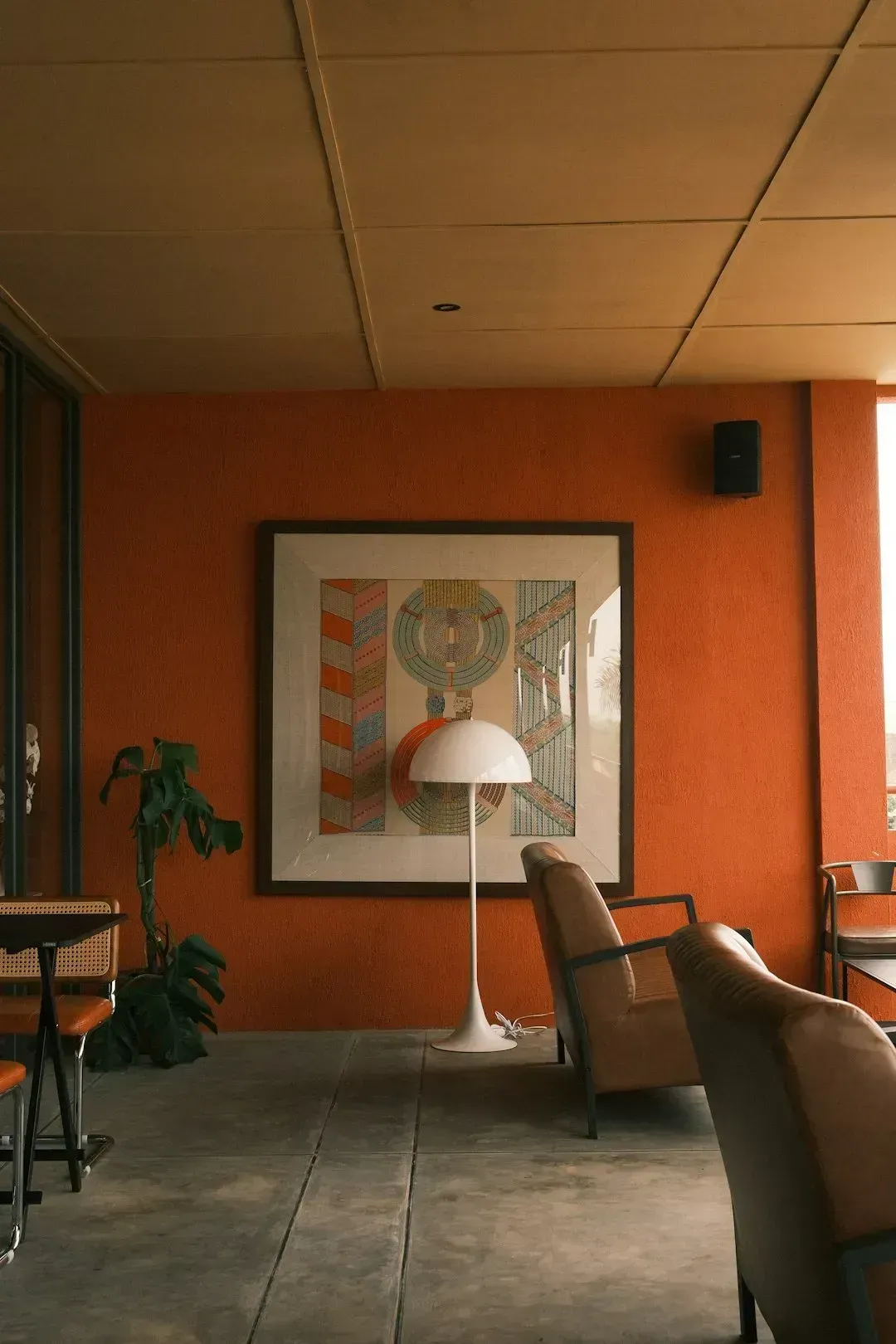
Bold design statements can backfire spectacularly when you’re trying to sell. For every aggressive design choice, you reduce the number of buyers who will ultimately be interested, and while wallpaper on ceilings is a hot trend right now, many clients do not like patterned ceilings.
Neon pink, electric blue, or lime green walls might seem like fun personality statements today, but housing experts warn that these bold color choices severely limit buyer appeal and photograph poorly in listings. The reality is that buyers need to envision themselves in your space. When you’ve painted the dining room electric blue or installed zebra-print tile in the kitchen, you’ve made that mental exercise nearly impossible. Most buyers simply move on to the next listing rather than mentally undo your creative vision.
Outdated Kitchens with Original Features
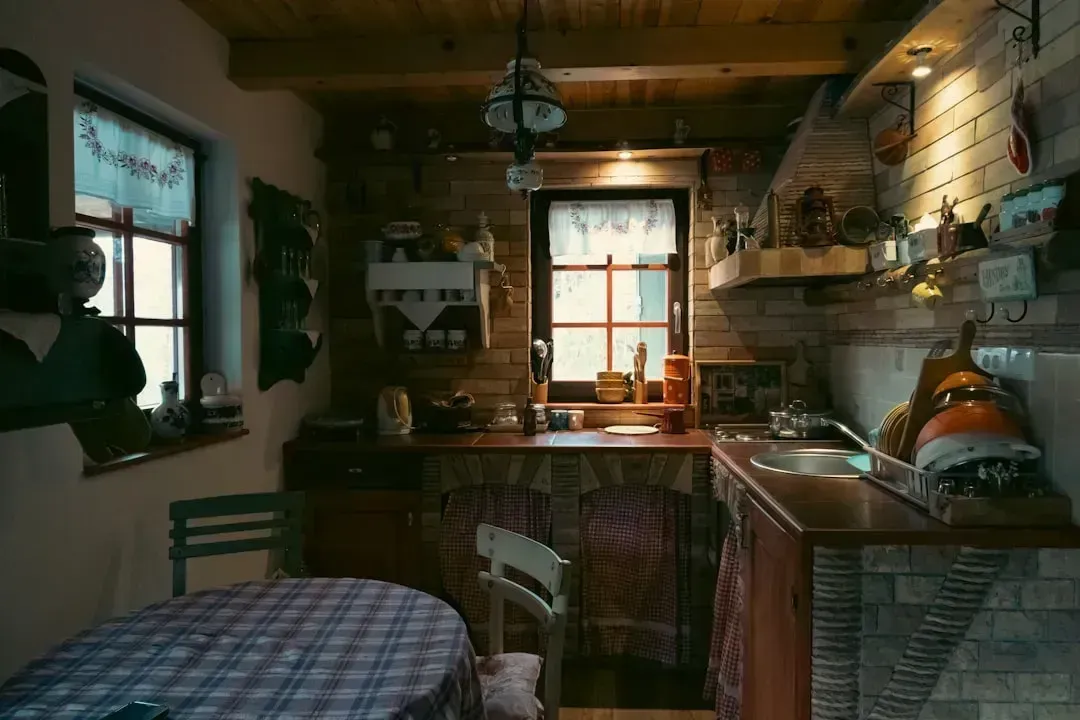
A slightly outdated kitchen is one thing, but an overly outdated kitchen that is clearly stuck in decades previous is a huge red flag, with outdated cabinets, appliances from thirty years ago, and tile countertops all being huge dealbreakers for a majority of homebuyers. Kitchens remain the heart of home value, and when yours still sports features from the Reagan administration, you’re in trouble.
Premier agents report that thirty-one percent of buyers won’t even make an offer if the appliances are outdated. The kitchen issue compounds because renovations cost so much. Buyers see your avocado green appliances and tile countertops and start calculating twenty to forty thousand dollars in immediate renovation costs. They either walk away or slash their offer accordingly. Either outcome leaves you losing money and time on the market.
Understanding which features torpedo home sales helps you make strategic decisions before listing. Some issues like proximity to cell towers can’t be changed, requiring honest pricing adjustments. Others like popcorn ceilings or carpeted bathrooms can be addressed before your first showing. The housing market in 2026 rewards homes that feel fresh, safe, and move-in ready while punishing those carrying obvious red flags. What surprised you most about these deal-breaking features?