10 Common Kitchen Habits That Are Quietly Wasting You Money
Your kitchen habits might be silently draining your bank account more than you realize. Modern households face rising energy costs and grocery bills that seem to climb every month. The most commonly cited statistic regarding the cost of food waste to consumers is that food waste costs a family of four $1,500 per year. Yet many money-wasting behaviors happen so routinely that they’ve become invisible parts of our daily cooking routines.
From that old refrigerator humming away in the corner to those impulse gadget purchases that seemed like great ideas at the time, your kitchen contains numerous financial traps. Understanding these costly habits can help you save hundreds of dollars annually while making your cooking more efficient. Let’s explore the ten most common ways your kitchen might be quietly emptying your wallet.
Throwing Away Perfectly Good Food
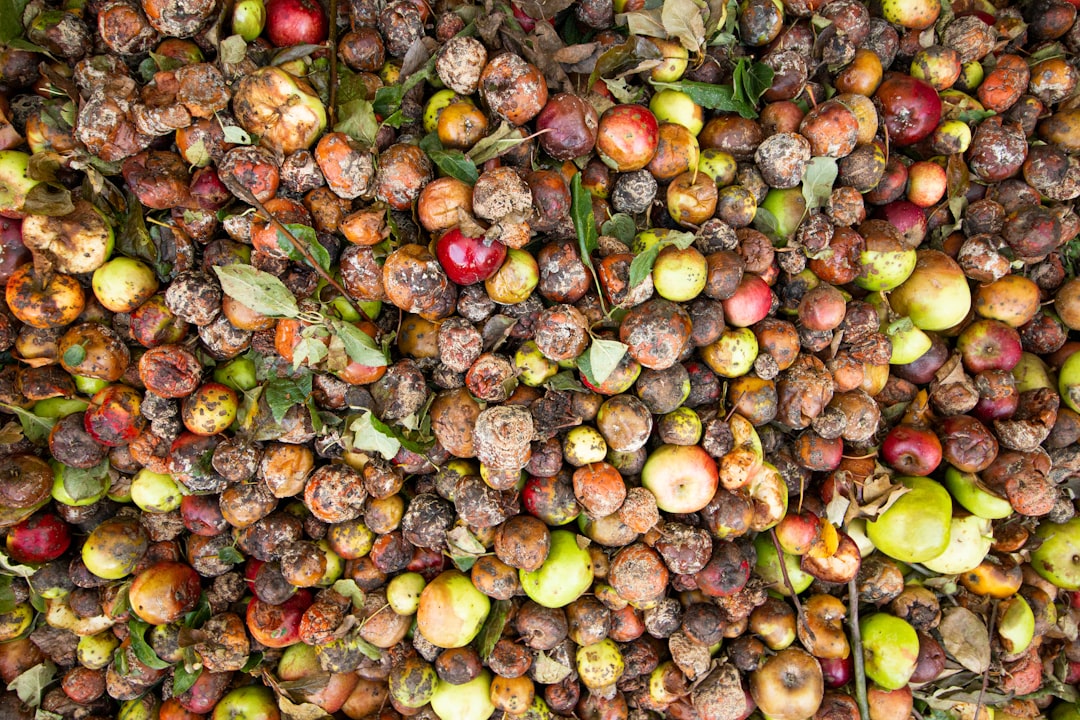
More than a quarter of Americans admit to throwing away food on a regular basis, whether that’s leftovers that they forgot to eat or fresh produce that spoils before they’re even cooked. This wasteful habit costs families dearly when you consider grocery prices today. Each year, the average American family of four loses approximately $1,500 to uneaten food. Much of this waste comes from confusion about expiration dates, with over 80% of Americans waste perfectly edible food because of confusion about expiration dates.
Food waste happens at different stages of meal planning and preparation. Sometimes we buy too much at the grocery store, other times we cook more than we can eat, or we simply forget about items hiding in the back of the refrigerator. A simple solution involves planning meals around what you already have and using a first-in, first-out approach so older items get used before newer purchases.
Running Old, Energy-Hungry Appliances
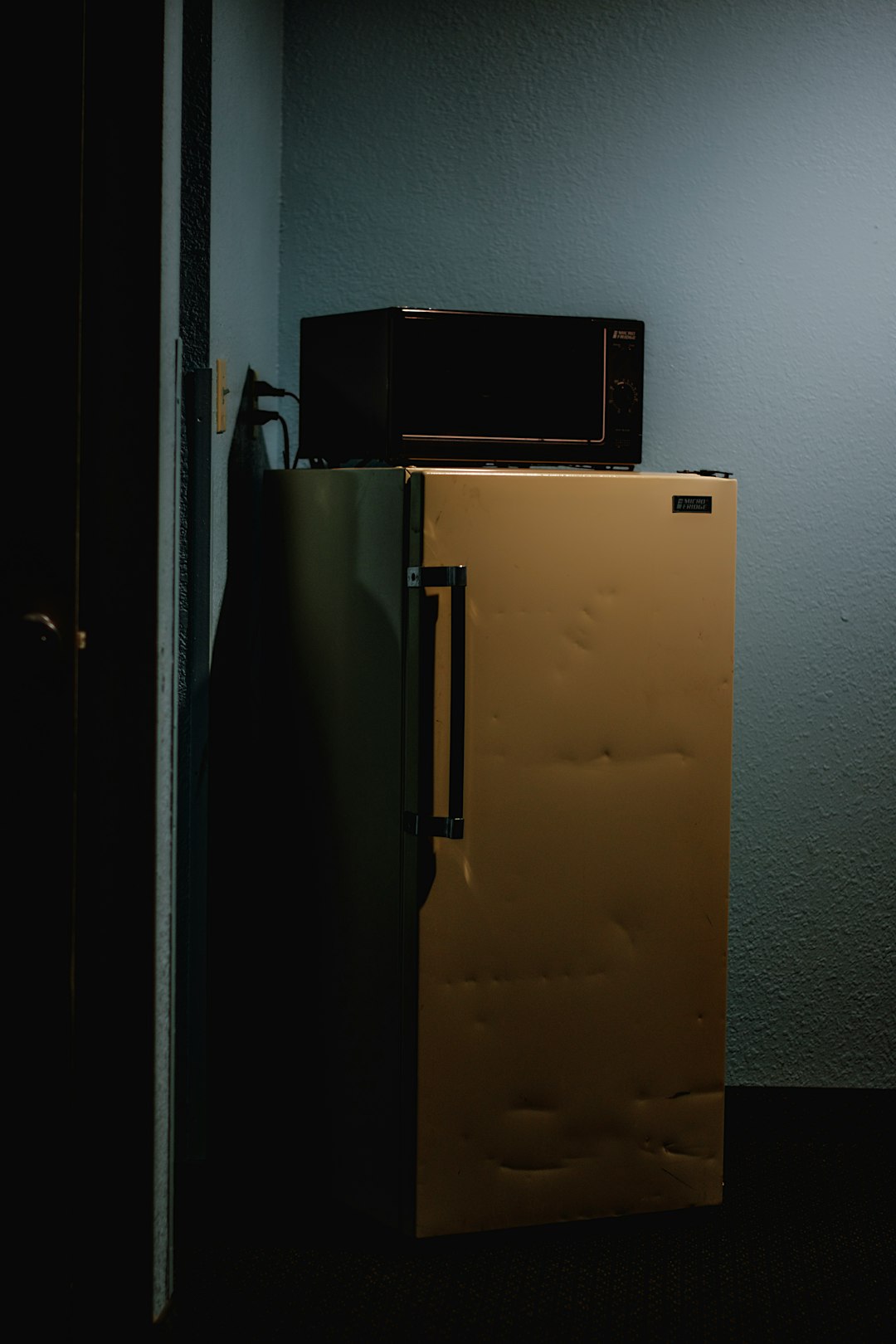
That reliable old refrigerator might be costing you more than you think. Old refrigerators can be the most frightening energy vampires in your home. They run all day and night and may be responsible for up to 15% of your monthly energy bill. Sure, your old fridge has lasted a long time, but the amount of power it takes to run is likely costing you more than it should be. Older model refrigerators that are around 15 cubic feet can cost over $10 a month to run.
The energy difference between old and new appliances can be dramatic. For fridges, the most energy-hungry model will cost you $2500 over 10 years, while at the other end of the scale you’ll pay just $376. That’s a whopping $2100 difference! More than a third of fridges in use in the US are more than 10 years old, costing the 70 million people who own them $4.4 billion a year in energy costs.
Leaving Appliances Plugged In When Not In Use
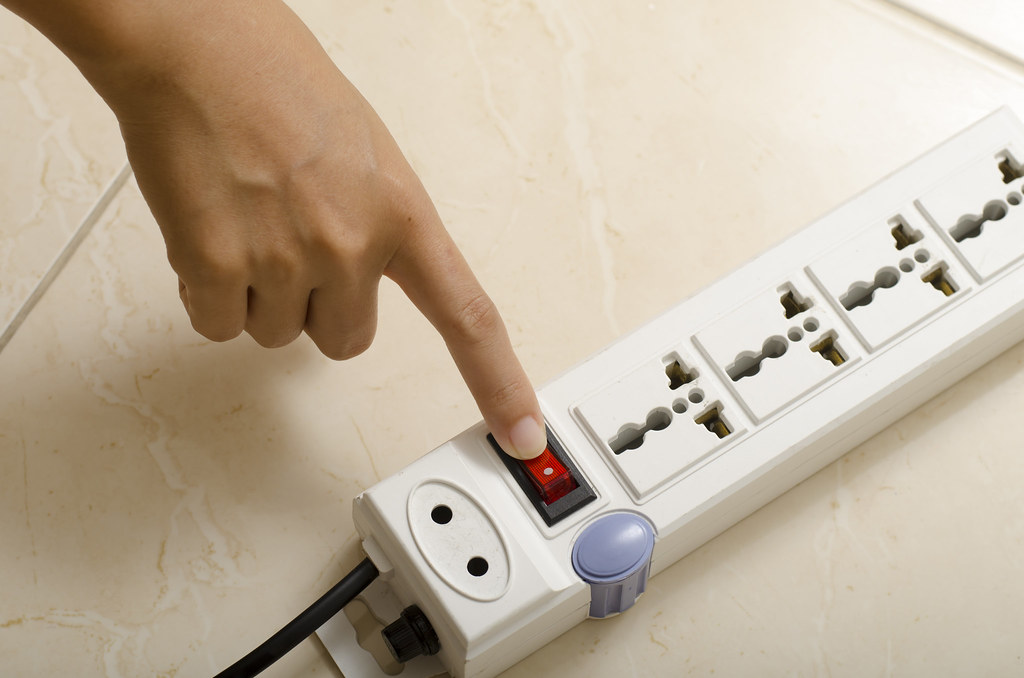
Vampire power drain affects more kitchen devices than most people realize. The reality is that 23% of your electricity is essentially going to waste on these vampire devices. They are the appliances that are in standby mode and still consume electricity, even when turned “off” just because they’re still plugged into an outlet. Standby mode is supposed to be for when the appliance will be used actively again in just a moment. But instead, many electronics stay on in standby mode wasting energy through power consumption needlessly.
Even something as simple as your kettle draws power when plugged in but not in use. Even when turned off, the majority of modern kettles draw 30W (watts) of electricity each hour. That means a year of keeping your water kettle plugged in, you’ve spent 64p of electricity not using it. Eliminating unnecessary energy use can save the average household £147 on their annual energy bills.
Buying Single-Use Kitchen Gadgets
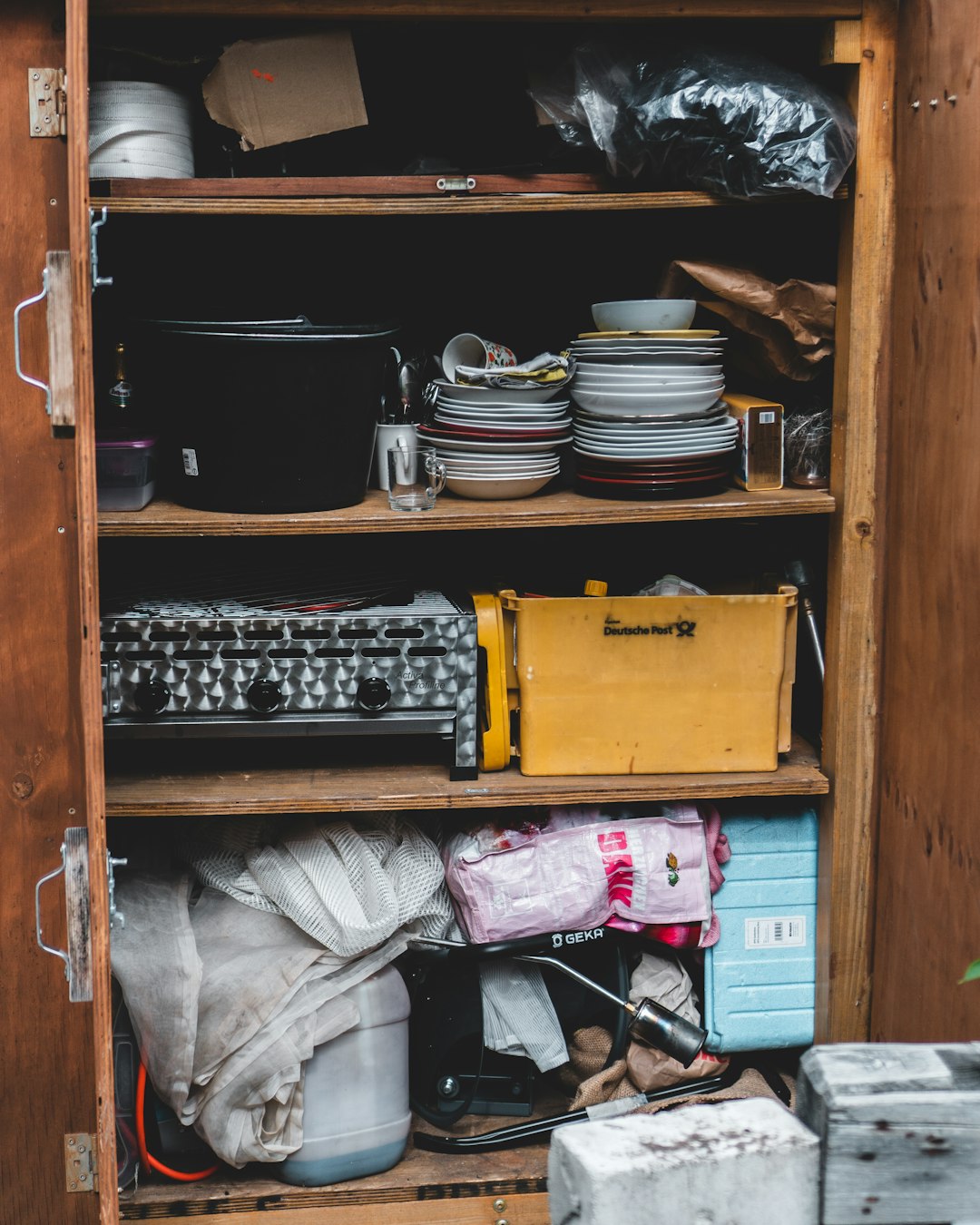
The kitchen gadget industry thrives on convincing us we need specialized tools for every task. According to Business Research Insights, the kitchen tools market was valued at more than $31 billion globally in 2024. However, most single-use gadgets end up taking valuable drawer space while rarely being used. Most single-use kitchen gadgets are a complete waste of money. It’s not that they don’t work. Most of them can perform their intended function. It’s that most of them are such niche products that there isn’t an occasion to use them regularly. Most food can be prepared simply with the aid of the basics and having specialized tools for everything simply introduces a load of clutter for a bunch of metal and plastic that don’t really get used.
Think about that avocado slicer, egg separator, or pizza scissors gathering dust in your drawer. A good chef’s knife and basic kitchen tools can handle almost any food preparation task. The money spent on these gadgets would be better invested in one high-quality, versatile tool that gets used daily.
Making Impulse Purchases At The Grocery Store
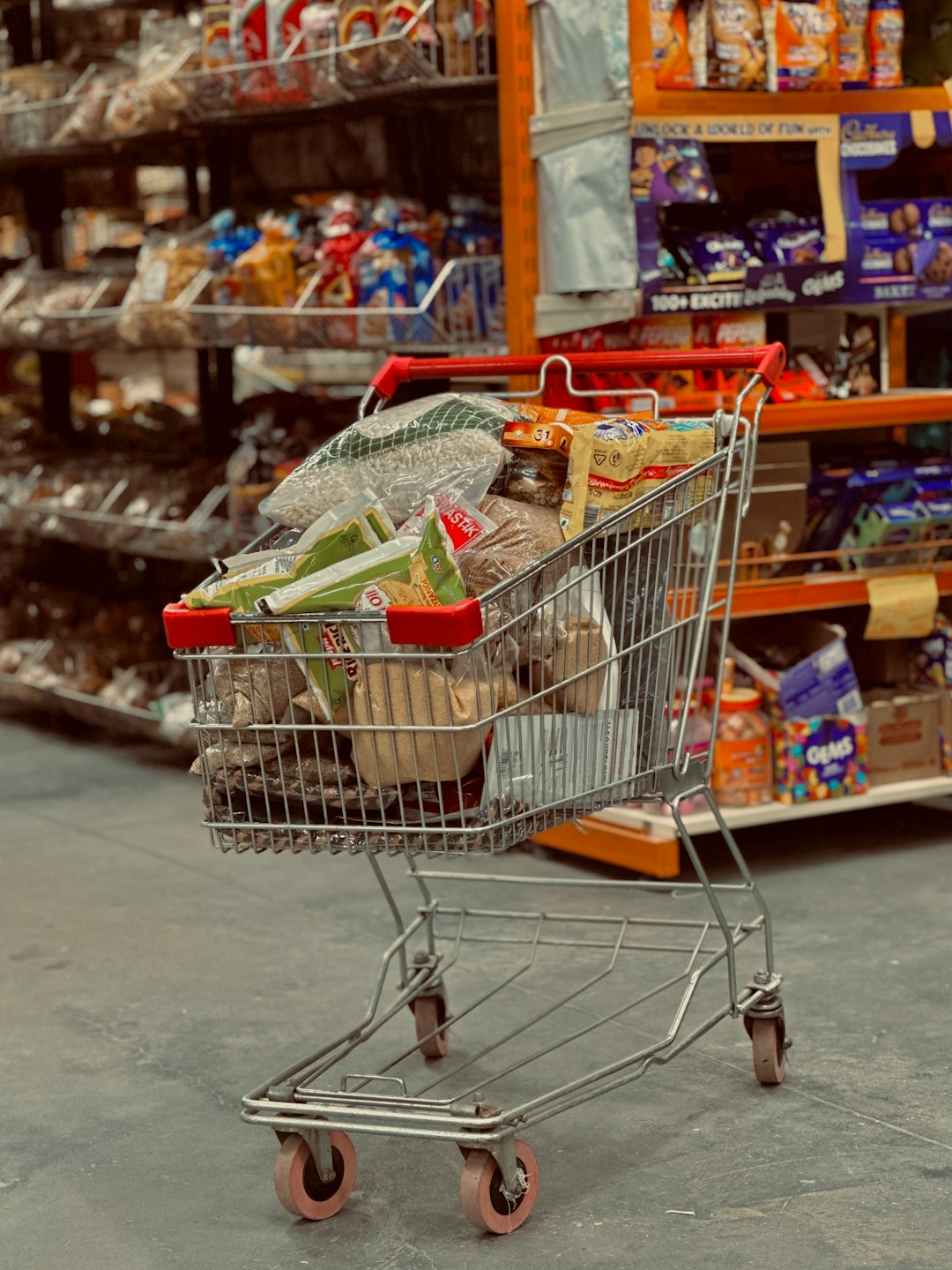
Impulse buying at grocery stores significantly impacts food budgets. Consumers are also likely to impulse buy while shopping for groceries (50%) and household items (42%). Impulse buying accounts for up to 62% of grocery sales revenue (and up to 80% in some product categories). Statistics on impulse purchases from the most recent large-scale study show that an average Brit spends £416 a year on unplanned buys. Moreover, they spend £184 a year on items they later regret purchasing.
These unplanned purchases often happen because stores strategically place tempting items near checkout lines and use promotional displays to trigger buying decisions. Interestingly, 54% of Brits say they make in-store impulse buys every time they go shopping. Creating a detailed shopping list and sticking to it can help avoid these costly spontaneous decisions.
Using Inefficient Cooking Methods
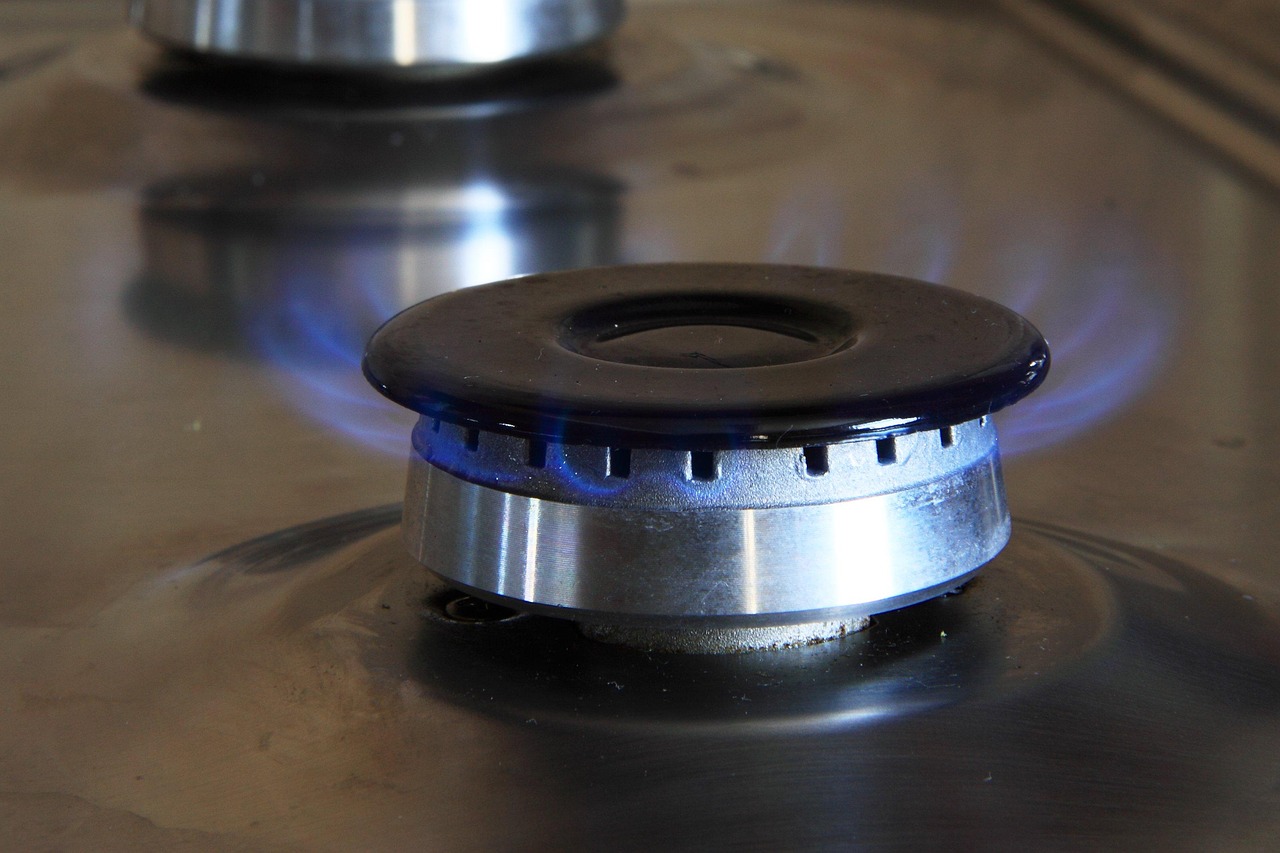
Your choice of cooking method affects both energy consumption and food quality. Kitchen appliances (including ovens and cooktops, but excluding fridges and dishwashers) are responsible for about five percent of your home’s energy use. Smaller appliances generally use less energy than larger ones. So instead of turning on the oven, consider using slow cookers, microwaves and air fryers instead. Instead of turning on the oven, consider using slow cookers, microwaves and air fryers “Slow cookers use very little energy, and air fryers can cook meals in a shorter amount of time, and in most cases, you don’t need to preheat.”
Using your oven for small meals or single portions wastes considerable energy. If you use a microwave for 10 minutes per day, it will only cost you £3 a year on your bills. Air fryers and smaller appliances often produce better results for many dishes while using less energy than conventional ovens.
Overfilling or Underfilling Appliances
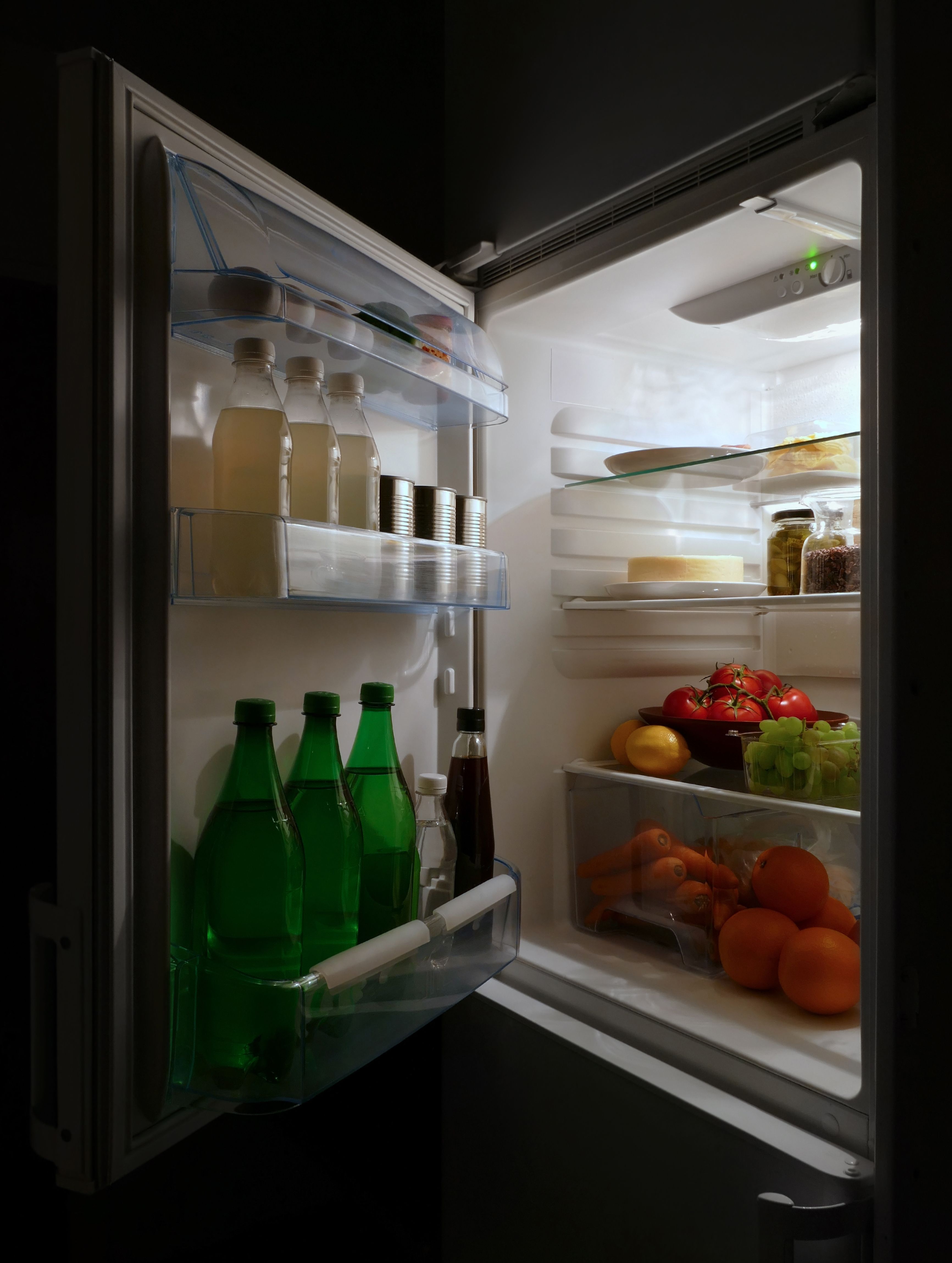
How you load your appliances significantly affects their efficiency and your costs. If you leave your fridge freezer door open too long then the appliance needs to work harder to keep the contents cool resulting in a hike in your energy usage. Generally speaking, when your fridge is full your refrigerator will run more efficiently, so try to keep a well stocked fridge if you can! However, overfilling prevents proper air circulation.
For dishwashers, running partial loads wastes water and energy, while overloading prevents proper cleaning and may require rewashing. Finding the right balance maximizes efficiency. Similarly, your washing machine works best with appropriately sized loads that allow clothes to move freely during the cycle.
Ignoring Proper Food Storage
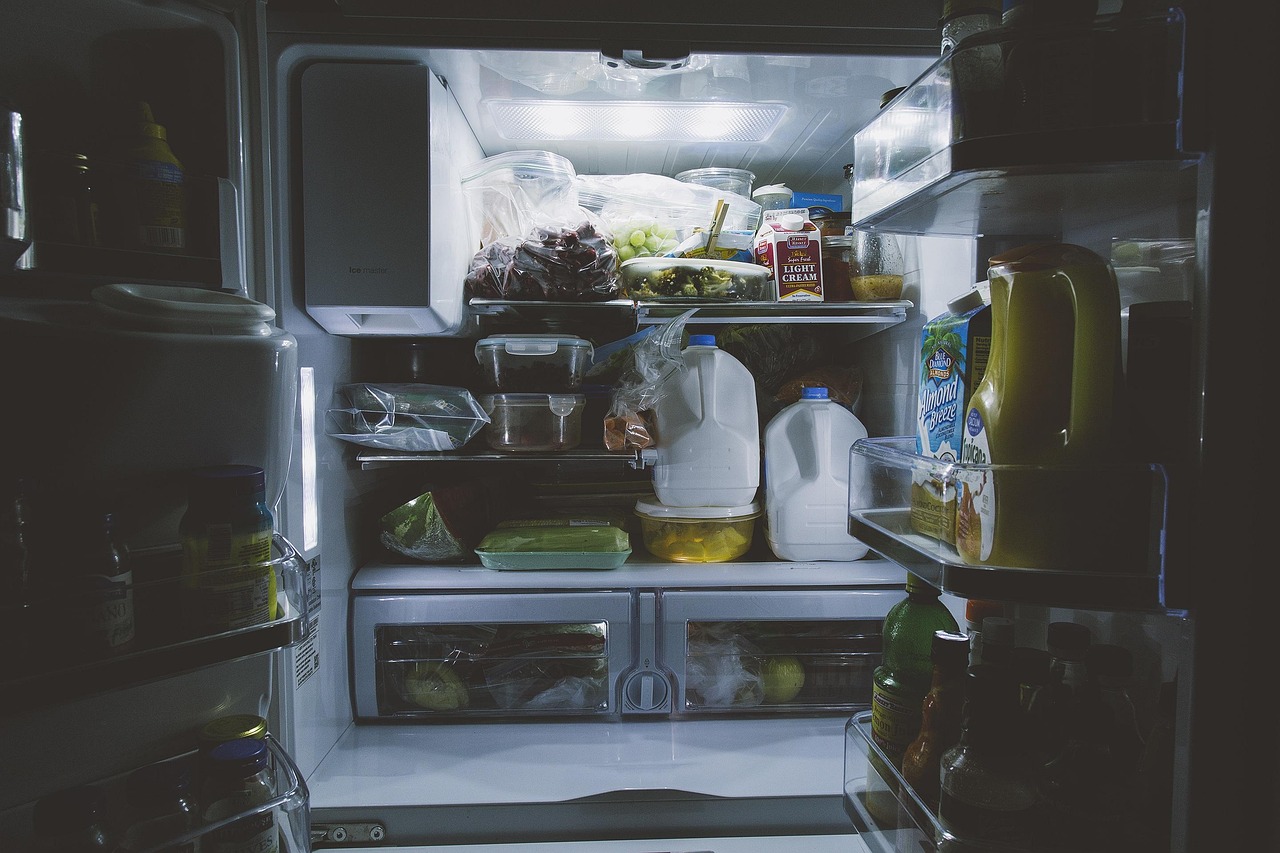
Poor food storage leads to premature spoilage and unnecessary waste. Food spoilage costs UK households an average of £700 ($929) a year (WRAP). Airtight containers from just £15 ($20) extend freshness and cut waste. Think of them as little guardians protecting your groceries and your wallet. Proper storage containers keep food fresh longer while protecting your investment in groceries.
Temperature control plays a crucial role in food preservation. “Ideally, you should set your fridge’s temperature to 3°C and your freezer to -18°C, though this can be difficult to do unless your fridge has a digital display,” says Denis. “Purchasing a thermometer to help you measure can assist and using these settings increases your fridge’s energy efficiency without compromising food safety.” Understanding proper storage techniques for different types of food can significantly extend shelf life and reduce waste.
Buying Convenience Foods Instead Of Cooking From Scratch
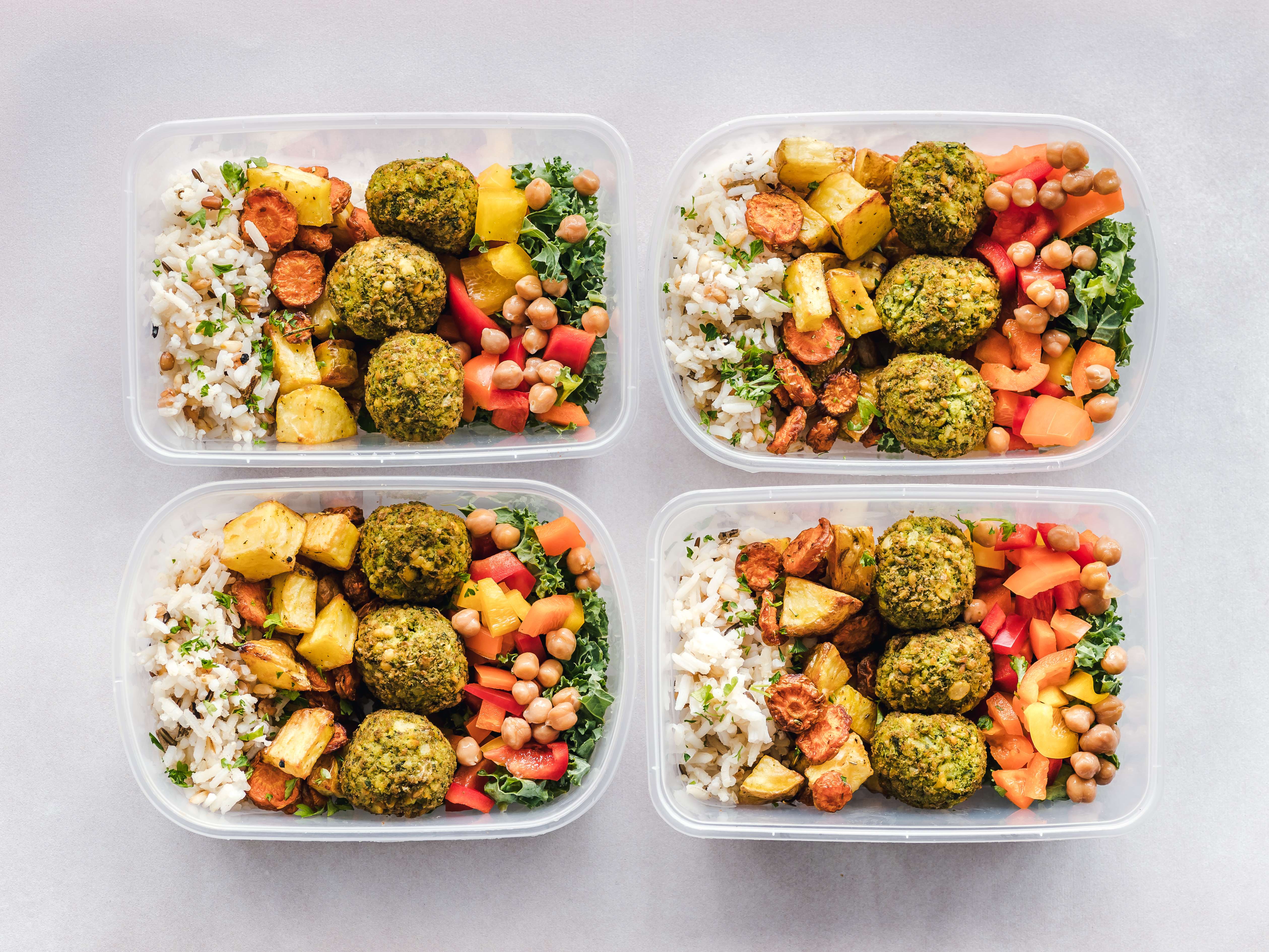
Pre-packaged convenience foods carry hefty price premiums. Pre-cut fruit, bottled smoothies, frozen meals, and grab-and-go snacks save time, but you’re paying for packaging, not just food. These items often cost much more per serving than if you were to make them at home. So, unless you absolutely need to, avoid buying convenience foods and drinks. It makes much more financial sense to just buy the ingredients and prep your own snacks in batches.
The markup on convenience foods can be substantial when compared to preparing the same items yourself. While time is valuable, batch cooking and meal prep on weekends can provide convenient options throughout the week without paying premium prices. Meal prep containers (£10 or $13 per set) help portion meals and store them efficiently. Less waste, fewer impulse buys, and a potential annual saving of up to £100 ($133), all from a simple storage solution.
Not Maintaining Kitchen Appliances Properly
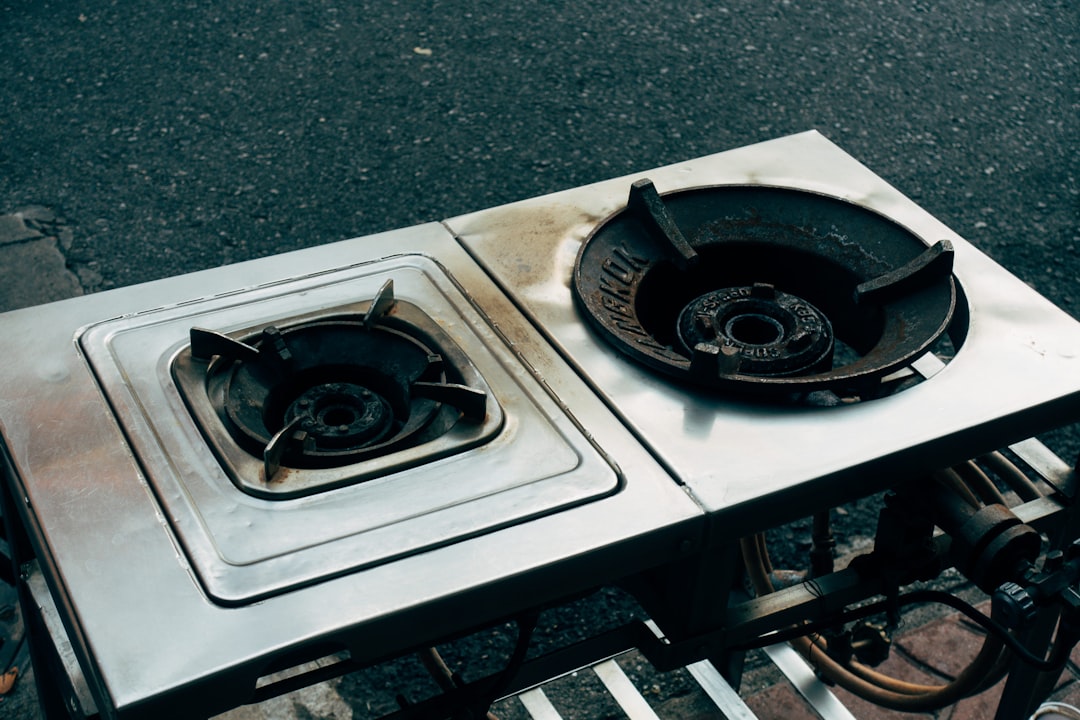
Neglected appliances work harder and consume more energy while delivering poor results. Dirty oven seals let heat escape, forcing longer cooking times and higher energy bills. Keeping range-top burners and reflectors clean; they will reflect the heat better, and you will save energy. Simple maintenance tasks can significantly improve efficiency and extend appliance lifespan.
Refrigerator maintenance affects both energy consumption and food preservation. It’s also worth checking the seals and replacing any that are faulty or damaged as they can let cool air leak out. Limit the number of times you open your fridge door. Whenever cool air escapes, the fridge will use more energy to replace it. “Grab everything you need in one go,” Denis adds. Regular cleaning and maintenance keep appliances running efficiently while preventing costly repairs or premature replacement.
These ten kitchen habits might seem minor individually, but their combined impact on your budget can be substantial. Small changes in how you shop, store food, use appliances, and maintain your kitchen equipment can save hundreds of dollars annually. What simple change will you make first to start saving money in your kitchen?