The End of the Lunch Lady Era: How School Meals Moved from Scratch Cooking to Heat-and-Serve
Picture this: a time when school cafeterias smelled like roasting chicken and baked rolls. When lunch ladies stood over bubbling pots stirring soups from scratch. When kids could actually watch their food being made right in front of them. That’s not ancient history. It was the reality for millions of American students not too long ago.
Today, though, step into most school cafeterias and you’ll find something entirely different. The hum of microwaves has replaced the sizzle of stovetops. Pre-packaged, heat-and-serve meals arrive frozen in boxes from distant food processing facilities. The lunch ladies who once chopped vegetables and kneaded dough now spend their time reheating and assembling.
This shift didn’t happen overnight. Let’s dive in.
When School Kitchens Actually Cooked
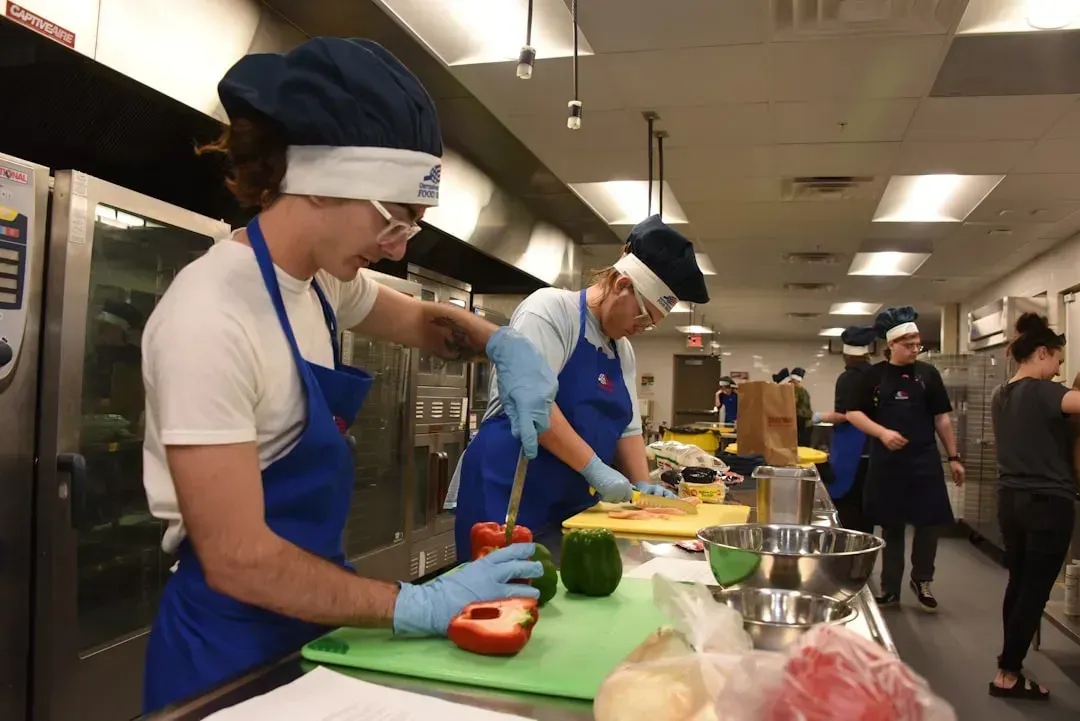
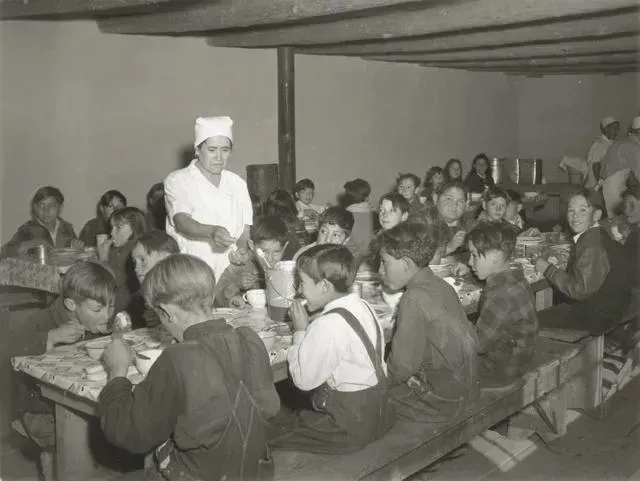
Federal school meal programs were standardized beginning in the 1940s with fully equipped kitchens and staff providing scratch-cooked meals for students, but by the 1970s, the shift to ultra-processed foods began as food companies gained influence and budgets were reduced, leading many schools to shift to pre-packaged meals and frozen entrees. Think about that for a second. Basically, for about three decades, school cafeterias functioned like small restaurants.
Back then, cafeteria workers were actual cooks. They arrived early to peel potatoes, prepare meatloaf, and bake fresh cornbread. The kitchens were designed with commercial-grade equipment: industrial mixers, ovens big enough to roast turkeys, and massive stockpots. Many school kitchens were originally built for cooking from scratch rather than reheating pre-packaged meals, which tells you everything about how dramatically things have changed.
Here’s the thing: this wasn’t just about nostalgia or tradition. Students ate meals made from recognizable ingredients. Honestly, it’s hard to believe we’ve moved so far away from that model.
The Great Processed Food Takeover
In the 1970s, as food companies gained influence and budgets were reduced, many schools shifted to pre-packaged meals and frozen entrees, and nutrition slipped as districts tried to save money by outsourcing their meal programs. Let’s be real: this was about money. School districts were squeezed financially, and food manufacturers saw an opportunity.
The promise was simple and seductive. Why pay skilled cafeteria workers to cook when you could buy pre-made meals that only needed reheating? Labor costs would plummet. Food waste would decrease. Everything would be standardized and efficient. What could go wrong?
Only 17 percent of schools served scratch or modified scratch cooked foods daily and just 3 percent of schools reported serving exclusively scratch or modified scratch cooked foods. That statistic is stunning when you realize we’re talking about the meals that fuel roughly 30 million kids every day. Meanwhile, at some schools, only around 5 percent of meals were freshly prepared in the 2022-2023 school year, with the rest being primarily heat and serve.
What Heat-and-Serve Really Means
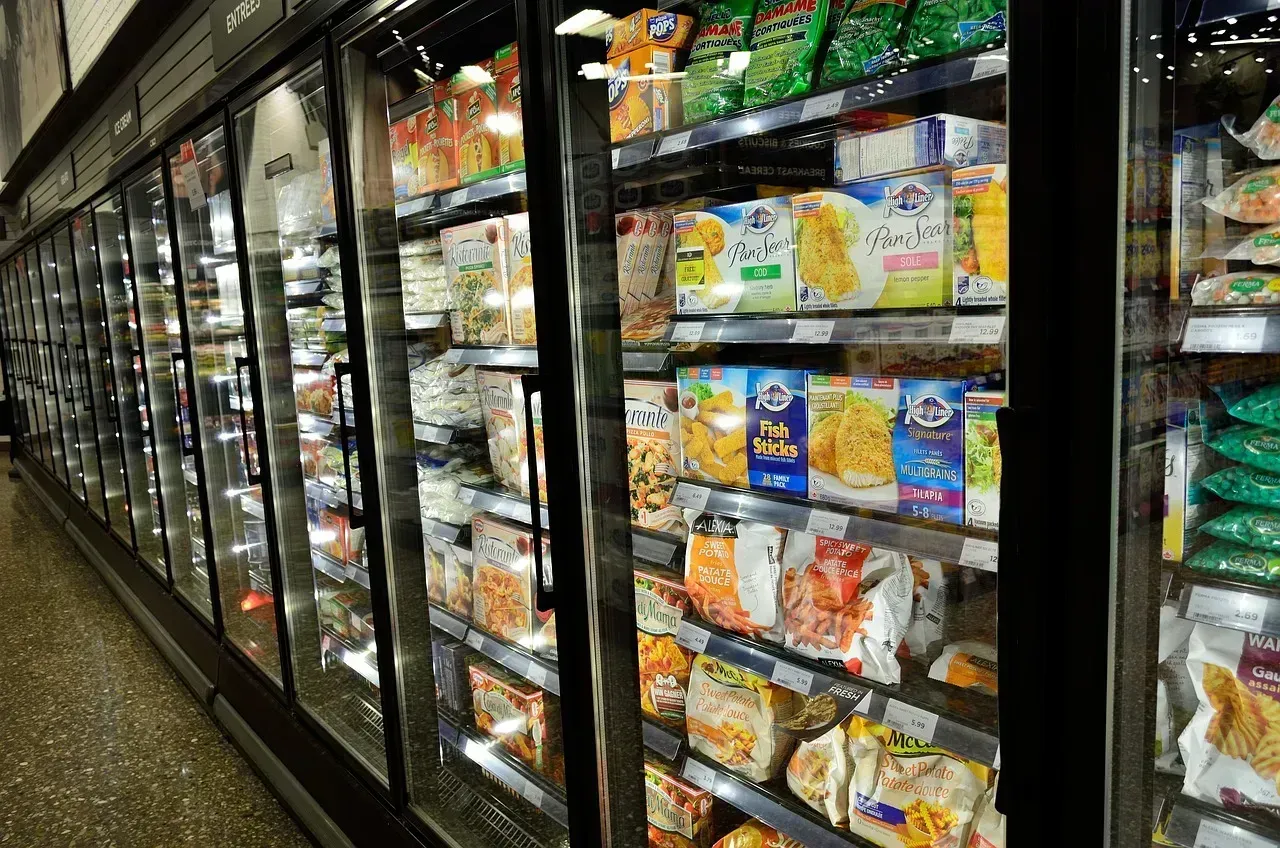
The term “heat-and-serve” sounds harmless enough, maybe even convenient. But dig a little deeper and you’ll find something more concerning. Most of the food schools offer is heat-and-serve, meaning it’s not cooked from scratch, arriving frozen in plastic packaging with ingredient lists longer than your arm.
The turkey in these products contains 14 ingredients, including additives for flavor, texture and shelf life. We’re not just talking about a few preservatives here and there. These meals are engineered in food laboratories to maximize shelf life and minimize cost, with little regard for nutritional quality or taste.
The consumption of highly processed food, especially ready-to-eat meals, has risen steadily, representing more than half the calories Americans consume. School cafeterias haven’t just adopted processed foods. They’ve become complicit in a much larger public health crisis. The transition from scratch cooking to heat-and-serve wasn’t just an operational change. It represented a fundamental shift in what we believe children deserve to eat.
The Staffing Crisis Nobody Talks About
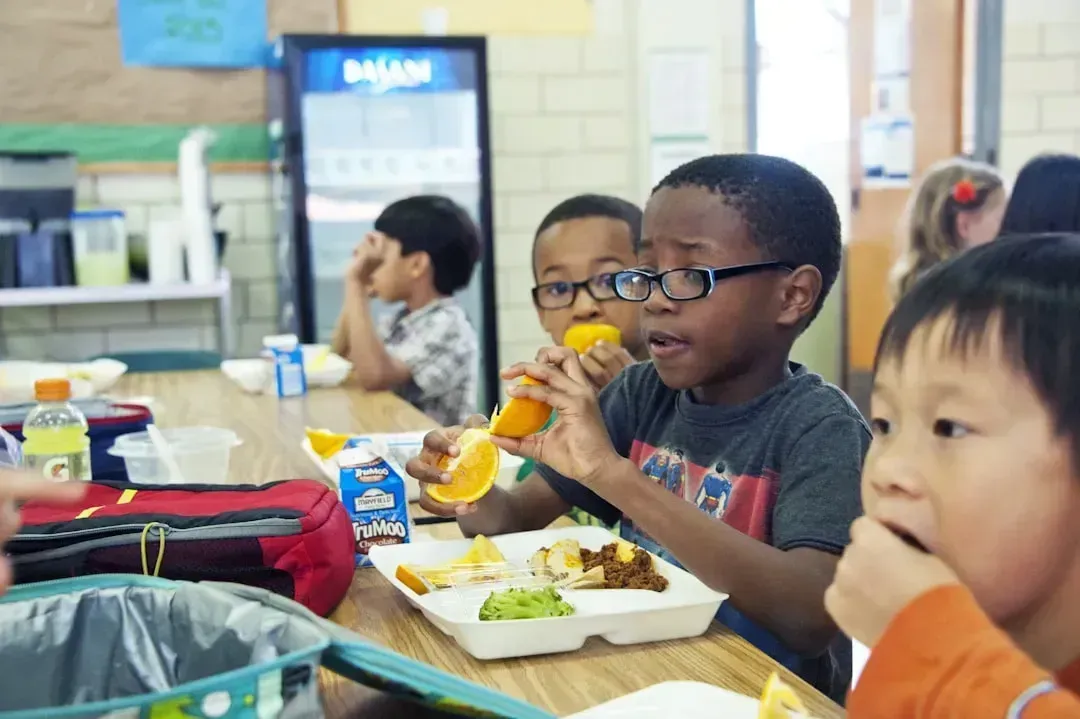
Insufficient reimbursements limit schools’ capacity to offer competitive wages in a tight labor market and sufficiently staff kitchens to increase scratch cooking, with staff shortages reported as a challenge by over 90 percent of respondents. This isn’t a minor inconvenience. It’s a full-blown catastrophe.
Cafeteria workers are among the lowest-paid employees in school districts. Cafeteria staff bring home some of the lowest earnings of the generally underpaid K-12 workforce. Many work part-time hours during the school year only, making it nearly impossible to earn a living wage. Some rely on food stamps themselves while serving meals to students.
In the 2024-25 school year, 38 percent of schools reported food-service staff shortages. Without enough trained staff, schools have no choice but to rely on pre-packaged meals that require minimal preparation. It’s a vicious cycle. Heat-and-serve meals require less skilled labor, so districts don’t invest in training or competitive wages, which makes it impossible to attract workers capable of cooking from scratch.
Districts are taking extreme measures like hiring students or serving bizarre combinations of cold food because they simply don’t have the staff to make hot meals work. Let that sink in for a moment.
Can Scratch Cooking Make a Comeback?
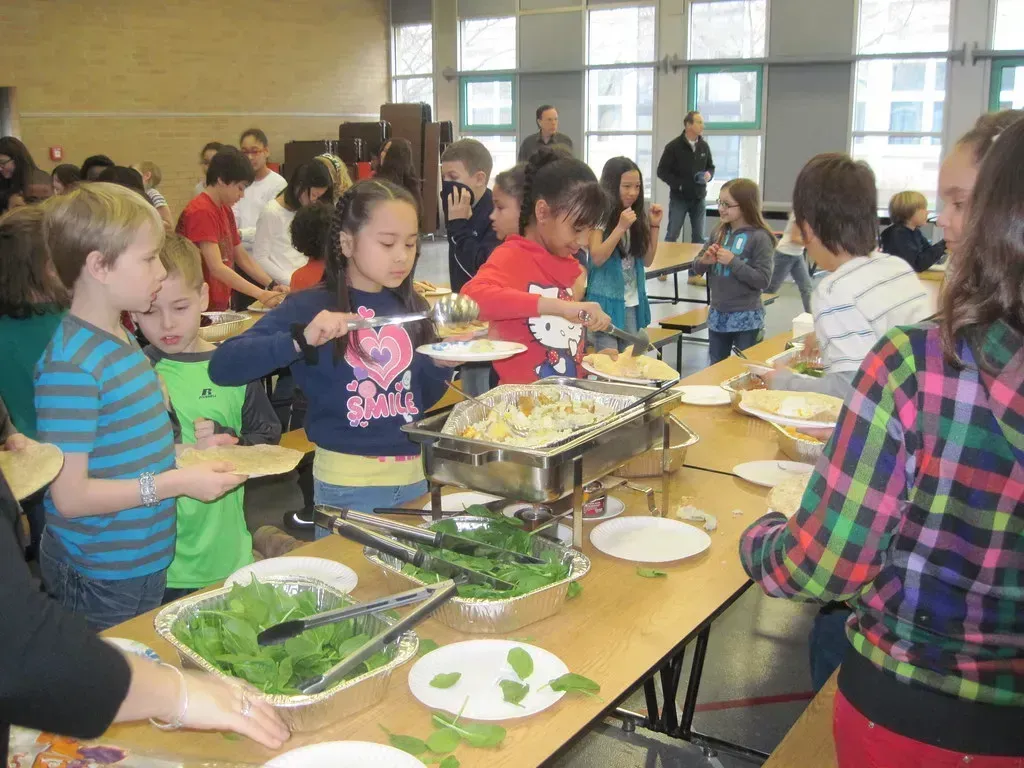
I know it sounds crazy, but there’s actually been a push in recent years to bring real cooking back to school cafeterias. A 2024 survey found that the top three planned menu changes among nutrition directors included expanding menu options, increasing locally grown or raised food options, and increasing the number of scratch-prepared meals. That’s encouraging, right?
Nutrition initiatives like Farm to School and scratch-cooking have gained considerable momentum thanks to increased federal funding, with USDA awarding up to $200 million to states to purchase local foods for schools in 2022 and investing over $60 million in school meal grant and training opportunities in 2023. Some schools are genuinely transforming their programs. One California elementary school increased freshly prepared meals from only 5 percent to more than half of meals served between the 2022-2023 school year and 2025.
Still, the barriers remain enormous. The biggest barriers to scratch cooking are budget constraints, inadequate kitchen infrastructure, and staffing challenges, as many school kitchens were built for reheating pre-packaged meals rather than cooking from scratch. Just 17 percent of school nutrition directors indicated current reimbursement rates are sufficient to cover the cost of producing a lunch, and when asked about financial sustainability in three years, over 91 percent of directors flagged concerns. Without serious investment and systemic change, the era of the lunch lady may truly be over.
The move from scratch cooking to heat-and-serve wasn’t inevitable. It was a choice driven by budget pressures, corporate interests, and short-term thinking. We traded quality for convenience, nutrition for efficiency, and skilled workers for assembly-line operations. Whether we can reverse that trend remains one of the most important questions facing American education today. What do you think it would take to bring real cooking back to schools? Tell us in the comments.