10 Leftovers Scientists Warn Can Turn Unsafe Overnight
Rice Becomes a Bacterial Nightmare Factory
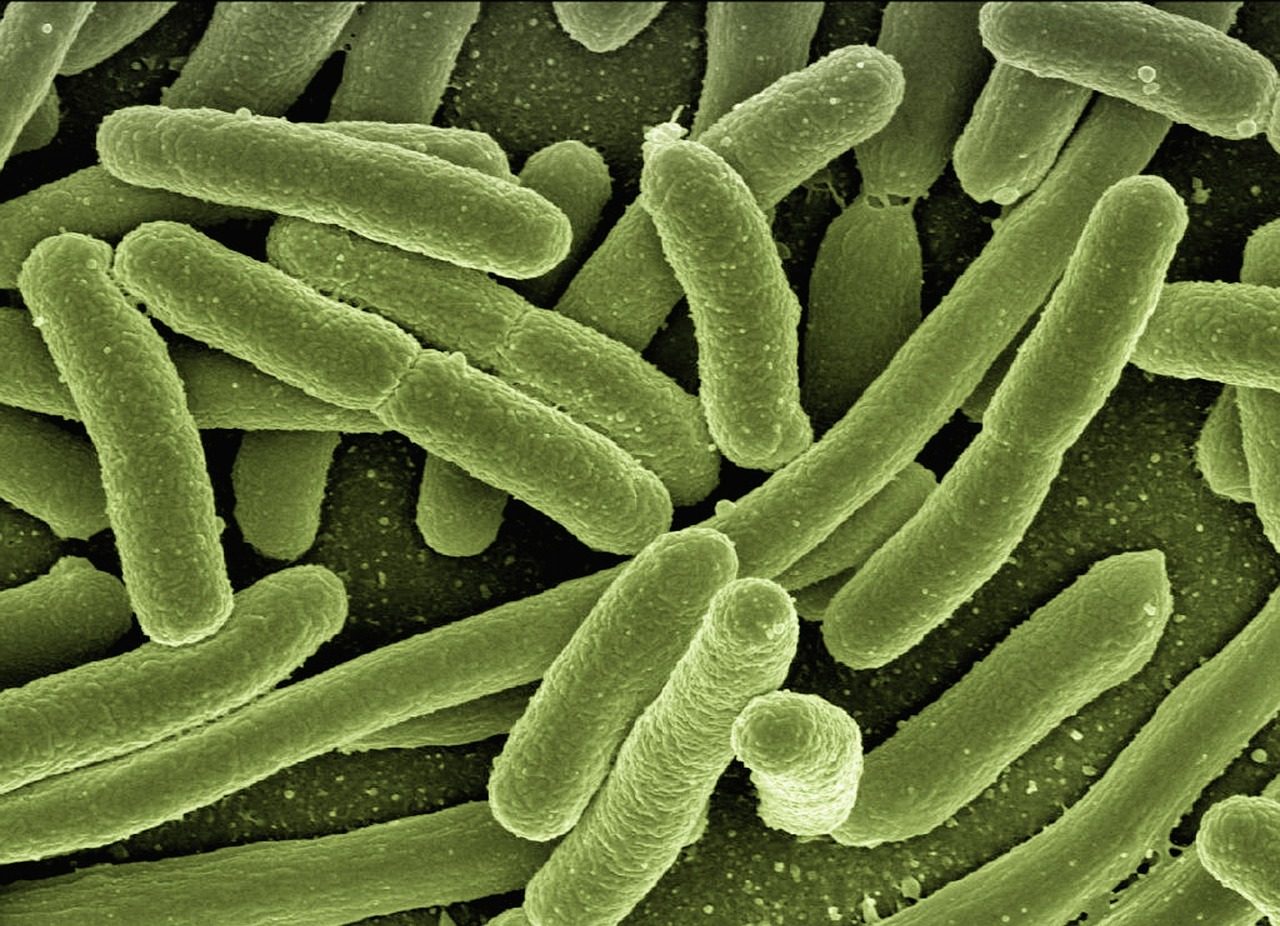
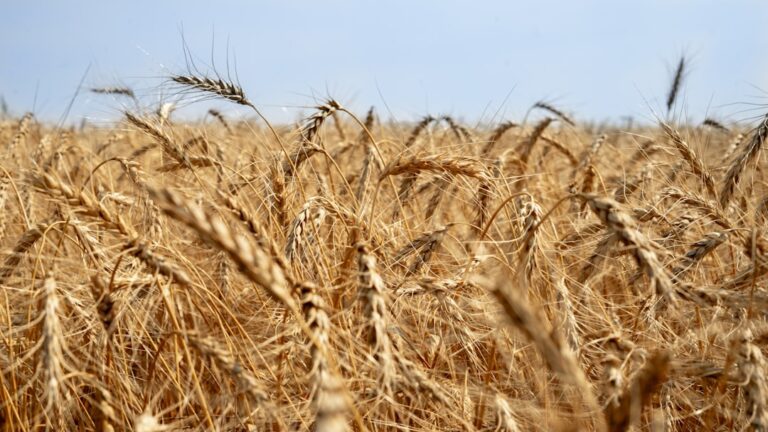
Rice turns into a dangerous breeding ground due to Bacillus cereus, a heat-resistant bacterium naturally present in the starchy food before cooking. This bacteria survives the initial cooking process as a spore, and when left at room temperature, it produces toxins that remain dangerous even after reheating. Studies show that the higher the temperature, the faster this bacteria grows and produces its toxic cereulide compound. A colony of Bacillus cereus can double in size within 20 minutes when kept at 30°C.
Epidemiological evidence reveals that the majority of outbreaks worldwide due to Bacillus cereus have been associated with concentrations higher than 105 CFU/g in contaminated foods. Symptoms form within 6 to 12 hours, causing nausea, cramps and severe vomiting.
Chicken and Poultry Create Perfect Storm Conditions
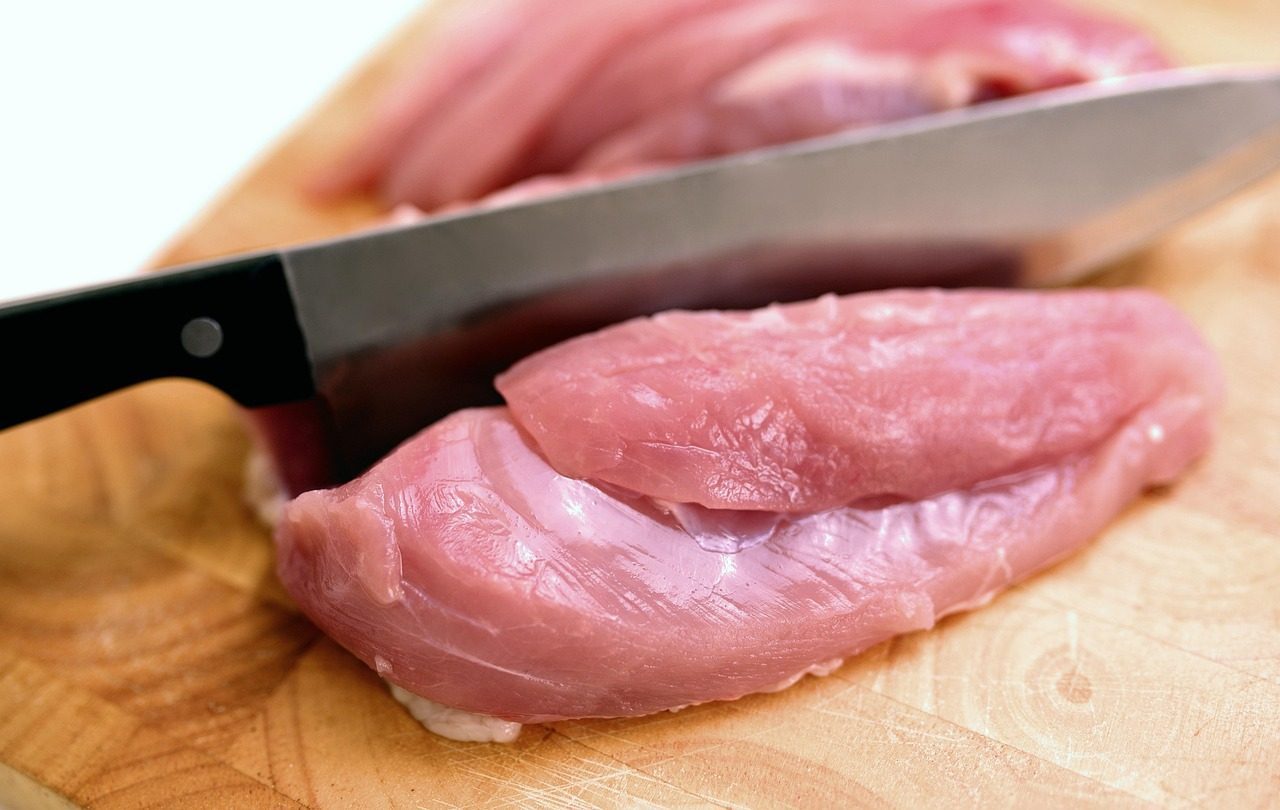
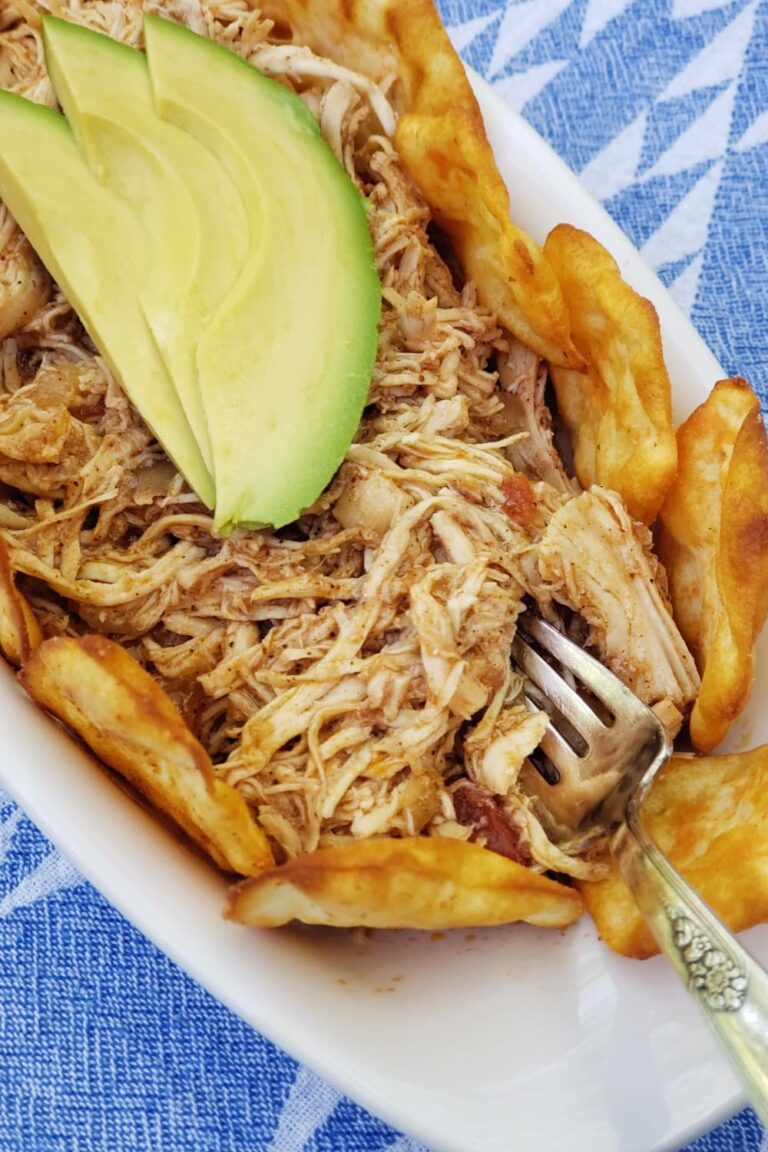
Chicken left out overnight becomes a breeding ground for multiple dangerous bacteria including Staphylococcus aureus, Salmonella Enteritidis, Escherichia coli O157:H7, and Campylobacter. The combination of protein and moisture in poultry creates ideal conditions for rapid bacterial multiplication. Recent outbreaks demonstrate the seriousness of this threat. Recent CDC reports show hundreds of people across multiple states have become infected with Salmonella from backyard poultry contact, resulting in numerous hospitalizations and deaths.
A July 2024 outbreak of Listeria made at least 61 people in 19 states sick and caused 10 deaths by November 2024. Staphylococcal food poisoning frequently involves poultry and egg products, alongside salads and bakery items.
Seafood Transforms Into a Bacterial Breeding Ground
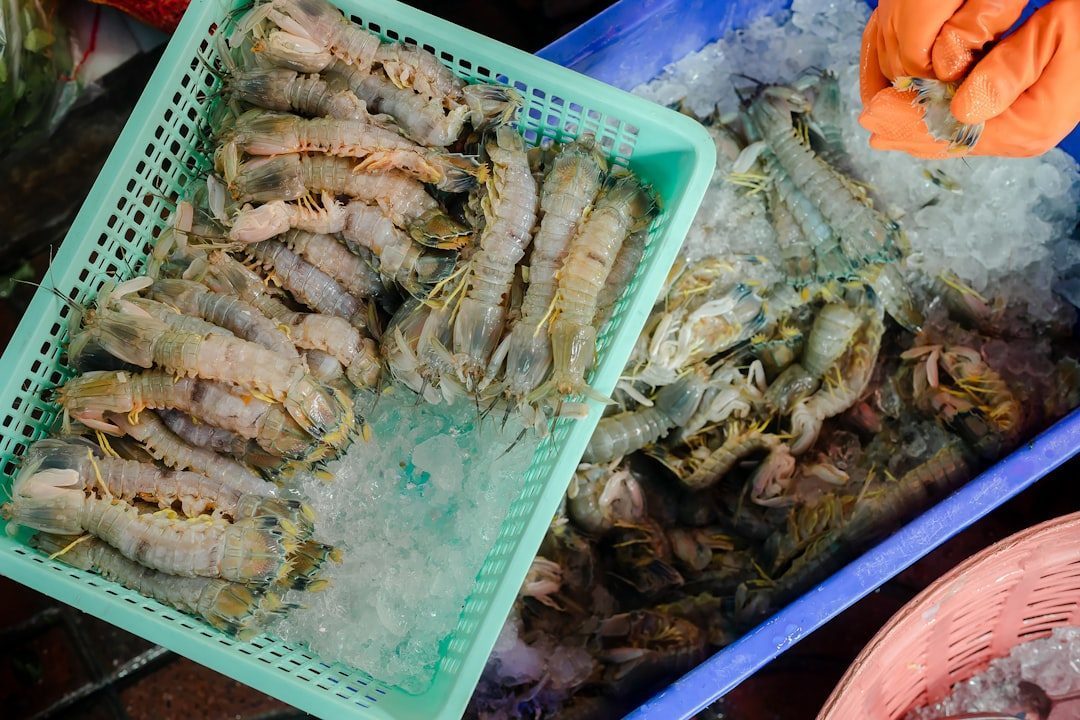
Seafood degrades faster than other proteins due to its moisture content and protein structure making it extremely susceptible to bacterial growth. When left out overnight, seafood can harbor dangerous pathogens including Vibrio, Salmonella, and E. coli, with heat-resistant toxins that remain dangerous even after thorough cooking. The high water activity and neutral pH of most seafood creates optimal conditions for pathogenic bacteria to multiply rapidly.
The danger zone for all perishable foods, including seafood, operates between specific temperatures. Bacteria multiply rapidly between 40°F and 140°F, and when perishable foods are left out for more than 2 hours, bacteria can multiply to dangerous levels.
Eggs Harbor Salmonella Even Before They’re Cracked
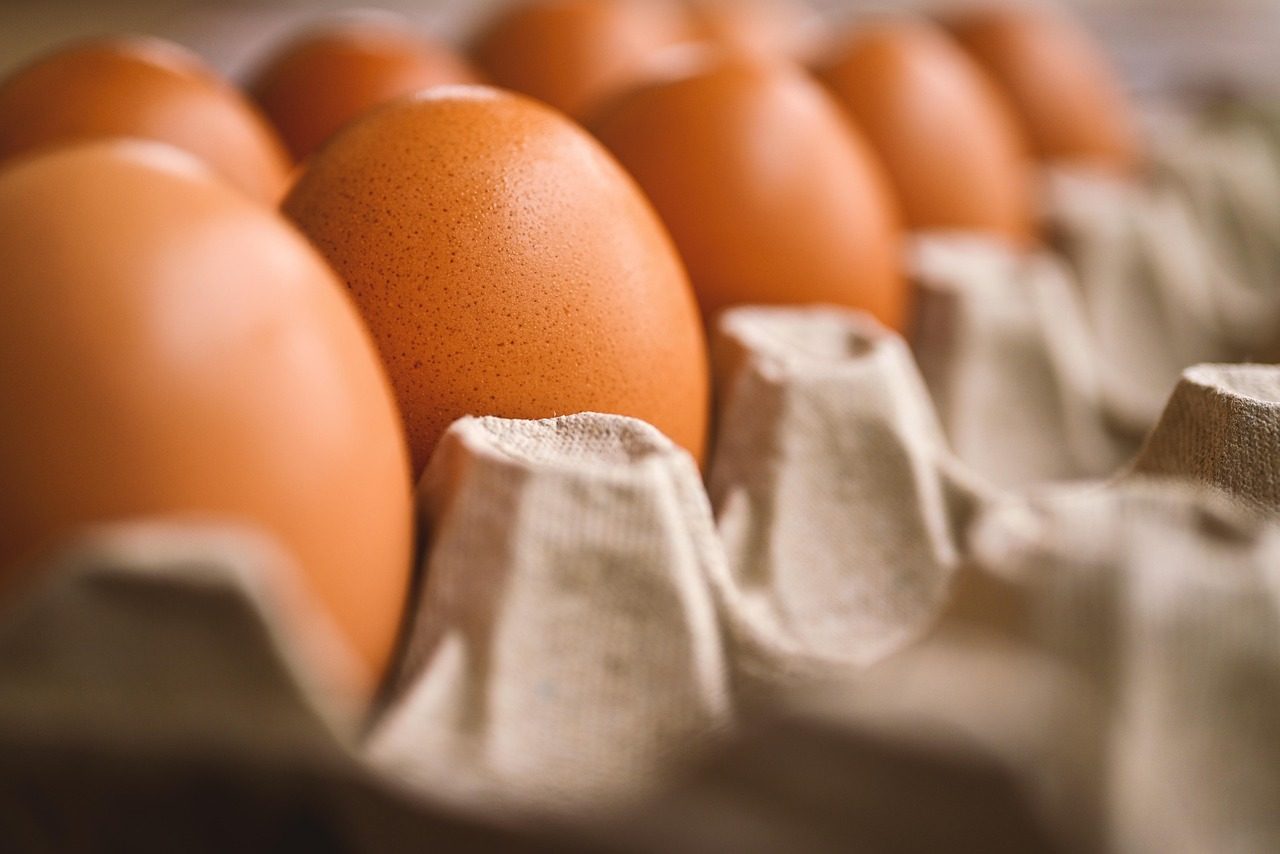
Unbroken, clean, fresh shell eggs may contain Salmonella Enteritidis bacteria that can cause foodborne illness. Some infected chickens produce eggs that contain salmonella before the shell is even formed. The scale of egg-related contamination is staggering. A recent outbreak traced to Milo’s Poultry Farms affected 93 people across 12 states from May to September 2024, with 34 requiring hospitalization.
FDA inspections detected Salmonella Enteritidis in samples from the farm’s packing facility and poultry house, with whole genome sequencing confirming it matched the outbreak strain. The incubation period for Salmonella can be as short as 6 hours, making contaminated eggs particularly dangerous.
Dairy Products Become Toxin Factories
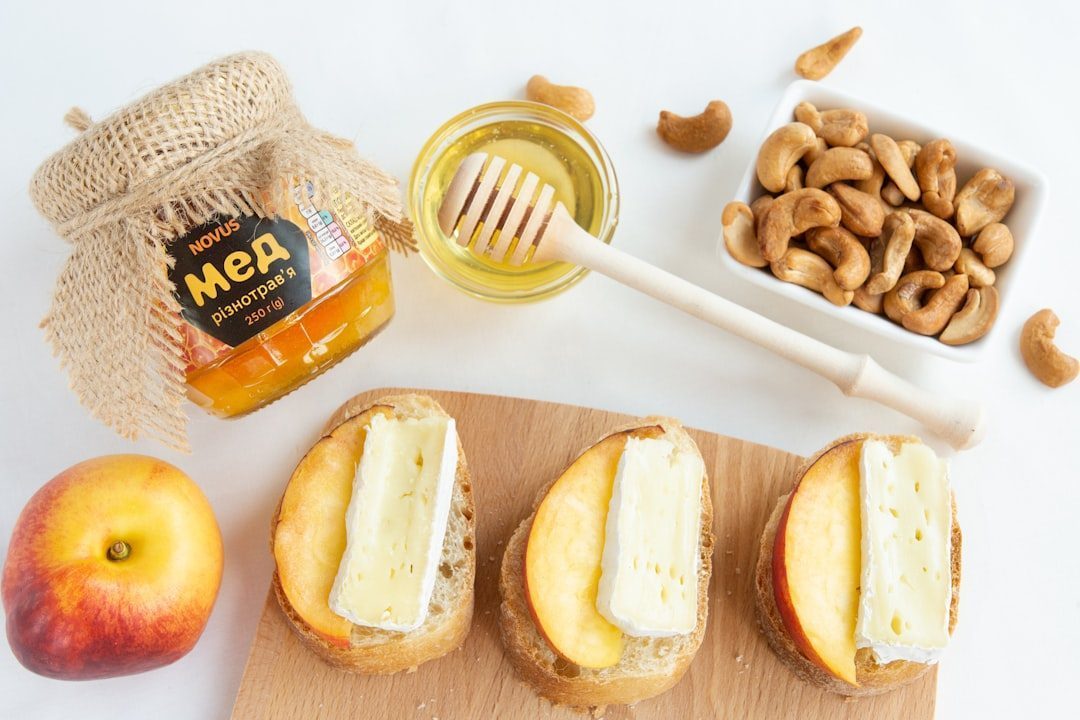
According to CDC, Listeria is often found in dairy products like soft cheeses, which have high moisture and low acidity conditions that support dangerous bacterial growth. In 2024, FDA and CDC investigated a Listeria outbreak in queso fresco and cotija cheese that resulted in 26 illnesses, 23 hospitalizations, and two deaths across 11 states. Dairy products provide the perfect environment for bacteria like Staphylococcus aureus to flourish, creating toxins that remain dangerous even after reheating.
The pathogen situation in dairy is particularly concerning because many dangerous bacteria thrive in milk-based products. Approximately 1.4% to 12% of foodborne outbreaks are attributed to Bacillus cereus, which commonly contaminates dairy products.
Cooked Potatoes in Foil Create Botulism Hazards
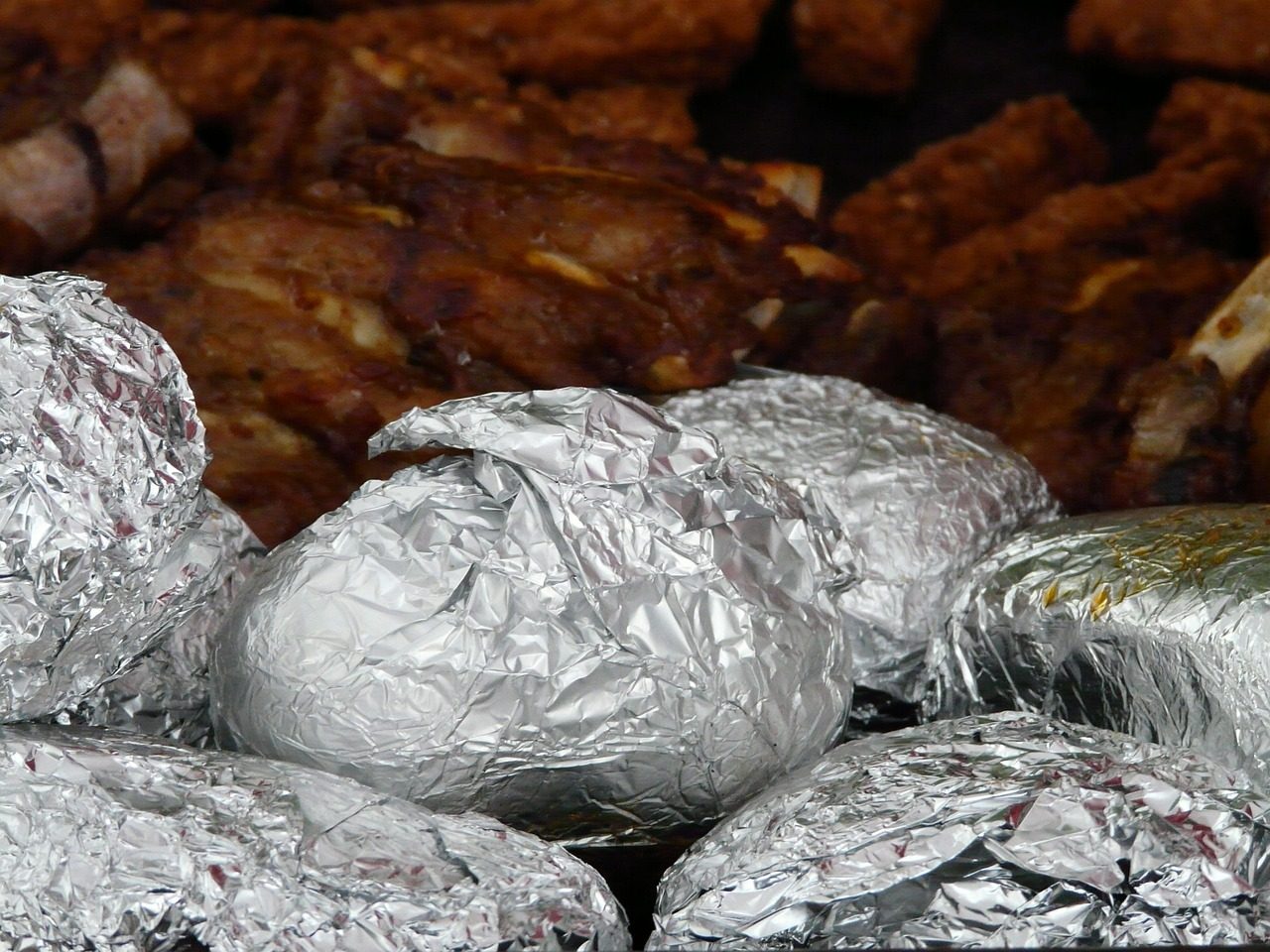
Baked potatoes wrapped in foil can become botulism factories due to Clostridium botulinum bacteria. The combination of the anaerobic environment created by foil wrapping and the potato’s neutral pH creates perfect conditions for this deadly pathogen. When potatoes are baked in foil and then left at room temperature, the warm, oxygen-free environment allows botulism spores to germinate and produce their lethal neurotoxin.
This isn’t just theoretical risk. There’s an uptick in Clostridium perfringens outbreaks during holiday seasons when large batches of food are prepared and stored improperly. The danger lies in how innocent these wrapped potatoes appear while harboring one of nature’s most potent toxins.
Ground Meat Becomes a Bacterial Highway
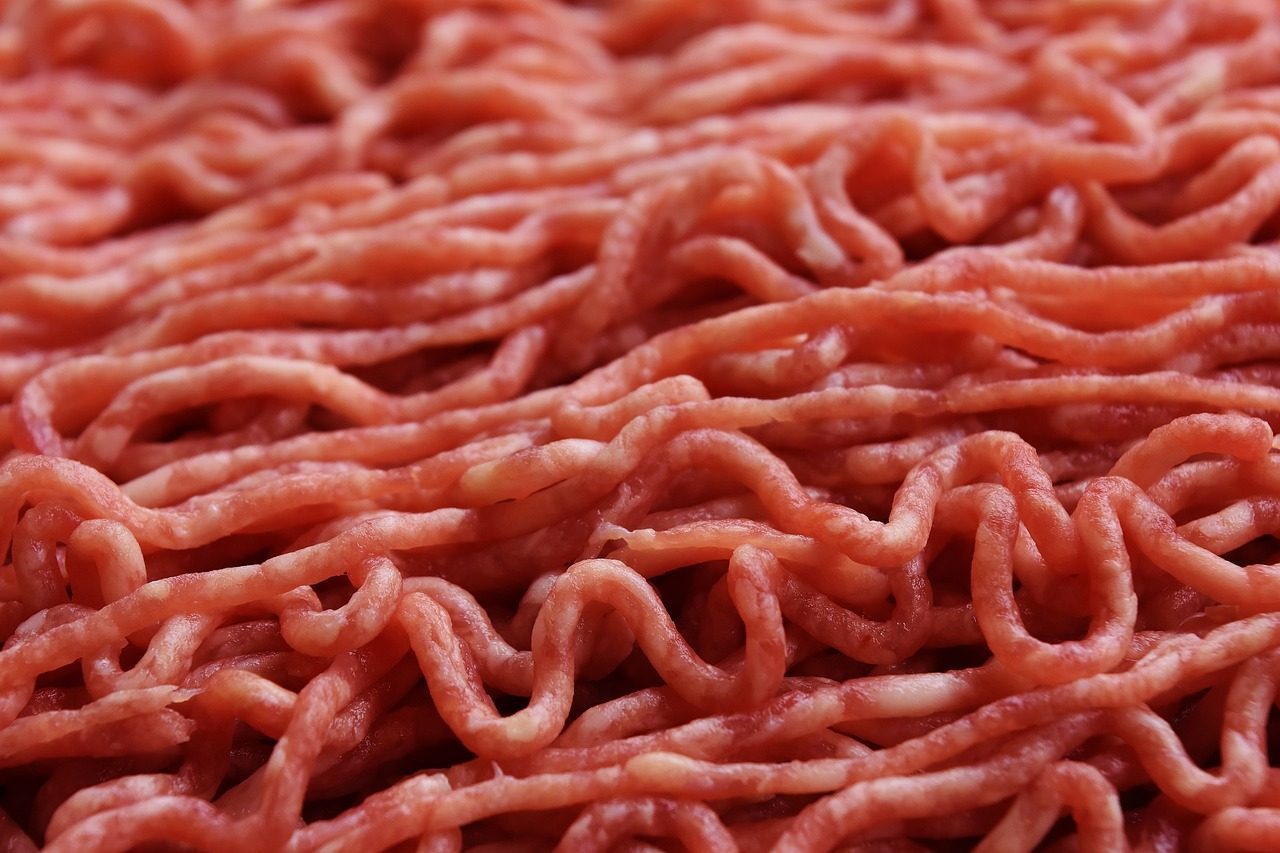
Ground meat is particularly dangerous because the grinding process spreads any surface bacteria throughout the entire product. Ground meat left out overnight provides the perfect environment for E. coli growth. Unlike whole cuts of meat where bacteria remain on the surface, ground meat distributes contamination throughout, making it impossible to eliminate through surface cooking alone.
Recent outbreaks prove this danger: an E. coli O157:H7 outbreak traced to wagyu beef in Montana affected 22 patients who ate undercooked burgers made with contaminated ground beef. The protein-rich environment combined with moisture creates ideal breeding conditions for multiple pathogens.
Pasta Salads and Starchy Sides Turn Toxic
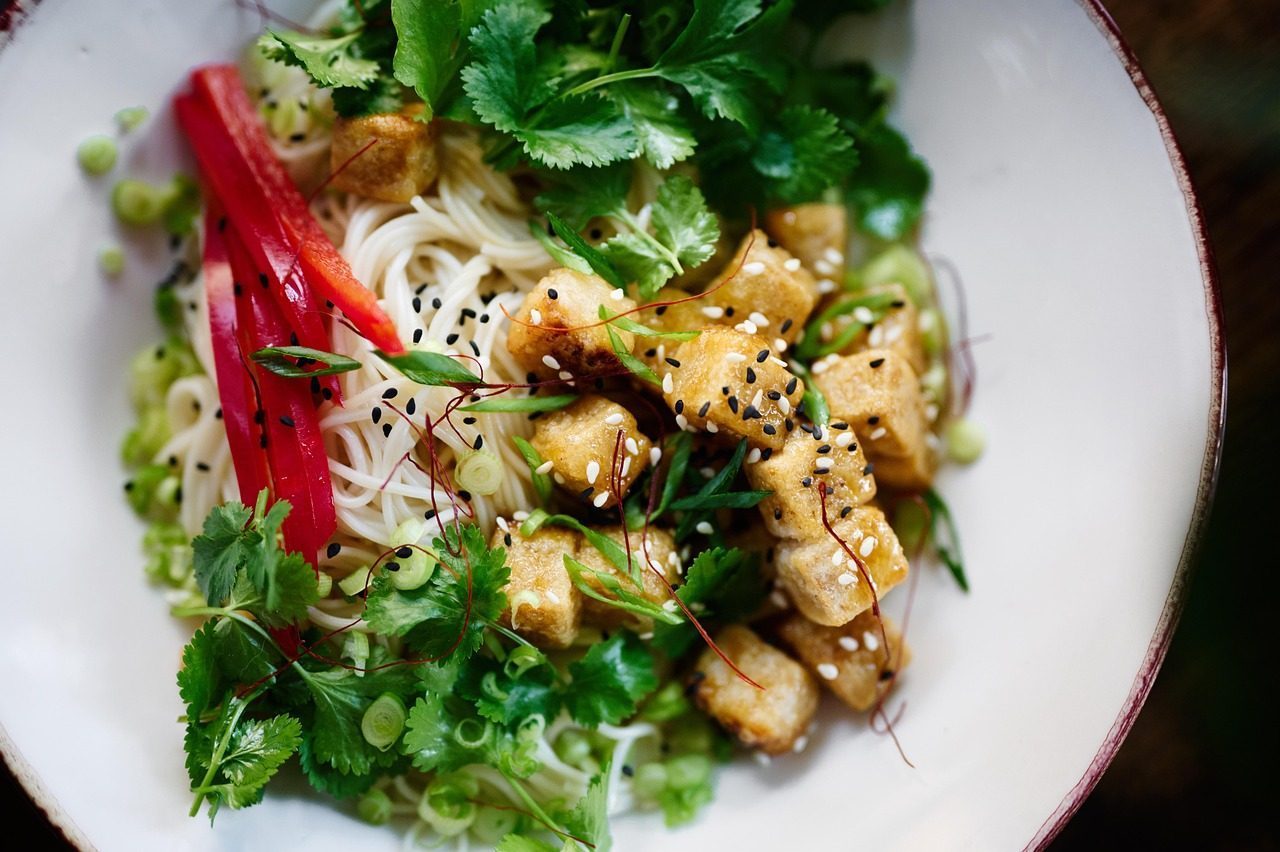
The emetic form of Bacillus cereus poisoning is mostly associated with starchy foods that have been improperly stored like rice, pasta, pastries, or sauces. Bacillus cereus is found on other starches like pasta and potatoes beyond just rice. Pasta salads present multiple dangers because they combine starchy pasta with mayonnaise or dairy-based dressings, creating a bacterial paradise.
In starchy foods like potato flakes, Bacillus cereus survives the drying process by producing resistant spores that germinate and multiply when rehydrated and left at room temperature. These combination dishes amplify the risk by providing both the starchy medium for spore formation and the protein-rich additions for rapid multiplication.
Cut Fruits Lose Their Natural Protection
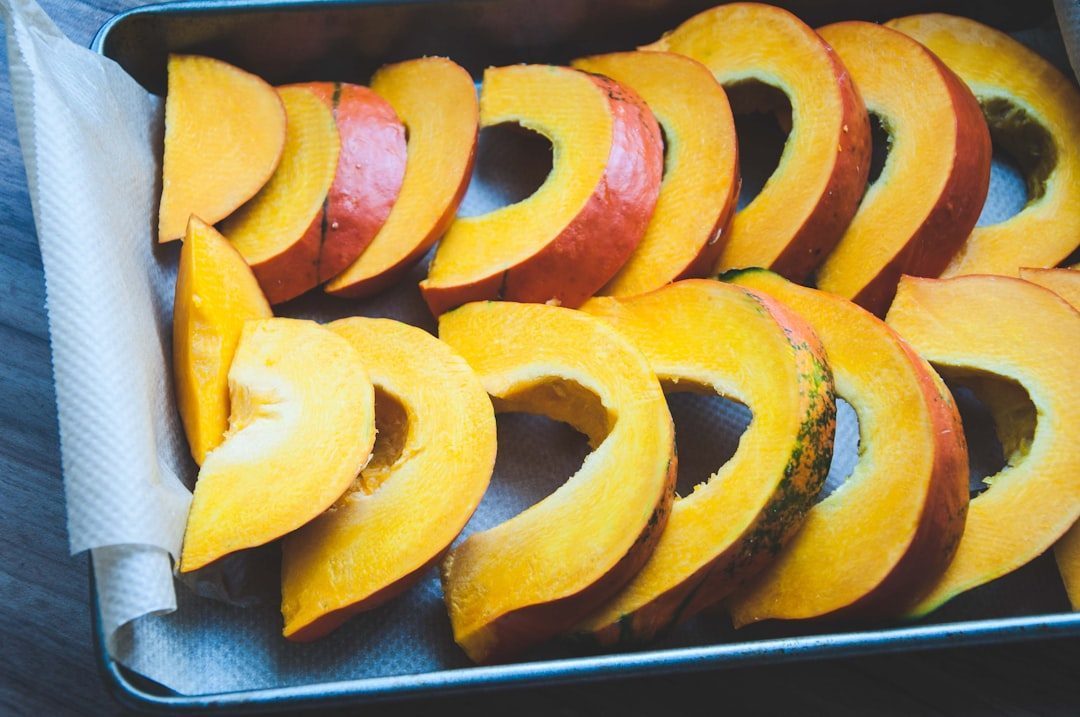
Cut fruit requires refrigeration within two hours and becomes exponentially more dangerous the longer it sits at room temperature. When fruits are cut, their natural protective barriers are broken, exposing the sweet, nutrient-rich interior to bacterial contamination. The high sugar content and moisture make cut fruits ideal breeding grounds for pathogens.
Fresh produce can be irrigated with contaminated water or become contaminated during processing, and cross-contamination occurs in kitchens when juices from raw meat contact fruits and vegetables. Unlike whole fruits with intact peels, cut pieces provide direct access for bacteria to multiply rapidly in the exposed flesh.
Cream-Based Soups and Sauces
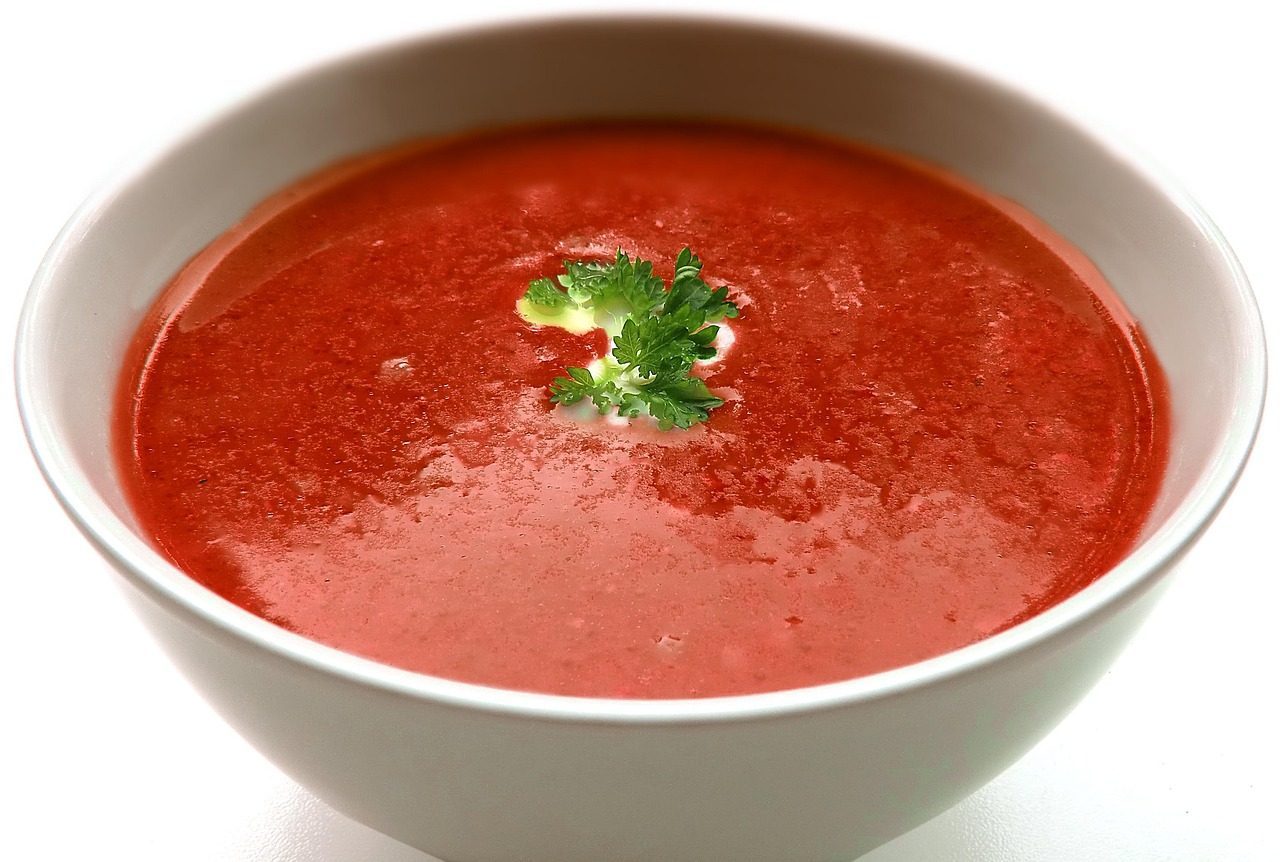
Anything containing dairy, eggs, meat, or seafood is highly unsafe after sitting out overnight, including soups, casseroles, and sauces made with cream or cheese that spoil quickly. Cream-based preparations are particularly dangerous because they combine multiple high-risk ingredients in one dish. The dairy provides bacterial growth medium while the warm temperature from cooking creates ideal multiplication conditions.
Foods previously associated with diarrhoeal food poisoning include meat products, fish, poultry, soups, sauces and stews, milk and milk products. When contaminated food is left out more than two hours at room temperature, Staph aureus begins producing toxins, making anyone who eats the temperature-abused food severely ill.
Leftovers Containing Multiple Ingredients
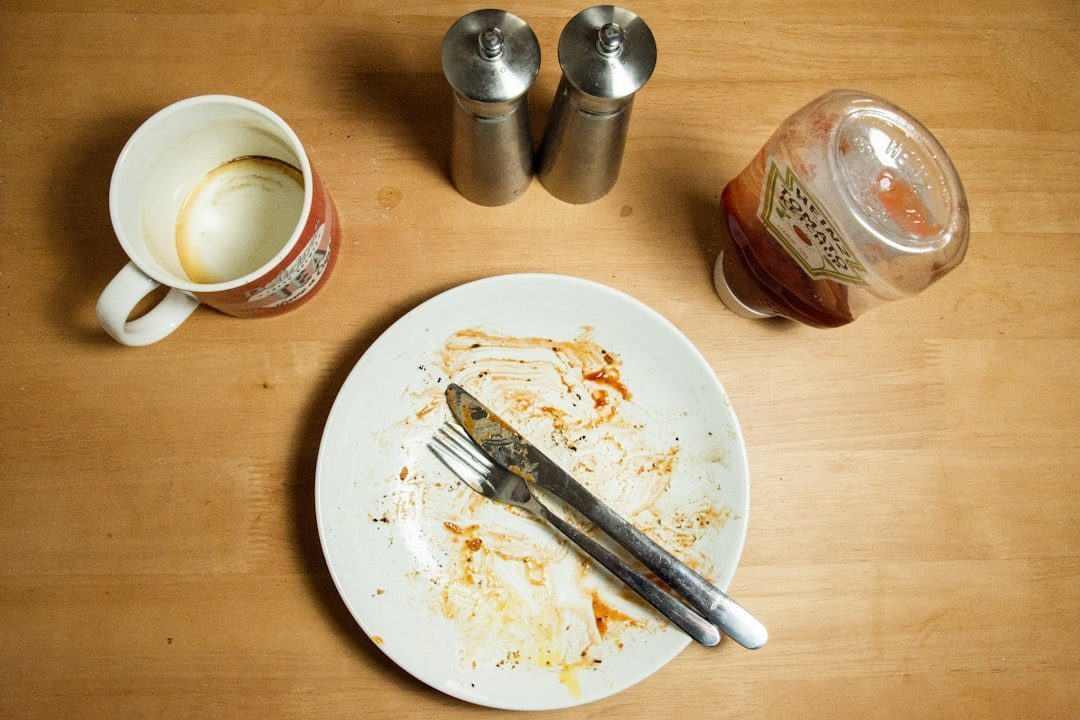
Complex dishes containing multiple ingredients create compound risks that multiply overnight. Recent outbreaks from ready-to-eat meat and poultry products have resulted in 19 patients, with two babies in California and one in Tennessee dying from contamination. Of 17 patients with complete information available, all 17 required hospitalization.
Contaminated food sickened more people in 2024 than 2023, with total illnesses increasing to 1,392 from 1,118, hospitalizations more than doubling from 230 to 487, and deaths more than doubling from 8 to 19. Complex leftover dishes amplify these risks by combining multiple potential contamination sources in a single meal.
The reality of food safety is sobering. Each year, foodborne illnesses sicken one in six Americans, and thousands die according to CDC’s most recent estimates. While these statistics might seem alarming, they represent preventable tragedies. The two-hour rule isn’t arbitrary, it’s based on decades of research showing how quickly dangerous bacteria multiply at room temperature.
Your kitchen counter isn’t a safe harbor for leftovers. What do you think about these findings? Have you been leaving any of these foods out longer than you should?