12 Tourist Destinations Where Visitors Report Feeling Unwelcome, Survey Results Reveal
Barcelona, Spain: Water Guns and Street Protests Signal Tourist Fatigue
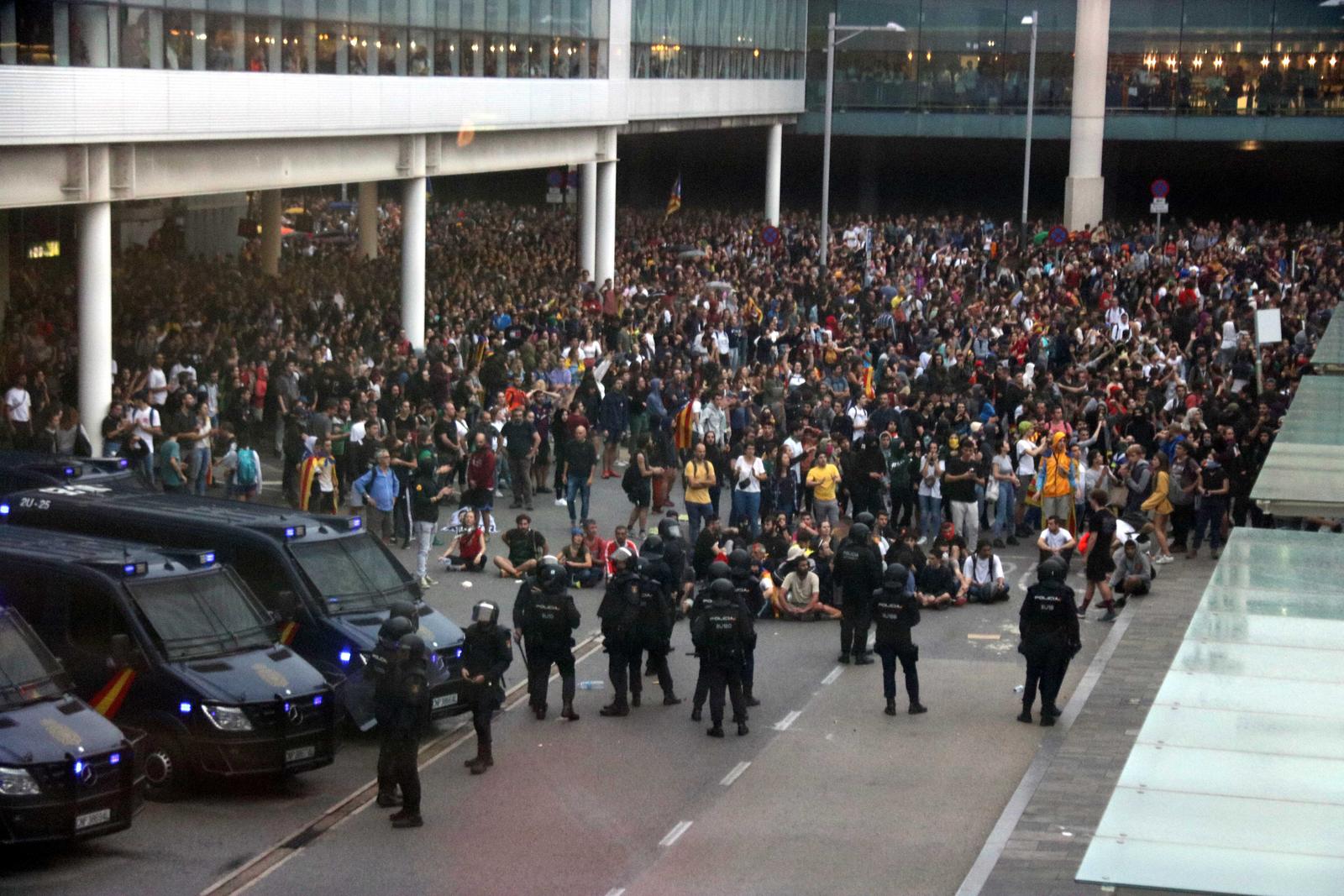
In July 2024, approximately 3,000 protesters took to Barcelona’s streets, with some using tape to seal hotel exits and cordon off restaurants, while others sprayed tourists with water guns. Official figures show 15.5 million tourists stayed overnight in Barcelona in 2024, down 100,000 from 2023, suggesting the protests may be having an impact. Barcelona’s situation has become emblematic of tensions playing out in many destinations, where local residents face being priced out by a global tourism industry that grows more expansive every year. For residents like 42-year-old administrative assistant Andreu Martínez, the city has been “handed to the tourists” and requires a fight to return it to locals.
Venice, Italy: Residents Feel Like Strangers in Their Own City
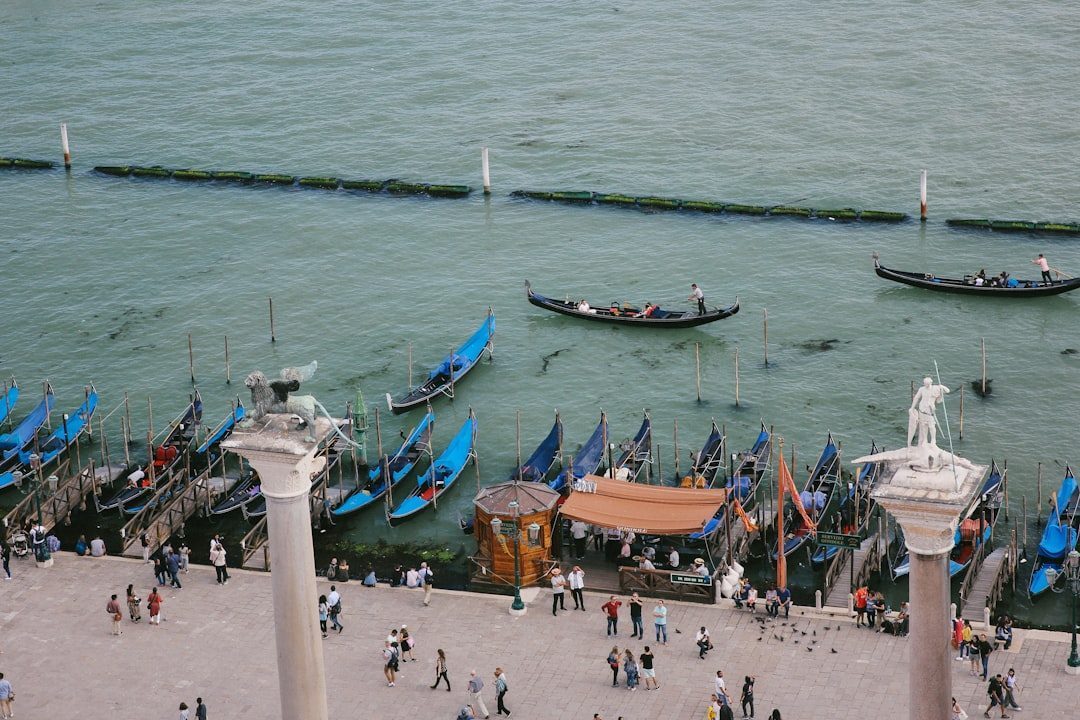
Local musician Alessio Centenaro describes feeling like a salmon swimming upstream against tourist crowds, and says that when surrounded by hundreds of tourists, locals feel like foreigners in their own city. The number of residents in Venice has plummeted as visitor numbers continue to rise. In August 2024, Venice introduced measures to limit tourist numbers, including banning tour groups from using megaphones which had become a source of disturbance. Protesters have unfurled banners calling for a halt to new hotel beds in the lagoon city, pointing to structures where the last residents have been displaced.
Amsterdam, Netherlands: The “Stay Away” Campaign
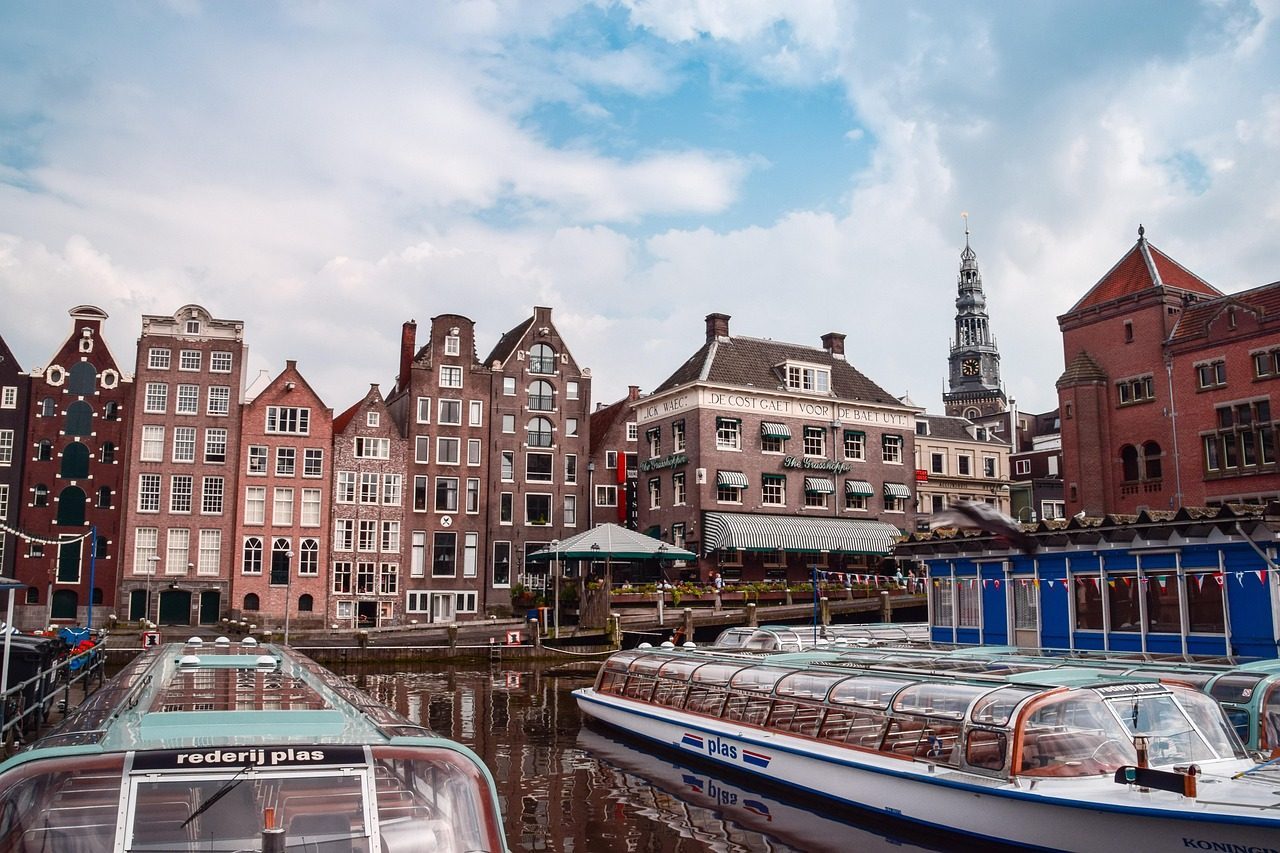
Amsterdam has implemented a ‘Stay Away’ campaign and an interactive quiz designed to educate visitors about respectful behaviour. The city has implemented over 75 measures to combat negative effects of overtourism, including continuing to ban the addition of beds in hotels and prohibiting new hotel creation in 2025. Tourists now pay additional tourist taxes on top of standard hotel rates. Despite restrictions on short-term rentals, guest nights driven by hotels have increased sharply, along with accommodation prices.
Mallorca, Spain: Housing Crisis Drives Residents to Live in Cars
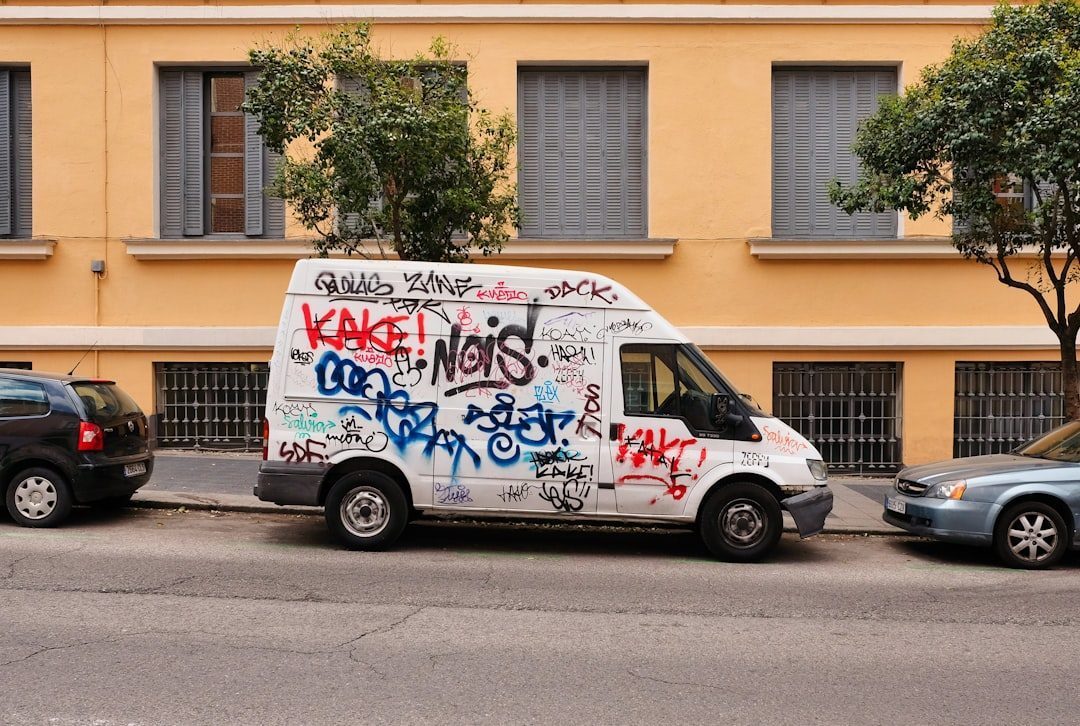
Using the “tourist pressure” measure, Zakynthos leads overtourism statistics, but Mallorca faces severe consequences with residents experiencing millions of overnight stays in 2023. By 2024, about 1,000 residents of Mallorca lived in their vehicles due to the housing crisis caused by properties being rented to tourists at inflated rates. Locals have protested by stopping tour buses, setting off flares and hanging banners. Large protests took place on July 21, 2024, coinciding strategically with the start of English school summer breaks.
Paris, France: Overtourism Concerns Despite Government Strategy
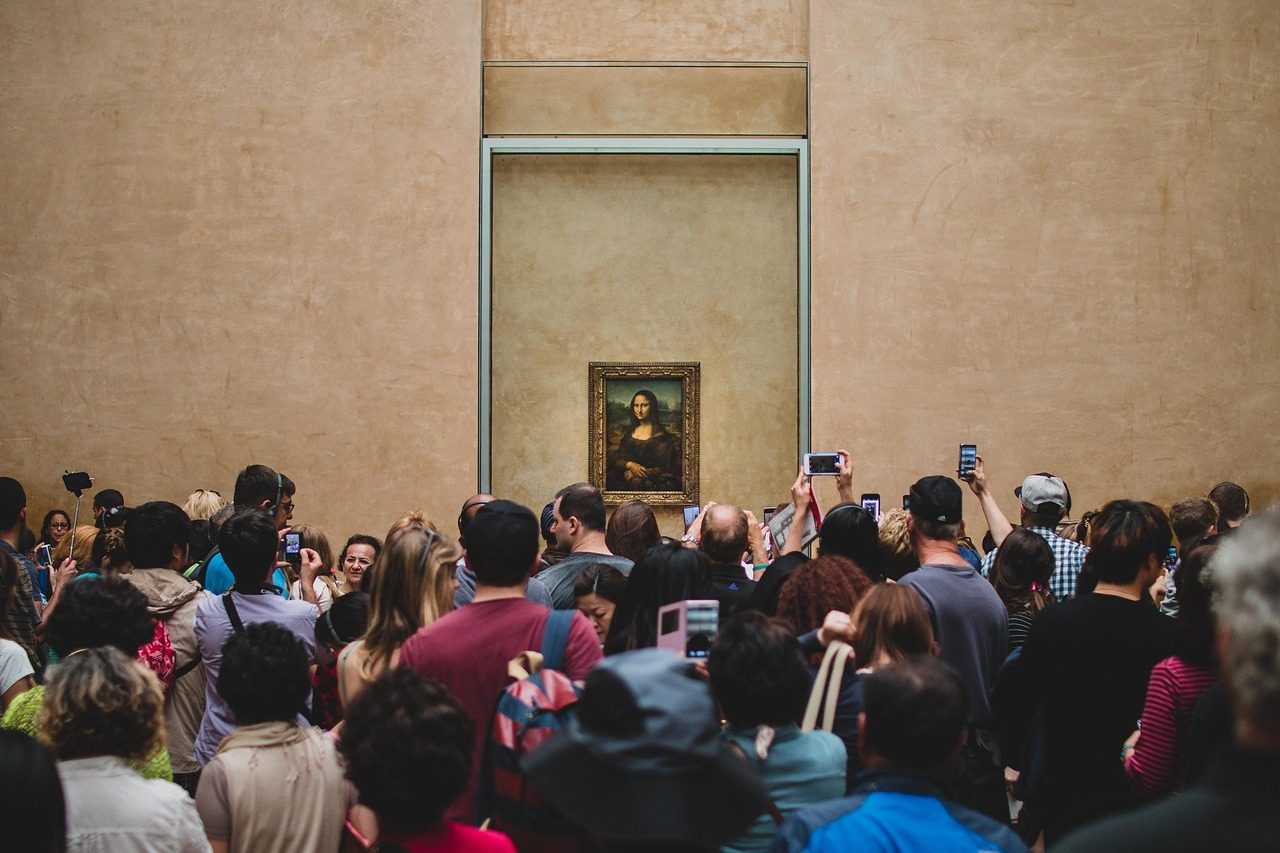
Paris had around 44 million overnight stays in 2023, with far more tourists per square kilometre than any other destination at 418,280 overnight stays. A 2019 conference titled “Are there too many tourists in Paris?” concluded that while overtourism hadn’t reached Barcelona or Amsterdam levels, rapid and poorly regulated growth could harm the city. Rising rents, businesses adapting to tourists over locals, and saturated transport systems have caused some Parisians to flee during tourist season. Residents in Montmartre began sounding alarms over surging crowds during summer 2024.
Canary Islands, Spain: Environmental Concerns Drive Mass Protests
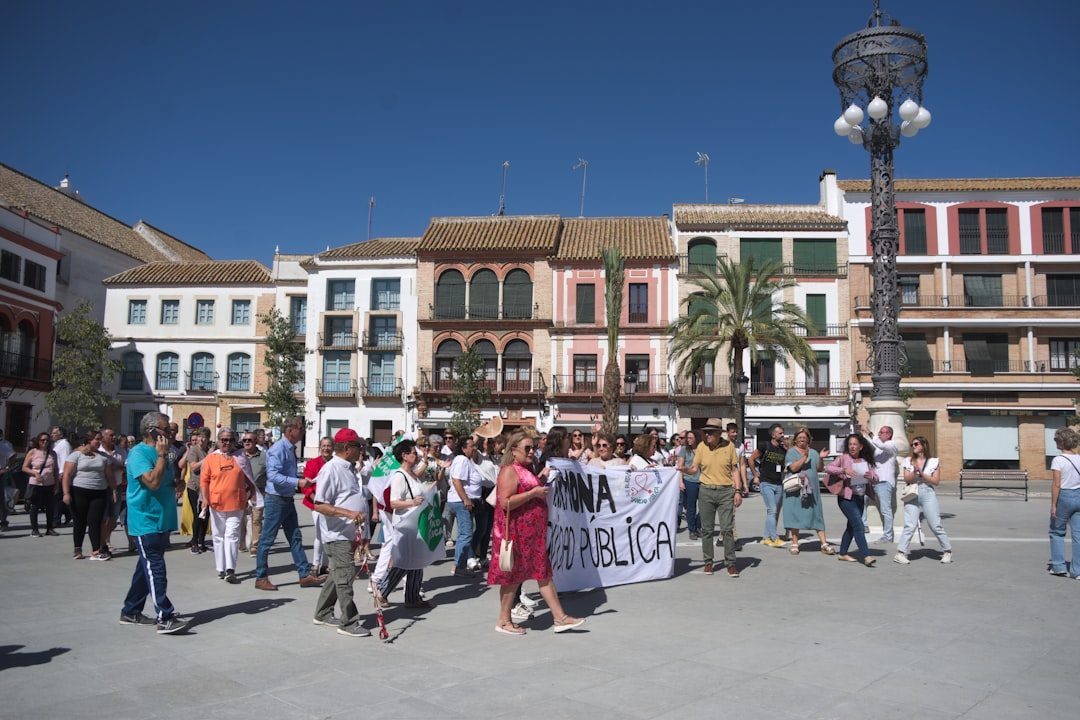
Mass protests began in April 2024 with residents calling for temporary tourism limits, with between 20,000 and 50,000 people across the islands participating in coordinated demonstrations. Nestor Marrero Rodríguez of ATAN believes authorities aren’t doing enough, with new projects continuing to contribute to territorial degradation and perpetuate poverty in Canarian society. Despite protests, tourism directly contributes 35 percent of overall GDP and 40 percent of jobs in the Canary Islands. The islands have set a target ensuring 90 percent of residential areas are reserved for permanent residents by 2029.
North Korea: Government Controls Create Unwelcoming Atmosphere
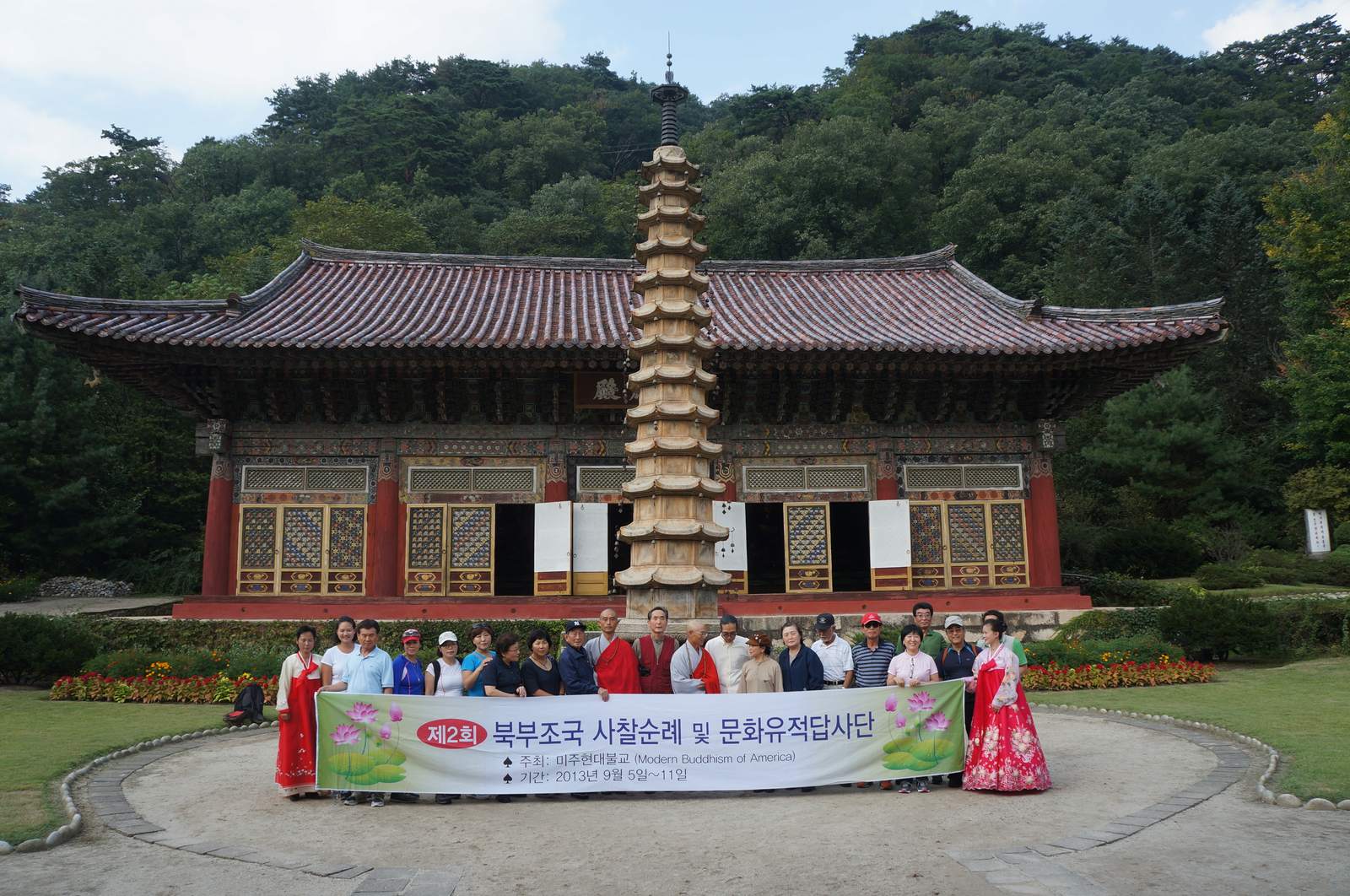
Stepping into North Korea feels like entering a parallel universe, with strict regulations on where visitors can go and what they can photograph, plus constant accompaniment by government-assigned guides making spontaneous exploration impossible. The country’s political tensions and isolation history contribute to perceptions that visitors are more tolerated than welcomed, with stringent rules that feel restrictive for average travelers.
Iran: Political Climate Overshadows Local Hospitality
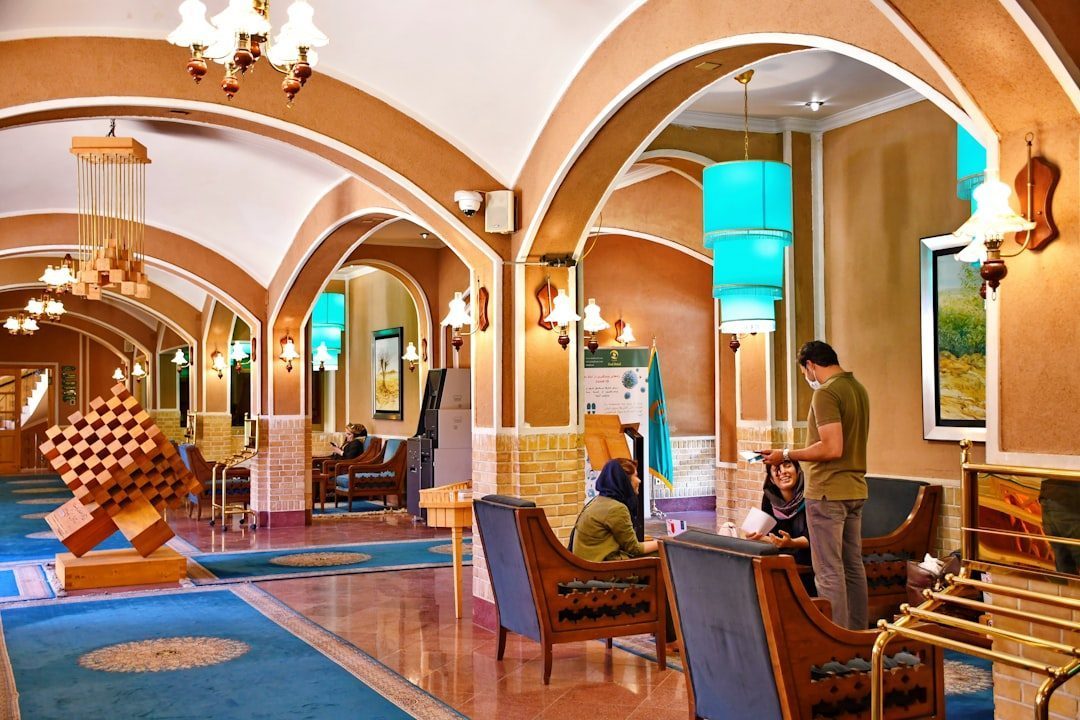
Despite offering rich cultural heritage and stunning landscapes, Iran’s strained relations with Western nations and political climate create perceptions of an unwelcoming environment, even though Iranians themselves are known for hospitality. The duality between warm local interactions and overarching political atmosphere creates complex travel experiences, requiring visitors to balance curiosity with caution in 2025.
Russia: Bureaucratic Hurdles and Geopolitical Tensions
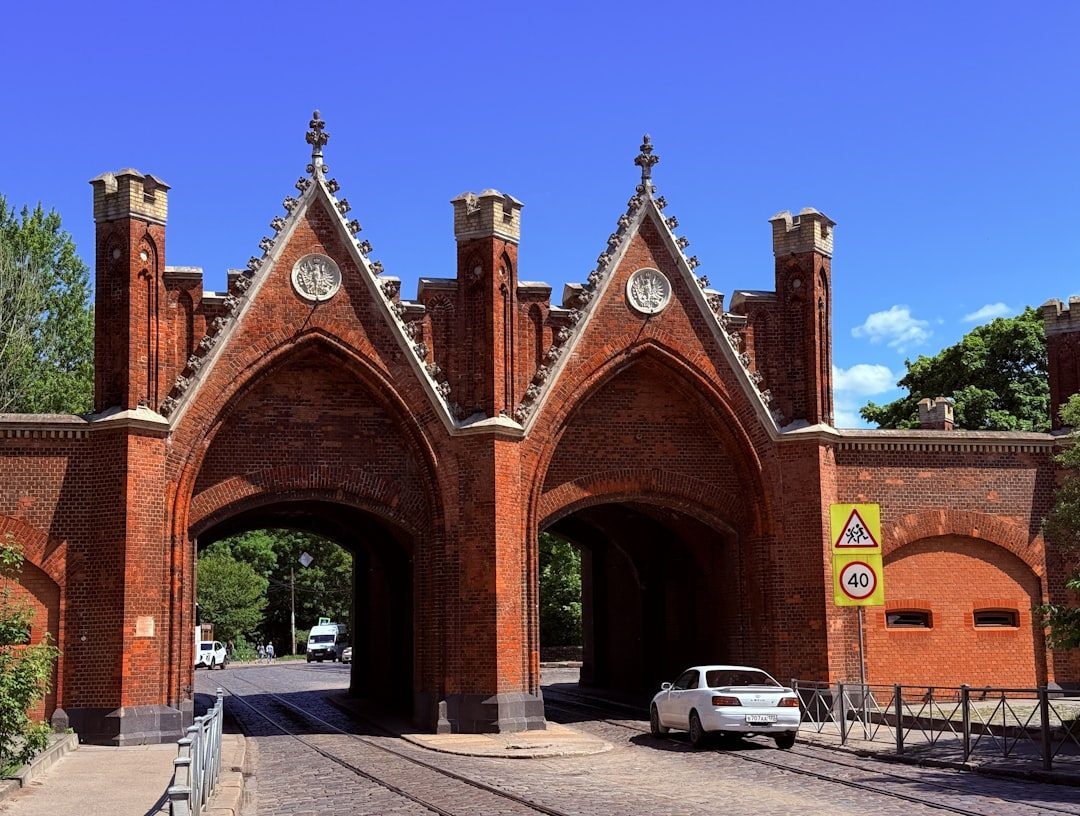
While Russia offers grand history and cultural richness with vast landscapes and historical cities, bureaucratic hurdles and geopolitical tensions make visitor experiences daunting, with perceptions of unwelcoming stemming from stringent visa requirements and political climate often at odds with Western nations.
India: Infrastructure Challenges Overwhelm Visitors
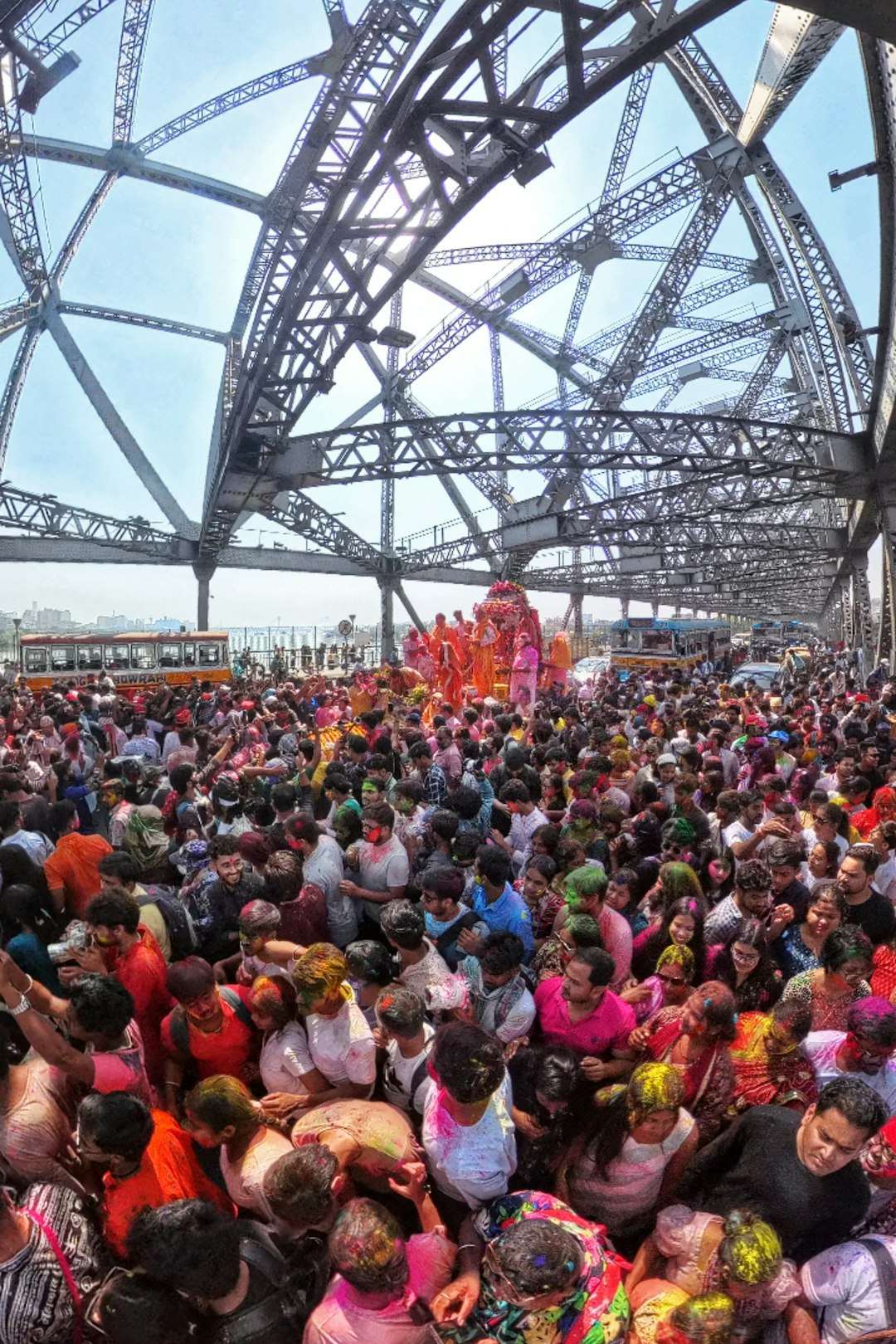
India’s vibrant cultural tapestry serves as both allure and complexity, with overcrowding and infrastructural challenges overwhelming even seasoned travelers. Tourists in 2025 must navigate contrasts by balancing chaotic beauty with patience and curiosity, finding harmony within vibrant diversity.
Venice’s Cruise Ship Problem: Maritime Overtourism
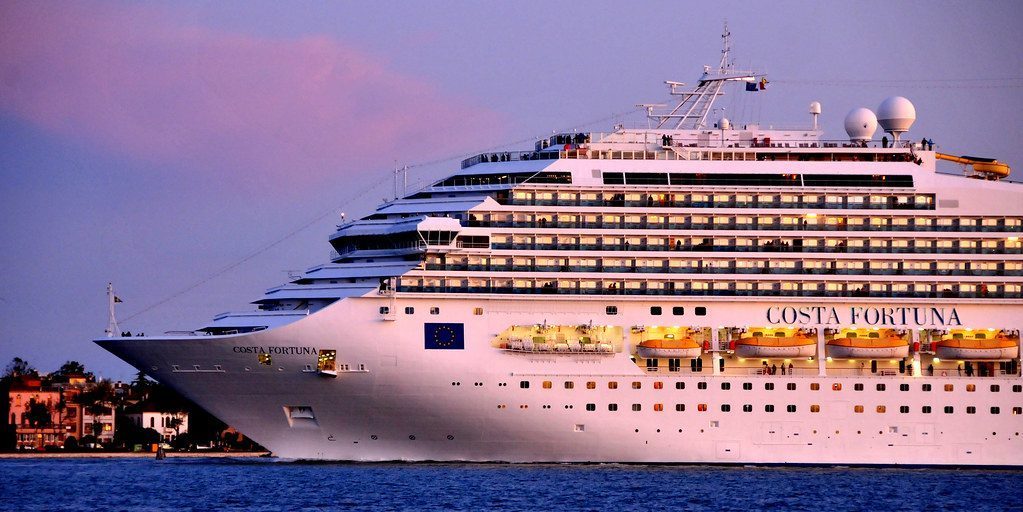
Cruise ships worldwide are blamed for overtourism, disgorging thousands of passengers daily, with European ports particularly badly hit as locals stage regular protests against ships docking in city centers. In June 2019, a ship crashed into Venice’s city center dock, while Dubrovnik struggles similarly with cruise crowds as locals take action. Some Croatian travel agencies stopped working with cruise visitors, with owners citing environmental concerns about cruise lines dumping trash into oceans.
Zakynthos, Greece: Record-Breaking Tourist Pressure Ratios
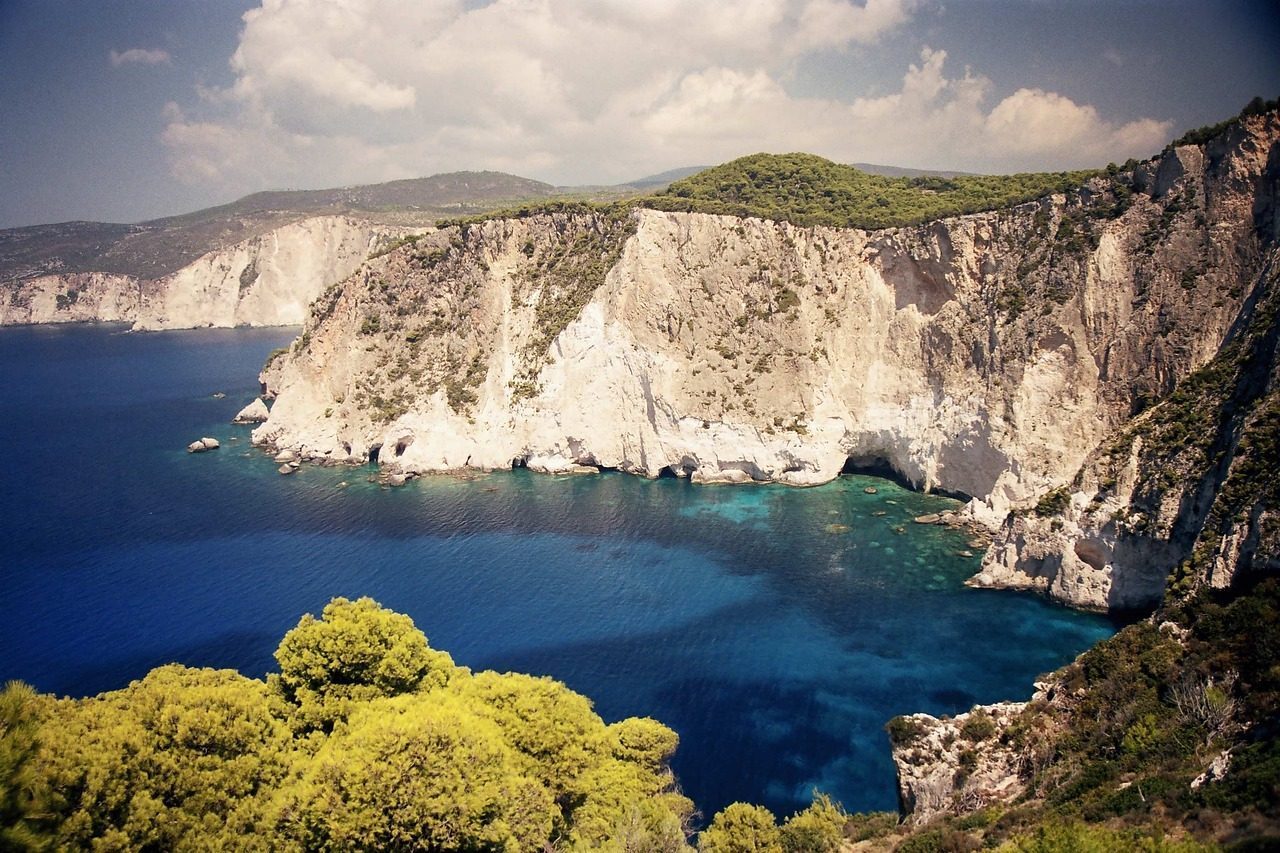
Zakynthos, known as Zante, tops overtourism statistics with approximately 40,000 residents but experiencing massive tourism numbers in 2023, meaning 150 overnight stays for every person living there. This level of tourism means holidays are mostly spent in company of other tourists, while shops, restaurants and cultural experiences are aimed and priced for tourists rather than locals. Research by Which? identified Zante alongside Mallorca and Paris as European destinations most affected by overtourism.
The tide of tourism has clearly turned in many destinations worldwide. Research shows direct confrontations with tourists can make travelers feel unwelcome and lead some to reconsider trips, though this effect is usually short-lived. These developments signal a shift towards more sustainable tourism practices, with travel operators needing to adapt by promoting off-the-beaten-path destinations or offering eco-friendly experiences. What once seemed impossible – popular destinations actively discouraging visitors – has become the new reality as communities fight to preserve their quality of life.
Key Takeaway
A recent survey reveals that not every travel hotspot offers a warm welcome. In fact, some of the world’s most popular tourist destinations are leaving visitors feeling uncomfortable, ignored, or even unwelcome. Complaints often stem from overcrowding, cultural tension, and tourist fatigue among locals who feel overwhelmed by constant visitors. The findings highlight a growing divide between travelers seeking authentic experiences and residents seeking peace, urging the travel industry to prioritize respect, sustainability, and cultural sensitivity to rebuild trust between locals and tourists.
Why Locals Are Pushing Back: The Economics Behind the Anger

Here’s the thing most tourists don’t realize: the money from tourism doesn’t always trickle down to everyday residents. In Barcelona, for example, nearly 60% of tourism revenue flows to international hotel chains and foreign-owned restaurants, leaving local shop owners struggling to compete with souvenir shops catering to visitors. The irony is brutal – residents watch their neighborhoods transform into theme parks while their own cost of living skyrockets. Airbnb and similar platforms have turned residential buildings into de facto hotels, pushing rental prices up by 40% in some European hotspots over just five years. Meanwhile, service workers in tourism-dependent cities often earn minimum wage while serving visitors who spend more on a single dinner than locals make in a day. This economic imbalance fuels resentment, and it’s exactly why you’re seeing those protest signs and water guns in the streets. When tourism stops benefiting the community and starts displacing it instead, the welcome mat gets pulled away pretty damn quick.