Why Americans Are Leaving Their Jobs to Move to These 9 Tiny Villages
Something quiet is happening across America. Not a revolution, not a headline-grabbing moment – just millions of people slowly, steadily packing up their apartments, handing in their resignations, and pointing their moving trucks toward places most people have never heard of. Small villages. Tiny towns. Spots with one main street, a farmer’s market on Saturdays, and enough open sky to make you forget what a traffic jam feels like.
Rural counties and the smallest metro areas became the top destination for people moving within the country for the first time in decades, and that shift isn’t reversing anytime soon. People aren’t just changing addresses. They’re changing their entire relationship with work, money, and what a good life actually looks like. Here are the 9 tiny villages drawing Americans away from their desks, their deadlines, and their ZIP codes.
1. Conway, South Carolina – The Quiet Neighbor Nobody Talks About
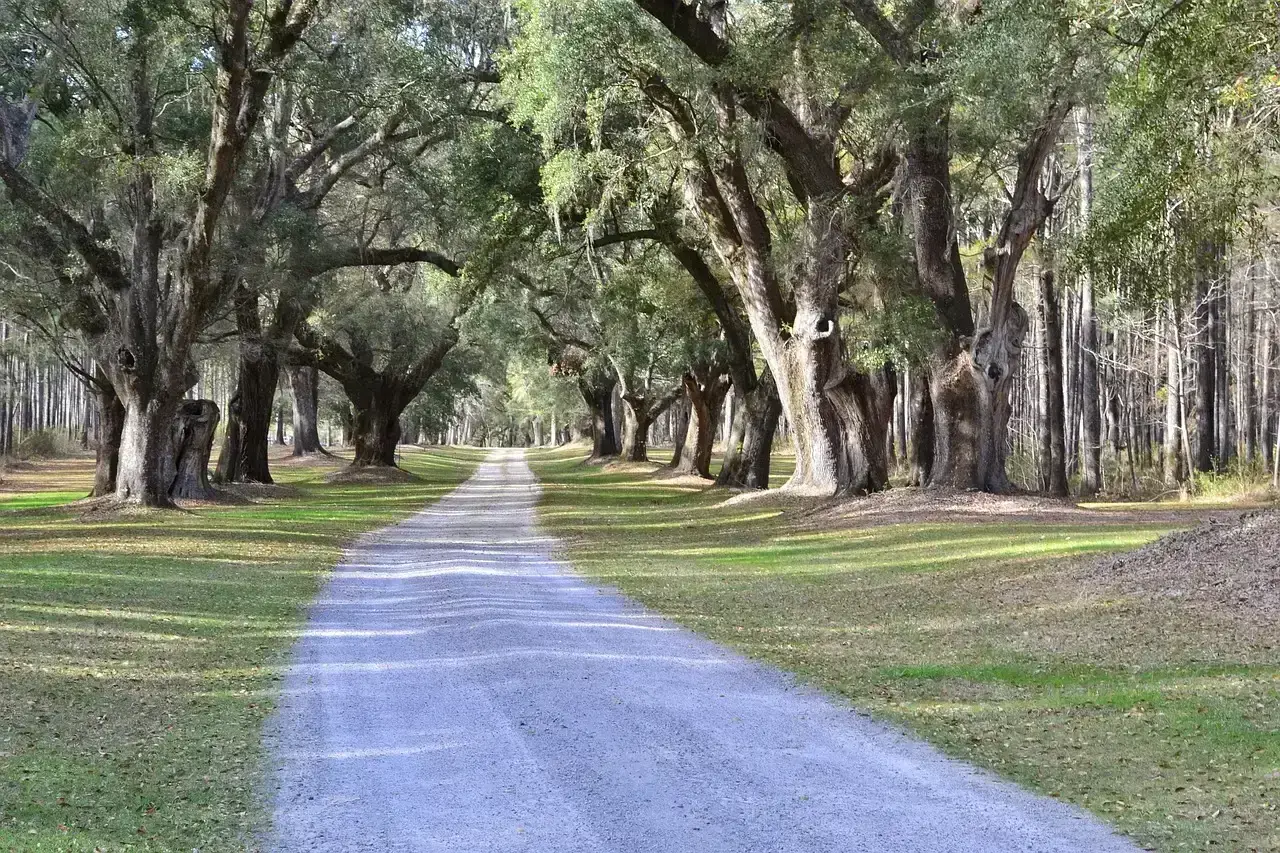
Ask most people about South Carolina and they’ll say Myrtle Beach. But the real hidden gem sits just a few miles inland. Conway was the top online-searched city in relocation reports, and it’s easy to see why: situated northwest of Myrtle Beach, it provides proximity to the ocean as well as all of the entertainment and dining a tourist destination offers, plus a more affordable cost of living and small-town charm with its historical downtown and Riverwalk on the Waccamaw River.
Conway ranked number one among the top cities people were most interested in moving to in 2025, coming in ahead of Johnson City, Myrtle Beach, and The Villages, Florida. That’s not just a fluke – this town has been holding that top spot for multiple years running.
South Carolina as a state is not only doing a great job of retaining residents, but it’s also maintaining a place of popularity for movers coming in from other states – it’s the sixth year in a row that movers have shown more than double the interest for moves in than out. Conway is riding that wave with style, offering ocean access at a fraction of the coastal price tag.
2. Johnson City, Tennessee – Appalachian Charm With a Modern Pulse

Johnson City is one of four Tennessee cities to appear on top relocation lists, alongside Nashville, Knoxville, and Chattanooga – a remarkable achievement for a state that has quietly become one of America’s top migration destinations. Honestly, Tennessee’s rise feels less like a trend and more like a reckoning.
A thriving economy, beautiful scenery, and low food, utility, and housing costs have made Tennessee an increasingly popular place for movers. Johnson City in particular offers something rare: genuine Appalachian mountain culture, a growing healthcare sector, and a cost of living that still makes financial sense for families coming from expensive metros.
According to RentCafe March 2025 estimates, rentals in Tennessee are around $200 below the national average of $1,750 per month. For someone fleeing a $3,000-a-month Brooklyn studio, that difference is life-changing. Johnson City doesn’t shout about itself. It lets the mountains do the talking.
3. Bluffton, South Carolina – Low Country Living, High on Demand

South Carolina’s Bluffton sits to the west of Hilton Head Island in the state’s picturesque low country, with waterways snaking through the area. It ranked in the top ten most-searched relocation cities nationally for 2025, and once you see the Spanish moss dripping from live oaks over quiet tidal creeks, it’s not hard to understand why.
Scenic beauty, affordable real estate, and an expanding job market have made South Carolina one of the biggest hotspots in the United States, with economic growth in Charleston and Greenville drawing professionals in healthcare, manufacturing, aerospace, and technology. Bluffton benefits from its proximity to all of this without the price premium of the bigger cities nearby.
I think the real appeal here is that Bluffton feels like a genuine community, not a retirement product or a real estate scheme. Communities that have easy access to outdoor recreation have seen a spike in new residents, and areas that attracted new residents at high rates were those near large waterbodies, notably in the Southeast. Bluffton checks that box perfectly.
4. New Braunfels, Texas – A Hill Country Gem Growing Fast

Located just northeast of San Antonio, New Braunfels offers easy access to Austin, along with ample scenic beauty including the Guadalupe River and a small-town feel with proximity to two major cities. It’s the kind of place where you can kayak on a Tuesday afternoon and still make a video call by noon.
The population of this city has grown rapidly, with the U.S. Census Bureau indicating growth of almost 25% between 2020 and 2024. That’s not a village quietly watching the world go by – that’s a village actively being discovered, which means anyone considering a move should probably think sooner rather than later.
In nearby Comal County, centered about 35 miles northeast of San Antonio, the working-age population has expanded by roughly a quarter since the pandemic began, and the county has added about 20,000 new jobs so far this decade – nearly a 30% increase. New Braunfels is the heart of that transformation, blending Texas grit with Hill Country beauty in a way that’s genuinely hard to resist.
5. Wildwood, Florida – The Fastest-Growing Town in America You’ve Never Heard Of

Let’s be real – most people have never heard of Wildwood. The fastest-growing town in the U.S. for 2025 to 2026 is Wildwood, Florida, according to U.S. News and World Report, with the town’s population having doubled in just three years to reach 36,493, with a 20% net migration rate. That is, to put it gently, explosive.
Wildwood is a retirement haven in central Florida with golf courses, themed restaurants, and community-based activities – it’s also home to the southernmost portion of The Villages, a wildly popular and expanding retirement community. But the appeal is spreading beyond retirees now, as younger remote workers are discovering the affordability.
As of February 2026, Wildwood home prices were up about 8.6% compared to the previous year, selling for a median price of $366,000. Compare that to the national average, and you begin to see why people are making the leap. The catch? Rapidly doubling a town’s population can put pressure on infrastructure – so this gem may not stay undiscovered for much longer.
6. Bend, Oregon – Wild Beauty for the Remote Worker Soul

Bend, Oregon is the only city in the West to make it into the top 10 most-searched relocation destinations, jumping from the 24th spot in early 2025 data – its draws include natural beauty, surrounded by national forests and the Deschutes River, and year-round outdoor recreation. For a certain kind of person, that combination is simply irresistible.
Oregon has emerged as a leading inbound destination for job-seeking migrants, with opportunities in growing tech and healthcare fields. Bend specifically has developed a reputation as a hub for remote workers who want serious outdoor access – think skiing in winter, hiking and mountain biking all summer – without sacrificing connectivity or quality coffee.
Data suggests Americans are deciding to relocate to mid-sized cities that are family-friendly and affordable, with many working professionals who still have remote jobs choosing to relocate from expensive cities like Los Angeles to places that offer a completely different lifestyle. Bend is the Pacific Northwest’s answer to that exact impulse.
7. Apex, North Carolina – Smart, Affordable, and Right There
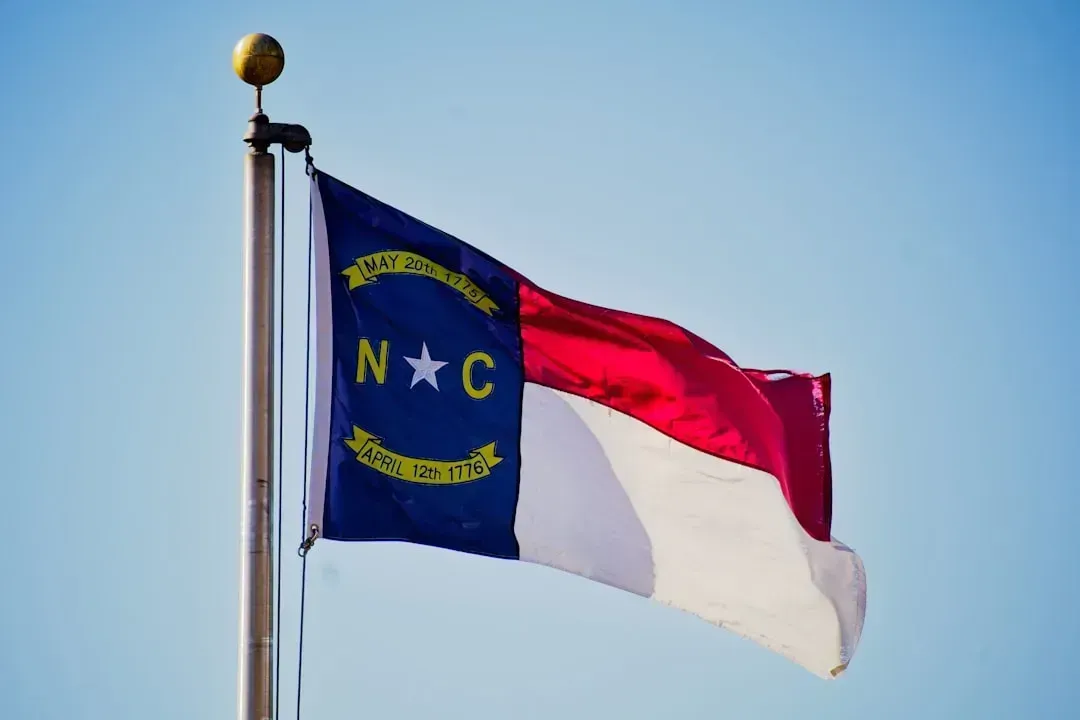
Apex, North Carolina is located just west of Raleigh and provides a smaller-town feel while being close enough for big-city activities, with proximity to The Research Triangle connecting Duke University, North Carolina State University, and UNC-Chapel Hill offering plenty of employment opportunities. It sounds almost too convenient to be real.
Net migration was responsible for roughly 95% of North Carolina’s population growth over the past four years, and the state received over 82,000 new residents in 2024, second only to Texas. Apex is drawing a huge slice of that inflow from tech workers, healthcare professionals, and young families who want community without chaos.
North Carolina continues to attract new residents with its lower cost of living, job opportunities, access to outdoor activities, and Southern hospitality. Apex distills all of that into one walkable, family-friendly community where the schools are good and the commute to a major research campus is genuinely short. That combo is becoming increasingly rare in modern America.
8. Tontitown, Arkansas – The Ozarks Secret That’s Out

Here’s one that genuinely surprised me. Tontitown has experienced roughly 70% population growth between 2020 and 2024, growing from just 4,685 people to 7,941 according to Census data; the town, which sits in the Ozark Mountains, has a rural feel with strong Italian-American roots but also established infrastructure like roads and healthcare, and is close to Fayetteville and Springdale. It’s the kind of place that seems too small to matter, right up until it does.
The growth of remote work has become a key driver of domestic migration trends, and with roughly a third of workdays being done remotely, Americans have more geographic flexibility and have been increasingly willing to move far from large population centers if their destination offers a good quality of life. Tontitown, quietly nestled in the Ozarks, is delivering exactly that.
The housing market has responded to all this attention. The median home there was selling for $450,000 in February 2026, making it among the pricier housing markets in Arkansas. Still cheap by coastal standards, of course. The Ozark air, the sense of community, the mountains – it’s drawing people who want something real, not manufactured.
9. Hoschton, Georgia – Between Atlanta and Athens, Off the Radar
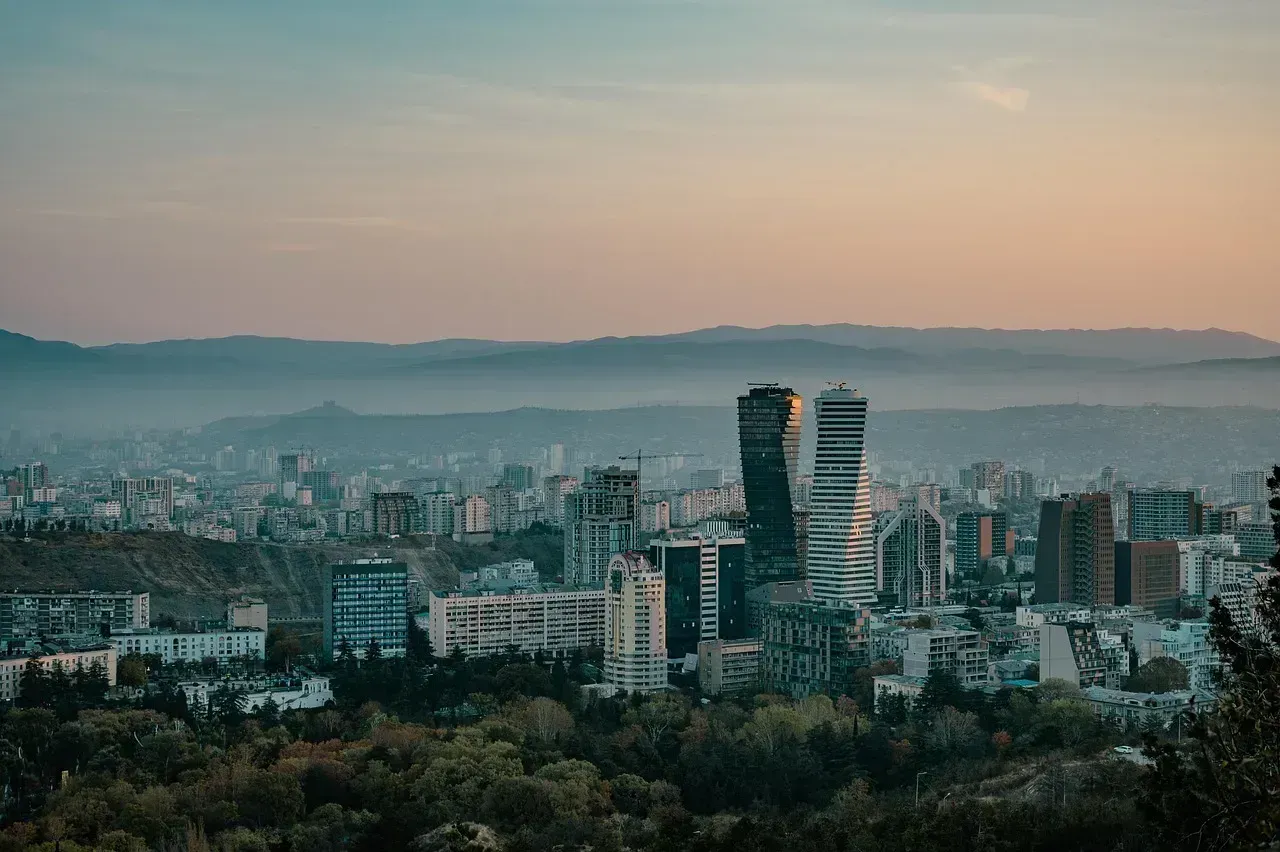
This tiny town located between Atlanta and Athens had a population of just 2,758 in 2020, and by 2024 that skyrocketed by 144% to 6,723, according to Census data. That kind of growth in that short a time is staggering for a community that most Georgians probably couldn’t place on a map just five years ago.
If you work in Atlanta, it’s a long commute, but the town itself is family-friendly and relatively safe – you have roughly a 0.09% chance of becoming the victim of a violent crime in Hoschton, compared to a 4.7% chance in Atlanta. For families, that contrast is everything. Safety isn’t a luxury. It’s the whole point.
Home prices jumped by more than a quarter between February 2025 and February 2026, selling for a median price of $534,950 according to Redfin data. Rapid growth could turn the rural vibe into something more akin to a suburb, so if you want to move here, now is the time. The clock is already ticking on this one.