The “Middle-Class Trap”: 10 Status Symbols That Quietly Signal “I’m Broke”
There’s a quiet game being played across American suburbs and city apartments, and most people don’t even realize they’re losing it. The game is called keeping up appearances, and the rules are expensive. You buy the right car, live in the right neighborhood, carry the right handbag, and pile on subscriptions to signal that life is good. The cruel irony is that these very symbols of success are often the reason the bank account sits empty. Sixty-five percent of Americans often considered “middle class” are struggling financially today and don’t expect that to change for the remainder of their lives, according to a poll commissioned by the National True Cost of Living Coalition. Understanding which purchases are quietly draining wealth, while projecting an image of prosperity, is one of the most important financial lessons of this era.
1. The Leased Luxury Car
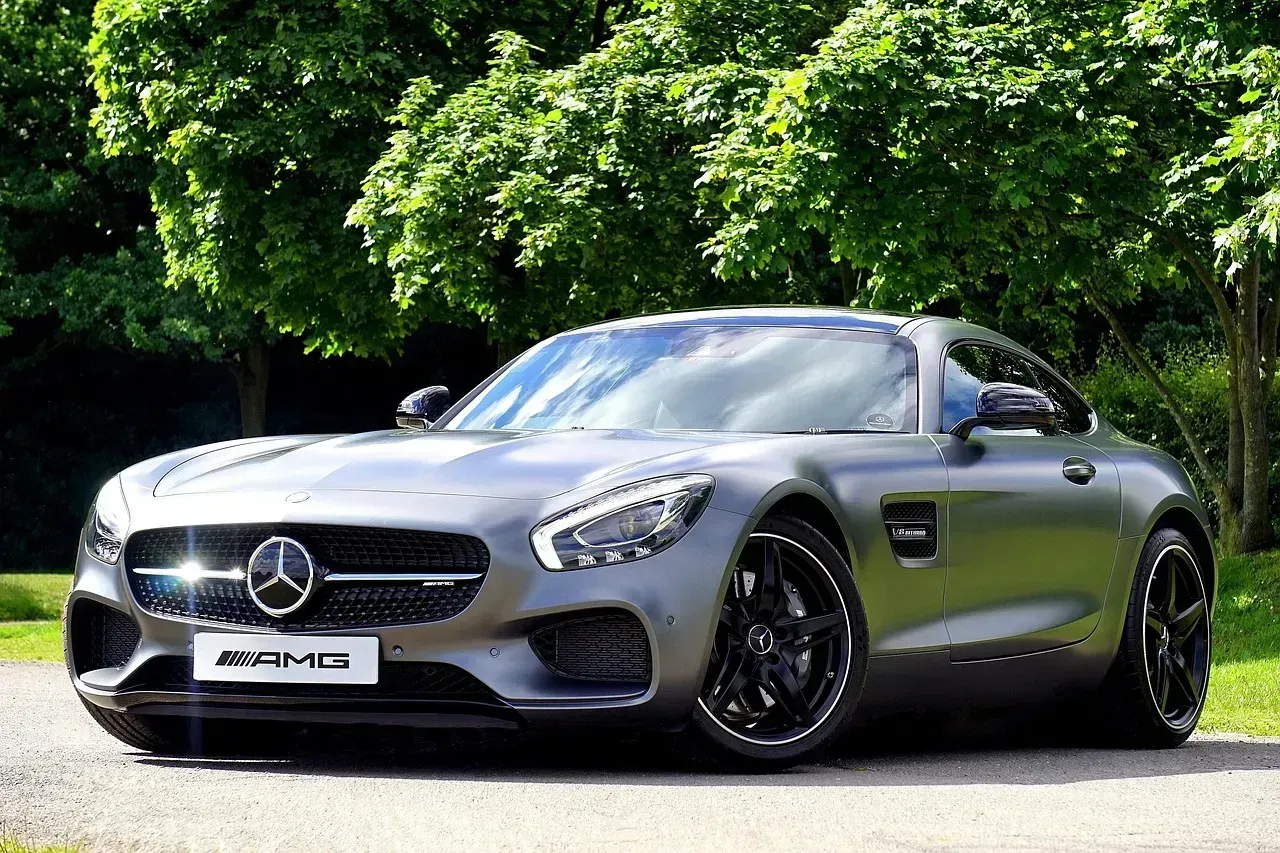
Nothing says “I’ve made it” quite like pulling up in a freshly leased BMW or Mercedes. The keys gleam, the smell is intoxicating, and the neighbors notice. Financially challenged individuals often opt for leasing due to its minimal upfront costs and lower monthly payments, but they must understand lease terms to avoid financial pitfalls. The car on your driveway may be brand new, but what’s parked in your balance sheet is a monthly obligation with nothing to show for it when the term ends.
At a time when a lack of vehicle affordability is crushing household budgets, leasing should be an effective way to lure shoppers with champagne tastes but beer budgets. The problem compounds further because leasing has most of the same costs as buying and financing a new car, all of which are on the rise. There are additional fees for leasing that are also going up, with acquisition fees rapidly approaching $1,000 even for non-luxury cars. That sleek status symbol costs far more than its monthly sticker price suggests.
2. The Oversized House

More square footage means more success, right? That’s the story millions of middle-class Americans tell themselves when signing up for mortgages that consume nearly half their take-home pay. The single largest monthly cost for most middle-class Americans is housing. Whether renting or buying, housing prices in 2025 have continued to skyrocket. Even in smaller towns, average rents often top $1,800, while urban areas can easily see $3,000 or more. Homeownership, once the pillar of middle-class stability, now requires a down payment that rivals college tuition. For many, housing eats up 40 to 50 percent of take-home pay, far more than the recommended 30 percent.
According to Redfin, the national median home sale price surpassed $420,000 in early 2024, representing more than a 40 percent increase since 2019. Simultaneously, mortgage interest rates climbed above 7 percent, placing homeownership further out of reach for many. Harvard’s Joint Center for Housing Studies confirmed in its 2025 report that 24 percent of all homeowners are now spending over 30 percent of their income on housing costs. When a home becomes the reason there’s nothing left to invest, it stops being an asset and starts being a trap.
3. Designer Handbags and Logo-Heavy Clothing

That Gucci belt or Louis Vuitton tote says “luxury” to the outside world, but it often whispers something else entirely to the credit card statement. Many high-income earners feel pressure to maintain a certain lifestyle and keep up with their social circles. This can result in using credit cards to overspend on designer goods, expensive vacations, and luxury vehicles, even when it doesn’t make good financial sense. The bag isn’t an investment. For the vast majority of buyers, it’s a depreciating item purchased with money that could have been saved.
Fifty million luxury consumers exited the market between 2022 and 2024, according to a report from Bain and Company. Even wealthy shoppers grew disillusioned with the value proposition. As one equity analyst focused on luxury retail noted, “Since 2019, there’s been a high price increase across luxury without a corresponding increase in innovation, service, quality, or appeal.” By 2024, that reality hit consumers hard. For middle-class buyers stretching to afford these items, the symbolic value evaporates while the debt remains.
4. The Subscription Stack
Streaming services, gym apps, meal kits, software subscriptions, premium news platforms. Each one feels small. Together, they quietly become one of the most underestimated financial leaks in the modern household. C+R Research found that people estimated their monthly subscription spend at $86, while their actual itemized total averaged $219. That is a $133 gap, a roughly 2.5 times underestimation. People simply don’t know how much they’re spending because the charges are invisible and automatic.
Four out of five U.S. adults paid for one or more subscriptions between April 2024 and April 2025, according to a survey conducted by YouGov for CNET. The survey found that the average adult spends $1,080 per year on subscriptions. More striking still, unused subscriptions account for $205 of what consumers spend each year. Paying for services you barely use while falling short on savings is a very modern version of financial self-sabotage.
5. The Constant Vacation Posts

Social media has transformed vacations from personal experiences into performances. The beachfront resort, the European city break, the all-inclusive package, all photographed and published as proof of a good life. What the caption doesn’t mention is that many earners feel pressure to maintain a certain lifestyle and keep up with their social circles, resulting in using credit cards to overspend on designer goods, expensive vacations, and luxury vehicles, even when it doesn’t make good financial sense.
About 47 percent of American credit cardholders carry a balance as of December 2025, up from 39 percent in December 2021. Vacations charged to a card at a high interest rate cost far more by the time the balance is paid off. Many people are dipping into their retirement savings just to cover emergencies, making the “set it and forget it” approach to saving impossible for households juggling credit card debt, student loans, and rising housing costs. A weeklong trip to Cancun financed on credit can take months, sometimes years, to fully repay.
6. Private Schooling and Extracurricular Overload

Enrolling children in private schools, elite sports programs, music lessons, tutoring, and every enrichment activity on the market is a powerful signal that a family is doing well. In reality, it’s often a sign that every dollar is accounted for, with none left over. In 2025, the average cost of full-time childcare exceeded $15,000 per year in many regions. For two working parents, this cost rivals a second mortgage. Add in extracurricular activities, technology fees, and school supplies, and families are spending tens of thousands annually just to give a child a “normal” experience.
The average American spends over $200 monthly on commuting combined with increased spending on childcare, often running between $1,000 and $1,500 per child each month. Families who project an image of providing everything for their children are frequently doing so by sacrificing emergency savings, retirement contributions, and their own financial security. The optics of being a “good parent” have become genuinely unaffordable for much of the middle class.
7. The New iPhone Upgrade Cycle
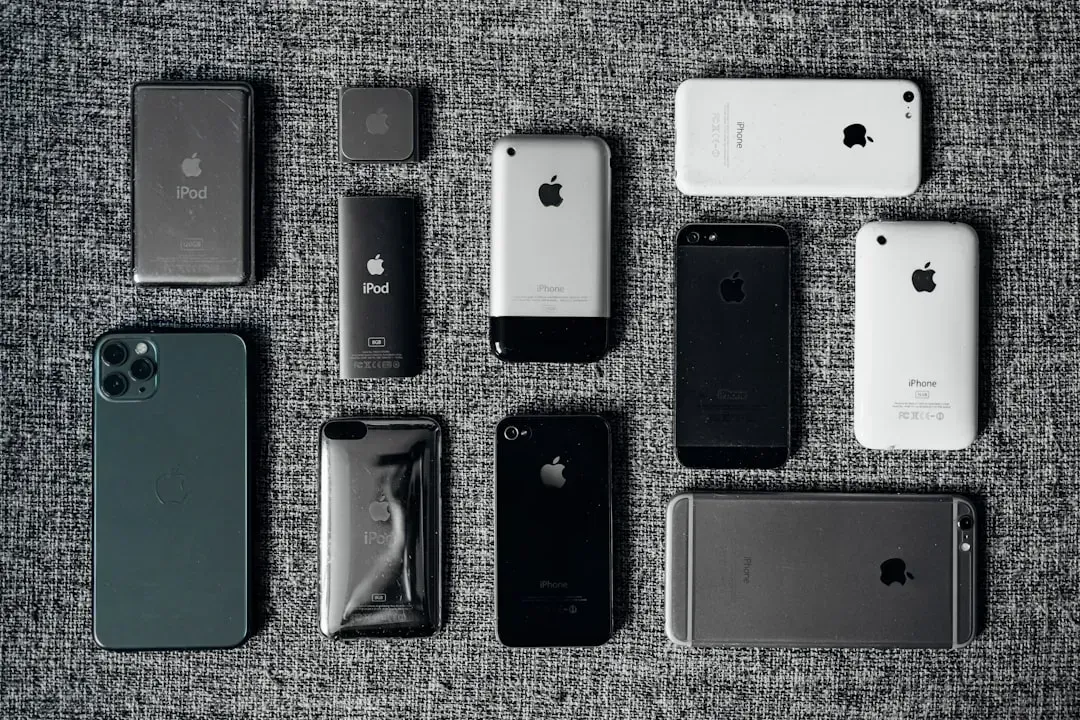
Every year, standing in line or pre-ordering the latest smartphone model is a ritual for millions. It signals being current, tech-forward, and modern. What it also signals, for those paying attention to the numbers, is a willingness to spend hundreds of dollars on a marginal hardware upgrade. The newest model often costs over $1,000, and many buyers finance it, adding another monthly payment to an already stretched budget.
As technology becomes essential for education, work, and entertainment, families spend more and more on digital services. The problem isn’t owning a smartphone. The problem is the relentless upgrade cycle driven by social signaling rather than genuine need. Over the past decade, real wages adjusted for inflation have grown by less than 0.5 percent annually, while the cost of living has increased much faster, according to wealth advisor Yuri Nosenko of Imperial Fund Asset Management. Spending $1,200 on a phone in that economic climate is less a sign of prosperity and more a sign of misplaced priorities.
8. The Gym Membership (and Wellness Subscriptions)

A premium gym membership, a Peloton, a wellness app, a meditation platform subscription, these all project health, discipline, and a certain elevated lifestyle. They’re also a significant financial drain when unused or only partially used. Wellness spending is accelerating, with gym membership spending seeing the largest increase both in dollars and growth rate, jumping from $85.50 to $101.80, a 19 percent increase from 2024 to 2025. People are paying more for the signal of wellness even as their actual financial health deteriorates.
The majority, 54.9 percent, of survey respondents said that they have at least one paid subscription going unused. The wellness category is among the guiltiest offenders when it comes to subscriptions people pay for but rarely touch. On average, each person has 0.8 unused subscriptions, costing $10.57 per month, or about $127 per year going to waste. Paying to look healthy while quietly hemorrhaging money was one of the subtler contradictions of middle-class financial life in 2025.
9. Buy Now, Pay Later Purchases

Buy Now, Pay Later services have exploded in popularity, offering a frictionless way to acquire things that feel too expensive to buy outright. The psychological trick is powerful: four small payments feel nothing like one large one. But the math doesn’t change. BNPL services have grown significantly in recent years, with transaction volume reaching about $70 billion. Nearly one in four BNPL users missed at least one payment. While convenient, BNPL can also encourage overspending, and missed payments are becoming more common.
The rapid growth of credit card debt reflects a combination of higher living costs, greater reliance on credit, and rising interest rates that make balances harder to pay down. As more consumers carry debt from month to month, the total cost of borrowing continues to climb, putting added pressure on household finances. BNPL is, in many ways, a modern evolution of the same pattern: acquiring a status-signaling item today and paying for it with tomorrow’s money. The new sofa, the designer sneakers, the upgraded appliance, each bought through installments, each quietly chipping away at financial stability.
10. The High-End Coffee and Dining Routine

Daily trips to upscale coffee chains, regular dinners at trendy restaurants, and food delivery from premium apps have become a daily ritual of middle-class identity. It’s how people demonstrate they’ve moved beyond basic, budget living. These small indulgences feel harmless but collectively represent a staggering monthly expense. Food delivery spending increased from $162.40 to $179 per month, a 10.2 percent jump from 2024 to 2025. That’s before adding the daily coffee shop visits that many treat as non-negotiable.
In 2024, inflation in the U.S. hovered around 3 to 4 percent, but wage growth for middle-income earners was closer to 2 percent. This gap erodes purchasing power, forcing families to stretch their budgets for essentials like food, gas, and utilities. When wages are barely keeping pace with essentials and a household is simultaneously spending nearly $200 per month on food delivery alone, the gap between the lifestyle projected and the financial reality underneath it grows wider. More than half, 55 percent, of middle-class households are at least somewhat concerned about the risk of a serious decline in their financial situation, according to the ACLI Financial Resilience Index. The daily latte is a small thing. The pattern it represents is not.