Why You Should Never Put Your Suitcase on the Bed After a Trip
You drag your suitcase through the front door, kick off your shoes, and drop the whole thing right onto your bed. It feels like the most natural move in the world after a long trip. But that single habit is quietly turning your sleeping space into a contamination zone, and most people have no idea it is happening. The science behind what actually lives on your luggage is enough to make anyone rethink their post-travel routine for good.
Your Suitcase Wheels Are Dirtier Than a Public Toilet
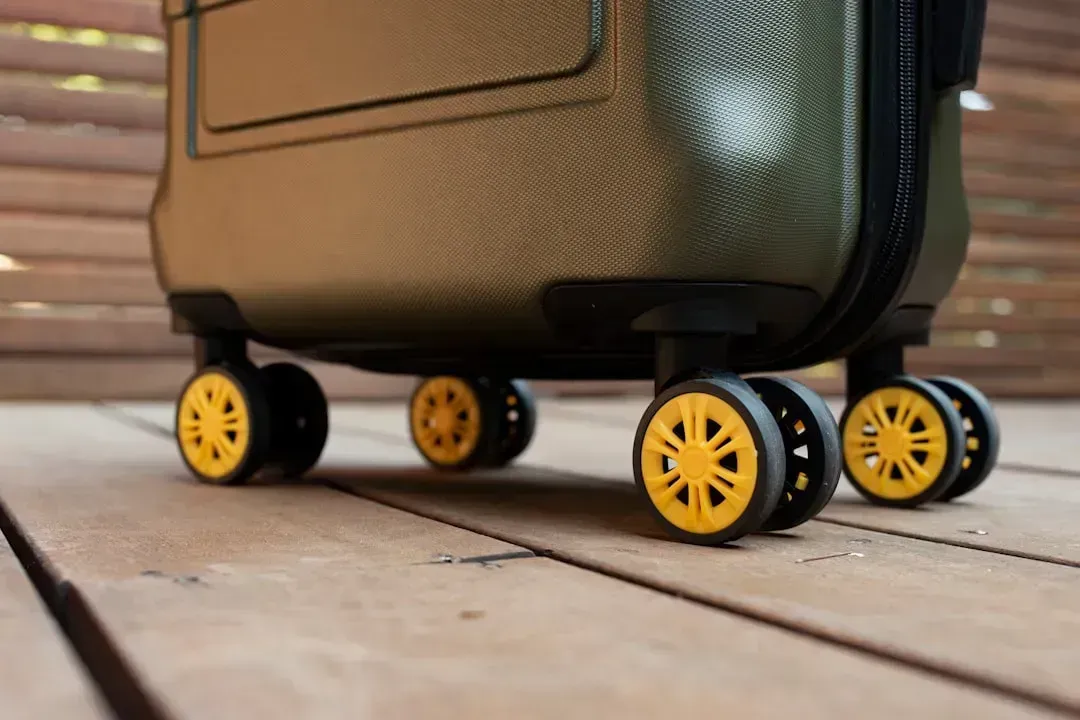
A study conducted by microbiologist Amy-May Pointer, who holds a BSc (Hons) in Microbiology, involved swabbing ten hard- and soft-shell suitcases at a busy London airport train station. Each swab was spread onto Nutrient Agar plates and incubated for five days to allow bacterial colonies to grow. The results were genuinely shocking. The suitcase wheels contained 400 colony-forming units per 3 square centimeters – a staggering 58 times as much bacteria as a public toilet.
Those small rollers picked up some nasty stuff, including Staphylococcus, a common skin bacteria; Serratia marcescens, often found in bathrooms; and black mold such as Aspergillus. The second most bacteria-contaminated part of a bag is the base, with around 350 CFU/3 cm² identified. The base of a case can be in contact with the floor when the bag is not being rolled, picking up unwanted germs such as Bacillus spores or even black molds. So when you drop that suitcase onto your bed, you are essentially pressing a surface that is dirtier than a public toilet directly onto the sheets you sleep in every night.
Bedbugs Are Expert Hitchhikers – And They Travel in Luggage
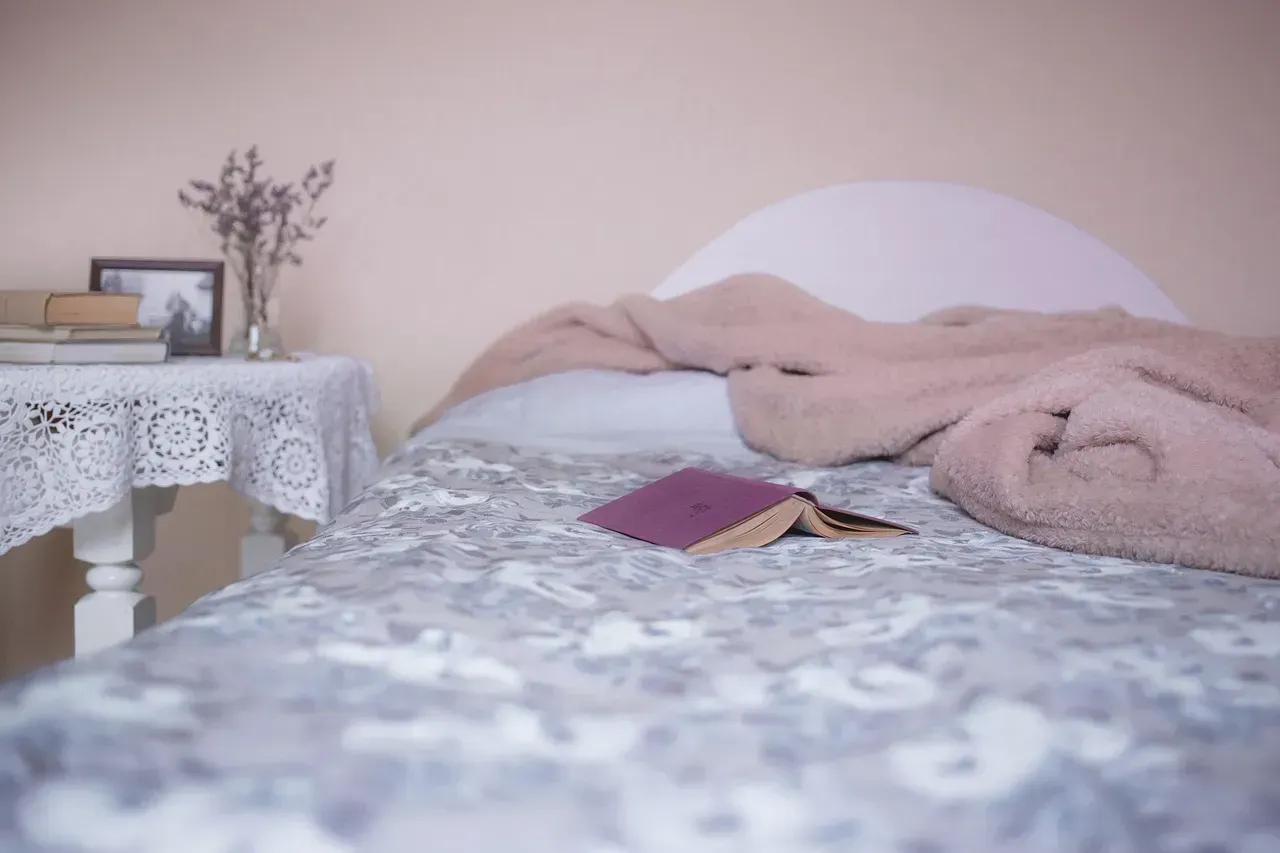
Bed bugs can easily hitchhike on book bags, suitcases, outer garments, and clothes, and they can disperse by moving inside walls from one infested area to an adjoining apartment or hotel room, including via holes around utility lines. Bed bugs can crawl into luggage when it is placed on infested beds, carpets, or furniture. They are also known to hide in the seams and pockets of bags, making it easy for them to travel undetected.
Here is the unsettling truth: bed bugs can survive in luggage for several months without a meal. In the right conditions, they simply hide in seams, pockets, and folds, waiting for their next chance to feed. According to the National Pest Management Association, 75% of pest control companies treated bed bugs in hotels and motels during 2024. About 20% of people globally have had a bed bug infestation in their home, have experienced bed bugs in a hotel, or have known an individual with a bed bug infestation. Setting your suitcase on the bed at home is the fastest way to give those hidden hitchhikers direct access to the exact environment they need to thrive.
The Bedbug Problem Is Getting Worse, Not Better
Pest-control revenues jumped nearly 8% in 2024, growth analysts attribute primarily to bed-bug work. Paris was the latest large-scale victim, after sightings of the bloodsucking bugs on public transportation sparked global headlines and panic just before the 2024 Summer Olympics. The problem is no longer confined to budget travel. A 2024 industry survey found that 89% of pest control professionals have treated bed bugs in upscale hotels.
Only 24% of Americans can identify basic signs of an infestation, according to an NPMA survey, leaving most travelers vulnerable. A single pregnant female bed bug can lay 1 to 5 eggs per day and up to 500 eggs in her lifetime. Under ideal conditions, bed bugs develop from egg to adult in 21 to 28 days. This rapid reproduction means even a small introduction can lead to significant infestation within 6 to 8 weeks. Placing an infested suitcase on your bed at home is, in effect, giving a growing colony a five-star welcome.
Bacteria From Your Luggage Transfers Directly to Your Bedding
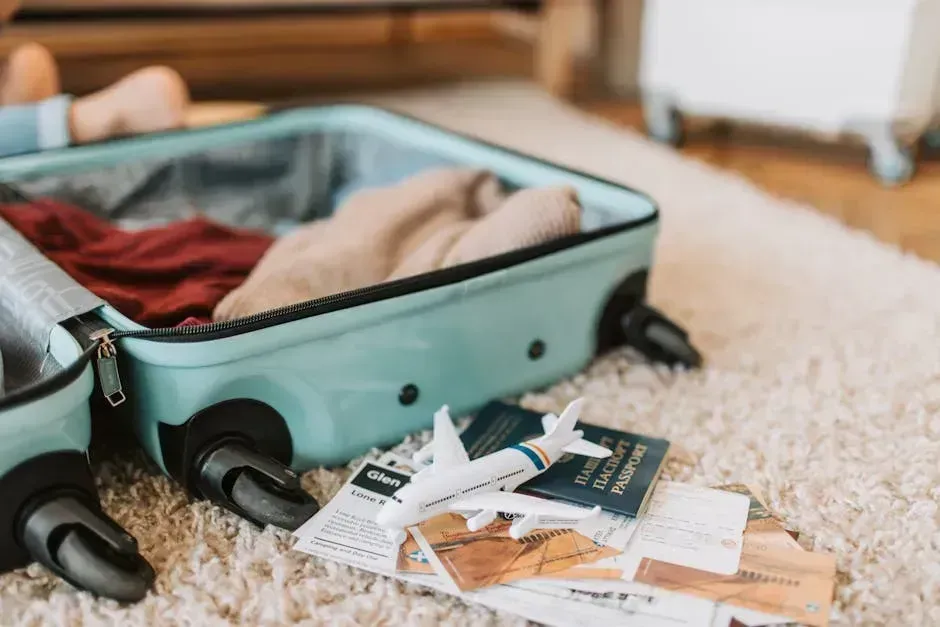
As microbiologist Amy-May Pointer explains, “The key point is that microbes were very diverse, reflecting all the places the luggage had been. It reinforces the recommendation to keep luggage away from clean surfaces like beds and to deep clean it occasionally.” Soft-shell cases tend to have a higher fungal growth compared to hard-shell cases, suggesting that the soft fabric is more likely to trap moisture and grime. The outer surface of your bag has been through airport bathrooms, taxi trunks, train platforms, and hotel floors – all before landing on your pillowcase.
Research published in the journal Systems in 2024 points out that luggage disinfection is a key step in stopping the spread of infectious diseases, as viruses and bacteria can spread through passenger luggage at airports. Research tracking contamination in hospital settings found that contamination often started on floors but ultimately moved to socks, bedding, and nearby surfaces. That principle applies directly in a home setting: bacteria from your suitcase’s base and wheels do not stay put once the bag makes contact with your sheets.
Hotels Are Not Safe Starting Points Either
Bed bugs have become a lot more common over the years, especially in hotels and other places where people frequently come and go. These pests are expert hitchhikers – they cling to clothes, hide in the seams of suitcases, and before you know it, they are travelling home with you. Recent industry data indicates that approximately 20 to 25% of hotels report bed bug incidents annually, though many cases go unreported. The actual exposure rate for travelers is estimated at 3 to 5% of hotel stays, making inspection a worthwhile precaution.
One high-profile case in mid-2025 involved multiple guests suing Las Vegas hotels over the same bed bug outbreak. Three separate lawsuits on behalf of four guests were filed against the Luxor and Treasure Island after guests suffered extensive bed bug bites during summer 2024 stays. As bed bugs become more of a global issue, keeping your suitcase on a luggage rack reduces your risk of encountering those little life ruiners. The contamination cycle begins in these hotel rooms long before you arrive home.
What You Should Do Instead – Practical Steps That Work
When arriving home, experts at Michigan State University Extension recommend unpacking bags in some location other than the bedroom, such as the garage, mudroom, laundry room, or foyer. Vacuum the suitcase using a brush and crevice tool attachment. Once finished, enclose the vacuum bag or the dirt into a plastic bag sealed with tape. The suitcase can then be washed with hot soapy water or other common household cleaners, using a scrub brush along the seams and folds.
Wash all clothes in hot water and dry on high heat at 120°F or higher for 30 minutes to kill every stage of a potential bed bug infestation. Wiping your wheels with a disinfectant wipe or soapy water will reduce the bacterial load, according to the study’s scientist. Microbiologist Amy-May Pointer puts it plainly: “Don’t put your suitcase on the hotel bed or on surfaces where you eat. Use the luggage rack or leave the bag on the floor. This avoids transferring whatever’s on the wheels or base to the clean sheets where you’ll sleep. Remember, those wheels are likely dirtier than a toilet seat!”