11 Things a Home Appraiser Immediately Notices About Your Financial Priorities
There’s a particular kind of quiet judgment that happens the moment a licensed appraiser steps through your front door. They’re not there to admire your curtains. They’re reading your home like a financial biography, and every decision you’ve made, or avoided, tells a story.
Most homeowners focus on staging or tidying up before the visit. Honestly, that’s the tip of the iceberg. What appraisers really notice runs much deeper than a fresh coat of paint or a neatly folded throw blanket on the couch. Let’s dive in.
1. The Roof: Your Single Biggest First Impression
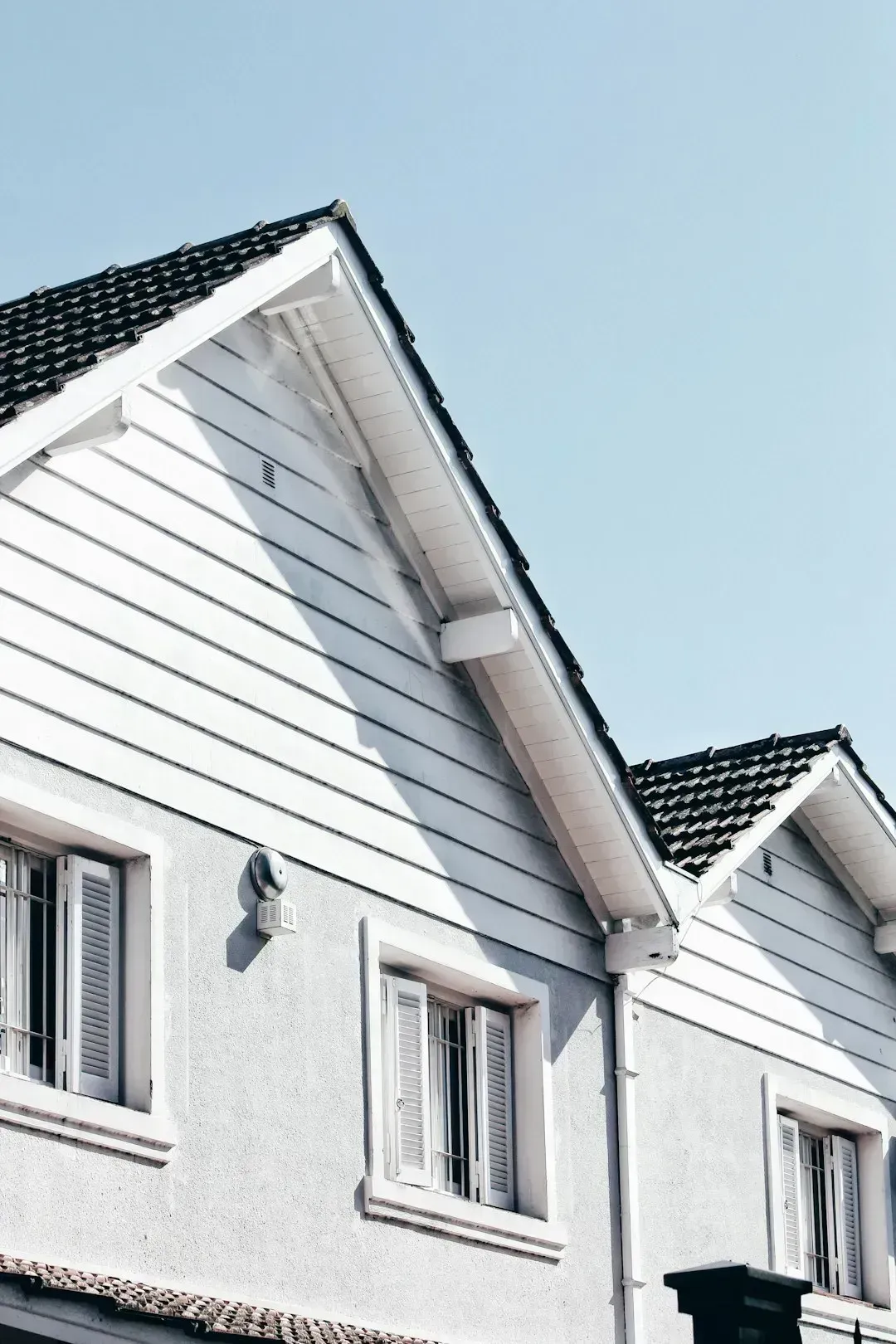
Before the appraiser even reaches your front door, they’re looking up. The roof condition is one of the most revealing financial signals a property can send, because it’s expensive to fix, impossible to hide, and nearly impossible to fake. A roof that keeps moisture from entering the home is a standard appraisal checkpoint, and any roof needing replacement within two years must be formally reported.
While a new roof may not always increase appraised value dollar for dollar, it often prevents value deductions. Appraisers are less likely to note deferred maintenance when the roof is solid, which helps support higher valuations and smoother transactions. Think of your roof the way a doctor thinks about blood pressure: a silent indicator of overall health. Ignore it long enough, and the consequences compound fast.
2. The HVAC System: Invisible Until It’s a Problem
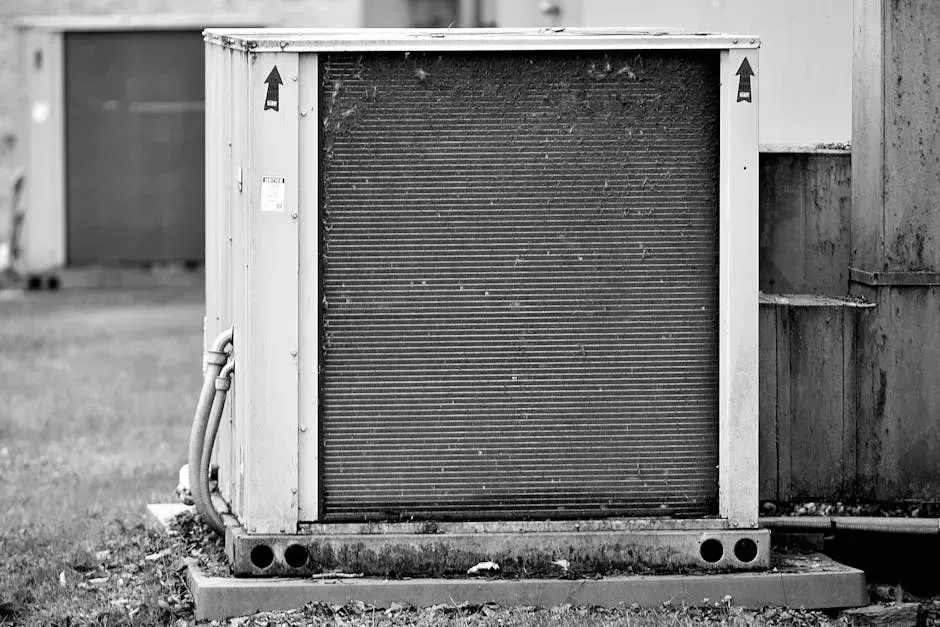
Here’s the thing, most homeowners never think twice about their HVAC unit until it groans on the hottest day of summer. But appraisers think about it the moment they walk in. During the appraisal, the appraiser notes the type of heating and cooling system, its apparent age, visible condition, and whether it appears operational, looking for signs of rust, noise, or deferred maintenance.
If an appraiser lowers your condition rating due to an aging or failing HVAC system, your appraisal could drop by $5,000 to $10,000 or more. A failing HVAC system can lower your appraisal by signaling deferred maintenance or reduced livability, which decreases your home’s condition rating. Appraisers often flag systems over 20 years old, visible rust or damage, non-functional equipment, and outdated refrigerant such as R-22. Staying ahead of HVAC maintenance is a form of financial self-defense.
3. Deferred Maintenance: The Financial Fingerprint You Leave Behind

Deferred maintenance is arguably the loudest signal a homeowner can send. It tells a trained appraiser that small problems were allowed to become bigger ones over time, and it sets off a chain reaction throughout the entire valuation. Condition and maintenance, including roof age, HVAC systems, plumbing, electrical systems, and overall upkeep, play a major role in appraisals. Visible damage, needed repairs, or outdated systems may lower the final figure.
Property condition issues beyond normal wear and tear can significantly impact value. Major deferred maintenance, structural problems, or safety hazards typically result in lower appraisals. It’s a bit like letting your car run without an oil change for three years and then being surprised when the mechanic’s bill arrives. The cumulative effect is never pretty.
4. Curb Appeal and Landscaping: The 30-Second Verdict

Appraisers are professionals trained to be objective, but they’re also human. The front of your home forms a first impression that quietly colors the entire walk-through. First impressions count. Curb appeal is how attractive a property is from the street. Fresh paint, nice landscaping, and a well-maintained home add to the value, while eyesores such as a dead lawn, overgrown or dead trees, peeling paint or siding, and missing roof tiles can drag down a home’s appraised value.
If there is outdoor space, appraisers check whether grass is mowed, edges are neat, and gardens are tidy, and note garbage or debris near the exterior, which can even raise questions about whether there are foundation or soil issues. HomeLight’s Top Agent Insights for End of Year 2024 found that real estate agents cite outdoor improvements as the second most popular upgrade that makes the home more appealing, next to modernized bathrooms or kitchens.
5. Kitchen and Bathroom Condition: Where Money Talks Loudest
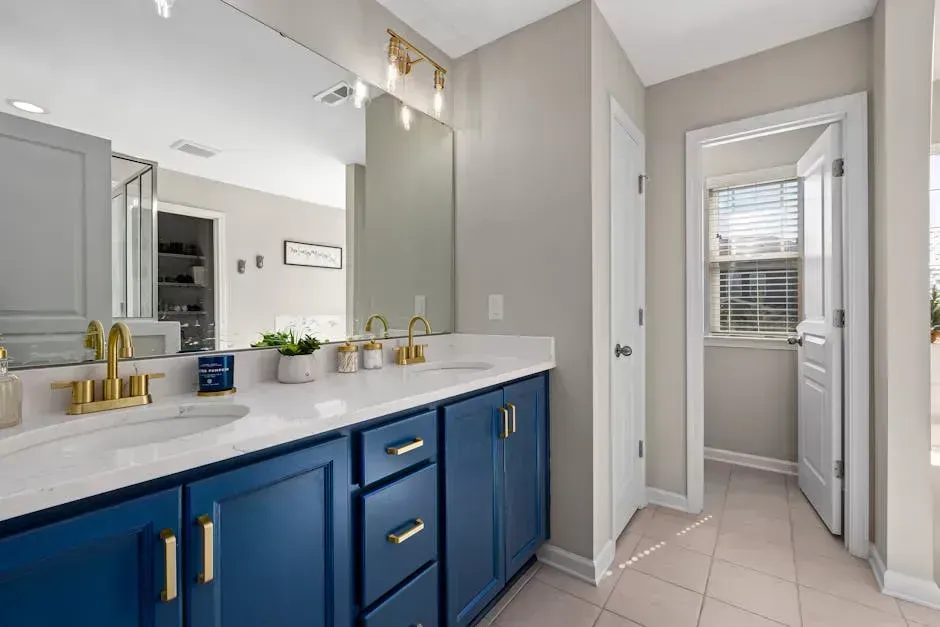
If you’ve ever wondered which rooms carry the most appraisal weight, the kitchen and bathrooms consistently take top honors. Appraisers scrutinize these spaces intensely, because buyers do too. These are among the most scrutinized areas of any home. Appraisers notice outdated countertops, original appliances, and lack of modern features.
Kitchen and bathroom remodels and upgrades usually offer the best return on investment. HVAC, siding, roofing, and other changes that are highly visible or make the home more comfortable are also worth considering. Still, not all spending translates to equal gains. Spending more on improvements than your neighborhood can support creates a ceiling effect, and a $100,000 kitchen renovation in a neighborhood of $300,000 homes will not translate dollar-for-dollar into appraisal value.
6. Unpermitted Renovations: The Hidden Liability
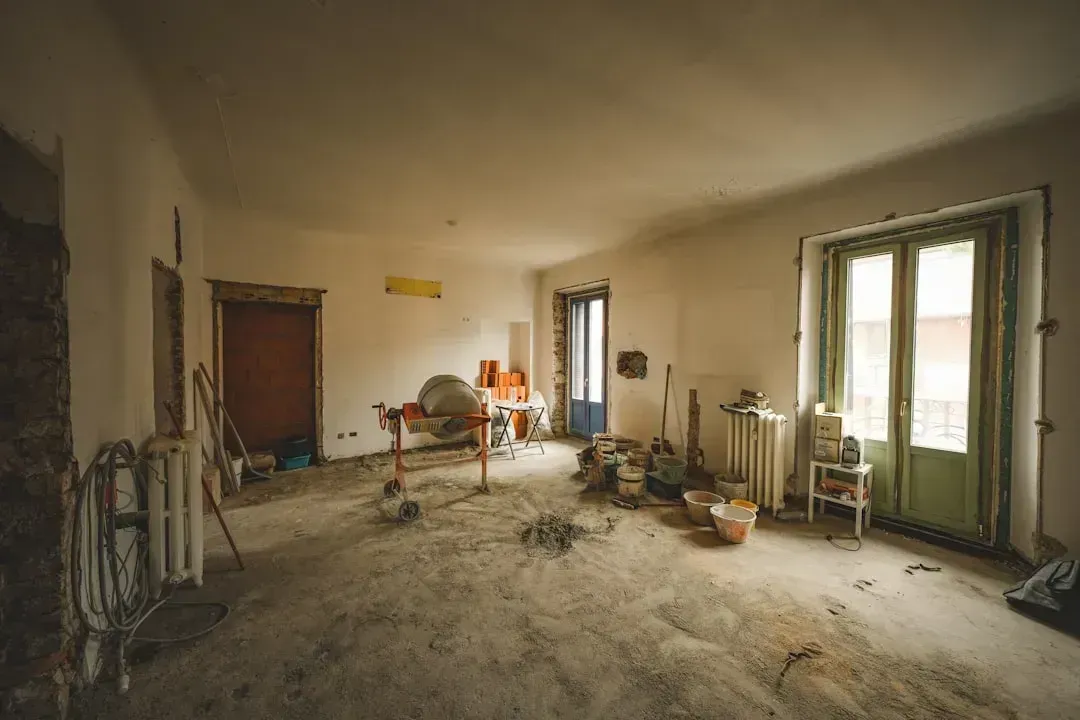
I think this one surprises people the most. You might pour tens of thousands into a stunning finished basement or a gorgeous sunroom, but if the work wasn’t permitted, it might count for absolutely nothing when the appraiser opens their notebook. Appraisers will not count unpermitted additions as part of a home’s square footage. For instance, if one of the rooms in a four-bedroom home is unpermitted, the appraiser might only view it as a three-bedroom home and look at what comparable three-bedroom homes in the area have sold for.
The most critical aspect appraisers take into account is the legality and quality of improvements. Work done without necessary paperwork is viewed negatively because it might not meet safety standards or building codes, leading to a lower appraisal value compared to similar properties with permitted work. Without proper approval, these changes can be unsafe, cause legal complications, and even reduce the property’s fair market value.
7. Square Footage and Functional Layout

Size matters, but usability matters even more. Appraisers don’t just count square feet, they evaluate whether those square feet actually make sense for modern living. The area evaluated to determine your home’s appraisal value is the overall square footage. Once that number is determined, the appraiser will look at how that space is distributed throughout the home and how much of that square footage is usable and livable space.
Depending on when your home was constructed, your floor plan may be more compartmentalized compared to the open layouts popular in today’s modern builds. The appraisal report gives the appraiser an opportunity to note if a property’s floor plan is “atypical or functionally obsolete, thus limiting the market appeal for the property in comparison to competitive properties in the neighborhood.” A sprawling but awkwardly divided floor plan can actually cost you value.
8. Location and Neighborhood Stability

You can renovate a kitchen. You can’t renovate a neighborhood. And appraisers know this better than anyone. Location remains the most powerful underlying variable in any home’s value, and the signals it sends are immediate and unavoidable. The location of a property significantly influences its appraised value. Factors such as neighborhood quality, proximity to amenities, economic conditions, and environmental elements like flood zones or scenic views are critical in determining a property’s value.
Neighborhood stability affects value. If multiple homes on your street are in foreclosure or showing visible neglect, your home’s value suffers by association. Homes in a top-rated school district consistently sell for 15 to 20 percent more per square foot. In some markets, being in a top-rated school district can add $50 to $100 per square foot to home values compared to a similar home in an average-rated district.
9. Recent Comparable Sales: The Market Context Frame
No home exists in a vacuum. An appraiser always places your property in the context of what similar homes nearby have actually sold for, and that context can either work powerfully in your favor or quietly erode your number. Home appraisers analyze similar properties sold within the last three to six months, typically within a one-mile radius, to determine fair market value.
Market volatility is one of the main drivers of appraisal gaps. In June 2024, roughly one in twelve pending home sales appraised below the contract price, down from more than one in ten a year earlier, according to CoreLogic’s July 2024 housing snapshot. This happens when prices climb faster than recent comparable sale data can keep up. According to the National Association of Realtors, the median existing home price reached $415,200 in September 2025, representing a 2.1% increase year-over-year, and with mortgage rates hovering near 6%, every dollar of appraised value matters more than ever.
10. The Condition of Electrical, Plumbing, and Structural Elements
These are the systems nobody talks about at dinner parties, but they’re the ones that can quietly make or break your appraisal. Appraisers look carefully at the bones of a home, not just the cosmetic skin stretched over them. Outdated HVAC, plumbing, or electrical systems signal deferred maintenance and can substantially lower valuations.
HVAC failures requiring expensive fixes, plumbing leaks or outdated pipes signaling underlying issues, damaged roofing shingles, and unsafe electrical systems can all pose risks and decrease value. According to FHA appraisal guidelines for 2025, the property must be structurally sound and free of major defects that could compromise the integrity of the home, and the foundation should be stable and free of cracks or other damage.
11. Documentation of Upgrades: The Paperwork That Proves It All

Here’s a detail most homeowners genuinely overlook. All the work you’ve invested in your home could be undervalued simply because you can’t prove you did it, when, or with what materials. Appraisers can only give full credit for what they can verify. Homeowners should maintain receipts, invoices, and before-and-after photos of any renovations. These documents provide tangible proof of the work completed and the associated costs. Additionally, permits for structural or significant modifications should be readily available. An appraiser will consider permitted renovations more valuable than unpermitted work since they comply with local building codes.
The appraisal is likely to go more smoothly and be more accurate if you can provide documentation of any work you’ve already done on the property, including receipts for repairs, inspection reports and work orders for major items that have been renovated, and documentation of materials you may have used. The 2025 Cost vs. Value Report confirms a consistent truth in real estate: exterior renovations deliver significantly higher returns on investment than discretionary interior remodels. Keeping organized records is one of the simplest and most overlooked forms of financial preparation a homeowner can practice.