I Asked AI Where Living Could Become Hardest by 2050 – The Results Were Sobering
I gave an AI a simple but deeply uncomfortable task: pull together what the science says about the places on Earth where life will be hardest by 2050. I wasn’t expecting optimism, and I didn’t get any. What came back was a synthesis of NASA data, World Bank projections, IPCC reports, and peer-reviewed research – and the picture it painted was stark. This isn’t speculation. These are trajectories already locked in by decades of emissions, playing out across continents that hold billions of people who, for the most part, did the least to cause any of it.
The Middle East and Persian Gulf: A Region on the Edge of Human Tolerance
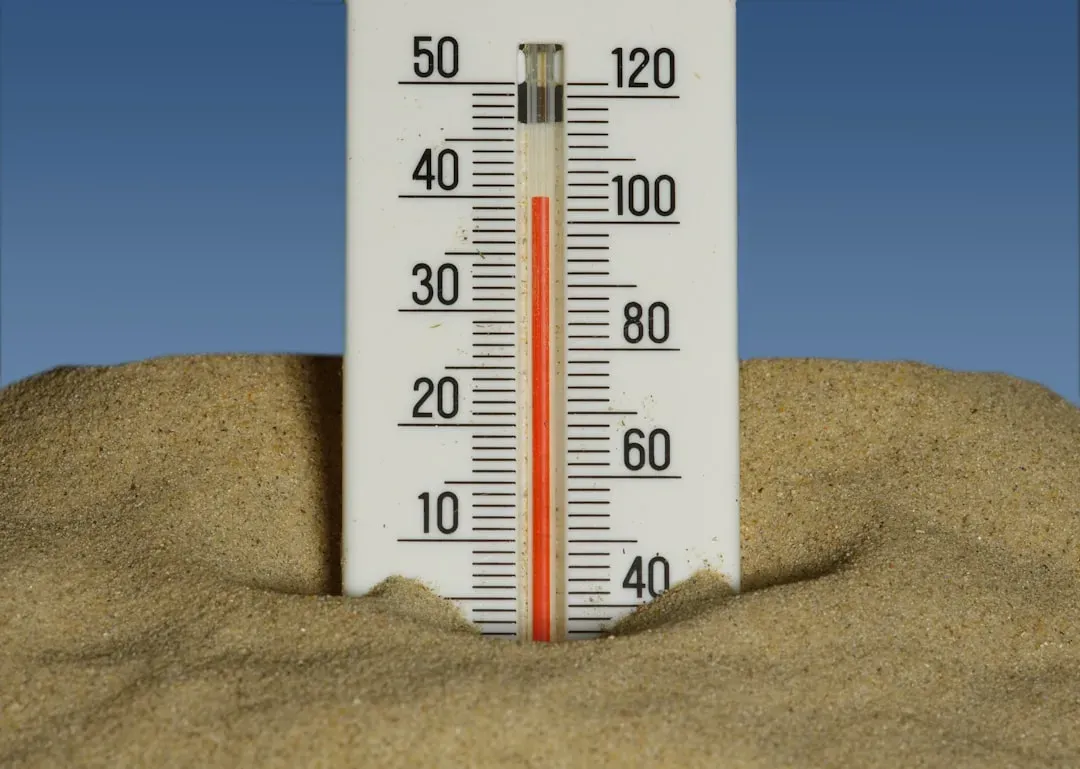
Scientists estimate that by 2050 it will be very difficult to live in South Asia and the Persian Gulf – countries such as Iran, Kuwait, and Oman. Climatic conditions will also be very difficult to bear in the countries bordering the Red Sea: Egypt, Saudi Arabia, Sudan, Ethiopia, Somalia, and Yemen. The science behind this is precise and grim. According to scientists, the maximum tolerance of a human being to a wet bulb temperature is 35°C for six hours. NASA has recorded numerous instances exceeding 35°C since 2005, particularly near Pakistan and the Persian Gulf.
A region that is currently home to around 547 million people – a figure expected to rise to 724 million by 2050 – risks becoming uninhabitable. Already, many parts of the MENA region have recorded more days of soaring temperatures in excess of 50 degrees Celsius than ever before, leading to severe droughts and burning forests. Scientists believe that by 2050 temperatures will be 4 degrees Celsius higher in the MENA region than the benchmark of 1.5 degrees above pre-industrial levels, as set by the Paris Climate Agreement. The math on human survival in those conditions is not encouraging.
South Asia: Where Billions Live in the Heat’s Path
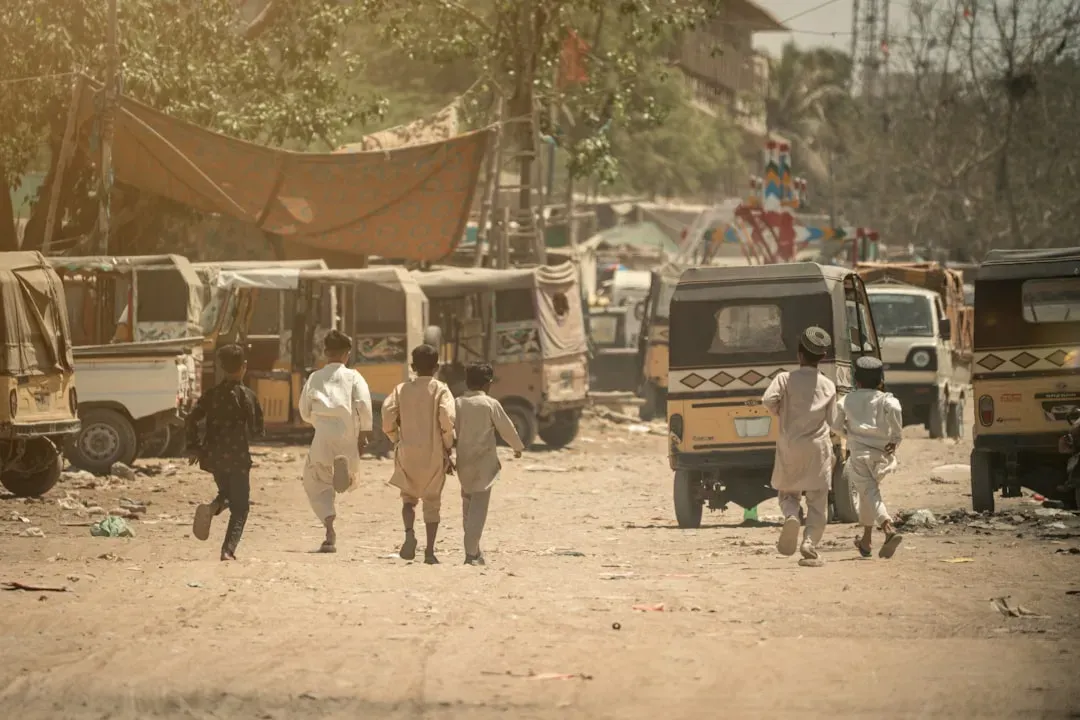
Many countries in South Asia, the Persian Gulf, and countries bordering the Red Sea could regularly observe wet bulb indices above 35°C by 2050, making them dangerous or even uninhabitable in the event of a wet heat wave. South Asia is particularly exposed because extreme heat doesn’t arrive alone – it comes packaged with flooding, cyclones, and disrupted monsoons. Over the next fifty years, hotter temperatures combined with more intense humidity are set to make large swathes of the globe lethal to live in, forcing huge populations fleeing the tropics, the coasts, and formerly arable lands to seek new homes.
The World Bank projects that by 2050, some 216 million people across different regions – including 40 million in South Asia alone – will be impacted by climate change. Scientists predict ongoing global climate change will trigger adverse events affecting about 143 million people in the Global South by 2050, leading to various forms of migration. In Bangladesh, for example, saltwater entering into drinking water supplies due in part to sea level rise is already affecting the health of 20 million people in coastal communities. The crisis is not arriving – it has already begun.
Sub-Saharan Africa: A Continent Carrying a Disproportionate Burden
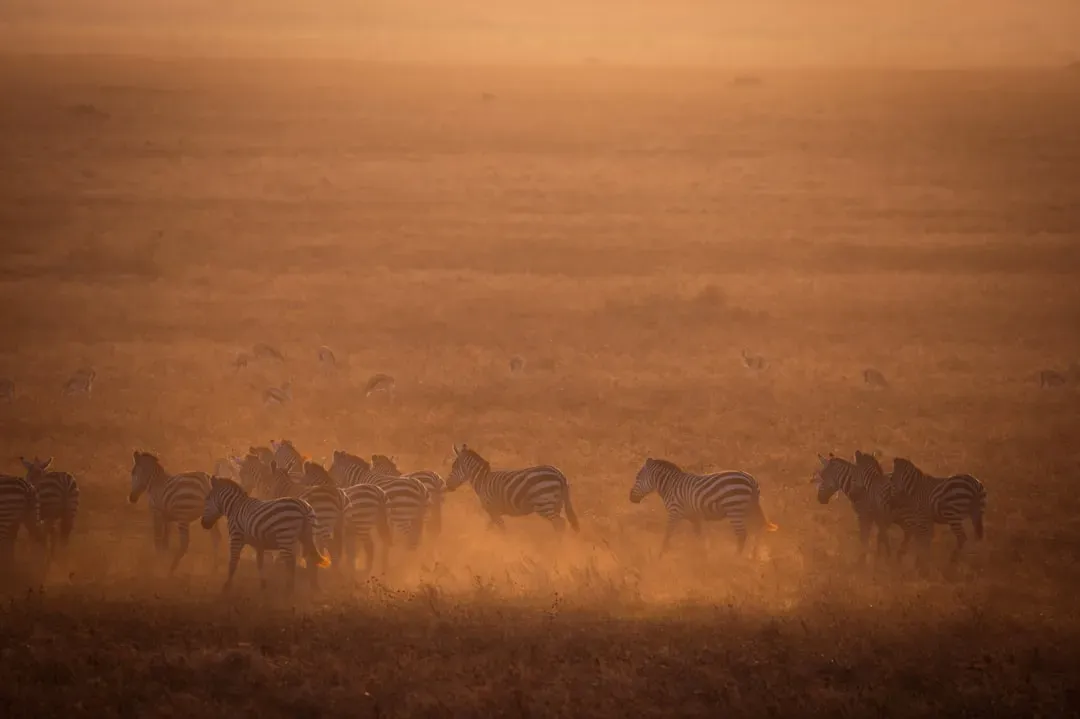
The World Bank’s 2021 Groundswell Report projects that by mid-century, up to 216 million people could become internal climate migrants across six regions if global warming continues unabated. Sub-Saharan Africa is expected to see the highest number of internal migrants, at an estimated 86 million by 2050. This is a region that contributes a fraction of global emissions yet absorbs a vastly outsized share of climate consequences. Sub-Saharan Africa hosted 46 percent of the world’s internally displaced people in 2023, and the region is projected to be strongly affected by wildfires, with up to 25 million people exposed across the region under a high-warming scenario.
Higher global warming is projected to increase the size of vulnerable populations in Sub-Saharan Africa exposed to river floods in 2090 by around 700 percent. That figure alone should give anyone pause. In Sub-Saharan Africa, densely populated coastal cities in countries like Nigeria, Tanzania, and Mozambique are witnessing seasonal sea level rises, resulting in floods that affect many people. Population displacement on this large scale leads to resource pressure on towns, countries, and communities receiving migrants, and can exacerbate existing instabilities – particularly in countries lacking the institutional capacity to manage an influx of people.
Coastal Cities Worldwide: Rising Seas and Shrinking Time
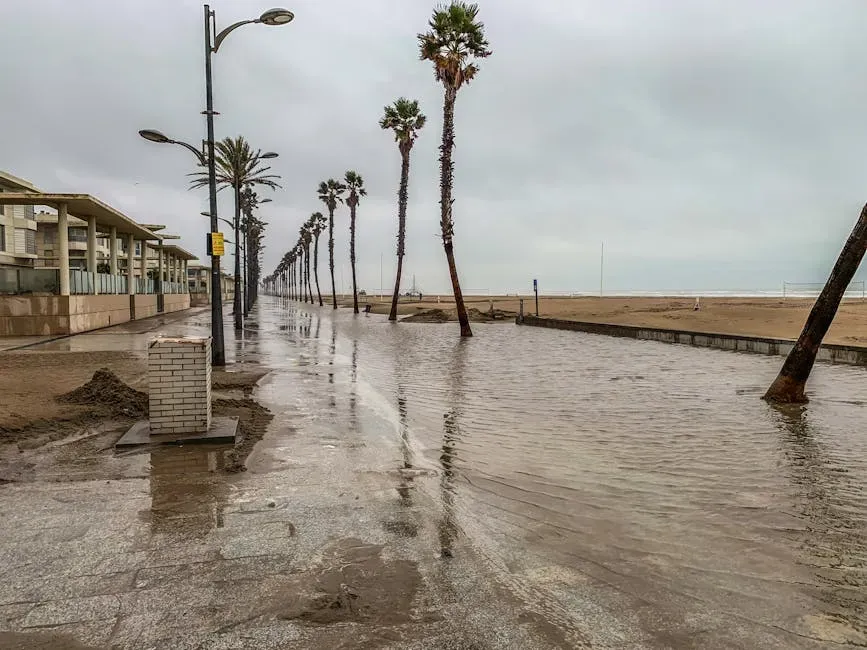
By 2050, a billion people will face coastal flooding risk from rising seas. More people will be forced out of their homes from weather disasters, especially flooding, sea level rise, and tropical cyclones. The economic consequences are just as staggering as the human ones. The total urban population at risk from sea level rise, if emissions don’t go down, could number over 800 million people living in 570 cities by 2050. Estimates suggest that the global economic costs to cities from rising seas and inland flooding could amount to $1 trillion by mid-century.
In the U.S., coastal floods now happen three times more often than they did 30 years ago, and by 2050 floods are expected to happen ten times more often than they do today. Bangkok is at an extremely high risk of sinking. Combined with the predicted increase in the frequency of extreme weather events, one-third of the Thai capital could be completely submerged by 2050, with up to 11 million people displaced as a result. Miami presents a similarly alarming picture, with predictions showing that 60 percent of the city could be underwater by 2060 due to rising seas, hurricanes, and coastal erosion.
The Human Climate Niche – and How Fast We’re Leaving It
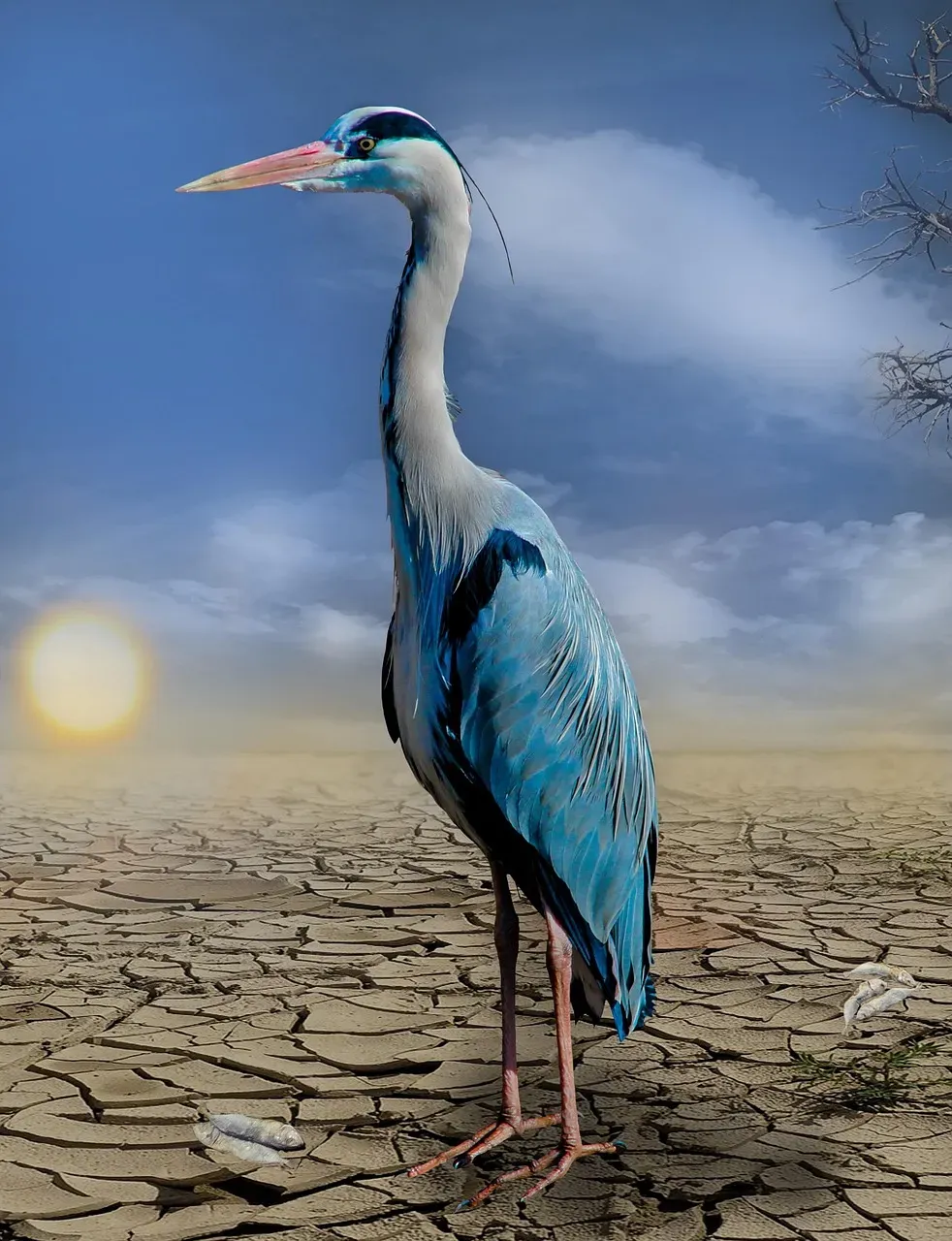
The optimum climate for human productivity – the best conditions for both agricultural and non-agricultural output – is an average temperature of 11°C to 15°C, according to a 2020 study. This global niche is where human populations have concentrated for millennia, and it’s where our crops, livestock, and economic practices are ideally adapted. That niche is shifting faster than human societies can comfortably follow. Researchers show that, depending on scenarios of population growth and warming, 1 to 3 billion people are projected to be left outside the climate conditions that have served humanity well over the past 6,000 years, with one third of the global population projected to experience mean average temperatures currently found mostly in the Sahara.
According to a UNHCR report, by 2040 the number of countries facing extreme climate-related hazards is expected to rise from 3 to 65 – the vast majority of which already host displaced people. Most refugee settlements and camps are projected to experience twice as many days of dangerous heat by 2050. Some places will become entirely uninhabitable fairly quickly, and many more will be uncomfortable if not intolerable by 2050 – around the lifespan of most mortgages. The timeline isn’t a distant abstraction. It falls within the span of a home loan taken out today.
The Inequality Behind the Numbers
Adaptation solutions will come at a high cost, and not all regions will have the resources to manage them. Wealthy nations might be able to protect their populations, but poorer countries could suffer far more. The cruelest dimension of this crisis is not climatic – it’s economic. The dangers of coastal flooding fall disproportionately on marginalized and lower-income communities, raising urgent questions about environmental justice and disaster preparedness.
There are currently 2 billion people residing in countries facing catastrophic ecological threats, and research from the 2022 Ecological Threat Register projects that by 2050 this number will reach 3.4 billion. In 2024 alone, the world witnessed the hottest year on record globally, with July marking the planet’s warmest month ever recorded – and scientists confirm these extreme temperatures would have been virtually impossible without the influence of climate change. The data the AI returned wasn’t a forecast of some distant calamity. It was a reading of a process that is already underway, measured, documented, and accelerating.