I Asked AI Where Living Could Become Hardest by 2050 – The Results Were Sobering
There’s something unsettling about asking a machine to map the future of human habitation – and getting a coherent, data-backed answer. When I put the question to AI, cross-referencing it against the latest climate science and institutional research from 2024 and 2025, the picture that emerged wasn’t speculative doom. It was methodical, regional, and already underway. For large portions of the world, local conditions are becoming too extreme and there is no way to adapt. People will have to move to survive. That sentence, drawn from peer-reviewed science, kept surfacing again and again. Here are the six regions where living could become hardest by 2050 – and why the science backs it up.
1. The Persian Gulf and South Asia: Where Heat Itself Becomes the Killer

Many countries in South Asia, the Persian Gulf, and countries bordering the Red Sea could regularly observe wet bulb indices above 35°C by 2050, making them dangerous or even uninhabitable in the event of a wet heat wave. The wet bulb temperature is not a casual metric – it measures the human body’s ability to cool itself through sweating. According to scientists, the maximum tolerance of a human being to a wet bulb temperature is 35°C for six hours. Beyond that threshold, even a healthy person sitting in the shade will die.
NASA has recorded numerous instances exceeding 35°C since 2005, particularly near Pakistan and the Persian Gulf. The American organization predicts that several regions around the world could become uninhabitable by 2050. The at-risk areas include Southern Asia, the Persian Gulf (Iran, Oman, Kuwait), and states near the Red Sea (Egypt, Saudi Arabia, Sudan, Ethiopia, Somalia, Yemen). The Middle East is warming at twice the global average rate. Scientists believe that by 2050 temperatures will be 4 degrees Celsius higher in the MENA region than the benchmark of 1.5 degrees above pre-industrial levels, as set by the Paris Climate Agreement.
2. Sub-Saharan Africa: A Continent Already on the Move
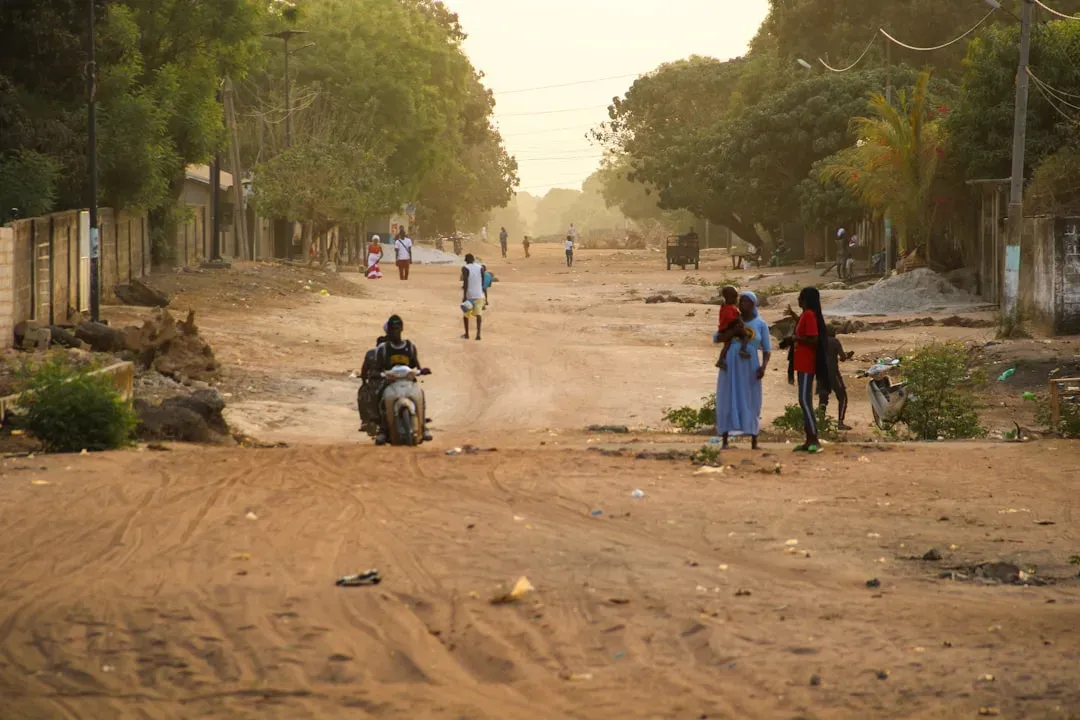
Sub-Saharan Africa is predicted to see more climate-related displacement than any other world region. That fate, however, can be mitigated through the use of measures such as early warning systems and adaptation strategies to lessen the impact of droughts, floods, and other hazards. The scale of what’s coming is staggering by any measure. By 2050, Sub-Saharan Africa could see as many as 86 million internal climate migrants. That figure alone represents one of the largest forced demographic shifts in modern history.
Sub-Saharan Africa hosted 46 per cent of the world’s internally displaced people in 2023. The situation is already critical before the worst climate projections even materialize. Sub-Saharan Africa is characterized by a high prevalence of informal settlements and inadequate housing, which can exacerbate residents’ vulnerability to climate-related disasters. Residents of slums and other informal urban settlements are at particular risk of flooding, landslides, and other climate-induced hazards due to inadequate housing, poor drainage systems, and lack of access to basic services. Thousands of residents of informal settlements of Nairobi were displaced in 2024 when neighborhoods flooded during the rainy season.
3. Pacific Island Nations: Countries That May Simply Cease to Exist

In the next 30 years, Pacific Island nations such as Tuvalu, Kiribati, and Fiji will experience at least 6 inches (15 centimeters) of sea level rise, according to an analysis by NASA’s sea level change science team. The analysis also found that the number of high-tide flooding days in an average year will increase by an order of magnitude for nearly all Pacific Island nations by the 2050s. These aren’t abstract projections. Areas of Tuvalu that currently see less than five high-tide flood days a year could average 25 flood days annually by the 2050s. Regions of Kiribati that see fewer than five flood days a year today will experience an average of 65 flood days annually by the 2050s.
As an archipelago of low-lying islands and atolls in the Indian Ocean, the existence of the Maldives is severely threatened by sea level rise. By 2050, 80% of the country could become uninhabitable due to global warming. According to the World Bank, with “future sea levels projected to increase in the range of 10 to 100 centimeters by the year 2100, the entire country could be submerged.” Kiribati has already taken a remarkable and heartbreaking step: a worst-case scenario could reach 2 metres of sea level rise, making some of its land uninhabitable. To prepare for this event, in 2014, Kiribati purchased a piece of land in Fiji as a potential home for i-Kiribati displaced by rising seas.
4. Coastal Cities and Low-Lying Megacities: When Urban Infrastructure Fails

By 2050, a billion people will face coastal flooding risk from rising seas. More people will be forced out of their homes from weather disasters, especially flooding, sea level rise and tropical cyclones. The populations at greatest risk are concentrated in Asia. Bangladesh, China, India, Indonesia, Japan, Pakistan, the Philippines, Thailand and Vietnam alone account for 70% of people exposed to sea level rise during the 21st century. Sea level rise in Bangladesh is likely to displace between 0.9 and 2.1 million people by 2050.
Even just 20 cm of sea level rise by 2050 would lead to global flood damages of at least $1 trillion a year for the world’s 136 largest coastal cities and huge impacts on people’s lives and livelihoods. Miami offers one of the starkest Western examples of this crisis taking shape. Predictions show that 60% of the city could be underwater by 2060 due to rising seas, hurricanes, and coastal erosion. The same pressures threaten dozens of cities across Southeast Asia and South America.
5. The Sahel and Red Sea Region: Drought, Conflict, and Collapse Converging
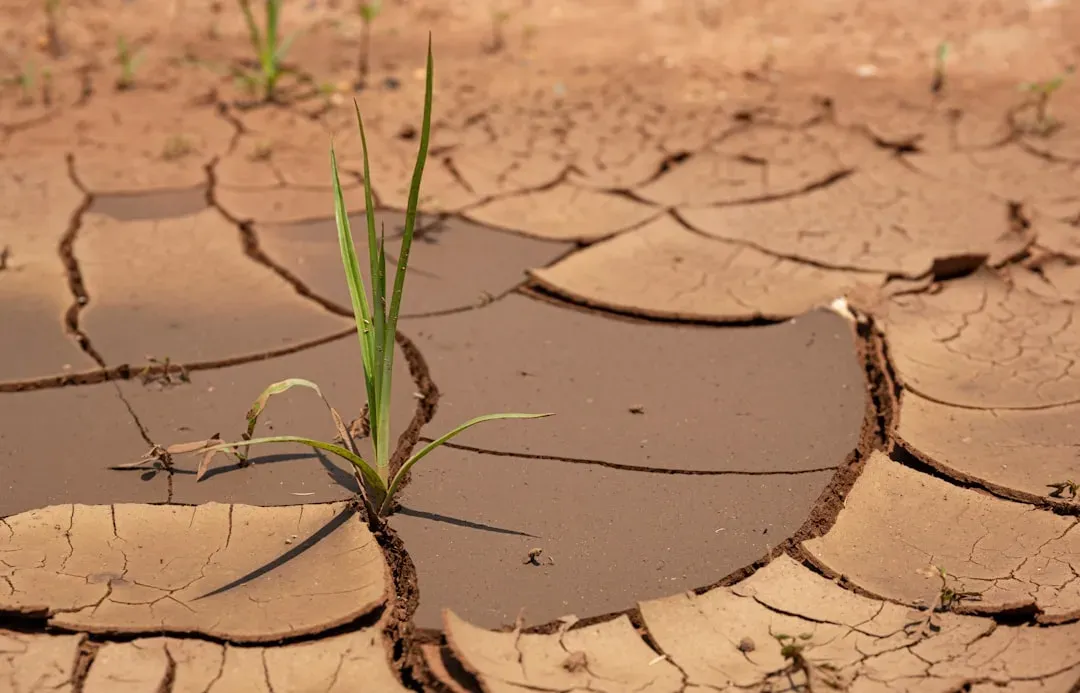
Climatic conditions will be very difficult to bear in the countries bordering the Red Sea: in Egypt, Saudi Arabia, Sudan, Ethiopia, Somalia and Yemen. These nations already face a compound crisis – not just heat, but food insecurity, conflict, and institutional fragility that makes adaptation nearly impossible without massive external support. The numbers from 2024 illustrate just how advanced the crisis already is. During a severe heat wave that swept the Sahel region of Africa in April 2024, temperatures in Mali reached 48.5°C, which was connected to a rise in hospital admissions and fatalities.
Between 2020 and 2022, portions of East Africa saw five unsuccessful rainy seasons in succession as the continent saw its worst drought in forty years. 1.2 million people were displaced as a result, in Somalia alone. The UNHCR has documented how this intersects with existing conflict zones. By 2040 the number of countries facing extreme climate-related hazards is expected to rise from 3 to 65, the vast majority of which host displaced people. Most refugee settlements and camps are projected to experience twice as many days of dangerous heat by 2050.
6. A Warming Planet With No Safe Exits: The Scale of Global Displacement

Researchers show that, depending on scenarios of population growth and warming, 1 to 3 billion people are projected to be left outside the climate conditions that have served humanity well over the past 6,000 years, and in the absence of migration, one third of the global population is projected to experience mean average temperatures currently found mostly in the Sahara. The World Bank has put figures to this. The World Bank’s Groundswell report projects that climate change could lead up to 216 million people across six world regions to move within their countries by 2050 if no urgent action to reduce global greenhouse gas emissions is taken.
In 2024 alone, we witnessed the hottest year on record globally, with July marking the planet’s warmest month ever recorded. Scientists confirm these extreme temperatures would have been virtually impossible without the influence of climate change. There is one thread of genuine hope in the data. The same World Bank study that suggested that climate change could move hundreds of millions of people by 2050 had some more optimistic findings. The researchers found that, if governments invest in climate mitigation and adaptation, they could drop the numbers of internally displaced people by 80 percent, to forty-four million. The gap between 216 million displaced and 44 million displaced is not a matter of fate – it is a matter of political will, and the clock is running.