The “Gray Flip” Is Over: 7 Paint Colors That Are Now Tanking Your Home’s Value
For years, gray was the safe bet. The real estate darling. The paint color everyone swore would boost your home’s resale value and have buyers lining up with offers. Flip through any design magazine from the past decade and you’d see gray everywhere, styled to perfection, promising to make your home feel modern and fresh.
Those days are officially done. Design trends have shifted, and what once felt contemporary now reads dated to many buyers walking through your door. We’re seeing a dramatic change in what prospective homeowners want when they step into a property, and several paint colors that were once considered safe choices are now actively hurting sale prices. Let’s get real about which shades are costing sellers thousands of dollars.
1. Cement Gray Front Doors
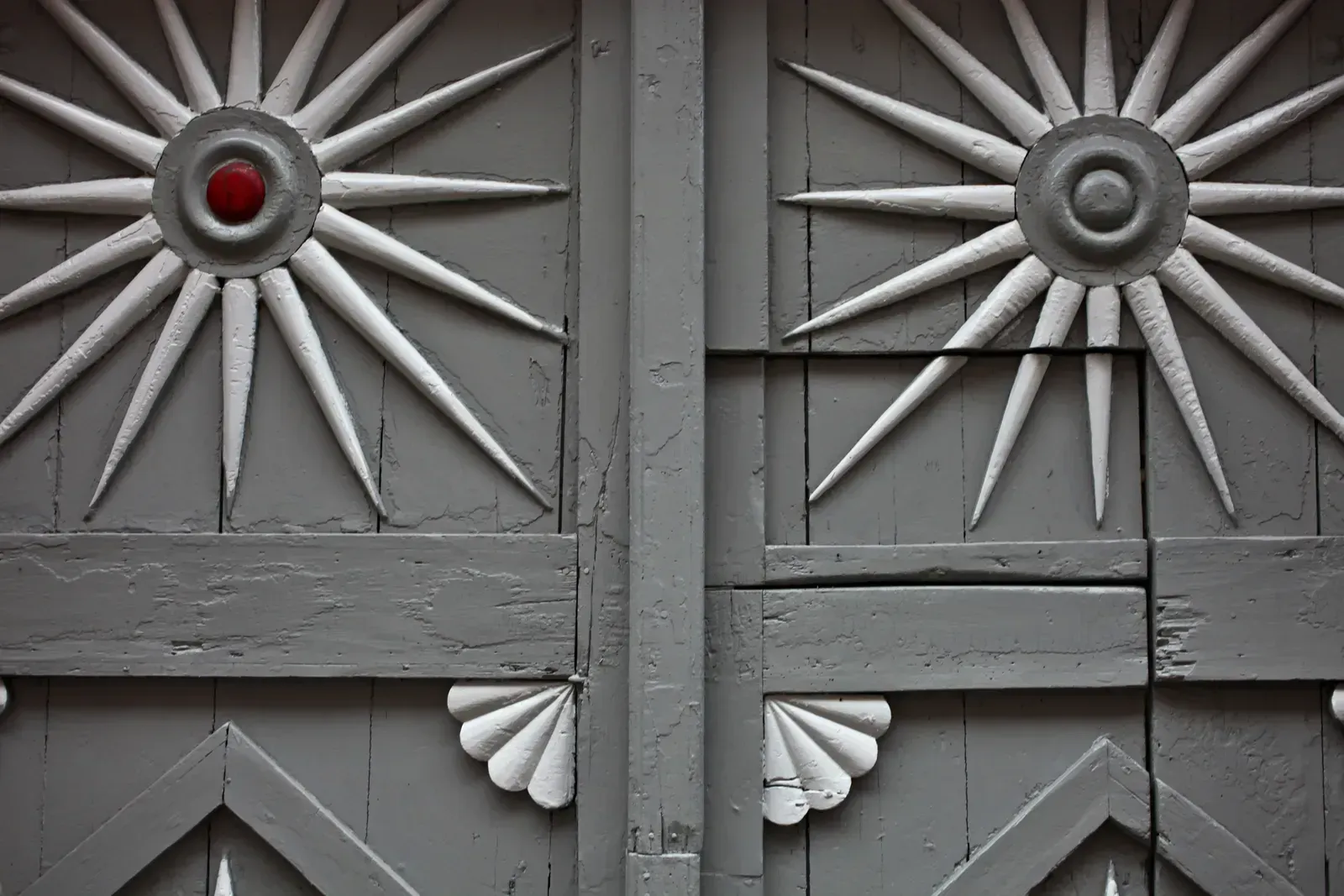
Here’s the thing about gray: not all shades perform equally. Zillow’s research finds that buyers would offer an estimated $3,365 less for a home with a cement gray front door. That’s a staggering drop for what seems like such a minor detail. While dark charcoal gray interiors are actually trendy right now, midtone grays on exteriors have become a massive liability.
Your front door is literally the first thing buyers see when they walk up to your home. Choosing the wrong shade of gray may either increase or decrease the final sale price of your home by more than $1,000. The problem with cement gray is that it feels bland, neither bold enough to make a statement nor neutral enough to disappear. Buyers want personality or they want pure neutrality, and cement gray delivers neither.
2. Lime Green Walls
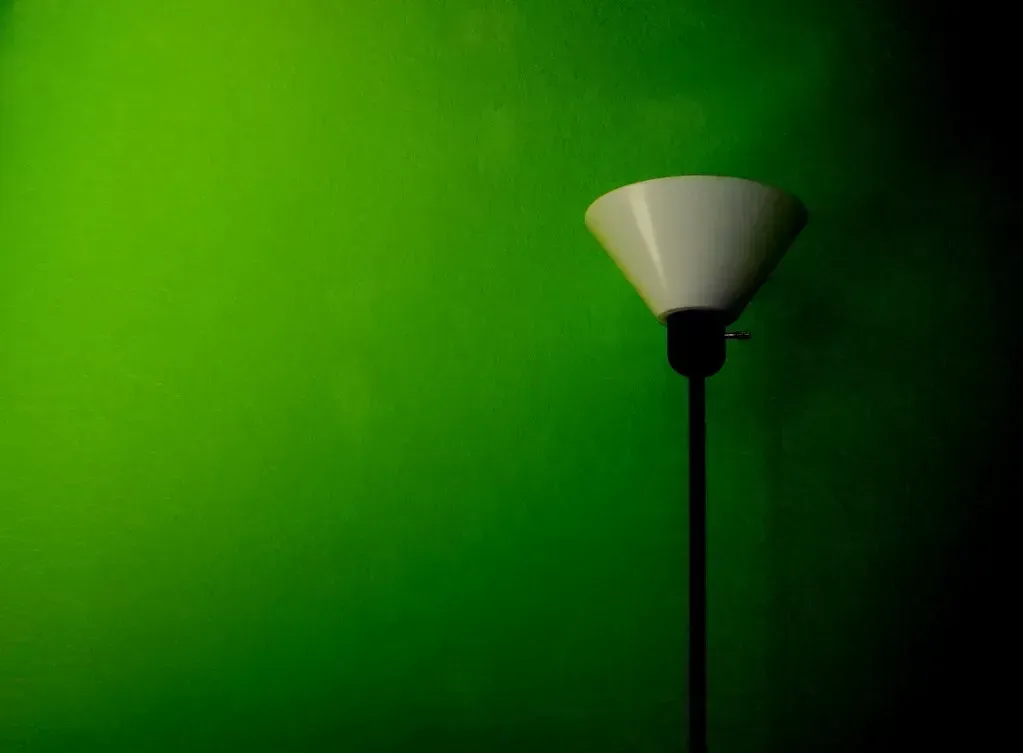
Lime green earned the dubious honor of being named the most off-putting color for buyers in 2025, with 73% of experts saying it’s a dealbreaker. Let me tell you, that statistic isn’t surprising when you think about it. This neon-adjacent shade might look fun on social media or in a trendy café, but in a home? It screams temporary trend rather than timeless choice.
Lime green tops the list for good reason – it’s loud, polarizing, and often makes rooms feel more like a teenager’s bedroom than a polished home for sale. The color is so intense that it creates an instant mental checklist for buyers: repaint before moving in. That’s exactly the opposite reaction you want when staging your home.
3. Bold Pink Interiors
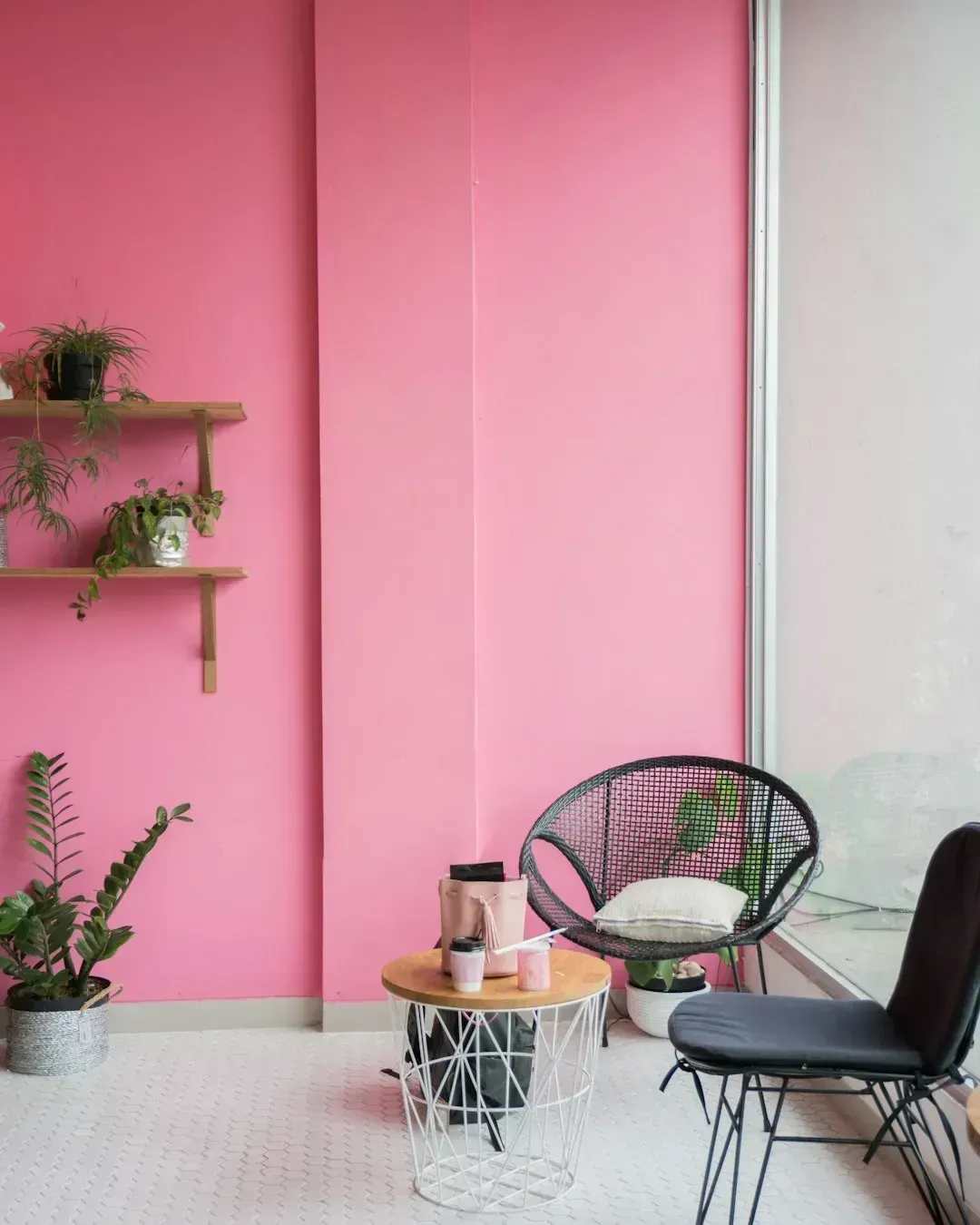
Remember when millennial pink was everywhere? Barbiecore had its moment too. Bold pink comes in as the second worst offender, with 42% of experts agreeing it’s too aggressive for most interiors. Even soft blush tones are starting to feel dated to some buyers who associate them with a specific design era that’s already passing.
Fuchsia takes top place as the most undesirable paint color for the home, closely followed by neon pink – three of the top ten least-liked shades are bold pinks including fuchsia, neon pink, and hot pink. Whether you loved the trend or not, pink walls are polarizing in ways that neutral tones simply aren’t. Most buyers can’t look past them.
4. Fire Hydrant Red Living Spaces
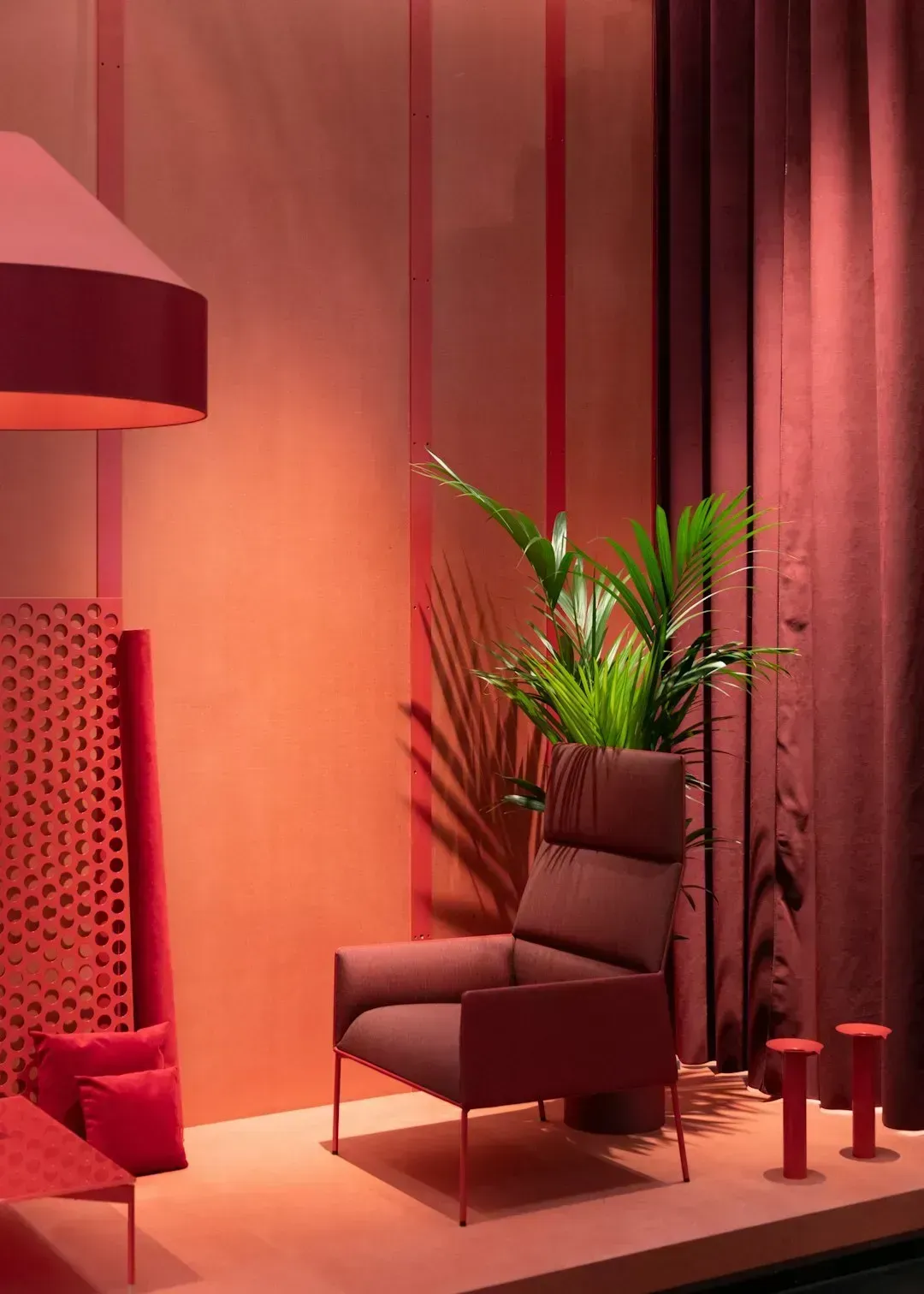
Red is the most off-putting color for buyers according to Fixr’s report, with 59 percent of interior designers and home stagers agreeing that red turns away buyers. I think this one makes sense psychologically. Red is associated with danger, intensity, and high energy, none of which are feelings you want when trying to imagine your peaceful sanctuary.
Recent and prospective buyers would pay nearly $2,000 less for a home with a fire hydrant red living room or bedroom. The financial impact is real and measurable. Red might look elegant in the right lighting with perfect furniture, but most buyers walking through your home won’t see that potential. They’ll just see a major repainting project.
5. Mustard Yellow Kitchens and Living Rooms
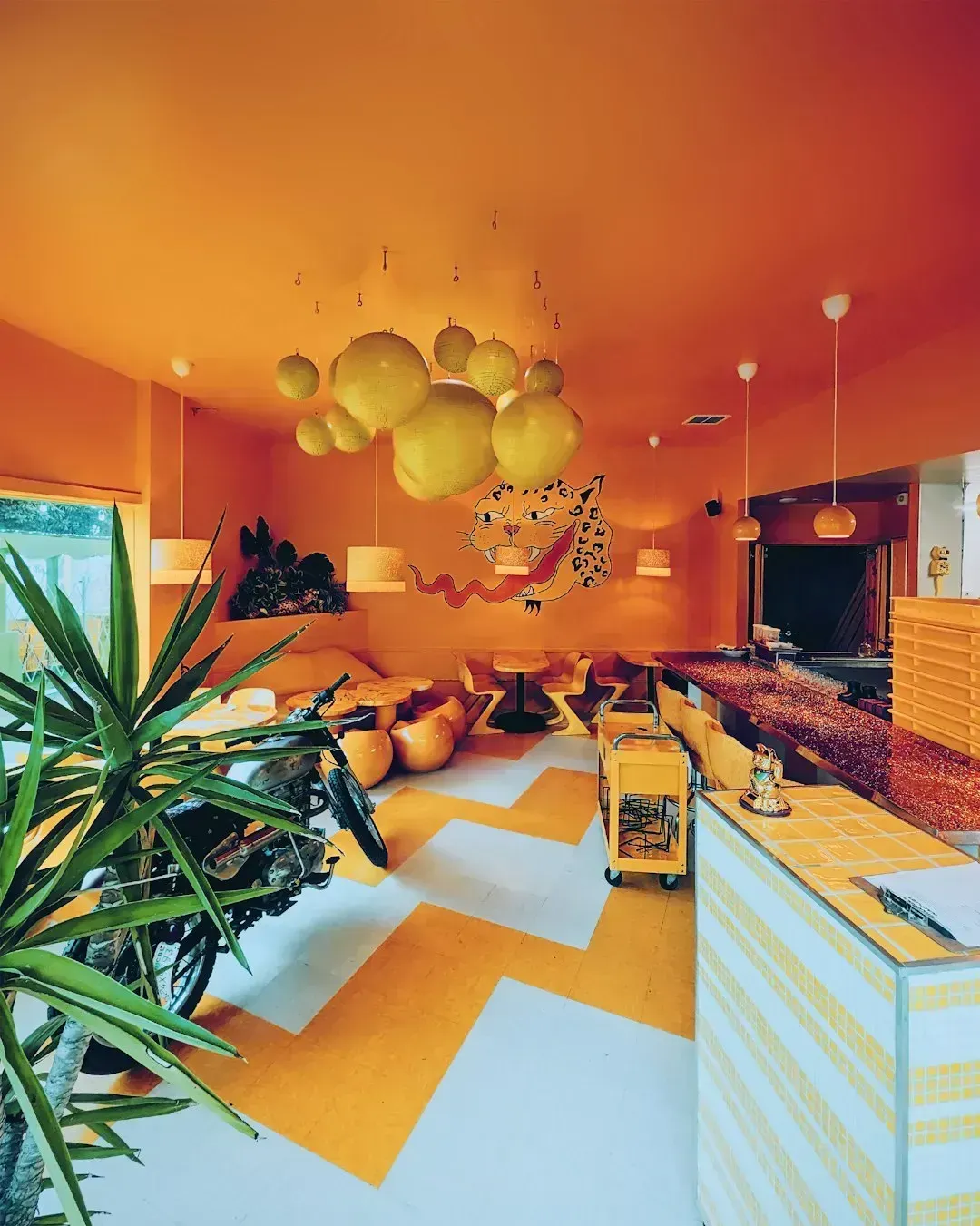
Mustard yellow ranks among the worst colors, with 20% of experts saying it looks dated and dingy. This is fascinating because yellow is supposed to be cheerful, right? Yet the wrong shade of yellow has become synonymous with homes that haven’t been updated in decades. Buyers would pay nearly $4,000 less for a home with a daisy yellow kitchen.
Yellow and peachy beiges that were popular 20 and 30 years ago now make homes feel old – there’s a big difference between modern warm neutrals and dated beige. The shade matters enormously here. A soft, warm cream can still work beautifully, but anything veering toward mustard or bright daisy yellow is tanking your value.
6. Dated Dark Brown Walls
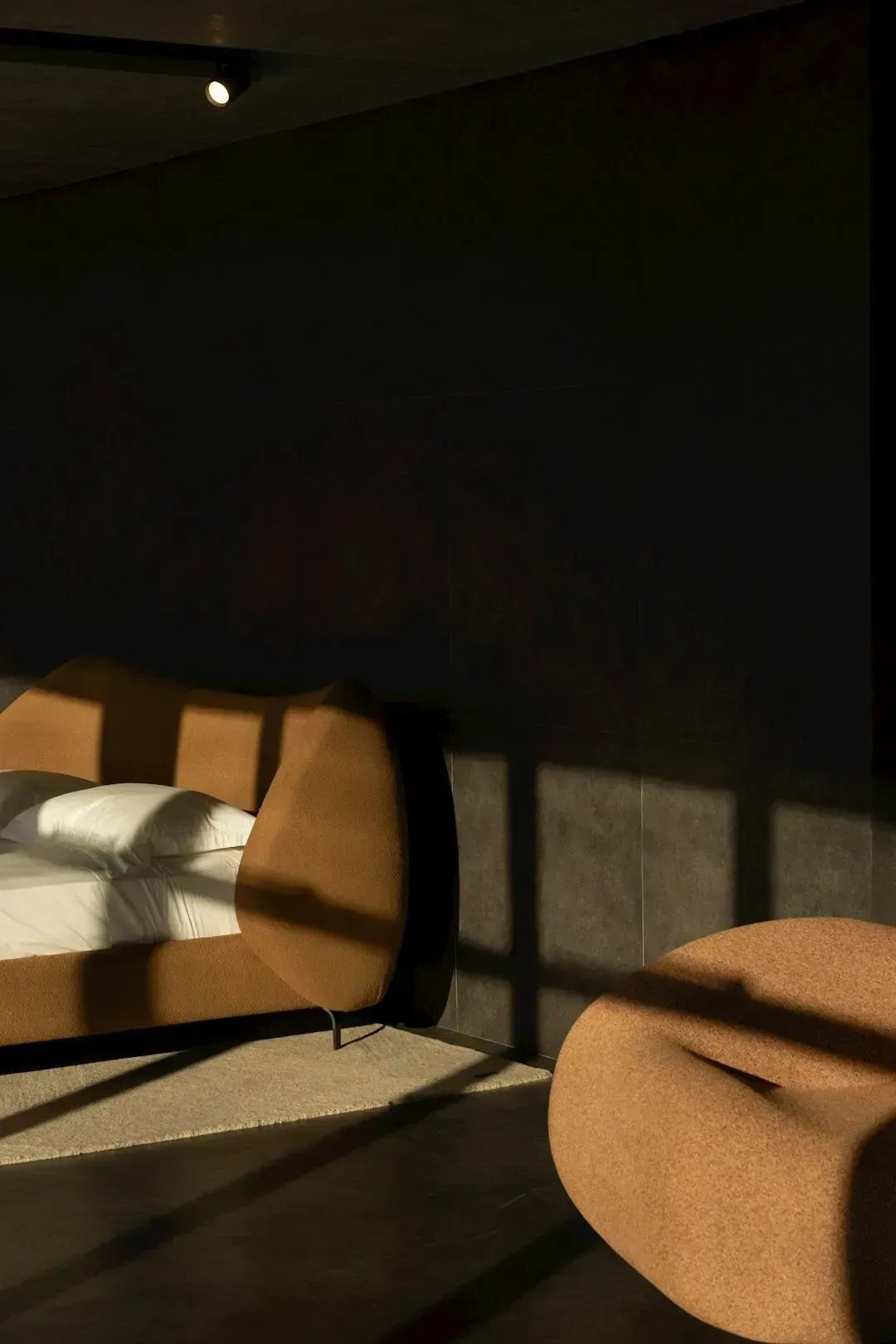
Dark brown can seem sophisticated until it’s time to sell – it makes rooms appear smaller, and buyers are attracted to light spaces, as brown absorbs light rather than reflecting it, making even generously sized rooms feel cramped and uninviting. This is one that surprises some sellers because darker, moody colors are actually trending for certain shades like charcoal gray.
Brown, however, doesn’t get the same pass. It reads as outdated rather than dramatic. While earthy terracotta and clay tones are having a moment in 2026 design trends, older dark brown shades give off serious early 2000s vibes. Buyers mentally calculate repainting costs the moment they see these walls.
7. Mint Green and Forest Green Bedrooms and Bathrooms
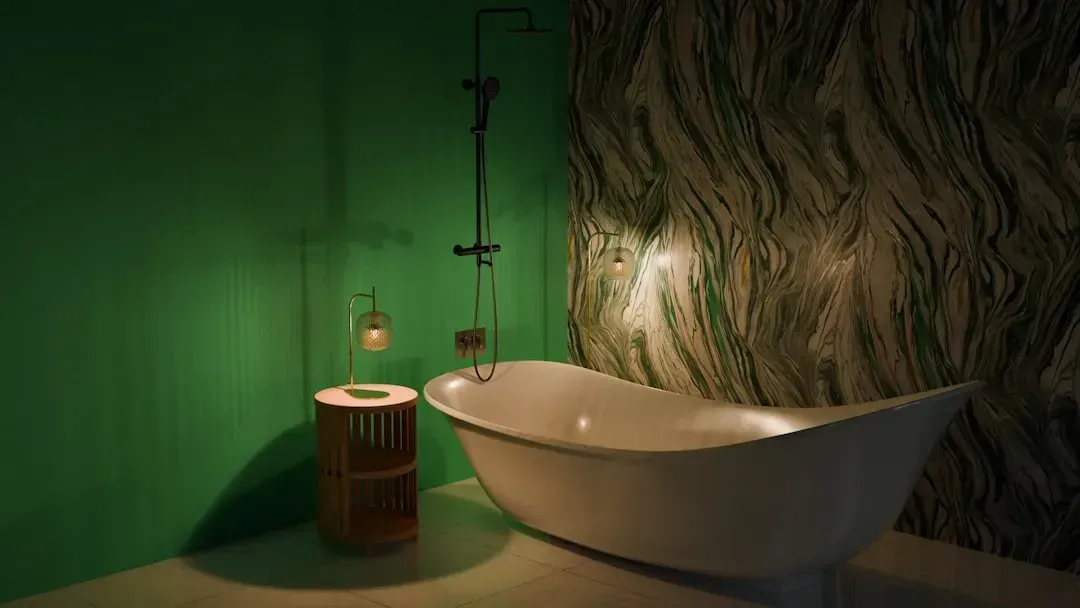
Not all greens are created equal in today’s market. According to Zillow, buyers offer $1,123 less when they see mint green paint in bedrooms. Meanwhile, homes with a forest green bathroom received offers $1,760 less than expected. This is crucial information because olive green and muted sage are actually doing well with buyers right now.
The problem is that mint green feels retro in the wrong way, like something from a 1950s diner. Forest green in bathrooms creates a dark, cave-like feeling that most buyers find oppressive. Darker shades of green, blue and gray outperformed lighter shades of sage green and pale sky blue in Zillow’s analysis, proving that it’s all about choosing the right tone within each color family.