I Worked Fast Food for 12 Years: 7 Items I’d Personally Never Order
Most people walk up to a fast food counter and think the biggest risk is a few extra calories. Honestly, after more than a decade behind that counter, I can tell you the reality is a lot more complicated than that. There are things happening in those kitchens, on those warmers, and inside those machines that the average customer simply never sees.
Some of it is about nutrition. Some of it is about hygiene. Some of it is just about knowing exactly what you’re actually eating. Let’s dive in.
1. The Seafood Sandwich: Looks Innocent, Rarely Is

Here’s the thing about fast food seafood: it almost never moves fast enough to be fresh. While ordering fish or other seafood may be a healthy option at a regular restaurant, it simply isn’t the case in fast-food joints. The problem isn’t just nutritional, it’s about volume and turnover.
A busy burger joint sells hundreds of burgers every hour. The fish fillet? Maybe a dozen. Workers at both quick-serve and fast-food spots have flagged that fast food seafood items are not fresh, and even when customers are aware of that, the item has often been sitting around for a while. That “sitting around” part is what should give you pause.
I think the fish sandwich is the biggest trap on any fast food menu because it carries a health halo it does not deserve. Typical fast food meals already average around 800 calories, 11 grams of saturated fat, and 1,300 milligrams of sodium, exceeding recommended daily limits and increasing risks for obesity, hypertension, and type 2 diabetes. A battered, fried fish fillet adds even more to that pile without delivering the omega-3 benefits of genuinely fresh fish.
2. The “Healthy” Fast Food Salad: A Wolf in Romaine’s Clothing
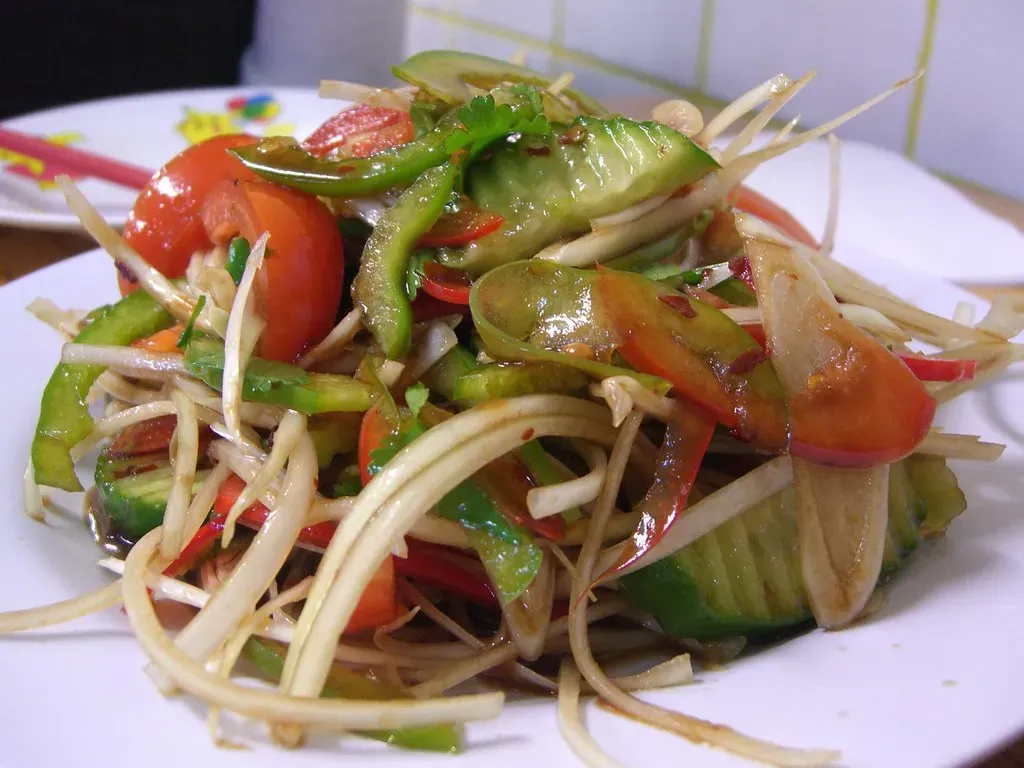
People order salads at fast food restaurants to feel virtuous. I get it. But let me be real with you: some of those salads are nutritionally worse than a burger. The Chicken Club Salad from Burger King, for example, comes in at over 600 calories, 41 grams of fat, and 1,660 milligrams of sodium, which is more than half of the sodium you are supposed to eat in an entire day.
The sodium situation in fast food salads is genuinely shocking. The Taco Bell Chicken Ranch Taco Salad has more than half a day’s sodium at 1,660 milligrams, and the Burger King Tender Crisp Garden Salad carries almost 1,750 milligrams of sodium, especially dangerous for those with high blood pressure. That’s before you even add dressing.
Dressings and other extras can send fast food salads into calorie and fat-gram overload. Think of it like ordering a lean turkey sandwich and then slathering it with a cup of butter. The base means nothing if the toppings undo all of it. Once you start examining the nutrition facts provided by chain restaurants, you’ll find that many healthy-sounding salads contain epic amounts of sodium and other potentially unwanted ingredients, sometimes containing even more calories than a Big Mac.
3. The Milkshake: A Machine Hygiene Nightmare

I will be upfront: milkshake machines are among the most difficult pieces of equipment to clean properly in a fast food kitchen. The interior parts are complex, cleaning protocols vary wildly by location, and when things go wrong, they can go very wrong. Milkshakes made from machines found to contain Listeria bacteria and sold at a restaurant in Washington state were linked to the deaths of three people, with investigators finding Listeria bacteria in the ice cream machines at a Frugals restaurant in Tacoma.
Officials confirmed that the machines were not cleaned correctly. That is the crux of the problem: it’s not a manufacturing defect, it’s a maintenance failure. And maintenance failures are not rare in high-turnover kitchens with exhausted staff. Symptoms of listeriosis include fever, flu-like symptoms like muscle aches and fatigue, headaches, a stiff neck, confusion, a loss of balance, and convulsions, according to the CDC.
Beyond hygiene risk, the calorie and sugar counts are staggering on their own. Those looking to satisfy a sweet tooth with a Reese’s Peanut Butter Cup Master Shake at Sonic consume 1,720 calories and 48 teaspoons of sugar. For context, a 12-ounce can of regular soda contains just 10 teaspoons of sugar, according to the CDC. A milkshake is basically multiple sodas in a cup, with the added risk of poorly sanitized equipment.
4. The Grilled Chicken Sandwich: Not as Healthy as Advertised
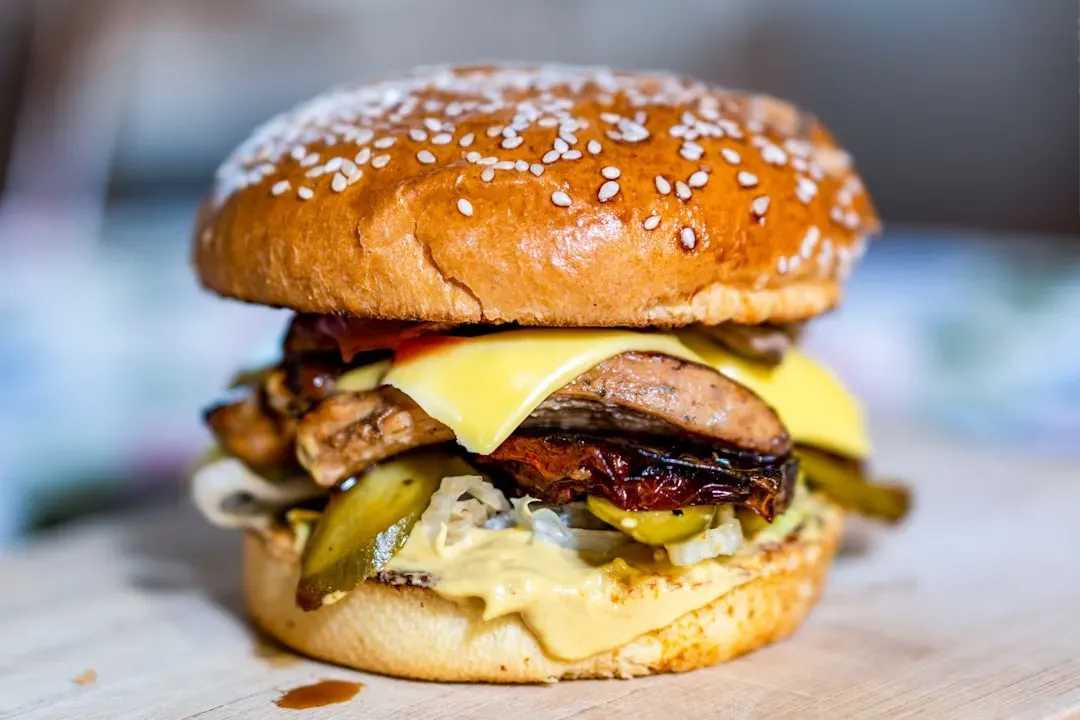
I know this one surprises people. Grilled chicken sounds like the responsible choice, the adult order at a place that sells deep-fried everything. The trouble is, fast food “grilled” chicken is rarely what you imagine. Many people choose grilled chicken sandwiches at fast food restaurants thinking they’re making a healthier choice, but the real concern is that people are not always clear on the risks of eating too much fast food grilled chicken breast.
Some fast food grilled chicken sandwiches have as much or more sodium than a cheeseburger with medium fries, and some contain 1,000 milligrams of sodium, which is roughly two thirds of the recommended daily limit. That’s the “healthy” option. Think about that for a second.
The processing behind that chicken breast is also worth knowing. Many chains inject the meat with phosphates to retain moisture, which increases the sodium content even further before cooking. Sodium levels vary widely based on preparation, and fast food fried or processed chicken often exceeds 500 milligrams per serving, while many restaurants also reuse oils high in trans fats, which negatively impact cholesterol. It’s hard to say for sure how clean or simple any given chain’s process is, but it is rarely just chicken on a grill.
5. The Chili: Where Overcooked Burgers Go to Retire
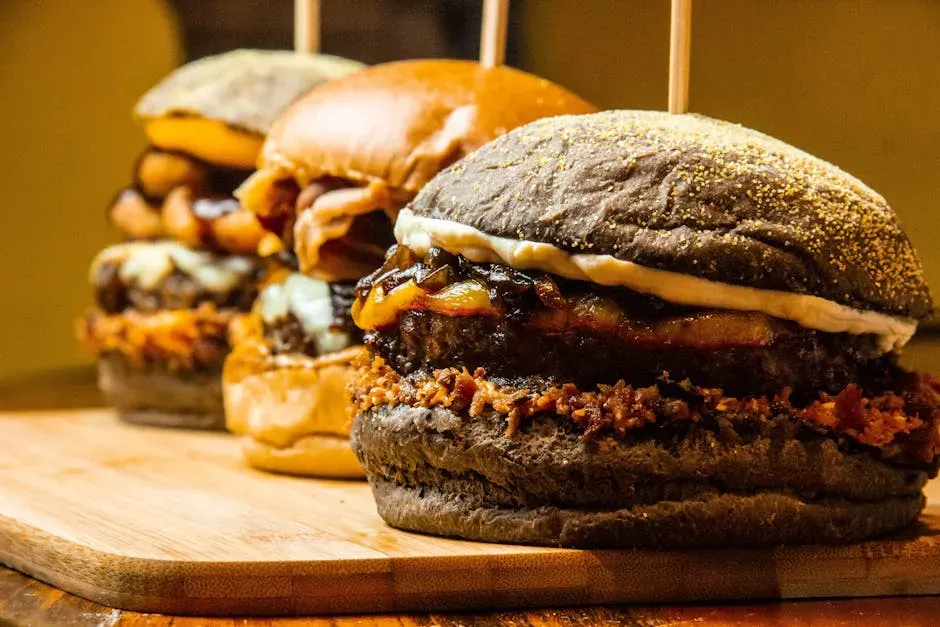
Fast food chili has a surprisingly loyal fan base. It looks hearty, it seems filling, and compared to a bacon double cheeseburger it seems downright wholesome. But here is what most customers don’t know about where that meat actually comes from. The chili at places like Wendy’s is made from hamburger patties that sat on the grill too long to serve directly to customers. Those patties are taken and placed in a bin, then refrigerated. When the chili is made, the patties are taken out, boiled, chopped up, and added to the mix.
Is it a food safety violation? Not necessarily. Is it the kind of thing you imagined was in your bowl? Almost certainly not. The bigger picture issue here is sodium. In terms of sodium, a five-piece chicken strip meal at certain chains clocks in at 2,940 milligrams of sodium. Loaded chili dishes across chains routinely follow a similar sodium pattern, packed with seasoning to mask the flavor of reheated, overcooked meat.
A 2023 study published in JAMA Network Open linked eating fast food three or more times per week to a roughly 30 percent higher risk of heart disease, even after adjusting for lifestyle factors. A sodium-dense chili on top of an already salt-heavy day is exactly the kind of habit that study was measuring. It adds up faster than people realize.
6. The Large Combo Meal: Engineered to Overload You
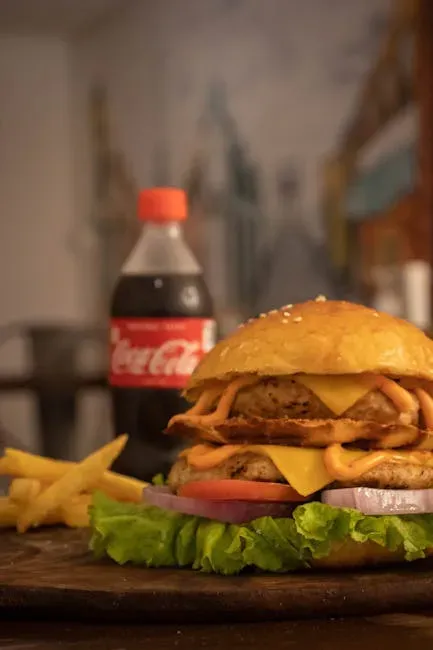
The combo meal is one of the most brilliant pieces of marketing in food history. You pay a little more, you get a lot more, and you walk away feeling like you got a deal. What you actually got is a calorie and sodium situation that would take most people an entire day’s worth of physical activity to offset. The Double Quarter Pounder with Cheese and fries at McDonald’s clocks in near 1,300 calories, with researchers flagging the chain for oversized combos and extras like McFlurries and jumbo sodas that make high sugar and sodium the norm.
Upsize that combo and the numbers climb into genuinely alarming territory. A Sonic cheeseburger combo with medium tots and a large Cherry Limeade comes in at 1,600 calories and 3,000 milligrams of sodium. That’s an entire day’s worth of sodium in a single meal, before breakfast or dinner even enter the picture.
Anything labeled “Loaded,” “Supreme,” or “Deluxe” is a reliable red flag. These terms almost always indicate extra cheese, sauces, bacon, or fried toppings that add between 200 and 400 calories with minimal nutritional benefit. The large combo is the packaging that bundles all of those red flags together and ties a bow around them with a supersized soda. Consistently eating too many calories can lead to weight gain and obesity, increasing the risk of conditions such as heart disease and diabetes.
7. The Fast Food Breakfast Burrito or Biscuit Sandwich: A Hidden Sodium Bomb
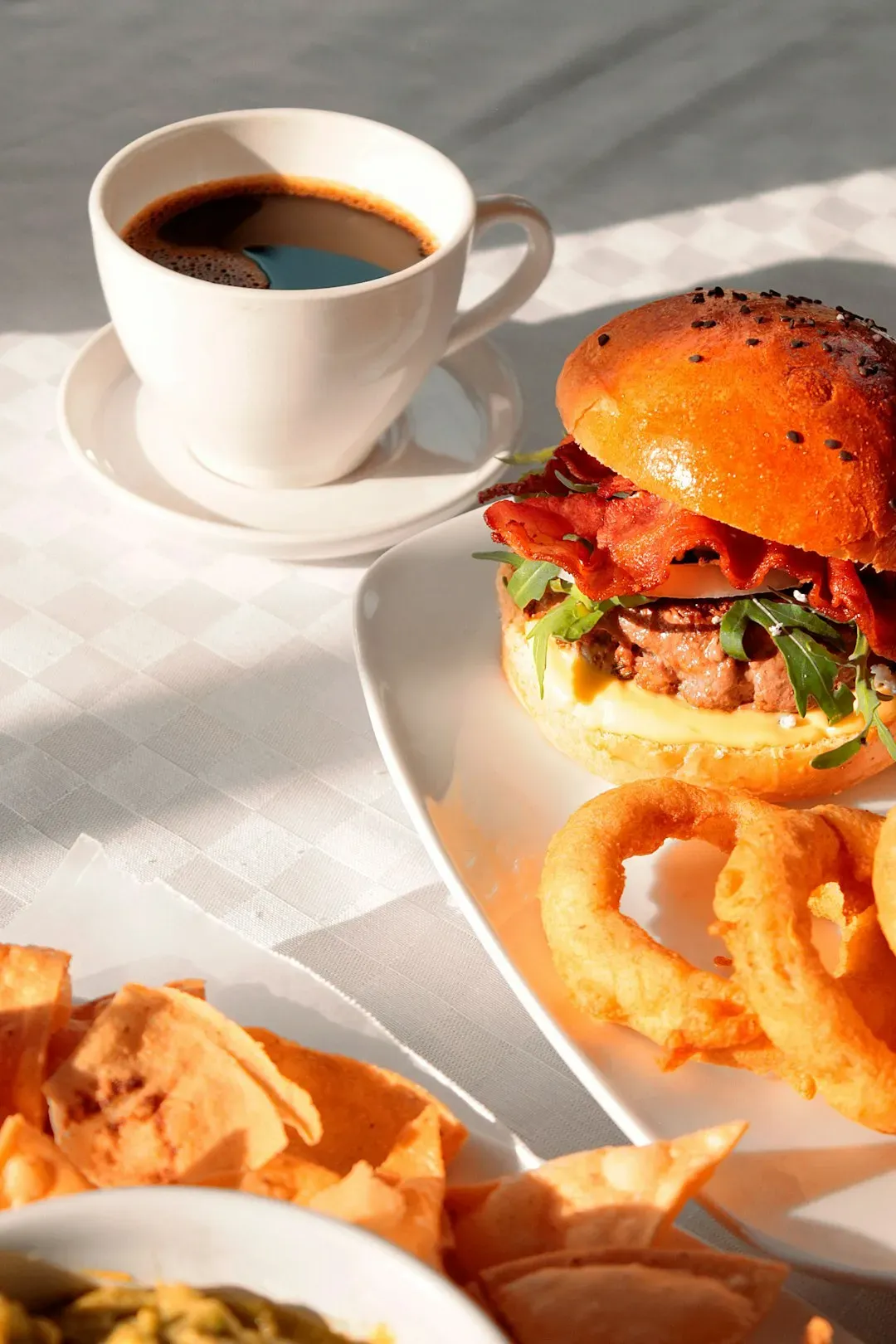
Breakfast feels innocent. It’s the start of the day, you’re just grabbing something quick before work, and a warm biscuit sandwich seems harmless enough. The problem is that fast food breakfast items are among the most sodium-dense things on any menu, and most people have no idea. The hash brown scramble burrito with sausage at Taco Bell, for example, contains 720 calories, 47 grams of fat, 16 grams of which are saturated fat, and 1,450 milligrams of sodium, making it a heavy and extremely salty way to start the day.
Excess sodium consumption can lead to negative health outcomes like an increased risk of stroke or heart attack. Starting your morning already near or at half the daily recommended sodium intake creates a dietary ceiling that makes every meal afterward a problem. It is like trying to budget for the month after spending nearly all of it on day one.
The explosion of fast food restaurants has significantly increased the intake of fried foods, and people now consume enormous amounts of soybean oil compared with the early 1900s, with Southern U.S. states, known for the highest consumption rates, also carrying the highest stroke and heart attack rates in the world. Breakfast burritos and biscuit sandwiches, consumed daily before commutes across America, are a direct and underappreciated contributor to that pattern. In 2024, roughly one in three American adults ate fast food on any given day. Many of those were at the drive-through before 9 a.m.
After 12 years in fast food kitchens, I don’t say any of this to moralize. People need to eat, budgets are tight, and fast food is designed to be convenient. What I do believe is that the more you know about what’s actually in front of you, the better equipped you are to make real choices. Some of these items surprised even me when I started paying attention. Would they have changed what you ordered?