The Dinner Party Rule: 10 Dishes Hosts Avoid Serving to Large Groups
There is an unspoken code among experienced hosts. It does not live in any cookbook or etiquette manual. It lives in the collective memory of every person who has watched a soufflé collapse mid-dinner, handed a guest a bowl of chili that wandered dangerously close to the new rug, or noticed a perfectly good raw dish quietly sitting out for two hours longer than it should have.
Since the pandemic, there has been a growing appetite for intentional gatherings, including the dinner party. That revival has also brought a renewed interest in what actually works when cooking for a crowd. The answer, it turns out, involves knowing just as much about what not to serve as what to put on the table. Let’s dive in.
1. Steak Tartare: The Raw Risk That’s Just Not Worth It
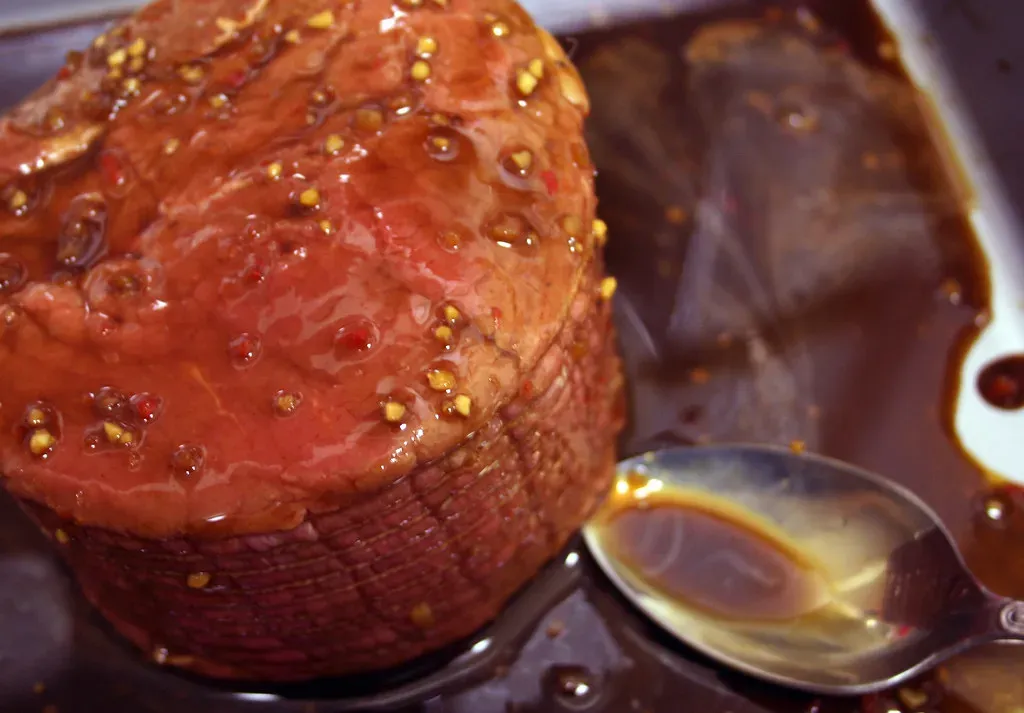
Steak tartare might be the most seductive dish on any fine dining menu, but at a home dinner party with twelve guests, it is a liability dressed up as luxury. Here’s the thing: the standards required to serve it safely are genuinely demanding. The USDA warns against eating steak tartare and other uncooked beef due to the risk of foodborne illness.
Even if you get started eating on time, food at dinner parties is likely to sit out for hours as guests talk and mingle. With that in mind, serving raw dishes like steak tartare is considered one of the worst choices for a dinner party. The danger climbs fast once a plate leaves the kitchen.
Steak tartare or other raw meat dishes should never be consumed by anyone with a compromised immune system or in another high-risk category for food poisoning, including the very young, very old, or pregnant. At a large gathering, you simply cannot know the health status of every guest at the table. That alone should settle it.
2. Soufflés: A Beautiful Disaster Waiting to Happen
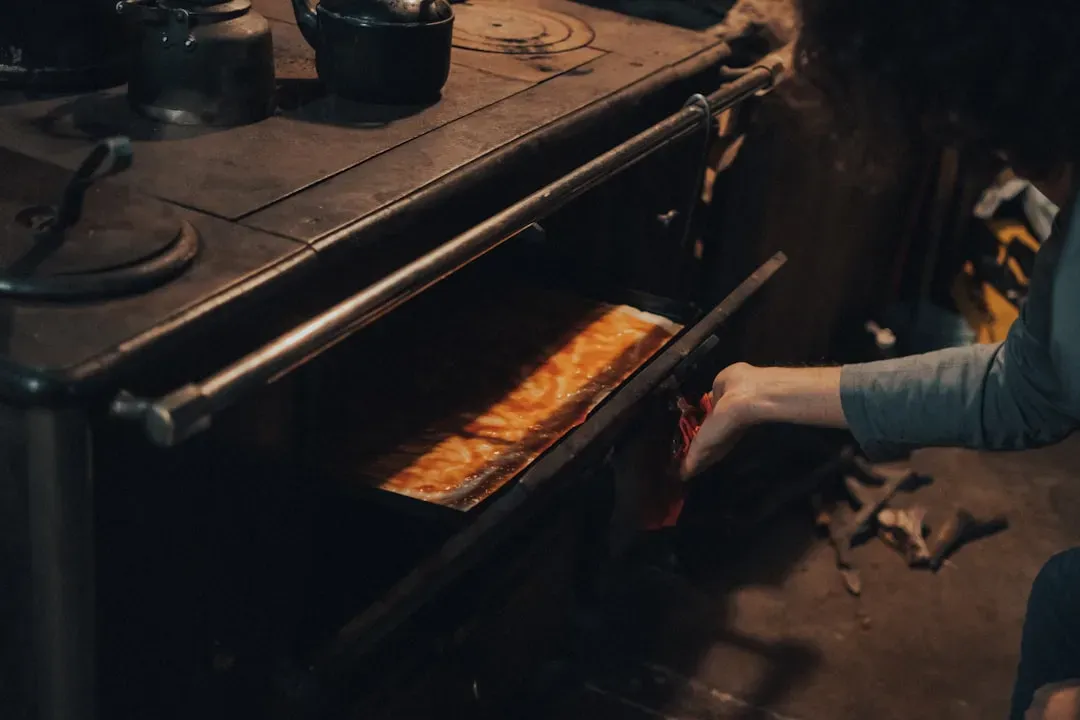
Few dishes generate as much drama as a soufflé. It puffs up gloriously in the oven, and then it doesn’t wait. The timing required is so precise that even professional kitchens treat it with genuine caution. Serving one to eight people is a challenge. Serving one to twenty is essentially a performance art gamble.
Scaling up a soufflé for a crowd is the kind of thing that sounds romantic before it happens. Some recipes when doubled or tripled can take much longer to cook, and sometimes just don’t work. Choosing to take a recipe that serves two people may not work the same way when you scale it up to serve ten people. A soufflé amplifies this problem enormously.
The entire logic of a dinner party is flow and ease. Guests relax when the host is relaxed. When you’re sprinting to the oven every ten minutes in a panic, something is wrong. Save the soufflé for a quiet date night where failure is a shared joke, not a group disappointment.
3. Sushi and Raw Fish Dishes: Cold Chain, Compromised
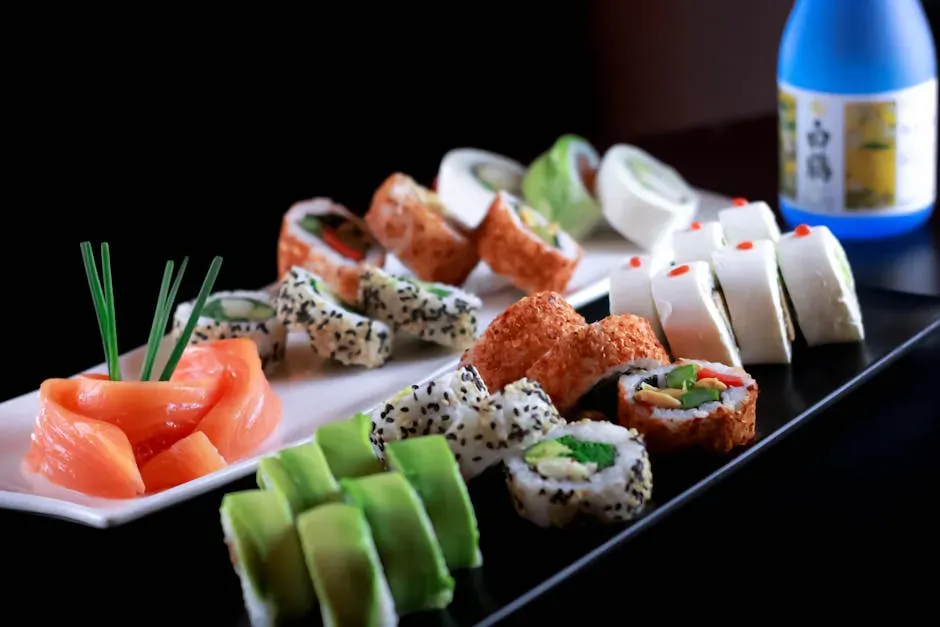
Homemade sushi at a dinner party looks stunning in theory. In practice, it introduces an entirely different set of challenges that most home kitchens are simply not equipped to handle. The core issue is temperature and time, two variables that become very difficult to control once guests start arriving late and conversation stretches on.
Raw fish dishes can be contaminated by harmful microorganisms that are normally destroyed by cooking, and people with compromised immune systems should not eat this type of food. That is a serious consideration when cooking for a mixed group.
A person might bring a food that needs to be refrigerated or frozen before serving due to assumptions. Someone might assume dinner will start quickly enough or that there will be enough fridge space for the food. However, given the chance of limited fridge space or dinners starting later than planned, foods that need to stay ice cold are one of the worst options for a dinner party.
4. Dishes Loaded with Common Allergens
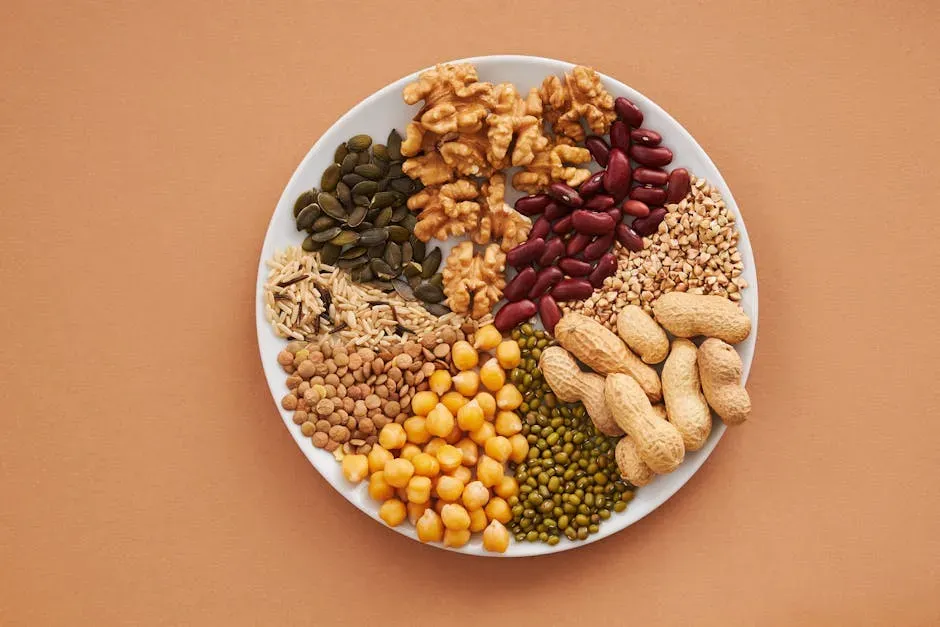
This one feels obvious, yet it catches hosts off guard constantly. When cooking for a large group, the sheer statistical likelihood of someone at the table having a food allergy is genuinely significant. In the United States, approximately 32 million people report having a food allergy, and each year around 200,000 people seek emergency medical care due to food allergies. That is not a fringe number.
The most common food allergies in adults are allergies to shellfish, milk, peanut, and tree nut. A dinner party menu that centres entirely around, say, a rich shrimp bisque with a peanut dessert garnish and a heavy cream sauce is quietly excluding, or worse, endangering, a meaningful portion of any guest list.
Smart hosts think in layers. Offer variety. Label dishes clearly when possible. Dairy-rich foods can lead to bloating, gas and cramps. Today’s culture experiences a variety of food allergies, and dairy sensitivity is one of the most common ones. Avoid offering too many creamy dishes, ice cream, and similar items. A little awareness goes an incredibly long way.
5. Anything Extremely Spicy: The Polarizer at the Table
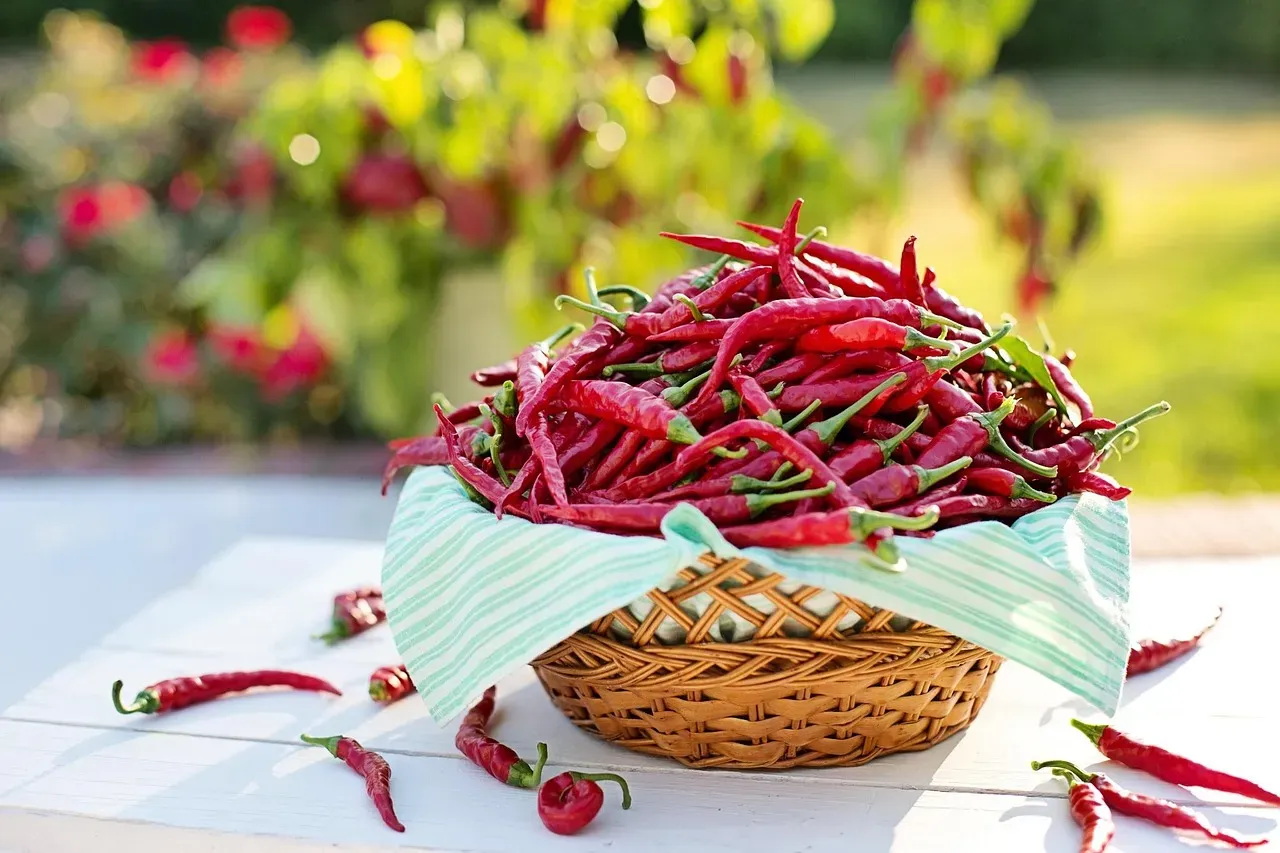
There is always one person at the table who will happily eat a bowl of pure habanero and ask for more. There is also always someone who finds even mild jalapeño overwhelming. Serving a dish with extreme heat as the centerpiece of a large group dinner is essentially forcing guests into two uncomfortable camps: those who suffer quietly, and those who feel like the food is boring.
Just like any other food sensitivity, people have different spice tolerances. When serving food to large groups, it is safer to keep things simple and mild. This is not about dumbing down your cooking. It is about respecting the diversity of palates around the table.
The workaround is simple and widely used by experienced hosts. Build your base dish at a medium level of heat, and offer a side of your fiery sauce separately. Everyone gets what they want. Nobody feels ambushed. That small detail can genuinely transform the energy of a meal.
6. Foie Gras: Ethically Charged and Deeply Divisive
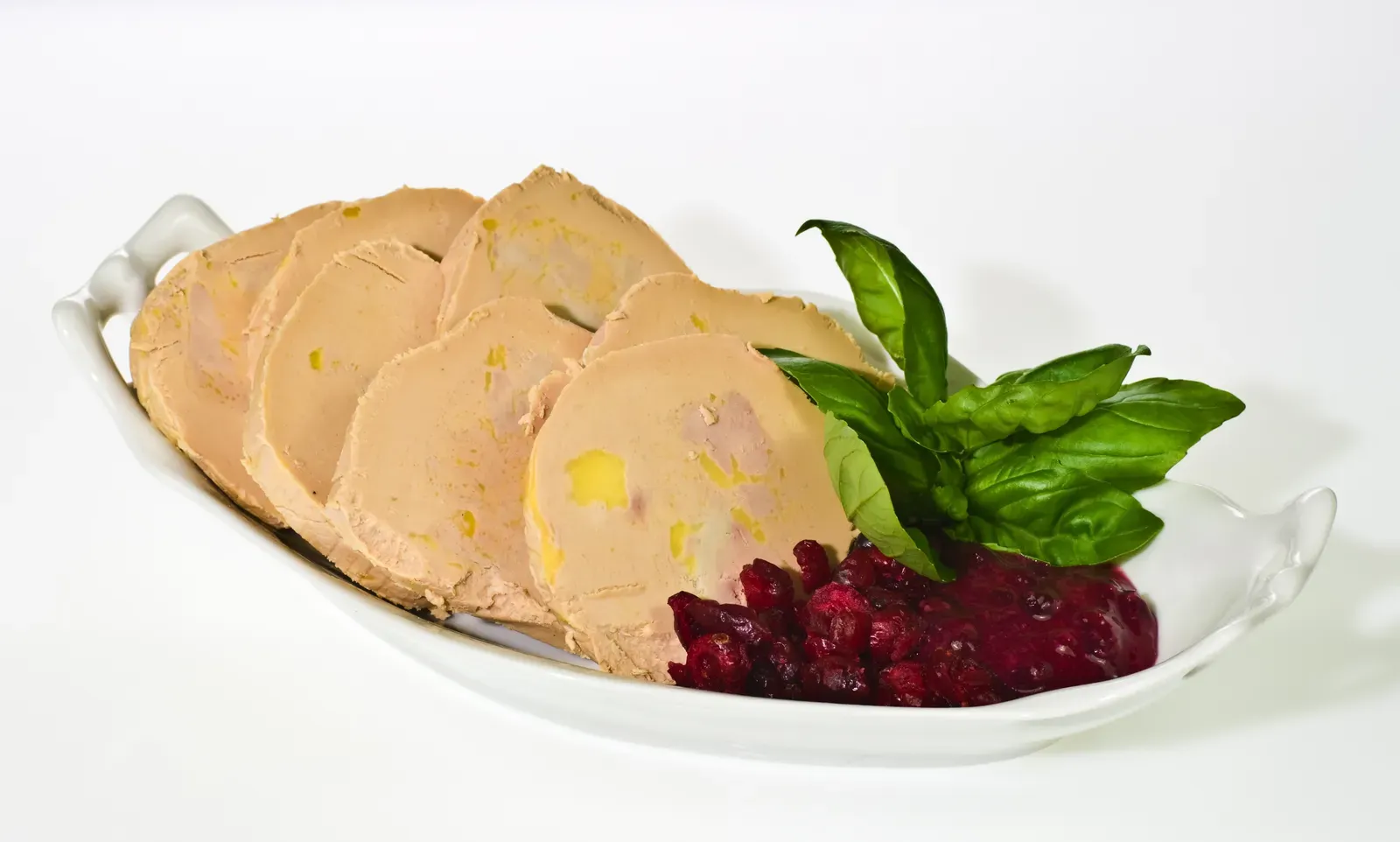
Foie gras is arguably the most politically loaded ingredient you can set on a dinner table. Even among guests who eat meat without hesitation, its production method is controversial enough to spark unexpected tension at what was meant to be a convivial evening. Honestly, no dish is worth derailing the mood of an entire gathering.
The first rule of parties is not to bring anything super-polarising, and foie gras is nothing if not super-polarising. Any food that is outlawed in multiple countries for animal cruelty reasons is not a good icebreaker.
I think the deeper principle here is that a dinner party is a social occasion first and a culinary showcase second. Food that generates ethical debate rather than pleasure has missed the point entirely. Plan a dinner party with a dish that does not engender political or ethical outcry. That is the party everyone wants to be at.
7. Heavily Fried and Greasy Dishes: The Energy Crash Course
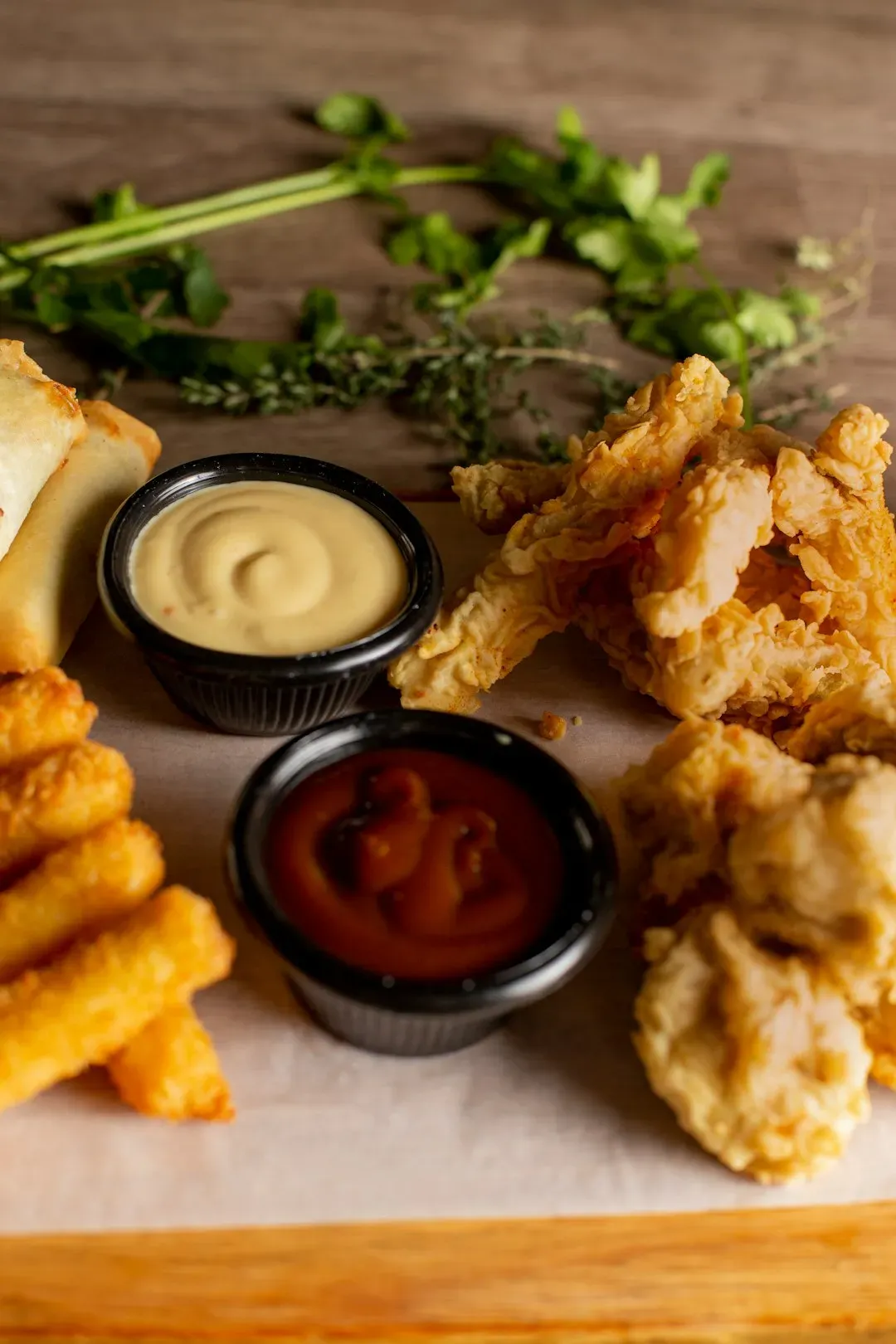
Picture this: your guests are halfway through a glorious evening, conversation is flowing, and then the main arrives. It is a beautiful platter of deep-fried everything. An hour later, half the table has gone quiet, two people are discreetly unbuttoning things, and the energy has dropped through the floor. Fried food does that.
Foods like pizza, French fries, donuts, fried chicken, and other fatty foods slow digestion, leaving guests feeling sluggish and tired. At a dinner party where the evening is meant to continue well past the meal, that is a significant problem.
This does not mean avoiding texture or richness. It means being strategic. A roasted dish with a crispy exterior can scratch the same itch as something deep-fried, without the same physiological crash. Whether you are celebrating a marriage, graduation, birthday, or other event, you certainly do not want your guests falling asleep after the meal, which is why avoiding heavy foods like casseroles and carbohydrate-rich dishes is widely recommended.
8. Cold Soups and Dishes That Need to Stay Frozen
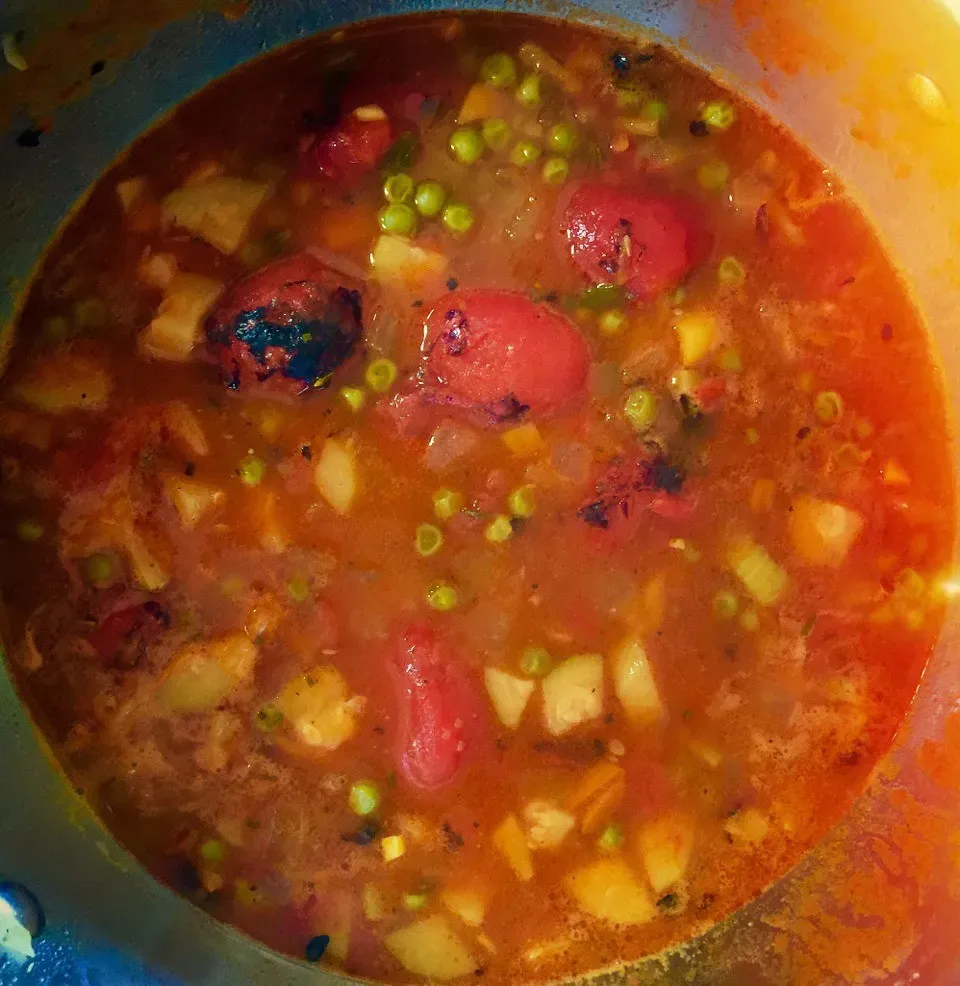
Cold soups like gazpacho or vichyssoise are genuinely delicious in the right setting. A dinner party with a large, unpredictable guest list is not that setting. The moment those dishes leave your refrigerator and hit a warm buffet table, the clock starts ticking in a way that has nothing to do with flavor and everything to do with safety.
Cold soups such as gazpacho or vichyssoise present a real challenge at parties. While you could eat these dishes at room temperature, they are simply not going to be as satisfying, so it is best to skip them entirely if you can.
Cold and frozen desserts can also be tricky, especially if they taste better when served cold. Dishes containing ice cream will not fare well for long outside the freezer without melting and becoming something they are not, so always check logistics carefully before committing to such items. It’s hard to say for sure just when things will go sideways, but they will.
9. Messy, Fall-Apart Foods: Dignity Has Entered the Chat
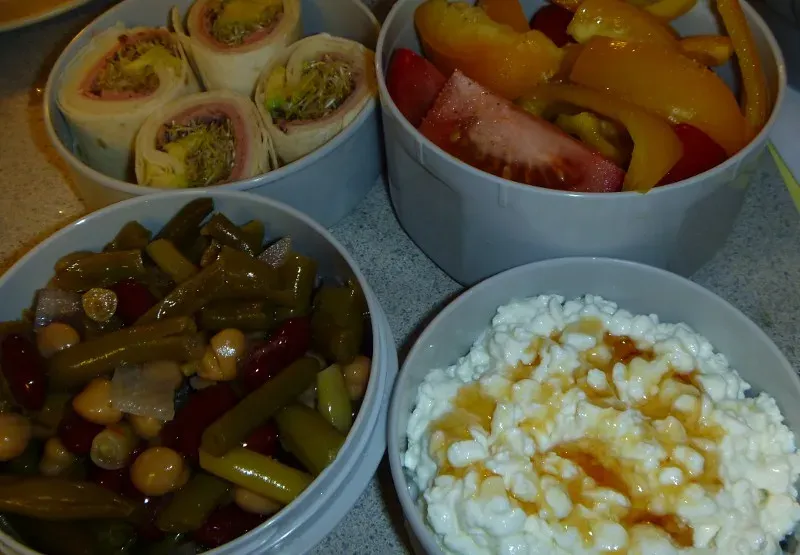
Spaghetti with a loose sauce. Tacos that implode on the first bite. Sloppy Joes at a seated dinner party. All delicious. All deeply impractical when people are dressed up, sitting close together, and holding a conversation they actually care about. The logistics of eating messy food in a social setting require an almost athletic level of concentration.
Dishes that are too difficult to eat in a dignified manner, such as foods that tend to fall apart as you eat them like tacos or sloppy Joes, should be skipped. Fruits that are messy if not cut into bite-sized pieces are not ideal either. Guests may end up choosing to avoid messier foods altogether.
Mess-making foods are a real concern at group dining events. Sure, chicken wings and spaghetti are delicious, but unfortunately these types of foods can be messy at gatherings. The recommendation is to offer foods that are tasty, yet easy and mess-free. Think of it as a kindness to your guests, not a limitation on your creativity.
10. Dishes With Strong Odour-Offending Ingredients
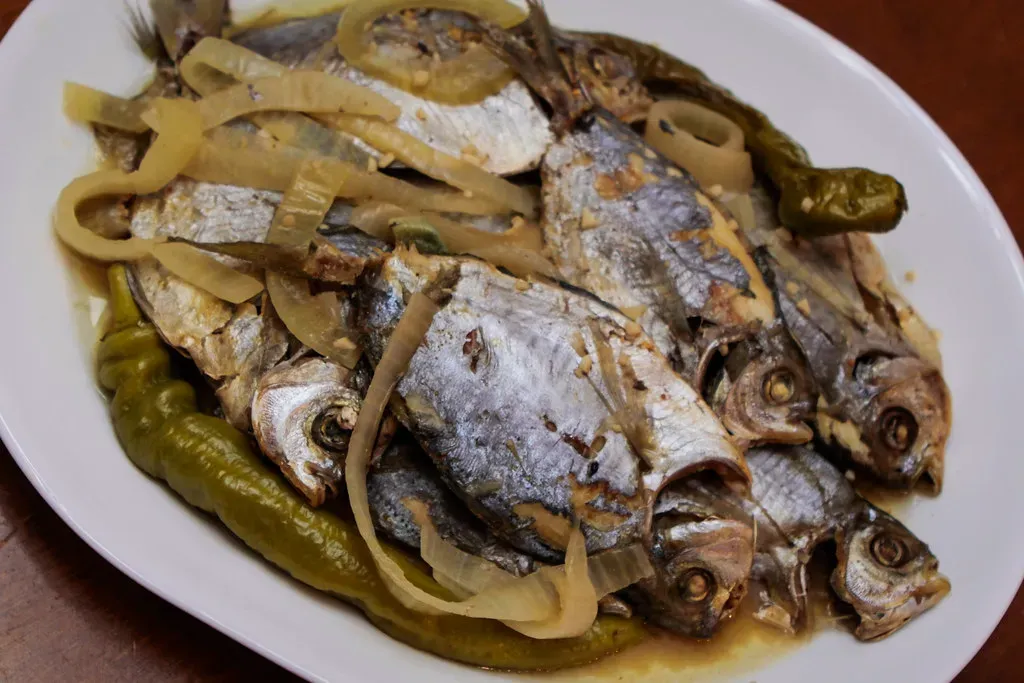
Here is one that people rarely talk about out loud but think about constantly. Certain ingredients bring something to a dish that is difficult to negotiate in an enclosed dining space with ten or more people. Excessive garlic, raw onion, strong curry, and very pungent fish dishes all fall into this category. The problem is not the flavor. The problem is what happens after.
Odour-offending foods are a genuine concern at large gatherings. Anything that causes bad breath or bad bodily functions should be avoided, including excessive garlic, onions, cabbage, beans, curry, and overly fishy foods. It sounds blunt, but the logic is completely sound.
A dinner party is not just about eating. It is about the entire experience of being together. Research shows that roughly two thirds of luxury hotel guests say emotional connection improves their dining satisfaction. The same emotional logic applies at home. Comfort, ease, and consideration for others create the real magic at the table, not culinary daring for its own sake. What would you have guessed makes a great dinner party? Sometimes the answer is simply knowing what to leave off the menu.