10 Menu Items That Are Almost Always Overpriced – And What to Order Instead
You sit down, open the menu, and suddenly feel a small wave of anxiety. Everything looks so appealing. Everything also looks so expensive. You’re not imagining it. According to the National Restaurant Association, average menu prices have risen roughly 31% since February 2020. That’s not a small jump. That’s a full third more than what your wallet was used to just a few years ago.
More than half of U.S. adults reported spending less on eating out in Q3 of 2024, up from 52% earlier in the year. People are catching on. Still, there are certain items on restaurant menus that have always been money traps, long before inflation ever became a dinner-table conversation topic. Some of them might surprise you. Let’s dive in.
1. Bottled Water
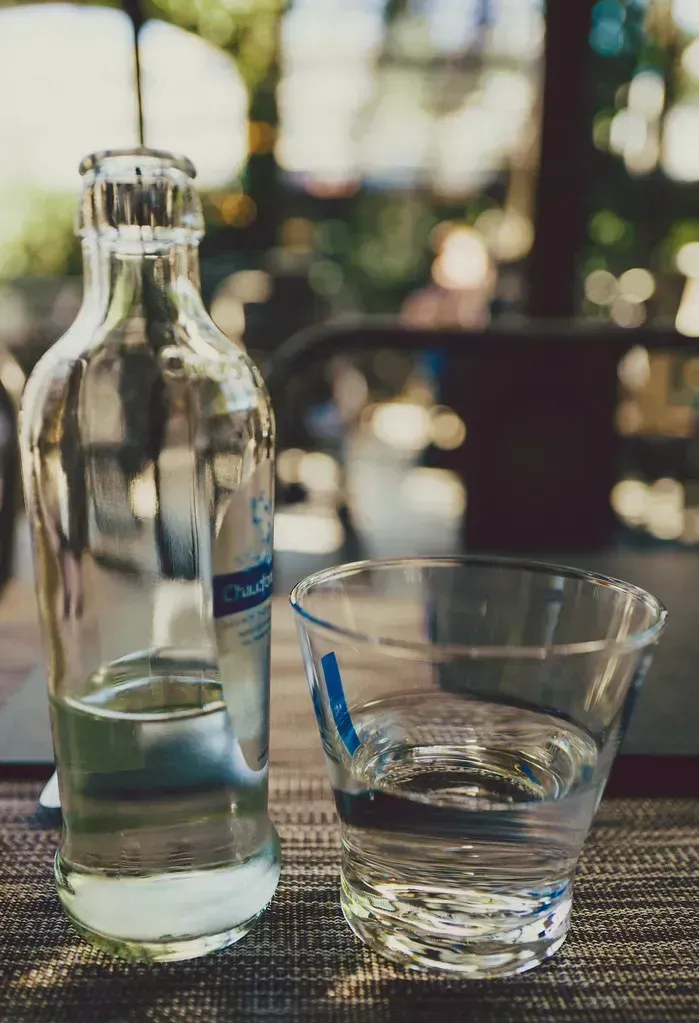
Let’s be real – ordering bottled water at a restaurant is one of the most quietly expensive habits a diner can have. A report by The Guardian showed that bottled water can have markups exceeding 1,000%, sometimes costing more per ounce than the restaurant’s wine selection. Think about that for a second. You’re paying more for branded water than fermented grapes.
Since water from local suppliers or filtered tap is virtually free for the restaurant, diners often pay steep prices for branding and packaging rather than actual product quality. It’s not about hydration. It’s about perception. The bottle just looks premium on the table.
The markup is aggressive because the labor involved is minimal and the perceived value of hydration is high – you are essentially paying for the bottle cap to be cracked open rather than the liquid inside. What to order instead? Ask for tap water. Most restaurants in the U.S. are required to provide it free, and in most cities, it’s perfectly safe and clean to drink.
2. Cocktails and Mixed Drinks
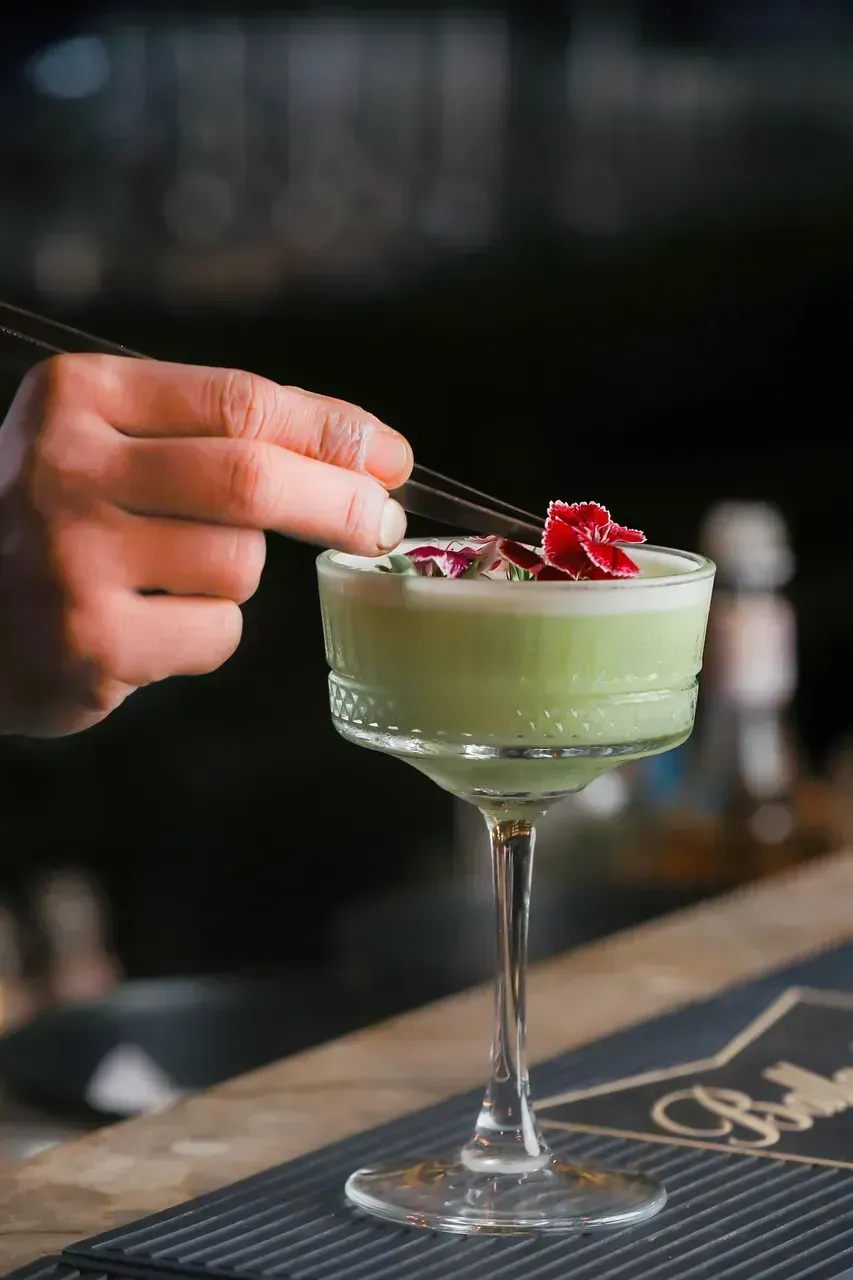
Few things drain a dining budget faster than a round of cocktails. Bartenders and chefs admit that cocktails marketed as “specialty” often use low-cost well liquor with syrups and juices masking the taste – with wholesale costs averaging just $1 to $2 per drink, cocktails sold at $12 to $18 can yield profit margins of 800 to 1,000%. That fancy lavender gin fizz is doing a lot of heavy lifting for the restaurant’s bottom line.
Depending on how much alcohol goes into the drink and how labor-intensive it is to mix, cocktails at restaurants can carry a markup of anywhere between 500 to 800%. The “craft” label makes it even easier to justify those prices to unsuspecting diners who feel they’re getting something artisanal.
What to order instead? Honestly, a glass of beer or wine will almost always give you better value per dollar. Beer generally has a 200 to 300% markup, with gross profit margins ranging from 75% for bottled to 80% for draft options – still a markup, but a far more reasonable one compared to specialty cocktails. If you want a spirit, order it neat or on the rocks, skipping the expensive mixer markup entirely.
3. Restaurant Wine by the Glass
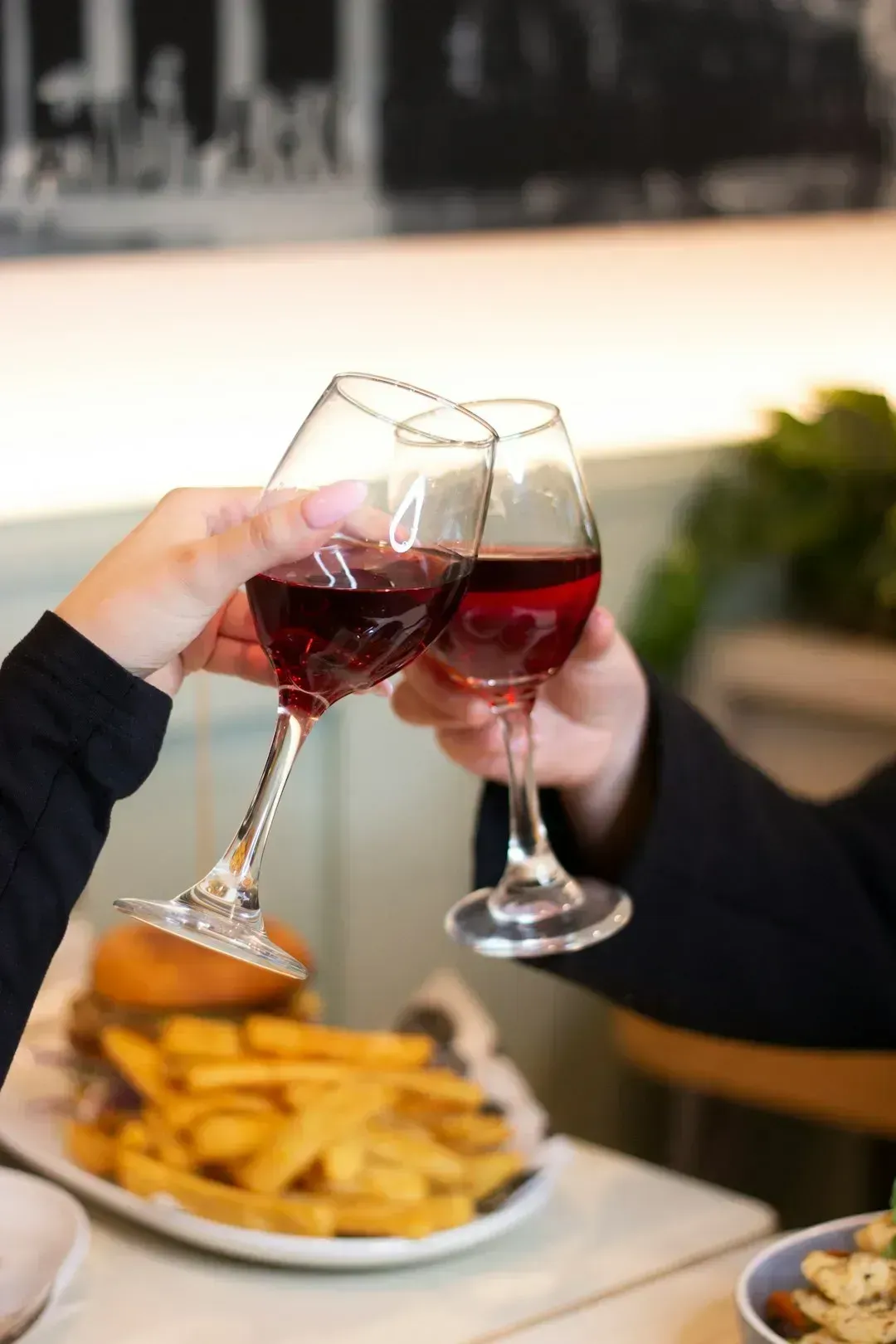
Wine by the glass sounds like a sensible, economical choice. One glass, stay classy, don’t overdo it. Here’s the thing – it’s actually one of the worst deals on the menu. The most basic pricing approach is to charge each glass at the wholesale cost of the entire bottle – if a restaurant pays $15 wholesale for a bottle, they’ll typically charge $15 per glass, generating $60 to $75 in revenue from a $15 wholesale investment.
The industry standard is to mark up a bottle of wine 200 to 300% over its retail sales price, meaning a high-end wine that retails for $20 at a wine store is likely to sell for $60 to $80 at a restaurant. That’s a staggering leap for the same liquid in the same bottle.
A single glass of wine often costs as much as the restaurant paid for the entire bottle at wholesale prices, and establishments price their wine lists this way to cover the cost of the bottle with the first pour – everything else is pure profit. What to order instead? If you want wine, order a full bottle rather than by the glass. You’ll get dramatically more value. Some restaurants also allow corkage, meaning you bring your own bottle and pay a modest fee.
4. Soda and Fountain Drinks
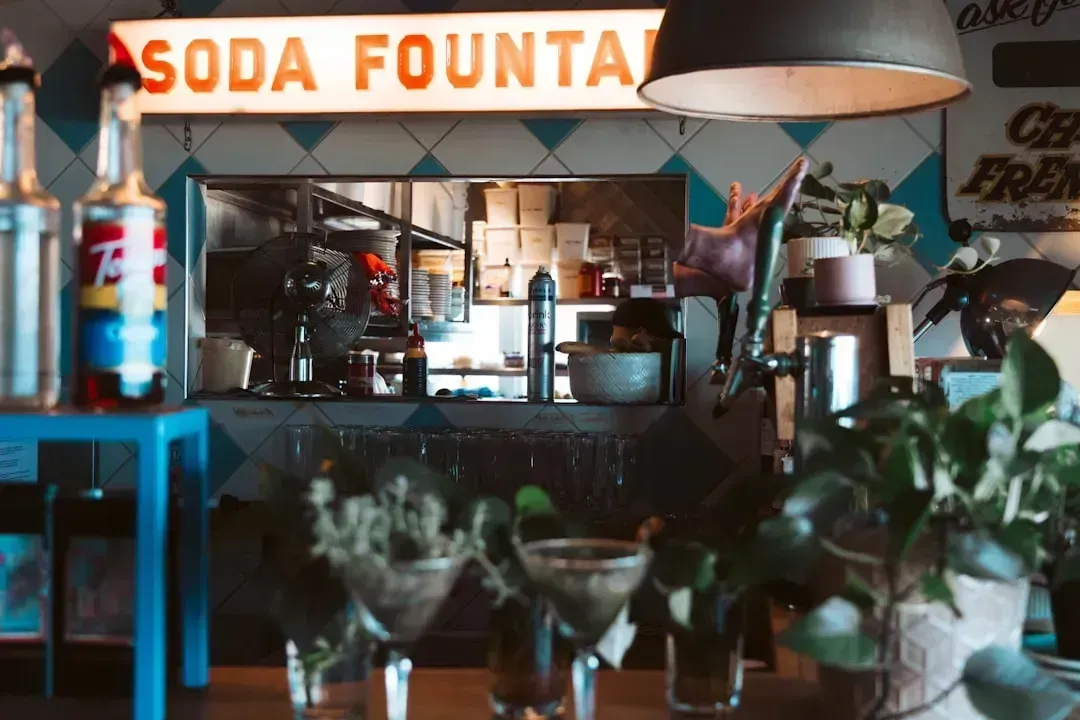
Ordering a Coke at a restaurant feels harmless. It’s just a soda. Except it’s never just a soda. According to Business Insider, restaurant soda clocks in at an average 1,150% markup. That number is genuinely hard to comprehend until you break it down.
The National Restaurant Association notes that fountain sodas often cost restaurants under 20 cents per serving, yet are sold for $2 to $4, yielding profit margins exceeding 1,000% – with free refills common, the actual cost to the restaurant barely rises, making sodas one of the most inflated and least valuable menu items.
The maddening part? You probably don’t even enjoy the soda that much. It’s habit more than desire. What to order instead? Water, as mentioned. Or ask if the restaurant has house-made lemonade or iced tea brewed in-house, which often offers more flavor and only slightly more cost than the soda default.
5. Pasta Dishes
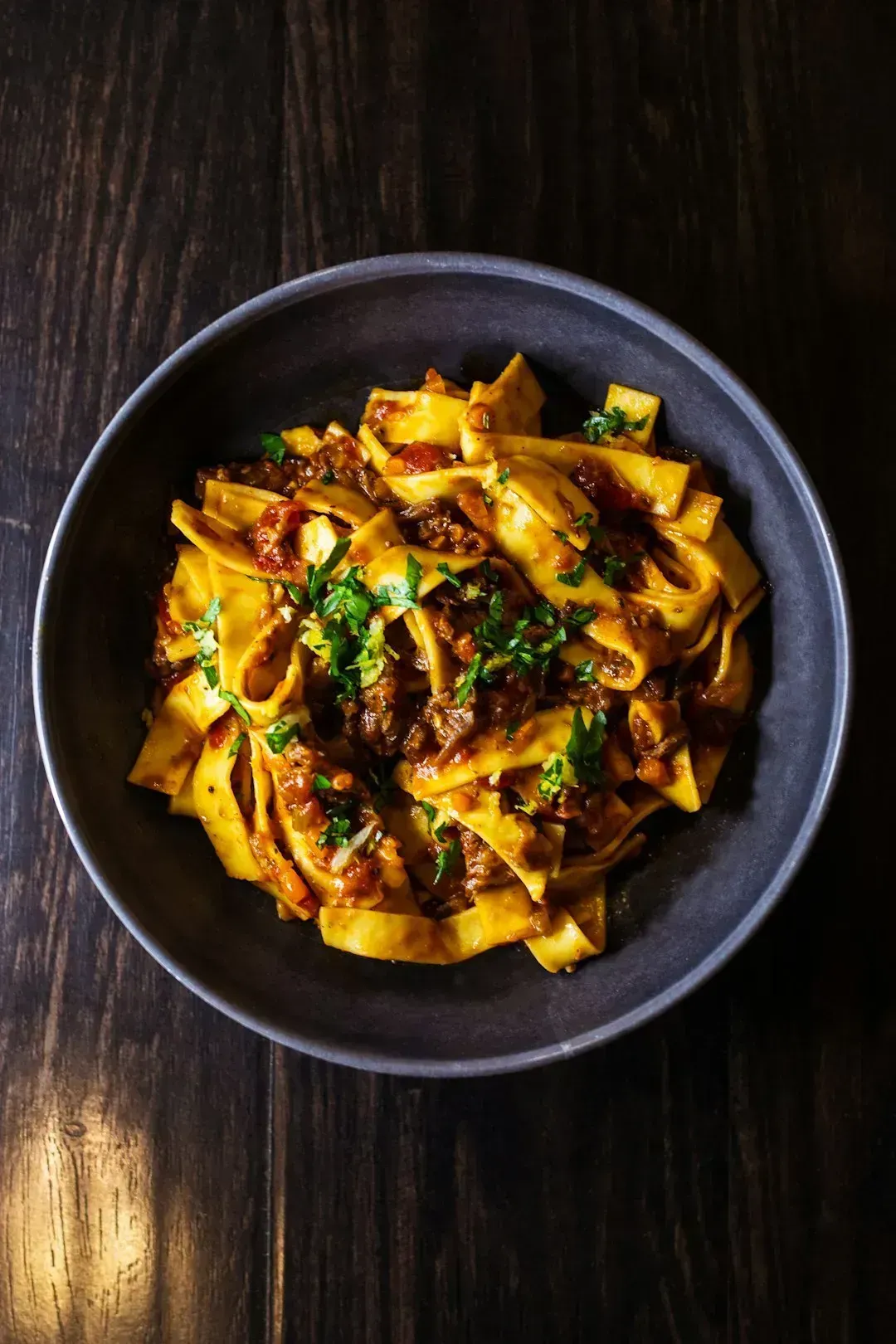
Pasta seems like a safe, filling option that won’t break the bank. After all, it’s just flour and water, right? That’s exactly what the restaurant is counting on you to think. Chefs often cite pasta as one of the highest-margin foods – according to Forbes, a plate of spaghetti with marinara costs restaurants less than $1.50 in ingredients but is often priced at $18 to $24, with profit margins that can exceed 1,200%, especially when the sauce is premade in bulk.
Think about it like buying a pound of flour versus a loaf of bread at a bakery. The markup is baked into the presentation and setting, not the actual substance. Within the restaurant industry, it’s commonly believed markups should be 300% – so if the cost of making a dish is $2, it’ll be priced at $6. Pasta blows right past that benchmark.
What to order instead? Look for dishes featuring proteins that require real skill, time, and expensive ingredients to prepare. Braised meats, slow-roasted options, or chef specials tend to offer far better actual value for the price, because the kitchen’s genuine labor and cost are reflected honestly on the plate.
6. Brunch Egg Dishes
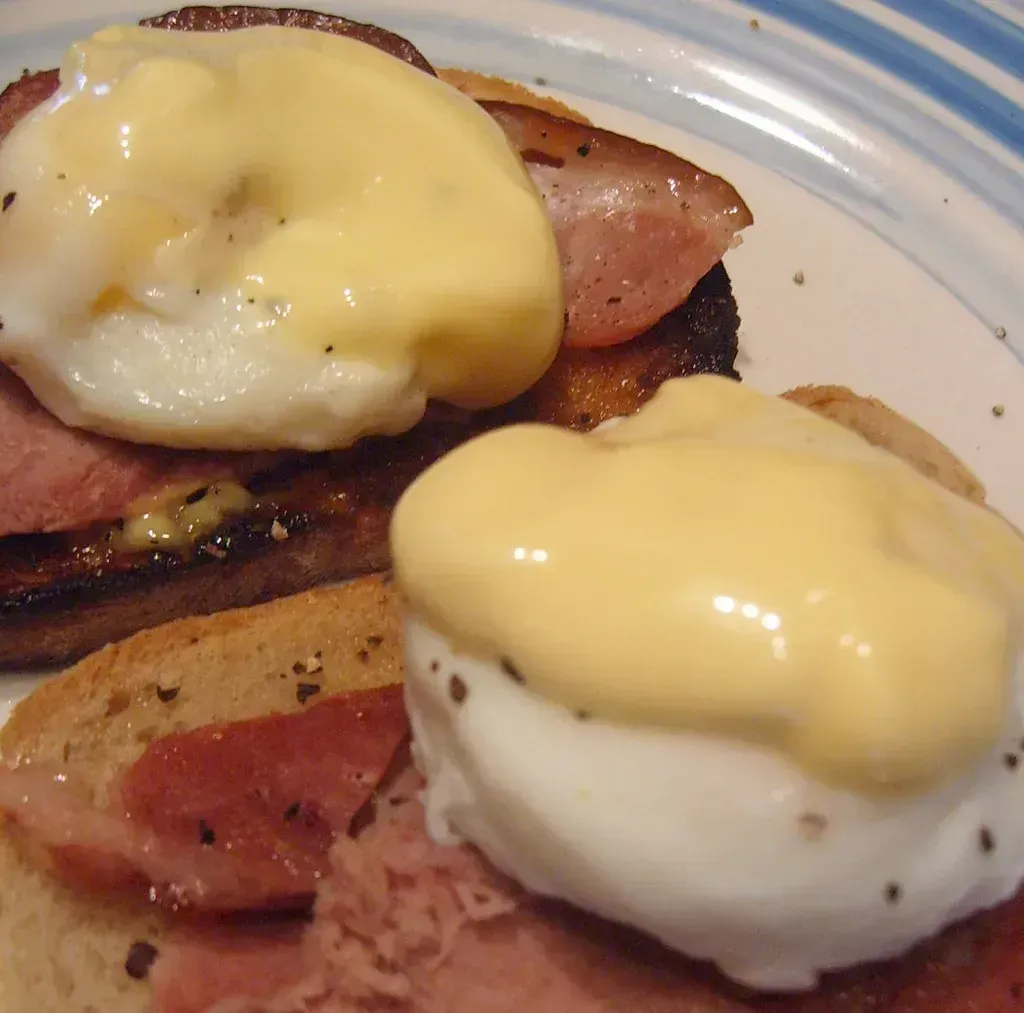
Few dining rituals feel as culturally beloved as a lazy Sunday brunch. However, eggs have earned the title of most marked-up protein at restaurants – even the option to add two eggs for $4 seems steep when a dozen eggs cost less than $4 at retail, meaning at a restaurant, you’re typically paying five to ten times the cost of a retail egg, per egg.
Restaurants capitalize on trendy brunch-goers who don’t have the energy to cook or clean on a Sunday morning, offering breakfast favorites like fried eggs, scrambles, or omelets rounded out with a slice of toast or side salad – unfortunately, these simple dishes come with some not-so-simple prices. The math really is hard to swallow.
What to order instead? If you must do brunch out, skip the standalone egg dishes and look for items that incorporate eggs as part of a more complex preparation, like a shakshuka, huevos rancheros with house-made salsa, or a savory hash that delivers actual kitchen labor for your money. At minimum, you’re getting more than a plate of scrambled eggs priced like a work of art.
7. The Side Salad
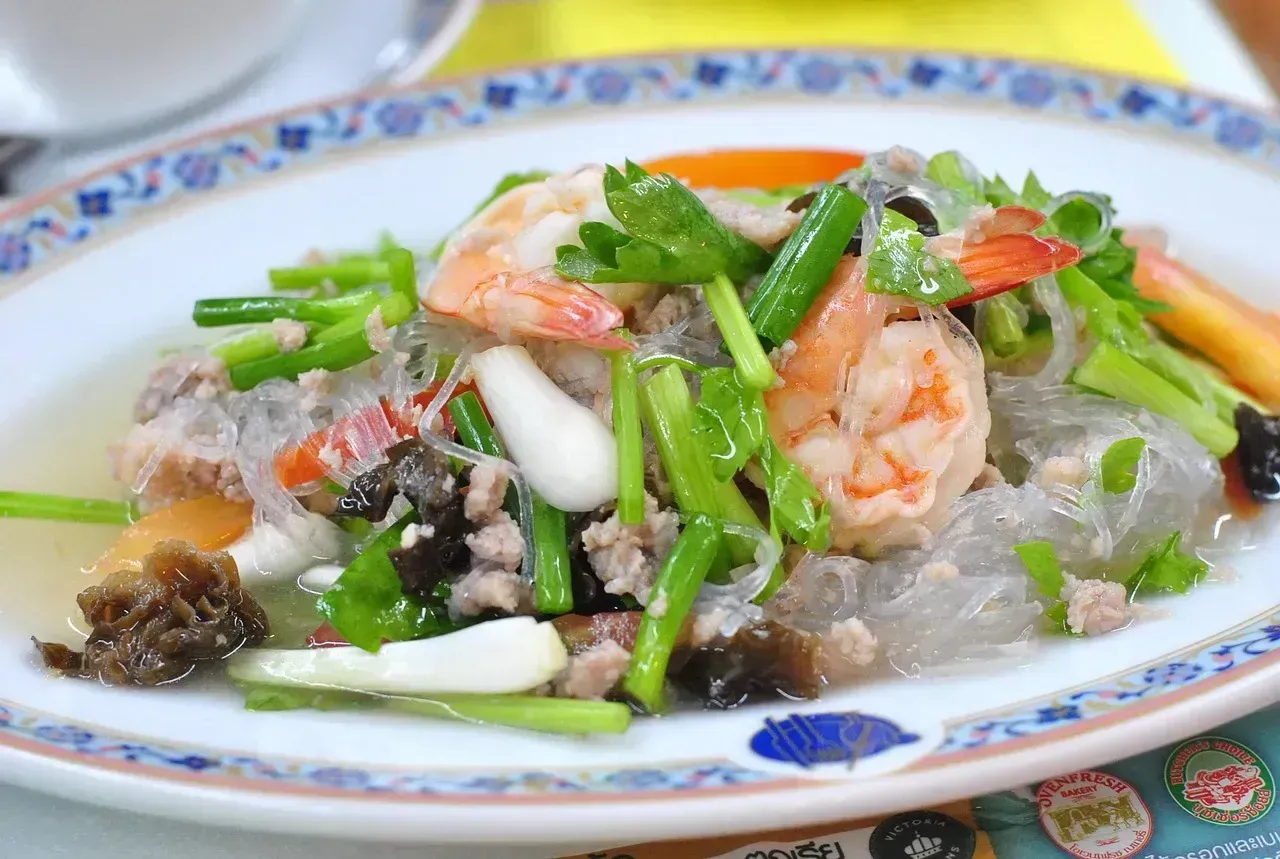
That modest bowl of greens sitting next to your entrée? It has one of the sneakiest markups in the building. Industry data shows that a basic side salad – mostly lettuce, tomato, and dressing – costs under $1 in raw ingredients, yet restaurants frequently charge $6 to $12, and without added protein or premium toppings, these salads deliver some of the highest markups in the industry.
Some salad bar items are marked up more than 350%, according to Food Network Magazine, with items like chickpeas carrying a 386% markup over retail, radishes at 302%, and baby corn at 277%. These aren’t exotic ingredients. They come out of a bag.
What to order instead? If you want something fresh and vegetable-forward, look for a composed salad with grilled protein, roasted ingredients, or house-made dressings that genuinely reflect preparation effort. The more a salad looks like real cooking went into it, the more honest the price. A pile of iceberg with bottled ranch poured over it is not worth ten dollars, no matter how many croutons are on top.
8. Soup of the Day
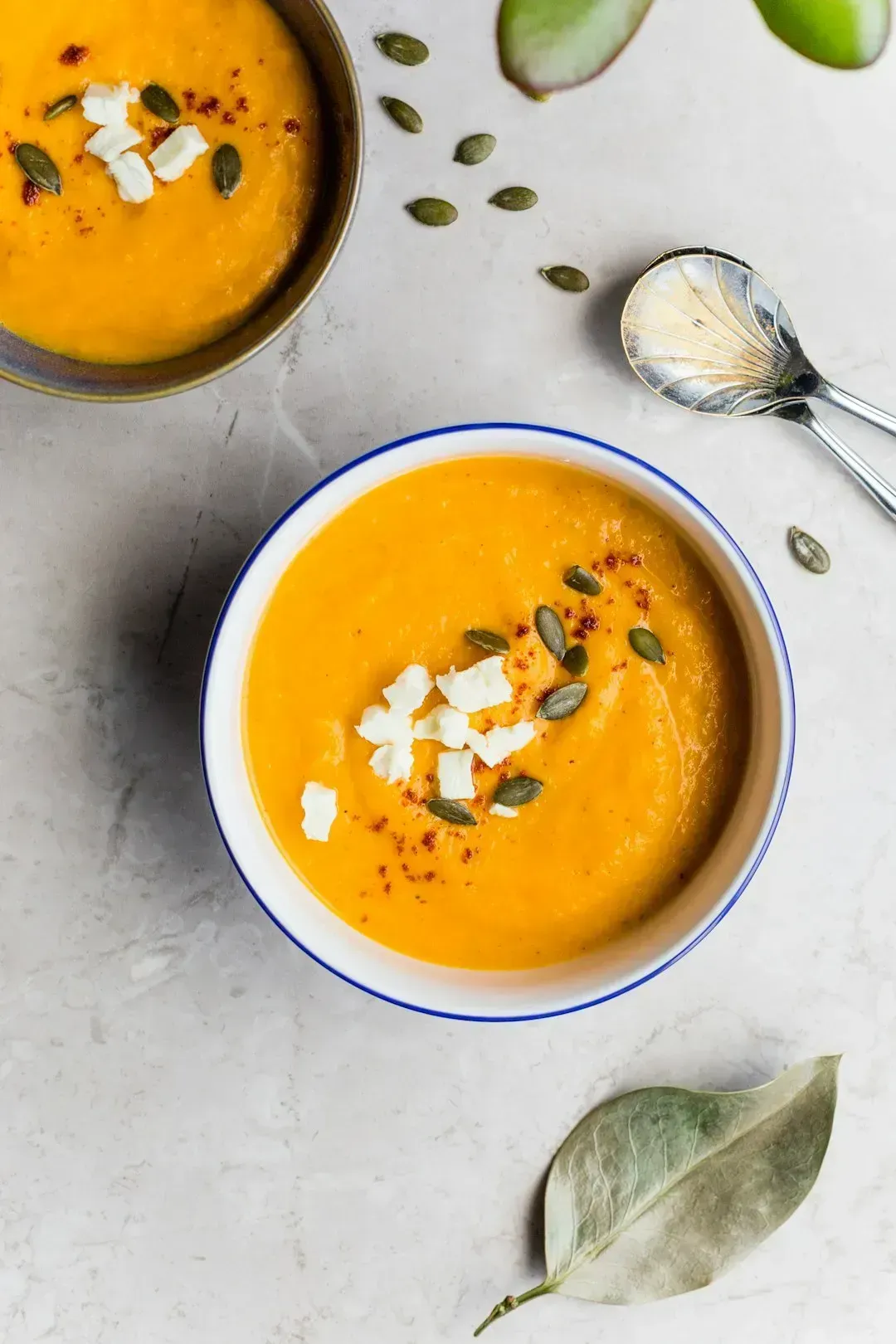
Soup sounds wholesome. It sounds like someone’s grandmother standing over a pot for hours. In reality, daily soup specials are frequently a clever way for kitchens to monetize leftovers and reduce food waste. That’s not inherently bad, but it does mean you might be paying premium prices for yesterday’s vegetable trim.
A bowl of soup might cost around $5 at a chain restaurant, but it’s not the steal you think – restaurant consultant Linda Lipsky noted that a soup could cost as little as 18 cents per serving to make, and some establishments may even purchase pre-made varieties instead of making their own soup from scratch.
What to order instead? If you want to start with something warm and satisfying, look for a clearly described soup that highlights a specific technique – a roasted tomato bisque, a French onion with proper Gruyère gratinée, or a chowder that uses fresh clams. These dishes reflect actual cooking and are worth the price. The generic “soup of the day” listed without description? That’s where you should hesitate.
9. Plain Coffee
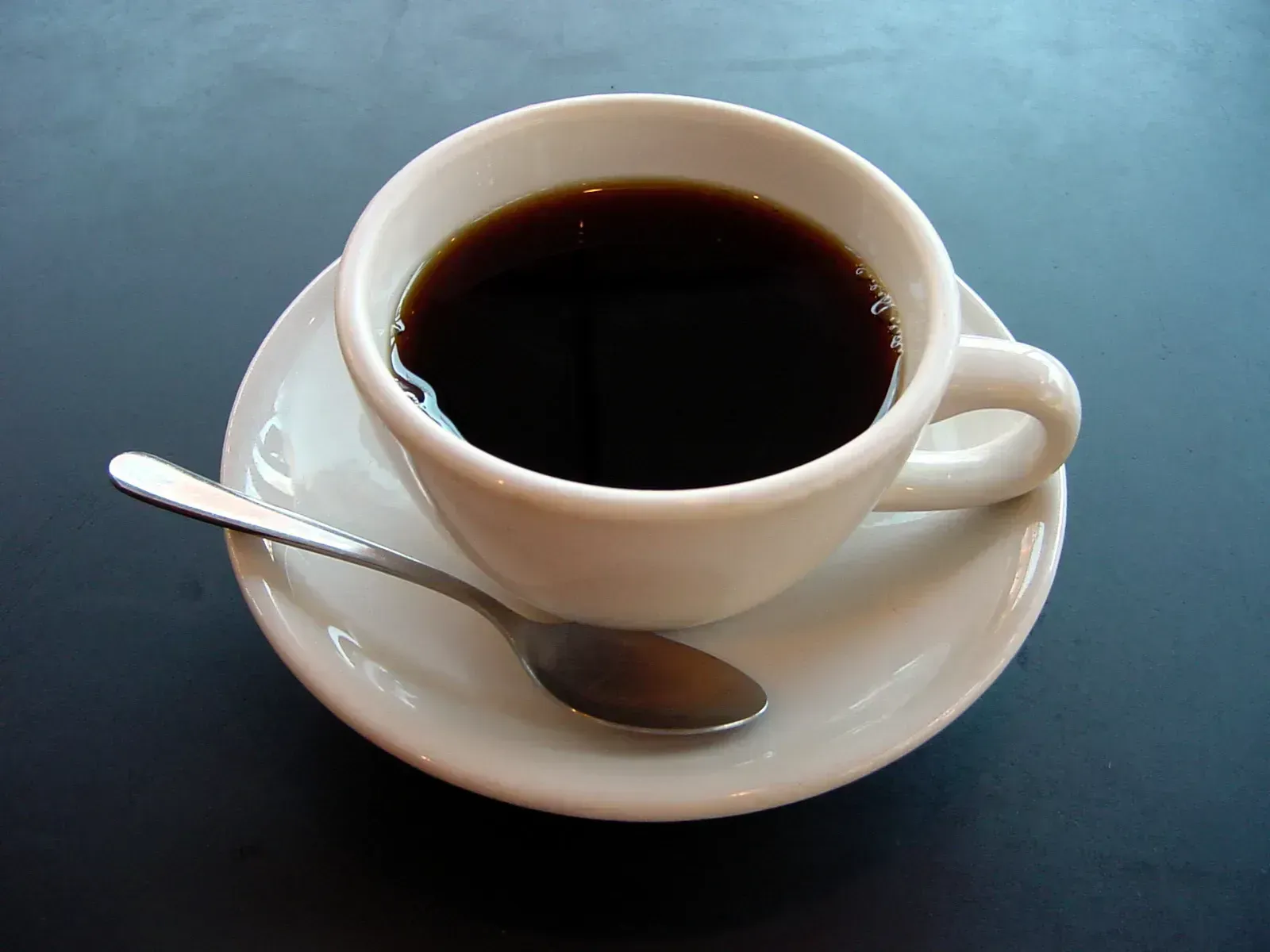
Coffee is, ounce for ounce, one of the most marked-up items ever sold to humans. It’s practically a cultural phenomenon at this point. According to Specialty Coffee Association data, restaurants often pay 10 to 15 cents per cup of brewed coffee but charge customers $3 to $6 – and even when claiming to serve premium beans, many restaurants use bulk blends rather than specialty-grade coffee, meaning diners pay café-level prices for gas-station-quality brews.
As of August 2025, the median price of a regular coffee at restaurants was $3.52, a 0.3% increase from the month prior, with coffee prices up 2.9% year over year. These may not sound like huge numbers, but multiplied over regular dining-out habits, the cumulative hit is real.
What to order instead? If the restaurant offers a specialty pour-over, a French press, or genuinely single-origin coffee with visible care in its preparation, the premium may be justified. Alternatively, save the coffee for the walk home and stop at an actual specialty café where you know what you’re getting. Coffee and specialty beverages are consistent profit drivers for restaurants, with low ingredient costs and high perceived value delivering strong margins with minimal overhead. They’re not going to stop marking it up anytime soon.
10. The Truffle Anything
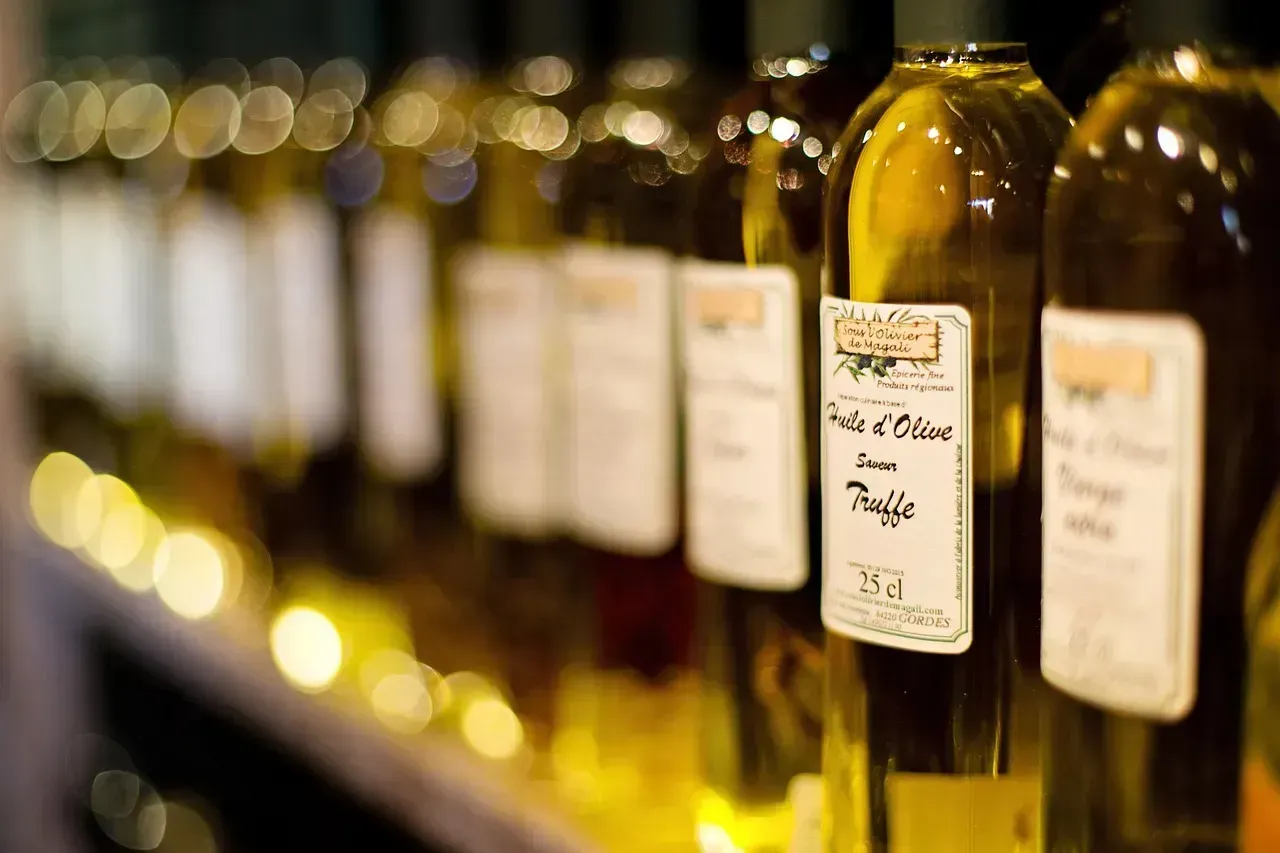
Few words on a restaurant menu trigger an impulse buy quite like “truffle.” It sounds luxurious, rare, earthy, and sophisticated. Here’s what it often actually is: synthetic flavoring in a bottle of oil. A study by the Food Chemistry Journal revealed that over 95% of restaurant truffle oil is flavored with synthetic compounds like 2,4-dithiapentane rather than actual truffles – despite costing just $5 to $10 per bottle wholesale, dishes drizzled with it can add $15 to $25 to the menu price, making it one of the most misleading luxury add-ons in restaurants.
Truffle fries, truffle mac and cheese, truffle aioli – these dishes are everywhere right now, and diners keep ordering them because the word “truffle” triggers associations with expensive tasting menus and Michelin stars. The reality is far more industrial. Most truffle-flavored restaurant items contain no actual fungus whatsoever.
What to order instead? Ask your server directly whether the truffle used is real or oil-based. A confident answer tells you a lot about the kitchen’s honesty. If you actually want a genuine truffle experience, look for fine-dining establishments that showcase them as a seasonal ingredient – shaved over housemade pasta, folded into a risotto, or sliced tableside. That, at least, justifies the price on the plate.