9 Bizarre Historical Coincidences That Still Spark Fear of the Unexplainable
History is full of rational explanations, cause-and-effect chains, and carefully documented facts. Most of the time, we can trace why things happened the way they did. Yet every so often, events line up in ways that make even the most skeptical historian pause and scratch their head. Not because they’re supernatural necessarily, but because the odds of them happening seem almost cosmically absurd.
These are not ghost stories. These are documented, real moments from history where reality briefly stopped making sense. Let’s dive in.
1. Lincoln and Kennedy: The Parallel Lives of Two Doomed Presidents
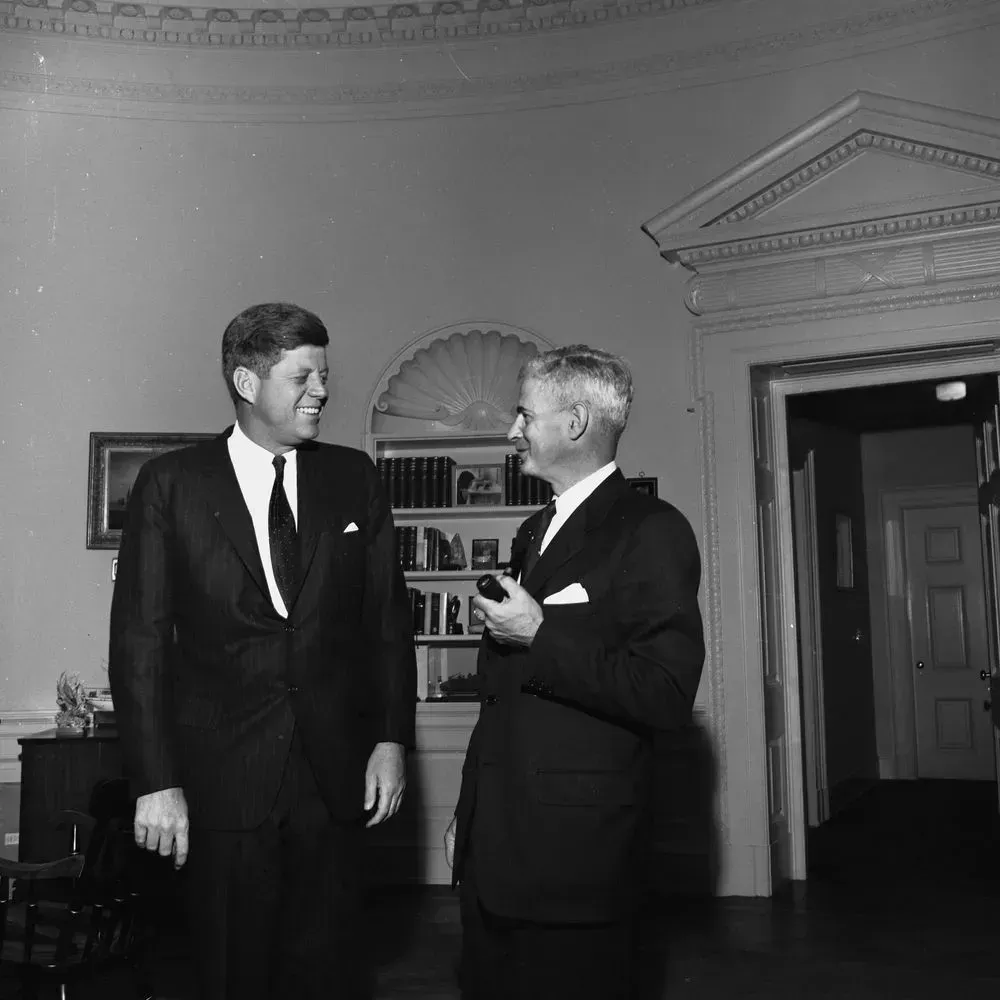
There are many coincidences with the assassinations of U.S. presidents Abraham Lincoln and John F. Kennedy, and these have become a piece of American folklore. Honestly, it’s one of those lists you read once and can’t shake for a week.
Both presidents were elected to Congress and to the presidency one hundred years apart. Abraham Lincoln was elected to Congress in 1846 from Illinois, while John F. Kennedy was elected to Congress in 1946 from Massachusetts. Both were later elected to the presidency in the year ending in ’60, precisely one century apart.
Both presidents were shot in the back of the head, on the Friday before a major holiday, while seated beside their wives, neither of whom were injured. Both of their successors were Democrats named Johnson, with six-letter first names, and both successors were born in a year ending in ’08.
Lincoln was shot at the theatre named “Ford,” while Kennedy was shot in a car called “Lincoln,” made by Ford. The assassins, John Wilkes Booth and Lee Harvey Oswald, were known by their three names, each containing fifteen letters, and both were killed before standing trial. Still, it’s worth noting that while there are a number of verifiable overlaps within the Lincoln-Kennedy coincidences theory, many of the more sensational claims are either misinterpreted or simply false.
2. The Novella That Predicted the Titanic, Word for Word
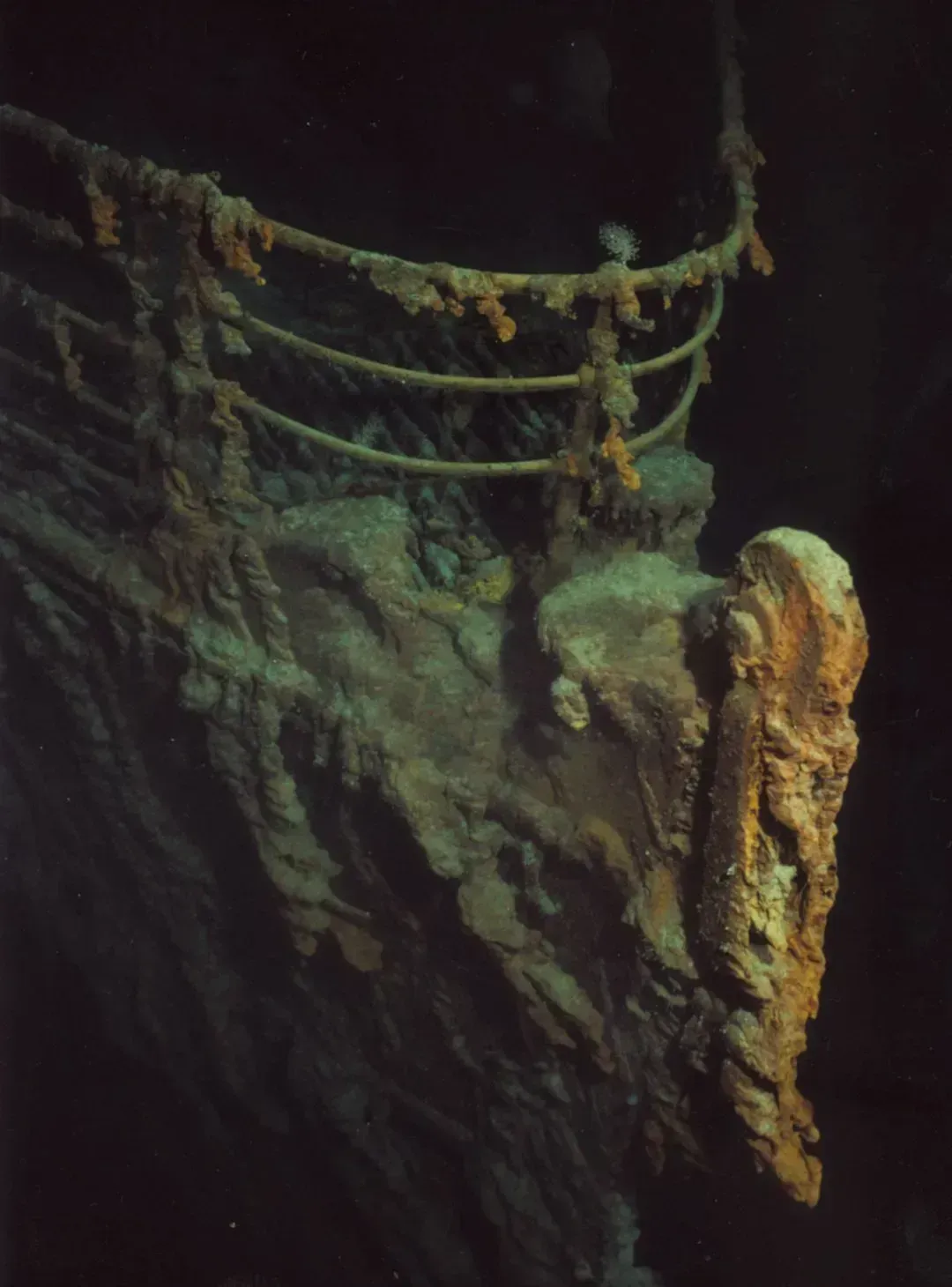
This one genuinely unnerves people. In 1898, a relatively unknown author sat down and wrote a disaster story. Fourteen years later, that story became real life. Futility is a novella written by American author Morgan Robertson, first published in 1898, later revised as Futility, or The Wreck of the Titan in 1912. It features a fictional American ocean liner named Titan that sinks in the North Atlantic Ocean after striking an iceberg. The Titan and its sinking are famous for their similarities to the real-life passenger ship RMS Titanic, which sank fourteen years later.
Each ship had a capacity of around 3,000 people, making it the world’s largest passenger ship at the time of its construction. The ships were remarkably similar in size, with Robertson’s Titan described as 800 feet long, while the Titanic measured 882.5 feet.
Moving at 22½ knots, the Titanic struck an iceberg on the starboard side on the night of April 14, 1912, in the North Atlantic, 400 nautical miles from Newfoundland. Moving at 25 knots, the Titan also struck an iceberg on the starboard side on an April night in the North Atlantic, 400 nautical miles from Newfoundland.
After the Titanic’s sinking, some people credited Robertson with precognition and clairvoyance, which he denied. Scholars attribute the similarities to Robertson’s extensive knowledge of shipbuilding and maritime trends. I think that’s the rational explanation, but it doesn’t make the goosebumps go away.
3. The Curse of Tamerlane’s Tomb and the Nazi Invasion

Here’s the thing about this one: it involves a centuries-old warning, Soviet archaeologists who should have known better, and one of the most destructive military campaigns in human history. The tomb was sealed with warnings which read “When I rise from the dead, the world shall tremble,” and “Whoever opens my tomb will unleash an invader more terrible than I.”
The archaeologists did not heed the warnings and opened the tomb anyway on June 20, 1941. On June 22, 1941, Hitler began the surprise invasion of the Soviet Union, leading many people to believe that it was caused by the curse.
Stalin eventually ordered Tamerlane’s remains be returned to his tomb in Samarkand with proper burial rights on December 20, 1942. Shortly after, the Battle of Stalingrad took place. The battle was one of the deadliest in human history, causing over a million deaths and casualties. It did, however, end with the defeat of the Nazi forces.
In reality, there is no curse carved on the inside of the coffin or the jade slab tomb, but rather a simple Islamic prayer in the coffin and the jade slab just had a list of ancestors of Timur. Rational? Sure. Unsettling? Absolutely, yes.
4. The Franz Ferdinand License Plate That Encoded the End of WWI
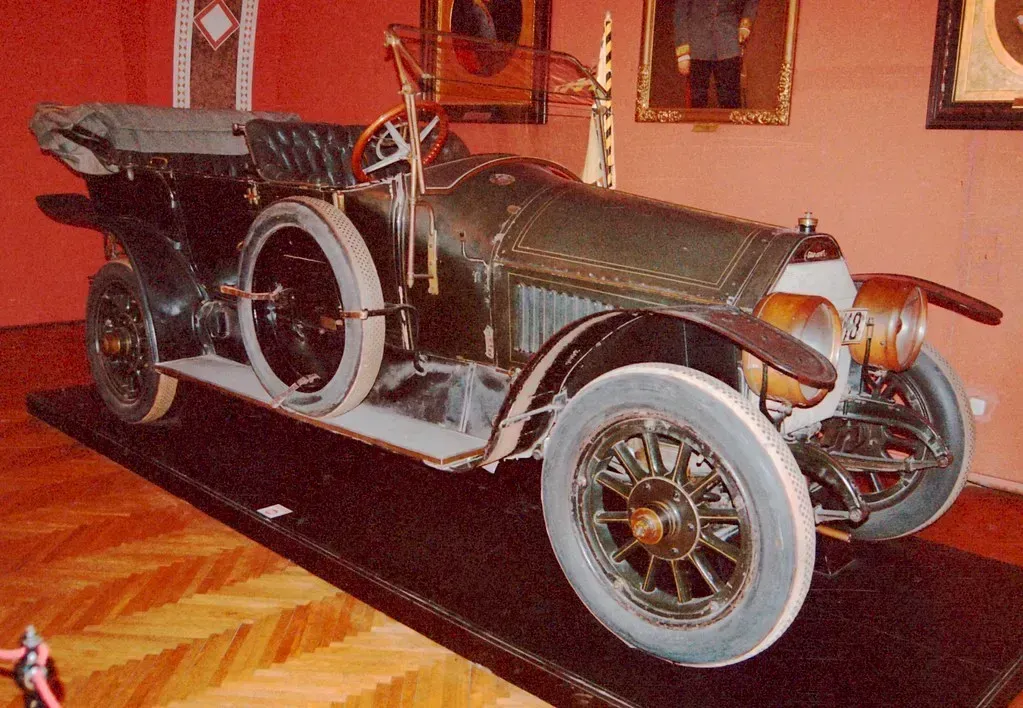
Sometimes history hides clues in plain sight, and this one is almost too precise to feel real. A license plate may seem like trivia unless it reads “AIII 118.” That belonged to the car Archduke Franz Ferdinand rode in when he was assassinated in 1914. The Great War began. Four years later, World War I ended on 11/11/18.
The archduke’s car bore what appears to be a date stamp for the armistice that would end the very war his killing ignited. Coincidence? Almost certainly. Creepy? Without question.
While you might have learned that World War I was caused by the assassination of Archduke Franz Ferdinand, your history teacher could have left out the fact that the assassination was made possible because the assassins stopped for a sandwich. Their original attempt to kill the archduke failed miserably: their bomb hit the car behind Ferdinand’s, and he escaped the scene unscathed. Obviously, the assassins were angry about this, and one of them stopped to get a sandwich at a nearby cafe.
Unfortunately, the archduke’s driver made a wrong turn and passed right by the cafe where his attacker had stopped for a bite to eat. The man saw him, shot the archduke and his wife, and sent the world into a tailspin. The assassination is said to have been the launch point for World War I. A wrong turn and a lunch break. That’s what changed the 20th century.
5. Mark Twain and Halley’s Comet: A Life Bookended by the Sky
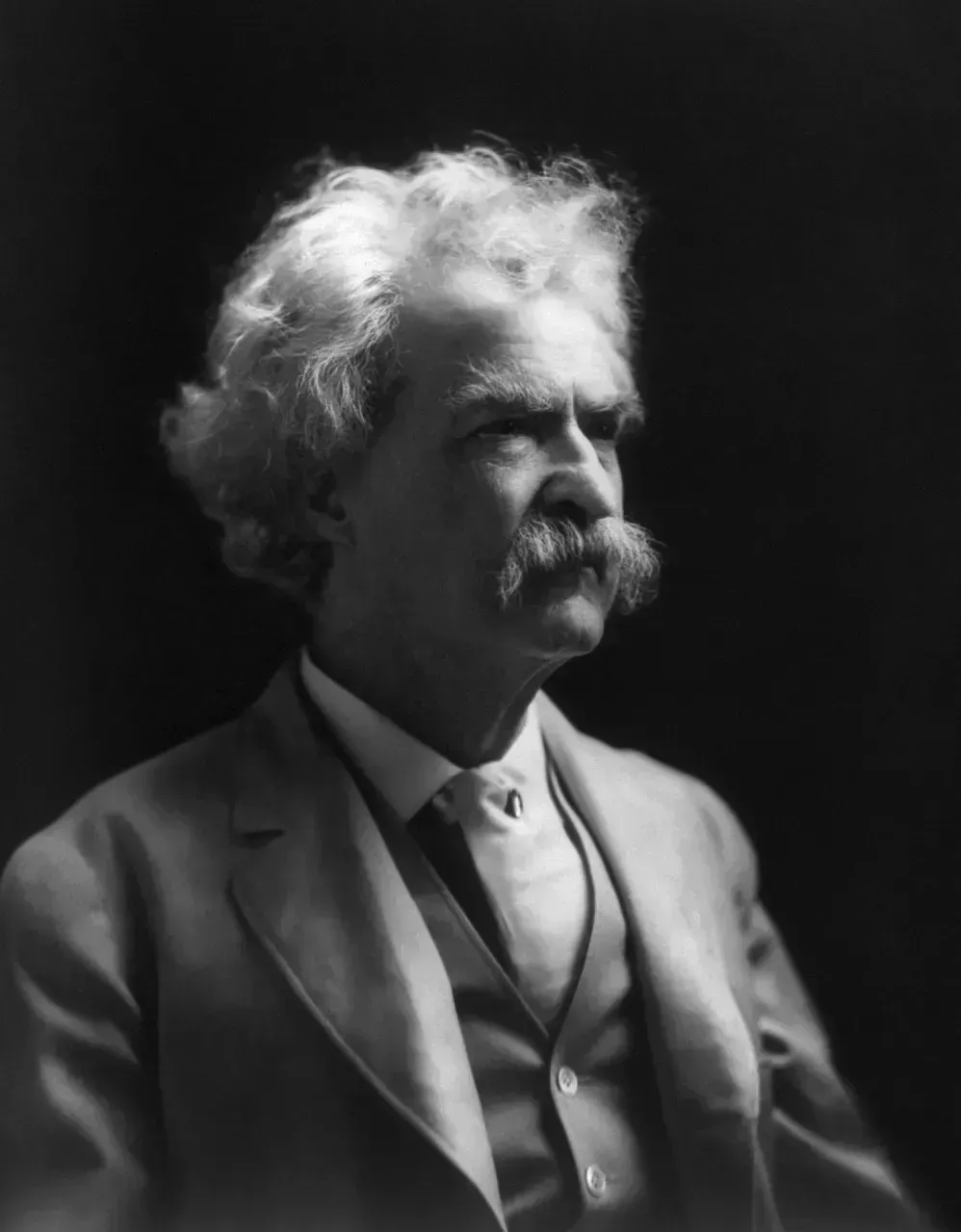
Some coincidences feel almost poetic, like the universe was telling a story it had planned all along. Author Mark Twain was born in 1835, a year that Halley’s Comet was visible from Earth, a phenomenon that occurs just once every 76 years. The day after the next appearance of the comet, in 1910, Twain died.
What makes this even more extraordinary is that Twain himself saw it coming. The year before his death, Twain had actually predicted this very outcome, stating “I came in with Halley’s Comet in 1835. It is coming again next year, and I expect to go out with it.”
In 1910, Twain died of a heart attack the day after the comet’s closest approach. The alignment still stands as an astonishingly personal astronomical coincidence. The man essentially predicted his own death by a cosmic calendar, and then it happened exactly as he said. Make of that what you will.
6. Jefferson and Adams: Two Founding Fathers, One Final Day
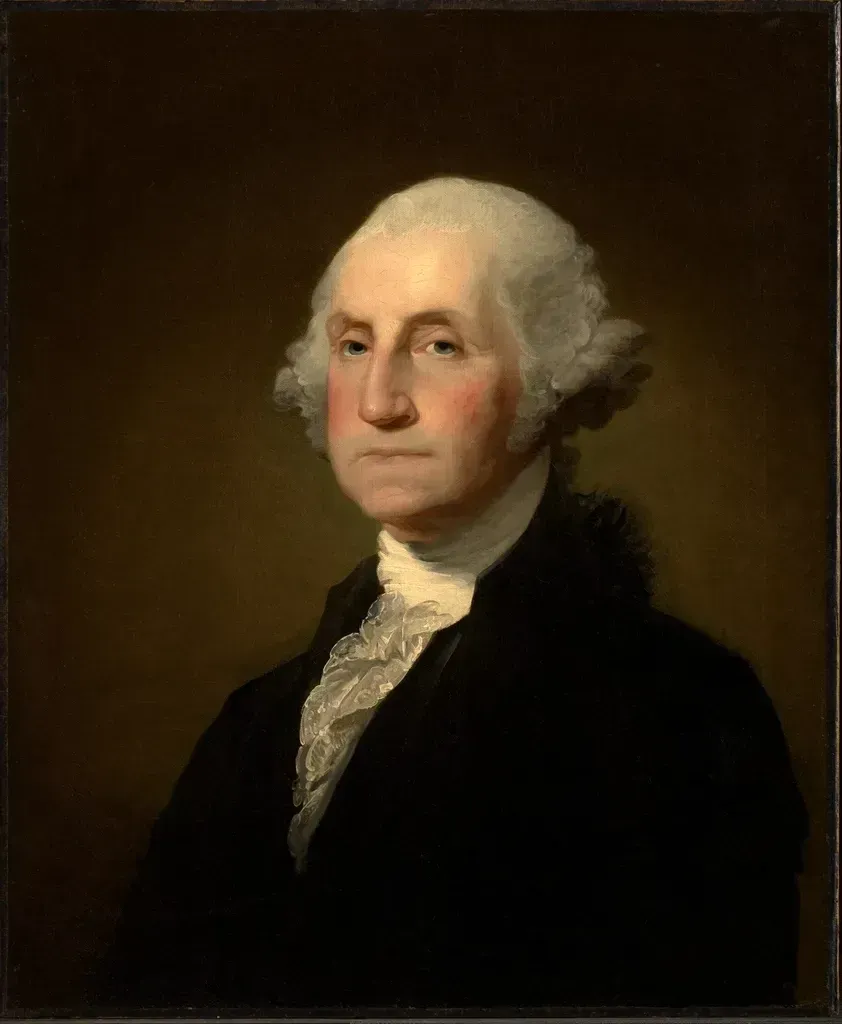
If a novelist wrote this into a script, editors would call it too on the nose. Yet it happened, and it is thoroughly documented. Thomas Jefferson and John Adams, both pivotal Founding Fathers and former political rivals, died on July 4, 1826. This date marked the 50th anniversary of the Declaration of Independence, a document they both helped shape.
Founding fathers Thomas Jefferson and John Adams, alternately close friends and bitter rivals across their intertwined political careers, died on the same day, July 4, 1826, the 50th anniversary of American independence. At around 6 p.m. on that fateful day, Adams, unaware that Jefferson had died just after noon, uttered his final words: “Thomas Jefferson survives.”
He didn’t. Jefferson had quietly passed hours earlier. Two men who shaped a nation, who clashed politically and reconciled personally, who co-authored the founding of a country, left on its most symbolic anniversary. The odds of this double exit on that particular day remain staggering.
7. The Jim Twins: Two Lives Lived in Eerie Parallel

Let’s be real, most coincidences stretch a few details. This one stretches an entire lifetime. In 1979, a set of twins was reunited at age 39. They had been separated at four weeks old, and for 37 years, hardly knew of each other’s existence. When they met, both boys had been named Jim by their adoptive parents, both loved math and carpentry, and both pursued careers in security. Even eerier, they each married women named Linda, divorced, and remarried women named Betty.
They each had a son, one named James Alan and the other named James Allan. They also each had a dog named Toy.
The scientific community has since discussed this case extensively in the context of twin studies and behavioral genetics. It’s hard to say for sure whether genetics entirely explains the parallel naming choices, the matching career paths, and identical pet names. The takeaway isn’t that our DNA is destiny, or that some unseen hand is guiding our actions. Confirmation bias is real, but coincidences are fun. In a certain way they might “mean nothing,” but the fact that we persist in identifying them and finding them noteworthy means something.
8. The Hoover Dam Father and Son: Same Death, Same Day, 14 Years Apart

When the Hoover Dam was built in the 1920s, records from that time show that exactly 96 people died during its construction. That’s an unfortunate number, of course, but also one that may be expected, considering the incredible dangers associated with a project like that.
Of the 96 deaths caused by the Hoover Dam’s construction, two of them really stand out. They were father and son. They died on the exact same day, 14 years apart.
On December 20, 1921, a man named John Gregory Tierney died when he drowned in a flash flood caused by the ongoing construction of the Hoover Dam. Tierney was one of the construction crew’s first-ever fatalities, which made his death that much more poignant. Fourteen years later, on the same day, his son Patrick passed away while working on the same project. Neither event was linked in cause, but the dates and bloodline make it unforgettable. It feels like something from a Greek tragedy, written not by a playwright but by fate itself.
9. Germany’s November 9: A Nation’s “Day of Fate”

Most countries have one or two dates that carry deep historical weight. Germany has one date that seems to own history itself. Germans have their own coincidentally significant day: November 9. A number of famous and infamous events in German history have fallen on that day, from the announcement of Kaiser Wilhelm II’s abdication of the throne in 1918, which put an end to the German monarchy, to the horrors of Kristallnacht in 1938. In 1989, the Berlin Wall fell on November 9, cementing the day’s standing in the German public consciousness.
Germans even have a word for it: Schicksalstag, or “The Day of Fate.” Think about that for a moment. A single calendar date witnessed the collapse of a monarchy, the beginning of the Holocaust’s most brutal public phase, and the fall of the wall that divided a continent for nearly three decades.
Whether this is pure statistical chance or something more is a question that historians, philosophers, and ordinary people have wrestled with for decades. From eerie similarities in historical figures’ lives to uncanny repetitions of major world events, coincidences have fascinated people for centuries. Sometimes, chance alone can explain such patterns, but other times, the alignment of details is so precise it defies logical explanation.