Experts Say Homebuyers Are Steering Clear of These 7 Storm-Prone States – A Growing Concern
Something significant is happening in the American housing market, and it goes way beyond mortgage rates or inventory shortages. Buyers are starting to vote with their feet – or more accurately, their wallets. Climate risk has quietly moved from a fringe talking point to one of the most powerful forces reshaping where Americans choose to live.
More than one in four U.S. homes, amounting to $12.7 trillion in real estate, faces at least one type of “severe or extreme climate risk,” like floods, hurricanes, and wildfires, according to a Realtor.com Climate Risk Report. That is a staggering number. It means roughly a quarter of the entire American real estate market sits squarely in the crosshairs of forces that are only growing more intense.
What follows is a gallery-style look at seven states where those forces are now actively pushing homebuyers away. Let’s dive in.
1. Florida – The Hurricane State That’s Losing Its Middle Class
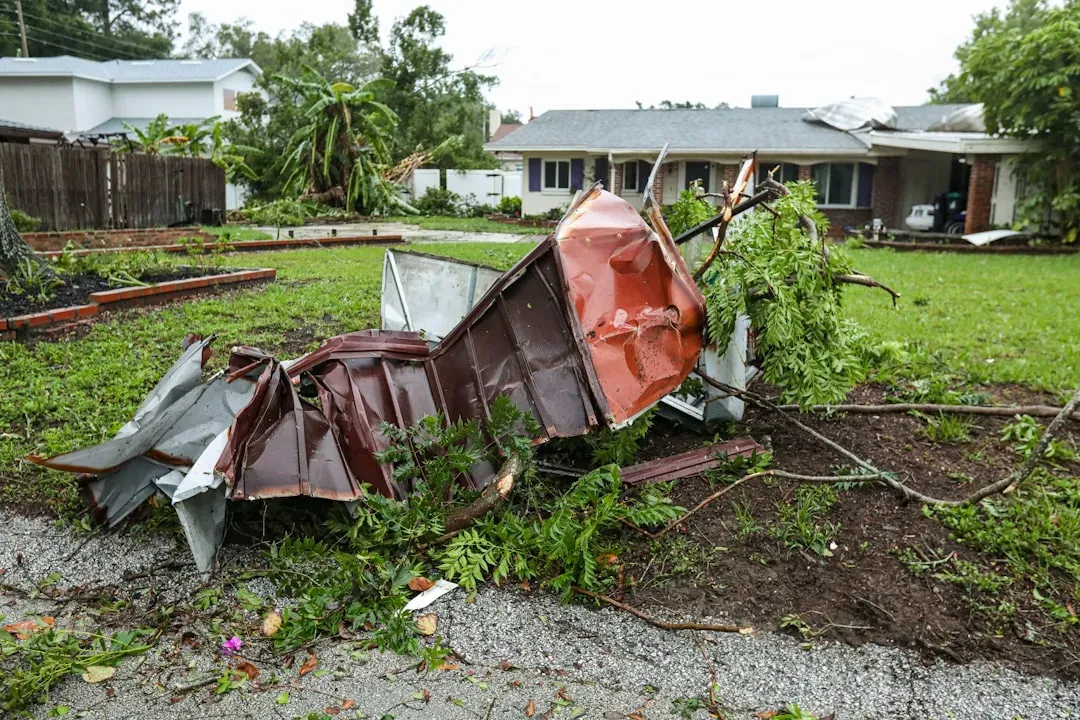
Florida has long been the poster child of weather-related housing risk, and the data keeps piling up. In Redfin’s 2025 prediction report, analysts say the higher occurrence of natural disasters could start depressing home prices, particularly in coastal Florida and hurricane-prone parts of Texas. That is a blunt warning from one of the country’s most influential real estate platforms.
Real estate generates almost 17% of Florida’s GDP, but with increases in tropical storms, Florida’s housing market has had to adapt, becoming more reliant on wealthy homebuyers. Due to recent hurricanes, especially Milton, less affluent homeowners are beginning to pack up and move from the Sunshine State, while wealthy newcomers are flocking in.
More than a dozen insurers have left Florida or gone insolvent since 2020, driven by soaring litigation costs and hurricane losses. Florida accounts for 79% of insurance lawsuits in the U.S., and Hurricane Ian alone caused $113 billion in damage. Honestly, those numbers are almost hard to believe – but they are real, and they are reshaping an entire state’s demographic.
There are indications that Floridians are leaving the state. Mortgage applications from both in-state and out-of-state buyers are declining, and more Floridians are applying for loans elsewhere. According to a Cotality analysis, nearly half of mortgage applications from people leaving Florida are for homes in Georgia, North Carolina, South Carolina, Tennessee, and Texas.
2. Louisiana – Where Insurers Are Going Broke and Buyers Are Backing Off
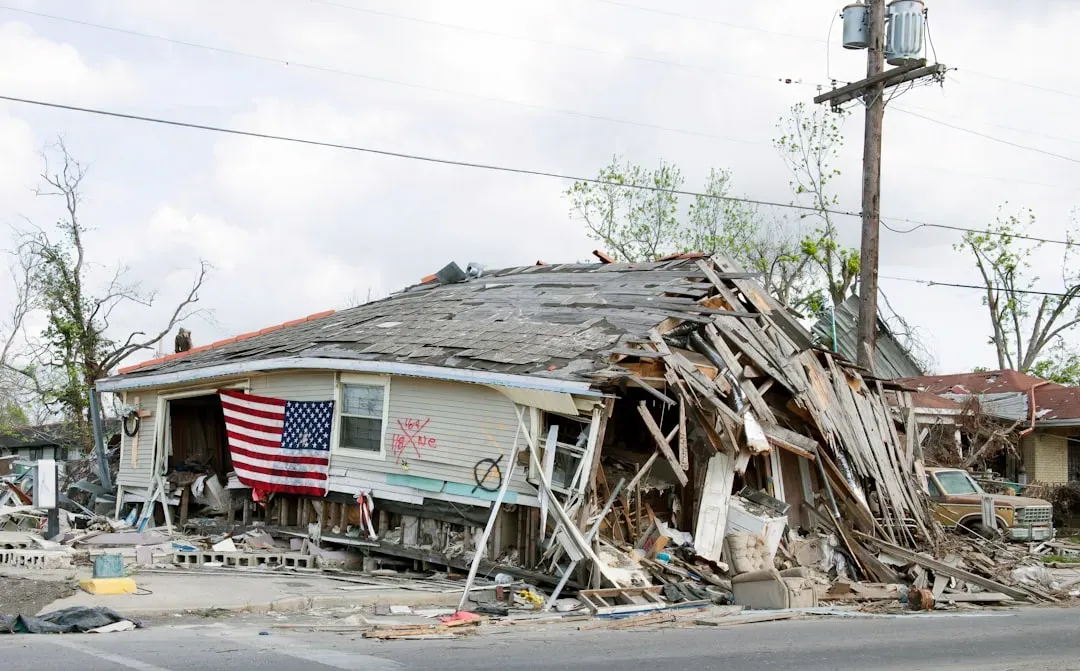
Louisiana’s relationship with destructive weather is arguably the most punishing of any state in the nation. Florida, Louisiana, and Texas alone account for about two-thirds of all hurricane and flood losses. For a state with a relatively small population, that concentration of risk is extraordinary.
Louisiana has experienced the third-highest number of hurricanes in United States history. Since major hurricane damage struck the state in 2020, more than 20 small insurers have either withdrawn from Louisiana or become unable to pay their debts. That is not a market wobble – that is a structural collapse of the insurance safety net.
In Louisiana, homeowners are paying roughly three times the national average for home insurance, according to Insurify. Think about what that means for a first-time buyer trying to budget for a mortgage: the insurance cost alone could make an otherwise affordable home completely out of reach. Fully 100% of homes in 14 major metros in Louisiana, South Carolina, Florida and Texas carry severe or extreme hurricane wind risk, according to the report.
3. Texas – Wildfires, Tornadoes, and Floods All at Once
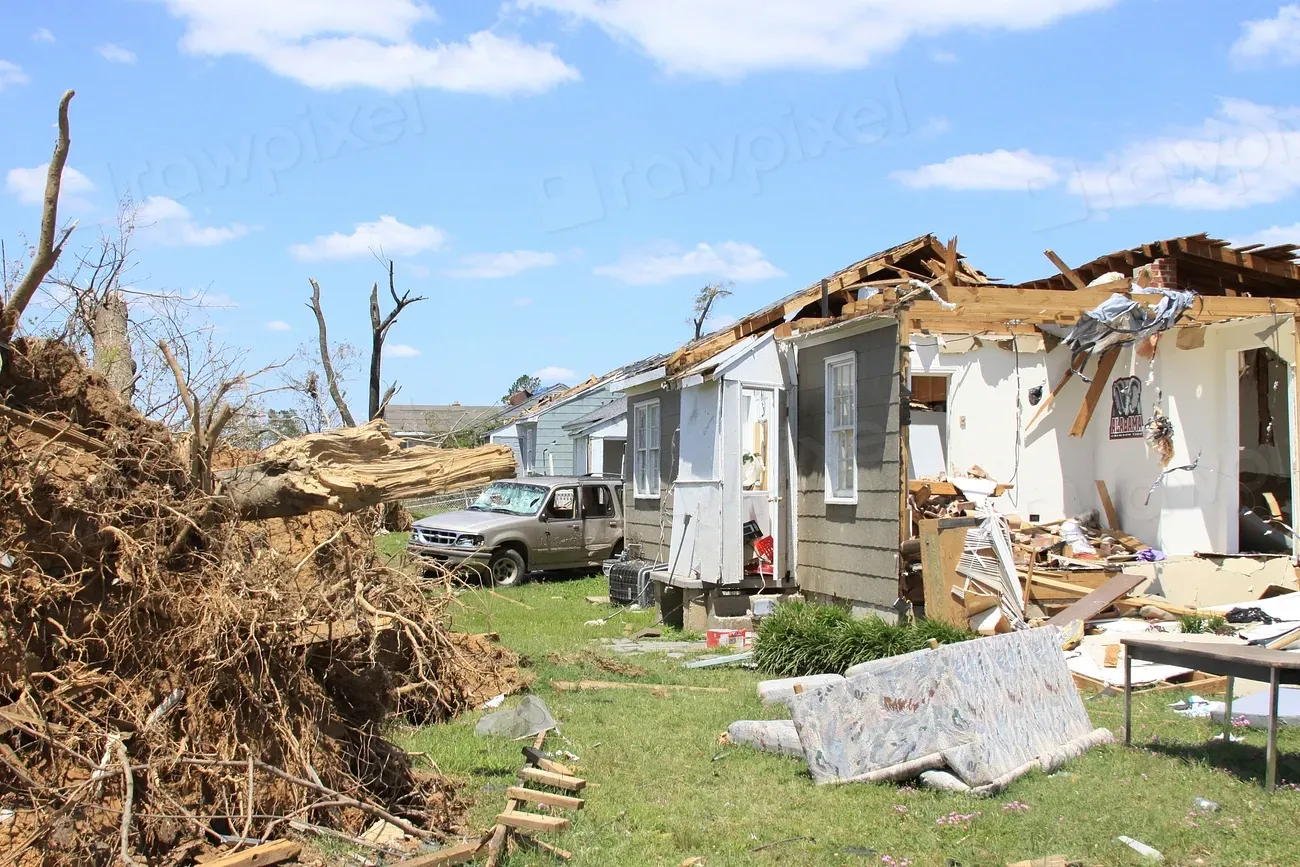
Here’s the thing about Texas: it faces not one but several overlapping climate threats simultaneously. While Texas’s suburban developments increasingly extend into tornado-prone regions, wildfires are posing risks to even the sturdiest properties in the West. It is the kind of compound risk that keeps insurance actuaries up at night.
If too many insurers leave the market and homeowners can’t find policies through private insurers, Texas risks overburdening the FAIR Plan, its insurer of last resort. Texas FAIR Plan policies increased by 26% in the first half of 2024, according to a Texas Department of Insurance report. That jump in last-resort insurance use is a red flag that the traditional market is buckling.
In fourteen major metros across Louisiana, Florida, South Carolina, and Texas – including Miami, Houston, Tampa, and New Orleans – every home is exposed to severe or extreme risk of wind damage. Because these risks frequently overlap with flood exposure, homeowners in coastal markets face compounded threats. Financially, the burden is amplified by high hurricane deductibles; in many states, homeowners with a $400,000 policy may need to cover as much as $20,000 in damage before insurance kicks in.
4. California – Wildfires Burning Through Property Values and Buyer Confidence

California remains one of the states most affected by wildfires, leading to significant disruptions in the real estate market. In previous years, wildfires have displaced thousands of residents, reduced housing inventory, and driven demand for homes in lower-risk areas. The 2025 Los Angeles fires only accelerated that exodus of confidence.
Some “pretty high-profile” climate events have occurred in recent years, such as the devastating LA wildfires, which consumed an estimated $150 billion worth of property wealth. That is not a rounding error. That is an entire generation of homeowner equity wiped out in a matter of weeks. In Los Angeles, for example, home sales declined by 4% year over year due to the increasing frequency of wildfires, according to Redfin.
Insurers are pulling out of some states with substantial wildfire or hurricane risk – like California, Arizona, Florida, and North Carolina – leaving some areas “uninsurable.” Let that word sink in for a moment. “Uninsurable.” An incredible 57% of Floridians and 49% of Californians said their selection of home insurance companies is shrinking.
5. North Carolina – Hurricane Helene Changed Everything
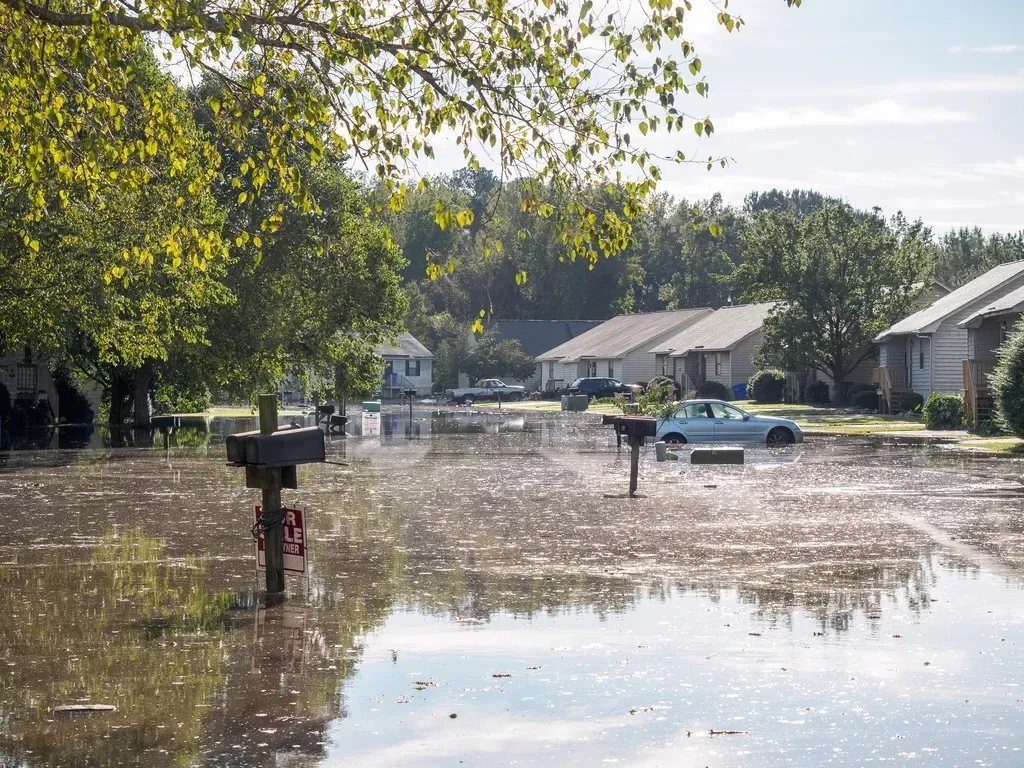
North Carolina used to feel relatively insulated from the worst of hurricane damage, at least in the inland areas. That illusion was shattered. Hurricane Helene was one of the largest hurricanes to hit the U.S., with tropical-storm-force winds felt more than 450 miles from the storm’s center. Asheville, a city most people would never have called a hurricane risk, was devastated by flooding.
Cotality data shows homes in Wilmington, North Carolina remained on the market 19% longer in 2025 than in early 2024. That is a measurable market signal that buyers are hesitating, pausing, or walking away entirely. In North Carolina, state officials managing Hurricane Helene’s recovery warned that key federal funding for home reconstruction could be delayed for months.
While many people fleeing Florida’s high-risk coasts are relocating to the Carolinas in search of perceived safety, this shift can be problematic. The Carolinas, especially coastal and low-lying regions, also face some of the highest hurricane risk in the country. This false sense of security can leave homeowners vulnerable to both financial and physical loss, especially in communities where building codes, emergency planning, and insurance systems haven’t yet adapted to rising storm intensity.
6. South Carolina – The Underestimated Danger Zone
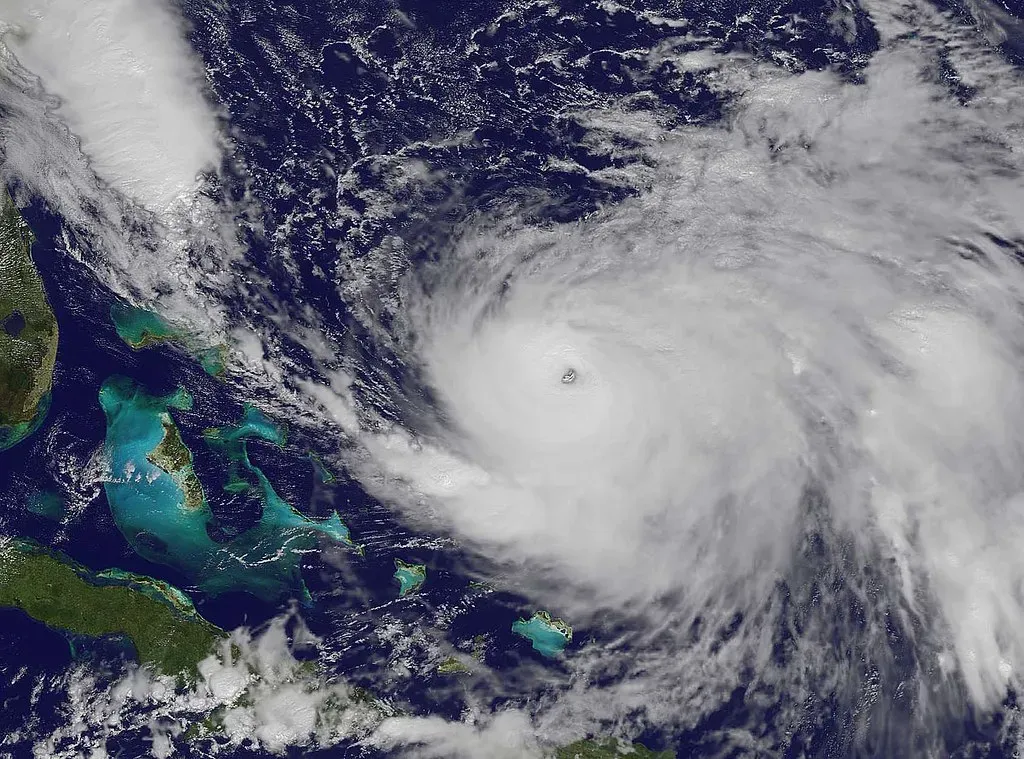
South Carolina rarely dominates the national headlines the way Florida does, but the data tells a different story. South Carolina has 21% of housing units at risk of storm surge. That is not a minor, coastal fringe issue – that is a significant portion of the state’s entire residential housing stock facing wave-driven destruction during a major storm event.
More than 12 insurance carriers in South Carolina became insolvent from 2021 to 2023, while another six opted to exit the state entirely. I think most homebuyers looking at a charming Charleston property have no idea that this is the insurance reality underneath the surface. In high-risk states like Florida and Texas, some insurers have gone bankrupt or exited the market, putting pressure on state-backed insurers – and South Carolina is increasingly being pulled into that same orbit.
Florida cities dominate the list of expensive insurance markets, with Tampa, Palm Bay, and North Port all ranking among the top ten. These burdens come on top of structural gaps in coverage: flood insurance is typically sold separately, hurricane deductibles are significantly higher than standard policies, and wildfire coverage in many regions is either limited or unaffordable.
7. Hawaii – Paradise at a Price That Keeps Going Up
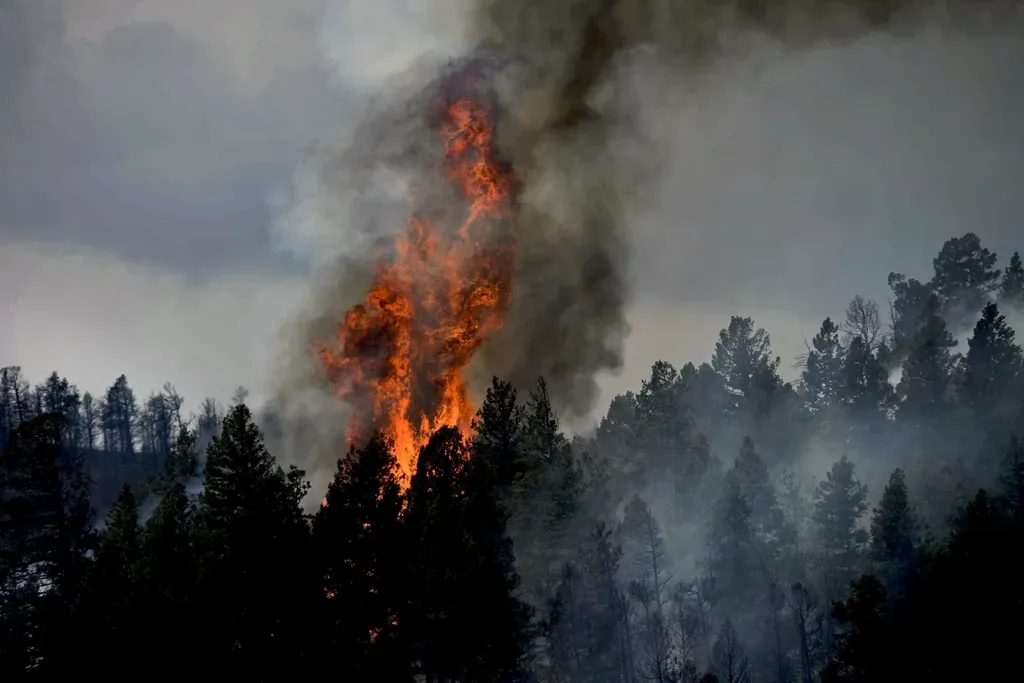
Hawaii occupies a unique and often overlooked position in the climate risk conversation. After the 2023 Maui wildfires, homelessness in Hawaii rose by 87%. That single statistic reveals just how catastrophic a major fire event can be for an island community with limited land, limited housing supply, and a very finite ability to absorb disaster-driven displacement.
People are struggling with mounting premium costs, and some home sales are falling through as people cannot secure insurance, a requirement to get a mortgage. In Hawaii, this is not hypothetical. It is happening right now, in communities still recovering from fires that reshaped entire neighborhoods. The combination of wildfire risk, the most expensive land prices in the nation, and a retreating insurance market make buying a home in Hawaii a genuinely complicated decision.
More than 3 in 4 Americans say they’d skip buying a home in a high-risk area if insurance were far more expensive than in other parts of the state or area. Hawaii consistently triggers exactly that concern. As insurance becomes harder to secure in risk-prone areas, markets in lower-risk regions are expected to see stronger home price growth due to climate-driven migration. Hawaii, unfortunately, offers nowhere lower-risk to migrate to within its own borders.