I’ve Been a Bartender for 12 Years – Here Are 5 Drinks That Instantly Make Me Dislike You
After 12 years behind the bar, I’ve seen just about everything. I’ve watched people fall in love, fall off barstools, and fall completely apart over a poorly mixed cocktail. You get a feel for people fast in this job – sometimes before they even open their mouths. And yes, before you ask, what you order absolutely does affect how I see you. Not always permanently, not always fairly, but honestly? Your drink order tells me a lot. Here are five that make me quietly sigh inside every single time.
1. The Mojito – The Drink That Stops Service Cold
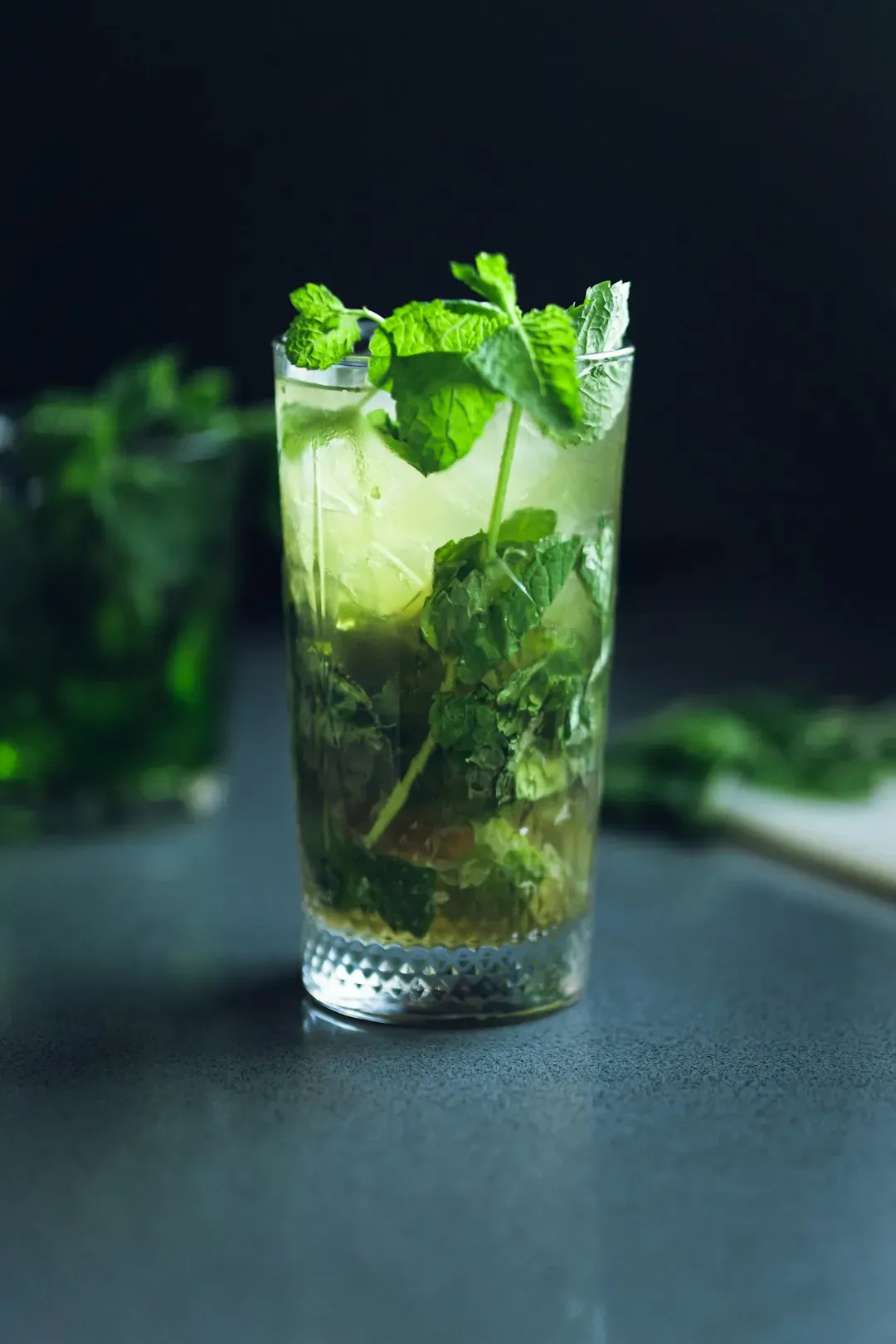
Mojitos are one of the least-popular drinks for bartenders to make. According to bartender Lisa Millar-Jones, ordering a mojito is a sure-fire way to end up in a barperson’s bad books. The primary reason this particular cocktail irritates bartenders is the time it takes to make. On a packed Friday night with a dozen people waiting, that’s time I simply don’t have. Once the club gets packed, muddling a mojito starts to be a real hassle. Some bars and clubs don’t have enough room to perfectly prep and lay out the ingredients for these kinds of drinks. Whenever someone orders one, the bartender has to rummage around in the fridge, pick off the mint leaves, race back to the bar to muddle them – and by that point, more than a dozen drink orders have stacked up.
Muddled mint bruises easily – over-muddling makes it bitter, while under-muddling leaves it flavorless. Fresh mint and individual builds are slow. It requires per-drink preparation, generates a lot of waste, and eats up precious time during busy shifts. The mojito isn’t a bad drink. It’s actually a beautiful one when it’s done right, with care and attention. The problem is that ordering it at a slammed bar on a Saturday night isn’t really giving me the conditions to do it justice – and somehow, the person ordering it always seems to know this and orders it anyway.
2. The Espresso Martini – A Logistics Nightmare in a Glass
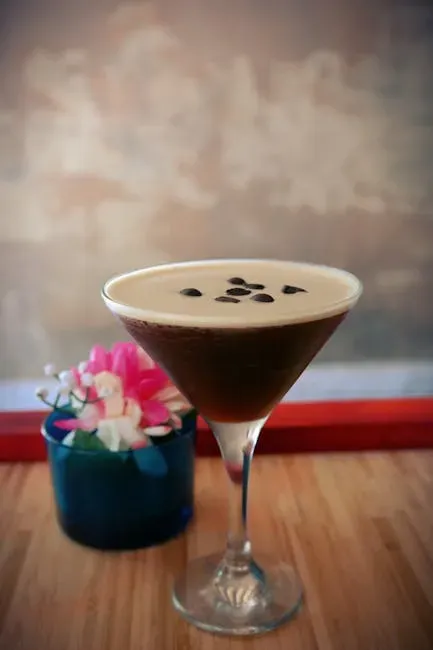
In a recent Instagram video from drinks influencer The Educated Barfly, bartenders at Bar Convent Brooklyn 2025 were asked to name the most overrated cocktail. Every single one gave the same answer: the Espresso Martini. That tells you something. As much as you might love an espresso martini, the bartender making it for you might not be such a fan. While this drink is not inherently complicated – it’s normally a mix of espresso, vodka, and coffee liqueur – the hot component makes it inconvenient. Bartenders must first pull espresso, then let it cool before adding it to a cocktail. With the drink’s rise in popularity in recent years, it can be challenging to make this caffeinated cocktail on a busy night.
The espresso martini surged back into the limelight in the early 2020s and, as of 2025, showed no signs of slowing down. By some accounts, it became one of the most Googled cocktail recipes and saw consumption jump dramatically – from roughly 2% to 15% of cocktails in some surveys – between 2022 and 2024. In 2026, the espresso martini is firmly entrenched on bar menus worldwide as the definitive caffeinated cocktail. That popularity explosion is exactly the problem. It’s unlikely that your bartender is taking the time to make sure everything is perfectly dialed in between slinging pint glasses full of beer and popping bottles. Imagine working for tips and having to wait a full minute for a single ingredient in a complicated cocktail.
3. The Vague “Surprise Me” Order – Bartender’s Choice in Disguise
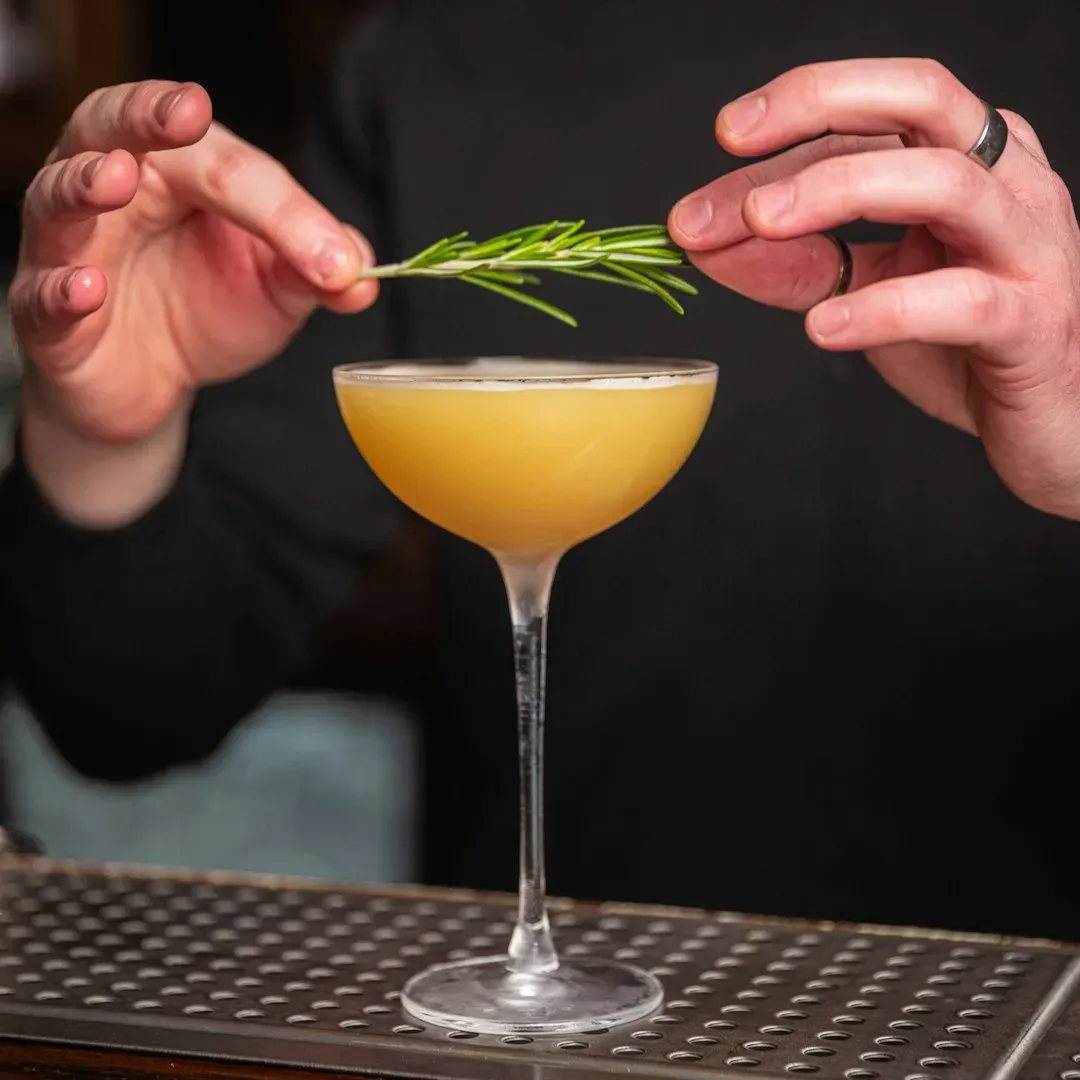
Requesting “the bartender’s choice” sounds casual and harmless, but it really causes a delay in the flow of service and feels like a setup for failure. Even when the request is in earnest, the bartender is forced to access their mental Rolodex of recipes to think up a drink with universal appeal, because they don’t know the customer’s preferences. If they stop to ask about flavors and sweetness levels, it causes an even greater disruption to the service. And I’m already thinking about the six other people waiting for drinks right behind you.
Another reason this request frustrates bartenders is that the customer might be fishing for a free drink. What they’ll do is dislike whatever cocktail the bartender gives them, then ask for a refund or a replacement – for free. Asking the bartender, “What’s good here?” or saying, “Just surprise me with something good!” may be well intended – you’re trusting their educated opinion, after all. But alcohol preferences are so individual that all these statements really do is make the bartender play an uncomfortable guessing game. Give me something to work with. Anything. Even just “sweet with vodka” is enough.
4. The Long Island Iced Tea – Five Spirits and Zero Self-Awareness
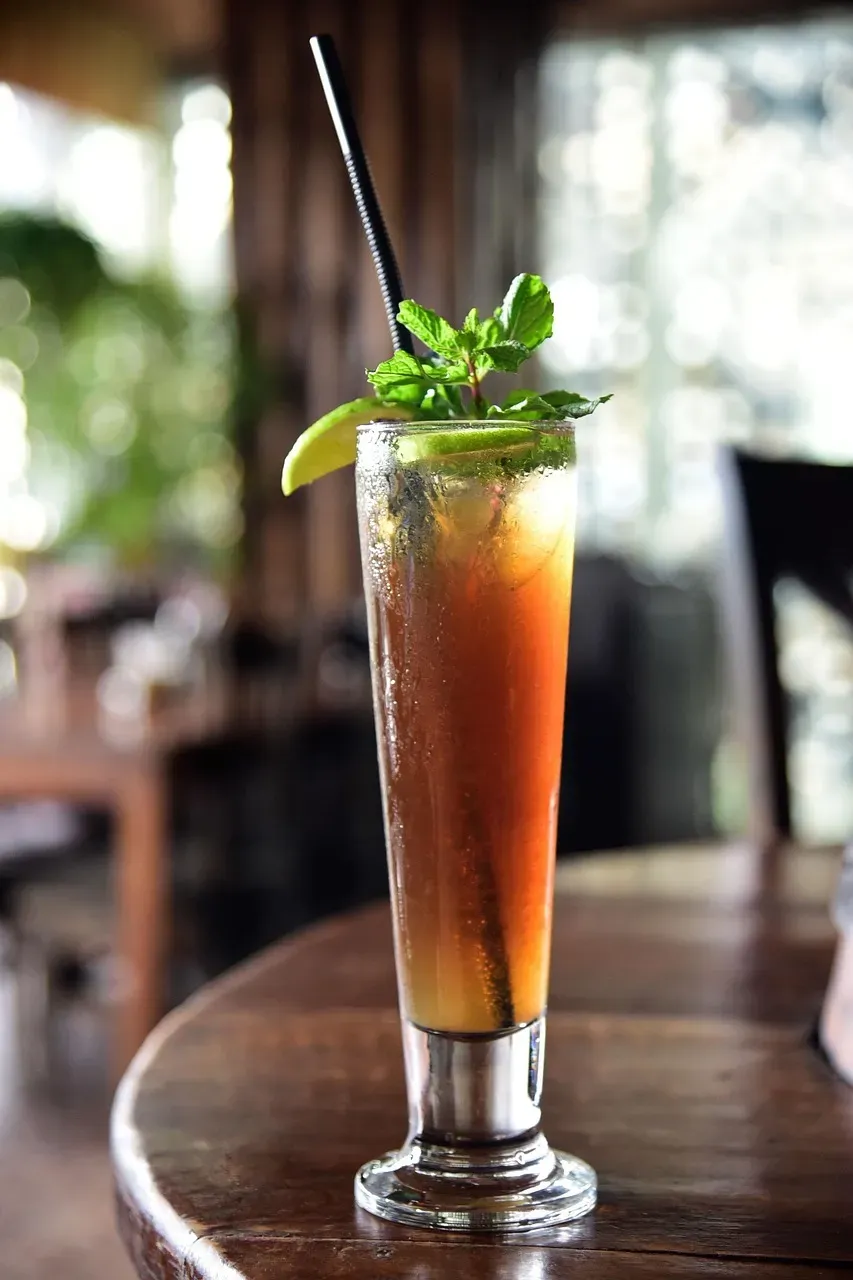
Long island iced teas top almost every bartender’s pet peeves. Mixologist Elena Alvarez of The Airliner in Iowa City revealed that “the really difficult drinks with a lot of ingredients are always annoying to make when things are really busy.” By virtue of its massive and eclectic ingredients list, the Long Island iced tea is one to avoid. It’s not just the making of it, either. It’s the whole performance of the thing. Bartenders especially dislike this cocktail because of the five different liquors required. Measuring, pouring, balancing – all while the bar line grows longer by the second.
Bartenders most dislike drinks that are slow, inconsistent, risky, or create waste – especially when those drinks are low-profit or highly-customized. The Long Island iced tea hits almost every one of those checkboxes simultaneously. As one industry insider noted, a bar menu once read: “Well drinks $5, complicated drinks $8, stupid drinks $10. Bartender gets to decide what is stupid.” Across the industry, there’s a broad consensus that the Long Island iced tea tends to attract customers who are less interested in the craft of what’s in the glass and more interested in getting drunk as fast and cheaply as possible. That’s not a character judgment – it’s just pattern recognition after 12 years.
5. The “Make It Strong” Request – And the Tip Problem Behind It
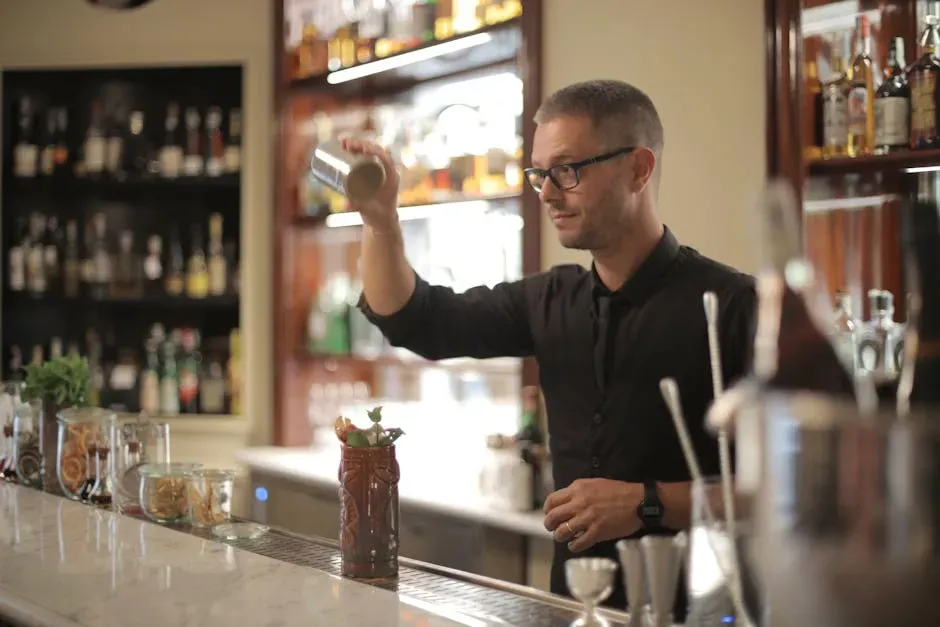
Requesting that your drink be “strong” is at the top of the list for a lot of bartenders. It’s not only a red flag for someone who is likely not going to tip well, but a sign that unwarranted complaints about their drink are imminent. The reality behind every drink I pour isn’t personal preference – there are actual measurements, camera monitoring, and legal standards involved. It’s annoying when a customer asks for more liquor because they can’t taste it, but don’t want to pay for an extra shot. Bartenders have to measure their shots and are watched by cameras to make sure they don’t over-serve or use too much liquor in a drink.
This kind of request also carries a financial sting that most customers don’t think about. The median share of hourly earnings that come from tips account for roughly 55% of bartenders’ earnings. Yet tipping culture is shifting in uncomfortable ways. The national average tip has declined to 14.9% in Q2 2025, down from 15.5% in 2023 – the lowest level in recent years. The customers who demand the most – more liquor, faster service, complicated customizations – are often the same ones who leave the least. The likelihood of tipping generally increases with age, with Gen Zers and millennials standing out as the least frequent tippers. After 12 years, you start to see the patterns clearly, and they’re hard to unsee.