The 7 Safest Caribbean Islands Where the U.S. Dollar Still Goes Furthest
The Caribbean pulls at something deep in the American traveler’s imagination. White sand, warm water, that particular quality of afternoon light that just doesn’t exist anywhere else. Honestly, it’s hard to argue with it.
But here’s what most travel guides won’t tell you upfront: not every island treats your dollar the same way, and not every paradise is equally safe to explore. The combination of genuine security and real spending power is rarer than you’d think.
Some islands will quietly drain your wallet before lunch. Others offer an almost suspicious amount of value, if you know where to look. So, let’s dive in.
1. Aruba: The Gold Standard for Safety and Value
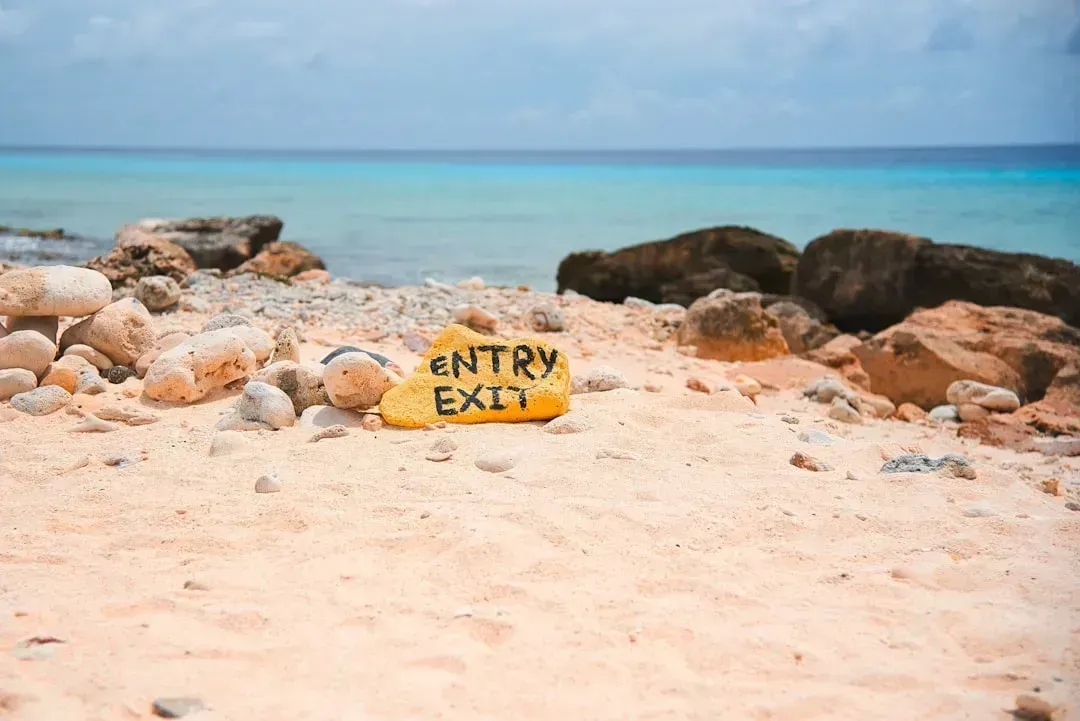
Let’s be real, when it comes to the Caribbean’s safest islands, Aruba keeps rising to the top of every serious list. According to the Caribbean Island Safety Index 2025 by Always All Inclusive, Aruba ranks as the safest island in the entire region. That’s not a small claim.
Aruba holds the top spot on the safety index because of its low crime rate, absence of recent hurricanes, and a strong healthcare system built to “Dutch standards.” The island receives a U.S. State Department Level 1 advisory, meaning it is generally considered safe with a low risk of incidents. For an American traveler, that matters enormously.
The ABC Islands, which include Aruba, Bonaire, and Curaçao, offer a unique safety advantage: they sit outside the hurricane belt with no direct hits for over a century. Think about that for a moment. No rerouted flights, no emergency evacuations, no ruined trips.
Puerto Rico and Aruba both offer value-based pricing, which balances accessibility for a broader range of travelers with premium potential. Hotel occupancy exceeded roughly four out of five rooms in Aruba during Q1 2025, which tells you demand is real and consistent.
2. Dominican Republic: Unbeatable Volume and Incredible Dollar Stretch
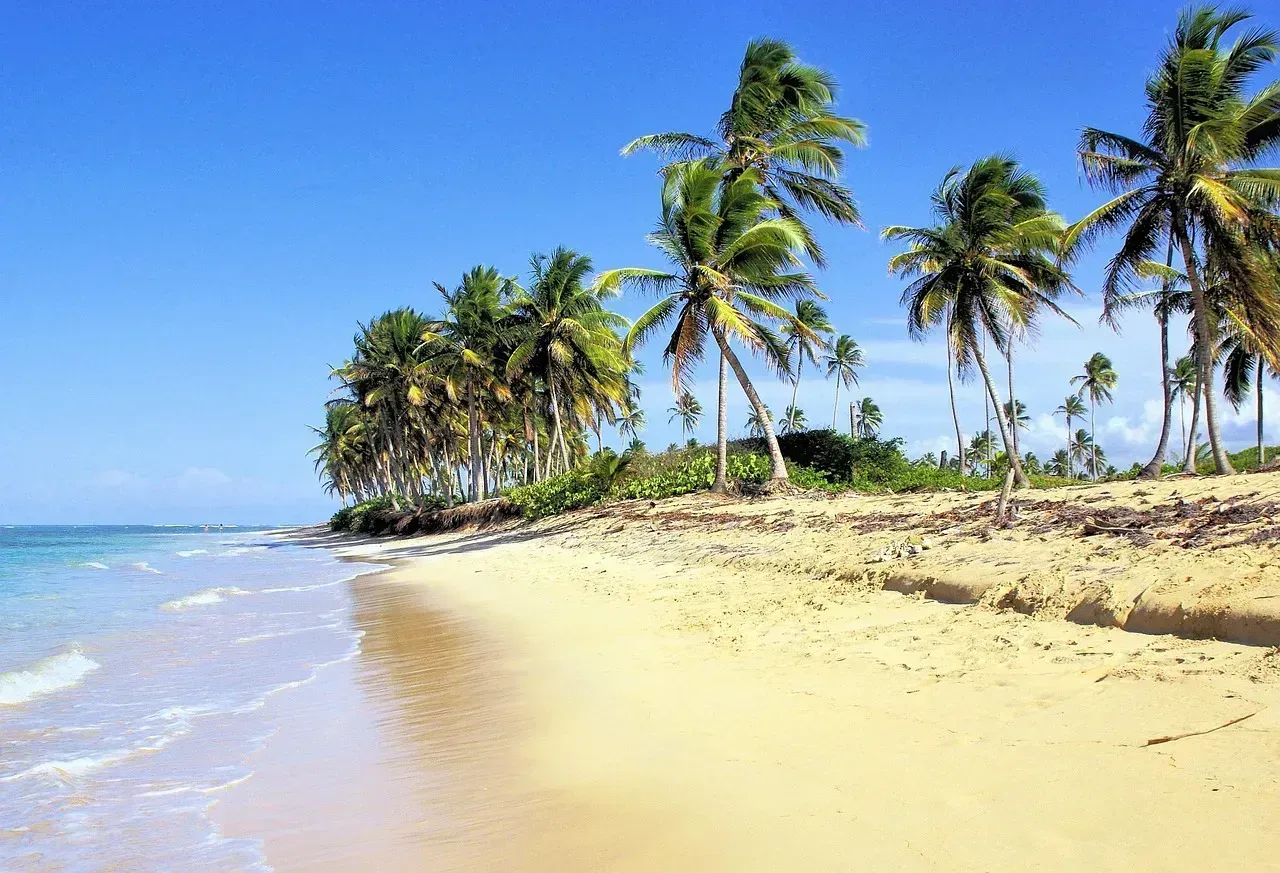
The Dominican Republic remained the Caribbean’s most visited destination in 2024, welcoming 8.5 million tourists. That’s not a coincidence. The country delivers an extraordinary amount of experience per dollar spent, which is why so many Americans keep coming back.
The Dominican Republic attracted over 7 million visitors in 2025, marking a notable increase from 2024. Known for its pristine beaches, luxury resorts, and vibrant culture, it offers a wide range of activities for tourists. Punta Cana, Puerto Plata, and Santo Domingo are among the most popular locations.
Here’s the thing about the Dominican Republic that surprises most first-timers: the local currency, the Dominican peso, gives the U.S. dollar genuine purchasing power in everyday settings outside the all-inclusive bubble. In lower-index economies like the Dominican Republic, USD remittances and spending stretch further, stabilizing household budgets and supporting local consumption.
Efforts to promote eco-tourism, enhance infrastructure, and maintain the country’s reputation as a family-friendly destination have further solidified its position as a regional tourism leader. It’s an island that rewards travelers who venture beyond the resort pool.
3. Puerto Rico: No Currency Conversion, No Surprises
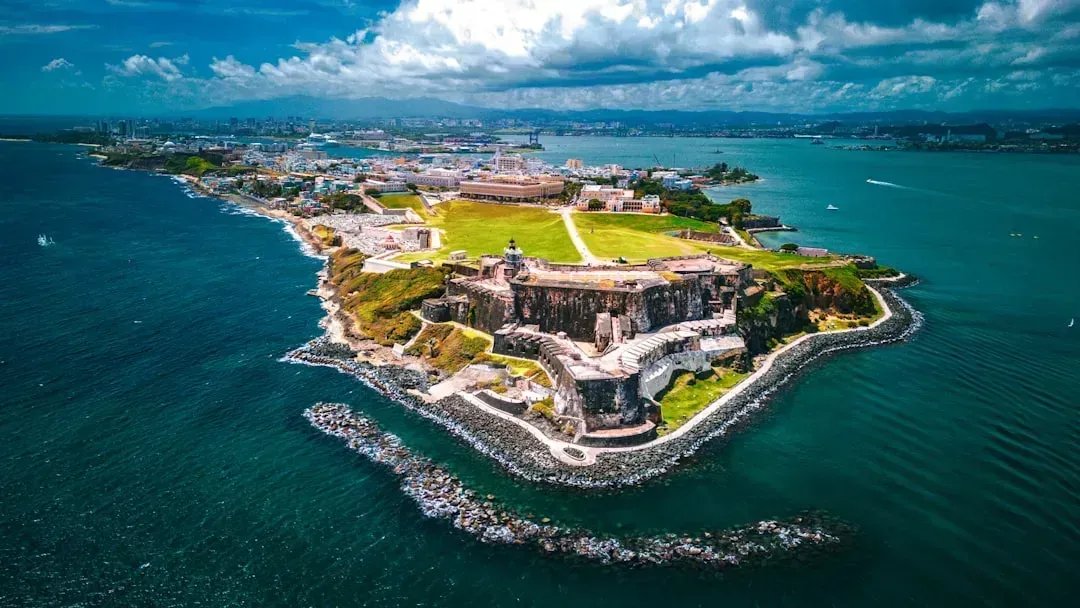
Here’s a fact that still shocks a lot of people: Puerto Rico uses the U.S. dollar directly, because it’s a U.S. territory. You land, you spend. No ATM fees for currency conversion, no mental math at the checkout line, no guessing game at the market.
Puerto Rico welcomed over 11 million visitors in 2025, marking a meaningful increase over 2024. Those numbers reflect a destination that has genuinely earned its reputation. Visitors are encouraged to explore historic landmarks such as Old San Juan, a UNESCO World Heritage site.
Puerto Rico’s recovery from recent challenges has been remarkable. In 2025, it is continued to thrive as a key Caribbean destination, thanks to its diverse cultural offerings, historical significance, and modern tourist infrastructure. The island’s food scene in particular punches well above its weight for what you’ll pay.
4. Barbados: Safe, Stable, and Surprisingly Accessible
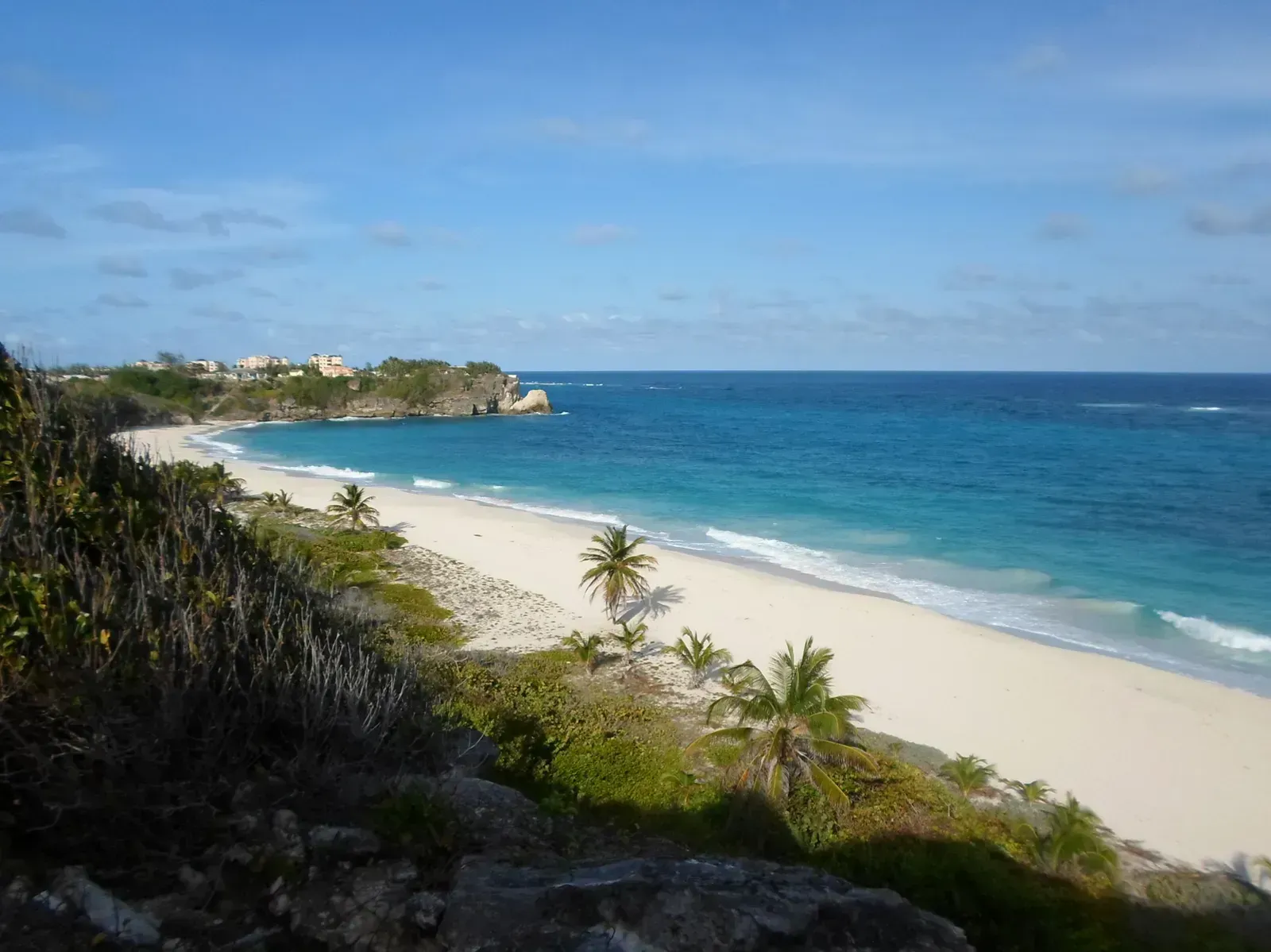
Barbados has a low crime rate compared to many of its Caribbean neighbors, holding a U.S. State Department Level 1 rating, indicating that it’s safe to visit. That consistency matters when you’re planning a trip with family or traveling solo for the first time in the region.
Barbados saw over 537,000 visitors in 2025, marking a notable increase from the previous year. Famous for its white-sand beaches, vibrant nightlife, and warm hospitality, Barbados remains a perennial favorite for tourists. The island hits a sweet spot between luxury and accessibility that few others manage.
Barbados offers rich cultural experiences, and well-trained police forces create safe environments for exploring Caribbean culture, historic sites, and beautiful beaches. On the cost side, Numbeo’s 2025 data places Barbados at a cost-of-living index well below both the U.S. Virgin Islands and the Bahamas, making your dollar feel genuinely bigger on the ground, especially when eating at local spots rather than resort restaurants.
5. Grenada: The Spice Island That Costs Almost Nothing
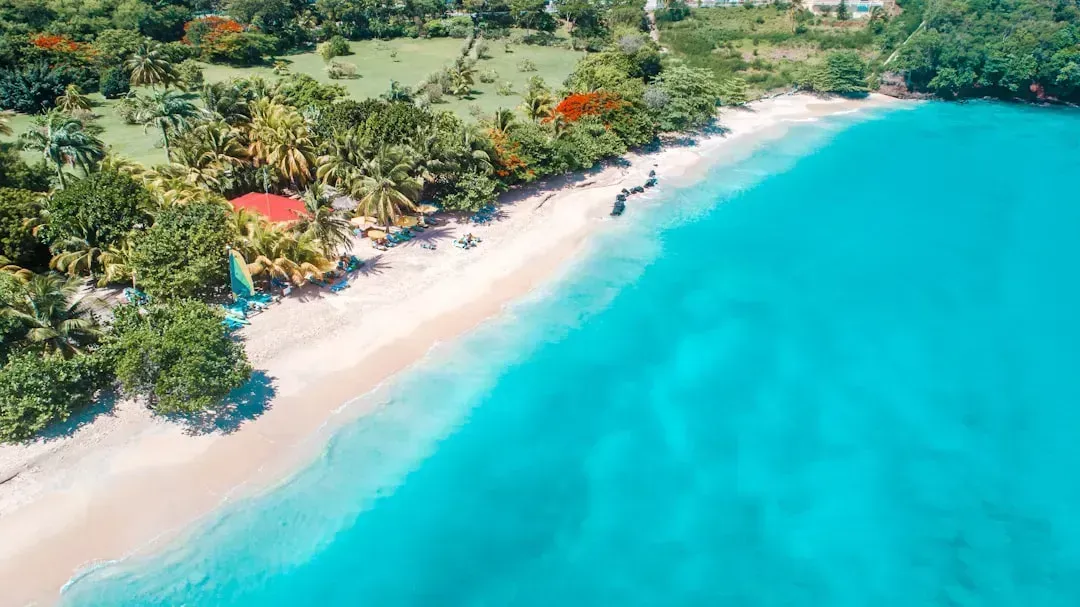
Out of the Caribbean countries that offer Citizenship by Investment Programs, Grenada has the most economical standard of living. The cost of living in Grenada for an individual can be less than $650 per month. That’s not a typo.
For a single person living in Grenada, rent for a one-bedroom apartment outside the city center and utilities amounts to around $600 monthly. A meal in an affordable restaurant costs less than $8, and a three-course meal for two in a mid-range restaurant costs around $60. I know it sounds almost too good, but these are numbers tracked by Numbeo from real user-reported data.
On the “Spice Island,” friendly communities and developing tourism infrastructure create generally safe environments for visitors, with activities including whale watching, rainforest hikes, waterfalls, hot springs, and diving. The eastern Caribbean dollar, used across Grenada, is linked to the U.S. dollar at the fixed exchange rate of 1 USD to 2.70 EC dollars. That peg makes planning a budget genuinely predictable.
6. Dominica: The Nature Island With Rock-Bottom Daily Costs
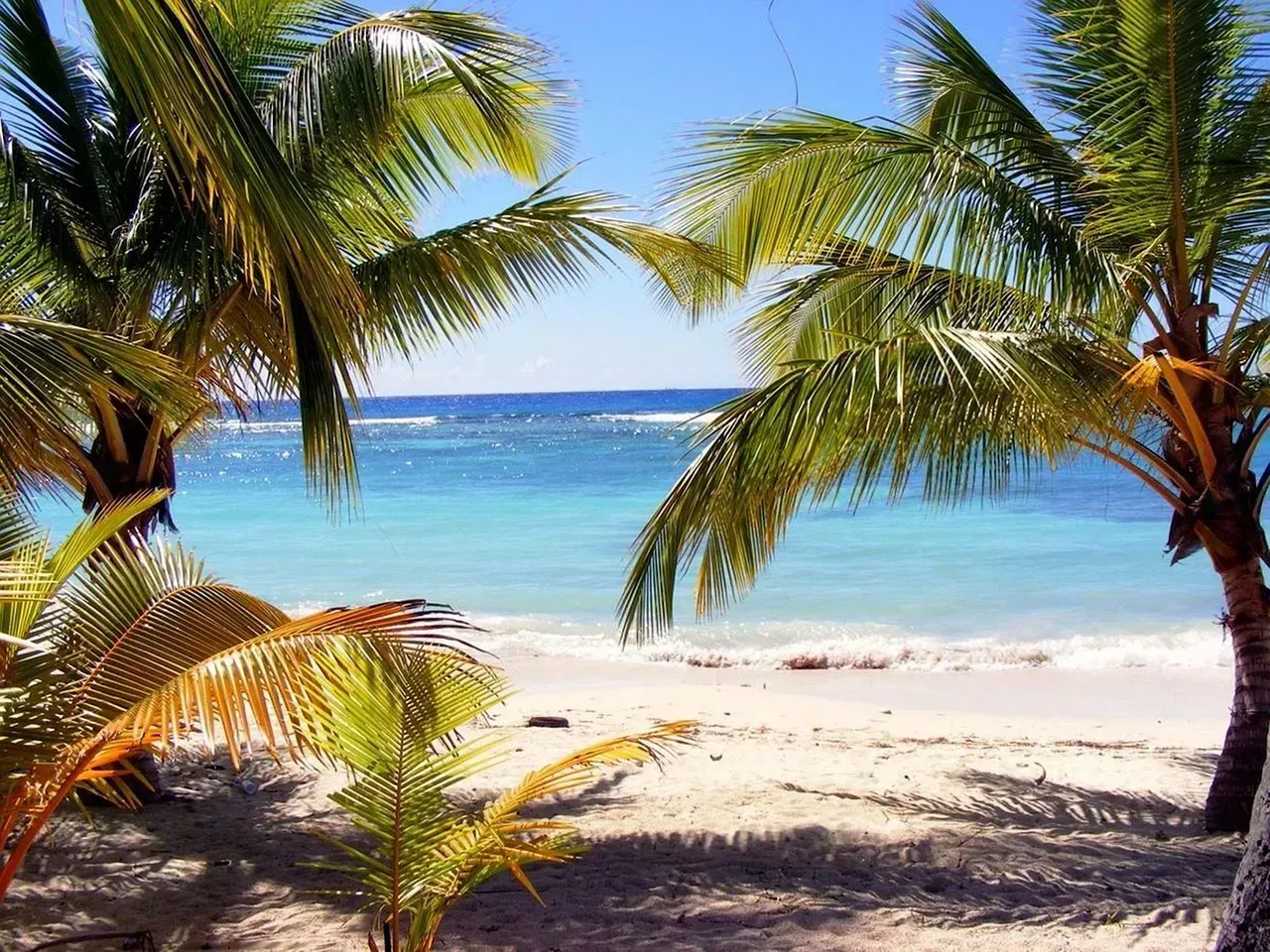
Dominica shines as a standout destination thanks to its exceptionally low crime rate, making it an ideal choice for solo travelers, particularly those passionate about nature. The island’s commitment to sustainable tourism and conservation creates a secure atmosphere.
For those considering a low cost of living in the Caribbean versus the USA, the monthly expenditure for an individual in Dominica comes to around $620, compared to $1,170 in the United States. Roughly speaking, your dollar buys you nearly twice the daily living here as it does back home. That’s a remarkable ratio for a Caribbean island.
A meal in an inexpensive restaurant in Dominica costs $7.40 and a three-course meal for two people will cost around $55. A regular cappuccino coffee is under $3. The monthly pass for local transport costs under $15. These are numbers that genuinely add up over a week-long stay. As the “Nature Island of the Caribbean,” Dominica is celebrated for its pristine rainforests, hot springs, and exhilarating hiking trails, attracting over 70,000 foreign visitors in 2023.
7. St. Lucia: Dramatic Beauty With a Pegged, Dollar-Friendly Currency

One of the Caribbean’s safest islands, St. Lucia is known for its lush landscapes and abundant wildlife, attracting visitors with diverse interests. While petty crimes like larceny and vehicle break-ins can occur in tourist spots, simple precautions will greatly reduce any risks.
St. Lucia enjoyed a stellar year in 2024, achieving consistent month-on-month growth in visitor arrivals. By August, the island recorded a 27% increase in arrivals compared to 2023, marking eight consecutive months of impressive growth. That kind of momentum tells you something real about what the island is delivering.
The East Caribbean dollar used in St. Lucia is pegged to the U.S. dollar at 2.70 to 1, meaning the fixed exchange rate stays constant regardless of market fluctuations. The tropical paradise of St. Lucia is considered one of the most economical places to live in the Caribbean, and that economic reality translates directly into travel value. Known for its iconic Pitons, lush rainforests, and luxurious resorts, Saint Lucia appeals to those seeking both adventure and relaxation, offering opportunities for hiking, snorkeling, and exploring waterfalls.