How to Pack Efficiently for Short Trips
There is something about a short trip that makes packing feel deceptively simple. It’s just two or three days, right? How hard can it be? Yet so many people still arrive at their destination dragging a bag stuffed with outfits they will never wear, toiletries they forgot to downsize, and three pairs of shoes for a 48-hour city break. Sound familiar?
Honestly, packing light is a skill. It takes practice, a little discipline, and the right mindset. The good news is that anyone can master it. Whether you’re heading out for a weekend getaway, a quick business trip, or a spontaneous escape, the tips in this article will genuinely change the way you pack forever. Let’s dive in.
Start With the Right Bag and Nothing Bigger
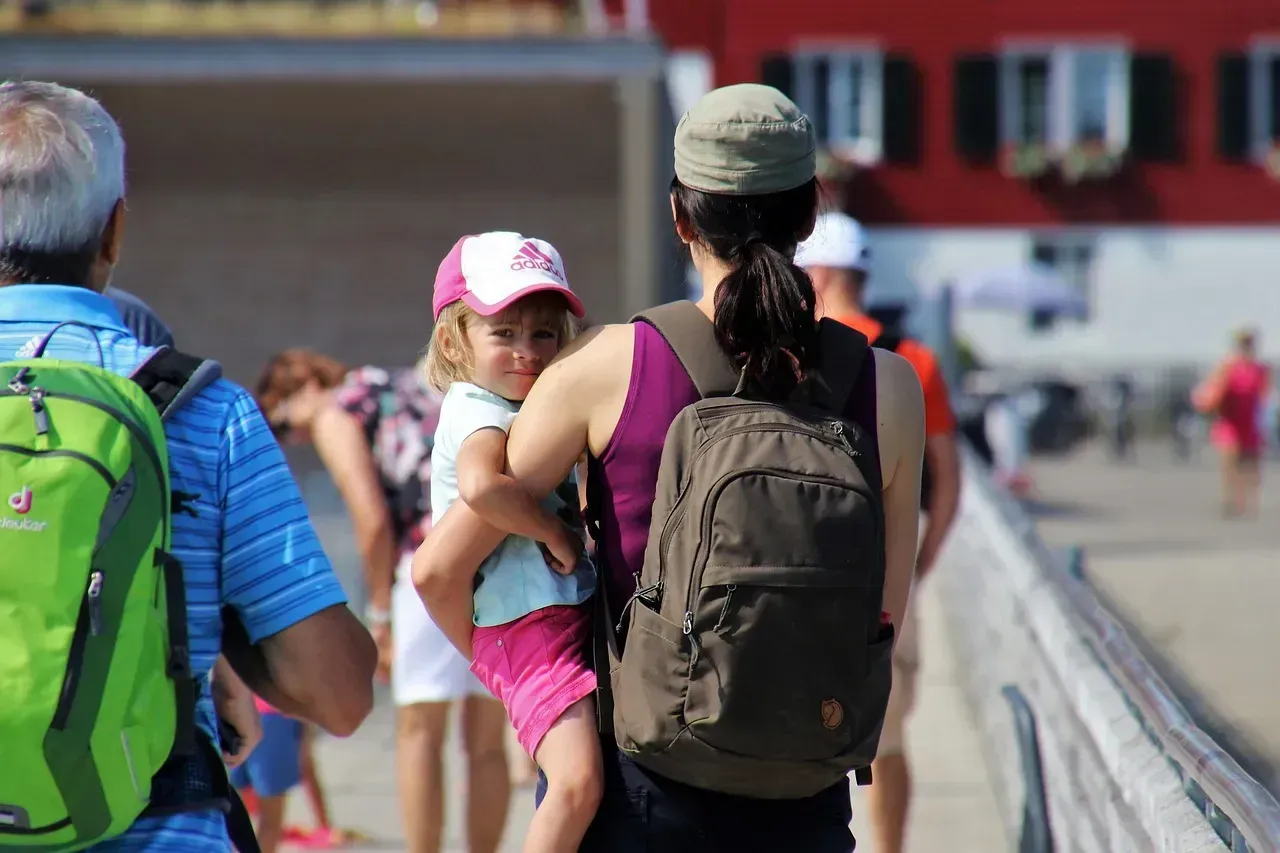
Here’s the thing about luggage: the bigger your bag, the more you will fill it. It’s almost a law of physics. Whether you’re traveling for a weekend or a month, you’ll probably fill your backpack or suitcase. When you have the space, you start adding stuff you’ll never need, like an extra pair of shoes or a just-in-case outfit. Your stuff will expand to fill your bag. So the single most powerful thing you can do before you even start packing? Choose a smaller bag.
Choose a bag sized between 25 and 40 liters – enough to hold your essentials but small enough to prevent overpacking. Weekend bags, also known as duffle bags, are increasingly favored by travelers and weekend getaways due to their versatility and compact size. Think of your bag as a natural boundary. When it’s full, you stop adding. That’s the whole system, right there.
Build a Carry-On Only Mindset
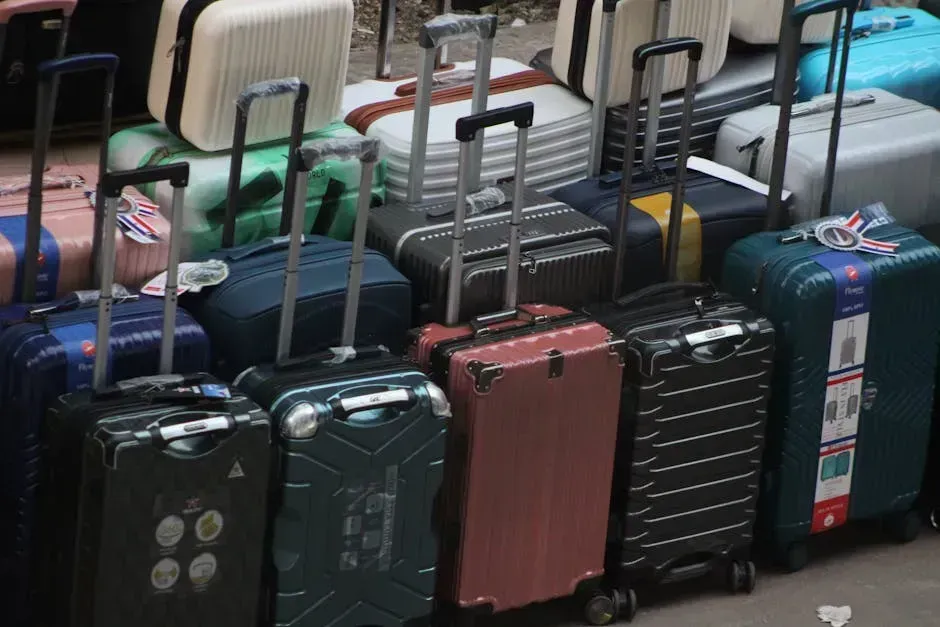
I think every short trip traveler should aspire to carry-on only travel, and here’s why. You’ll save money on baggage fees, save time waiting for your suitcase on the luggage carousel, and save your poor muscles from having to cart around a massive backpack or a suitcase you could fit into. Plus, carry-on bags also offer peace of mind because your bag stays with you at all times, eliminating the possibility and stress of lost luggage.
of three to four days, you may be able to fit all your essentials in a carry-on bag. For longer trips of more than four days, you might require additional clothing and items that may not fit in a carry-on, making checking a bag more practical. The global carry-on luggage market was valued at nearly six billion dollars in 2024 and is expected to grow at nearly eight percent per year through 2031, which tells you just how many travelers are already making this shift.
Create a Capsule Wardrobe for Your Trip
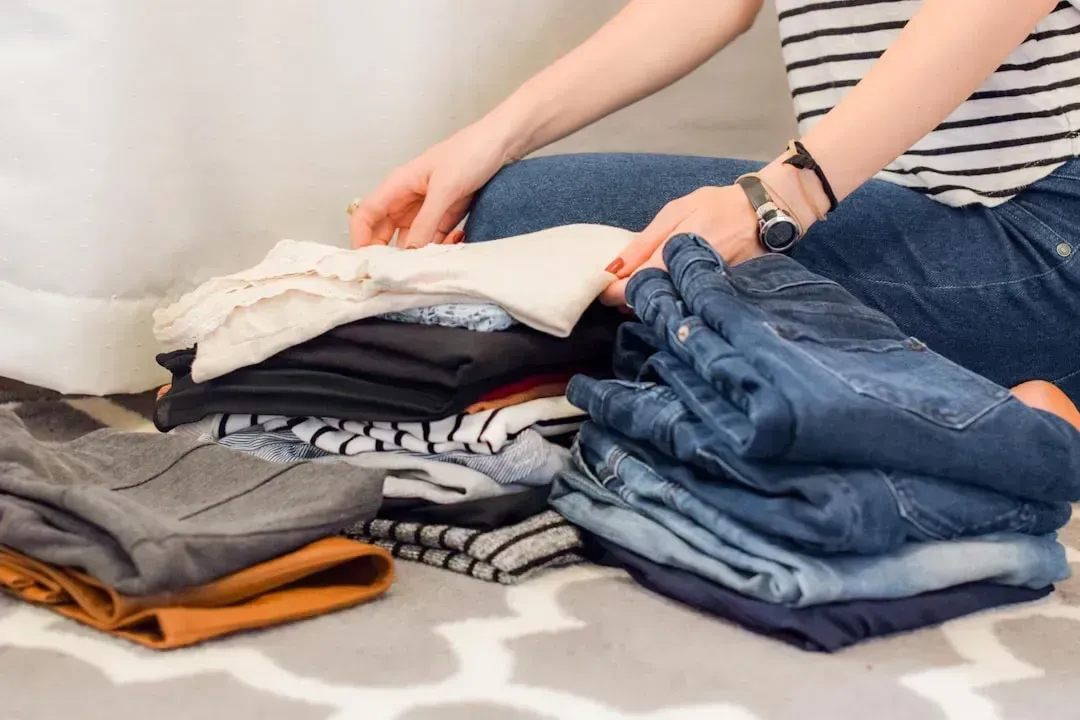
A capsule wardrobe is not just a buzzword. It is genuinely the smartest way to pack clothing for a short trip. The essential idea of a capsule wardrobe is you can whittle your closet down to just 30 items of clothing to mix and match a huge variety of outfits. You can also translate this decluttering technique to your suitcase in order to pack less. Think about it like building an outfit playlist, every piece plays well with every other piece.
One general guideline is to pack one hat, two pairs of shoes, three bottoms, four tops, five pairs of socks, and six pairs of underwear – enough to last you for two weeks. For a short trip, you need far less than that. Choose a color scheme that allows you to mix and match your clothing effortlessly. This not only minimizes the number of items you need to pack but also ensures you always look put together. Consider versatile pieces that can be dressed up or down, allowing you to transition seamlessly from day to night.
Choose the Right Fabrics: The Secret Weapon

This one is a genuine game-changer and something most people overlook completely. The fabric of your clothing can determine whether you need to pack five shirts or two. Merino wool is naturally breathable, moisture-wicking, quick-drying, and odor-resistant. You can wear the same merino tee on multiple days without it smelling or feeling dirty, which means you can pack less and still feel fresh. That alone is worth the investment.
When choosing easy-care fabrics for travel clothes, focus on materials that resist wrinkles and dry quickly. Merino wool blends offer natural odor resistance and temperature control, while polyester blends bounce back from wrinkles without ironing. Nylon provides durability and fast drying, perfect for washing clothes in hotel sinks. Avoid 100% cotton, which is quick to smell and slow to dry. That one sentence alone could save you an entire extra packing cube.
Master the Art of Rolling and Packing Cubes
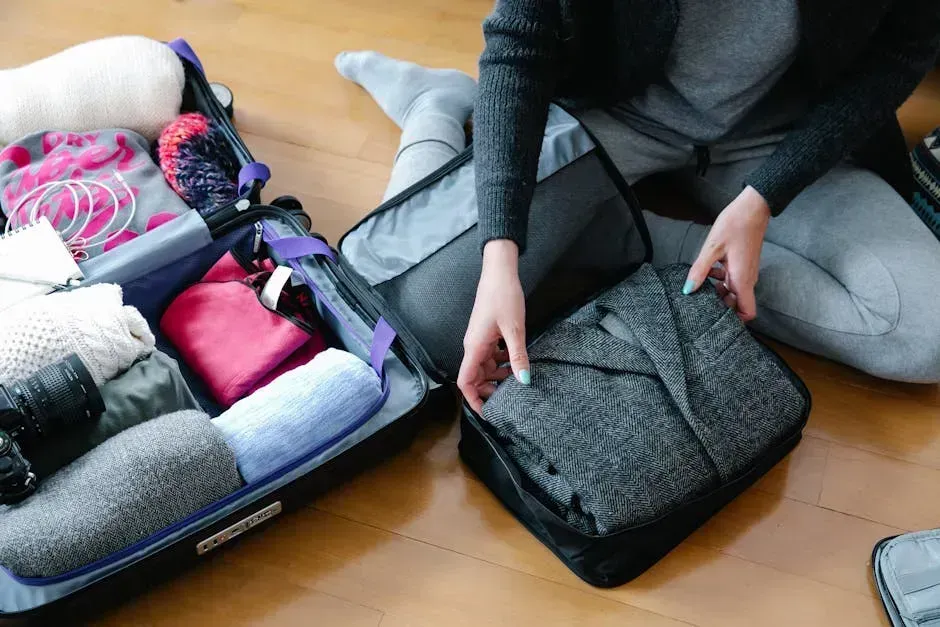
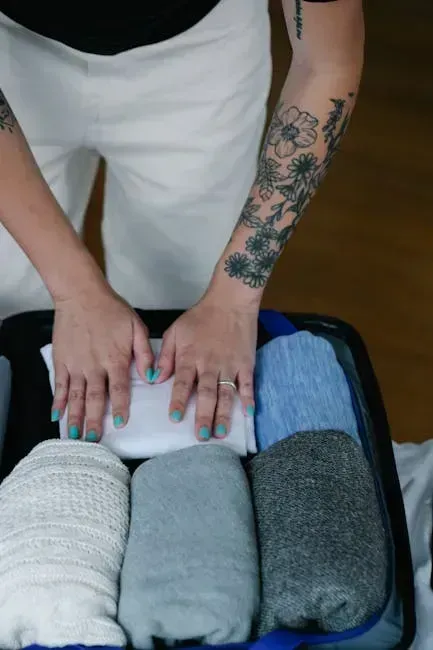
Let’s be real: how you organize clothes inside your bag matters almost as much as which clothes you choose. Rolling saves about 15 to 20 percent more space than folding, even in regular packing cubes. In compression cubes, the difference is even bigger because rolled clothes compress more evenly. It sounds minor until you’re trying to squeeze that last item in.
Both using packing cubes and rolling your clothes will save space. However, packing cubes have an edge in how organized they keep you overall. You can also combine the power of both methods, by placing rolled clothes inside a packing cube. Cubes have another edge in that some can compress their contents, saving even more space. Rolling works well for casual, lightweight items and maximizes luggage capacity, while folding is better for bulkier fabrics and dressier pieces that crease easily. Use both techniques and let them work together.
Pack Smarter With Shoes and Bulky Items
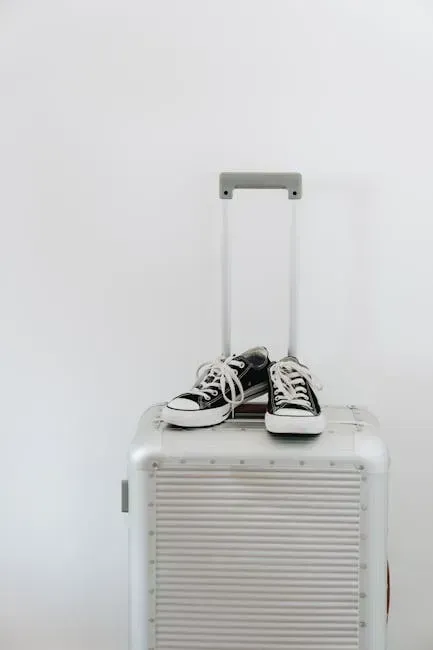
Shoes are the silent suitcase killers. They are heavy, awkward, and take up a disproportionate amount of space. Most travelers can get by with two pairs of shoes, depending on the kind of trip they’re taking. Wear the heaviest pair on the plane or on travel days. Think multiuse, such as running shoes that can work for running, walking, and hiking.
If you’re bringing bulky items like jackets, boots, or heavy sweaters, wear them while travelling by plane instead of packing them. This is a trick that experienced travelers use constantly. Stuffing socks, small items, or chargers inside shoes is another classic move that fills dead space without adding bulk. Every cubic centimeter counts when you’re working with a carry-on.
Trim Your Toiletries Without Sacrificing Comfort
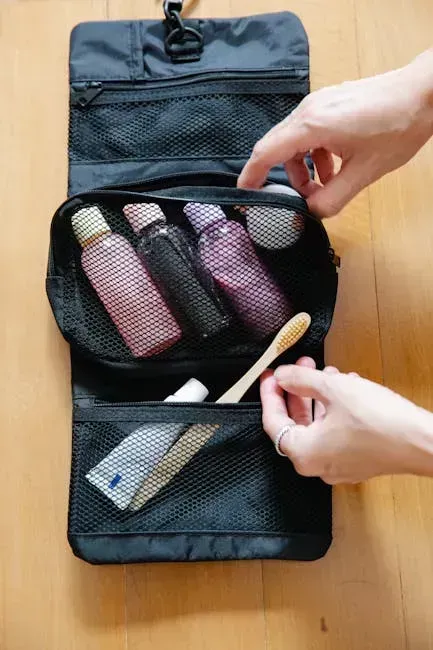
Toiletries have a sneaky way of multiplying. You start with toothpaste and somehow end up with half a bathroom in your bag. Transfer toiletries into travel-sized containers to save space and comply with TSA carry-on rules. Think about any amenities the hotel offers, such as toiletries, a hairdryer, iron, towels, and linens. If these items are available, you can leave them out of your packing list to save space and reduce the weight of your luggage.
When it comes to toiletries, take only the essentials. If you can live without it or survive with a different brand for a day or two, leave it at home. Choose a hotel or an Airbnb that provides basics so that you don’t have to bring soap or shampoo. It sounds harsh, but two days without your preferred brand of conditioner is absolutely survivable. Promise.
Be Ruthless With Electronics
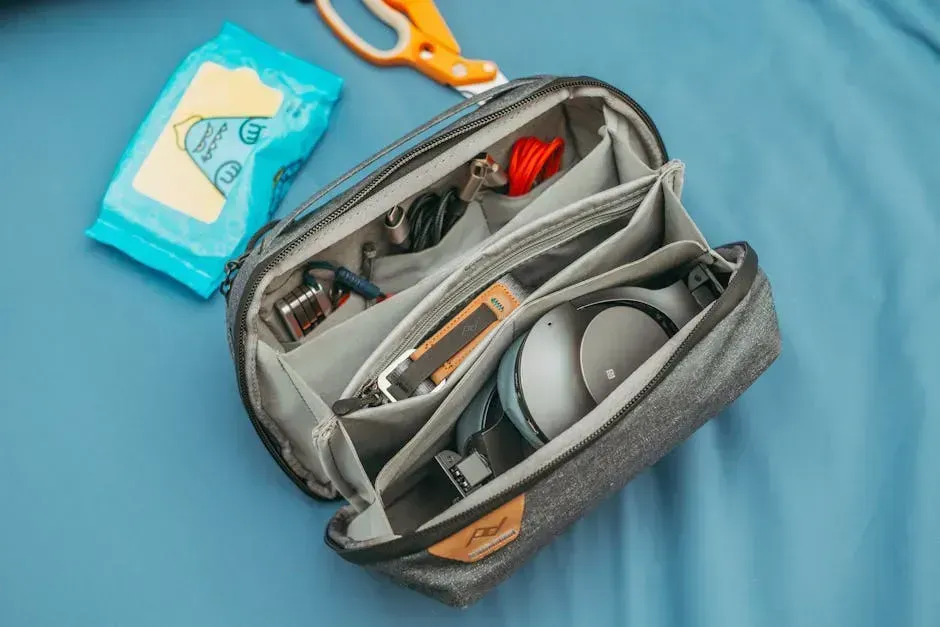
We live in a world where every trip seems to demand a laptop, tablet, e-reader, camera, and three different chargers. Short trips demand far less. Be careful not to overpack electronics. For such a short trip, you can leave your work computer at home. Since you’ll either be driving or taking a short flight, skip the tablet too. Your flight might be too short to watch a movie anyway.
The luggage market is experiencing increased demand for premium luggage products featuring technological advancements such as GPS tracking, USB charging ports, digital locks, and smart weight sensors. Smart luggage is a growing trend for good reason. Still, for a short trip, your phone and a compact multi-device charging cable can handle nearly everything. One universal adapter, one compact power bank, and you’re set.
Use a Checklist and Cut It in Half
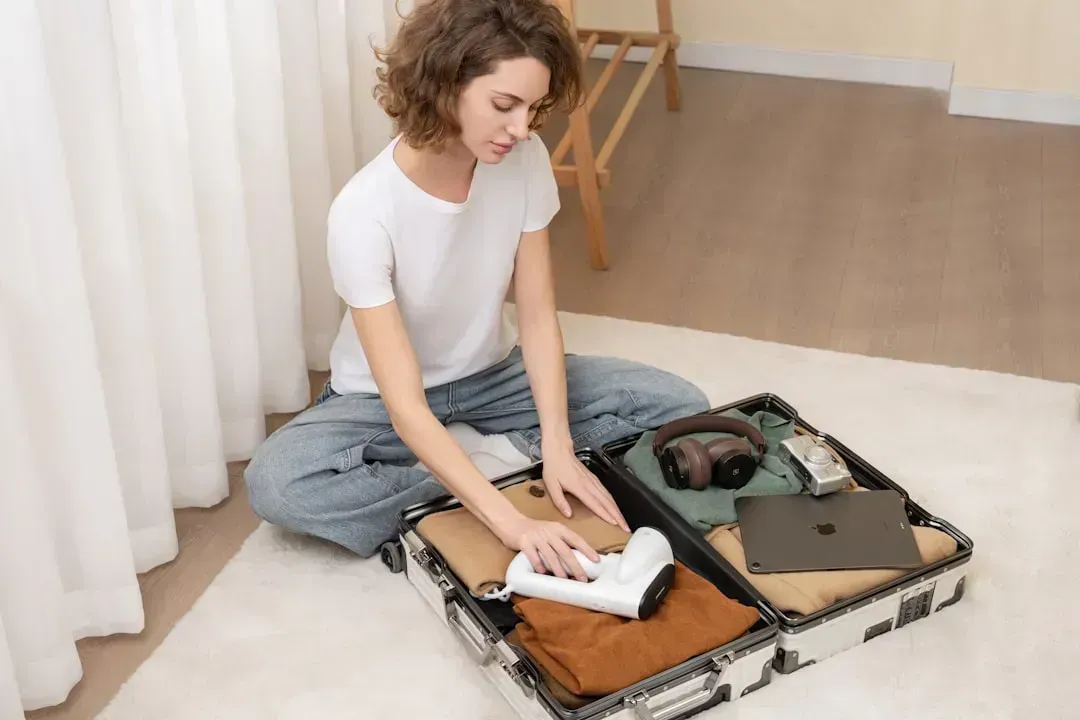
This might sound obvious, but making a physical checklist before you pack is genuinely transformative. It seems obvious, but make a packing checklist of things you need and things you want. Then cut that list of wants in half. If you’re not absolutely sure you’ll need something, don’t take it. It’s a brutal but effective filter. The “maybe I’ll need it” items almost never get used.
Before you start throwing clothes into your suitcase, take a moment to plan your outfits and make a packing list. Consider the weather, the type of events you’ll be attending, and any special requirements. A thoughtful list will help you pack light and efficiently, ensuring you don’t overpack. The key is to resist the urge to bring “just in case” items and focus on versatile essentials. Planning by outfits, not by individual items, is one of the most effective tricks out there.
Think Like a Layering Pro
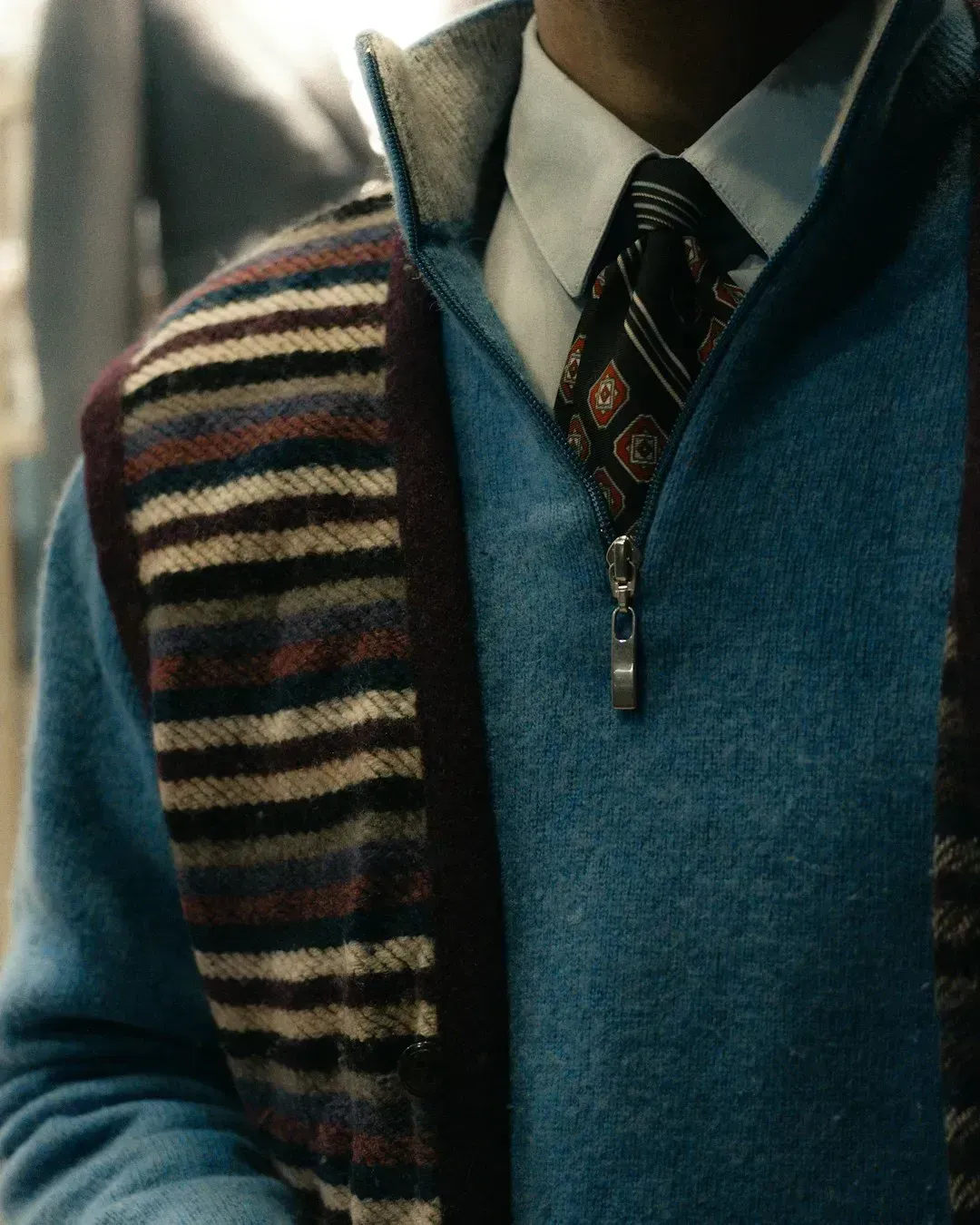
Layering is the traveler’s superpower for dealing with unpredictable weather without packing a mountain of clothes. Think like a hiker or backpacker when layering clothes for your next adventure. Rather than packing one bulky sweater, layer a short-sleeve shirt with a long-sleeve top. In colder climates, add a lightweight packable jacket. This gives you many more outfit options without adding too much weight or volume.
Whether you’re packing for spring break or holiday travel, facing unpredictable weather or transitioning between different climates, layering is one of the best tips for packing all the essentials. It provides flexibility and allows you to adapt to changing conditions without lugging around bulky clothing. Select lightweight layers that can be easily added or removed. Think of layering as your wardrobe multiplier. Three pieces can become six outfits. That math always works in your favor.
Plan for Laundry, Even on Short Trips
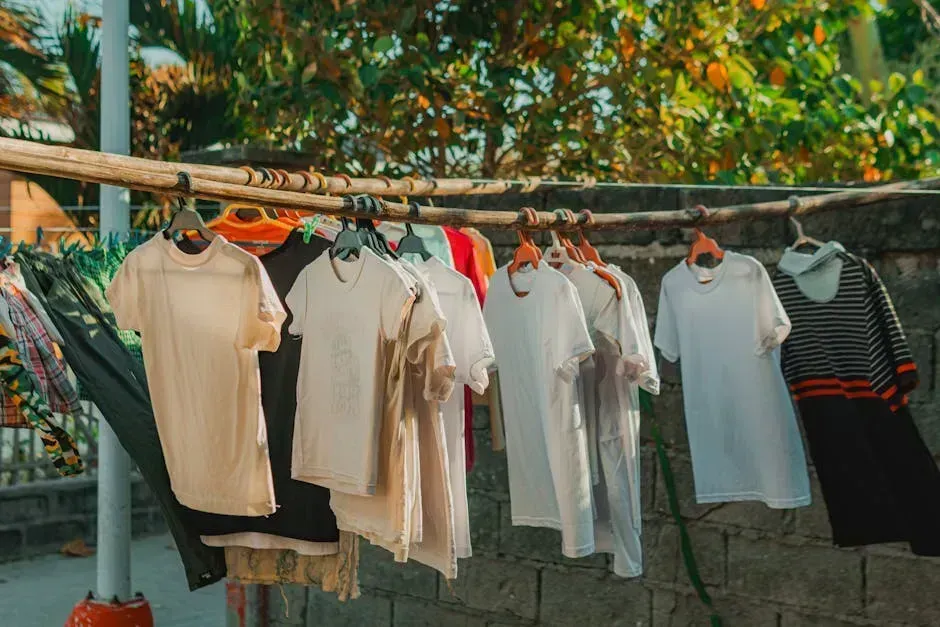
It sounds counterintuitive for a two or three day trip, but even a quick sink wash can dramatically reduce how much you pack. Many seasoned travelers swear by packing a week’s worth of clothes in a carry-on by using a capsule wardrobe, doing laundry mid-trip, and choosing lightweight, quick-drying fabrics. If your fabrics dry overnight, you essentially get to re-wear items guilt-free.
Merino wool dries extremely quickly. Two or three passes under a hand dryer is often all it takes. This is great for travel if you plan on washing by hand and rewearing throughout your trip. Consider if you can pool resources and share the packing burden with your travel companions. Do you each need to bring your own bottle of sunscreen, or can one person bring a bottle for everyone to share? Even small savings like that can free up meaningful space in your bag.
The Mindset Shift That Changes Everything
Ultimately, efficient packing is not just about technique. It’s about changing how you think. It might seem daunting to restrict your packing space so much, but carry-on travel can actually be quite liberating. Living a minimalist lifestyle during your trip will allow you to be a lot more flexible in where you go and what you do, and it’s a lot easier than you think.
This approach saves time at the airport, avoids checked bag fees, and gives you freedom to move. There’s something deeply freeing about traveling with only what you truly need. You move faster, stress less, and spend more energy on the experience itself rather than managing your luggage. If you forget anything, just grab a cheap option at your destination. That’s really the final permission slip. You don’t need to be perfectly prepared. You just need to be light enough to enjoy the ride. What would you differently pack next time?