Simple Ways to Make Long Flights More Comfortable
There is something almost meditative about sitting 35,000 feet above the earth with nowhere to be and nothing to do but wait. Long-haul flights can feel like that, at least for the first hour or so. Then the seat starts to feel harder, the air gets drier, and that passenger three rows back won’t stop coughing.
The good news? Most of the discomfort that comes with long flights is entirely preventable. A handful of thoughtful decisions made before and during the flight can completely change how you feel when you finally land. Whether you’re flying ten hours to Asia or crossing the Atlantic overnight, these tips will actually make a difference. Let’s dive in.
Choose Your Seat Wisely Before You Even Board
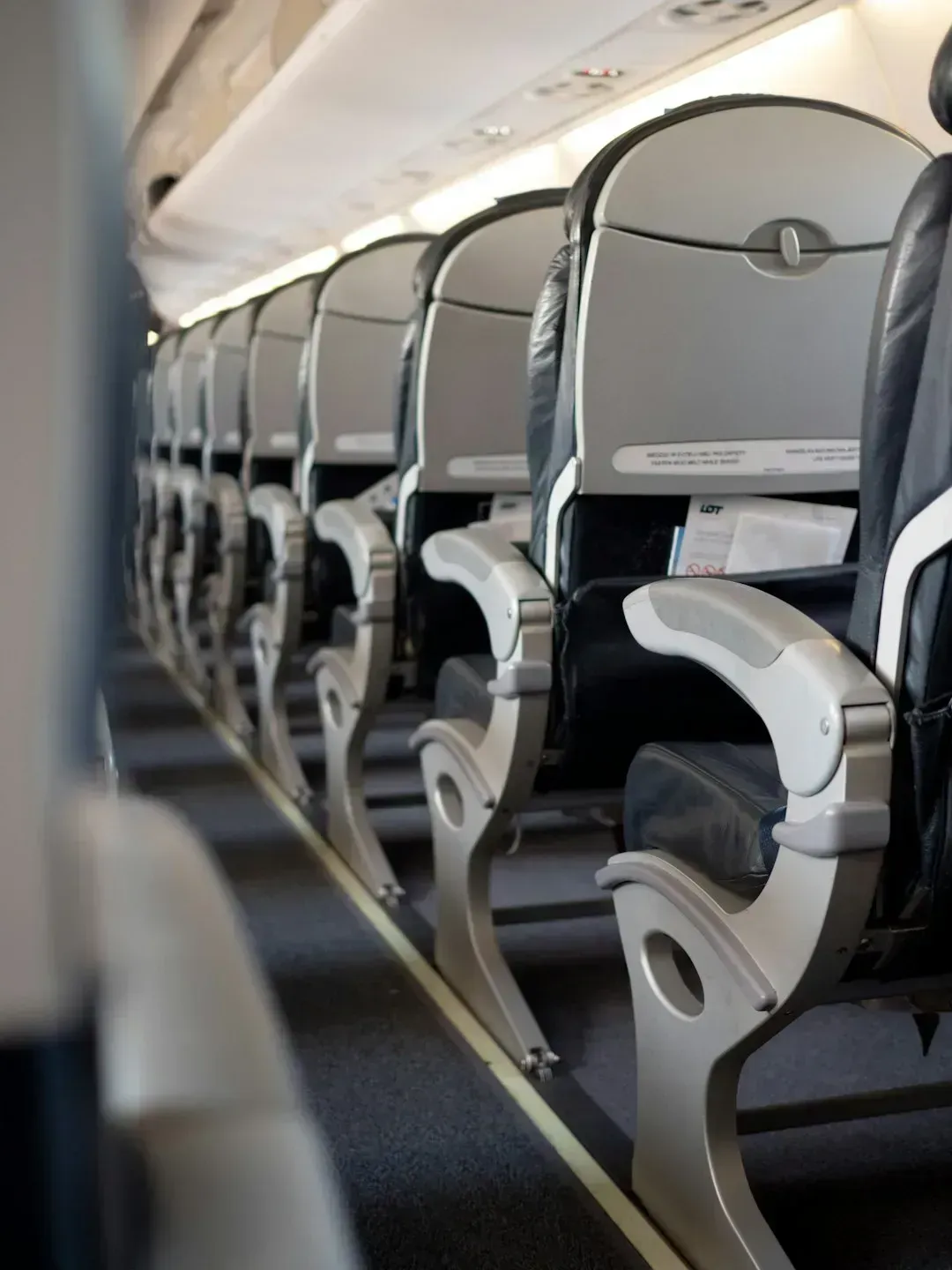
Seat selection is one of the most underrated decisions in travel, and honestly, most people just click the first available option without thinking twice. Frequent flyers know there is more to choosing a comfortable seat than just window or aisle. Think about what you want to accomplish. If you plan to work, an aisle seat gives you the freedom to stretch your legs and move around without disturbing your neighbor. For a quieter, more restful flight, a window seat lets you lean against the wall for a nap.
Sleep quality often suffers on flights due to cabin conditions, temperature fluctuations, and noise. Passengers can improve rest by selecting seats away from the galley and lavatories to limit foot traffic and bright lighting. If you’re wondering how to survive long flights in economy, consider snagging an exit row or front row seat for extra legroom. It’s a small investment of planning time that pays off enormously once you’re airborne.
Stay Seriously Hydrated – The Cabin Air Is Drier Than a Desert
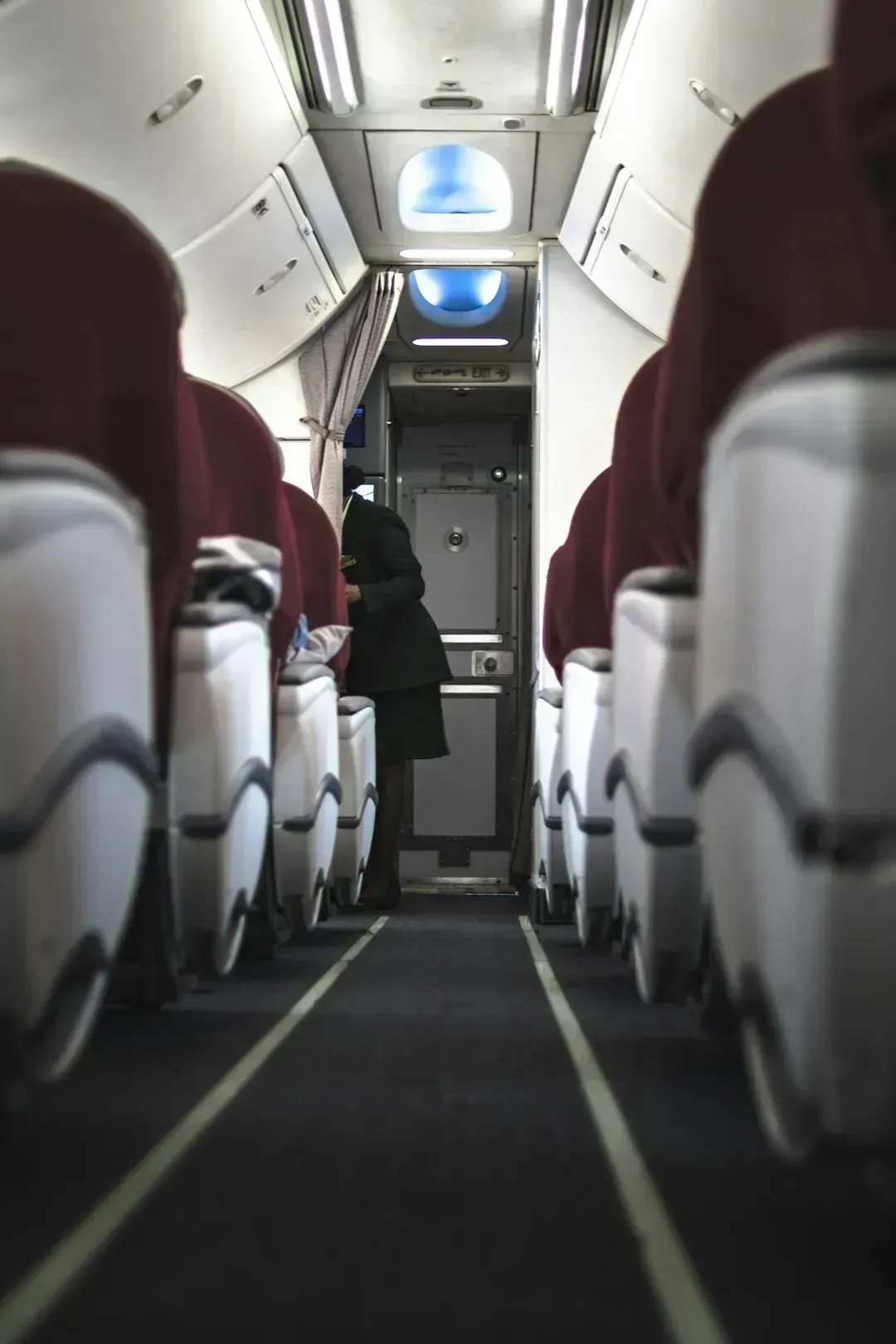
Here’s something that genuinely surprises people: the inside of an airplane cabin is drier than the Sahara Desert. Humidity levels drop to between ten and twenty percent in flight, compared to the thirty to sixty-five percent typical in indoor environments. The Sahara Desert averages around twenty-five percent humidity, meaning airplane cabins are drier than deserts, causing multiple body systems to dry out simultaneously. That explains a lot about how rough you can feel after a long flight.
Passengers are advised to drink at least one and a half liters of water during the flight and carry a personal bottle to refill regularly. Those who consume caffeinated or aerated beverages benefit from doubling up with two glasses of water afterward to balance moisture levels and reduce post-flight tiredness. Electrolyte supplementation also helps prevent dilutional hyponatremia, since drinking excessive plain water without electrolytes can paradoxically worsen hydration. Products like electrolyte tablets or coconut water provide sodium, potassium, and magnesium to support cellular hydration more effectively than water alone.
Dress Comfortably – Layers Are Your Best Friend

The airplane aisle is not a fashion runway. I know that sounds obvious, but the number of people who board a ten-hour flight in stiff jeans and a tucked-in shirt is remarkable. Comfortable clothes are a must for any long-haul flight. Choose breathable fabrics and layers you can adjust depending on the cabin temperature. Wrinkle-resistant slacks and tops let you relax without worrying about looking disheveled when you land.
Legs, ankles, and feet often swell on long flights due to compression against the seat, inactivity, and the fact that legs are dangling down for a long period of time. The swelling can be painful and uncomfortable. Wearing compression stockings, available at most pharmacies, can reduce this swelling. It is also vital to bring a full change of clothes while flying, since plane temperatures often jump around, and having layers you can put on and take off makes the experience more pleasant.
Move Around Every Hour or So
Sitting completely still for eight, ten, or fourteen hours is genuinely bad for your body. Think of it like this: you wouldn’t sit motionless at your desk all day and expect to feel fine. A flight is no different, only the stakes are higher. Immobility for extended periods reduces circulation, particularly in the legs, creating risks for deep vein thrombosis in susceptible individuals and causing swelling, stiffness, and discomfort even for healthy passengers. Blood pools in the lower extremities when sitting motionless, reducing cardiovascular efficiency and creating that heavy-legs sensation.
Moving every ninety minutes is a good rule – walk the aisle, stretch your ankles, or wear compression socks. Most in-flight magazines include exercises you can do in your seat. Options include rocking your feet from heels to toes, clenching and relaxing your legs, moving your feet up and down as if marching, and rocking forward and back. Doing these exercises every few hours makes a real difference. Circulation is not glamorous to think about, but your legs will thank you.
Build a Smart Sleep Strategy
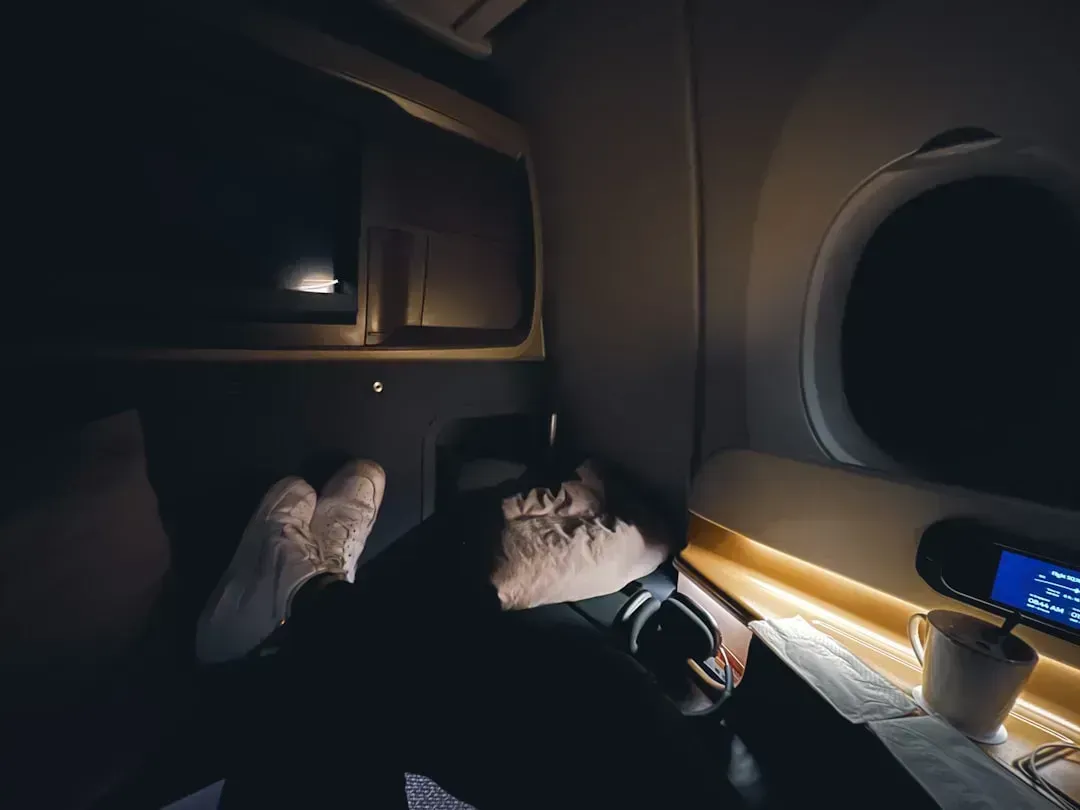
Preparation before departure plays a decisive role in reducing jet lag. Aligning sleep and meal routines with the destination’s time zone in the days leading up to the flight helps the body adapt gradually. Changing your watch to the arrival country’s time zone immediately after boarding reinforces this adjustment and improves recovery after landing. It sounds almost too simple to work, but this one habit alone can shave a full day off your jet lag recovery.
In the days leading up to the flight, it is essential to prioritize sleep. The concept of “sleep debt” refers to the difference between the sleep you need and the sleep you actually get. If you arrive at the airport well-rested, missing a few hours of sleep on the plane will feel far less detrimental. Choosing flights that align with your natural sleep patterns helps too. Booking a red-eye flight can be a smart move, allowing you to sleep through most of the journey.
Pack a Sleep Kit – The Right Gear Makes a Real Difference
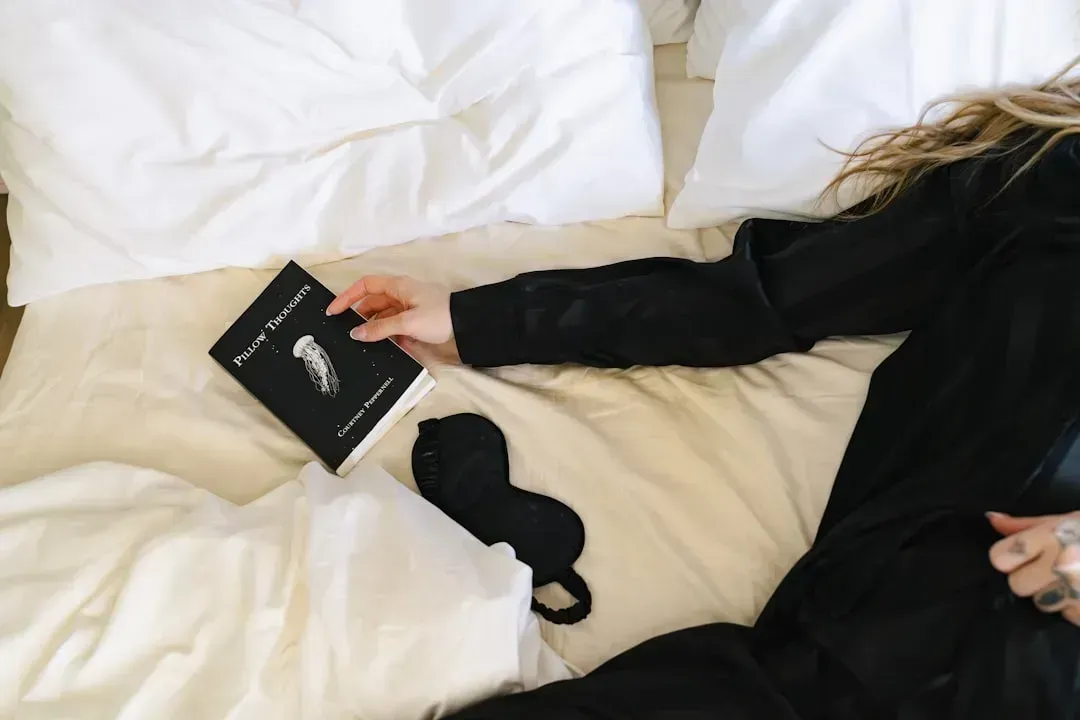
Let’s be real: trying to sleep on a plane without proper gear is like trying to sleep in a bright, noisy room with a stranger’s elbow in your ribs. A plain, cheap sleep mask that presses on your eyelids and lets light leak in doesn’t cut it at 30,000 feet. To eliminate sensory overload, a quality mask that blocks everything and does so comfortably is essential. A blackout mask with an elevated cushion that frames your eyes rather than pressing down on them is the better option.
A good neck pillow helps support your neck and head while you rest. An eye mask and a pair of noise-canceling headphones or earplugs will cancel out excess light and noise that may prevent you from falling asleep. Packing a thick pair of socks so you can stay comfortable and sanitary when taking your shoes off is also important. Small things, big impact. Think of this kit as your portable sleep sanctuary.
Watch What You Eat and Drink
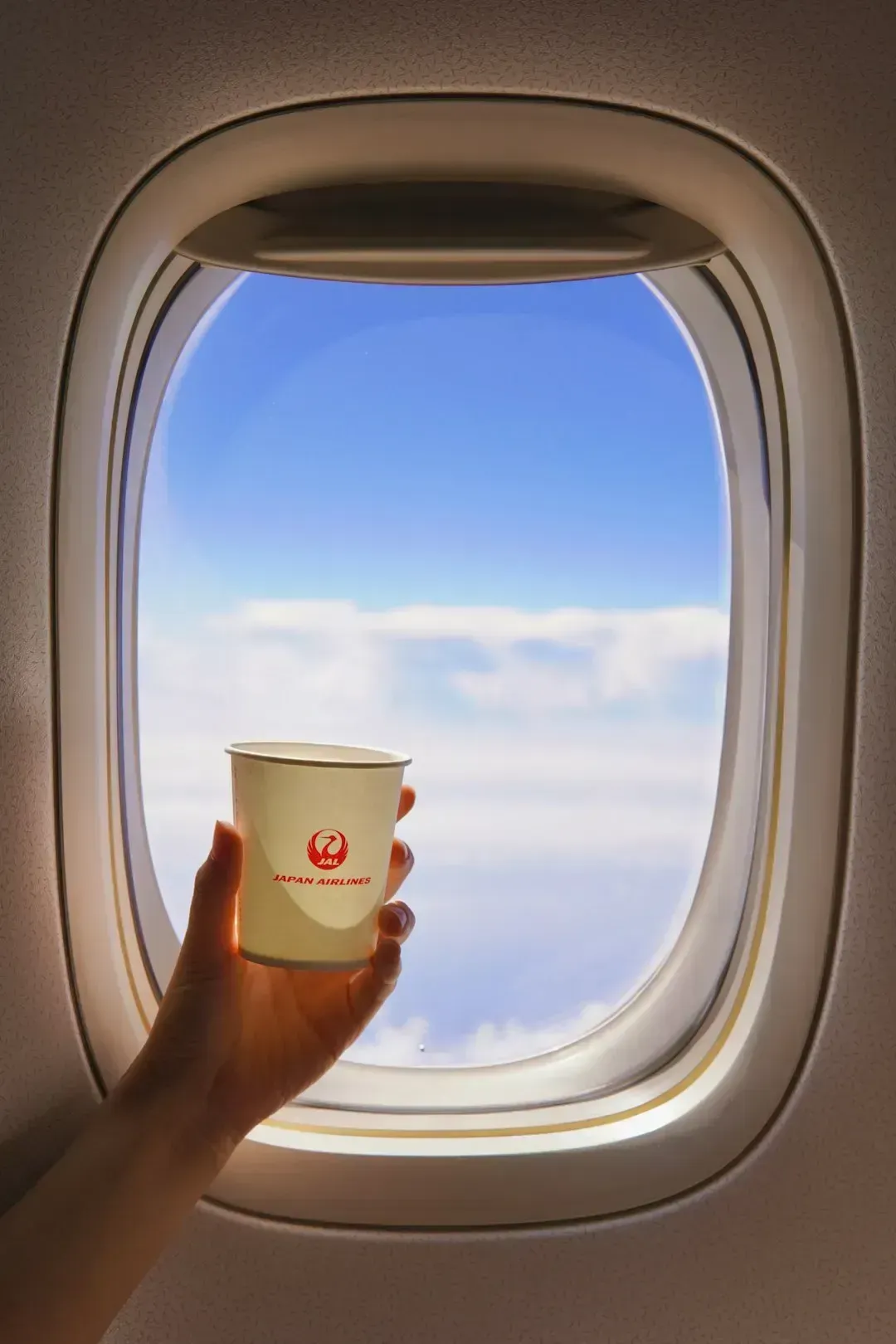
Food choices on long flights matter more than most people realize. Try to avoid fatty and heavy foods while flying. Steer clear of fizzy drinks and gas-producing foods like beans, lentils, burgers, and fries, which can leave you bloated. Your digestive system slows down while flying, so consider your food choices carefully. Try to eat a light and balanced meal, avoiding starchy and sugary foods.
When flying at high altitude, bodily gases expand by roughly one third, causing aches and uneasiness. That fizzy drink you grabbed at the gate might feel very uncomfortable two hours into the flight. Alcohol also makes it more difficult for your cells to absorb oxygen, worsening altitude-related symptoms, and dehydrates your body faster. If you’re feeling stressed about flying, a soothing non-caffeinated tea is a much better choice than a stiff drink.
Take Care of Your Skin and Eyes
Most travelers think about hydration in terms of drinking water, but the skin and eyes are just as affected by the dry cabin air. Low humidity on planes causes real discomfort. While comfortable indoor humidity ranges from thirty to sixty-five percent, the humidity inside an airplane cabin is only around ten to twenty percent. As a result, packing a good moisturizer for dry skin and eye drops like saline solution is important, especially for contact lens wearers.
The dry cabin air can wreak havoc on your skin. Bringing a small pouch with skincare essentials like cleanser, moisturizer, lip balm, and hand sanitizer helps. A refreshing facial mist can also combat that post-flight dryness. Sunscreen is also necessary on daytime flights, because UV exposure intensifies at high altitudes, and reapplication at regular intervals reduces skin impact. Most people forget that one entirely.
Manage Noise and Light Intentionally

Noise and light are two of the biggest enemies of rest on a long flight, and both are completely manageable with the right preparation. Planes and airports are incredibly loud environments, and cheap foam earplugs often handed out on planes simply don’t cut it. Investing in a pair made for hours of wear that properly blocks out noise makes an enormous difference. Think of noise-canceling headphones as a force field between you and the chaos of the cabin.
Practicing relaxation techniques such as deep breathing, meditation, or listening to calming music can help reduce stress and anxiety associated with long flights. Relaxation supports recovery from long-haul travel and helps passengers settle into a calm state. Warm beverages combined with meditative or soothing music contribute to a peaceful in-flight environment. The goal is to create a micro-environment inside the cabin that your nervous system actually wants to relax in.
Keep Yourself Mentally Engaged

Here’s the thing about very long flights – boredom is its own kind of exhaustion. When there is nothing to occupy your mind, every minute feels stretched out. Having plenty of entertainment options helps you pass the time on a long-haul flight. Bring books, magazines, or downloaded movies and TV shows. Download games or apps to your phone or tablet. Not only will entertainment keep you occupied in the moment, but the anticipation of it helps speed the trip along, giving you something to look forward to on board.
A long-haul flight is a golden opportunity to knock out work or catch up on much-needed rest. Deciding in advance how you want to use your time in the air helps enormously. If you’re planning to be productive, download the necessary files, charge your devices, and bring earplugs or noise-canceling headphones. Treating the flight as time you actually own, rather than time being taken from you, changes the entire experience. It’s a mindset shift that sounds small but genuinely works.
A long flight doesn’t have to feel like something to survive. With a little preparation, the right gear, and some awareness of how your body actually responds to altitude and dry air, you can step off the plane feeling far better than you expected. What’s the one tip here you hadn’t thought of before? Give it a try on your next trip – the difference might genuinely surprise you.