12 Things to Expect When Visiting European Cities in Spring
There is something almost unfair about Europe in spring. The light is softer, the streets smell like rain and fresh flowers, and locals seem genuinely happier – like a whole continent exhaling after a long winter. It’s one of those rare travel experiences where reality can actually outrun your expectations.
Whether you’re planning your first European adventure or your tenth, spring brings its own particular set of surprises. Some are delightful. A few are mildly frustrating. And at least one or two might genuinely catch you off guard in 2026. Here is what you should honestly expect, from the moment you land to the moment you reluctantly fly home.
1. Mild, Unpredictable Weather That Rewards the Prepared Traveler
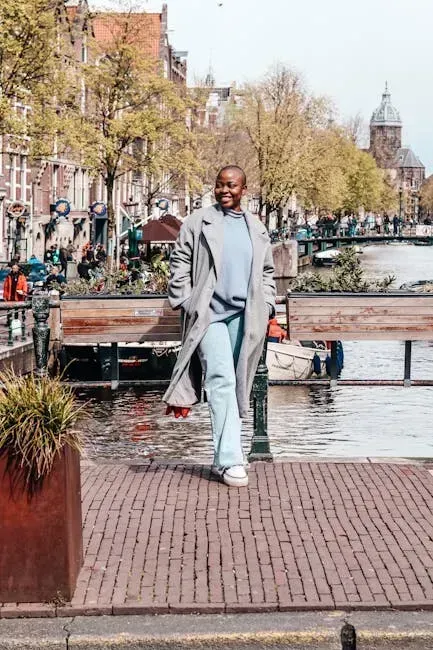
Let’s be real: European spring weather is a gamble, but it’s one that usually pays off. Spring weather across Europe varies greatly depending on where you go and when. The season generally runs from March through May. In central and northern Europe, daytime temperatures average around 17°C, while evenings can dip to around 8°C. The south is kinder. Southern regions such as Spain, Italy, and Greece can reach highs of around 20°C in April, dipping to roughly 12°C in the evenings.
Pack appropriately for varying weather conditions during springtime. While days may be warm and sunny, evenings can still be chilly. Layering your clothing will help you stay comfortable as you enjoy everything on offer. Think of it like dressing for four seasons in a single day. A compact rain jacket stuffed into your daypack is honestly non-negotiable, no matter which city you visit.
2. Significantly Fewer Crowds Than Summer – At Least at First
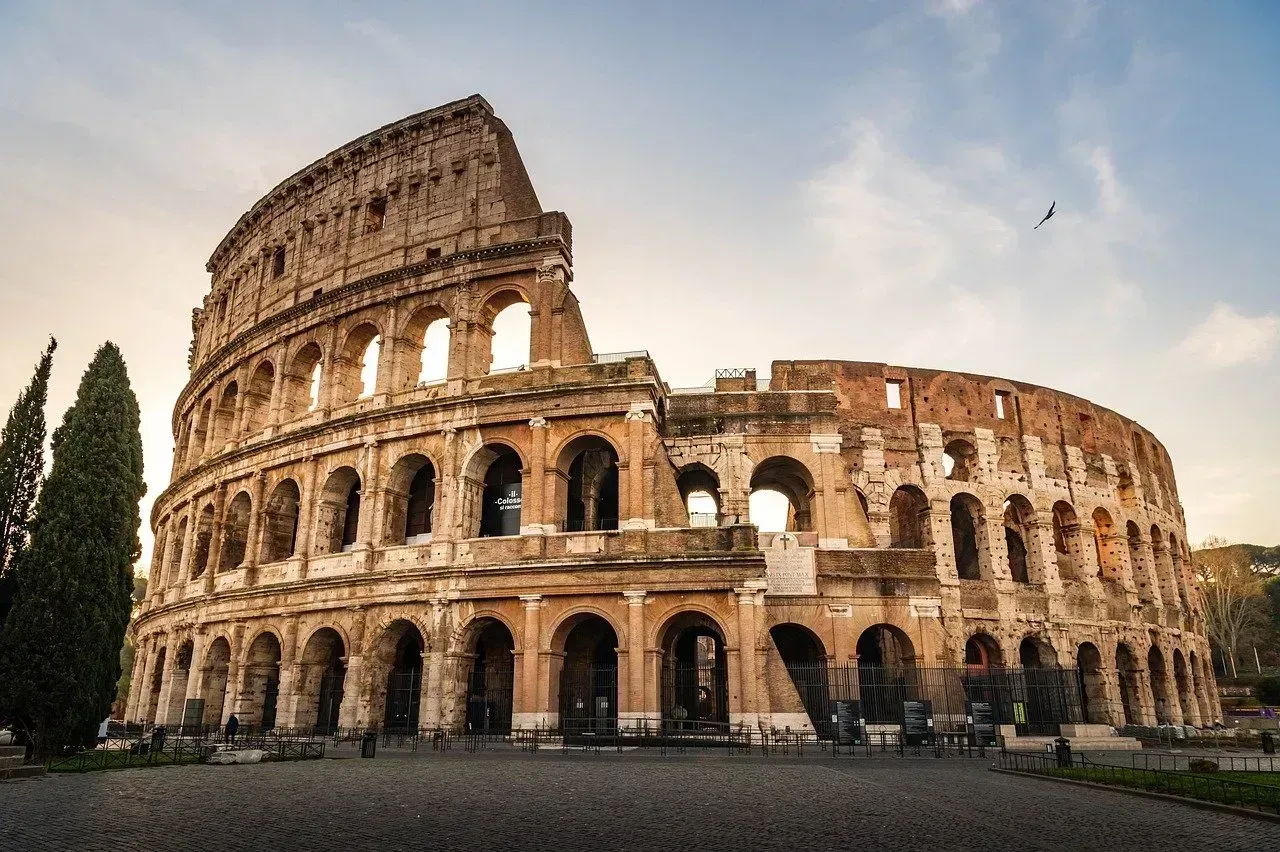
One of spring’s biggest gifts is breathing room. Spring sees fewer tourists than summer, and there’s a host of cultural events across the continent. That means you can actually stand in front of the Colosseum or walk across Charles Bridge without someone’s selfie stick in your face. It’s a genuinely different experience compared to July. Iconic landmarks like the Colosseum in Rome or the Acropolis in Athens are less crowded, giving you more time to soak in their history and beauty.
However, there is a catch. Crowd levels are moderate in spring, with cities getting busier toward June. Easter week, in particular, is a whole different story. Religious festivals across Easter bring many towns and cities alive with celebrations such as Holy Week in Spain and Italy – and while these locations are very busy, these are very special events to witness in person. Time your trip wisely and you can have both: the festival atmosphere and the space to breathe.
3. A New EU Border System That Could Slow Your Airport Arrival
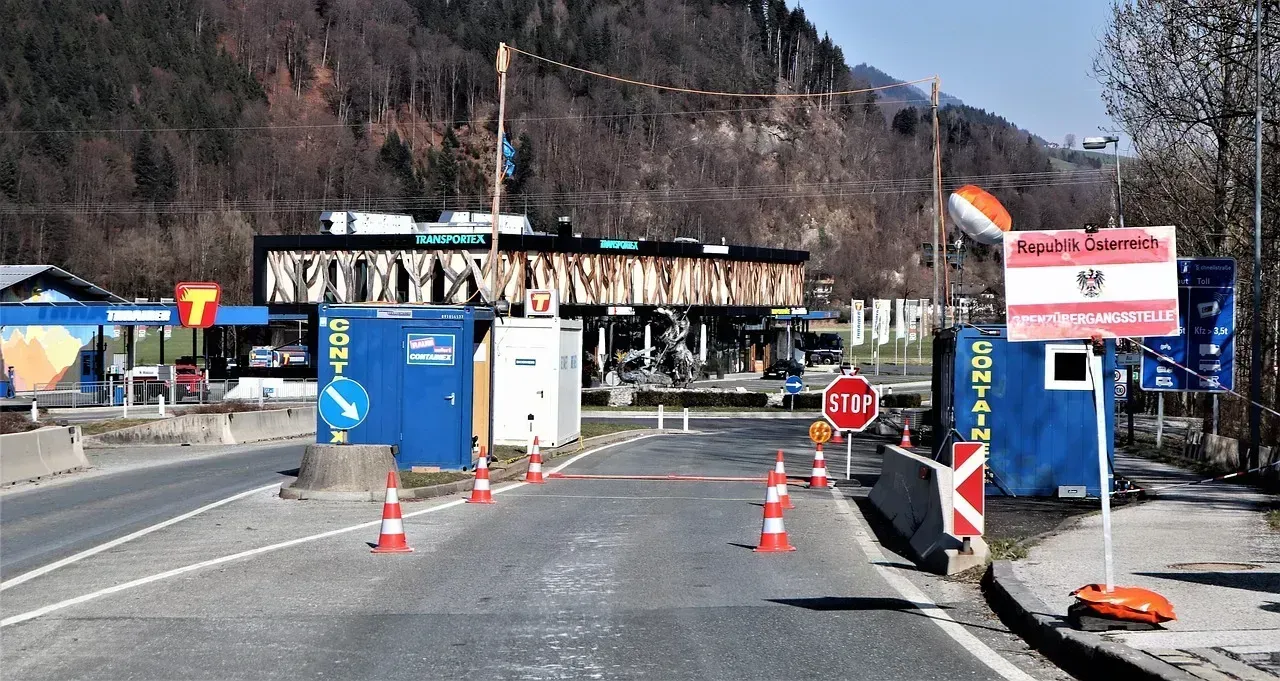
This one is genuinely new and important for non-EU visitors in 2026. The European Commission confirmed that the EU’s Entry/Exit System (EES) would be fully deployed by April 9, 2026, and that the timeline has not changed. If you are travelling from the UK, US, Canada, or Australia, this affects you directly. Under the new system, travelers from countries such as the United States and the United Kingdom must register fingerprints and a facial image the first time they cross the border. That biometric data replaces traditional passport stamping and is stored in a shared database used by border authorities across participating countries.
The honest truth? It has been bumpy. Processing times at airports have increased by up to 70 percent, with waiting times of up to three hours at peak traffic periods, according to findings by the Airports Council International. Travel industry groups have advised passengers to allow extra time when arriving in Europe while the system is being phased in. Build at least an extra two to three hours into your post-arrival plans, especially if you are landing at a major hub during Easter or the early May holiday period.
4. A Burst of Colour From Flowers, Gardens, and Outdoor Markets
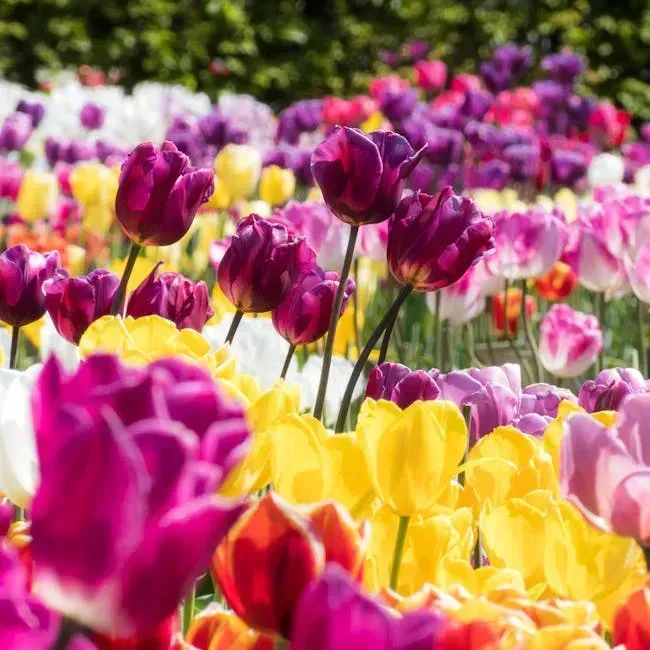
Here’s the thing that no photograph truly captures: the sheer sensory overload of European cities in bloom. Spring brings blooming flowers, open outdoor cafes, and fewer lines at attractions. Parks and gardens like Keukenhof Gardens bloom with flowers, and outdoor spaces are full of locals enjoying the warmer weather. Amsterdam’s famous Keukenhof is worth singling out. Known as the “Garden of Europe,” this world-famous attraction showcases over 7 million blooming tulips, daffodils, and hyacinths.
Nothing says spring in Europe quite like the breathtaking tulip fields of the Netherlands. From late March to early May, the Dutch countryside transforms into a vibrant patchwork of reds, pinks, yellows, and purples. But you don’t have to go to Holland for this kind of magic. From Vienna’s Naschmarkt to Barcelona’s La Boqueria to Lisbon’s Feira da Ladra, local markets are ideal for food-tasting, people-watching, and discovering artisan products. The outdoor market scene in spring is absolutely electric.
5. A Packed Calendar of Festivals and Cultural Events
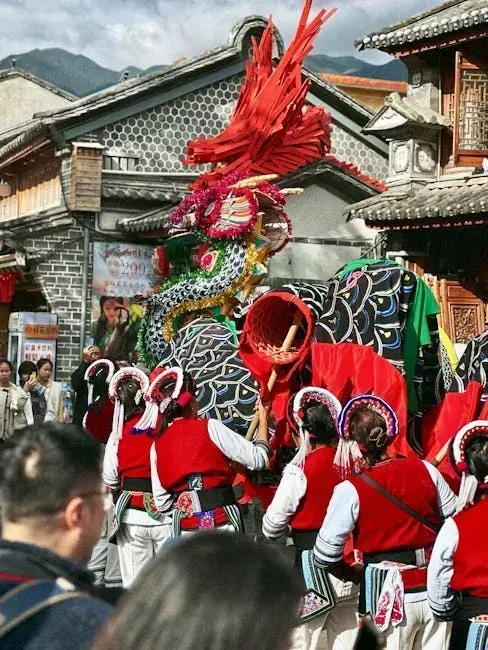
Spring is, without question, Europe’s festival season. The variety is almost overwhelming. In mid-March, Las Fallas is a valid reason to visit Valencia in early spring. This massive pyrotechnic festival features fireworks, music parades, and giant sculptures that are burnt on the festival’s final night – a fiery way to welcome spring. Spain, especially, goes all out. Seville’s Feria de Abril brings flamenco dancers, colorful lanterns, and lively music, creating an unforgettable atmosphere in Andalusia.
The Netherlands adds its own spectacular twist. In spring, the Netherlands paints its towns orange on King’s Day on April 27th, while also welcoming the colorful annual tulip bloom. Germany’s Frühlingsfest, known as Oktoberfest’s little sister, runs from mid-April to early May, while Portugal’s medieval town of Óbidos hosts its annual Chocolate Festival in mid-March. Honestly, you could plan an entire European trip around festivals alone – and it would be one of the best decisions you’ve ever made.
6. More Affordable Prices Compared to Peak Summer Season
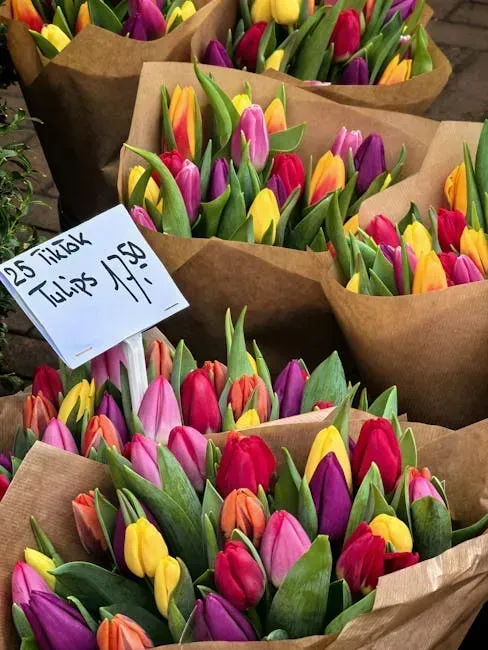
Spring is genuinely kinder to your wallet, and not by a small margin. A major benefit of visiting Europe in spring is that everything from flights to accommodation is cheaper compared with peak seasons like summer or the festive period. Think of it this way: summer pricing in Paris or Barcelona is like paying for a business-class experience while sitting in economy. Spring gives you a closer-to-fair deal. The shoulder seasons of April through May and September through October offer among the lowest accommodation rates and flight prices of the year.
That said, not every destination plays nicely. Hotel prices rose by roughly half in Amsterdam and by about a third in Barcelona between 2019 and spring 2025. So while spring is still cheaper than summer, the baseline has shifted upward in popular cities. When planning trips for 2026, travelers should consider not only ticket and accommodation prices, but also additional costs in the form of tourist taxes, as more and more cities are introducing new or increasing existing tourist fees to offset the burden on infrastructure. Factor those extras into your budget before you go.
7. Growing Tourist Taxes and Entry Fees in Major Cities

It might feel a little surprising at checkout, but tourist taxes are becoming a standard part of the European travel experience. In 2024, Venice introduced an access fee for day-trippers on specific days. In 2025, the program expanded to 54 days. Visitors who book at least four days in advance are charged €5, while those booking closer to their visit pay €10. Venice is far from alone. Lisbon doubled its overnight tax to €4 in January 2025, and Porto has followed suit.
Edinburgh will be the first city in Scotland to officially introduce a tourist tax. Starting July 24, 2026, travelers will pay 5% of the cost of hotel accommodation for the first five nights of their stay. I think most travelers can live with a few euros here and there – especially knowing the money supports cultural preservation and infrastructure. Still, it is wise to check what fees apply to your specific destinations before you leave home, because the list keeps growing.
8. Outdoor Cafe Culture Coming Back to Life
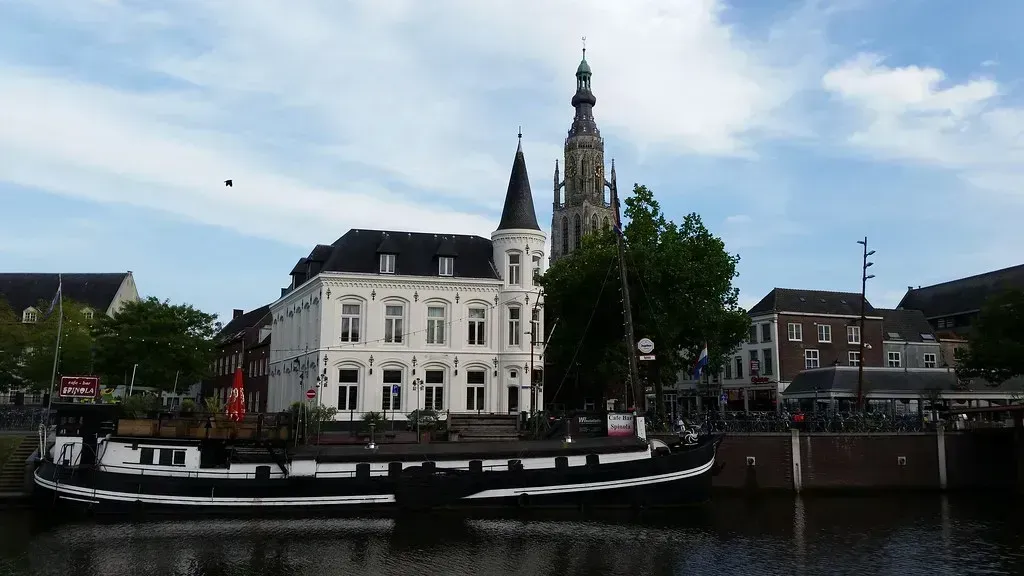
One of the most quietly joyful things about spring in European cities is watching the streets come alive again. Chairs and tables that spent winter packed inside or stacked against walls suddenly reappear on cobblestoned pavements, and locals treat a sunny afternoon like a minor miracle worth celebrating. Spring in Europe is all about flower festivals and city tours, with the season drawing people back outdoors across the continent. This is especially visible in cities like Paris, Vienna, Prague, and Porto.
Colourful, charming, and full of character, Porto blends old-world beauty with a growing creative scene, with its tiled façades, riverside cafés and steep cobbled streets making it the perfect mix of historic and hip. Spring allows you to experience the city’s blooming gardens in all their glory, while temperatures between 15°C and 25°C keep conditions comfortable for lingering outside. There is something truly irreplaceable about sitting at a small European café in April, watching the world pass by over a coffee that costs less than two dollars. That experience alone is worth the flight.
9. Longer Daylight Hours That Transform Your Sightseeing
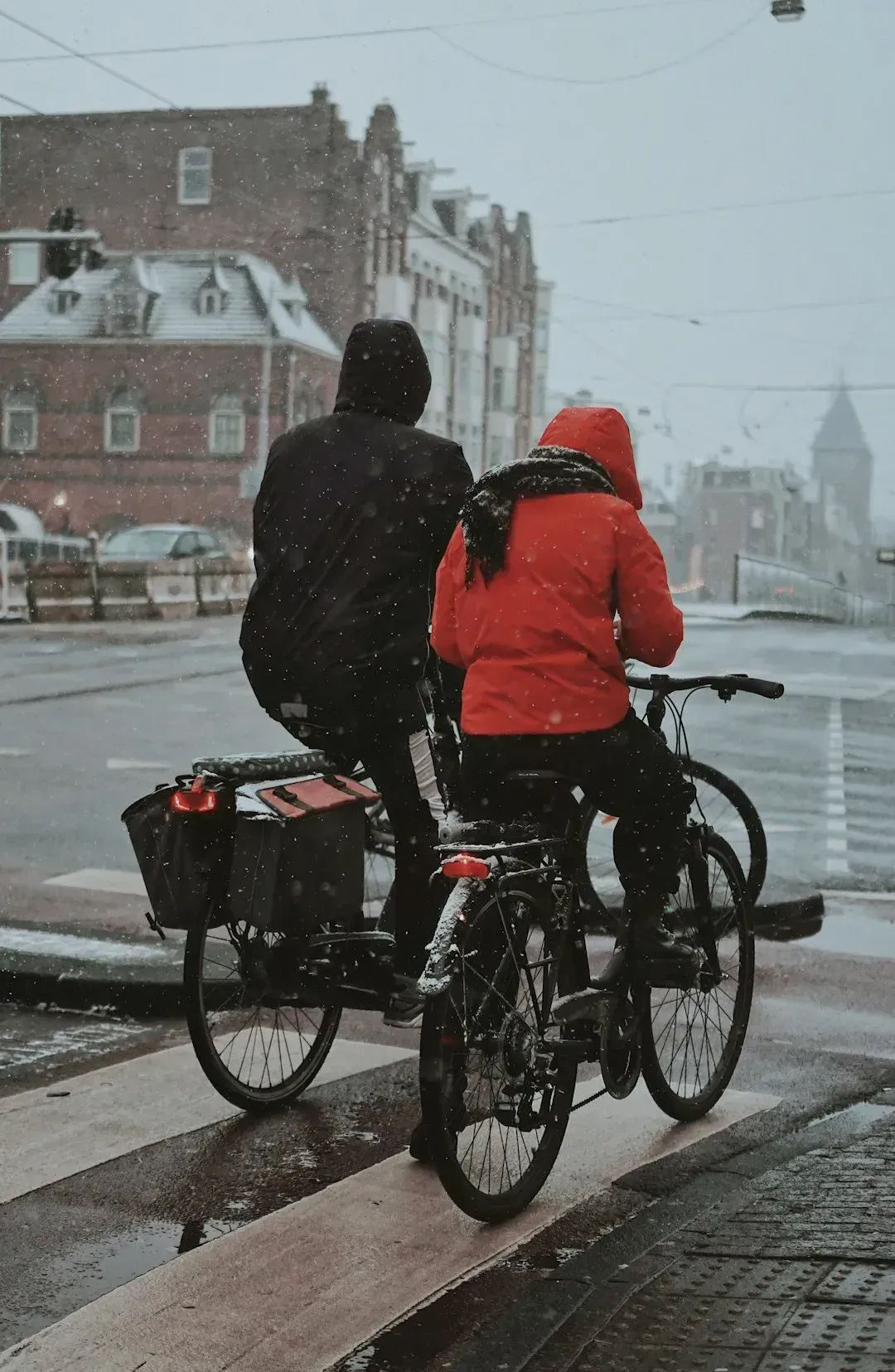
Honestly, one of the most underrated advantages of spring travel is the light. Days are noticeably longer than winter, which means more time for wandering without the pressure of the clock. The weather is getting warmer, days are getting longer, and there is plenty of daylight for loads of sightseeing. You’re essentially getting a few bonus hours each day compared to a December visit. That extra light changes everything, from your mood to the quality of your photos.
Spring is one of the best times to visit Europe because you get more time, space, and cultural events, all while the days are growing longer and nature puts on a show. In northern cities like Amsterdam, Edinburgh, or Copenhagen, the extended daylight in May can stretch to nearly 17 hours. Think of it as nature giving you a free upgrade. You won’t need an alarm clock when the sun starts streaming through your hotel curtains at 5:30 in the morning.
10. Cherry Blossoms, Almond Blooms, and Other Natural Spectacles
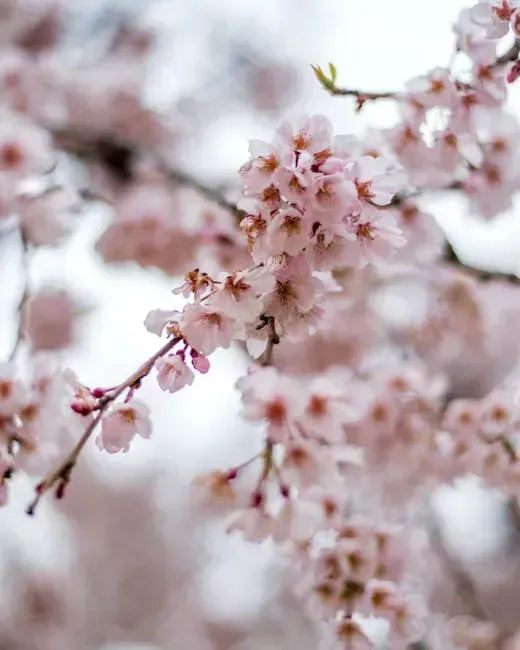
Spring blooms in European cities are not just a Dutch tulip thing. The continent puts on an extraordinary natural show from March all the way through May. Budapest awaits to seduce visitors with its cherry blossoms, which are at their brightest and most beautiful in mid-April. Walking along the city’s riverbanks under clouds of pink blossom while the Danube glitters below is the kind of scene that sounds almost too cinematic to be real. It is entirely real, though.
You’ve likely seen fields of tulips in the Netherlands and Spain’s streets carpeted with almond blossom, but these aren’t the only places to catch spring blooms in Europe. Sicily, for example, is spectacular in early spring. The ancient city of Agrigento has been crowned Italy’s Capital of Culture, and exploring the Valle dei Templi – a UNESCO World Heritage archaeological site – is magnificent on any spring day. It’s hard to say for sure which bloom season is the most magical, but I’d argue cherry blossom season across Central Europe is genuinely one of nature’s finest performances.
11. An Overtourism Conversation That Is Reshaping Destinations
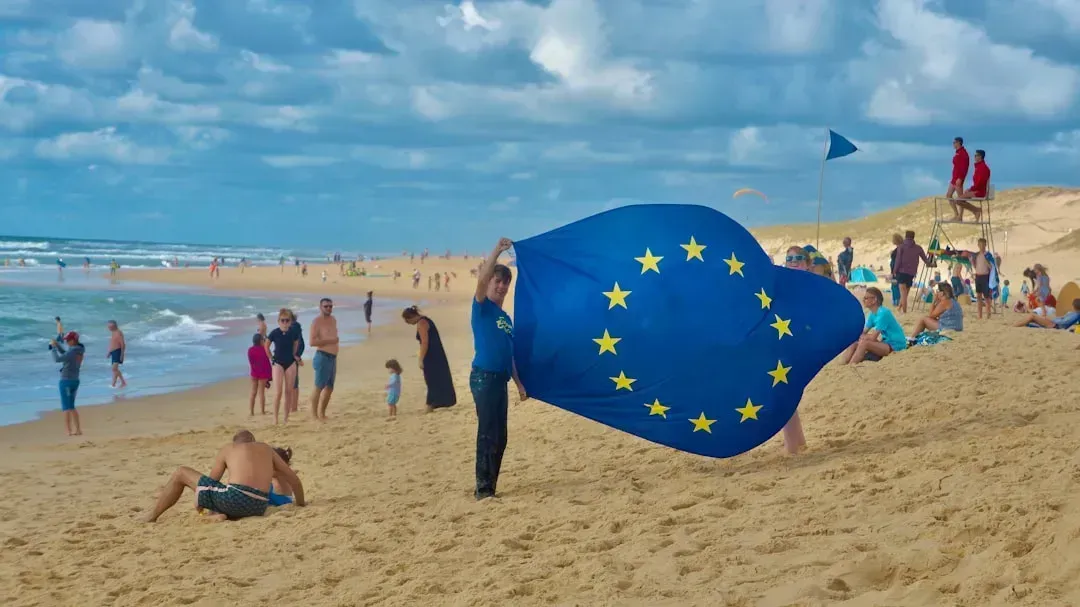
Something is shifting in European travel culture, and spring visitors are right at the center of it. More than 70 percent of travelers now say that, when choosing a destination, they are conscious of whether it deals with overtourism. In 2025, roughly four in ten respondents said they chose a destination specifically because they thought it would have fewer crowds. This mindset is smart, and it often leads to better trips. Travelers in 2026 are choosing culture over checklists, prioritizing local experiences, regional food, boutique stays, and immersive exploration. Smaller towns and secondary cities are rising in popularity, giving visitors more authentic, less crowded journeys.
The practical implication? Consider skipping the absolute top-tier hotspots in favor of less exhausted alternatives. Lesser-known but beautiful cities like Ljubljana in Slovenia and Tallinn in Estonia make some of the best choices for crowd-conscious travelers in Europe. With all this popularity, crowds can be a problem, and destinations all over Europe are finding their own solutions for issues around overtourism. By adding a little creativity to your itinerary, you can almost always swerve the worst of crowds. This is one of those cases where the off-the-beaten-path cliché is completely justified.
12. Holy Week and Easter Celebrations That Stop Cities in Their Tracks

If your spring visit falls around Easter, expect entire cities to transform around you in ways you almost certainly didn’t anticipate. This is especially true in Southern Europe. Spring is when Easter falls in Europe, usually in April, and countries including Spain, Portugal, and Italy celebrate Holy Week. Across these countries, elaborate celebrations involve lengthy processions, religious dress, feasts, and music, culminating on Easter Sunday. In Rome, the scale is remarkable. Rome is the top European destination for Easter week, known as Settimana Santa, which starts on Palm Sunday with a special mass in Saint Peter’s Square. On Good Friday there is a Papal Mass at the Vatican, and in the evening the ritual of the Stations of the Cross is enacted near Rome’s Colosseum.
Plan around it or plan for it – but do not be caught off guard by it. Hotels near key procession routes in cities like Seville, Rome, or Lisbon fill up many months in advance. Plan your itinerary well in advance to secure accommodations near festival locations. Popular events can attract large crowds, so booking early will help you avoid last-minute hassles. The experience of watching a candlelit procession wind through ancient cobblestoned streets on a warm April night is one that stays with you for years. Whatever your personal beliefs, the pageantry and emotion are deeply, unmistakably human.
Spring in European cities in 2026 is a beautifully layered experience – warmer and lighter than winter, more personal and affordable than the peak summer rush. From the chaos of new border technology to the quiet joy of a café terrace in bloom, it rewards the traveler who comes prepared and stays curious. What’s your next European spring destination going to be? Tell us in the comments below.