8 Travel Habits That Help You Avoid Common Delays
There is something deeply frustrating about watching the departure board flip from “On Time” to “Delayed” while you stand helplessly in a terminal, coffee going cold, itinerary crumbling. It happens more often than most people realize. One out of every five flights in the U.S. was delayed in 2024, according to federal data. That is not a freak occurrence. That is a systemic problem.
The good news? A lot of those delays are avoidable, or at least their worst consequences are. Experienced travelers know this. They move through airports with a kind of quiet confidence that looks like luck but is actually just habit. Here are eight of those habits, grounded in real data and practical logic. Let’s dive in.
1. Always Book the First Flight of the Day
Honestly, this one sounds annoyingly simple, but the difference it makes is remarkable. If you’re on the first flight out, there’s little chance you’ll have to wait for that aircraft coming in from another city because it’s likely been sitting at the airport overnight. That alone eliminates one of the most common causes of delay before you even arrive at the airport.
Flights later in the day are more likely to be delayed due to the domino effect: if one flight is delayed, they all tend to be delayed as well. Think of it like traffic. The first car on the highway moves freely. By midday, everyone is stuck behind the ripple effects of one bad merge from three hours ago. Morning flights sidestep all of that.
2. Fly on Off-Peak Days of the Week

On popular travel days, typically Fridays and Sundays, airports can get so busy that planes line up on the runways waiting to take off, often preventing other planes from landing. The delays can domino as the day goes on, because once a plane is late, it’ll be late taking off from its next destination. It is an aviation version of a traffic jam, and you can simply route around it.
Tuesdays, Wednesdays and Saturdays are often considered less busy days to fly while Fridays and Sundays typically are the busiest. There is a bonus here too. Flying mid-week often means cheaper fares and noticeably thinner crowds at security. It is a rare case where the smart choice is also the cheaper one.
3. Choose Nonstop Routes Whenever Possible
Every connection you add to your trip is another opportunity for something to go wrong. Avoiding connections can also help your chances of avoiding a delay. Every connection adds risk – you never know what the weather will be like at your connecting airport. Even with early morning flights, it’s likely to be later when you arrive at your connecting airport, increasing your risk of a delay.
A connection is sometimes cheaper than a nonstop, but it involves the risk of a misconnection if your first flight is delayed. Think of a nonstop flight as paying a small premium for a much shorter chain of things that can break. Sometimes the cheaper option ends up costing you a night in a hotel and a missed meeting.
4. Be Strategic About Which Airport You Connect Through
Not all layover airports are created equal. Some are delay magnets. Chicago O’Hare International Airport experienced the most delays of any U.S. airport in 2025 with roughly more than a quarter of all flights delayed, but Newark Liberty International Airport had the most overall disruptions with about a quarter of flights delayed and nearly 3 percent of flights canceled. Routing through these hubs, especially for tight connections, is a gamble.
When you’re choosing which route to take, anticipate potential problems in the layover airport. For example, if you’re traveling in winter and you have the option to change planes in Detroit or in Atlanta, you’re less likely to get held up by a snowstorm in Georgia. But in summer, when searing heat can ground flights, it might be smarter to route through, say, Denver than Phoenix. Thinking like a chess player rather than a bargain hunter pays off here.
5. Enroll in TSA PreCheck or Global Entry
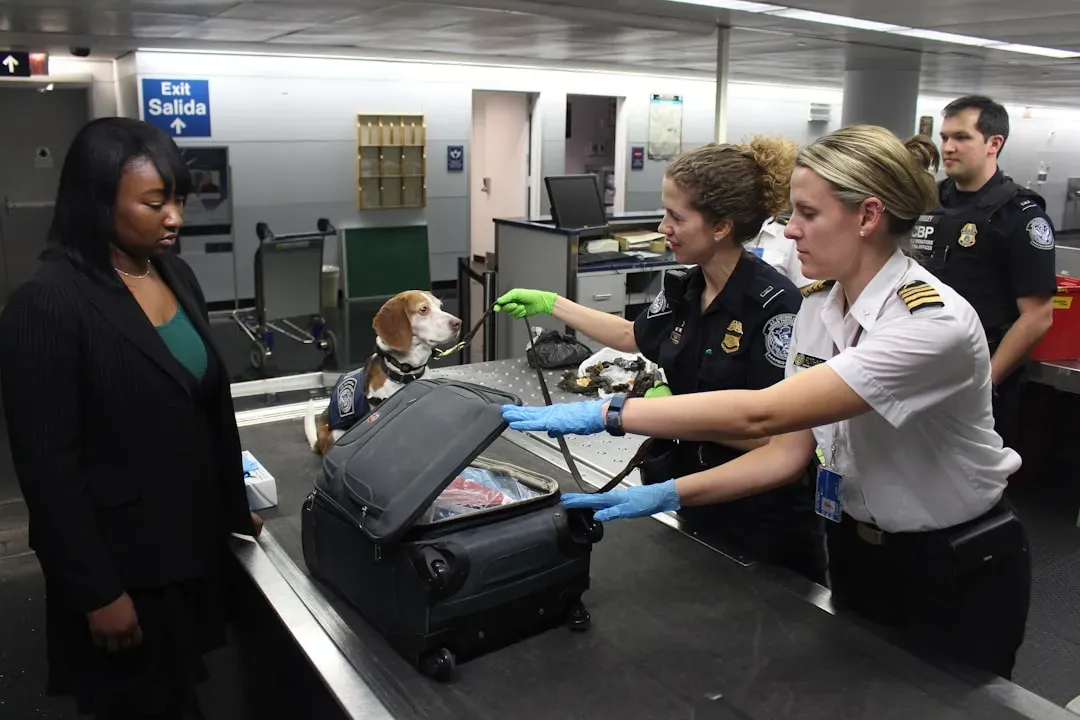
Security lines are one of those delay sources that travelers feel they can do nothing about. That is simply not true. You can speed through airport security by enrolling ahead of time in TSA PreCheck, Global Entry, or CLEAR. These programs exist precisely to get informed travelers out of the general crush and moving toward their gates faster.
The price of TSA PreCheck was recently reduced and is now just $78 for a five-year membership, and $70 to renew. International travelers would be wise to opt for the $100 five-year Global Entry membership, which, in addition to including TSA PreCheck, is an expedited customs screening service upon arrival in the United States. That works out to less than a cup of coffee a month to skip the worst part of airport travel. Hard to argue with that math.
6. Download the Airline App and Enable Notifications
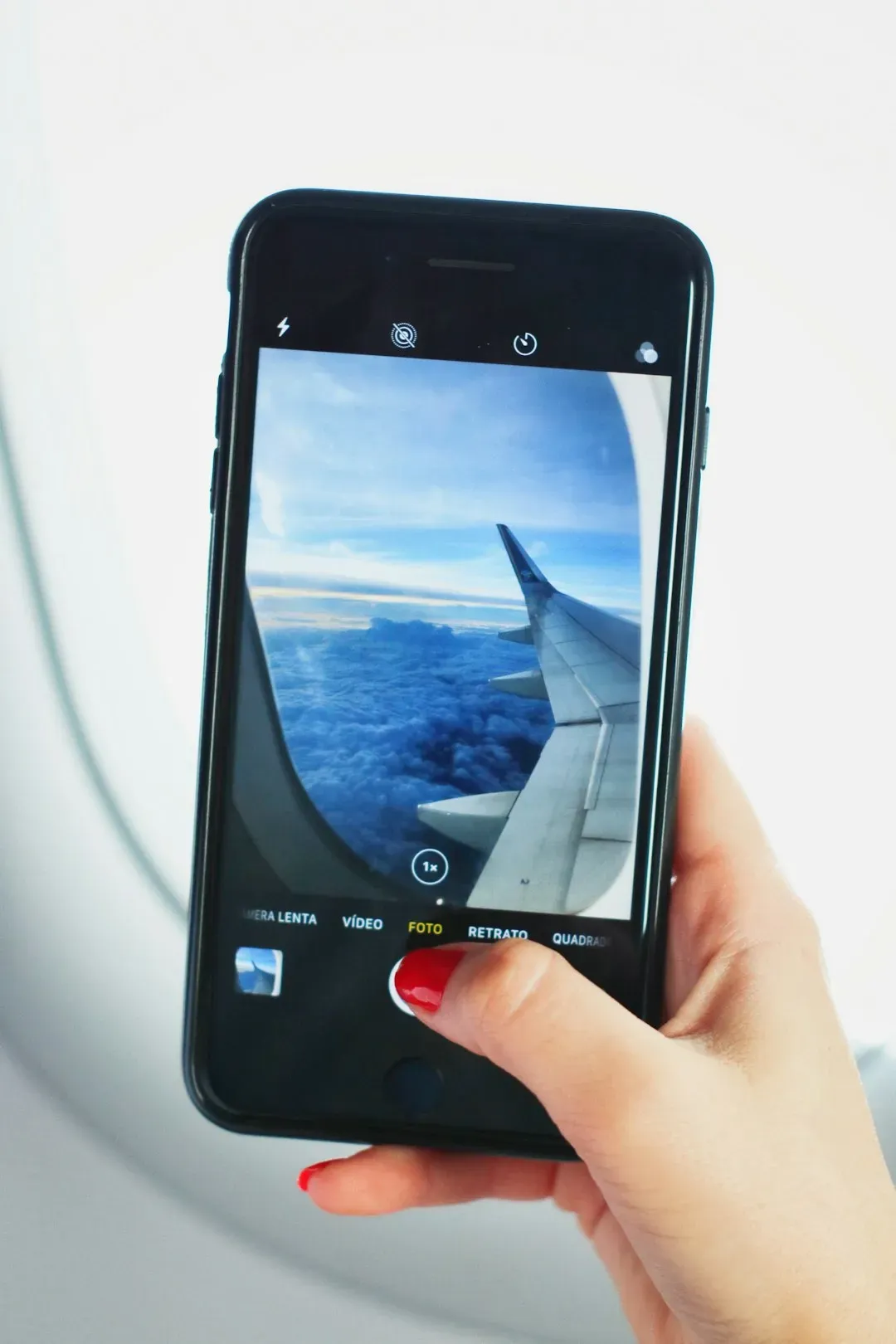
Here’s the thing: a delay announced on your phone while you’re still at home is a totally different experience from discovering one at the gate. Carriers have greatly overhauled their technology to put a lot of capabilities directly into the hands of passengers, including the ability to track flights and luggage and cancel and/or change your flight. This will come in handy if you need to rebook and see the full display of flights available through your carrier.
Getting the airline’s app and doing everything on it, including boarding passes, tracking bags, incoming plane info, and terminal details, gives you a significant advantage. The traveler who knows about a gate change before the announcement crackles over the speaker is already walking calmly to the new gate while everyone else scrambles. That person is not smarter. They are just better connected.
7. Build Longer Layover Buffers Than You Think You Need

I know it feels wasteful to sit at a connecting airport for two hours. Trust me, it feels far less wasteful than sprinting through a terminal and watching your gate door close. Allowing yourself at least 90 minutes to connect means that if you experience a delay, you won’t miss your connecting flight. Ninety minutes is really a floor, not a goal.
Keep in mind that if you cut it too close, you might board the plane in time, but your luggage won’t. If TSA agents have less than an hour to screen your check-in bags, they may place them on a later flight. That turns a close shave into a multi-hour baggage ordeal at your destination. A longer layover is not dead time. It is cheap insurance.
8. Get Travel Insurance – and Actually Understand It
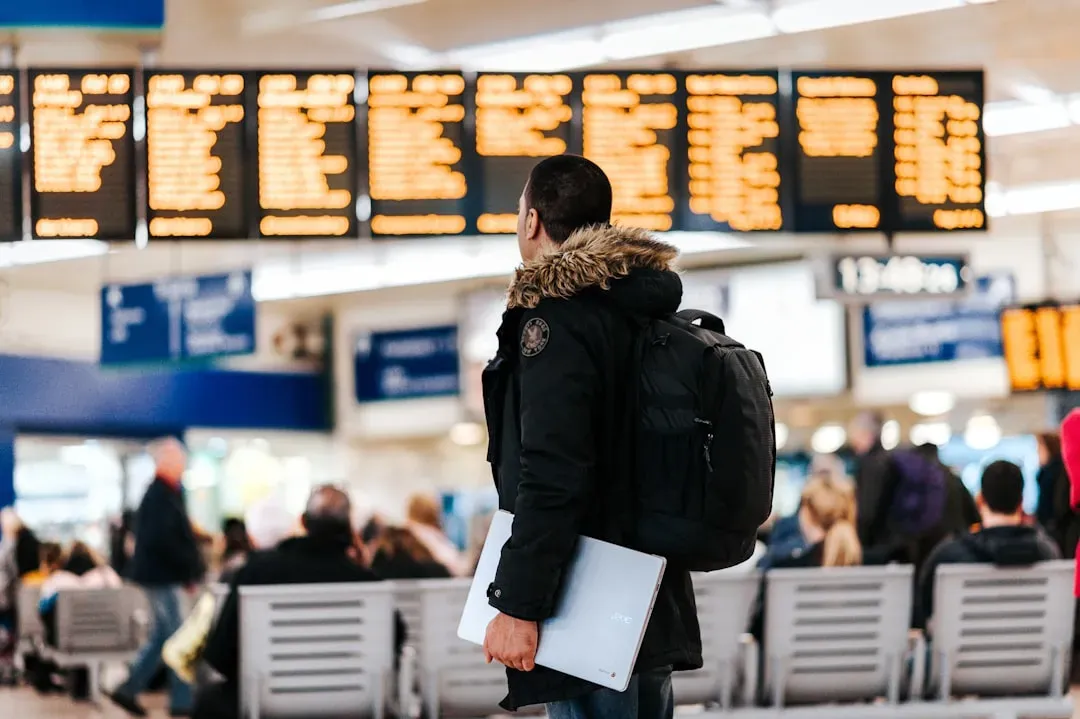
Many travelers are under the false impression that the airline will cover the cost of airport delays. However, there are no federal requirements for the treatment of a traveler when their flight is delayed. The airlines make their own policies. This surprises a shocking number of people every single year, often at the worst possible moment.
Paid claims for travel delays increased by roughly fifteen percent in 2024, nearly double the increase in the prior year. Travelers who relied on travel insurance to lessen the expense of a delay received an average claim amount of $370 and a high of $2,655 in 2024. Travel insurance can cover the cost of extra meals and accommodations if your flight is delayed for a set time period, typically at least six hours. That kind of cushion transforms a nightmare delay into a manageable inconvenience. Before buying a new policy, though, check your credit card benefits first – many cards already include trip delay or interruption coverage you may not know about.
Delays will always be part of flying. Travelers should be prepared for an increased number of delays in 2026 due to ongoing technology issues, labor strikes and air traffic controller shortage. The airports are busier, the schedules are tighter, and the ripple effects move faster than ever. None of that changes with a single article. What does change is how prepared you are to navigate it. The travelers who sail through disruptions are not lucky – they just made a handful of quiet, deliberate choices before they ever left home. What habit will you start with?