The “Great Lakes Shift”: Why Thousands Are Eyeing Rust Belt Property
Something real is happening in America’s industrial heartland. Cities once written off as cautionary tales of decline are now appearing on housing watchlists, moving company search trends, and investment radar screens across the country. The so-called Rust Belt, that sprawling arc of formerly industrial cities from upstate New York through Ohio, Michigan, Indiana, and Wisconsin, is drawing a new wave of buyers, renters, and remote workers who are done paying coastal prices for coastal headaches. This isn’t a feel-good story invented by local tourism boards. The data is backing it up.
The Numbers That Flipped the Narrative
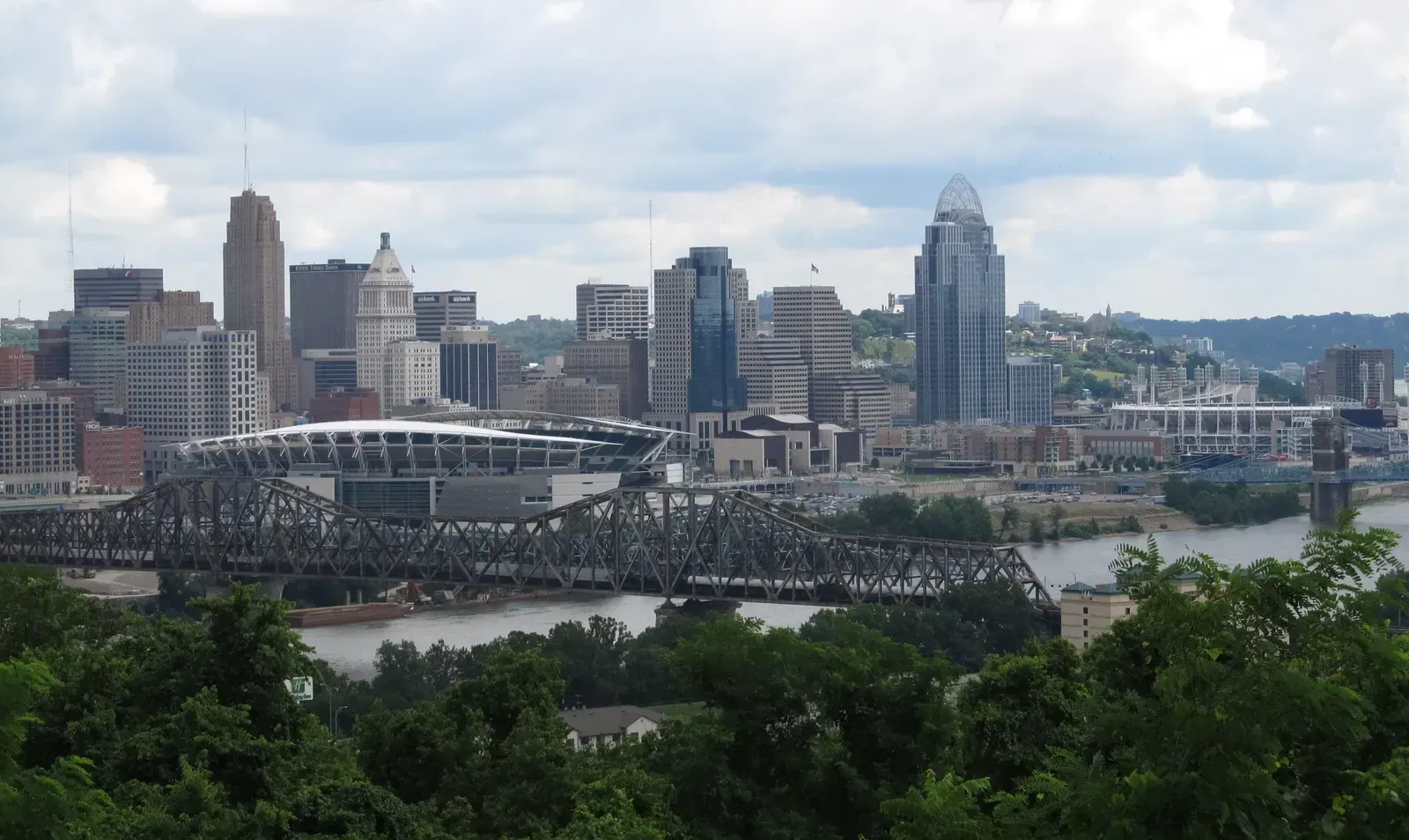
Buffalo, Cincinnati, and Cleveland were expected to be among 2024’s hottest housing markets, according to a Zillow forecast, a prediction that would have sounded like a punchline just a decade earlier. According to American Enterprise Institute data, eight of the nine cities achieving the highest appreciation in housing prices for a twelve-month period hailed from the Midwest. That kind of dominance is hard to ignore, and it reflects something structural rather than a blip.
Cleveland led all major markets with a 4.5% annual increase in home values, followed by Hartford at 4.4%, Milwaukee at 4%, Buffalo at 3.7%, and Chicago at 3.7%, according to a January 2026 analysis. Meanwhile, home values fell year over year in twenty-five markets, most of them situated in the South or West, creating a sharp and increasingly visible contrast between the coasts and the heartland. The reversal is not accidental.
Affordability: The Single Biggest Driver of Migration Interest
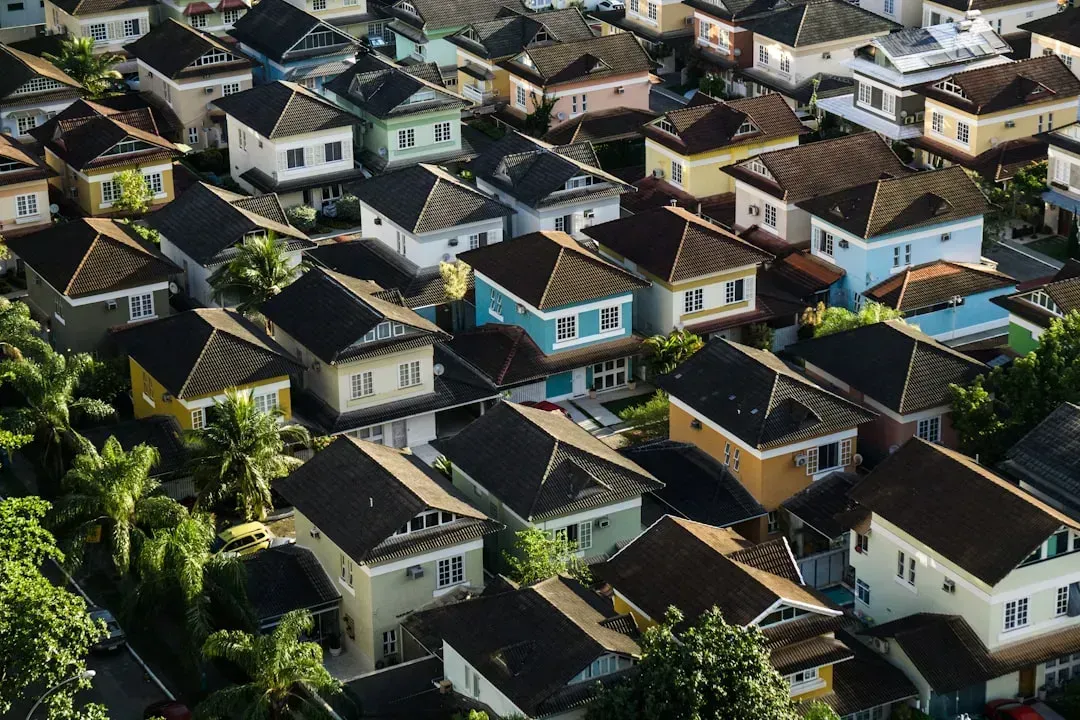
Nationally, households must earn $106,731 annually to afford a median-priced home at today’s mortgage rates, well above the U.S. median household income of $83,730. That gap is pricing enormous numbers of would-be buyers out of most major markets. Pittsburgh and Cleveland have some of the lowest income thresholds among the fifty cities analyzed, while buying a home in much of America now requires a six-figure salary.
The median cost of a home in the U.S. was around $447,435 as of mid-2025, per Redfin, so when you see that Pittsburgh’s median home price is just about $270,000, it’s easy to see why the “affordable” label sticks. A growing trend is the migration of people from more expensive metropolitan areas to more affordable regions, as home prices in places like New York City, Chicago, and Los Angeles continue to climb, making Buffalo and other parts of Western New York increasingly attractive to people seeking lower-cost housing without sacrificing quality of life. That migration pattern has accelerated steadily heading into 2025 and 2026.
The Cities Leading the Pack
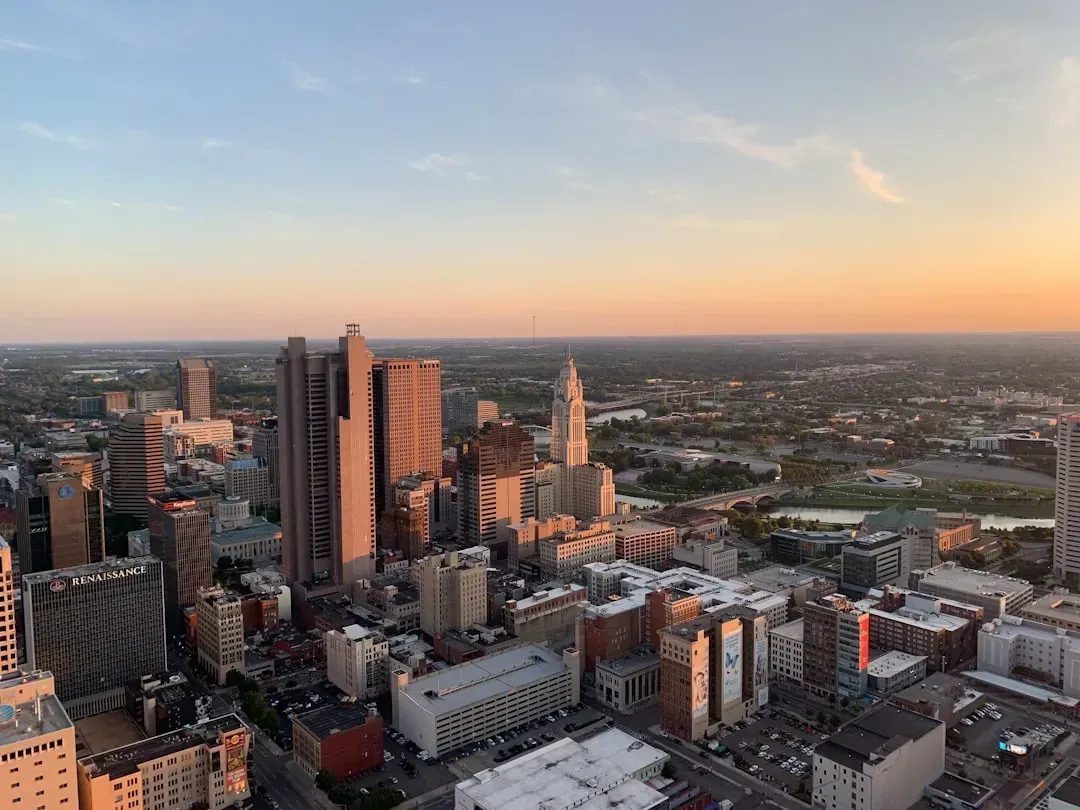
Columbus, Ohio, ranks first in housing and in the top five for all four major revival categories, with a growing economy including in “new collar” high-tech manufacturing. It’s the standout performer. Among Rust Belt cities with over 200,000 residents, Madison, Wisconsin, and Buffalo, New York, led the way. Madison saw a 7% population increase, adding 18,000 new residents, the highest median household income at $74,000, and significant commercial and housing growth. Buffalo, long associated with population decline, matched Madison’s growth and boasted a 40% increase in median household income.
Among Rust Belt cities with populations under 200,000, Grand Rapids, Michigan, came out on top, recording the highest increase in new housing units at 11% and the highest median household income at $65,600. Sellers in Buffalo should be prepared for multiple offers, often above asking price, as buyers continue to seek it out for its affordability and vibrant community, while many regions across the country are seeing a slowdown due to rising interest rates. A city once defined by decline is now generating bidding wars.
The Tech Belt Transformation Fueling New Jobs
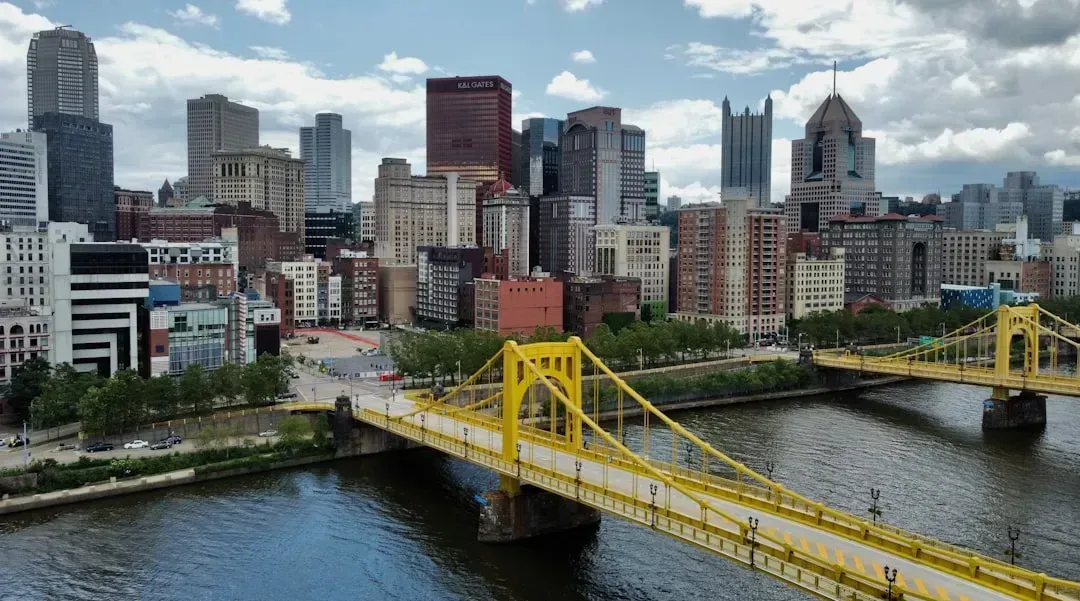
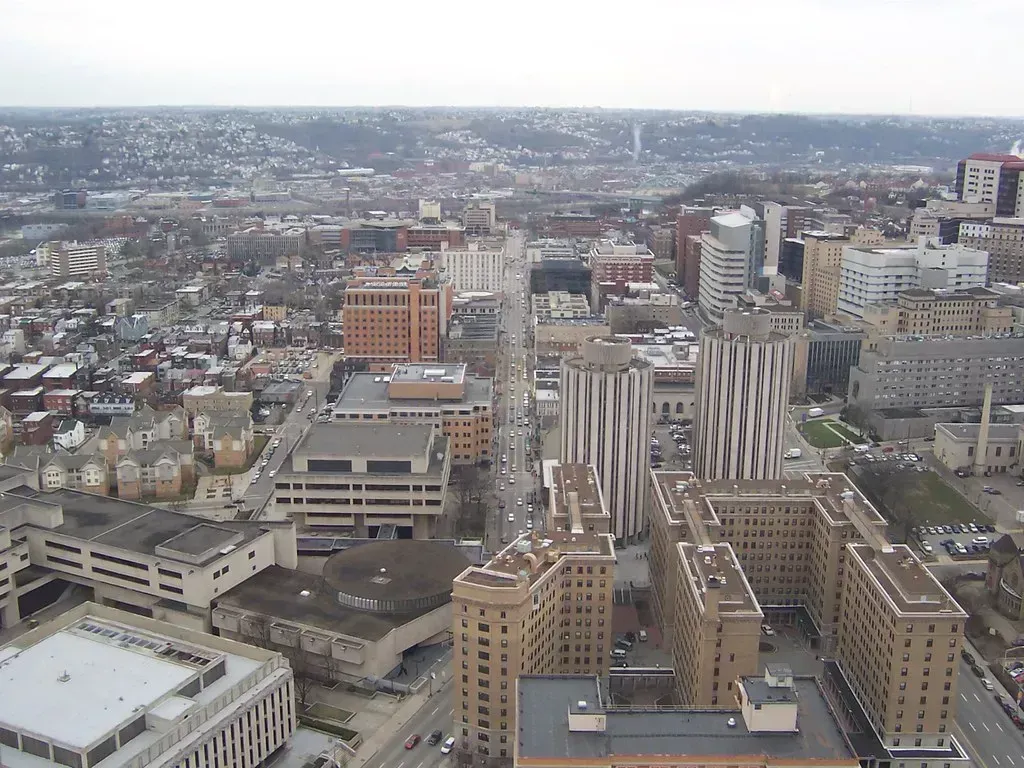
Pittsburgh has recovered from the collapse of its steel industry in the 1970s and 1980s by building out competencies in computer and data science, AI and automation, and medical treatments developed at Carnegie Mellon University and the University of Pittsburgh. Today, the “Steel City” boasts a flourishing collection of national innovation centers and AI and robotic tech startups, with over 100 startups in these two sectors alone. That’s a remarkable economic reinvention by any measure.
In September 2022, standing in front of the groundbreaking of the $20 billion Intel semiconductor chip factory outside of Columbus, Ohio, the Biden administration made a bold declaration: “It’s time to bury the label ‘Rust Belt’ and call it the ‘Silicon Heartland.'” Buffalo has also excelled with recent GDP growth since the 2020 pandemic and high rates of new business formation, with its success partly stemming from its designation as an official I-Corridor Tech Hub. Federal investment is meeting local momentum in ways that are generating real employment gains.
Climate Migration and the Fresh Water Advantage

There is an increasing chance that future waves of migrants from Florida, Arizona, California, and beyond could move to Great Lakes cities as extreme weather events caused by climate change in those regions prompt people to rethink where they want to live. Hurricanes in Florida are leading to insurance companies fleeing the Sunshine State, while in California, wildfires are resulting in urban devastation on a major scale. These are no longer abstract concerns. They’re impacting real estate insurance markets and household budgets in ways that push people to look elsewhere.
Warming winters, ample reserves of fresh water, and forests not prone to wildfire are ecological benefits that could attract millions of new residents to the Great Lakes and reverse decades of slow population growth. The Laurentian Great Lakes, as the world’s largest unfrozen surface freshwater system, hold paramount significance in maintaining the ecological integrity and socioeconomic prosperity of the Great Lakes Basin. Water security, once taken for granted, is now a genuine factor in where Americans choose to plant roots, and the Great Lakes region holds a powerful geographic advantage that is only growing in relevance.
Where the Revival Has Limits: Cities Still Struggling
Detroit continues to lose residents, with a 52,700 decline since 2017, and Flint, Michigan, still grapples with poverty despite an increase in median home values of 78%. Similarly, Gary, Indiana, and Akron, Ohio, are still struggling with population and economic losses. Not every city in the region is catching the same tailwind, and it’s important to be clear-eyed about that. The revival is real but uneven.
Flint and Detroit continue struggling to redefine themselves in an era without their historically large car manufacturing and steel manufacturing employers. The populations left behind today tend to have lower educational attainment, which means the cities haven’t successfully converted their manufacturing history into today’s higher-tech manufacturing jobs, the way Columbus and Pittsburgh have. The Rust Belt is one of the few regions in the U.S. where middle-class families can more easily afford to buy a home, as real estate prices are considerably lower than elsewhere, but that affordability benefit only fully translates into opportunity when local job markets support it. The gap between thriving and struggling Rust Belt cities remains wide, and buyers eyeing the region would do well to study the specific local economic picture before committing.