Why Americans Are Leaving Their Jobs to Move to These 9 Tiny Villages
Something unusual is happening across America. People with good-paying city jobs, decent apartments, and all the conveniences of urban life are quietly packing up their things and heading somewhere completely unexpected: tiny towns most people can’t even find on a GPS. Not suburbs. Not mid-sized metros. Actual small villages with populations that wouldn’t fill a high school football stadium.
It sounds almost irrational, until you look at the numbers. Migration from large metro areas and counties to smaller metro areas and rural counties has continued across the country, with migration out of counties with more than one million residents in 2023 remaining nearly twice as high as before the pandemic, while migration into the country’s smallest metro areas and rural counties rose again from already near-record levels. This is not a blip. It’s a genuine shift in how Americans are choosing to live. Let’s dive in.
1. Conway, South Carolina: The Quiet Town Everyone Is Suddenly Talking About
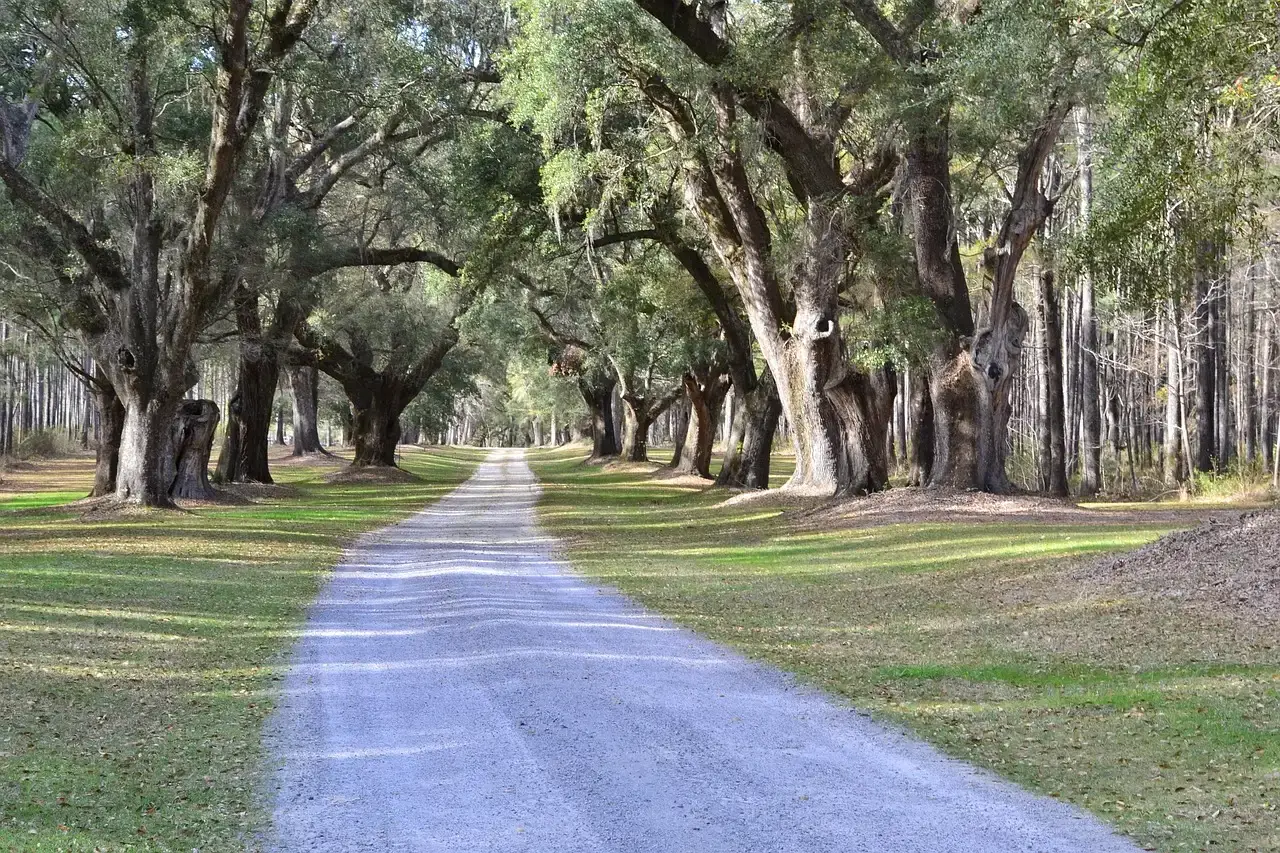
If you’ve never heard of Conway, you’re not alone. Most people still associate South Carolina tourism with Charleston or Hilton Head. Yet Conway quietly became the most searched relocation destination in the entire country for two consecutive years running.
Situated northwest of Myrtle Beach, Conway provides proximity to the ocean as well as all the entertainment, dining, and activities that a tourist destination offers, plus a more affordable cost of living and small-town charm with its historical downtown and Riverwalk on the Waccamaw River. Honestly, when you break it down, it’s a formula that’s hard to argue with.
South Carolina had one of the fastest-growing populations in the U.S. in 2024 as people relocated from other states. Conway, nestled in Horry County, sits at the center of that wave. Workers who once commuted into Charlotte or Atlanta are now logging in remotely from riverside porches.
2. Johnson City, Tennessee: Where the Mountains Are the Office View
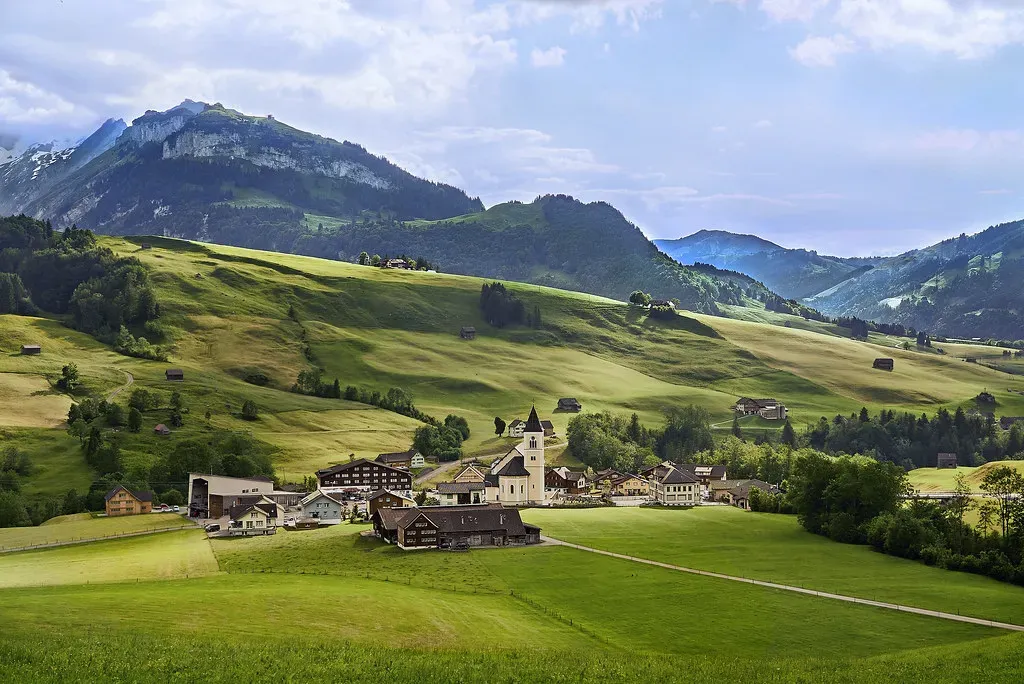
Johnson City sits tucked into northeastern Tennessee, wedged between rolling Appalachian ridges and some of the most dramatic hiking trails in the Eastern U.S. It’s not a place you’d typically associate with tech workers or marketing managers. Yet here they are, showing up by the thousands.
The Tennessee takeover continues, as the Volunteer State adds Chattanooga to the list for a total of four cities, including returnees Johnson City, Nashville, and Knoxville. That’s a remarkable stat. One state, four hot cities. Tennessee is an affordable southern state, great for newlyweds, recent college graduates, and retirees.
Migration to smaller, affordable metro areas with fewer than one million residents, like Knoxville, Tennessee, doubled during the first year of the pandemic while migration out of the largest metro areas also doubled in 2020. Johnson City benefits directly from that same gravitational pull. The lifestyle here is genuinely hard to replicate in a city at three times the cost.
3. Georgetown, South Carolina: Small Town, Big Momentum
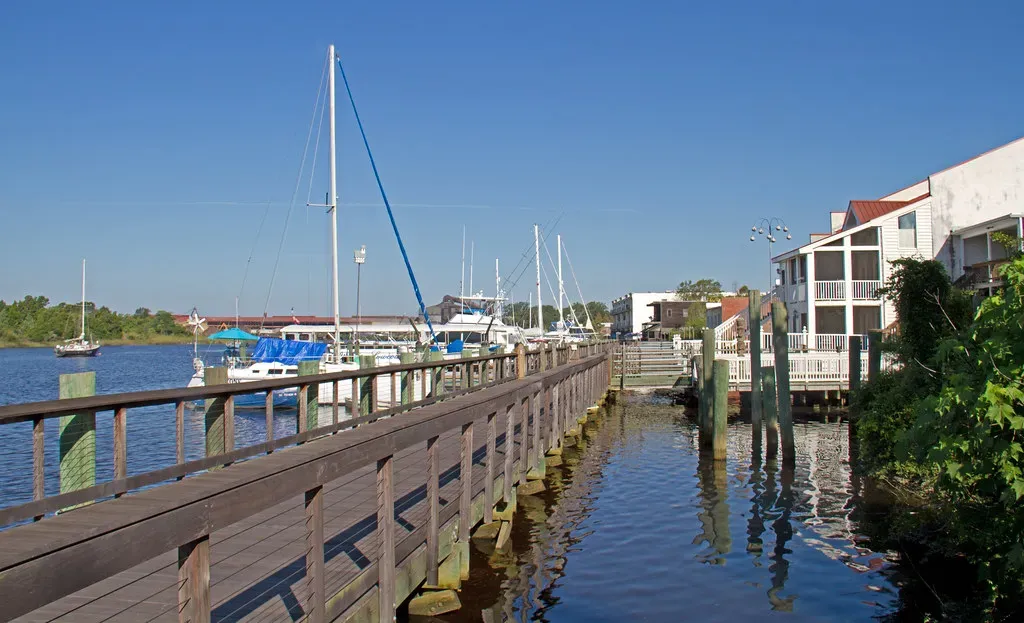
Georgetown, South Carolina, sits quietly below Myrtle Beach on the coast, and for years it was the kind of place locals kept to themselves. That’s changed. Many of the small towns and rural counties that experienced a surge in new residents were places that are relatively attractive to vacationers, such as Georgetown, South Carolina, south of Myrtle Beach.
These aren’t sleepy villages frozen in time, but dynamic communities experiencing remarkable growth as remote work, lower living costs, and genuine neighborhood vibes draw families and professionals alike. Georgetown fits that description almost perfectly. It has waterfront character, a functional downtown, and housing prices that feel almost surreal compared to what people are leaving behind.
The ripple effect is significant. Many remote workers seeking more affordable living conditions and a better quality of life have relocated from urban to rural areas, and this influx of new residents has driven up property values and spurred housing development in these regions. Georgetown is learning that lesson in real time.
4. Weaverville, North Carolina: Asheville’s Charming Little Neighbor
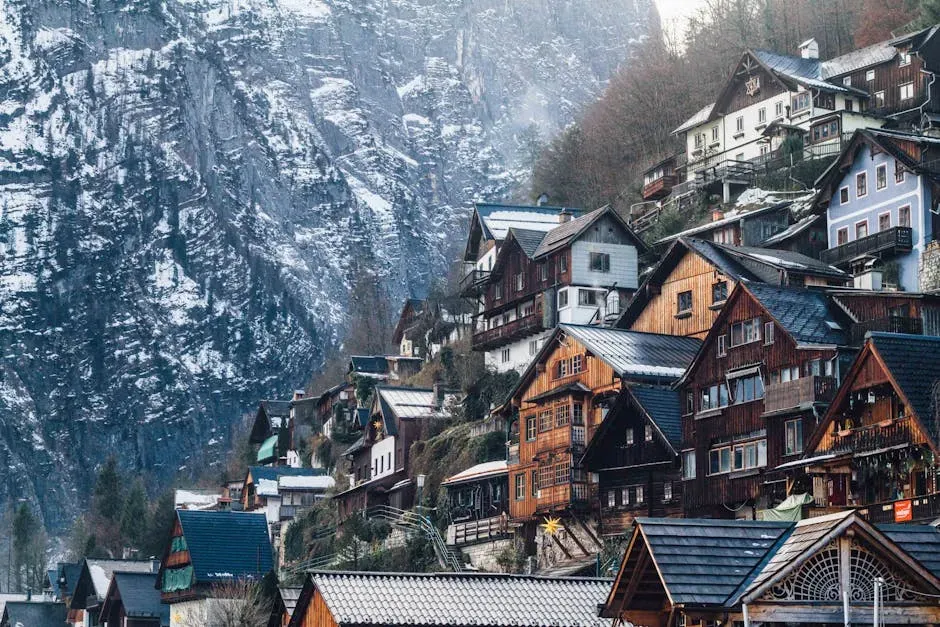
Here’s the thing about Weaverville: most people go looking for Asheville and stumble across this small mountain town instead, then never leave. It’s that kind of place. Sitting just minutes from downtown Asheville, if proximity to Asheville tops your list of priorities, Weaverville is a must-consider destination, offering the perfect blend of convenience and character, with a vibrant main street alive with bars, shops, and restaurants.
With a population of around 4,600, Weaverville has become one of the most desirable places to live and visit in Buncombe County. That’s tiny by any measure. For a lot of people migrating from dense cities, that’s actually the appeal.
Areas of the country that attracted new residents at high rates were those near large waterbodies, notably in the Southeast, Northern New England, and the North Great Lakes, and near mountains, particularly the Northern Rockies, the Ozarks, and the Southern Appalachians. Weaverville checks that Southern Appalachian box emphatically, and the surrounding landscape feels genuinely therapeutic after years of concrete and traffic.
5. Lincoln County, Kansas: The Rural Reboot Nobody Saw Coming
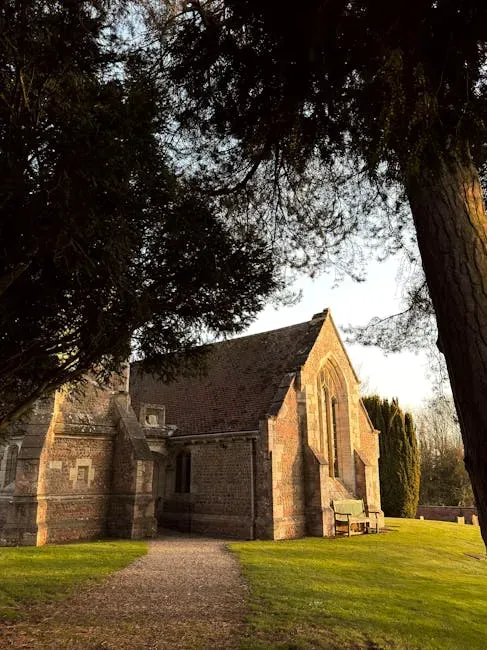
Okay, I know what you’re thinking. Kansas? Really? Hear me out. With a population of just 3,000, Lincoln County, Kansas, is appealing to prospective newcomers who want to be a member of a community and not just a demographic, offering remote workers who earn at least $50,000 and who agree to stay in the county for one year a $4,500 cash incentive to help defray the cost of moving.
They also throw in internet vouchers, a monthly dozen of fresh eggs, and a welcoming potluck event for newcomers. The last thing to sweeten Lincoln County’s deal is one dozen fresh eggs every month for a year, and a potluck welcome event for newcomers, because “we are an agricultural area after all, and it takes a special kind of person to move from a metro area to a really rural area like ours.”
It sounds quirky, but the real story is what this approach says about how small-town America is fighting back. With remote work apparently here to stay, rural communities are trying to attract new residents with everything from cash to potlucks, and farm-fresh eggs. And for people who are genuinely fed up with overcrowded cities, it’s an offer worth taking seriously.
6. Elkins, West Virginia: Mountains, Money, and a Fresh Start
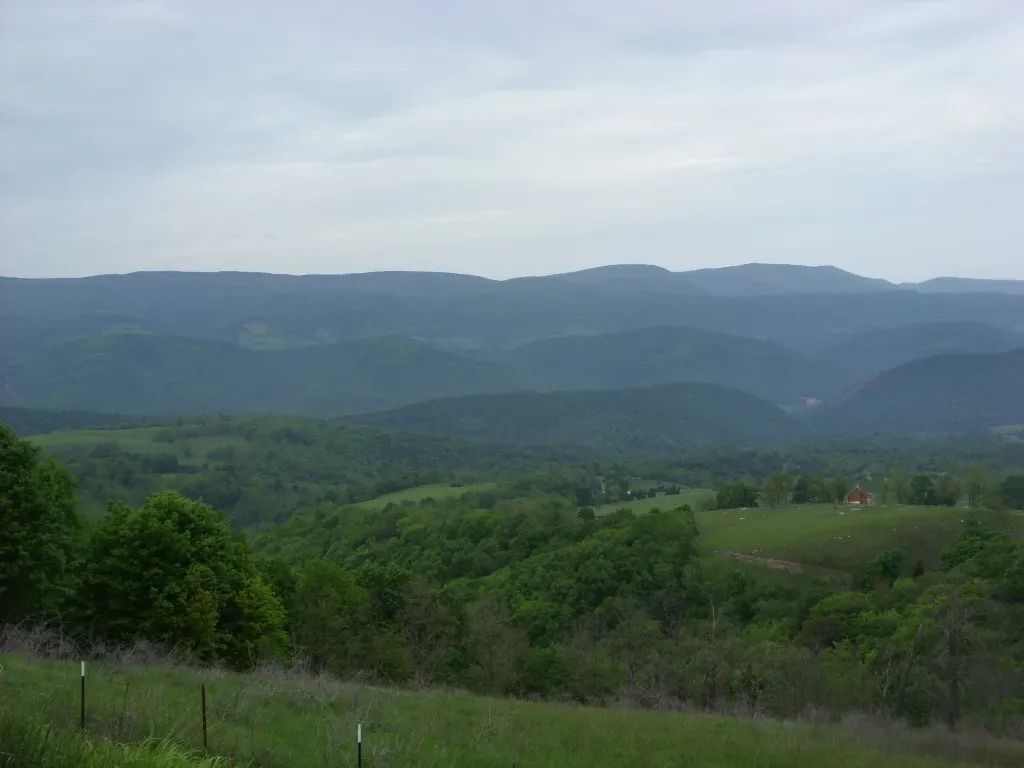
West Virginia has been one of the boldest players in the rural relocation game. The small town of Elkins, tucked into the Allegheny Mountains, is one of its most compelling entry points for newcomers. The state’s Ascend WV program has become a national model for what intentional community-building can look like.
West Virginia offers substantial incentives for remote workers through the Ascend WV program, including a $12,000 cash payment to remote workers who move to specific communities within the state, such as the Greater Elkins area, distributed over the first year with a completion bonus at the end of the second year, totaling up to $20,000 when combined with additional local incentives.
Beyond the monetary benefits, Ascend WV offers perks that include a year of free access to outdoor recreational activities, such as whitewater rafting, skiing, rock climbing, and horseback riding, valued at over $2,500, plus free gear rentals and a complimentary coworking space. For someone who traded a cramped city studio for mountain trails, this is not a hard sell.
7. Newton, Iowa: Prairie Living With a Paycheck Attached
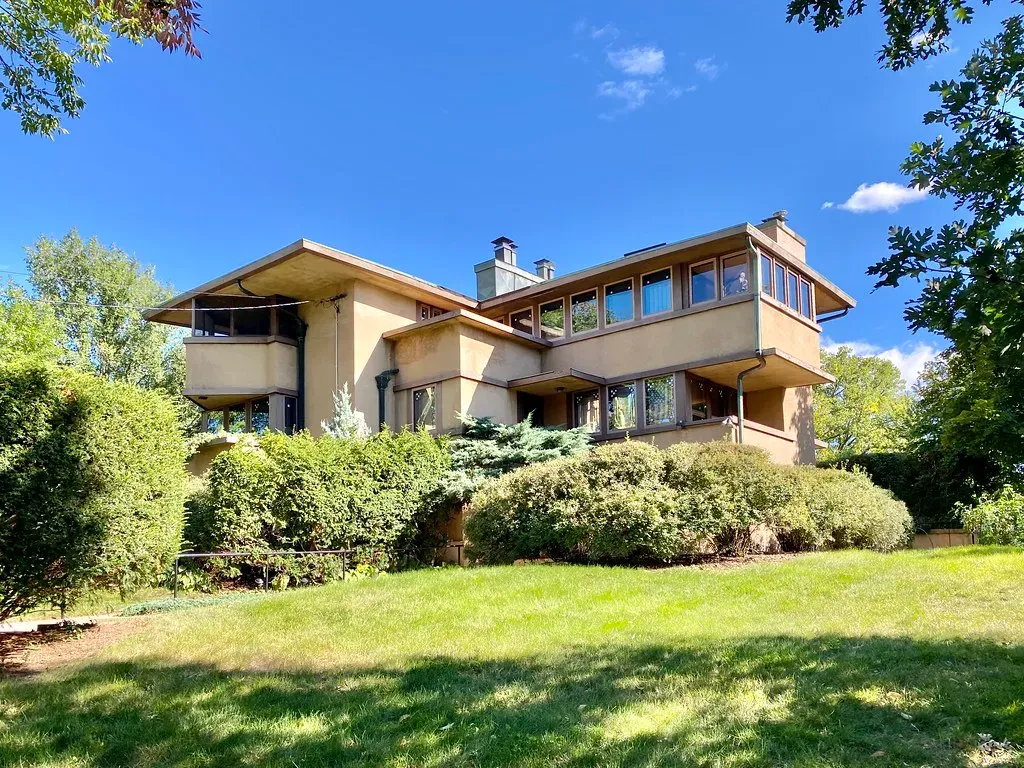
Newton, Iowa, sits 30 miles east of Des Moines in the middle of what most coastal Americans picture when they think “flyover country.” But Newton has something going for it that very few towns anywhere in America can match: they will literally pay you to show up.
The Newton Housing Initiative was designed to stimulate new home construction, enhance housing quality, and fuel the city’s tax base, offering up to $10,000 cash and a “Get to Know Newton” welcome package to buyers of newly built, owner-occupied single-family homes valued at $240,000 or more. That’s a meaningful financial push for families trying to get a foothold in homeownership.
Our latest survey reveals that 20% of remote workers plan to relocate in 2025, signaling a continued reshaping of America’s residential landscape to a more dispersed, less concentrated model, with the cost of living remaining a significant motivator at 37% of respondents. Newton speaks directly to all of that. The prairies don’t look so flat when they come with a financial runway built in.
8. Morgantown, West Virginia: College Town Energy in a Village-Sized Package
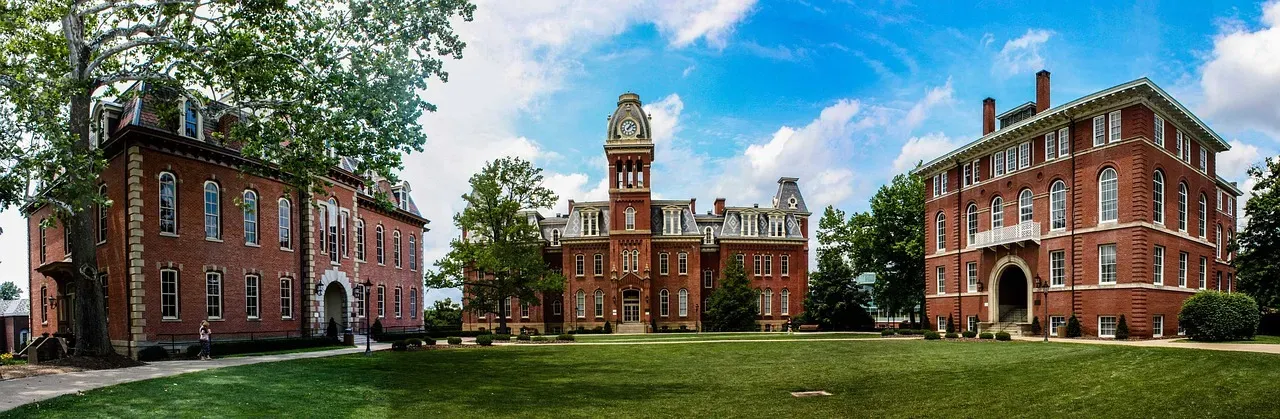
Morgantown is home to West Virginia University, which gives it an energy and cultural scene that defies its small footprint. It punches well above its weight. And it’s one of the specific communities highlighted in the Ascend WV relocation program, meaning newcomers can arrive with both a financial cushion and an instant social scene.
Many working professionals still have remote jobs and can relocate from expensive cities such as Los Angeles or Washington, D.C., to cities like Boise or Nashville. The same logic applies perfectly to Morgantown. A D.C. salary with West Virginia housing costs is, genuinely, a life-changing arbitrage. It’s hard to say for sure how long these conditions will last, but right now the math is almost too good to ignore.
Some of the nation’s smallest metro areas, those with under 250,000 residents including many classified as rural, have reversed years of population loss among workers aged 25 to 49, gaining at least 100,000 net new residents in each of the past three years, according to census data. Morgantown is part of that broader demographic reversal, and the town feels it in its restaurants, coffee shops, and housing market.
9. Tulsa, Oklahoma: The Big-Bonus Village That Started It All

Tulsa isn’t a tiny hamlet in the traditional sense, but in the context of where its new residents are coming from, it feels like one. People are arriving from San Francisco, New York, and Chicago, and saying the city feels refreshingly human-scaled. Tulsa Remote, the program that put this on the national map, has become the gold standard for relocation incentives everywhere.
Supported by the George Kaiser Family Foundation, Tulsa Remote has grown from 70 remote workers when it launched in 2018 to more than 3,400 in 2025, with those accepted into the program receiving a $10,000 grant to help with relocation. That retention number is what makes this program extraordinary. The money gets people there. The community keeps them.
MakeMyMove’s internal modeling estimated that in Noblesville, Indiana, a $15,000 incentive package helped attract 102 households with an average income of $138,000 and produced an annual economic impact of more than $10.6 million, while in southwest Indiana, five rural counties spent $5,500 per household to recruit 93 families earning $97,000 on average, generating $5.4 million a year. Tulsa’s ROI tells a similar story. About 90% of relocated workers stay after their first year, and roughly 70% are still there after year three. Those are retention rates most companies would envy.