12 Things You Do in a Job Interview That Make Recruiters Decide Within 2 Minutes Not to Hire You
You worked hard to get that call. You polished your resume, sent dozens of applications, maybe waited weeks for a response. And then, just like that, the interview is over in a blink. Not because you lacked the skills, but because of something much more subtle. Something you probably didn’t even notice you were doing.
The hiring world in 2025 and 2026 is brutally competitive. On average, employers received around 180 applicants per hire in 2024. The odds are already stacked against you. So when you finally get that seat across from a recruiter, every single second counts. Let’s dive in.
1. You Show Up Late (or Way Too Early)

The fastest way to ruin a first impression in a job interview is to show up late, and according to a Ringover report that surveyed over 1,200 people who have interviewed job candidates, tardiness is the one interview behavior that puts hiring managers off the most. It signals a lack of respect for the recruiter’s time and, honestly, raises the question: if they can’t be on time for the interview, what happens when they have a 9 a.m. deadline?
Here’s the thing though, showing up excessively early isn’t much better either. Recruiters recommend arriving five minutes early to an in-person interview, and ten minutes early to a video interview, in case of technical difficulties. Anything beyond that and you risk putting the interviewer in an awkward position before things even start.
2. You Haven’t Done Your Research on the Company

Interviewees with no knowledge of the company get rejected by nearly half of all recruiters. That number is genuinely alarming when you think about how easy it is to spend twenty minutes reading a company’s website. It’s like going to a job interview for a bakery and not knowing they sell bread.
Around nearly half of all interview failures are attributed to insufficient knowledge about the hiring company, and this is considered the most preventable failure point in the entire process. Indeed’s 2024 Workforce Insights Report found that just over half of candidates research the company before walking into an interview, which means the other half are walking in blind and paying the price for it.
3. Your Body Language Is Quietly Killing Your Chances

Non-verbal communication accounts for approximately 55% of communication during an interview. Think about that for a moment. More than half of what the recruiter is processing about you has nothing to do with your words. It’s your posture, your eye contact, the way you sit.
Roughly two thirds of interviewers did not hire candidates that failed to make eye contact. Around a third of recruiters reported that even a bad handshake from a candidate could create a negative impression. Around one in five recruiters agree that candidates who sit with their arms crossed are not considered for the role, while around half of all interviewers agree that many candidates are rejected solely on how they dress, act, or even walk through the door.
4. You’re Dressed All Wrong

A staggering 71% of all companies will reject an applicant if they aren’t dressed appropriately. That is not a small number. It’s roughly three out of four employers making a snap judgment based on what you chose to wear that morning. Dressing professionally isn’t about vanity, it’s a form of communication.
A Jobvite survey found that roughly a quarter of interviewers consider dressing too casually a deal-breaker. Research also shows that about one in four candidates are rejected due to inappropriate dress. It’s a fast and silent disqualifier. The good news? It’s completely within your control.
5. You Don’t Smile or Show Any Warmth

A striking 78% of employers say a bright, positive attitude makes all the difference in an interview. Recruiters are human, too. They want to hire people they can imagine working with every day. Walking in looking like you’d rather be anywhere else sends a clear message.
Around 40% of interviewers simply did not consider candidates who failed to smile. That might feel harsh, but think of it this way: warmth and enthusiasm cost you nothing, and they can tip the scales enormously in your favor. With around 39% of job seekers leaving a bad impression due to confidence issues, voice quality, or a lack of a smile, the data makes clear just how much non-verbal positivity matters.
6. You’re Completely Unprepared for Basic Questions

According to a TopInterview survey, 70% of hiring managers say that being unprepared is a common mistake made by candidates during interviews. Showing up without having thought through common questions like “Tell me about yourself” or “Why do you want this role” is one of the fastest ways to get mentally dismissed.
Research from CareerBuilder found that roughly half of all interview failures are due to a lack of preparation by the candidate. It’s a bit like taking an exam without studying. You might get lucky, but the odds are grim. Even experienced professionals can struggle when they underestimate the importance of interview skills, fail to research the company thoroughly, or make subtle mistakes that overshadow their technical qualifications.
7. You Appear Arrogant or Overconfident

A striking 76% of recruiters reported that they would reject a candidate who appears arrogant. There’s a meaningful difference between confidence, which recruiters love, and arrogance, which they despise. Confidence says “I can do this.” Arrogance says “You’re lucky to have me here.”
Overconfidence often shows up as interrupting the interviewer, dismissing questions as too basic, or bragging without being asked. Poor communication abilities, including failing to listen actively or providing rambling responses, significantly impact interview success rates because they create lasting negative impressions that overshadow technical qualifications. A little humility goes a long, long way.
8. You Lie or Exaggerate Your Qualifications
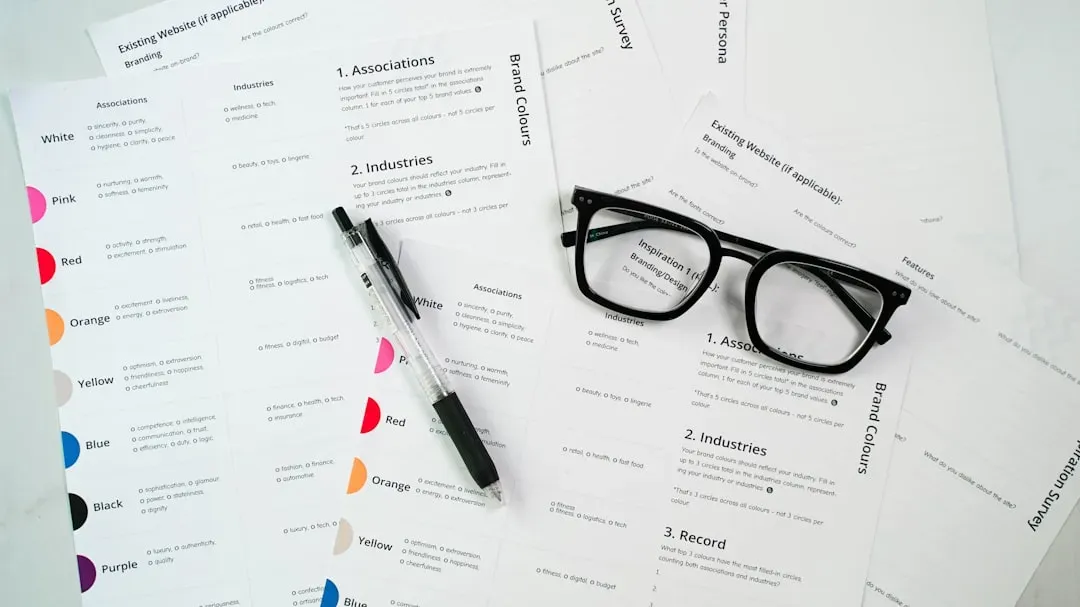
A January 2025 Resume Builder survey of 2,000 American job applicants found that 44% admitted to lying during the hiring process. Of those who lied, nearly a quarter lied on their resume, roughly one in five lied during an interview, and 6% lied on their cover letter. The temptation is understandable, but the consequences are severe.
Around two thirds of hiring managers say that they would automatically disqualify a candidate if they were caught lying on their resume. On top of that, approximately 96% of U.S. employers now conduct background or screening checks on new hires, including criminal, credit, education, and drug tests. In short, the probability of getting caught is very high and the cost is absolute.
9. You Have No Questions to Ask

Research shows that roughly 38% of candidates fail to ask questions about the role or company, and engagement during the interview demonstrates real interest and initiative. When a recruiter asks “Do you have any questions for us?” and you say “No, I think we covered everything,” what they often hear is “I haven’t thought much about actually working here.”
Asking thoughtful questions shows engagement and interest, and says just as much about you as the answers you give. Generic questions like “What’s the company culture like?” are far less effective than tailored ones that show you’ve done your homework. Recruiters are assessing your curiosity and critical thinking even in those final minutes. Don’t waste them.
10. You Talk Too Much (or Too Little)

Around one in five interviewers cite excessive talking as a major turnoff, and concise, relevant answers are significantly more effective. Rambling is a common nervous habit, but it can make a candidate seem scattered or unable to prioritize information. Think of it like a GPS that keeps recalculating, eventually the driver just gives up and turns it off.
Talking too much and talking too little can both lead to leaving a bad impression on the interviewer. Avoid being too chatty, super quiet, or not asking any questions. The sweet spot is a focused, conversational tone where you answer clearly and leave natural space for dialogue. It’s harder than it sounds.
11. You Show No Soft Skills or Emotional Intelligence

While technical skills are crucial, employers are placing increasing importance on soft skills like communication, collaboration, and emotional intelligence. If you focus solely on hard skills and fail to demonstrate interpersonal strengths, you may be overlooked in favor of a more well-rounded candidate. Hiring teams aren’t just looking for someone who can do the job, they’re looking for someone the team can actually work with.
Research from CareerBuilder shows that a remarkable 92% of employers value emotional intelligence in interviews, with empathy and interpersonal skills considered critical for team dynamics. According to LinkedIn, the vast majority of recruiters, around 91%, look primarily for soft skills on a resume. Honestly, this is one of the most underestimated deal-breakers out there.
12. You Don’t Follow Up After the Interview
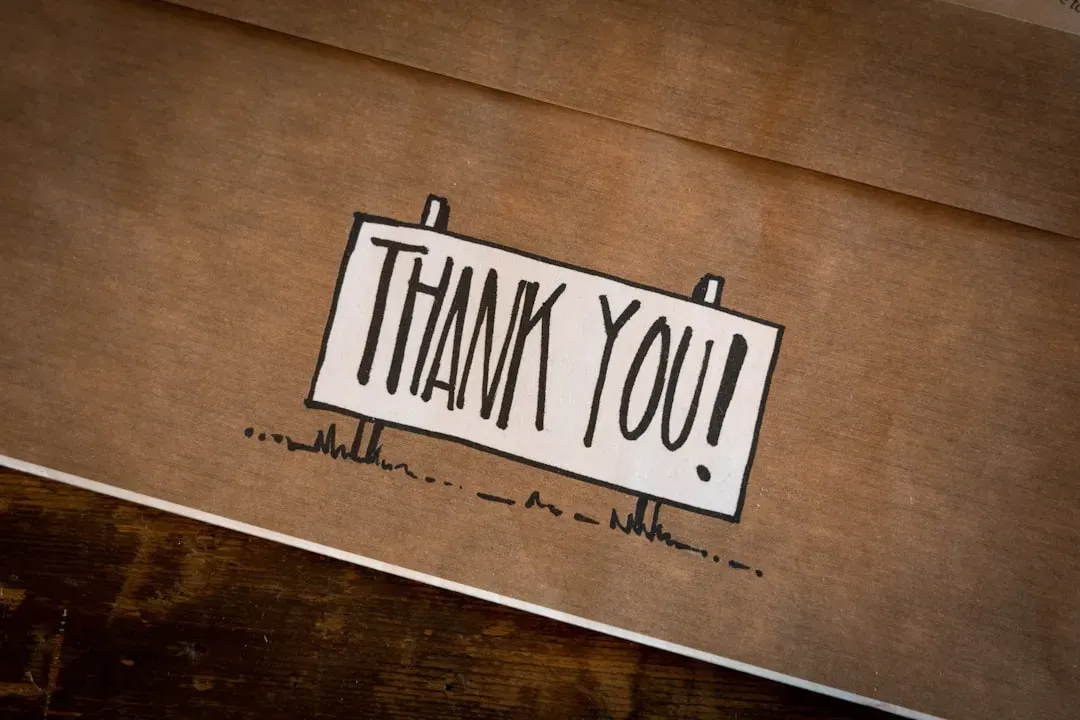
Research shows that 86% of hiring managers say that a thank-you email or note after an interview has some influence on their decision-making process. That’s an enormous opportunity that most candidates simply leave on the table. It takes five minutes to write a genuine, brief thank-you message and it can genuinely tip the scales.
Following up isn’t just about politeness. It reinforces your interest in the role and keeps your name top of mind right when the recruiter is weighing their options. According to a CareerBuilder survey, roughly half of all employers know within the first five minutes of an interview whether a candidate is a good fit, so a thoughtful follow-up note can be your second chance to confirm that instinct was right. Don’t skip it.