5 Red Flags in a Doctor’s Waiting Room That Should Make You Leave
Walking into a doctor’s waiting room, most people are focused on their health concern, not on their surroundings. That’s understandable. Yet the waiting room itself is one of the most revealing spaces in any medical practice, offering real clues about the quality and safety of the care you’re about to receive. From cleanliness failures to privacy violations, what you observe before you even see a physician can tell you everything about how that practice operates. Pay close attention, because some of these warning signs carry genuine health consequences.
1. Visibly Dirty or Unsanitary Conditions
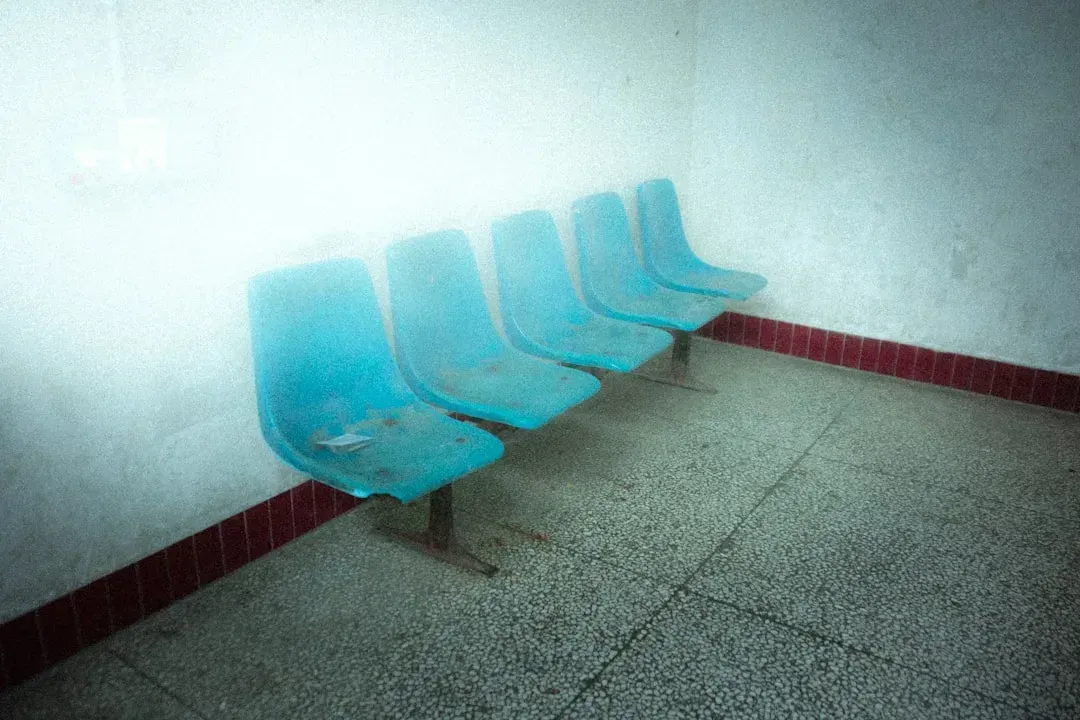
A messy, cluttered, or unsanitary waiting area can signal a lack of attention to detail that may extend to patient care. Dusty magazines, overflowing trash cans, or visibly dirty floors should raise concern. These aren’t just cosmetic issues. A practice that tolerates filth in the room patients see first almost certainly tolerates filth in the rooms they don’t.
The Centers for Disease Control and Prevention estimates that nearly two million people get infections from their stay in a hospital each year, and roughly 100,000 of them go on to die from those infections. Hospital staff who fail to follow proper protocols for patient safety, such as sanitization and infection protection by handwashing, disinfecting medical equipment, sterilizing medical instruments, and cleaning dirty surfaces, represent a significant indicator of negligent care. Dirt in a waiting room is a leading, visible sign of exactly that kind of failure.
2. No Hand Sanitizer, Masks, or Basic Hygiene Supplies
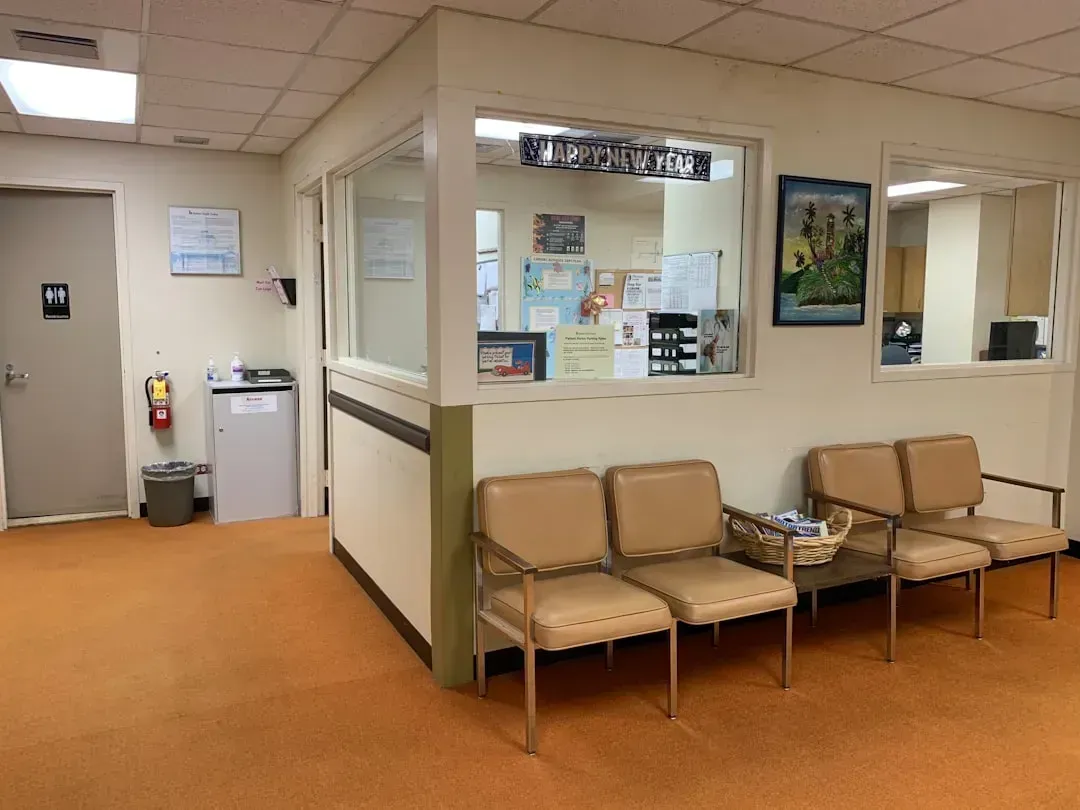
The waiting areas of physician offices present a real challenge to infection prevention. Seats are often close together, so sick people are sitting almost on top of one another. A well-run practice acknowledges this reality and takes active steps to address it. Clear, visible signs reminding visitors to cover their mouths when coughing and washing their hands, along with tissues, alcohol-based handrubs, and masks readily available for visitors, are basic markers of a responsible practice.
Viruses that spread by droplets in the air, like the flu and COVID-19, can move from person to person if you sit too closely together in a waiting room. That risk goes up the louder the infected person talks or if they sneeze or cough. Books or magazines that are passed around are uncleanable, high-touch items that present additional infection risks. If none of these concerns are being addressed, the practice is simply not serious about your health before you even enter an exam room.
3. Excessively Long Waits With No Communication
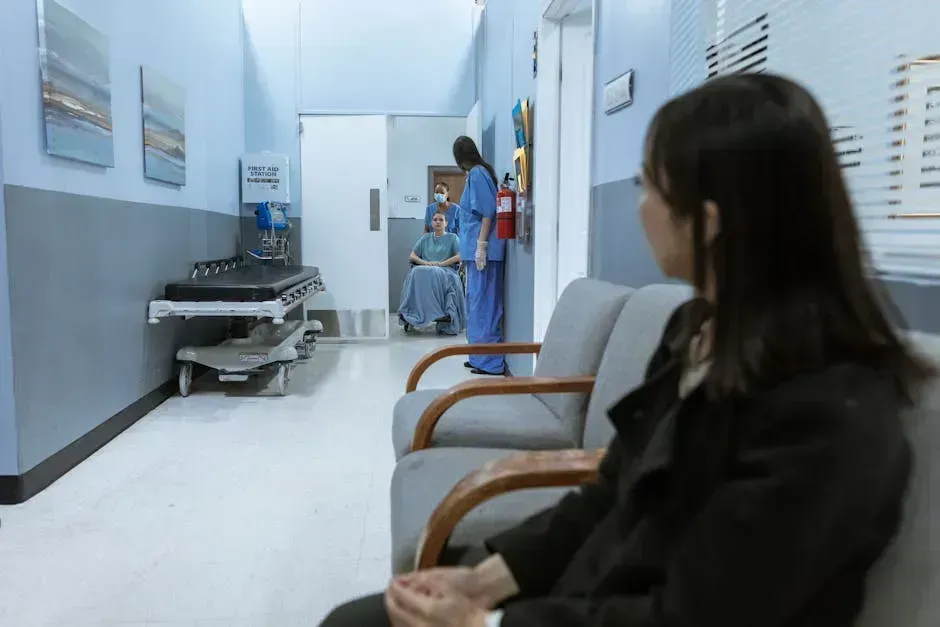
Everyone expects a bit of waiting at a doctor’s office, but excessive delays without communication should not be brushed aside. Long waits can happen occasionally due to emergencies, but courteous staff should always keep patients informed. When hours pass without updates or apologies, it shows a lack of respect for patients’ time. This indifference may indicate an overbooked practice or poor time management.
Securing a timely physician appointment in 2025 became increasingly daunting challenge for patients across the country. Wait times have reached record highs, creating a bottleneck in healthcare delivery. This growing issue is more than just an inconvenience; it directly impacts patient health outcomes and overall satisfaction with the healthcare system. About 25% of patients have switched providers to avoid excessive waits, and an equal number have discouraged friends or family from seeing a doctor due to long delays. If the staff cannot even be bothered to acknowledge your time, that pattern is unlikely to improve once you’re in the exam room.
4. Staff Discussing Patient Information in the Open

Confidentiality is a cornerstone of ethical medical care. If sensitive conversations can be overheard in hallways or waiting areas, trust erodes quickly. Exam room doors left ajar or discussions held in public spaces compromise a patient’s right to privacy. Everyone should feel safe sharing personal information without fear that strangers might listen in.
The HIPAA Privacy Rule prevents the unauthorized use or disclosure of protected health information. The issue of physician offices calling out names of patients in waiting rooms implicates the HIPAA Privacy Rule directly. In 2024, OCR resolved 16 HIPAA violation cases with financial penalties, rose to 21 in 2025. Practices that casually discuss patient information in earshot of others are not only breaking trust, they are potentially breaking the law, and that should be a firm reason to walk out.
5. Rude, Disorganized, or Overwhelmed Front Desk Staff
Inadequate staffing is evident when patients do not get what they need, such as prompt consultations, diagnoses, and treatment. Overworked doctors may rush from room to room, leaving patients with unanswered questions, or stressed and tired nurses may be slow to respond to patient needs, rude, and complaining. This energy starts at the front desk. If the first person you encounter is dismissive, disorganized, or visibly stressed to the point of being rude, that is a systemic problem, not an individual bad day.
Nearly one in three medical groups lost a physician because of burnout, and that pressure filters down to every layer of a practice. Studies have found that long wait times can decrease outcomes and can negatively impact patient satisfaction scores. The healthcare industry faces numerous challenges including adapting to new technologies, navigating changes in care delivery settings, and addressing complex risks like staff burnout and workplace violence. Despite these challenges, ensuring patient and workforce safety remains paramount. A front desk that cannot manage basic courtesy under pressure is a clear signal that the care behind those doors may be just as strained.
Your waiting room experience is not just background noise. It is a live preview of how a practice operates under real conditions. Poor hygiene, absent safety supplies, unexplained delays, privacy violations, and overwhelmed staff are each, on their own, worth taking seriously. Together, they form a picture that no patient should ignore. You always have the right to leave, to ask questions, and to find a practice that treats your safety and dignity as priorities from the very first moment you walk through the door.